How Herbs Can Help Calm the Chaos in Your Gut
Digestive stress is that uneasy, knotted-up feeling in your gut that shows up when your body’s “fight or flight” response spills over into your stomach and intestines. Ever notice how a big presentation, a first date, or bad news can turn your stomach into a washing machine? That’s not a coincidence — your gut has a mind of its own, and it’s listening to every worry you have.
Herbs That Can Help
Herbs have been used for centuries to soothe the digestive tract, calm the nervous system, and ease the tension that builds up when stress and digestion collide. Many work by relaxing gut muscles, reducing inflammation, or calming the mind-gut connection at the same time. Below are some of the most trusted herbal allies for digestive stress.
- Peppermint — Long used to relax the muscles of the digestive tract, peppermint can ease cramping, bloating, and that tight, gassy feeling that often follows a stressful meal.
- Chamomile — A gentle nervine and digestive relaxant, chamomile has traditionally been sipped after meals to calm both nerves and an unsettled stomach.
- Ginger — Prized for centuries for settling queasiness, ginger warms the digestive system and helps move things along when stress slows digestion to a crawl.
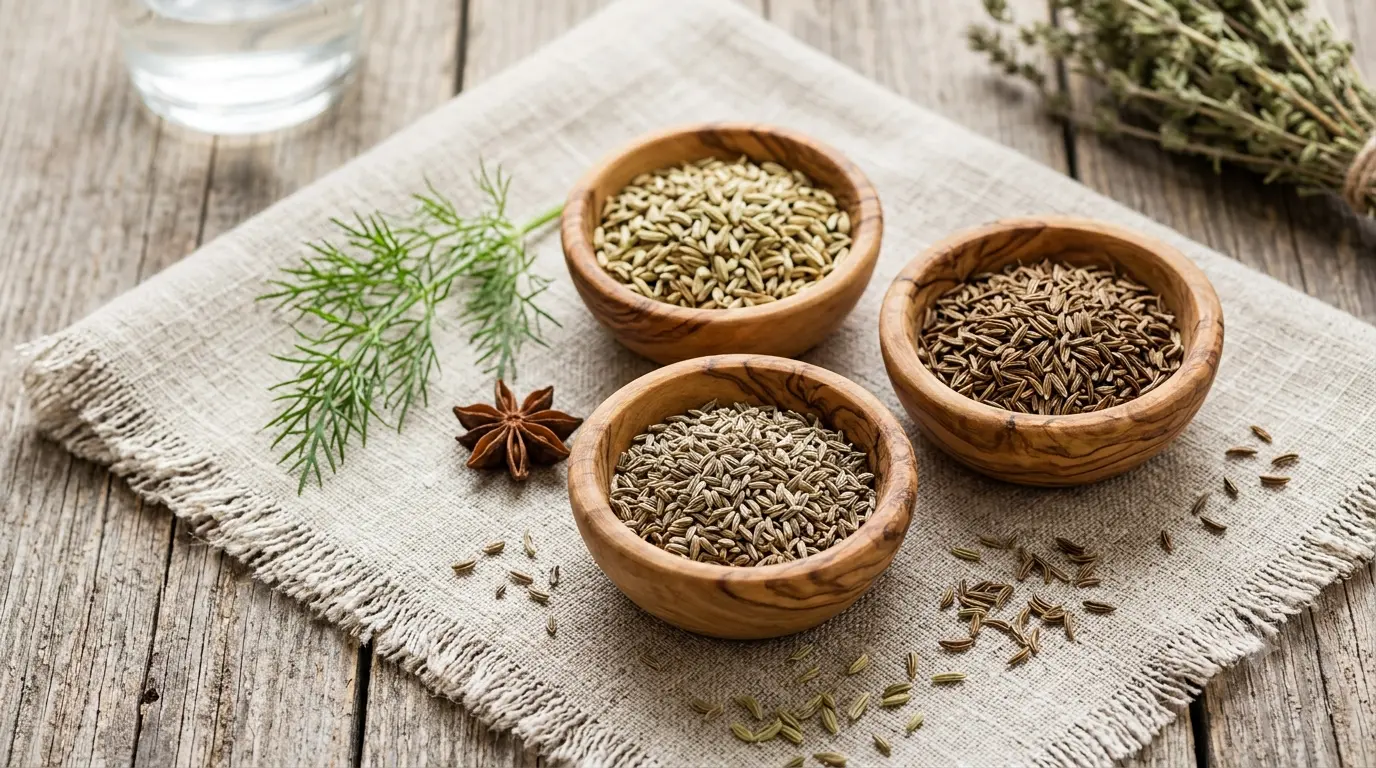
- Fennel — Known for easing gas and bloating, fennel seeds have long been chewed after meals in many cultures to support smooth, comfortable digestion.
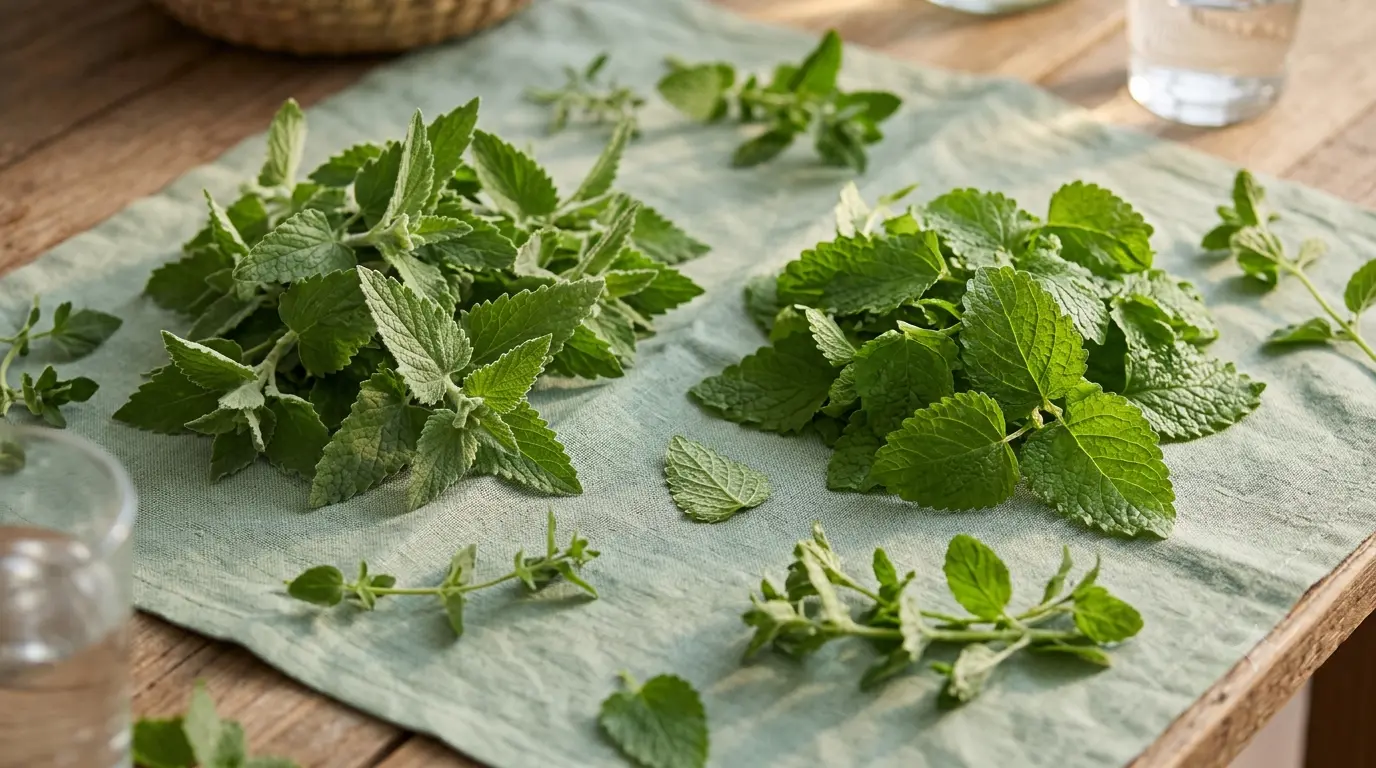
- Lemon Balm — A calming member of the mint family, lemon balm soothes anxious energy while gently supporting a nervous stomach.
- Licorice Root — Traditionally used to soothe and coat the digestive lining, licorice root can be especially helpful when stress leaves the stomach feeling raw or irritated.
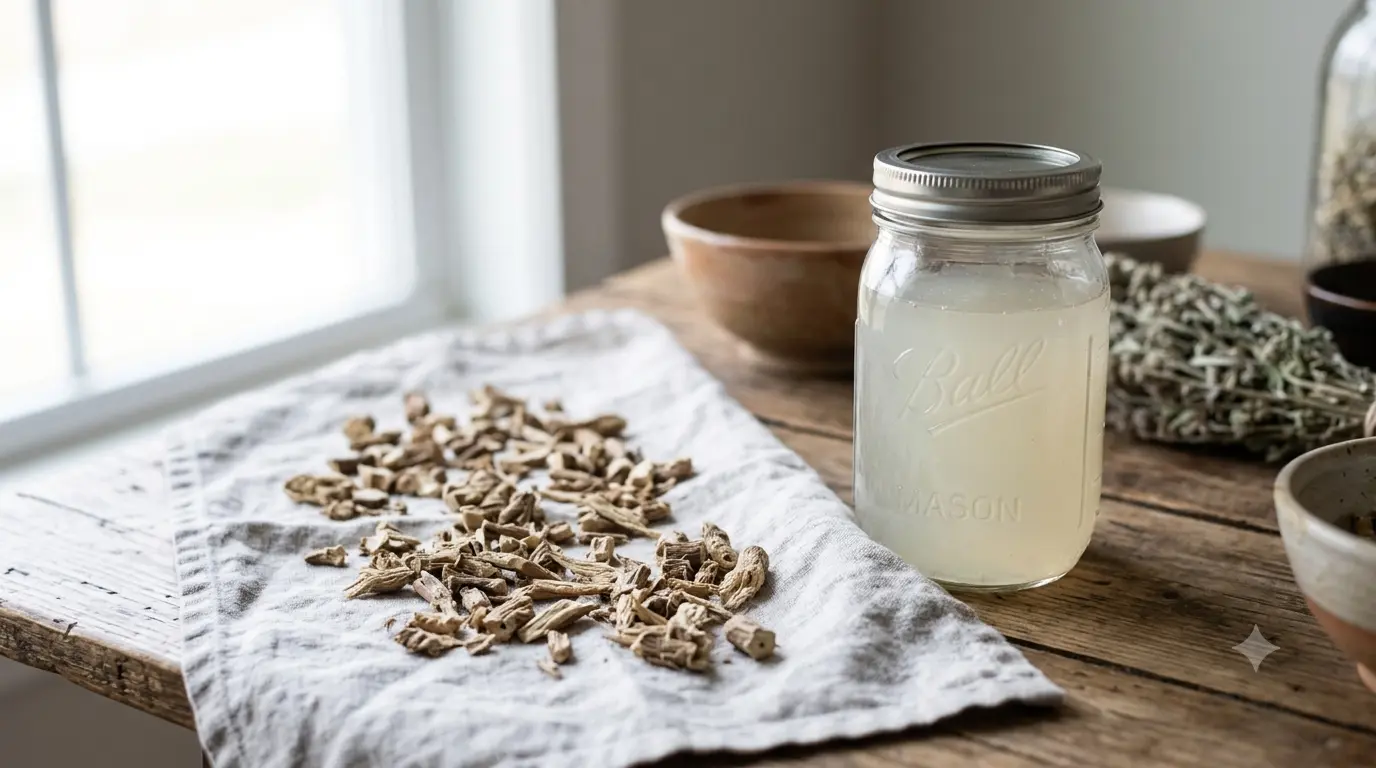
- Marshmallow Root — A mucilage-rich herb that coats and calms irritated digestive tissue, offering relief when stress has left the gut feeling inflamed or reactive.
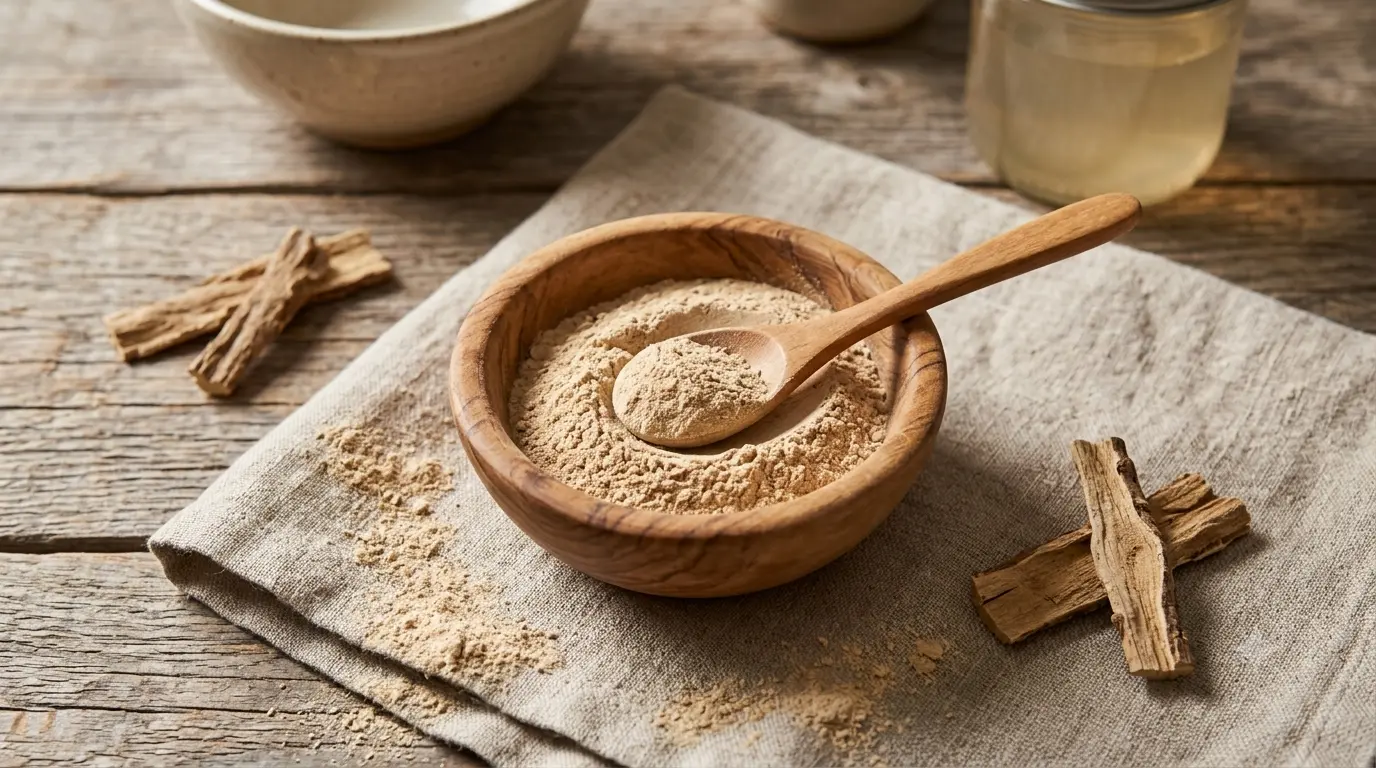
- Slippery Elm — Similar to marshmallow root, slippery elm forms a soothing gel-like coating that has been used traditionally to calm an irritated, stressed digestive tract.
- Holy Basil (Tulsi) — An adaptogenic herb that helps the body respond to stress more gracefully, holy basil supports both emotional balance and digestive comfort.
- Catnip — Not just for cats — this gentle herb has a long folk history as a calming digestive aid, easing tension-related stomach upset in both mind and gut.
Most Popular Recipe
Calm Belly Tea
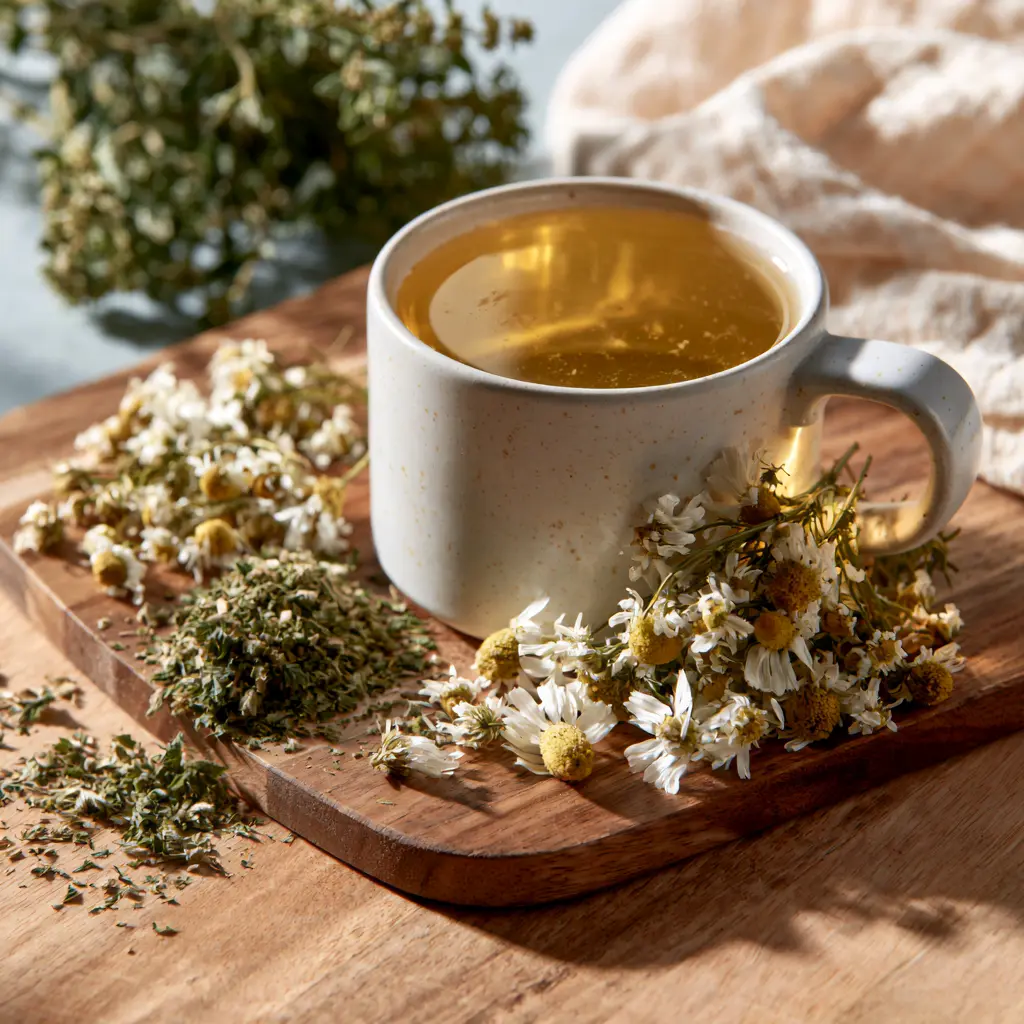
Herbs used: Peppermint, chamomile, and fennel
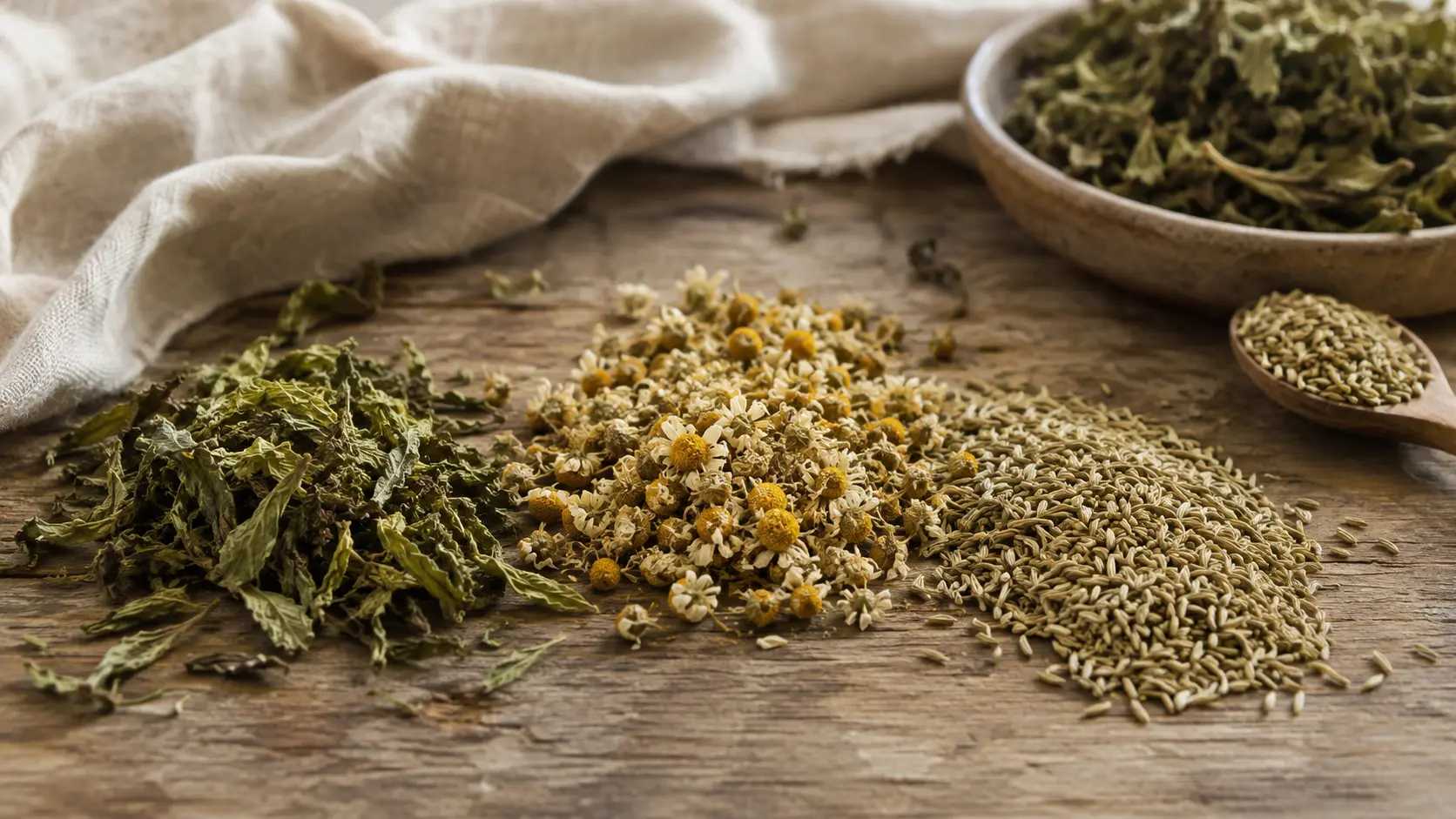
- Combine equal parts dried peppermint leaf, chamomile flowers, and fennel seed (about 1 teaspoon of each) in a tea infuser or mug.
- Pour 8–10 ounces of just-boiled water over the herbs and steep, covered, for 8–10 minutes to allow the fennel’s oils to fully release.
- Strain and sip slowly, ideally 20–30 minutes after a meal or whenever that familiar knot of stress settles into your stomach.
This simple three-herb blend is a gentle, beginner-friendly starting point for anyone new to using herbs for digestive stress.
Explore Other Recipes
Herbal Products with Digestive Stress Herbs
If brewing your own blends isn’t your thing, these herbs are widely available in ready-to-use formats. Herbal teas offer a comforting ritual, tinctures provide a fast-acting and portable option, capsules make dosing simple and consistent, and bath soaks infused with calming herbs like chamomile or lemon balm can support relaxation that indirectly benefits digestion.
- Pre-blended digestive stress teas
- Single-herb tinctures (peppermint, ginger, chamomile)
- Digestive-support capsule blends
- Calming herbal bath soaks
- Loose-leaf herbs for custom blending
Comparison of Herbs
| Herb | Best For | How to Use |
|---|---|---|
| Peppermint | Cramping, bloating, gas | Tea, tincture, or enteric-coated capsules |
| Chamomile | Nervous stomach, post-meal tension | Tea before bed or after meals |
| Ginger | Nausea, sluggish digestion | Fresh tea, tincture, or chewable candies |
| Fennel | Gas, bloating | Chewed seeds, tea, or tincture |
| Lemon Balm | Anxious stomach, stress-related upset | Tea or tincture |
| Licorice Root | Irritated or raw digestive lining | Tea (short-term use) or DGL lozenges |
| Marshmallow Root | Inflammation, irritation | Cold infusion or tea |
| Slippery Elm | Coating and soothing the gut lining | Powder mixed with water, or lozenges |
| Holy Basil (Tulsi) | Stress resilience, gut-brain balance | Daily tea or tincture |
| Catnip | Tension-related stomach upset | Mild tea |
Learn More About Digestive Stress
What Digestive Stress Is
Digestive stress refers to gastrointestinal discomfort — like cramping, bloating, nausea, or irregular bowel habits — that is triggered or worsened by psychological or emotional stress, rather than by food alone. It’s distinct from a chronic digestive disorder like IBS (though the two can overlap); digestive stress is more of a situational, stress-responsive pattern than a diagnosed condition, and it often resolves once the stressor passes or the nervous system settles.
How It Shows Up
- Stomach knots, tightness, or a “butterflies” sensation before stressful events
- Bloating or gas that flares during busy, high-pressure periods
- Nausea or loss of appetite when anxious
- Sudden urgency or changes in bowel habits under pressure
- Difficulty digesting even familiar foods during stressful stretches
- Racing thoughts or irritability paired with physical stomach discomfort
- Reaching for comfort food or skipping meals entirely when overwhelmed
Why It Happens
Your gut and brain are in constant two-way communication through what’s known as the gut-brain axis. When stress triggers the release of cortisol and adrenaline, blood flow shifts away from digestion, gut motility changes, and the nervous system’s “rest and digest” mode gets overridden by “fight or flight.” Over time, this can lead to a genuinely reactive, easily-upset digestive system — even when nothing is technically wrong with the gut itself.
Q&A
Can I take digestive herbs every day, or just when I’m stressed? Many gentle herbs like chamomile, lemon balm, and fennel are traditionally used regularly, while others, like licorice root, are best reserved for shorter-term use. When in mind, start with occasional use and check in with a healthcare provider about daily habits.
How long does it take for herbal teas to work? Many people notice mild relief within 20–30 minutes of drinking a calming tea, though consistent use over days or weeks often brings more noticeable, lasting benefits.
Can I combine several of these herbs together? Yes, many of these herbs are traditionally blended — peppermint, chamomile, and fennel is a classic, gentle combination. Start with two or three herbs before building more complex blends.
Is it safe to take these herbs while pregnant or breastfeeding? Some herbs on this list, including licorice root, are not recommended during pregnancy. Always check with a healthcare provider before using herbal remedies while pregnant or nursing.
Will herbs interact with my medications? Some herbs, particularly licorice root and holy basil, can interact with certain medications, including blood pressure or blood sugar medications. Check with a pharmacist or doctor if you take prescription medications.
Who should avoid these herbs altogether? People with certain conditions — such as GERD (with peppermint), hormone-sensitive conditions, or those on blood thinners — should use caution. Anyone with a chronic digestive condition should consult a healthcare provider before starting an herbal routine.
References
- University of Michigan Health – Herbal Therapy for Digestive Health
- National Center for Complementary and Integrative Health (NCCIH)
- American Botanical Council
- Memorial Sloan Kettering – About Herbs Database
- National Institutes of Health – PubMed
- American Herbalists Guild
Safety Tips
- Start with small amounts of any new herb to check for sensitivity or allergic reaction.
- Avoid licorice root long-term or if you have high blood pressure.
- Consult a healthcare provider before combining herbs with prescription medications.
- Pregnant or breastfeeding individuals should check with a provider before use.
- Persistent or severe digestive symptoms warrant medical evaluation, not just herbal support.
- Source herbs from reputable suppliers to ensure quality and purity.
Disclaimer
This article is for educational purposes only and is not intended as medical advice. It is not a substitute for professional medical diagnosis, treatment, or guidance. Always consult a qualified healthcare provider before starting any new herbal regimen, especially if you are pregnant, nursing, taking medications, or managing a chronic health condition.