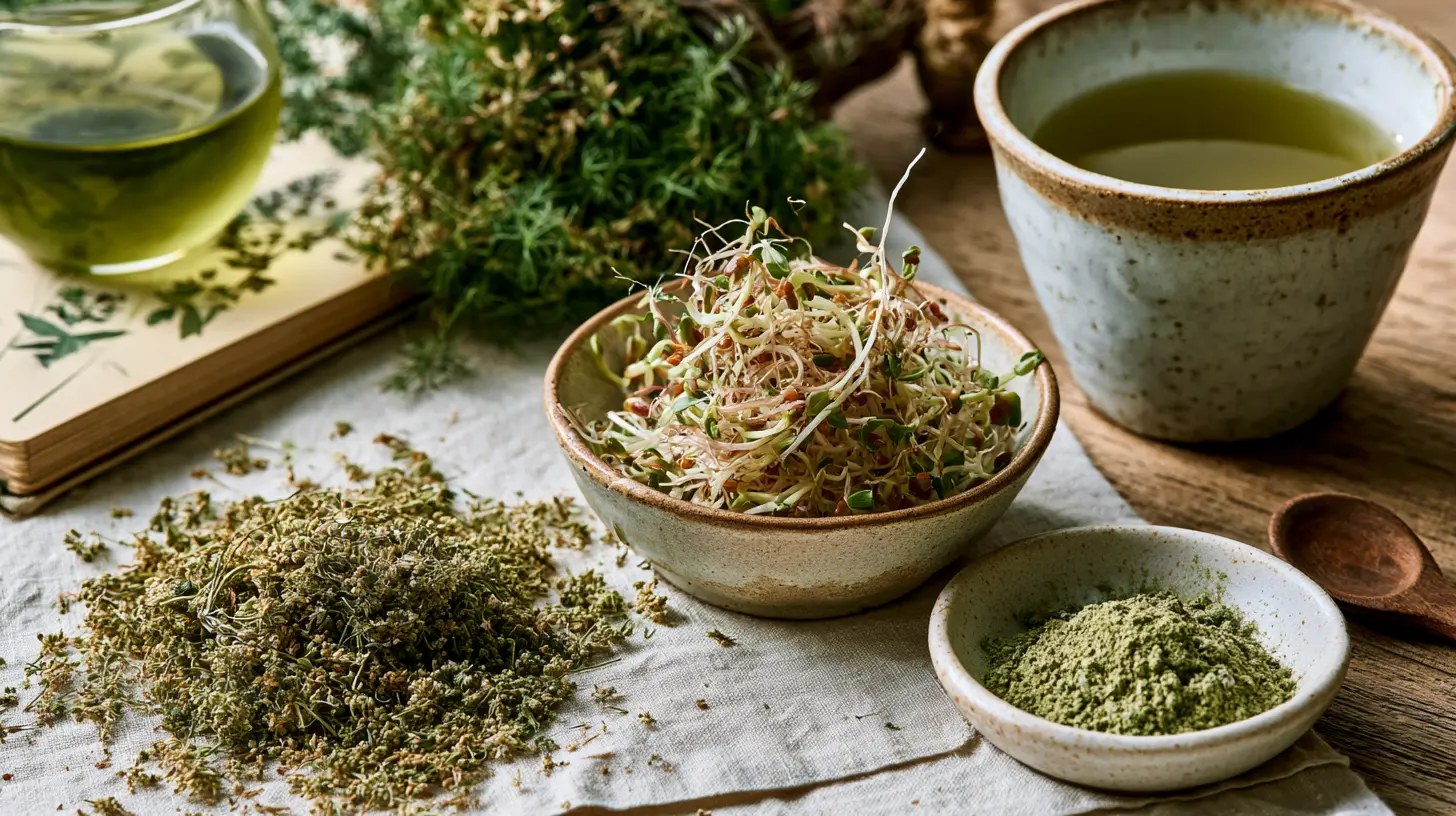
Traditionally, alfalfa leaf has been used to support general nourishment, digestion, mineral intake, vitality, and healthy elimination. It is often taken as tea, powder, tablets, capsules, or included in green food blends. Alfalfa sprouts are also eaten as food, though they require extra food-safety caution.
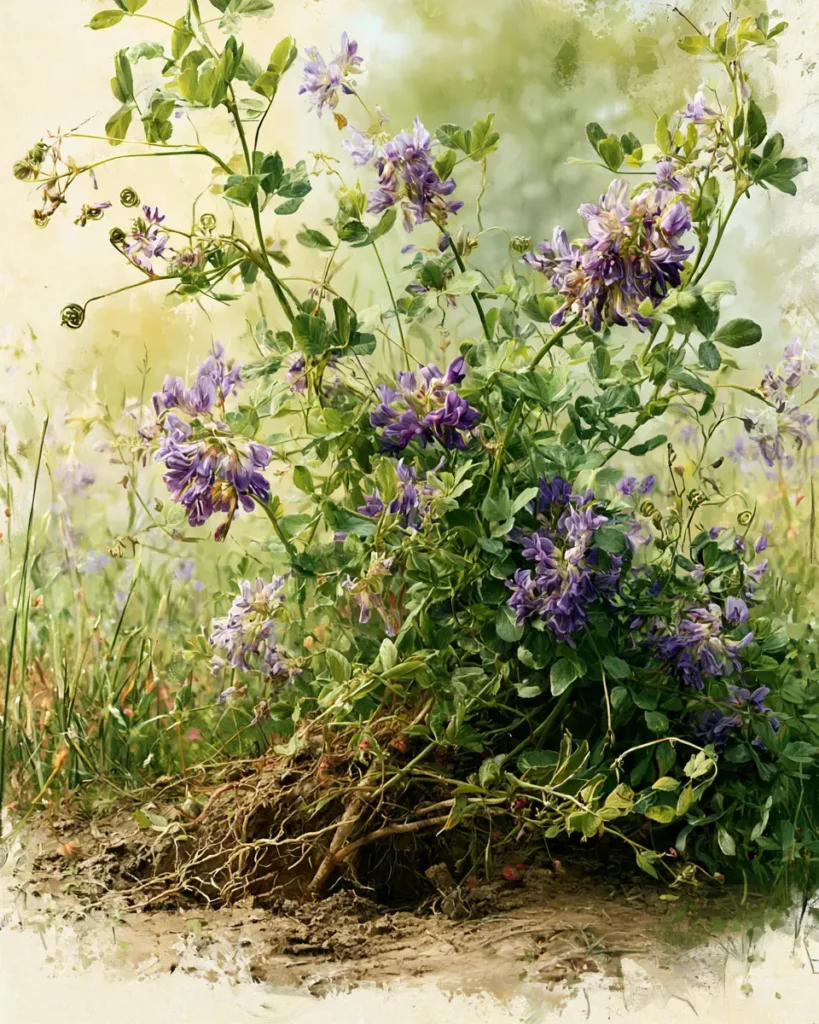
Alfalfa (Medicago sativa)
Alfalfa is traditionally connected with these wellness areas:
Nutrition and Mineral Support: Alfalfa leaf contains vitamins, minerals, chlorophyll, and plant compounds that make it a classic green nutritive herb.
Digestive Support: Its mild bitter-green taste and fiber content support its traditional use as a gentle digestive and food herb.
Bone and Mineral Wellness: Alfalfa naturally contains vitamin K, calcium, magnesium, and other nutrients connected with normal bone health.
Metabolic and Heart Wellness Traditions: Alfalfa saponins and fiber have been studied in relation to cholesterol metabolism, though human evidence is limited and should not be overstated.
“Alfalfa is the green herb that reminds us nutrition can be simple, steady, and deeply rooted.”
Available Alfalfa Products
Dried Alfalfa Leaf
Dried alfalfa leaf is commonly used for tea, infusions, capsules, and herbal blends. Good-quality dried alfalfa should look green, smell fresh and grassy, and not appear brown, dusty, or moldy.
Alfalfa Tea
Alfalfa tea is made from dried leaf. It has a mild grassy, earthy flavor and is often blended with nettle, oat straw, peppermint, lemon balm, or red raspberry leaf. Tea is a gentle way to enjoy alfalfa’s green tonic character.
Alfalfa Powder
Alfalfa powder is made from dried leaf and can be added to smoothies, juices, soups, or green food blends. Because powders lose freshness faster than whole dried leaf, they should be stored tightly sealed and used within a shorter time.
Alfalfa Capsules
Capsules are convenient for people who do not enjoy grassy-tasting teas or powders. Labels should identify the plant part as leaf or aerial parts and clearly list serving size. Avoid vague products that do not identify the plant part.
Alfalfa Tablets
Alfalfa tablets are common in green-food and mineral-support supplements. They are easy to use but can vary widely in quality. Look for products from reputable companies that test for contaminants.
Alfalfa Sprouts
Alfalfa sprouts are eaten fresh in salads, sandwiches, wraps, and bowls. They are crunchy and mild, but raw sprouts can carry foodborne bacteria such as Salmonella or E. coli. People at higher risk from foodborne illness should avoid raw sprouts.
Alfalfa Liquid Extract or Tincture
Alfalfa liquid extracts are less common than tea, tablets, or capsules. They may be used as general green tonic preparations. Since alfalfa is usually valued for nutritive compounds, whole leaf tea or powder is often more traditional.
Alfalfa Seed
Alfalfa seed is mainly sold for sprouting or agricultural planting. It is not usually used as a casual herbal supplement. Seeds meant for planting may be treated and should never be eaten unless specifically sold as food-grade sprouting seed.
Key Herbal Actions
Alfalfa is known as a nutritive tonic, mineral-rich herb, mild bitter tonic, alkalizing food herb in traditional language, mild diuretic, antioxidant, phytoestrogen-containing herb, and cholesterol-supportive food herb.
Nutritive Tonic
A nutritive tonic is an herb used to support general nourishment over time. Alfalfa fits this category because it contains vitamins, minerals, chlorophyll, fiber, and plant compounds in a mild green form.
Mineral-Rich Herb
Alfalfa is traditionally valued for its mineral content. Like nettle and oat straw, it is often used in formulas where gentle mineral support is desired. Mineral levels vary depending on soil, harvest, and processing.
Mild Bitter Tonic
Alfalfa has a mild green bitterness. Bitter herbs traditionally support appetite and digestive secretions. Alfalfa is much gentler than strong bitters such as gentian or artichoke leaf.
Alkalizing Food Herb in Traditional Language
Herbalists sometimes describe alfalfa as an “alkalizing” green food herb. This traditional phrase usually refers to its mineral-rich, green, vegetable-like quality rather than a claim that it changes blood pH.
Mild Diuretic
Alfalfa has traditional use as a mild diuretic, meaning it may support normal fluid elimination. This action is gentle and should not be used as a substitute for care in kidney, heart, or fluid-retention conditions.
Antioxidant
Alfalfa contains flavonoids, phenolic compounds, chlorophyll, carotenoids, and other compounds studied for antioxidant activity. This supports its role as a green nutritive herb.
Phytoestrogen-Containing Herb
Alfalfa contains phytoestrogenic compounds, including coumestans such as coumestrol. This is one reason people with hormone-sensitive conditions should use caution with concentrated alfalfa products.
Cholesterol-Supportive Food Herb
Alfalfa saponins and fiber have been studied in relation to cholesterol metabolism. Evidence in humans is limited, so alfalfa should be described as supportive food-herb nutrition, not as a cholesterol treatment.
Active Compounds and Extraction
Alfalfa contains saponins, flavonoids, coumestans including coumestrol, chlorophyll, carotenoids, vitamin K, minerals such as calcium, magnesium, potassium, and iron, fiber, amino acids, phenolic compounds, and L-canavanine.
Saponins
Saponins are plant compounds that can foam in water and bind with certain fats. Alfalfa saponins have been studied in relation to cholesterol metabolism and general plant defense. They are part of alfalfa’s nutritional and functional profile.
Best extraction methods:
Hot infusion: Add 1–2 teaspoons dried alfalfa leaf to 1 cup hot water. Steep covered for 10–15 minutes, then strain.
Long infusion: Use 1 tablespoon dried alfalfa in 2 cups hot water and steep covered for 30–45 minutes. This gives more time for minerals and water-soluble compounds to enter the tea.
Whole powder: Add 1/2 to 1 teaspoon alfalfa powder to smoothies or soups. This gives the whole leaf material, including fiber and compounds that may not fully dissolve in tea.
Flavonoids
Alfalfa contains flavonoids such as apigenin, luteolin, quercetin-related compounds, and other polyphenols. Flavonoids are widely studied for antioxidant activity and tissue support.
Best extraction methods:
Hot tea: A 10–15 minute infusion is suitable for many water-soluble flavonoids.
Hydroalcoholic extract: A water-and-alcohol extract may capture a broader flavonoid range than tea alone.
Coumestans and Coumestrol
Coumestrol is a phytoestrogenic compound found in alfalfa, especially in sprouts and some stressed or diseased plant material. Phytoestrogens can interact with estrogen receptors in the body, though their effects vary by dose, person, and preparation.
Best extraction methods:
Whole food use: Eating small amounts of sprouts or using whole leaf provides coumestans as part of the full plant matrix.
Avoid high-dose extracts when cautious: People with hormone-sensitive conditions should avoid concentrated alfalfa products unless professionally guided.
Chlorophyll
Chlorophyll is the green pigment plants use for photosynthesis. In herbal practice, chlorophyll-rich herbs are often valued for their green, cleansing, nutritive quality.
Best extraction methods:
Fresh food use: Fresh alfalfa sprouts provide chlorophyll in food form.
Powder: Alfalfa powder keeps the whole green leaf material and is practical for smoothies.
Tea: Hot water extracts some compounds, but chlorophyll itself is better represented in whole-leaf preparations.
Carotenoids
Alfalfa contains carotenoids such as beta-carotene and related plant pigments. These compounds are associated with antioxidant activity and normal vitamin A nutrition.
Best extraction methods:
Whole leaf powder with food: Use alfalfa powder in foods that contain a little fat, such as yogurt, avocado, nuts, seeds, or olive oil. Carotenoids absorb better with dietary fat.
Fresh sprouts: Sprouts can provide carotenoids as part of a raw food serving, but food-safety concerns must be considered.
Vitamin K
Alfalfa contains vitamin K, a nutrient important for normal blood clotting and bone metabolism. This is helpful nutritionally but important for safety because vitamin K can interfere with warfarin and other anticoagulant management.
Best extraction methods:
Whole leaf or powder: Vitamin K is best obtained through whole plant material rather than relying only on tea.
Food use: Small food amounts are generally more predictable than concentrated supplements, but people taking warfarin need consistent vitamin K intake and professional guidance.
Minerals
Alfalfa leaf contains minerals such as calcium, magnesium, potassium, iron, and trace elements. Exact levels depend heavily on growing conditions and soil quality.
Best extraction methods:
Long infusion: Longer steeping helps extract more minerals into water.
Powder or tablets: Whole-leaf forms provide minerals along with fiber and plant structure.
L-Canavanine
L-canavanine is a non-protein amino acid found in alfalfa seeds and sprouts. It has been linked to lupus-like reactions in susceptible individuals and is a major reason people with lupus or certain autoimmune conditions are advised to avoid alfalfa supplements and sprouts.
Best extraction methods:
Not a desired extraction target: This is a safety-related compound, not a wellness goal. People with autoimmune disease should be cautious with alfalfa, especially sprouts and concentrated products.
Harvesting and Storing Right
Alfalfa leaf is usually harvested before or during early flowering, when the aerial parts are green and nutrient-rich. The best time of day to harvest is after morning dew has dried but before the strongest afternoon heat.
Choose clean plants grown away from roadsides, sprayed fields, polluted soil, and industrial areas. Because alfalfa is often grown agriculturally, organic or tested sources are preferable for herbal use.
Sprouts are grown from food-grade seed in clean conditions. Because sprouting requires warmth and moisture, it can also encourage bacterial growth if sanitation is poor.
Storage tips:
Fresh sprouts: Refrigerate and use quickly. Discard if slimy, sour-smelling, or past freshness.
Dried leaf: Store in an airtight jar away from heat, light, and moisture. Best used within 1 year.
Powder: Store tightly sealed and use within 3–6 months after opening.
Capsules and tablets: Follow the label expiration date and keep away from humidity.
Tea blends: Keep dry and tightly closed.
Liquid extract: Store according to the label, away from heat and direct sunlight.
Body Functions Alfalfa Can Support
Alfalfa can support digestion system, energy and vitality, metabolism, spine and bones, skin, urinary system, immune system, circulation, hormonal balance, and reproductive system female.
Digestion System
Alfalfa is traditionally used as a mild green digestive tonic. Its fiber, mild bitterness, and mineral-rich profile make it useful as a food-like herb. People with sensitive digestion should start with small amounts, especially with powders.
Energy and Vitality
Alfalfa does not stimulate like caffeine. Its vitality support comes from nourishment, minerals, chlorophyll, and steady green nutrition. It is the herb equivalent of adding more leafy greens to the day.
Metabolism
Alfalfa saponins, fiber, and phytonutrients have been studied in relation to cholesterol and blood sugar markers, though evidence is not strong enough for treatment claims. It is best understood as a supportive food herb within a balanced diet.
Spine and Bones
Alfalfa contains vitamin K, calcium, magnesium, and other nutrients connected with normal bone health. It should not be described as a bone-building treatment, but it can be part of a mineral-rich herbal nutrition approach.
Skin
Alfalfa’s chlorophyll, carotenoids, flavonoids, and minerals make it relevant to skin wellness from a nutritional perspective. Herbalists may include it in formulas where overall nourishment and elimination support are part of the skin picture.
Urinary System
Alfalfa has traditional use as a mild diuretic herb. It may support normal fluid elimination in gentle wellness formulas. People with kidney disease, urinary pain, fever, or swelling should seek medical care instead of self-treating.
Immune System
Alfalfa provides nutrients and antioxidants that support general wellness. However, people with autoimmune conditions should be cautious because alfalfa, especially sprouts and seeds, contains L-canavanine and may aggravate lupus in susceptible individuals.
Circulation
Alfalfa’s vitamin K content is important for normal clotting function, but this also creates medication concerns. People taking warfarin or other blood-thinning medications should not use alfalfa supplements without professional guidance.
Hormonal Balance
Alfalfa contains phytoestrogenic compounds, including coumestrol. These compounds may be relevant to menopausal wellness traditions, but they also require caution in hormone-sensitive conditions. Concentrated use should be professionally guided.
Reproductive System Female
Alfalfa has traditional use as a nutritive herb during women’s wellness transitions, but pregnancy and breastfeeding require extra caution. Because of vitamin K, phytoestrogens, and limited safety data, supplement use should be discussed with a qualified healthcare professional.
Safety and Practical Considerations
Alfalfa leaf is often used as a food-like herb, but it is not appropriate for everyone. Sprouts and concentrated supplements require extra caution.
People taking warfarin or other anticoagulant medications should avoid alfalfa supplements unless their healthcare professional approves. Alfalfa contains vitamin K, which can interfere with blood-thinner management.
People with lupus or autoimmune conditions should avoid alfalfa sprouts and supplements unless professionally guided. Alfalfa contains L-canavanine, which has been associated with lupus-like reactions in susceptible individuals.
People with hormone-sensitive conditions should use caution because alfalfa contains phytoestrogenic compounds such as coumestrol. This includes some breast, uterine, ovarian, prostate, or endometriosis-related concerns.
Pregnant and breastfeeding people should avoid supplement-style use unless guided by a qualified healthcare professional. Culinary food amounts are different from concentrated herbal products, but safety should still be considered.
Raw alfalfa sprouts can carry foodborne bacteria such as Salmonella, E. coli, or Listeria. Children, older adults, pregnant people, and people with weakened immune systems should avoid raw sprouts.
People taking diabetes medications should be cautious because alfalfa may influence blood sugar markers in some contexts. Monitor under professional guidance if using supplements.
Possible side effects include digestive upset, gas, loose stools, allergic reaction, or increased sun sensitivity in rare cases.
Choose reputable suppliers that test for heavy metals, pesticides, microbes, and correct plant identity. This is especially important for powders, tablets, and sprouting seeds.
FAQ
What does alfalfa taste like?
Alfalfa tastes green, grassy, mildly bitter, and slightly earthy. Sprouts are fresh and mild, while dried leaf tea tastes more herbaceous. Powder has a stronger green-food flavor.
When is the best time to use alfalfa?
Alfalfa can be used with meals or in the morning as part of a green tonic routine. Tea may be taken during the day, while powder can be added to smoothies or soups. People taking medications should ask about timing and interactions.
Is fresh or dried alfalfa better?
Fresh sprouts are used as food, while dried leaf is more common for tea and supplements. Dried leaf avoids some sprout-related food safety issues, but quality still matters. Both forms have different uses.
Is alfalfa tea, powder, capsule, or tablet better?
Tea is gentle and traditional. Powder and tablets provide more whole-leaf nutrition, including chlorophyll and minerals. Capsules are convenient but should be used carefully by people with medication or autoimmune concerns.
Can alfalfa be used daily?
Some people use small amounts of alfalfa regularly as a nutritive herb. Daily use is not appropriate for everyone, especially people taking blood thinners, managing autoimmune disease, dealing with hormone-sensitive conditions, or using medications.
How should alfalfa be stored?
Store dried alfalfa leaf in an airtight jar away from heat, light, and moisture. Powder should be used sooner because it loses freshness faster. Sprouts must be refrigerated and discarded if they smell sour or become slimy.
Does alfalfa combine well with other herbs?
Yes. Alfalfa combines well with nettle, oat straw, red raspberry leaf, peppermint, lemon balm, dandelion leaf, rosehips, and horsetail. For mineral-rich blends, it is often paired with nettle and oat straw.
Is alfalfa the same as clover?
No. Alfalfa and clover are both legumes, but they are different plants. Alfalfa is Medicago sativa, while common clovers belong mostly to the Trifolium genus.
Is alfalfa safe for everyone?
No. Alfalfa may not be suitable for people taking warfarin, people with lupus or autoimmune disease, people with hormone-sensitive conditions, pregnant or breastfeeding people using supplements, or people at high risk from raw sprout contamination.
Can alfalfa be used for pets?
Alfalfa is commonly used in animal feed, especially for horses, rabbits, and livestock, but pet use should still be appropriate for the species. Do not give alfalfa supplements to pets without veterinary guidance, especially if the animal has urinary, kidney, hormone, or medication concerns.
Disclaimer
This content is educational only. It is not medical advice, diagnosis, or treatment. Herbs may interact with medications or health conditions. People who are pregnant, breastfeeding, managing a medical condition, taking prescription medications, or preparing for surgery should consult a qualified healthcare professional before using herbs.
References
Kew Science: Plants of the World Online – Medicago sativa
Memorial Sloan Kettering Cancer Center: Alfalfa
PubMed: Alfalfa, L-Canavanine, and Lupus-Like Autoimmune Effects
PubMed: Medicago sativa Phytochemistry and Biological Activity