
Poor appetite means you feel less interested in eating than usual. It can show up as early fullness, food disinterest, nausea around meals, skipped meals, or the classic “nothing sounds good” situation.
Learn more about Poor Appetite
Why Poor Appetite Happens
Poor appetite can happen for many reasons. Short-term causes often include stress, illness, pain, nausea, constipation, poor sleep, grief, or medication effects.
Longer-lasting appetite changes may relate to digestive disorders, thyroid changes, chronic illness, depression, pregnancy, aging, or nutrient deficiencies. Sudden or unexplained appetite loss deserves attention, especially with weight loss.
Common Types
Some people feel hungry but lose interest once food appears. Others feel full after only a few bites. Some people avoid food because nausea, bloating, reflux, or constipation follows meals.
Common Triggers
Strong smells, heavy meals, dehydration, emotional stress, antibiotics, opioid pain medicines, chemotherapy, and alcohol can reduce appetite. In older adults, taste changes and slower digestion may also matter.
Traditional Herbal Patterns
Traditional herbalism often sees poor appetite through digestive weakness, sluggish secretions, nausea, nervous tension, or excess heaviness. Bitter herbs traditionally wake up digestive readiness before meals.
Aromatic herbs suit gas, nausea, and food stagnation. Gentle nervines may fit appetite changes linked with stress. Herbalists choose by pattern, not by forcing hunger.
How Herbs Can Help Poor Appetite
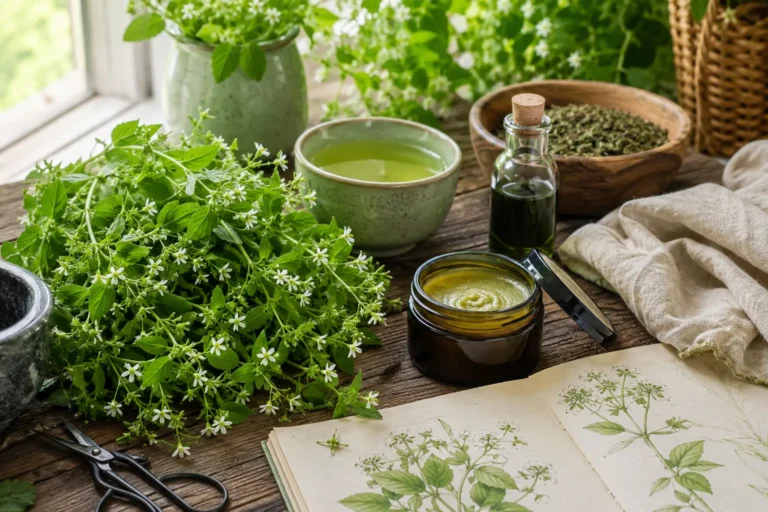
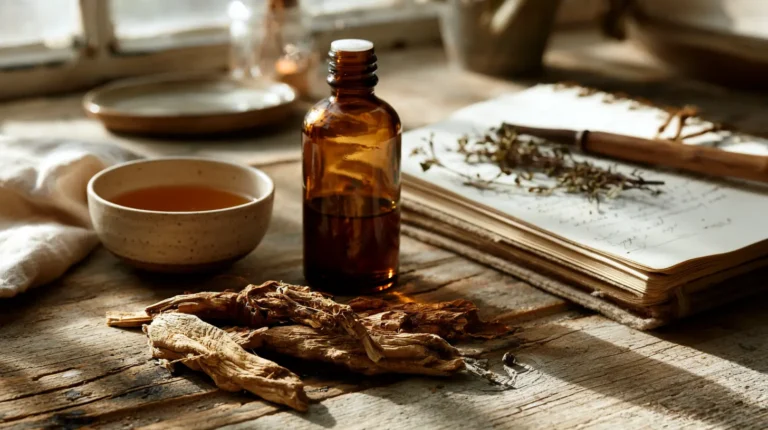
Herbalism traditionally sees poor appetite as low digestive readiness, sluggish movement, nausea, or stress shutting down meal interest. Bitters encourage digestive secretions, carminatives ease gas and heaviness, aromatics warm slow digestion, and nervines soften stress-related tightness. Herbalists choose between these actions by noticing whether appetite feels dull, nauseous, tense, bloated, or heavy, and these are herbs traditionally used when poor appetite happens: dandelion root, gentian root, orange peel, ginger, chamomile, fennel, lemon verbena, cardamom, calamus root, licorice root, nettle, dandelion leaf, turmeric, blessed thistle, peppermint, lemon balm, lavender, angelica root, coriander seed, fenugreek, cinnamon, caraway seed, dill, rose petal, saffron.
“Poor appetite is your body whispering, ‘Please make this meal gentle, small, and not emotionally complicated.”
Recipes & Remedies Poor Appetite
Herbal Preparations
Gentle Bitter Appetite Tea
This traditional-style tea uses bitter and aromatic herbs. Herbalists often use small amounts before meals when digestion feels slow or uninterested.
Ingredients with exact measurements
- 1/4 teaspoon dried gentian root
- 1 teaspoon dried dandelion root
- 1 teaspoon dried orange peel
- 1/2 teaspoon fennel seed, lightly crushed
- 1 cup hot water
- 1 teaspoon honey, optional
Step-by-step preparation instructions
- Add gentian, dandelion root, orange peel, and fennel to a mug.
- Pour 1 cup hot water over the herbs.
- Cover the mug.
- Steep for 10 minutes.
- Strain into a clean cup.
- Add honey only if desired.
How to use
Sip 1/4 to 1/2 cup about 15 minutes before meals. Avoid strong bitters if you have ulcers, severe reflux, or gallbladder concerns.
Food for support Poor Appetite
Ginger Chicken Rice Soup
This simple soup offers warmth, protein, fluid, and easy texture. It suits low appetite days when a large meal feels like a negotiation.
Ingredients with exact measurements
- 1 tablespoon olive oil
- 1 teaspoon fresh ginger, grated
- 1/2 cup cooked shredded chicken
- 1/3 cup white rice
- 3 cups low-sodium chicken broth
- 1/2 cup carrots, finely diced
- 1/4 teaspoon dried thyme
- 1 pinch sea salt, optional
- 1 tablespoon chopped parsley
Step-by-step preparation instructions
- Warm olive oil in a small pot.
- Add grated ginger and stir for 30 seconds.
- Add chicken, rice, broth, carrots, and thyme.
- Simmer for 18 to 20 minutes.
- Stir until the rice becomes soft.
- Add parsley before serving.
How to use
Eat a small bowl warm. Start with a few spoonfuls if appetite feels low, then pause and continue slowly.
What Herbs You Need
The herbs traditionally used for poor appetite include gentian, dandelion root, orange peel, fennel, ginger, chamomile, and peppermint. These herbs support different patterns, including low digestive readiness, gas, nausea, stress tension, and sluggish digestion.
Gentian
Latin name: Gentiana lutea
Key herbal actions:
Bitter tonic: strongly bitter herbs traditionally wake up digestive readiness.
Sialogogue: encourages saliva through bitter taste.
Digestive stimulant: traditionally supports meal interest before eating.
Key active compounds relevant to this issue:
Amarogentin, gentiopicroside, swertiamarin, and xanthones.
Dandelion Root
Latin name: Taraxacum officinale
Key herbal actions:
Bitter tonic: supports digestive readiness through bitter taste.
Cholagogue tradition: traditionally supports bile flow and fat digestion.
Prebiotic fiber source: contains inulin, a fermentable plant fiber.
Key active compounds relevant to this issue:
Inulin, taraxacin, sesquiterpene lactones, phenolic acids, and flavonoids.
Orange Peel
Latin name: Citrus sinensis
Key herbal actions:
Aromatic bitter: combines bitterness with bright citrus scent.
Carminative: helps ease gas and digestive heaviness.
Flavoring herb: improves taste in bitter formulas.
Key active compounds relevant to this issue:
Limonene, flavonoids, hesperidin, narirutin, and volatile oils.
Fennel
Latin name: Foeniculum vulgare
Key herbal actions:
Carminative: helps ease gas and bloating.
Aromatic digestive: supports digestion through fragrant oils.
Antispasmodic tradition: traditionally used for digestive tightness.
Key active compounds relevant to this issue:
Anethole, fenchone, estragole, flavonoids, and volatile oils.
Ginger
Latin name: Zingiber officinale
Key herbal actions:
Warming digestive: traditionally suits cold, slow digestion.
Carminative: helps move trapped gas.
Antinausea tradition: commonly used when nausea reduces appetite.
Key active compounds relevant to this issue:
Gingerols, shogaols, zingerone, and volatile oils.
Chamomile
Latin name: Matricaria chamomilla
Key herbal actions:
Nervine: supports calm during stress-related appetite changes.
Carminative: helps ease gas and belly tension.
Mild antispasmodic: helps relax tense digestive muscles.
Key active compounds relevant to this issue:
Apigenin, bisabolol, chamazulene, coumarins, and flavonoids.
Peppermint
Latin name: Mentha x piperita
Key herbal actions:
Carminative: helps ease gas and digestive pressure.
Aromatic digestive: supports digestion through cooling volatile oils.
Antispasmodic tradition: traditionally used for digestive cramping.
Key active compounds relevant to this issue:
Menthol, menthone, rosmarinic acid, and volatile oils.
Key Herbal Products for Poor Appetite
Digestive Bitters Drops
Digestive bitters usually combine bitter herbs like gentian, dandelion, artichoke, or orange peel. People commonly take a small amount before meals.
Pros: They work well in small servings and fit easily into routines.
Cons: The bitter taste can surprise beginners.
Choose this form when appetite feels low with sluggish digestion.
Ginger Tea
Ginger tea uses dried or fresh ginger root. People often choose it when nausea, chilliness, or slow digestion affects appetite.
Pros: It tastes warming and works well as a kitchen remedy.
Cons: It may feel too hot for people with reflux or heat signs.
Choose this form when poor appetite comes with nausea or cold heaviness.
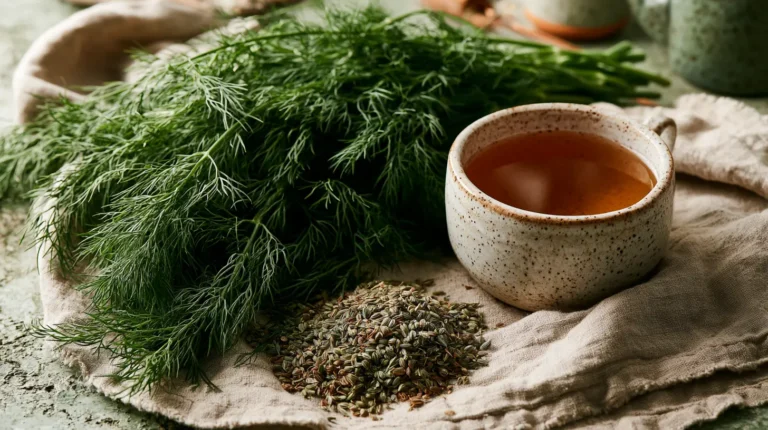
Fennel Seed Tea
Fennel tea uses crushed fennel seeds. People commonly drink it after or before meals for gas and bloating.
Pros: It tastes sweet, gentle, and pleasant.
Cons: It may feel too mild for strong appetite loss.
Choose this form when bloating makes food less appealing.
Chamomile Tea
Chamomile tea uses dried chamomile flowers. People often choose it when stress, tension, or mild nausea affects meals.
Pros: It tastes soft and supports relaxation.
Cons: It may bother people with ragweed-family allergies.
Choose this form when appetite drops during stress.
Dandelion Root Tea
Dandelion root tea uses roasted or dried root. People commonly choose it as a bitter digestive drink.
Pros: It offers a coffee-like bitter flavor when roasted.
Cons: It may not suit gallbladder obstruction or certain medication situations.
Choose this form when appetite feels low with heaviness after meals.
FAQ
Is poor appetite always serious?
No. Poor appetite can happen during stress, illness, poor sleep, or temporary digestive upset. However, persistent appetite loss deserves medical guidance.
When should I worry about poor appetite?
Seek medical care if poor appetite lasts more than a few days without a clear reason. Also seek care with weight loss, fever, pain, vomiting, dehydration, or weakness.
Can bitters help everyone with poor appetite?
No. Bitters suit sluggish digestion, but they may bother ulcers, severe reflux, or gallbladder issues. Start low and choose carefully.
What does gentian taste like?
Gentian tastes very bitter. That bitterness explains its traditional use before meals, but it also explains why people make funny faces.
Are fresh or dried herbs better?
Both can work. Dried roots, seeds, and peels store well, while fresh ginger works beautifully in tea and soup.
How should I store appetite herbs?
Store dried herbs in airtight containers. Keep them away from heat, moisture, and bright light.
Can pets use appetite herbs?
Do not give appetite herbs to pets without veterinary guidance. Appetite loss in pets can signal urgent problems.
References
MedlinePlus: Appetite Decreased
Merck Manual Consumer Version: Loss of Appetite
MSD Manual Consumer Version: Loss of Appetite
PubMed Central: Bitters, Time for a New Paradigm
PubMed Central: Effects of Bitter Substances on GI Function, Energy Intake and Glycaemia
PubMed Central: Potential of Bitter Medicinal Plants
PubMed Central: Ginger in Gastrointestinal Disorders
PubMed Central: Orally Consumed Ginger and Human Health
Johns Hopkins Medicine: Ginger Benefits
PubMed Central: An Overview of Appetite Decline in Older People
Disclaimer
This article is for educational purposes only. It does not provide medical advice, diagnosis, or treatment. Talk with a qualified healthcare professional if appetite loss feels new, persistent, unexplained, or disruptive. Seek prompt care for unintentional weight loss, dehydration, severe pain, vomiting, fever, confusion, or inability to keep food down.