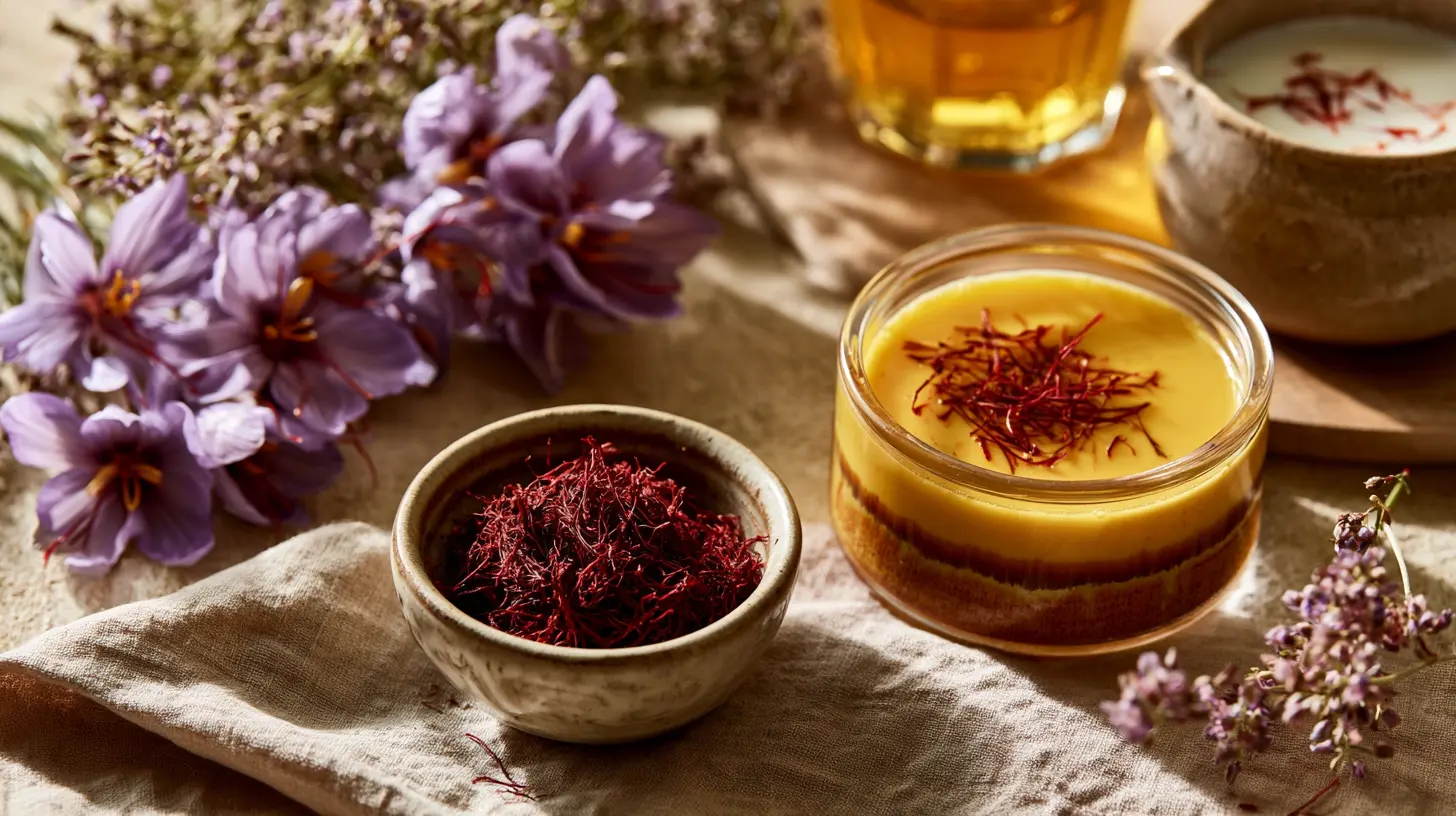
Traditionally, saffron has been used as a culinary spice, coloring agent, mood-support herb, digestive aromatic, and restorative tonic. It appears in Persian, Indian, Mediterranean, Middle Eastern, and European food traditions, where it brings color, aroma, and a slightly bitter floral warmth.
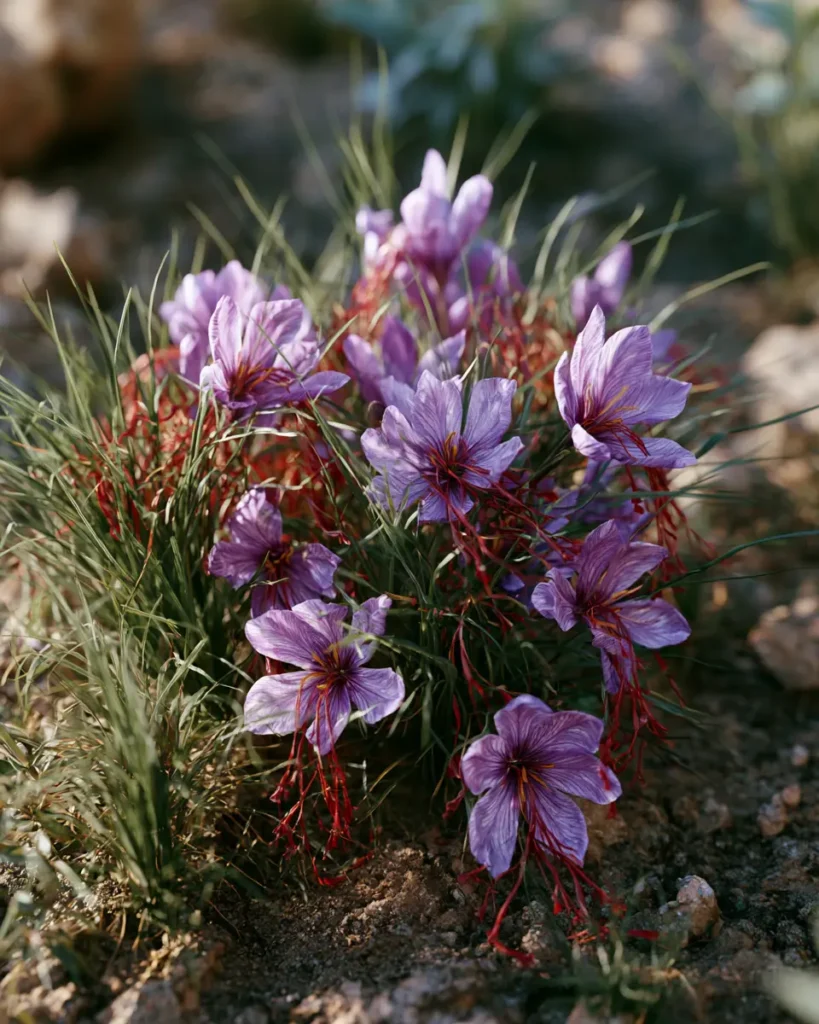
Saffron (Crocus sativus)
Saffron is traditionally connected with these wellness areas:
Mood and Emotional Balance: Saffron has a long history of use as an uplifting aromatic spice, and modern research has explored its role in mood support.
Vision Support: Saffron contains carotenoid compounds, especially crocin and crocetin, which have been studied in relation to retinal and macular wellness.
Digestive Support: Its slightly bitter, aromatic quality has traditionally been used to support appetite and digestion.
Women’s Wellness Traditions: Saffron has historical use in menstrual and reproductive wellness traditions, but this also means it requires special caution during pregnancy.
“Saffron is the tiny red thread that turns food, mood, and tradition golden.”
Available Saffron Products
Saffron Threads
Whole saffron threads are the most traditional and preferred form. These are the dried stigmas of Crocus sativus. High-quality saffron threads should be deep red, aromatic, dry but not dusty, and free from yellow fillers or artificial coloring.
Ground Saffron
Ground saffron is convenient but more likely to be adulterated or lose quality quickly. It is best purchased from reputable suppliers in small amounts. If the powder looks unusually bright, smells weak, or is very cheap, be cautious.
Saffron Tea
Saffron tea is made by steeping a few threads in hot water. It may be used alone or combined with cardamom, rose, cinnamon, ginger, or green tea. A little goes a long way.
Saffron Capsules
Capsules usually contain powdered saffron or standardized saffron extract. These are more supplement-like than culinary saffron and should be used with more caution, especially by people taking medications.
Saffron Extract
Saffron extracts may be standardized for compounds such as crocin, safranal, or total active constituents. These products are more concentrated than culinary use and should be taken only according to label directions or professional guidance.
Saffron Tincture
Saffron tincture is less common but may be used in traditional herbal preparations. Alcohol-water extraction can capture aromatic and pigment compounds. Because saffron is potent and expensive, tinctures are usually used in very small amounts.
Saffron Milk or Culinary Infusion
Saffron is often infused into warm milk, plant milk, broth, rice water, or cooking liquid before being added to food. This helps release its color, aroma, and flavor evenly.
Key Herbal Actions
Saffron is known as a nervine, mood-supportive aromatic, antioxidant, digestive aromatic, carminative, emmenagogue, reproductive tonic in traditional use, vision-supportive herb, and circulatory-supportive spice.
Nervine
A nervine is an herb traditionally used to support the nervous system. Saffron is often discussed as a gentle uplifting nervine rather than a sedative. It is traditionally used when emotional heaviness, tension, or low spirits are part of the wellness picture.
Mood-Supportive Aromatic
Aromatic herbs affect the senses through flavor and fragrance. Saffron’s warm floral aroma and golden color make it a classic mood-lifting spice in traditional food and herbal practice.
Antioxidant
Saffron contains carotenoids and phenolic compounds studied for antioxidant activity. Antioxidants help the body manage oxidative stress, especially in tissues that are sensitive to oxidative damage.
Digestive Aromatic
Saffron’s bitter-aromatic taste can support appetite and digestive readiness. It is traditionally used in small amounts in rich foods, rice dishes, broths, and teas.
Carminative
A carminative helps ease the feeling of gas and digestive heaviness. Saffron is not as strong a carminative as fennel or peppermint, but its aromatic warmth makes it useful in digestive spice blends.
Emmenagogue
An emmenagogue is an herb traditionally used to encourage menstrual flow. This traditional action is one reason saffron should be avoided in medicinal amounts during pregnancy.
Reproductive Tonic in Traditional Use
Saffron has a long history in reproductive and vitality traditions. This does not mean it is safe or appropriate for every reproductive concern. It should be used cautiously, especially in supplement form.
Vision-Supportive Herb
Saffron is rich in carotenoid derivatives such as crocin and crocetin. These compounds have been studied in relation to retinal function, macular pigment, and visual wellness.
Circulatory-Supportive Spice
Saffron has traditionally been considered warming and gently moving. Modern research has explored cardiovascular and metabolic markers, but saffron should be described as supportive, not as a treatment.
Active Compounds and Extraction
Saffron contains crocin, crocetin, picrocrocin, safranal, kaempferol and other flavonoids, phenolic compounds, carotenoids, volatile aroma compounds, minerals, and small amounts of vitamins.
Crocin
Crocin is one of saffron’s main coloring compounds. It is a water-soluble carotenoid glycoside responsible for the deep golden-yellow color released when saffron is steeped. Crocin is studied for antioxidant activity, mood-related pathways, and vision support.
Best extraction methods:
Hot water infusion: Add 5–10 saffron threads to 2–3 tablespoons of hot water. Steep for 10–15 minutes, then add the liquid to tea, rice, soup, or milk.
Tea: Add a small pinch of saffron to 1 cup hot water and steep covered for 10 minutes. This is simple and effective for water-soluble pigments like crocin.
Cooking infusion: Soak saffron threads in warm water, broth, or milk before adding to food. This distributes color and flavor better than adding dry threads directly.
Crocetin
Crocetin is a carotenoid compound related to crocin. It is studied for antioxidant activity and its possible role in eye, brain, and cardiovascular research. In the body, crocin may be metabolized into crocetin.
Best extraction methods:
Warm water extraction: Saffron threads steeped in warm water release crocin, which is connected to crocetin after digestion.
Fat-containing foods: Although crocin is water-soluble, saffron’s broader carotenoid profile may pair well with meals containing some healthy fat.
Picrocrocin
Picrocrocin is the main compound responsible for saffron’s bitter taste. During drying and storage, picrocrocin can break down into safranal, which contributes saffron’s aroma. This compound helps explain saffron’s traditional digestive use.
Best extraction methods:
Short hot infusion: Steep saffron threads in hot water for 10–15 minutes to release bitterness and color.
Culinary use: Add infused saffron to rice, soups, stews, sauces, or warm milk. Food use is the most traditional way to experience picrocrocin’s flavor.
Safranal
Safranal is one of saffron’s main aroma compounds. It gives saffron its warm, hay-like, floral scent. Safranal forms partly during drying and is one reason proper processing matters.
Best extraction methods:
Covered infusion: Steep saffron covered to preserve volatile aroma compounds.
Alcohol-water tincture: A hydroalcoholic tincture can capture aromatic compounds well, but saffron tinctures should be used in very small amounts.
Avoid overheating: Long boiling can weaken saffron’s delicate aroma. Add saffron infusion near the end of cooking when possible.
Kaempferol and Other Flavonoids
Saffron contains flavonoids such as kaempferol derivatives. Flavonoids are plant compounds widely studied for antioxidant activity and tissue support.
Best extraction methods:
Hot water infusion: Flavonoids can be partly extracted in tea-style preparations.
Whole-thread culinary use: Eating foods prepared with saffron allows exposure to the full spice profile, not just the water-soluble color.
Phenolic Compounds
Phenolic compounds contribute to saffron’s antioxidant profile. They work alongside carotenoids and aroma compounds to give saffron its broad phytochemical character.
Best extraction methods:
Tea or infusion: A short hot infusion is suitable for many water-soluble phenolic compounds.
Culinary soaking: Soak saffron in warm liquid before adding it to food for better extraction and distribution.
Harvesting and Storing Right
Saffron is harvested in autumn when the purple flowers open. The best harvest time is early morning, when flowers are fresh and before strong sun reduces aroma quality. Each flower produces only three red stigmas, which are carefully removed by hand.
After harvesting, the stigmas are dried gently. Proper drying is essential because it develops saffron’s aroma, preserves color, and helps prevent mold. Saffron should be stored away from light, heat, moisture, and air.
Storage tips:
Whole saffron threads: Store in an airtight glass jar in a cool, dark place. Best used within 1–2 years for strongest aroma and color.
Ground saffron: Use within 3–6 months after opening because it loses quality faster.
Saffron tea blends: Store tightly sealed away from moisture and strong-smelling spices.
Saffron extract or capsules: Follow the product label and keep away from heat and humidity.
Tincture: Store in dark glass in a cool place.
Body Functions Saffron Can Support
Saffron can support nervous system, brain, vision, digestion system, reproductive system female, stress support, circulation, metabolism, energy and vitality, and skin.
Nervous System
Saffron is traditionally used as an uplifting nervine. Modern studies have explored saffron extracts in relation to mood, stress response, and emotional wellness. It should not replace mental health care or prescribed medication.
Brain
Saffron’s carotenoids and aroma compounds are studied for antioxidant activity and nervous-system pathways. It is best described as a brain-supportive spice with emerging research, not as a proven cognitive treatment.
Vision
Saffron is especially interesting for vision support because of crocin and crocetin. These carotenoid compounds have been studied in relation to retinal and macular function. People with eye disease should still follow professional eye-care guidance.
Digestion System
Saffron’s bitter-aromatic taste may support appetite and digestive comfort. Traditionally, it is used in small amounts in meals, teas, and warm milk preparations. Large amounts may irritate the stomach.
Reproductive System Female
Saffron has a long history in menstrual wellness traditions. Because it may influence uterine activity, medicinal amounts should be avoided during pregnancy. People with heavy bleeding, fertility treatments, or hormone-related conditions should seek professional guidance.
Stress Support
Saffron is often used in modern wellness products for mood and stress support. Its warm aroma, color, and traditional uplifting reputation make it a popular herb-spice for emotional wellness. Use caution if taking antidepressants, sedatives, or other mood-related medications.
Circulation
Saffron is traditionally considered warming and gently moving. Research has explored cardiovascular markers, but saffron should not be used as a treatment for circulation or heart disease. Culinary amounts are the safest way to enjoy it for general wellness.
Metabolism
Some studies have explored saffron in relation to appetite, snacking, blood sugar, and lipid markers. Evidence is still developing, so saffron should be framed as food-based support, not a metabolic therapy.
Energy and Vitality
Saffron does not act like caffeine. Its traditional vitality support is more about mood, nourishment, circulation, and sensory brightness. It is the spice equivalent of opening the curtains, not plugging into a charger.
Skin
Saffron’s antioxidant carotenoids and phenolic compounds make it relevant to skin wellness from a nutritional and topical tradition perspective. However, saffron should not be presented as a cure for skin conditions. Topical use may irritate sensitive skin.
Safety and Practical Considerations
Saffron is generally used safely in small culinary amounts. Supplement doses are different and should be approached with more caution.
High doses of saffron may cause nausea, vomiting, dizziness, drowsiness, headache, dry mouth, or digestive upset. Very high amounts can be dangerous and should be avoided.
Pregnant people should avoid medicinal or supplement amounts of saffron because high doses may stimulate uterine activity. Culinary amounts used occasionally in food are different from concentrated use, but professional guidance is wise.
Breastfeeding people should consult a qualified healthcare professional before using saffron supplements because safety information is limited.
Saffron may interact with antidepressants, sedatives, blood pressure medications, blood thinners, and medications affecting blood sugar. People taking prescription medications should ask a healthcare professional before using saffron supplements.
People with bipolar disorder should use caution with mood-active supplements, including saffron, because mood shifts can be complex and require professional care.
People with bleeding disorders, planned surgery, low blood pressure, or blood sugar concerns should be cautious with concentrated saffron products.
Saffron is often adulterated because it is expensive. Buy from reputable suppliers and avoid products that are unusually cheap, brightly dyed, or weak in aroma.
FAQ
What does saffron taste like?
Saffron tastes floral, earthy, slightly bitter, warm, and a little honey-like. Good saffron has a strong aroma even in tiny amounts. Too much can make food taste medicinal.
When is the best time to use saffron?
Saffron can be used any time as food. It is often added to rice dishes, soups, broths, teas, desserts, and warm milk. For supplements, follow the label or professional guidance.
Are saffron threads or ground saffron better?
Whole saffron threads are usually better because they keep quality longer and are harder to adulterate. Ground saffron is convenient but loses aroma faster and is easier to fake.
Is saffron tea, tincture, capsule, or food better?
Food and tea are the most traditional forms. Capsules and extracts are more concentrated and should be used carefully. Tinctures are less common but may be used in small amounts by experienced herbalists.
Can saffron be used daily?
Small culinary amounts may be used regularly by many people. Daily supplement use should be discussed with a healthcare professional, especially if you take medications, are pregnant or breastfeeding, or manage a mood, blood pressure, bleeding, or blood sugar condition.
How should saffron be stored?
Store saffron threads in an airtight container away from heat, light, moisture, and strong odors. Whole threads usually keep their quality longer than powder. Avoid storing saffron near the stove.
Does saffron combine well with other herbs?
Yes. Saffron combines beautifully with cardamom, rose, cinnamon, ginger, turmeric, black pepper, fennel, orange peel, lemon balm, and green tea. In food, it pairs especially well with rice, milk, honey, citrus, almonds, and warming spices.
Why is saffron so expensive?
Saffron is expensive because each flower produces only three stigmas, and harvesting is done by hand. It takes a very large number of flowers to produce a small amount of dried saffron.
Is saffron safe for everyone?
No. Saffron supplements may not be appropriate for pregnant or breastfeeding people, people with bipolar disorder, bleeding disorders, low blood pressure, medication use, or upcoming surgery. Culinary use is generally milder than supplement use.
Can saffron be used for pets?
Saffron should not be given to pets without veterinary guidance. Pets process herbs and spices differently from humans, and concentrated products may be unsafe.
Disclaimer
This content is educational only. It is not medical advice, diagnosis, or treatment. Herbs may interact with medications or health conditions. People who are pregnant, breastfeeding, managing a medical condition, taking prescription medications, or preparing for surgery should consult a qualified healthcare professional before using herbs.
References
Kew Science: Plants of the World Online – Crocus sativus
PubMed: Saffron and Its Constituents in Health Research
PubMed Central: Saffron and Major Ingredients’ Effect on Nervous System
PubMed Central: Saffron for Mood and Emotional Wellness Research