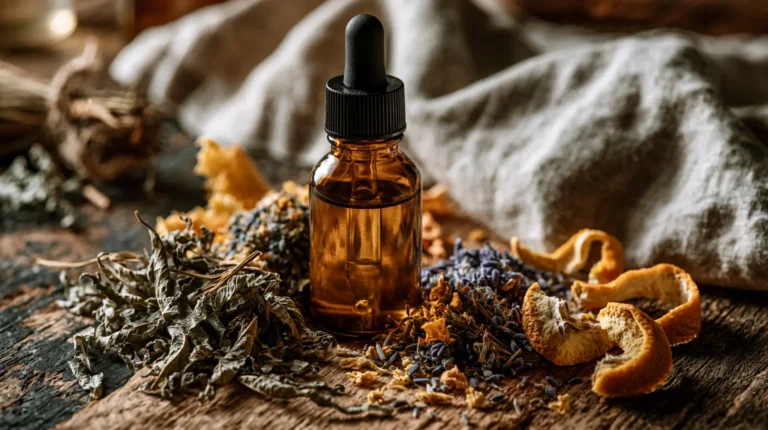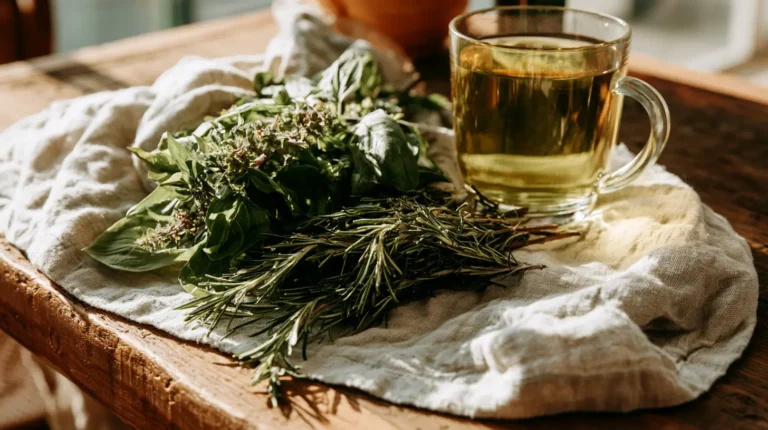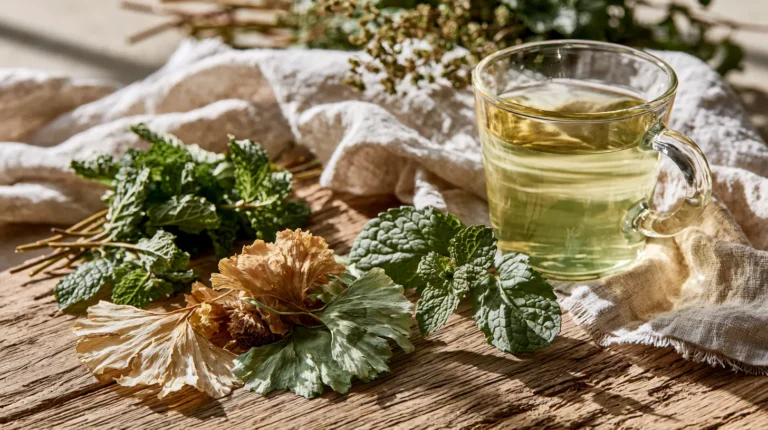
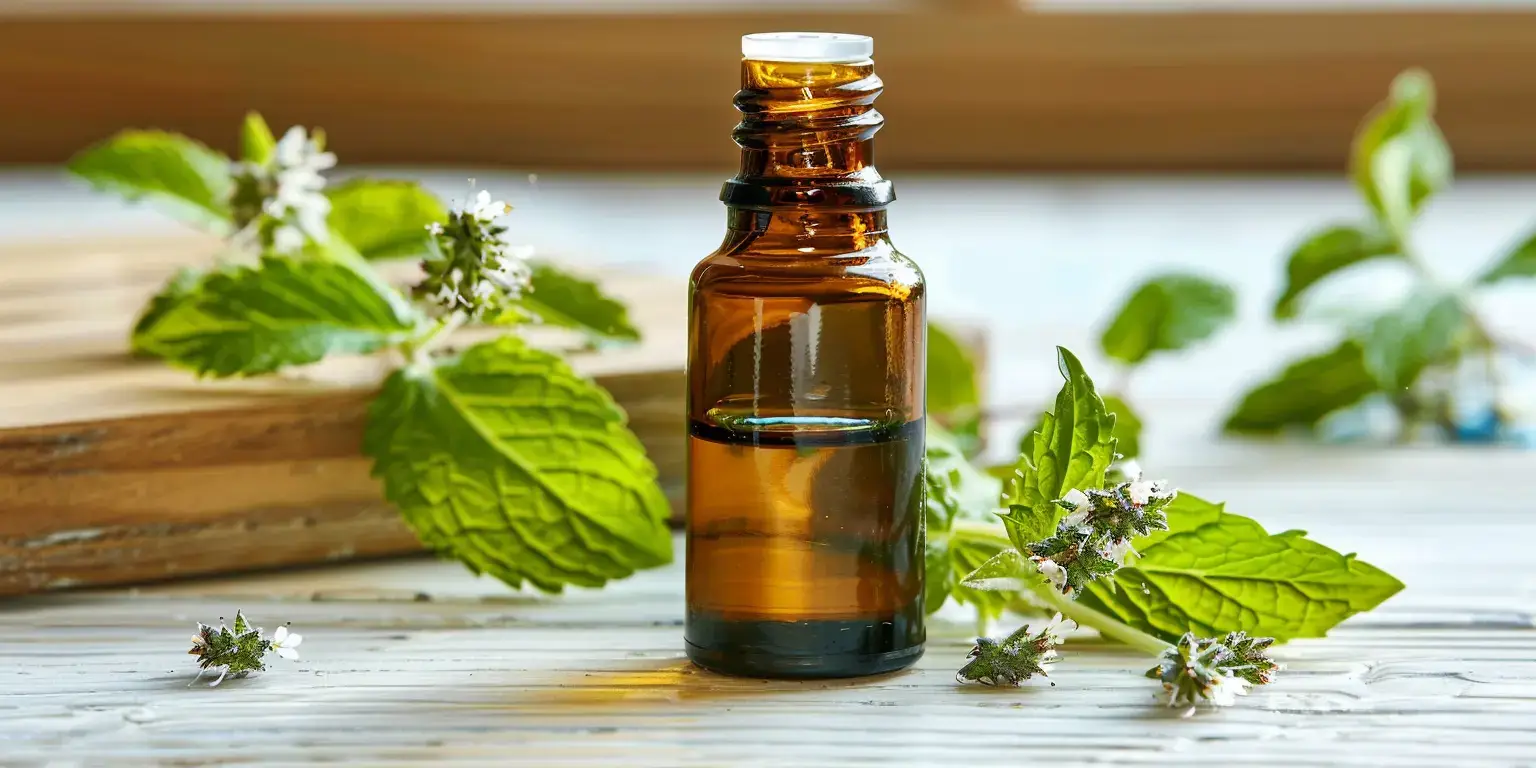
Steam distillation is the specialized process behind true essential oils, using steam to carry a plant’s most volatile aromatic compounds out of the plant material and into a concentrated, pure liquid. Unlike the other methods in this series, it requires dedicated equipment — but understanding how it works helps explain why essential oils are so different from infused oils.
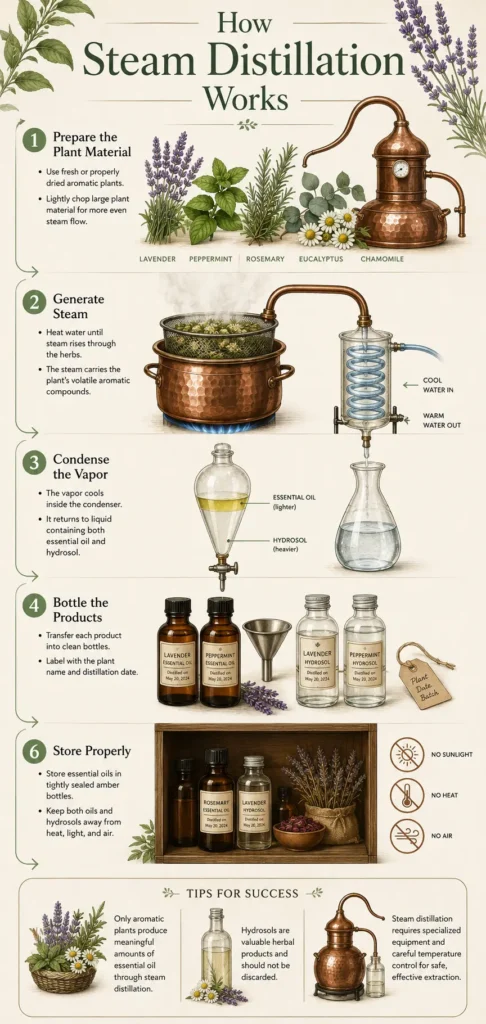
- Fresh plant material is loaded into a still chamber positioned above (but not touching) water.
- The water is heated, and rising steam passes through the plant material.
- The steam carries volatile aromatic compounds with it as it travels upward and out of the chamber.
- The steam and compounds pass through a cooling condenser, turning back into liquid form.
- The liquid separates naturally into essential oil (which floats on top) and hydrosol, or floral water (the remaining aromatic water beneath it), which are collected separately.
Secret Tips
- This is not a stovetop DIY project the way tinctures or infusions are — a proper still is required, so most home herbalists purchase finished essential oils rather than distilling their own.
- If you want to experiment on a small scale, tabletop copper or glass distillation units are available, but expect to need a surprisingly large volume of fresh plant material for a small yield of oil.
- The hydrosol (floral water) byproduct is valuable in its own right — many herbalists use rose, lavender, or witch hazel hydrosols as gentle facial mists or in skincare, so don’t discard it.
Herb Examples Best Suited to Steam Distillation
- Lavender — one of the most popular and accessible essential oils, well suited to home-scale distillation attempts.
- Peppermint — a high-yield, strongly aromatic herb for distillation.
- Rosemary — commonly distilled for both its oil and its aromatic hydrosol.
- Citrus Peel — though citrus oils are more often cold-pressed commercially, they can also be steam distilled.
Q&A
Q: What’s the difference between an essential oil and an infused oil? A: An infused oil (see the Oil Infusion guide) is a carrier oil steeped with herb, containing a small percentage of extracted compounds diluted throughout, while an essential oil is a highly concentrated, pure aromatic distillate made through steam distillation — the two are not interchangeable in recipes or dosing.
Q: Can I steam distill essential oils at home? A: It’s possible with a tabletop still, though it requires specialized equipment, a large volume of fresh plant material, and realistic expectations about yield, since essential oils are extremely concentrated.
Q: What is hydrosol? A: Hydrosol, or floral water, is the aromatic water byproduct of steam distillation, collected alongside the essential oil — it’s much gentler and is often used directly on skin or in room sprays.
Q: How long do essential oils last? A: Typically 1 to several years when properly stored in dark glass with a tight seal, away from heat and light; citrus oils generally have a shorter shelf life than woody or resinous oils.
Q: Why are essential oils so much more concentrated than other extracts? A: Steam distillation isolates only the most volatile aromatic compounds in a pure form, without the water, alcohol, or oil dilution present in other extraction methods, resulting in a far more concentrated final product.
Safety Tips
- Never ingest essential oils undiluted, and only use food-grade essential oils internally with professional guidance.
- Always dilute essential oils in a carrier oil before topical use to avoid skin irritation.
- Keep essential oils away from children and pets, as their concentration makes them significantly more potent than infused oils or other extracts.
- Consult a healthcare provider or certified aromatherapist before using essential oils medicinally, especially during pregnancy or with young children.
Disclaimer
This content is for educational purposes only and is not a substitute for professional medical advice, diagnosis, or treatment.