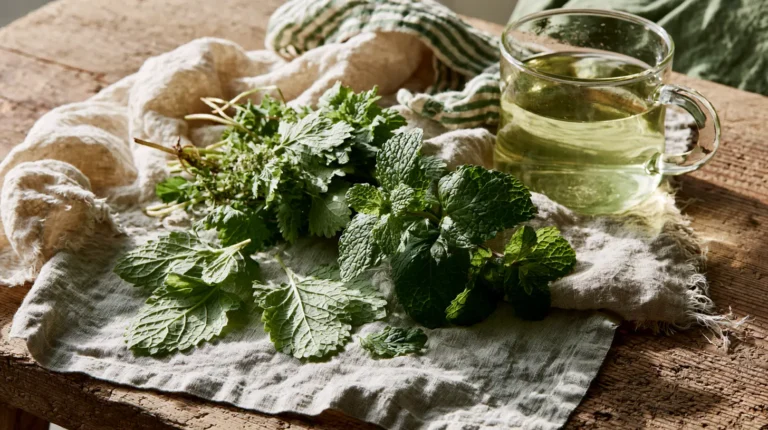
Lemon balm is a fragrant member of the mint family with soft green leaves and a bright lemony scent. Herbalists have traditionally used it when the nervous system feels “on edge,” digestion feels tense, or rest is hard to settle into.
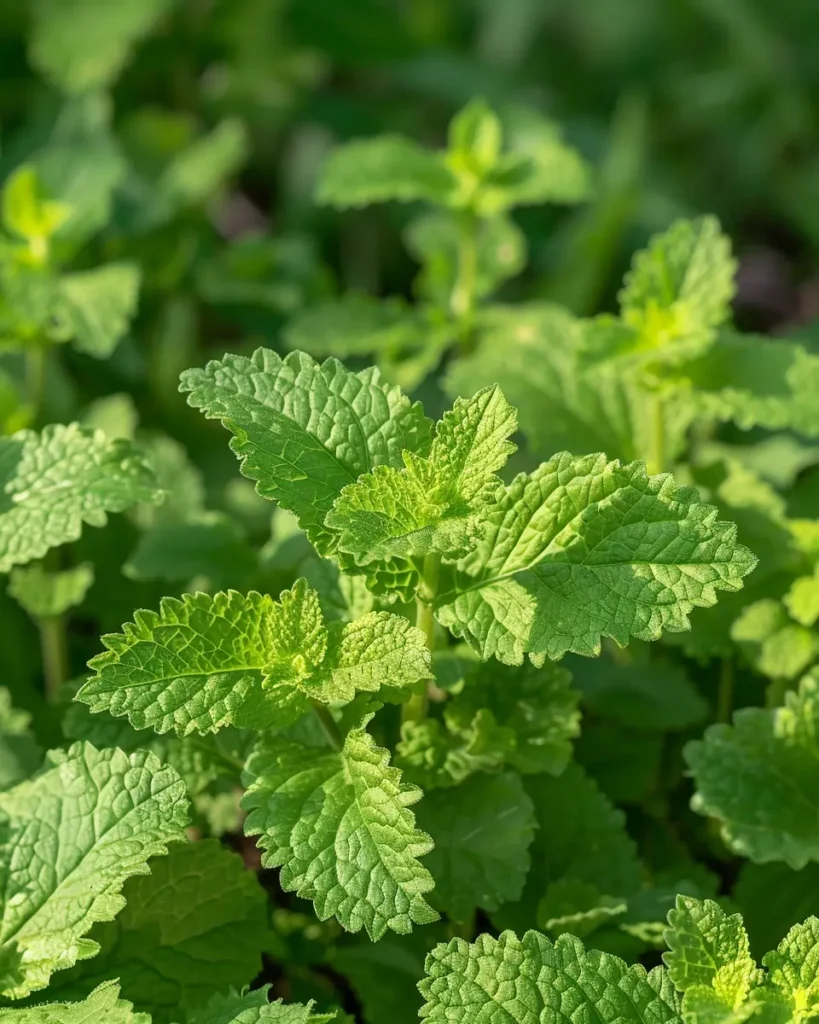
Lemon Balm (Melissa officinalis)
Traditional uses of lemon balm:
Nervous System Support: Lemon balm is widely known as a calming nervine. It is commonly used to support relaxation, emotional ease, and a settled mood without feeling too heavy.
Sleep Rhythm Support: Traditionally, lemon balm has been used in evening teas and calming blends when the body needs help moving from “busy mind” to “please turn off the mental browser tabs.”
Digestive Comfort: As a carminative herb, lemon balm is often used after meals to support comfort when gas, bloating, or nervous digestion are present.
Cognitive and Mood Support: Human studies have explored lemon balm extracts for mood, calmness, attention, and cognitive performance, especially in stress-related situations.
“Lemon balm is the herb equivalent of a deep breath in a sunny garden.”
Available Lemon Balm Products
Dried Lemon Balm
Dried lemon balm leaf is commonly used for tea, infusions, bath blends, and herbal formulas. Look for leaves that are green, aromatic, and lemony when crushed. If the herb smells like old hay, it has likely lost much of its volatile oil character.
Lemon Balm Tincture
Lemon balm tincture is a liquid extract usually made with alcohol and water. It is practical when someone wants a concentrated form that is easy to measure and use. Tinctures are often preferred when convenience matters, especially for busy people who love tea in theory but forget the kettle in real life.
Lemon Balm Capsules
Capsules may contain powdered lemon balm leaf or a standardized extract. They are convenient for people who do not enjoy the taste of herbal teas. Labels should clearly state whether the product is whole herb powder, dry extract, or standardized extract, and should include the amount per serving.
Lemon Balm Glycerite
A glycerite is an alcohol-free liquid extract made with vegetable glycerin and water. Lemon balm glycerites are often used when alcohol avoidance is preferred, including for sensitive individuals under professional guidance. They tend to taste sweet and mild.
Lemon Balm Essential Oil
Lemon balm essential oil exists, but it is expensive and not the same as lemon balm tea or tincture. Essential oils are highly concentrated and should be used carefully, properly diluted, and generally not taken internally unless guided by a qualified professional. Lemon balm essential oil is more common in aromatherapy and topical formulations than everyday home herbal use.
Lemon Balm Powder
Lemon balm powder may be used in capsules, blended into herbal preparations, or occasionally added to foods. Because powder has more surface area exposed to air, it tends to lose aroma faster than cut leaf. Fresh scent is a better quality clue than a fancy label.
Lemon Balm Tea Blends
Lemon balm is often combined with chamomile, lavender, passionflower, oat straw, peppermint, or fennel. These blends may be used for relaxation, evening routines, or digestive comfort depending on the supporting herbs.
Key Herbal Actions
Lemon balm is known as a nervine, carminative, antispasmodic, mild sedative, diaphoretic, antiviral-supportive herb in traditional herbalism, and antioxidant.
Nervine
A nervine is an herb traditionally used to support the nervous system. Lemon balm is one of the classic gentle nervines, often chosen when stress shows up as restlessness, irritability, tension, or a busy mind.
Carminative
A carminative herb supports digestion by helping ease gas and bloating. Lemon balm’s aromatic oils make it useful in after-meal teas, especially when digestion seems connected to stress or tension.
Antispasmodic
Antispasmodic herbs are traditionally used to relax mild tension in smooth muscle tissue. Lemon balm has been used this way in digestive formulas where cramping, tightness, or nervous stomach patterns are present.
Mild Sedative
In herbal language, “sedative” does not always mean heavy or drug-like. Lemon balm is more of a gentle calming herb, often used to support winding down, especially in evening teas.
Diaphoretic
A diaphoretic supports the body’s natural surface circulation and sweating response. Lemon balm has traditionally been used in warm teas when someone wants gentle support during seasonal discomforts, especially when combined with elderflower, peppermint, or yarrow.
Antioxidant
Antioxidants help protect cells from oxidative stress. Lemon balm contains phenolic acids and flavonoids that are studied for antioxidant activity.
Active Compounds and Extraction
Lemon balm contains rosmarinic acid, caffeic acid, chlorogenic acid, flavonoids, tannins, volatile oils, triterpenes, and essential oil constituents such as citral, citronellal, geranial, neral, linalool, and beta-caryophyllene.
Rosmarinic Acid
Rosmarinic acid is one of the most discussed compounds in lemon balm. It is a phenolic acid found in several mint-family herbs and is studied for antioxidant and nervous system-related effects. Some research suggests it may influence pathways connected to GABA, a calming neurotransmitter system, although human effects depend on dose, extract type, and individual response.
Best extraction methods: water infusion, hydroalcoholic tincture, glycerite.
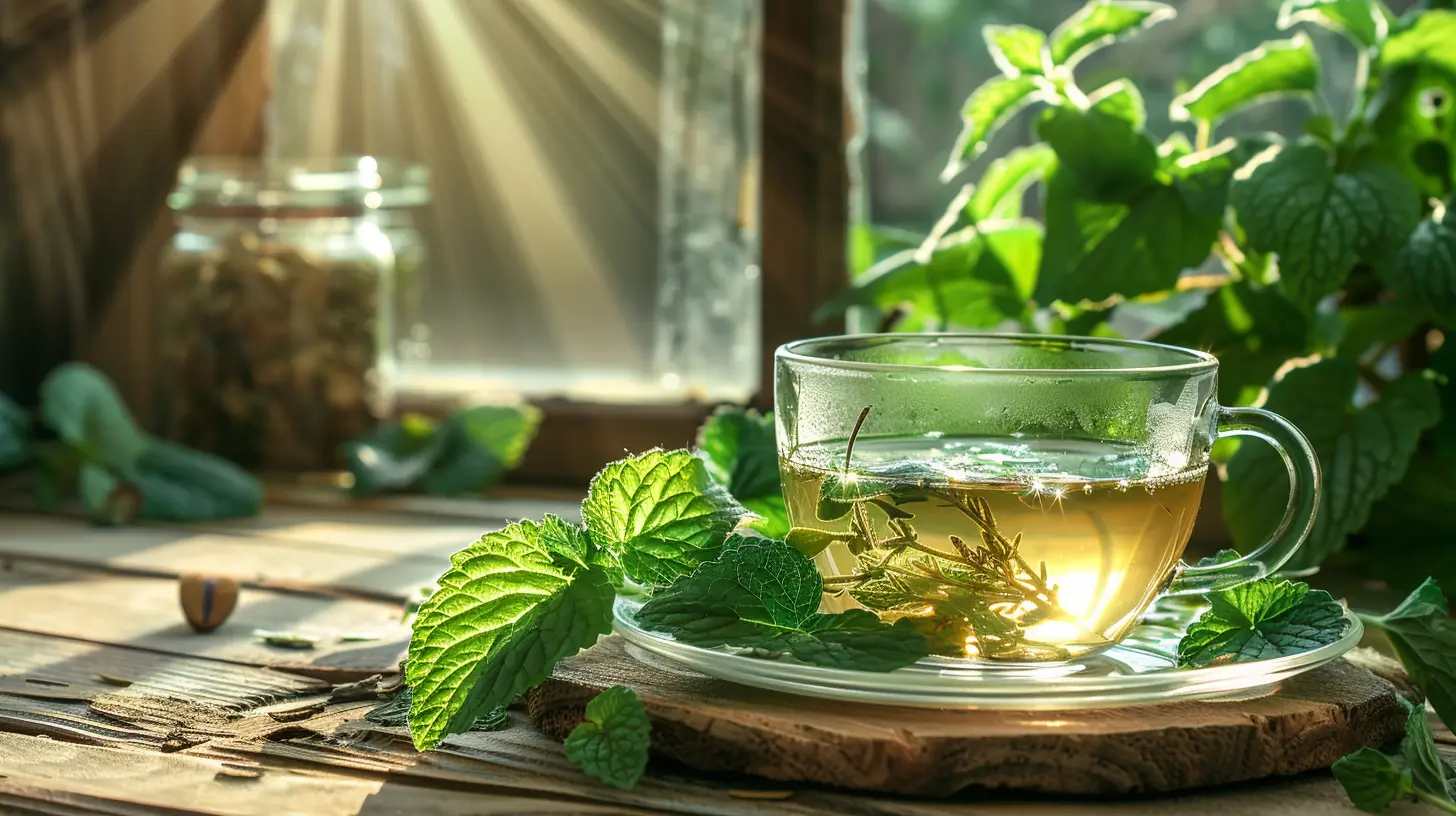
How to make a lemon balm infusion: Use 1–2 teaspoons dried lemon balm or 1 tablespoon fresh chopped leaf per cup of just-boiled water. Cover and steep for 10–15 minutes, then strain. Covering the cup helps keep the volatile oils from floating away with the steam.
How to make a tincture: Fresh lemon balm can be chopped and covered with 40–60% alcohol. Let it extract for about 2–4 weeks, shaking occasionally, then strain. Dried leaf can also be used, though fresh leaf often captures the bright aromatic character better.
Caffeic Acid and Chlorogenic Acid
These phenolic acids contribute to lemon balm’s antioxidant profile. They are water-soluble enough to come through in tea and also extract well in alcohol-water preparations.
Best extraction methods: infusion, tincture, glycerite.
Simple preparation: A covered infusion is a good everyday method because it pulls out many water-friendly phenolic compounds while preserving aroma.
Flavonoids
Flavonoids are plant pigments and protective compounds that often contribute antioxidant activity. In lemon balm, flavonoids are part of the broader group of compounds studied for cellular protection and nervous system support.
Best extraction methods: infusion, tincture, glycerite.
Simple preparation: For a stronger infusion, steep dried lemon balm covered for 15 minutes. This gives water time to extract more flavonoid and phenolic content.
Volatile Oils
Lemon balm’s volatile oils give the leaf its fresh lemon scent. These compounds are delicate and can fade during drying, storage, or long boiling. They are traditionally connected to lemon balm’s carminative and calming qualities.
Best extraction methods: covered infusion, fresh tincture, essential oil distillation.
Simple preparation: Do not boil lemon balm for a long time. Pour hot water over the leaf, cover, steep, and strain. Lemon balm is a tea herb, not a “punish it in a pot for 45 minutes” herb.
Tannins
Tannins are astringent compounds that create a slightly drying or tightening sensation. Lemon balm is not as tannin-heavy as strong astringent herbs, but tannins still contribute to its traditional use in gentle digestive and oral preparations.
Best extraction methods: infusion, tincture.
Simple preparation: A standard tea extracts light tannins. Longer steeping may increase astringency.
Triterpenes
Triterpenes are plant compounds studied for a range of biological activities. In lemon balm, they contribute to the herb’s complex chemistry but are less noticeable in taste than the aromatic oils.
Best extraction methods: hydroalcoholic tincture.
Simple preparation: A tincture made with alcohol and water extracts a broader range of compounds than tea alone.
Harvesting and Storing Right
Lemon balm is usually harvested in late spring through summer, ideally before flowering or just as flower buds begin to form. This is when the leaves are often most aromatic. Harvest in the morning after dew has dried but before strong midday heat, because heat can drive off some of the volatile oils.
For home drying, spread leaves in a thin layer in a warm, shaded, well-ventilated area. Avoid direct sun, which can fade color and aroma. Once fully dry, store in an airtight glass jar away from heat, light, and moisture.
Typical shelf life:
Fresh lemon balm: Best used within a few days when refrigerated.
Dried lemon balm leaf: About 6–12 months for best aroma and quality.
Lemon balm tincture: Often 3–5 years when stored cool, dark, and tightly capped.
Lemon balm glycerite: Usually shorter than tincture, often around 1–2 years depending on formulation and storage.
Lemon balm essential oil: Commonly around 1–3 years if stored tightly closed, cool, and away from light.
Body Functions Lemon Balm Can Support
Lemon balm can support stress support, sleep, nervous system, digestion system, brain, dental oral, immune system, skin, and thyroid support with caution.
Stress Support
Lemon balm is best known for its calming nervine action. Its rosmarinic acid, volatile oils, and other phenolic compounds are studied for their relationship to relaxation, mood, and stress response. Traditionally, it is used when stress feels warm, restless, or digestive.
Sleep
Lemon balm is commonly used in evening teas and calming formulas. It is often paired with herbs such as chamomile, passionflower, lavender, or valerian. Its role is gentle support for winding down rather than forcing sleep.
Nervous System
As a nervine, lemon balm is used to support a calm and balanced nervous system. Human studies have explored lemon balm extracts for mood, cognitive performance, and calmness. The herb is especially valued when emotional tension and digestive tension appear together.
Digestion System
Lemon balm’s aromatic oils give it carminative qualities. Traditionally, it is used after meals to support gas, bloating, and nervous digestion. Warm lemon balm tea is one of the simplest ways to use it for digestive comfort.
Brain
Research has explored lemon balm in relation to attention, memory, mood, and cognitive performance. These effects appear to depend on the extract type, dose, and study population. In herbal practice, lemon balm is often used when a calm mind may support clearer focus.
Dental Oral
Lemon balm contains tannins and aromatic compounds that may make it useful in gentle oral rinses. Traditionally, mild astringent herbs are used to support healthy oral tissues. A cooled lemon balm infusion can be used as a simple mouth rinse, but it should not replace dental care.
Immune System
Lemon balm has been studied for antiviral-related activity in laboratory and topical contexts, especially because of its phenolic compounds. In traditional use, it appears in tea blends for seasonal support and comfort. This does not mean it prevents or cures infections.
Skin
Lemon balm has a long history of topical use, especially in balms, washes, and infused oils. Its aromatic and phenolic compounds are part of why herbalists include it in gentle skin preparations. Sensitive skin should always patch test first.
Thyroid Support
This category needs caution. Laboratory and animal research has suggested lemon balm may influence thyroid-related pathways, but the clinical relevance for humans is not fully clear. People with thyroid conditions or those taking thyroid medication should consult a qualified healthcare professional before using lemon balm regularly or in concentrated forms.
Safety and Practical Considerations
Lemon balm is generally considered a gentle herb when used in normal food-like or tea amounts. Still, “gentle” does not mean “ideal for every person in every situation.”
People should use caution if they are pregnant, breastfeeding, taking prescription medications, preparing for surgery, managing thyroid disease, or using sedatives or sleep-supporting medications. Lemon balm may cause drowsiness in some people, so it is wise to be careful before driving, operating machinery, or doing anything that requires sharp alertness.
People with known allergy to plants in the mint family should be cautious. Sensitive individuals, children, older adults, and people taking multiple medications should start with small amounts and seek professional guidance.
Lemon balm is commonly used fresh and dried. Fresh leaf has the brightest lemon aroma, while dried leaf is easier to store and use year-round. For tea, the flavor is lemony, green, and gently mint-like, though old dried lemon balm can taste disappointingly like “forgotten lawn clippings.”
Essential oil should be treated differently from tea or tincture. It is highly concentrated, should be diluted for topical use, and should not be used internally without qualified professional guidance.
FAQ
What does lemon balm taste like?
Lemon balm tastes mildly lemony, green, and slightly mint-like. It is softer and less sharp than peppermint. Good-quality dried lemon balm should still smell fresh and citrusy.
When is the best time to use lemon balm?
Many people use lemon balm in the afternoon or evening because of its calming reputation. It can also be used after meals when digestion feels tense or gassy. If it makes you sleepy, save it for later in the day.
Is fresh or dried lemon balm better?
Fresh lemon balm has the brightest aroma and is wonderful for tea, infused water, and fresh tincture. Dried lemon balm is more convenient and stores well if protected from light, heat, and moisture. The best choice depends on whether you want fresh flavor or pantry practicality.
Is lemon balm tea, tincture, or capsule better?
Tea is best for a gentle, traditional, sensory experience. Tincture is more concentrated and convenient. Capsules are useful for people who do not enjoy the taste, but labels should clearly state whether they contain powder or extract.
Can lemon balm be used daily?
Lemon balm is often used daily in tea amounts by many people. Concentrated extracts, tinctures, or capsules deserve more care, especially if someone takes medication or has a thyroid condition. Long-term daily use is best discussed with a qualified herbalist or healthcare professional.
How should lemon balm be stored?
Dried lemon balm should be stored in an airtight container away from heat, light, and moisture. Tinctures and glycerites should be kept tightly closed and stored in a cool, dark place. If the herb loses its lemony smell, it has likely lost quality.
Does lemon balm combine well with other herbs?
Yes, lemon balm combines well with chamomile, lavender, passionflower, oat straw, skullcap, peppermint, fennel, and ginger. For evening blends, it pairs nicely with calming herbs. For digestion, it works well with aromatic carminatives like peppermint or fennel.
Is lemon balm safe for everyone?
No herb is perfect for everyone. Lemon balm should be used cautiously by people who are pregnant, breastfeeding, taking medications, managing thyroid conditions, or sensitive to mint-family plants. When in doubt, professional guidance is the calmest path.
Can lemon balm be used for pets?
Lemon balm is sometimes discussed in pet herbalism, but pets are not small humans wearing fur coats. Dogs, cats, and other animals metabolize herbs differently, and essential oils can be especially risky. Pet use should be guided by a veterinarian or a qualified animal herbalist.
Can lemon balm essential oil be used like lemon balm tea?
No. Lemon balm tea and lemon balm essential oil are very different preparations. Essential oil is highly concentrated and should be diluted and used carefully, while tea is a mild water infusion of the leaf.
Disclaimer
This content is educational only. It is not medical advice, diagnosis, or treatment. Herbs may interact with medications or health conditions. People who are pregnant, breastfeeding, managing a medical condition, taking prescription medications, or preparing for surgery should consult a qualified healthcare professional before using herbs.
References
EMA: Community Herbal Monograph on Melissa officinalis L., folium
EMA: Assessment Report on Melissa officinalis L., folium
EMA: Melissae folium Herbal Medicinal Product
NIH NCBI Bookshelf: Lemon Balm – LiverTox
PubMed Central: Clinical Efficacy and Tolerability of Lemon Balm
PubMed: Toxicological Safety Evaluation of an Aqueous Lemon Balm Extract
SAGE Journals: Melissa officinalis L. Review Study With an Antioxidant Prospective