


Elderflower is the creamy-white flower of the elder shrub, traditionally gathered in late spring when the blossoms are fragrant, airy, and just dramatic enough to make herbalists stop mid-walk.
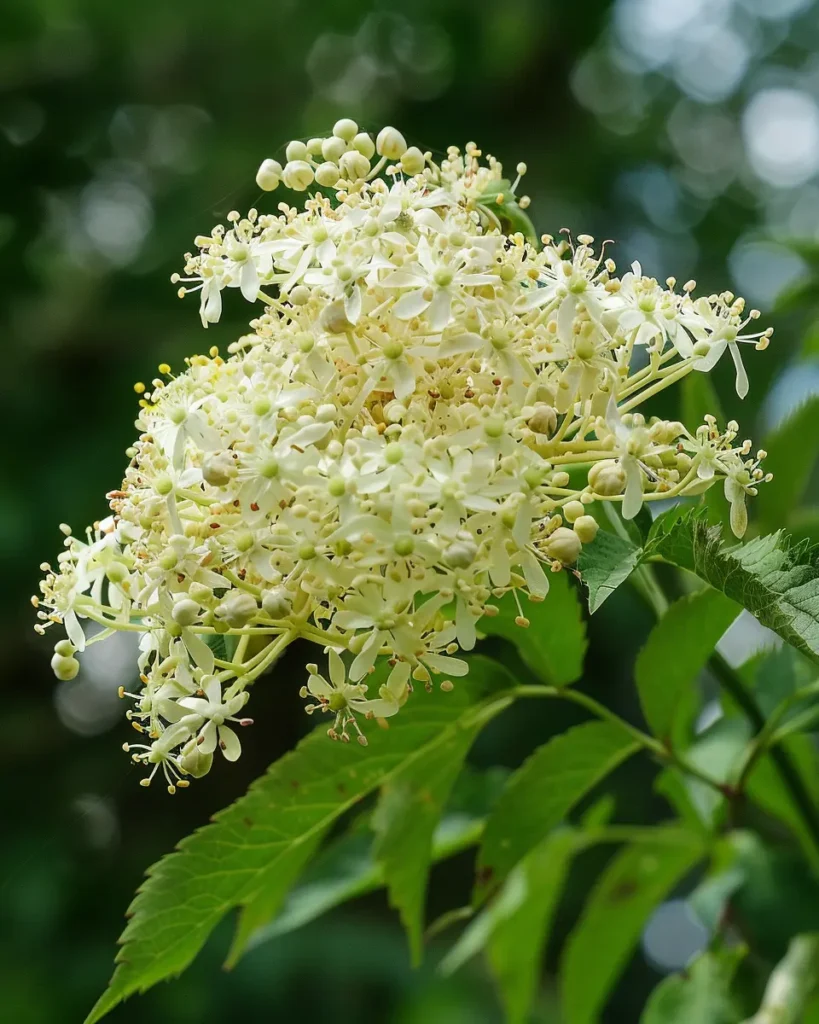
Elderflower (Sambucus nigra)
Traditional Uses of Elderflower
Respiratory Comfort: Elderflower has a long tradition of use in teas for seasonal sniffles, especially when the body feels warm, stuffy, or “under the weather.”
Natural Sweating Support: Herbalists often describe elderflower as a gentle diaphoretic, meaning it supports the body’s natural sweating response when used as a warm infusion.
Skin Support: Elderflower has been used traditionally in washes, compresses, and cosmetic preparations for skin that feels irritated, dull, or overheated.
Urinary and Lymphatic Support: Elderflower is also traditionally used as a mild diuretic and cleansing herb, supporting the body’s natural fluid movement and elimination pathways.
“Elderflower is the soft floral whisper that reminds the body to breathe, release, and lighten up.”
Available Elderflower Products
Dried Elderflower
Dried elderflower is the most common herbal form. It is usually used for tea, infusions, steams, syrups, and herbal blends. Good dried elderflower should look pale cream to light yellow, with a sweet floral aroma rather than a musty smell.
Elderflower Tea
Elderflower tea is a classic preparation made from dried flowers and hot water. It is especially popular during seasonal transitions and is often blended with peppermint, yarrow, linden, lemon balm, or rosehip.
Elderflower Tincture
Elderflower tincture is a liquid extract made with alcohol and water. It is useful when someone wants a shelf-stable preparation that is easier to take than brewing tea.
Elderflower Syrup or Cordial
Elderflower syrup and cordial are popular culinary preparations. They are commonly used in sparkling water, desserts, herbal drinks, and seasonal recipes.
Elderflower Glycerite
A glycerite is an alcohol-free liquid extract made with vegetable glycerin and water. Elderflower glycerites are less common than teas or syrups, but they may be useful for people avoiding alcohol.
Elderflower Capsules
Capsules are less traditional for elderflower but may be found in some herbal supplement formulas. Check labels carefully to confirm the product contains flower, not only elderberry fruit.
Elderflower Powder
Powdered elderflower may be used in capsules, facial masks, or herbal blends. Because powdered flowers lose aroma faster, smaller quantities are usually better.
Elderflower Water or Hydrosol
Elderflower water is a cosmetic-style preparation used in facial sprays, toners, and skin products. It is valued more for gentle topical use than for internal herbal use.
Key Herbal Actions
Elderflower is known as a diaphoretic, anticatarrhal, mild expectorant, anti-inflammatory, antioxidant, mild diuretic, vulnerary, and gentle lymphatic herb.
Diaphoretic
A diaphoretic supports the body’s natural sweating process. Elderflower is traditionally used as a warm tea when someone feels chilled, stuffy, or seasonally run down.
Anticatarrhal
Anticatarrhal herbs are traditionally used to support the body when mucus feels heavy or excessive. Elderflower is commonly chosen in respiratory tea blends for this reason.
Mild Expectorant
An expectorant supports the body’s natural clearing of mucus from the respiratory tract. Elderflower is considered gentle and is often paired with stronger respiratory herbs.
Anti-inflammatory
Anti-inflammatory herbs contain compounds studied for their role in calming inflammatory pathways. Elderflower’s flavonoids and phenolic acids help explain this traditional use.
Antioxidant
Antioxidant herbs contain compounds that help protect cells from oxidative stress. Elderflower is rich in polyphenols, especially flavonoids and phenolic acids.
Mild Diuretic
A diuretic supports the body’s natural urine flow. Elderflower has traditional use as a mild fluid-moving herb.
Vulnerary
A vulnerary is an herb traditionally used to support skin comfort and tissue care. Elderflower appears in washes, compresses, and cosmetic preparations for this reason.
Gentle Lymphatic
A lymphatic herb traditionally supports healthy fluid movement and the body’s natural cleansing rhythms. Elderflower’s diaphoretic and mild diuretic actions make it useful in this traditional category.
Active Compounds and Extraction
Elderflower contains flavonoids, phenolic acids, triterpenes, volatile aromatic compounds, tannins, mucilage, minerals, and small amounts of cyanogenic glycosides.
Flavonoids
Flavonoids are antioxidant plant compounds. Elderflower contains flavonoids such as rutin, quercetin-related compounds, isoquercitrin, and kaempferol derivatives, which are studied for antioxidant and inflammation-modulating activity.
Best extraction: hot water infusion or hydroalcoholic tincture.
To make elderflower tea, use about 1–2 teaspoons dried elderflower per cup of just-boiled water. Cover and steep for 10–15 minutes, then strain.
Phenolic Acids
Phenolic acids are plant compounds with antioxidant activity. Elderflower contains caffeic acid derivatives and chlorogenic acid-related compounds, which contribute to its polyphenol profile.
Best extraction: hot water, tincture, or syrup.
For a stronger infusion, use 1 tablespoon dried elderflower per 8 ounces of hot water and steep covered for 15 minutes. Covering matters because elderflower’s aroma likes to escape if given the chance.
Volatile Aromatic Compounds
Volatile compounds give elderflower its distinctive sweet, floral fragrance. These compounds are delicate and are best preserved with covered infusions, fresh syrups, and gentle drying.
Best extraction: covered hot infusion or fresh syrup.
To make a simple elderflower syrup, place fresh elderflower heads in a heat-safe jar, pour hot simple syrup over them, cover, steep overnight, strain well, and refrigerate.
Triterpenes
Triterpenes are plant compounds studied for antioxidant and inflammation-related effects. In elderflower, they are part of the broader phytochemical profile rather than the main flavor.
Best extraction: alcohol-water tincture.
A tincture is generally better than tea for extracting more resinous or less water-soluble compounds. Dried elderflower can be macerated in a water-alcohol blend for several weeks, then strained.
Tannins
Tannins are mildly astringent compounds that gently tighten tissues. They help explain elderflower’s traditional use in skin washes and topical preparations.
Best extraction: water infusion.
For a skin wash, make a strong elderflower infusion, allow it to cool fully, strain carefully, and apply externally with a clean cloth.
Mucilage
Mucilage is a soft, soothing plant fiber. Elderflower is not as mucilage-rich as marshmallow root or slippery elm, but it has a gentle softening quality in warm infusions.
Best extraction: warm water infusion.
A standard tea captures this mild soothing quality well. Avoid boiling the flowers for a long time, as extended heat can flatten the aroma.
Cyanogenic Glycosides
Small amounts of cyanogenic glycosides occur in parts of the elder plant. This is one reason proper plant identification, careful preparation, and avoiding leaves, bark, stems, and unripe berries is important.
Best approach: use properly prepared flowers from trusted sources.
Remove thick stems from fresh flower heads before use. Use only clean, properly identified elderflower and avoid using green plant parts internally.
Harvesting and Storing Right
Elderflowers are usually harvested in late spring to early summer when the flower clusters are fully open, creamy-white, and fragrant. Harvest on a dry morning after the dew has evaporated but before the hot sun fades the aroma.
Choose clean plants away from roadsides, sprayed lawns, industrial areas, and polluted soil. Cut whole flower clusters gently, then remove insects and debris without aggressively washing away the pollen and scent.
Dry elderflowers quickly in a single layer in a warm, shaded, well-ventilated place. Once fully dry, remove the flowers from thick stems and store them in an airtight jar away from heat, light, and moisture. Dried elderflower is usually best within 6–12 months. Syrups usually last 2–4 weeks refrigerated unless preserved by canning or freezing. Tinctures often keep for several years when stored properly.
Body Functions Elderflower can Support
Elderflower can support the respiratory system, immune system, skin, urinary system, lymphatic system, digestion system, circulation, and energy and vitality.
Respiratory System
Elderflower is traditionally used in warm teas when the nose, throat, or sinuses feel stuffy. Its anticatarrhal and mild expectorant actions make it a classic herb in seasonal respiratory blends.
Immune System
Elderflower is traditionally used during seasonal discomfort, especially as a warm infusion. Its flavonoids and phenolic acids provide antioxidant support, which is one way herbs can support general immune wellness.
Skin
Elderflower has a long history in washes, compresses, and cosmetic preparations. Its tannins, flavonoids, and soft floral quality make it useful for skin that feels warm, tired, or irritated.
Urinary System
Elderflower is traditionally described as mildly diuretic. This means it may support the body’s normal urine flow and fluid elimination.
Lymphatic System
Herbalists often think of elderflower as a gentle moving herb. Through its traditional diaphoretic and mild diuretic actions, it supports the body’s natural fluid movement.
Digestion System
Elderflower is not a strong digestive bitter, but warm elderflower tea may be gentle and settling. It is often blended with peppermint, lemon balm, or chamomile for a more rounded digestive tea.
Circulation
Elderflower contains flavonoids such as rutin and quercetin-related compounds. These compounds are studied for antioxidant activity and general vascular wellness, though elderflower should not be used as a substitute for medical care.
Energy and Vitality
Elderflower supports vitality in a gentle, indirect way. It is not a stimulant; its traditional role is more about helping the body feel lighter during seasonal sluggishness.
Safety and Practical Considerations
Elderflower is generally used as a tea, syrup, tincture, or culinary flower preparation. It is important to use correctly identified elderflower from safe species such as Sambucus nigra and to avoid leaves, bark, roots, thick stems, and unripe berries.
Raw or improperly prepared elder plant parts may cause nausea, vomiting, diarrhea, or other digestive upset. Fresh flowers should be separated from thick stems before use, and wild-harvested plants should come from clean, unsprayed areas.
People who are pregnant, breastfeeding, taking prescription medications, managing autoimmune conditions, using diuretics, taking diabetes medications, or preparing for surgery should consult a qualified healthcare professional before using elderflower medicinally. Sensitive individuals and children should use mild preparations and appropriate amounts.
Allergy is possible, especially in people sensitive to plants or pollen. Elderflower’s fragrance is part of its charm, but for pollen-sensitive noses, charm can sometimes become negotiation.
FAQ
What does elderflower taste like?
Elderflower tastes lightly sweet, floral, honey-like, and slightly musky. Dried elderflower tea is gentler than elderflower syrup, which is usually sweeter and more aromatic.
When is the best time to use elderflower?
Elderflower is traditionally used as a warm tea during seasonal changes. It is especially popular when someone wants a gentle floral herb for respiratory comfort and natural sweating support.
Is fresh or dried elderflower better?
Fresh elderflower is best for syrups, cordials, and fragrant seasonal recipes. Dried elderflower is better for tea, long-term storage, and everyday herbal blending.
Is elderflower tea, tincture, or syrup better?
Tea is the most traditional and practical choice for warm infusion use. Tincture is more concentrated and shelf-stable, while syrup is pleasant and culinary but contains added sugar.
Can elderflower be used daily?
Elderflower tea is often used short-term or seasonally. Daily long-term use is best discussed with a qualified herbalist or healthcare professional, especially if medications or health conditions are involved.
How should elderflower be stored?
Dried elderflower should be stored in an airtight jar away from heat, light, and moisture. If the flowers turn brown, lose aroma, or smell musty, they are past their best.
Does elderflower combine well with other herbs?
Yes, elderflower combines beautifully with peppermint, yarrow, linden, rosehip, lemon balm, chamomile, thyme, and ginger. The right blend depends on whether the goal is respiratory comfort, relaxation, flavor, or seasonal support.
Is elderflower the same as elderberry?
No. Elderflower is the flower of the elder plant, while elderberry is the dark berry harvested later in the season. They come from the same plant but have different traditional uses, flavors, and preparation rules.
Is elderflower safe for everyone?
No herb is suitable for everyone. Use caution with pregnancy, breastfeeding, medications, chronic health conditions, allergies, or immune-related conditions.
Can elderflower be used for pets?
Pet use should be guided by a veterinarian or qualified animal herbalist. Elder plant parts can be problematic if used incorrectly, and animals have different safety needs than humans.
Disclaimer
This content is educational only. It is not medical advice, diagnosis, or treatment. Herbs may interact with medications or health conditions. People who are pregnant, breastfeeding, managing a medical condition, taking prescription medications, or preparing for surgery should consult a qualified healthcare professional before using herbs.
References
EMA: Sambuci flos – Elder Flower Herbal Medicinal Product
EMA: European Union Herbal Monograph on Sambucus nigra L., flos
NIH / PubMed Central: Phenolic Compound Composition of Sambucus nigra L. Flowers and Leaves
NIH / PubMed Central: Elderberry, Sambucus nigra L., Ethnopharmacological Review
NIH / PubMed Central: Health-Promoting Properties of Sambucus nigra L.