


Spearmint is a bright, sweet, aromatic mint with soft green leaves and a gentler personality than peppermint. It belongs to the mint family and is widely used in teas, culinary dishes, oral care products, herbal blends, and traditional wellness preparations.
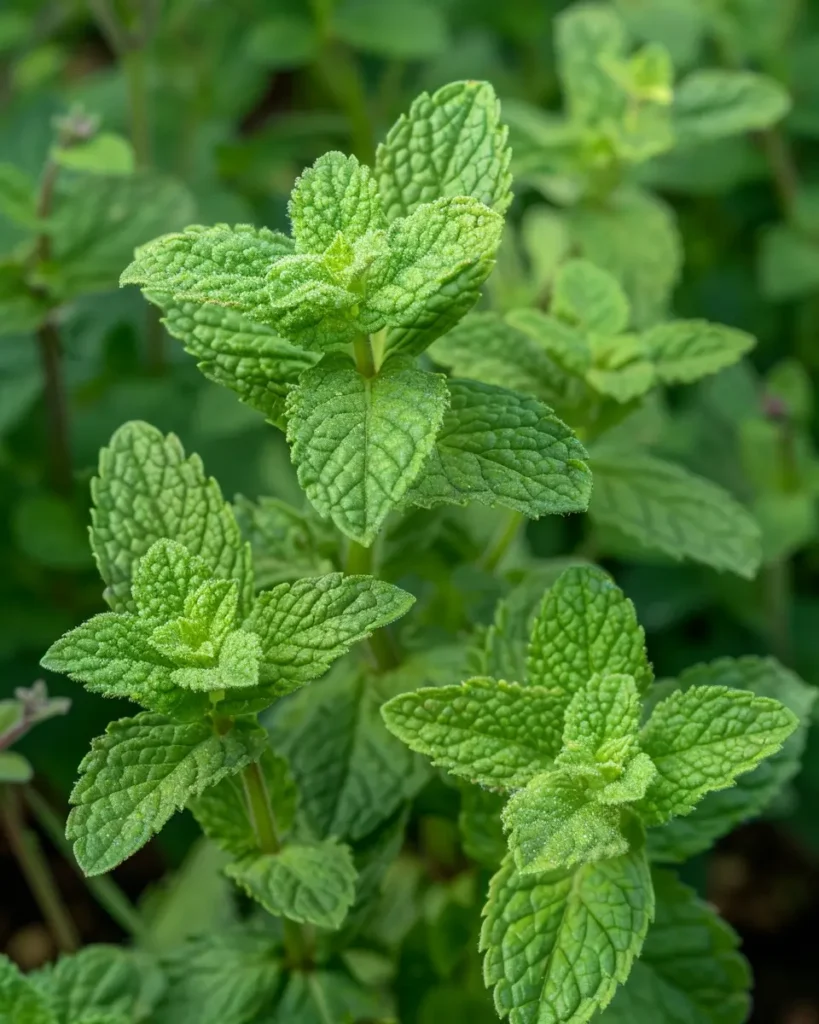
Spearmint (Mentha spicata)
Traditional uses of spearmint:
Digestive Comfort: Spearmint is traditionally used as a carminative herb to support gas, bloating, and mild digestive tension after meals.
Nervous System Support: Spearmint is often considered a gentle, uplifting aromatic herb. It may help the body feel refreshed without the intense cooling punch of peppermint.
Respiratory Freshness: Spearmint’s aromatic oils make it useful in teas, steam blends, and oral preparations when a fresh, open feeling is desired.
Female Hormonal Wellness: Spearmint has been studied in small human trials related to androgen balance, especially in women with excess facial hair patterns, but this area should be discussed carefully and not treated as a guaranteed effect.
Spearmint is like peppermint’s calmer cousin: still fresh and lively, but less likely to kick the door open.
“Spearmint brings a clean breeze to the cup without shouting about it.”
Available Spearmint Products
Dried Spearmint
Dried spearmint leaf is commonly used for tea, digestive blends, mouth rinses, culinary seasoning, and gentle aromatic formulas. Good-quality dried spearmint should smell sweet, fresh, green, and minty. If it smells dull or dusty, it has probably lost much of its volatile oil quality.
Spearmint Tea
Spearmint tea is one of the most common ways to use the herb. It is milder than peppermint tea and often easier for sensitive people to enjoy. It works well after meals or as a refreshing daily herbal drink.
Spearmint Tincture
Spearmint tincture is a liquid extract usually made with alcohol and water. It may be used when a more concentrated and convenient preparation is preferred. Because spearmint is aromatic, tinctures can capture both water-soluble and alcohol-soluble constituents.
Spearmint Capsules
Spearmint capsules may contain powdered leaf or dry extract. They are convenient for people who do not enjoy tea or want a more standardized amount. Labels should clearly state whether the capsule contains whole herb powder, extract, or a standardized extract.
Spearmint Glycerite
Spearmint glycerite is an alcohol-free liquid extract made with vegetable glycerin and water. It tastes sweet and minty, making it more pleasant than many herbal extracts. It may be useful for people avoiding alcohol, though it is still a concentrated preparation.
Spearmint Essential Oil
Spearmint essential oil is steam-distilled from the leaves and flowering tops. It is highly concentrated and should be diluted properly before topical use. It should not be used internally unless guided by a qualified professional.
Spearmint Powder
Spearmint powder is dried spearmint leaf ground into a fine texture. It may be used in capsules, herbal tooth powders, culinary blends, and some body care preparations. Because powders lose aroma faster than cut leaf, spearmint powder should be stored tightly sealed and used while still fragrant.
Spearmint Culinary Products
Spearmint is widely used in foods, sauces, salads, beverages, chewing gum, and flavoring products. Culinary use is usually much milder than concentrated extracts or essential oil. This is often the safest and most familiar way people meet the herb.
Key Herbal Actions
Spearmint is known as a carminative, aromatic, mild antispasmodic, nervine, cooling herb, digestive stimulant, oral freshening herb, antioxidant, and antimicrobial-supportive herb in traditional use.
Carminative
A carminative herb supports digestive comfort, especially when gas or bloating is present. Spearmint’s aromatic oils are part of why it has been used after meals in many food traditions. It is gentler and sweeter than peppermint, making it a good option when peppermint feels too strong.
Aromatic
Aromatic herbs contain volatile oils that give them their scent and much of their traditional action. Spearmint’s essential oil is rich in carvone, which gives it a sweet minty aroma. Aromatic herbs are commonly used for digestion, breath freshness, and sensory refreshment.
Mild Antispasmodic
Antispasmodic herbs are traditionally used to ease mild smooth muscle tension. Spearmint is milder than peppermint but still has a history of use in digestive tension patterns. It is commonly used in teas where the goal is comfort rather than intensity.
Nervine
A nervine supports the nervous system. Spearmint is not a heavy calming herb like valerian, but it is often used as a gentle uplifting aromatic. Its scent and flavor can feel refreshing when the mind feels dull or the mood feels flat.
Cooling Herb
Spearmint has a cooling energetic quality, though it is usually less icy than peppermint. This makes it useful in summer teas, fresh drinks, and cooling herbal blends. It is a good herb when you want freshness without a menthol snowstorm.
Digestive Stimulant
Spearmint’s aroma and flavor can help wake up the digestive senses. It is traditionally used before or after meals to support digestive readiness and comfort. This action is mild and food-like rather than forceful.
Oral Freshening Herb
Spearmint is widely used in oral care because of its clean flavor and pleasant aroma. It appears in toothpastes, rinses, lozenges, gums, and mouth fresheners. A cooled spearmint infusion can also be used as a simple herbal mouth rinse.
Antioxidant
Spearmint contains phenolic compounds such as rosmarinic acid and flavonoids. These compounds are studied for antioxidant activity and cellular protection. Antioxidant activity is one reason spearmint has drawn modern research interest beyond flavor.
Active Compounds and Extraction
Spearmint contains carvone, limonene, 1,8-cineole, beta-myrcene, menthone in smaller amounts, rosmarinic acid, caffeic acid, flavonoids, phenolic acids, tannins, triterpenes, and essential oil constituents.
Carvone
Carvone is one of the major aromatic compounds in spearmint essential oil. It gives spearmint its sweet, green, minty character and helps distinguish it from peppermint, which is usually richer in menthol. Research reviews identify carvone as a key spearmint compound.
Best extraction methods: covered infusion, tincture, steam distillation.
How to make spearmint infusion: Use 1–2 teaspoons dried spearmint leaf per cup of just-boiled water. Cover and steep for 5–10 minutes, then strain. Covering the cup helps keep the volatile oils from escaping with the steam.
How to make spearmint tincture: Place dried spearmint leaf in a clean jar and cover with a 40–60% alcohol-water mixture. Let it extract for about 2–4 weeks, shaking occasionally, then strain. Alcohol helps capture aromatic compounds along with water-soluble constituents.
Limonene
Limonene is a citrusy aromatic compound found in many essential oils, including spearmint oil. It contributes brightness and freshness to the herb’s aroma. It is mostly associated with volatile oil and aromatic extraction.
Best extraction methods: steam distillation, tincture, covered infusion.
Simple preparation: A covered tea is the mildest home method. For a stronger aromatic preparation, tincture captures more volatile constituents than plain water.
1,8-Cineole
1,8-cineole is an aromatic compound also found in herbs like eucalyptus, rosemary, and sage. In spearmint, it contributes to the fresh, open, respiratory-feeling aroma. It is best known as part of the essential oil fraction.
Best extraction methods: steam distillation, tincture, covered infusion.
Simple preparation: Spearmint steam can be made by adding dried or fresh leaf to hot water and inhaling the aroma gently. Avoid putting the face too close to hot steam, because steam burns are not an herbal tradition worth keeping.
Rosmarinic Acid
Rosmarinic acid is a phenolic compound found in many mint-family herbs. Spearmint extracts standardized for rosmarinic acid have been studied in relation to cognitive performance and oxidative stress. It is water-soluble enough to appear in teas and also extracts well in alcohol-water preparations.
Best extraction methods: infusion, long infusion, tincture, glycerite.
How to make a stronger spearmint infusion: Use 1 tablespoon dried spearmint per cup of hot water, cover, and steep for 10–15 minutes. This extracts more water-soluble compounds, though the flavor becomes stronger.
Caffeic Acid and Other Phenolic Acids
Phenolic acids are antioxidant compounds that help protect plant tissues and are studied for their cellular effects in humans. In spearmint, they contribute to the herb’s antioxidant profile. These compounds are reasonably well extracted in water and alcohol-water mixtures.
Best extraction methods: infusion, tincture, glycerite.
Simple preparation: A covered hot infusion is practical for daily use. Tincture may be preferred when a concentrated preparation is needed.
Flavonoids
Flavonoids are plant compounds widely studied for antioxidant activity. Spearmint contains flavonoids that add to its broader wellness profile. They are less obvious in taste than carvone but still important chemically.
Best extraction methods: infusion, tincture, glycerite.
Simple preparation: Spearmint tea is a simple and effective way to extract water-friendly flavonoids. Avoid long boiling because the aromatic quality may fade.
Tannins
Tannins are astringent compounds that create a slightly drying or tightening sensation. Spearmint is not a strong astringent herb, but mild tannins contribute to its traditional use in mouth rinses and digestive preparations.
Best extraction methods: infusion, tincture.
Simple preparation: A cooled spearmint infusion can be used as a gentle mouth rinse. It should not replace regular dental care.
Triterpenes
Triterpenes are plant compounds found in many herbs. In spearmint, they contribute to the overall chemical profile but are not the main drivers of its minty aroma. Alcohol-water extraction is usually better for broader constituent capture.
Best extraction methods: tincture, hydroalcoholic extract.
Simple preparation: A tincture extracts a wider range of compounds than a short tea. Tea remains the gentler everyday choice.
Harvesting and Storing Right
Spearmint is usually harvested in late spring through summer, ideally just before flowering or at early flowering. This is when the leaves are often most aromatic. Harvest in the morning after dew has dried but before strong midday heat, because heat can reduce volatile oil quality.
Cut stems above a leaf node to encourage regrowth. Dry spearmint quickly in a shaded, well-ventilated area. Avoid direct sun, which can fade the leaves and reduce aroma.
Typical shelf life:
Fresh spearmint: Best used within several days when refrigerated.
Dried spearmint leaf: About 6–12 months for best aroma and quality.
Spearmint powder: About 3–6 months for best freshness.
Spearmint tincture: Often 3–5 years when stored cool, dark, and tightly capped.
Spearmint glycerite: Usually around 1–2 years depending on formulation and storage.
Spearmint essential oil: Commonly around 3–5 years if stored tightly closed, cool, and away from light.
Body Functions Spearmint Can Support
Spearmint can support digestion system, nervous system, respiratory system, dental oral, brain, skin, immune system, female reproductive system, energy and vitality, and metabolism.
Digestion System
Spearmint is traditionally used as a carminative herb for gas, bloating, and mild digestive tension. Its aromatic oils help explain why it is commonly used after meals. Spearmint may be a gentler choice than peppermint for people who find peppermint too intense.
Nervous System
Spearmint is a mild aromatic nervine. It can feel refreshing, uplifting, and gently calming without being heavy. Its aroma and flavor are part of its traditional value for mental and emotional freshness.
Respiratory System
Spearmint’s volatile oils create a fresh, open sensation in teas and steam preparations. It is traditionally used in seasonal blends for comfort and freshness. This does not mean it treats respiratory illness, but it may support a pleasant breathing experience.
Dental Oral
Spearmint is widely used in oral care products because of its sweet mint flavor and fresh aroma. Its mild astringency and aromatic compounds support its traditional use in mouth rinses. A cooled spearmint infusion can be used as a simple breath-freshening rinse.
Brain
Spearmint extracts rich in rosmarinic acid have been studied for attention, working memory, and cognitive performance in adults. The research is still specific to certain extracts and doses, not every cup of spearmint tea. Traditionally, spearmint is used when mental freshness and gentle alertness are desired.
Skin
Spearmint may be used in topical washes and body care preparations for a cooling, fresh feeling. Essential oil must be diluted carefully because it can irritate sensitive skin. Spearmint leaf infusion is much milder than essential oil.
Immune System
Spearmint contains phenolic acids, flavonoids, and volatile oils studied for antioxidant and antimicrobial-related activity in laboratory settings. Traditional herbal use often includes spearmint in seasonal teas. This should not be understood as infection prevention or treatment.
Reproductive System Female
Spearmint tea has been studied in small clinical trials related to androgen levels and hirsutism in women. Some findings suggest possible anti-androgenic effects, but evidence is limited and not enough for strong claims. People with hormonal conditions, fertility concerns, or hormone-related medication use should consult a qualified healthcare professional before using spearmint medicinally.
Energy and Vitality
Spearmint’s aroma can feel bright and refreshing. It is often used in daytime teas when someone wants a clean, awake feeling without caffeine. It supports freshness rather than forcing energy.
Metabolism
Spearmint has been studied in animal and laboratory research for metabolic pathways, but human evidence is limited. In practical herbalism, its main metabolic role is indirect through digestion and food use. Concentrated extracts should not be used as a substitute for medical care or metabolic treatment.
Safety and Practical Considerations
Spearmint is widely used as a food and tea herb and is generally gentle for many people in normal amounts. Concentrated extracts and essential oils require more caution.
People with mint-family allergies should avoid spearmint. People with reflux may tolerate spearmint better than peppermint, but any mint can bother some sensitive stomachs, especially in strong preparations.
Spearmint essential oil should be diluted before topical use and should not be used near the face of infants or young children. It should not be taken internally unless guided by a qualified professional. Essential oils are not just “strong tea in a tiny bottle”; they are a different category of preparation.
Pregnant or breastfeeding people should consult a qualified healthcare professional before using spearmint medicinally. Culinary amounts are different from concentrated extracts or repeated medicinal use.
People with hormone-sensitive conditions, fertility concerns, or those taking hormonal medications should use caution with concentrated spearmint or daily medicinal use, because some research has explored spearmint’s possible effects on androgen levels. Children, older adults, and sensitive individuals should start with mild preparations.
Spearmint is commonly used fresh and dried. Fresh spearmint has the brightest flavor, while dried spearmint is convenient for tea and storage.
FAQ
What does spearmint taste like?
Spearmint tastes sweet, green, fresh, and minty. It is usually softer and less icy than peppermint. Its main aromatic compound, carvone, gives it a rounder, sweeter flavor.
When is the best time to use spearmint?
Spearmint can be used after meals for digestive comfort or during the day as a refreshing tea. It is usually not strongly sedating. Many people enjoy it as an afternoon herbal drink.
Is fresh or dried spearmint better?
Fresh spearmint has the brightest flavor and is excellent in drinks, salads, sauces, and fresh teas. Dried spearmint is more practical for storage and daily tea blends. Both are useful if they smell fresh and clean.
Is spearmint tea, tincture, or capsule better?
Tea is the gentlest and most traditional form. Tincture is more concentrated and convenient. Capsules may be useful for people who want measured amounts, but labels should clearly state whether the product is powdered herb or extract.
Can spearmint be used daily?
Spearmint tea is commonly used daily by many people in normal amounts. Daily concentrated use is different and should be approached more carefully, especially for people with hormonal conditions, pregnancy, breastfeeding, or medication use. Start with moderate amounts and observe your response.
How should spearmint be stored?
Dried spearmint should be stored in an airtight container away from heat, light, and moisture. Spearmint powder should be used sooner because it loses aroma quickly. Fresh spearmint can be refrigerated loosely wrapped or kept stems-down in water for short-term use.
Does spearmint combine well with other herbs?
Yes, spearmint combines well with lemon balm, chamomile, fennel, ginger, nettle, hibiscus, green tea, elderflower, and rosehips. It is useful when a blend needs freshness without peppermint’s stronger cooling bite. It also improves the flavor of many bitter or grassy herbs.
Is spearmint safe for everyone?
No herb is ideal for everyone. Spearmint should be avoided by people with mint allergy and used cautiously by people with reflux, hormone-sensitive conditions, pregnancy, breastfeeding, or complex medication use. Essential oil requires extra care.
Can spearmint be used for pets?
Spearmint may appear in some pet products, especially dental products, but essential oils can be risky for animals. Cats are especially sensitive to many essential oils. Pet use should be guided by a veterinarian or qualified animal herbalist.
Is spearmint the same as peppermint?
No. Spearmint is Mentha spicata, while peppermint is Mentha × piperita, a hybrid that includes spearmint and watermint ancestry. Peppermint is usually richer in menthol and feels much more cooling, while spearmint is sweeter and gentler.
Disclaimer
This content is educational only. It is not medical advice, diagnosis, or treatment. Herbs may interact with medications or health conditions. People who are pregnant, breastfeeding, managing a medical condition, taking prescription medications, or preparing for surgery should consult a qualified healthcare professional before using herbs.
References
PubMed Central: Spearmint Phytochemical Profile
PubMed Central: Medicinal Uses, Phytochemistry, Pharmacology, and Toxicology of Mentha spicata
PubMed: The Traditional Uses, Phytochemistry and Pharmacology of Mentha spicata
PubMed: Bioactive Properties of the Aromatic Molecules of Spearmint
PubMed Central: Mentha spicata Essential Oil Chemical Composition and Antimicrobial Activity
PubMed: Effect of Spearmint Extract Containing Rosmarinic Acid on Physical and Cognitive Performance
PubMed: Spearmint Herbal Tea and Hirsutism in Women
PubMed: Spearmint Tea Has Significant Anti-Androgen Effects in Polycystic Ovarian Syndrome