


👉 Jump straight to Where to Buy Ajwain Essential Oil
Ajwain essential oil is a highly concentrated aromatic oil steam-distilled from the seeds of Trachyspermum ammi, also known as carom seeds. Rich in thymol, this potent, thyme-scented oil has long been used in Ayurvedic tradition for topical and aromatic purposes — quite different from ajwain’s culinary and tea uses, since essential oil is far too concentrated to ingest casually.
Quick Facts
| Botanical name | Trachyspermum ammi |
| Plant part used | Seeds, steam-distilled |
| Traditional uses | Topical comfort (diluted), aromatherapy, traditional joint and muscle care |
| Typical dosage range | For topical use only: 1–2 drops diluted in 1 tsp carrier oil; not intended for internal use |
What Is Ajwain Essential Oil?
Ajwain, also called carom seeds, bishop’s weed, or ajowan, is a small plant in the parsley family native to the Indian subcontinent and the Eastern Mediterranean. Its seeds are exceptionally rich in thymol, the same aromatic compound found in thyme, giving the essential oil its sharp, spicy, medicinal scent.
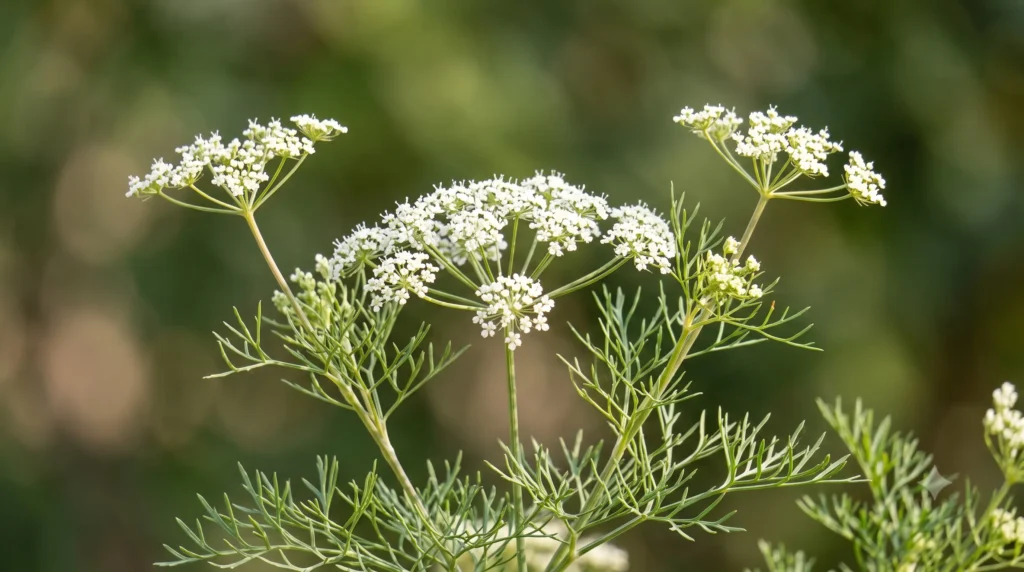
Ajwain essential oil is produced through steam distillation, a process that concentrates the volatile aromatic compounds from the seeds into a potent oil. This is a fundamentally different preparation from ajwain tea, powder, or tincture — essential oils are many times more concentrated and are meant for topical (always diluted) or aromatic use, not for drinking or eating.
Ajwain essential oil is commonly used for:
- Diffusing — a few drops in an aromatherapy diffuser
- Diluted topical application — mixed into a carrier oil for massage or skin use
- Traditional joint and muscle comfort — historically applied (diluted) to areas of discomfort
- Blending — combined with complementary oils like thyme or sage for custom aromatherapy blends
Key Traditional Uses & Benefits
- Aromatherapy — used for its warm, spicy, invigorating aroma in diffusers and inhalation practices
- Topical comfort — traditionally applied, always diluted in a carrier oil, to support occasional joint or muscle discomfort
- Skin and scalp use — used in small, diluted amounts in some traditional topical preparations
- Antimicrobial reputation — thymol, its primary constituent, is traditionally associated with cleansing and antiseptic properties
- Concentrated potency — a little goes a long way compared to whole seeds, tea, or tincture
Note: these are traditional and folk uses. Ajwain essential oil is not intended to diagnose, treat, cure, or prevent any disease, and should never be ingested without professional guidance.
How It’s Made (Commercial Process)
Commercial ajwain essential oil is typically produced by:
- Harvesting and drying mature ajwain seeds
- Loading the seeds into a steam distillation apparatus
- Passing steam through the seeds to release and carry their volatile aromatic compounds
- Condensing the steam and separating the resulting essential oil from the water (hydrosol)
- Bottling the finished oil in dark glass bottles to protect it from light and preserve potency
How to Make an Ajwain-Infused Oil Yourself (DIY)
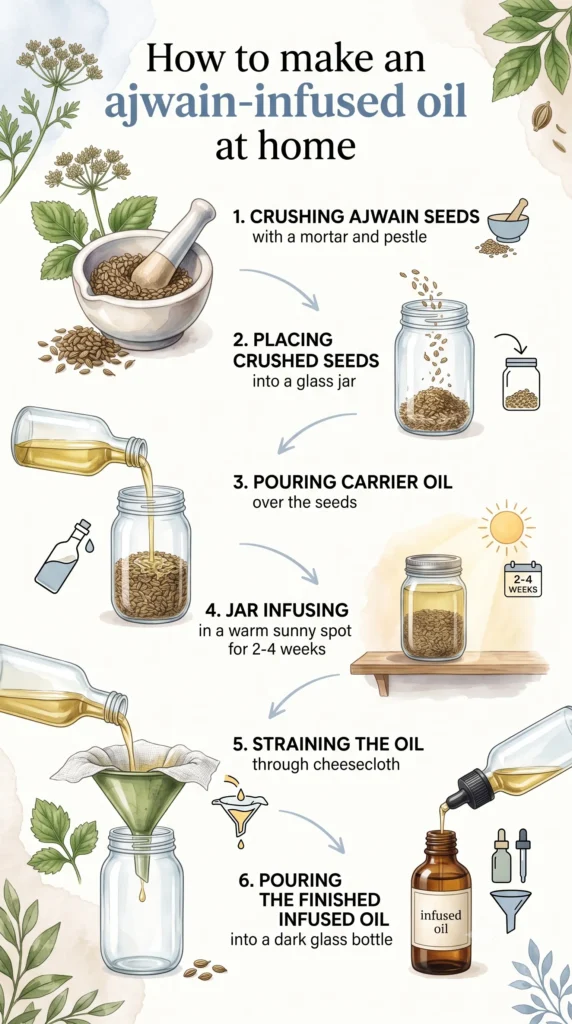
True steam-distilled essential oil requires specialized distillation equipment that isn’t practical for most home setups. However, you can make an ajwain-infused oil at home — a carrier oil infused with crushed ajwain seeds — as a milder, DIY alternative for topical use.
What you’ll need:
- Whole ajwain seeds (about ¼ cup)
- A neutral carrier oil, such as sesame or coconut oil (about 1 cup)
- A clean glass jar with a tight-fitting lid
- Cheesecloth or a fine mesh strainer
- A dark glass bottle for storage
Steps:
- Lightly crush the ajwain seeds with a mortar and pestle to help release their aromatic oils.
- Place the crushed seeds into a clean glass jar.
- Pour the carrier oil over the seeds until fully submerged.
- Seal the jar and place it in a warm, sunny spot (or use a gentle double-boiler method) for 2–4 weeks, shaking occasionally.
- Strain the oil through cheesecloth or a fine mesh strainer to remove all seed matter.
- Transfer the finished infused oil into a dark glass bottle for storage.
Shelf life: An infused oil typically lasts 6–12 months when stored in a cool, dark place, though shelf life depends on the carrier oil used.
Important: An infused oil is much milder than true steam-distilled essential oil and is not a substitute for it in aromatherapy applications. If you specifically want concentrated essential oil, a commercially distilled product is the appropriate choice.
How to Use Ajwain Essential Oil
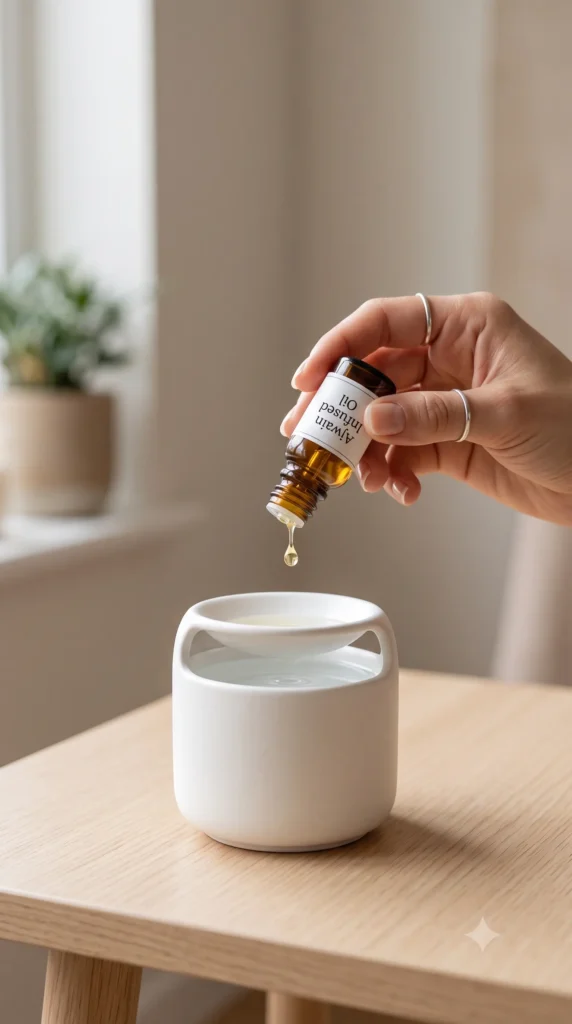
- Diffusing: Add 3–5 drops to an aromatherapy diffuser with water
- Diluted topical use: Mix 1–2 drops into 1 teaspoon of a carrier oil (such as coconut, jojoba, or almond oil) before applying to skin
- Patch test first: Apply a small diluted amount to a small area of skin and wait 24 hours to check for sensitivity before broader use
- Never apply undiluted: Ajwain essential oil is highly concentrated and can irritate skin if applied directly
Because of its strong potency, always dilute ajwain essential oil before any topical use, and never ingest it — this distinguishes it clearly from ajwain tea, tincture, or powder.
Potential Side Effects & Precautions
- Never ingest ajwain essential oil — it is intended for topical (always diluted) or aromatic use only
- May cause skin irritation or sensitization if applied undiluted; always dilute in a carrier oil and patch test first
- Avoid contact with eyes and mucous membranes
- Not recommended during pregnancy or breastfeeding without guidance from a qualified healthcare provider or certified aromatherapist
- Keep away from children and pets
- Discontinue use and consult a doctor if you notice any allergic reaction (rash, redness, itching, difficulty breathing)
- Always consult a qualified healthcare provider or certified aromatherapist before using essential oils, especially if you have sensitive skin, are pregnant, or are managing a health condition
What to Look for When Buying
- 100% pure, undiluted oil — the label should confirm no carrier oil or additives are pre-mixed in
- Extraction method disclosed — steam distillation is the standard, traditional method
- Therapeutic/aromatherapy grade labeling — an indicator of quality control, though this term isn’t strictly regulated
- Dark glass packaging — protects the oil from light degradation
- Sourcing transparency — brands that disclose country of origin (commonly India) tend to be more trustworthy
- Testing documentation — some brands offer a Certificate of Analysis (COA) confirming purity
Where to Buy Ajwain Essential Oil
A few reputable options currently available:
- Sheer Essence Ajwain Oil (0.33 fl oz) — 100% pure, therapeutic grade, small trial size
- Sheer Essence Ajwain Oil (1.69 fl oz) — undiluted, uncut therapeutic grade, mid-size bottle
- R V Essential Pure Ajwain Essential Oil (300 ml / 10 oz) — larger size, steam distilled, packaged in high-quality bottles
Other Ajwain Products
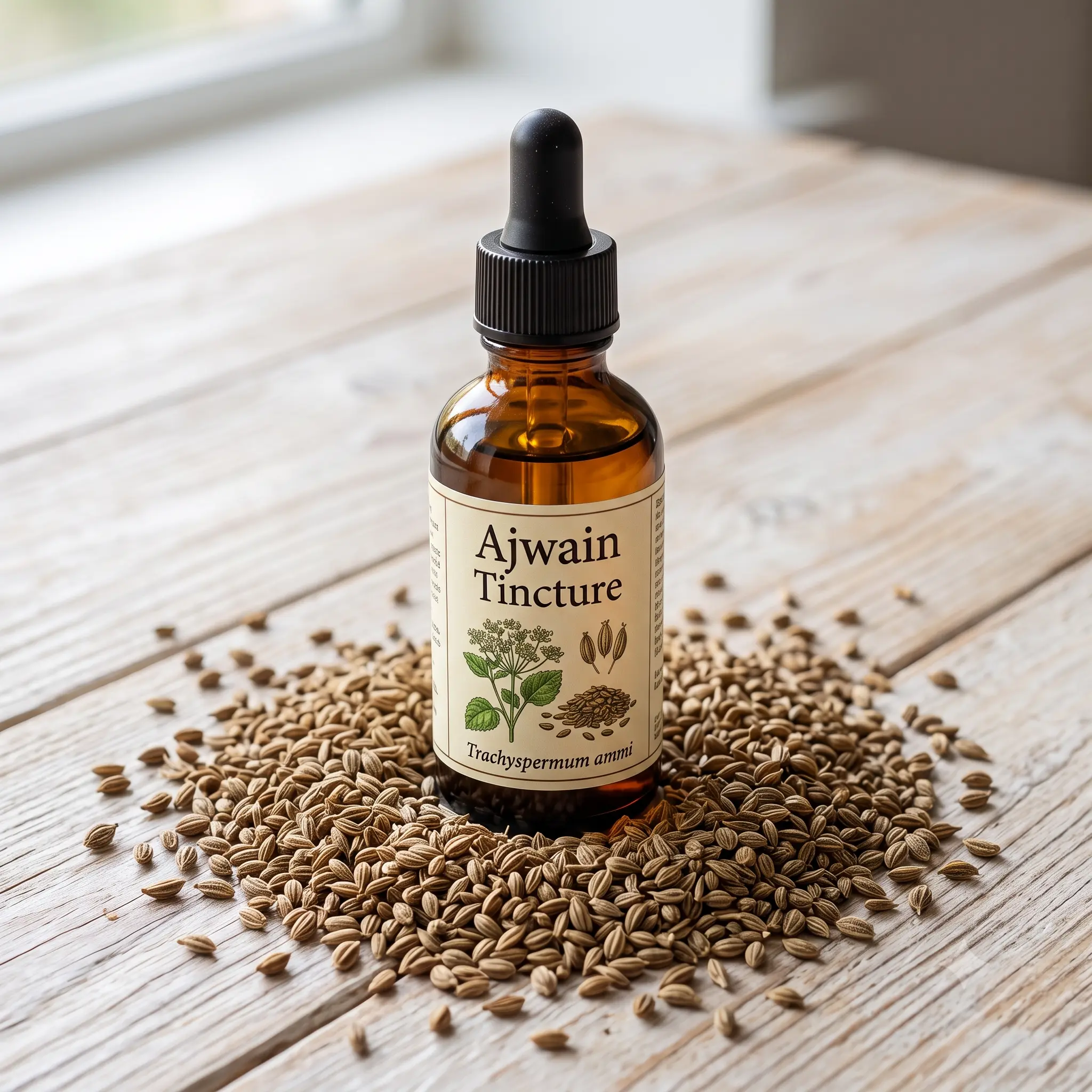
Ajwain Tincture
A concentrated liquid extract that supports healthy digestion and eases bloating….
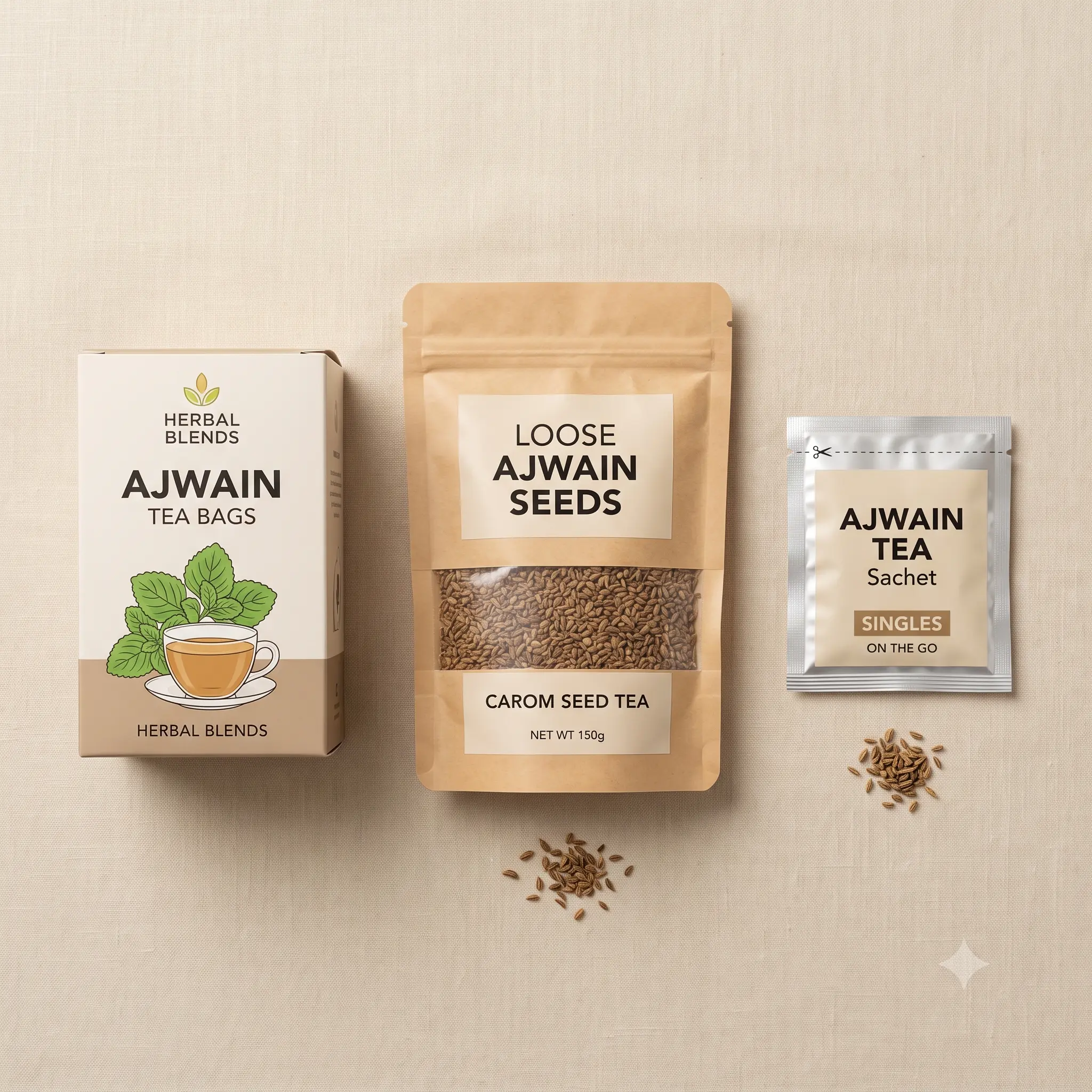
Ajwain Tea
A warming herbal tea traditionally used to support digestion and ease bloating…
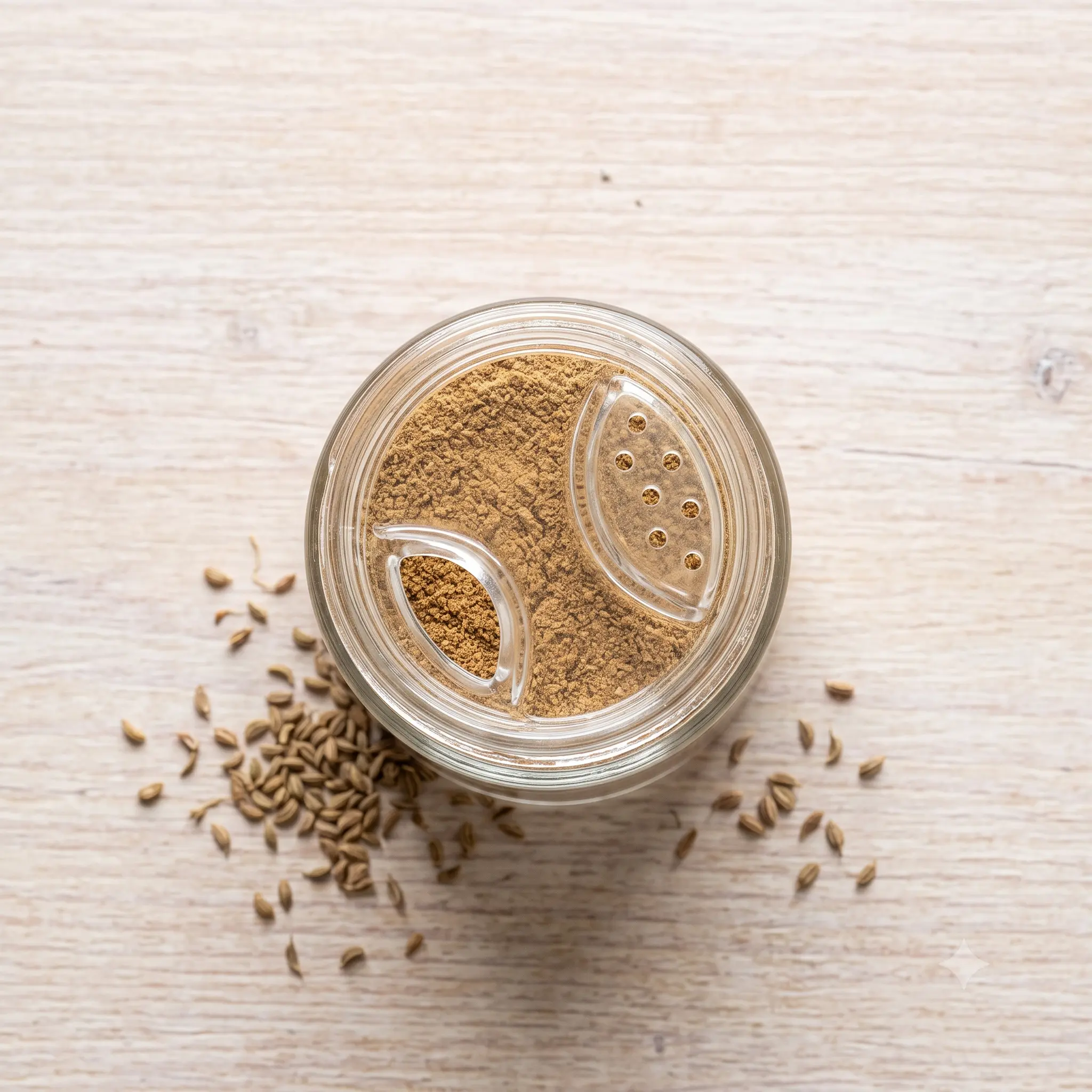
Ajwain Powder
A convenient ground spice that supports healthy digestion and eases bloating….
FAQ
Can I drink ajwain essential oil like I would ajwain tea? No. Essential oil is far too concentrated to ingest safely and should never be taken internally without guidance from a qualified professional. Use ajwain tea, powder, or a properly diluted tincture instead for internal use.
What’s the difference between ajwain essential oil and ajwain-infused oil? Essential oil is steam-distilled and highly concentrated, while infused oil is made by soaking seeds in a carrier oil and is much milder — a home-friendly alternative for topical use.
Is ajwain essential oil safe to apply directly to skin? No, it should always be diluted in a carrier oil before topical application to avoid skin irritation.
What does ajwain essential oil smell like? It has a strong, spicy, herbaceous aroma similar to thyme, with a sharp, medicinal top note.
How should I store ajwain essential oil? Keep it in its original dark glass bottle, tightly sealed, away from heat, light, and moisture.
Is ajwain essential oil safe for kids? Essential oils generally require significant caution and further dilution for children — consult a pediatrician or certified aromatherapist before any use.
Conclusion
Ajwain essential oil is a potent, aromatic extract rooted in Ayurvedic tradition — best used diffused or diluted in a carrier oil for topical comfort, never taken internally. If you’d like a milder, homemade alternative, an infused oil is a simple DIY project; otherwise, a quality steam-distilled essential oil from a trusted supplier offers the most concentrated aromatic experience.
Disclaimers
These statements have not been evaluated by the FDA. This product is not intended to diagnose, treat, cure, or prevent any disease. This essential oil is for external and aromatic use only — do not ingest. Always dilute before topical use and consult a qualified healthcare provider or certified aromatherapist before use, especially during pregnancy, breastfeeding, or when using with children.