
Seasonal allergies happen when the immune system reacts strongly to airborne triggers such as pollen from trees, grasses, weeds, or mold spores. In everyday life, they can feel like a cold that arrives with the calendar: sneezing, runny nose, itchy eyes, stuffy sinuses, scratchy throat, and the sudden need to carry tissues like emergency equipment.
Learn more about Allergies (Seasonal)
Seasonal allergies are commonly called hay fever or seasonal allergic rhinitis. Despite the name, hay is not always involved, and fever is usually not part of the picture. The main issue is that the immune system mistakes harmless airborne particles, especially pollen, as something worth defending against.
When pollen or mold spores enter the nose, eyes, or airways, the immune system may release histamine and other inflammatory compounds. This can lead to sneezing, itching, watery eyes, nasal congestion, runny nose, postnasal drip, coughing, sinus pressure, fatigue, and poor sleep. Symptoms often follow a seasonal pattern because different plants release pollen at different times of year.
Tree pollen is often more common in spring, grass pollen is often stronger in late spring and summer, and weed pollen, including ragweed, is often more active in late summer and fall. Mold spores may increase during damp weather, after rain, around decaying leaves, or in indoor spaces with moisture problems. Weather matters too: dry, windy days can spread pollen widely, while rain may temporarily clear pollen from the air.
Seasonal allergies may show up in different patterns. A “watery and itchy” pattern may include sneezing, clear runny mucus, and itchy eyes. A “congested and heavy” pattern may feel like sinus pressure, stuffy nose, postnasal drip, and foggy thinking. A “dry and irritated” pattern may include scratchy throat, dry nasal passages, and a tickly cough. A “fatigued and reactive” pattern may appear when poor sleep and constant symptoms leave the body feeling worn down.
Traditional herbalism often looks at seasonal allergies through patterns of irritation, excess mucus, tissue sensitivity, heat, dryness, and immune overreaction. Herbs are not chosen only because the word “allergy” is present. A watery pattern may call for astringent herbs that tone tissues. A dry, scratchy pattern may call for demulcent herbs that moisten and soothe. A congested pattern may call for aromatic herbs that support clearer breathing. A depleted person may need nourishing herbs and daily rhythm support.
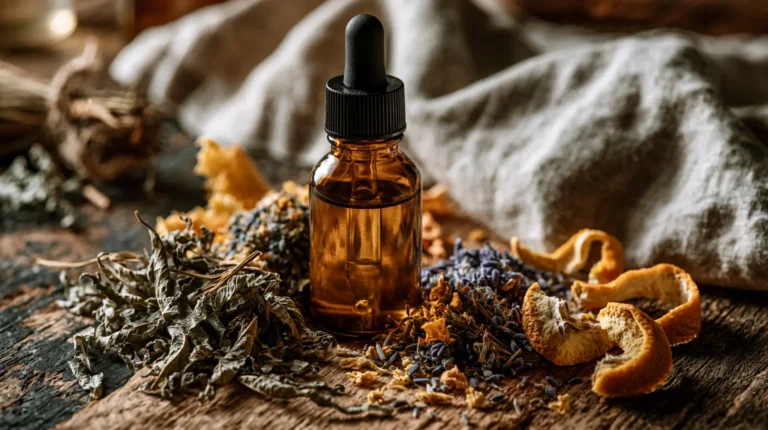
Herbs traditionally used during seasonal allergy season include nettle, eyebright, elderflower, peppermint, thyme, chamomile, marshmallow root, licorice root, and butterbur. Some of these herbs have more modern research than others. Butterbur, for example, has been studied for allergic rhinitis, but only PA-free products should be considered because unprocessed butterbur can contain liver-toxic pyrrolizidine alkaloids. This is a good reminder that “natural” and “casual” are not the same thing.
Practical habits also matter. Checking pollen counts, keeping windows closed on high-pollen days, showering after outdoor exposure, changing pillowcases, using a HEPA filter, rinsing nasal passages with sterile saline, and managing indoor mold can all make a difference. Herbs can be useful companions, but they prefer not to do all the work while pollen strolls freely through an open bedroom window.
How Herbs Can Help Allergies (Seasonal)
Herbalism often sees seasonal allergies as a pattern of irritated, reactive tissues where pollen, mold, dryness, mucus, and histamine-like responses make the eyes, nose, throat, and sinuses feel unsettled. Astringents, demulcents, aromatic herbs, anti-inflammatory herbs, gentle lymphatic herbs, and nutritive tonics are traditionally used to tone watery tissues, soothe dryness, support clearer breathing, calm irritation, and maintain daily resilience. Herbalists choose between those actions by noticing whether the person feels watery and itchy, congested and heavy, dry and scratchy, hot and irritated, or tired from repeated seasonal exposure. These are herbs traditionally used when allergies (seasonal) happen: nettle, peppermint, elderflower, eyebright, chamomile, rose, marshmallow root, licorice root, thyme, rose hips, oat straw, turmeric, ginger, cinnamon, black pepper, plantain leaf, calendula, sage, lavender, green tea, spearmint, butterbur,
“Seasonal allergies are what happen when your immune system sees pollen and says, ‘Absolutely not, I will be dramatic about this.’”
Recipes & Remedies Allergies (Seasonal)
Herbal Preparations
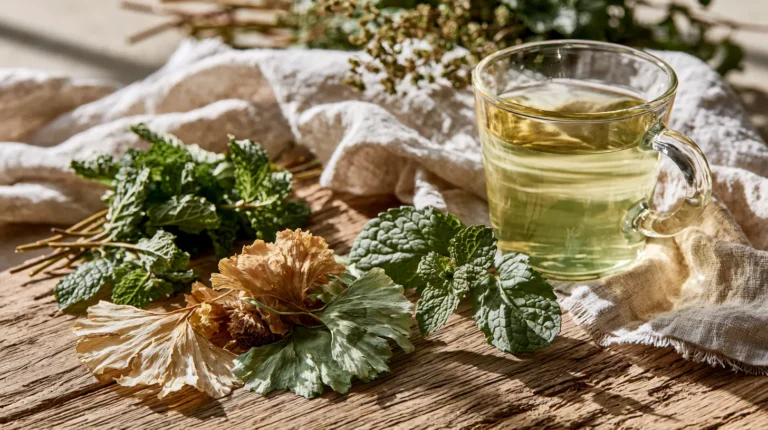
Nettle Peppermint Seasonal Allergy Tea
This simple herbal tea combines nettle, peppermint, elderflower, and marshmallow root for a seasonal blend traditionally used when pollen season brings itchy eyes, runny nose, scratchy throat, and general tissue irritation.
Ingredients with exact measurements
1 tablespoon dried nettle leaf
1 teaspoon dried peppermint leaf
1 teaspoon dried elderflower
1 teaspoon dried marshmallow root
12 ounces hot water
Optional: 1 teaspoon honey
Step-by-step preparation instructions
Add nettle, peppermint, elderflower, and marshmallow root to a teapot or large mug.
Pour 12 ounces of hot water over the herbs.
Cover and steep for 15 minutes.
Strain well.
Add honey if desired.
Sip warm or let it cool and drink at room temperature.
How to use
Drink 1 cup during allergy season as part of a daily seasonal routine. For best flavor, avoid boiling peppermint for long periods, as it can become overly strong and bossy.
Food for support Allergies (Seasonal)
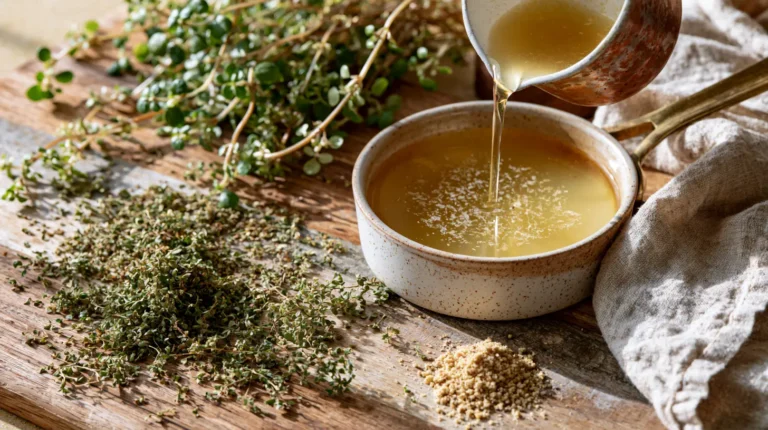
Spring Greens Soup with Nettle, Garlic, and Lemon
This nourishing green soup is inspired by traditional spring tonic foods. It combines mineral-rich greens, garlic, onion, broth, and lemon for a light seasonal meal that feels fresh, warm, and practical when pollen season has made everything feel stuffy.
Ingredients with exact measurements
1 tablespoon olive oil
1 small yellow onion, diced
2 garlic cloves, minced
4 cups low-sodium vegetable or chicken broth
2 cups fresh spinach or chopped kale
1 cup fresh young nettle leaves, cooked or blanched, or 1/2 cup dried nettle leaf tied in cheesecloth
1 medium potato, diced
1 tablespoon fresh lemon juice
1/2 teaspoon sea salt, or to taste
1/4 teaspoon black pepper
Optional: 2 tablespoons chopped parsley
Step-by-step preparation instructions
Warm olive oil in a soup pot over medium heat.
Add onion and cook for 5 minutes, stirring occasionally.
Add garlic and cook for 1 minute.
Add broth and diced potato. Simmer for 12 to 15 minutes, until the potato is tender.
Add spinach or kale and prepared nettle. Simmer for 3 to 5 minutes.
Remove any cheesecloth bundle if using dried nettle.
Blend lightly with an immersion blender if you prefer a smoother soup.
Stir in lemon juice, salt, pepper, and parsley.
Serve warm.
How to use
Enjoy as a light seasonal meal during spring or fall allergy season. If using fresh nettles, handle them with gloves and cook them before eating to neutralize the sting.
What Herbs You Need
The main herbs traditionally used for seasonal allergies include nettle, eyebright, elderflower, peppermint, thyme, chamomile, marshmallow root, licorice root, and butterbur. These herbs are traditionally selected based on the allergy pattern, such as watery tissues, itchy eyes, congestion, dryness, scratchy throat, or seasonal fatigue.
Nettle
Latin name: Urtica dioica
Key herbal actions: Nutritive tonic, meaning it provides minerals and plant nutrients; astringent, meaning it gently tones tissues; traditional allergy-season herb, meaning it is commonly used when seasonal reactivity is high.
Key active compounds: Flavonoids, chlorophyll, minerals, phenolic acids, histamine in fresh hairs, and plant sterols.
Eyebright
Latin name: Euphrasia officinalis
Key herbal actions: Astringent, meaning it tones watery tissues; anticatarrhal, meaning it is traditionally used when excess mucus is present; eye and sinus support herb, meaning herbalists often choose it for seasonal eye and nasal irritation.
Key active compounds: Iridoid glycosides, aucubin, flavonoids, tannins, and phenolic acids.
Elderflower
Latin name: Sambucus nigra
Key herbal actions: Diaphoretic, meaning it is traditionally used in warm teas; anticatarrhal, meaning it supports comfort when mucus is excessive; gentle aromatic, meaning it brings light floral support to seasonal formulas.
Key active compounds: Flavonoids, rutin, quercetin, phenolic acids, and volatile oils.
Peppermint
Latin name: Mentha x piperita
Key herbal actions: Aromatic, meaning its volatile oils support a sense of open breathing; carminative, meaning it supports digestion; cooling herb, meaning it may feel helpful when irritation feels hot or stuffy.
Key active compounds: Menthol, menthone, rosmarinic acid, flavonoids, and volatile oils.
Thyme
Latin name: Thymus vulgaris
Key herbal actions: Aromatic respiratory herb, meaning it supports clear breathing; antimicrobial aromatic, meaning its volatile oils have a long history in respiratory traditions; carminative, meaning it supports digestion.
Key active compounds: Thymol, carvacrol, rosmarinic acid, flavonoids, and volatile oils.
Chamomile
Latin name: Matricaria chamomilla or Matricaria recutita
Key herbal actions: Gentle anti-inflammatory herb, meaning it supports a balanced inflammatory response; nervine, meaning it supports calm when allergies disturb rest; carminative, meaning it supports digestion.
Key active compounds: Apigenin, bisabolol, chamazulene, luteolin, and flavonoids.
Marshmallow Root
Latin name: Althaea officinalis
Key herbal actions: Demulcent, meaning it soothes dry or irritated tissues with mucilage; moistening herb, meaning it supports comfort when the throat or nasal passages feel dry; gentle respiratory support herb, meaning it is traditionally used for scratchy throat patterns.
Key active compounds: Mucilage polysaccharides, pectin, flavonoids, phenolic acids, and starches.
Licorice Root
Latin name: Glycyrrhiza glabra
Key herbal actions: Demulcent, meaning it soothes irritated tissues; harmonizing herb, meaning it is often used in small amounts in formulas; adaptogenic, meaning it is traditionally used when stress and depletion are part of the pattern.
Key active compounds: Glycyrrhizin, liquiritin, glabridin, flavonoids, and saponins.
Butterbur
Latin name: Petasites hybridus
Key herbal actions: Traditional respiratory and allergy-season herb, meaning it has historical use for seasonal allergic rhinitis; antispasmodic, meaning it is traditionally used for tension patterns; modern researched herb, meaning specific PA-free extracts have been studied for hay fever symptoms.
Key active compounds: Petasin, isopetasin, flavonoids, and sesquiterpenes.
Key Herbal Products for Allergies (Seasonal)
Nettle Capsules
Nettle capsules contain powdered nettle leaf or nettle extract. They are commonly used during allergy season by people who want a simple daily option without the taste of strong herbal tea. The pros are convenience, mild flavor avoidance, and easy storage; the cons are variable quality and less of the nourishing ritual that comes with tea. Someone might choose capsules when they want a practical, travel-friendly form.
Seasonal Allergy Tea Blends
Seasonal allergy tea blends often combine nettle, peppermint, elderflower, eyebright, marshmallow root, or licorice root. They are commonly used when symptoms feel watery, scratchy, or congested. The pros are hydration, warmth, and the soothing effect of sipping tea; the cons are that tea takes time to prepare and may be less convenient during a busy workday. Someone might choose tea when the throat feels dry or irritated.
Butterbur Extract
Butterbur extract is a supplement made from Petasites hybridus, and certain PA-free extracts have been studied for allergic rhinitis. It is commonly used by some people looking for non-drowsy seasonal support. The major caution is safety: only PA-free products should be considered, and even those should be discussed with a clinician, especially for pregnancy, breastfeeding, liver concerns, medication use, or ragweed-family allergies. Someone might choose butterbur only when they want a researched supplement option and can verify product safety.
Herbal Lozenges
Herbal lozenges may include marshmallow root, licorice root, honey, lemon, thyme, or other soothing ingredients. They are commonly used when seasonal allergies cause throat tickle, dryness, or postnasal drip irritation. The pros are portability and direct throat contact; the cons are added sugar and possible licorice cautions. Someone might choose lozenges when the throat is the main complaint.
Saline and Herbal Steam Support Products
Some people use saline sprays, plain steam, or aromatic shower tablets with herbs such as peppermint or thyme to support a clearer-feeling breathing experience. These are commonly used for stuffiness and dry nasal passages. The pros are simplicity and comfort; the cons are that essential oils can irritate sensitive people and should be used carefully around pets and children. Someone might choose this option when congestion feels more environmental and dryness is part of the pattern.
FAQ
Are seasonal allergies the same as a cold?
No. Seasonal allergies are usually triggered by pollen, mold, or other airborne allergens, while colds are caused by viruses. Allergies often include itching, sneezing, clear runny mucus, and watery eyes, and they may repeat at the same time each year. Fever, body aches, or worsening symptoms may point to something else and should be discussed with a healthcare professional.
What herbs are commonly used for seasonal allergies?
Nettle, eyebright, elderflower, peppermint, thyme, chamomile, marshmallow root, licorice root, and butterbur are commonly discussed in seasonal allergy traditions. They are used in different ways depending on whether the pattern is watery, congested, dry, scratchy, or irritated. Butterbur needs special caution and should only be considered in PA-free form.
Can I drink allergy tea every day during pollen season?
Many people use gentle herbal teas seasonally, but daily use should still be thoughtful. If you take medications, are pregnant or breastfeeding, have kidney disease, liver disease, high blood pressure, autoimmune conditions, or allergies to plants in the daisy family, check with a clinician first. Start with a small amount to make sure the herbs suit you.
Does nettle taste like grass?
Nettle has a green, earthy, slightly mineral taste, a little like strong spinach tea. It blends well with peppermint, lemon, elderflower, or honey. If the flavor is not your favorite, capsules may be easier.
Are fresh herbs better than dried herbs for seasonal allergies?
Fresh herbs can be excellent when they are available and properly identified, but dried herbs are often more practical and consistent. Dried nettle, peppermint, elderflower, and marshmallow root are easy to store and measure. Fresh nettles must be handled with gloves and cooked or dried before use.
How should I store allergy herbs?
Store dried herbs in airtight glass jars away from heat, sunlight, and moisture. Aromatic herbs such as peppermint and thyme are best used while they still smell bright and fresh. If they smell dull, dusty, or like an old cupboard, they are probably past their prime.
Are allergy herbs safe around pets?
Use caution, especially with essential oils and strong aromatic herbs. Cats, dogs, birds, and small animals can be sensitive to concentrated plant oils. Do not give herbs to pets unless guided by a veterinarian trained in herbal use.
References
NIH MedlinePlus Magazine: What Triggers Seasonal Allergies?
NCCIH: Butterbur Usefulness and Safety
NIH MedlinePlus: Allergic Rhinitis
NIH Office of Dietary Supplements: Vitamin C Fact Sheet
NCCIH: Using Dietary Supplements Wisely
Disclaimer
This article is for educational purposes only and is not medical advice. Herbs and supplements are not a substitute for professional evaluation, diagnosis, or treatment. Talk with a qualified healthcare professional if allergy symptoms are severe, persistent, worsening, or accompanied by wheezing, shortness of breath, chest tightness, fever, sinus pain, or symptoms that interfere with sleep or daily life. Use caution with herbs if you are pregnant, breastfeeding, taking medications, managing chronic illness, or have known plant allergies.