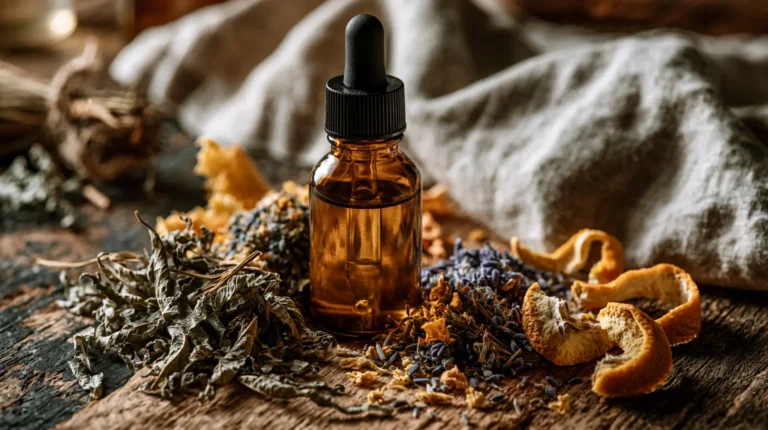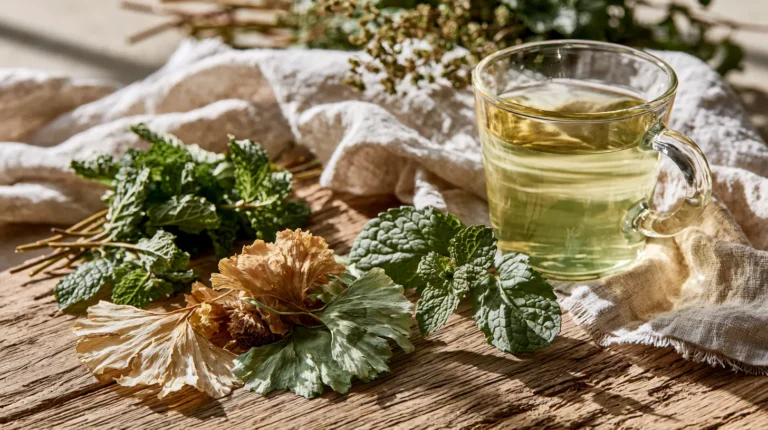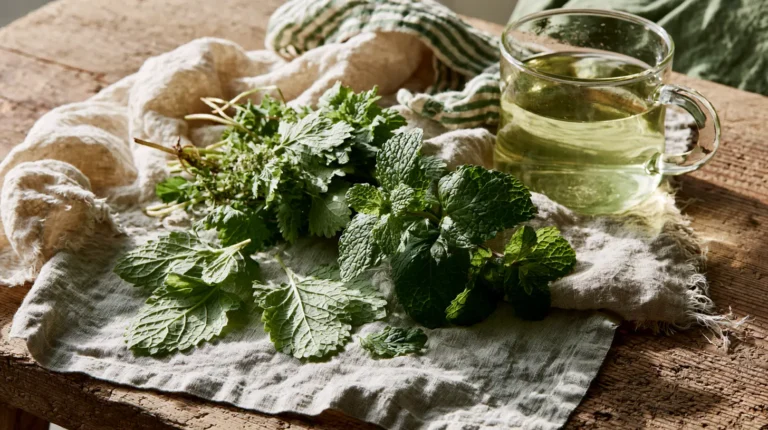
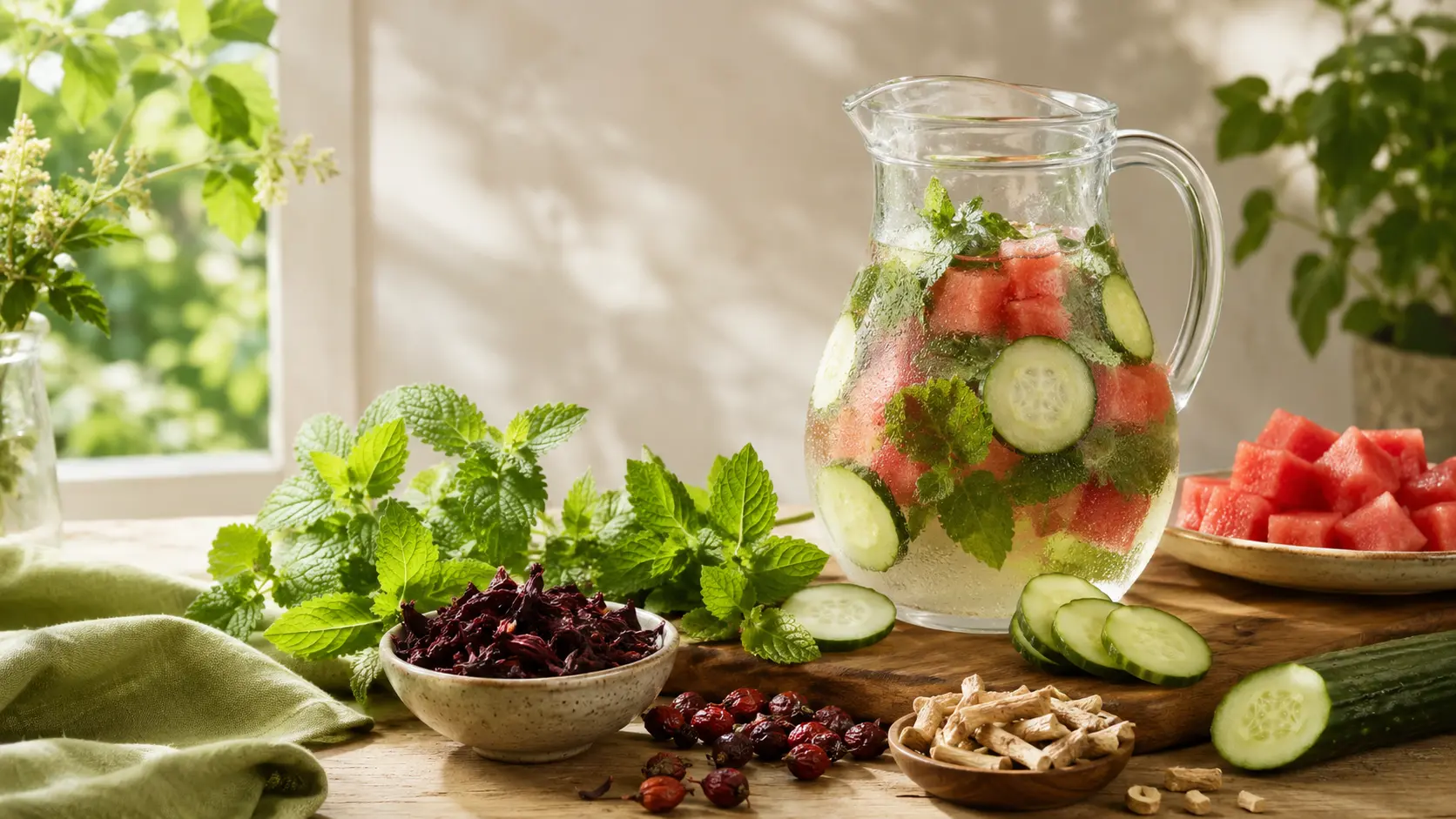
Low hydration means the body may not be getting enough fluid to comfortably support everyday functions like temperature balance, digestion, circulation, and clear thinking. In daily life, it may feel like thirst, dry mouth, darker urine, low energy, headache, constipation, or that “why am I so tired from sitting?” feeling.
Learn more about Low Hydration
Low hydration happens when the body loses more fluid than it takes in, or when daily fluid intake simply does not keep up with what the body needs. Water is lost through urine, sweat, bowel movements, breathing, hot weather, exercise, fever, vomiting, diarrhea, alcohol intake, and sometimes medications such as diuretics.
In plain language, low hydration can show up in a few common ways. There is the “I forgot to drink water all day” pattern, which often happens during busy workdays, long screen sessions, travel, or errands. There is the “sweaty and depleted” pattern, which may follow heat, exercise, gardening, hiking, or outdoor work. There is also the “dry and irritated” pattern, where the mouth, throat, skin, or digestion may feel dry or sluggish.
Common triggers include not drinking enough fluids, relying mostly on caffeinated or alcoholic drinks, eating very salty foods without enough water, spending time in dry indoor air, exercising without replacing fluids, illness with fever or digestive fluid loss, and simply not noticing thirst cues until the body gets louder. Some people, including older adults, children, athletes, outdoor workers, and people with certain medical conditions, may need extra attention to hydration habits.
Low hydration may show up as thirst, dry mouth, headache, fatigue, dizziness, reduced urination, darker urine, constipation, dry skin, muscle cramps, or difficulty concentrating. Severe dehydration can be serious and needs medical care, especially if there is confusion, fainting, rapid heartbeat, inability to keep fluids down, very little urination, or signs of dehydration in a child or older adult.
Traditional herbalism does not usually see hydration as “just drink a random herb tea and call it a day.” Herbalists often look at the pattern: dryness, heat, depletion, digestion, sweating, or lack of daily fluid rhythm. Moistening herbs may be chosen when dryness is the main pattern, mineral-rich herbs may be used when someone needs gentle daily nourishment, and pleasant aromatic herbs may help make fluids more inviting for people who dislike plain water.
Herbs are traditionally selected by the person’s needs and the preparation method. Marshmallow root may be chosen when the body feels dry because it creates a soft, mucilage-rich drink. Mint or lemon balm may be used when someone needs a refreshing, pleasant daily infusion. Hibiscus and rosehips may be selected when someone wants a tart, colorful, antioxidant-rich drink, though hibiscus needs caution for people with blood pressure concerns or certain medications.
How Herbs Can Help Low Hydration
Herbalism traditionally sees low hydration as a pattern of dryness, fluid depletion, heat, or poor daily drinking rhythm rather than a problem that herbs can solve by themselves. The main herbal actions used are demulcents, which feel moistening and slippery; nutritive herbs, which add minerals and gentle daily support; and refreshing aromatics, which make fluids easier and more enjoyable to drink. Herbalists choose between these actions by noticing whether the person feels dry and depleted, hot and sweaty, digestion feels sluggish, or they simply need tastier hydration habits.
These are herbs traditionally used when low hydration happens: hibiscus, mint, marshmallow root, rose, lemon balm, nettle, oat straw, rosehips, orange peel, spearmint, aloe vera, chamomile, dandelion leaf, plantain leaf, and ginger,and mint-family herbs.
“Low hydration is your body’s polite reminder that coffee is not a complete water strategy, no matter how emotionally supportive it has been.”
Recipes & Remedies Low Hydration
Herbal Preparations
Hibiscus, Mint & Marshmallow Hydration Cooler
This refreshing herbal drink combines tart hibiscus, cooling mint, and moistening marshmallow root for a bright, gentle hydration ritual. It is especially nice when plain water feels boring and your water bottle has become more decorative than useful.
Ingredients with exact measurements
1 teaspoon dried hibiscus
1 teaspoon dried peppermint or spearmint
1 teaspoon dried marshmallow root
2 cups cool water
1 teaspoon honey or maple syrup, optional
1 small pinch sea salt, optional
1 slice fresh lemon or lime, optional
Step-by-step preparation instructions
Add hibiscus, peppermint or spearmint, and marshmallow root to a clean glass jar.
Pour 2 cups cool water over the herbs.
Cover the jar and refrigerate for 4 to 8 hours.
Strain well.
Stir in honey or maple syrup if desired.
Add a small pinch of sea salt if you have been sweating and want a lightly mineral taste.
Serve cool with lemon or lime if desired.
How to use
Sip throughout the day as a refreshing herbal drink. Use within 24 hours and keep refrigerated. Avoid hibiscus if you are pregnant, have low blood pressure, take blood pressure medication, take diuretics, or have been advised to limit hibiscus or tart herbal teas.
Food for support Low Hydration
Watermelon, Cucumber & Mint Hydration Salad
This simple, traditional-style summer salad uses water-rich foods, fresh mint, and a tiny pinch of salt to make hydration feel like lunch instead of a lecture.
Ingredients with exact measurements
2 cups watermelon, cubed
1 cup cucumber, thinly sliced
1 tablespoon fresh mint, finely chopped
1 teaspoon fresh lime juice
1 teaspoon extra-virgin olive oil, optional
1 small pinch sea salt
1 tablespoon crumbled feta cheese, optional
Step-by-step preparation instructions
Add watermelon and cucumber to a mixing bowl.
Sprinkle with chopped mint.
Add lime juice, olive oil if using, and a small pinch of sea salt.
Toss gently so the watermelon keeps its shape.
Add feta if desired.
Serve chilled.
How to use
Enjoy as a snack, side dish, or light summer meal. This recipe is especially practical during warm weather, after light outdoor activity, or when you want more water-rich foods in your day. People who need to restrict sodium should skip or reduce the salt.
What Herbs You Need
These herbs are traditionally used to support hydration routines and the body’s response to dryness or fluid depletion: marshmallow root, hibiscus, peppermint, spearmint, lemon balm, rosehips, nettle, and fresh mint. They do not replace water or medical care for dehydration, but they may help make daily fluids more pleasant, moistening, and supportive.
Marshmallow Root
Latin name: Althaea officinalis
Key herbal actions:
- Demulcent: Creates a slippery, soothing texture in water and is traditionally used when tissues feel dry.
- Moistening herb: Traditionally chosen when dryness is the main pattern.
- Gentle nutritive root: Often used as a cool infusion for a soft, hydrated feel.
Key active compounds: Mucilage polysaccharides, pectin, flavonoids, phenolic acids, and starches.
Hibiscus
Latin name: Hibiscus sabdariffa
Key herbal actions:
- Refreshing sour herb: Traditionally used in tart, cooling drinks.
- Antioxidant-rich herb: Provides anthocyanins and polyphenols that give hibiscus its deep red color.
- Mild diuretic tradition: Traditionally used in fluid-balance formulas, though this means it may not be ideal for everyone.
Key active compounds: Anthocyanins, hibiscus acid, organic acids, flavonoids, polyphenols, and vitamin C.
Peppermint
Latin name: Mentha x piperita
Key herbal actions:
- Aromatic: Adds a cooling scent and flavor that can make water easier to drink.
- Carminative: Traditionally used to support digestive comfort.
- Refreshing herb: Often used when heat, heaviness, or sluggishness makes fluids feel more appealing chilled.
Key active compounds: Menthol, menthone, rosmarinic acid, flavonoids, and volatile oils.
Spearmint
Latin name: Mentha spicata
Key herbal actions:
- Gentle aromatic: Offers a softer mint flavor than peppermint.
- Carminative: Traditionally used to support digestion and comfort after meals.
- Cooling herb: Commonly used in refreshing drinks and food preparations.
Key active compounds: Carvone, limonene, rosmarinic acid, flavonoids, and volatile oils.
Lemon Balm
Latin name: Melissa officinalis
Key herbal actions:
- Nervine: Traditionally used to support a calm, settled mood.
- Carminative: Traditionally used when stress affects digestion.
- Refreshing aromatic: Adds a gentle lemony flavor that works well in cold infusions.
Key active compounds: Rosmarinic acid, citral, citronellal, geraniol, flavonoids, and volatile oils.
Rosehips
Latin name: Rosa canina
Key herbal actions:
- Nutritive fruit: Traditionally used in seasonal teas and food-like preparations.
- Antioxidant-rich herb: Contains vitamin C and polyphenols.
- Tart refreshing herb: Adds flavor and color to hydration drinks.
Key active compounds: Vitamin C, carotenoids, flavonoids, polyphenols, pectin, and organic acids.
Nettle
Latin name: Urtica dioica
Key herbal actions:
- Nutritive herb: Traditionally used as a mineral-rich daily infusion.
- Tonic herb: Often used for general nourishment over time.
- Mild diuretic tradition: Traditionally associated with fluid movement, so it needs caution with certain medications.
Key active compounds: Minerals including potassium, calcium, magnesium, and iron; flavonoids; phenolic acids; chlorophyll; and plant sterols.
Mint
Latin name: Mentha species
Key herbal actions:
- Refreshing herb: Makes water, salads, and infusions taste brighter.
- Aromatic: Supports a pleasant sensory experience around drinking fluids.
- Digestive support tradition: Often used when hydration routines are paired with meals.
Key active compounds: Menthol or carvone depending on species, rosmarinic acid, flavonoids, tannins, and volatile oils.
Key Herbal Products for Low Hydration
Herbal Electrolyte Drink Mixes
Herbal electrolyte mixes usually combine minerals such as sodium, potassium, or magnesium with fruit powders, herbs, or natural flavors. They are commonly used after sweating, exercise, hot weather, or travel.
Pros: Convenient, portable, and useful when plain water is not enough after significant sweating.
Cons: Some contain added sugar, artificial sweeteners, high sodium, or unnecessary additives.
Best choice when: Someone needs a practical drink for heat, workouts, hiking, or busy days and wants something more structured than plain water.
Hibiscus Tea
Hibiscus tea is a tart, ruby-red herbal drink commonly served hot or iced. It is often used as a refreshing caffeine-free beverage.
Pros: Bright flavor, beautiful color, caffeine-free, and enjoyable chilled.
Cons: May not be appropriate for people with low blood pressure, pregnancy, certain medications, or diuretic use.
Best choice when: Someone wants a flavorful iced tea-style drink and has no safety concerns with hibiscus.
Marshmallow Root Cold Infusion
Marshmallow root cold infusion is made by soaking the root in cool water for several hours. It creates a soft, slightly slippery drink traditionally used when dryness is the main pattern.
Pros: Gentle, moistening, caffeine-free, and simple to make.
Cons: The texture can feel unusual, and it may slow absorption of medications if taken too close together.
Best choice when: Someone feels dry and wants a mild, soothing hydration ritual.
Mint Infusion or Mint Water
Mint water is made by steeping fresh or dried mint in water, either hot or cold. It is one of the easiest ways to make daily fluids more inviting.
Pros: Fresh taste, easy to prepare, beginner-friendly, and widely available.
Cons: Peppermint may bother some people with reflux or heartburn.
Best choice when: Someone struggles to drink enough plain water and wants a simple flavor upgrade.
Nettle Mineral Infusion
Nettle infusion is a strong, long-steeped herbal drink often used in traditional herbalism for mineral-rich nourishment. It has a green, earthy flavor and is usually consumed in small daily servings.
Pros: Mineral-rich, food-like, and useful as part of a nourishment routine.
Cons: May interact with blood thinners, diuretics, lithium, blood pressure medications, or diabetes medications.
Best choice when: Someone wants a nourishing herbal infusion and has checked that nettle is appropriate for their health situation.
FAQ
Is low hydration the same as dehydration?
Low hydration can describe a mild pattern of not getting enough fluid, while dehydration can range from mild to severe. Mild dehydration may improve with fluids, but moderate or severe dehydration can become serious. Confusion, fainting, rapid heartbeat, inability to keep fluids down, or very little urination needs medical attention.
How much water should I drink daily?
Fluid needs vary based on body size, activity, climate, diet, health conditions, pregnancy, breastfeeding, and medications. A practical daily guide is to drink regularly, include water-rich foods, and notice urine color, thirst, energy, and dryness. People with kidney, heart, or fluid-restriction concerns should follow medical guidance.
Can herbal tea count toward hydration?
Yes, caffeine-free herbal teas can contribute to daily fluid intake. That said, water is still the simplest foundation for hydration. Strong diuretic herbs or concentrated herbal products should be used thoughtfully, especially with medications or health conditions.
What does a hydrating herbal drink taste like?
It depends on the herbs. Hibiscus tastes tart and fruity, mint tastes cool and refreshing, lemon balm tastes lightly lemony, and marshmallow root tastes mild and slightly earthy. If plain water feels boring, herbs can make hydration feel more like a pleasant ritual and less like homework.
Can I use fresh herbs instead of dried herbs?
Yes, especially for mint, lemon balm, and fresh culinary herbs. As a general rule, use about three times more fresh herb than dried herb. Roots like marshmallow are usually easier to use dried.
How should I store homemade herbal hydration drinks?
Store cold infusions and herbal drinks in the refrigerator and use them within 24 hours. Use clean jars, strain herbs well, and discard anything that smells or tastes off. Do not leave homemade herbal drinks sitting at room temperature all day.
Are herbal hydration drinks safe for children or pets?
Children have different hydration needs and can become dehydrated more quickly than adults, so use extra caution and seek medical guidance when needed. Do not give herbal hydration drinks, teas, tinctures, or supplements to pets unless a veterinarian recommends them. For pets, dehydration signs should be handled by a vet, not a home herbal experiment.
References
CDC: About Water and Healthier Drinks
NIH News in Health: Hydrating for Health
NCBI Bookshelf: Adult Dehydration
PubMed Central: Water, Hydration and Health
PubMed Central: The Hydration Equation: Update on Water Balance and Cognitive Performance
PubMed Central: Narrative Review of Hydration and Selected Health Outcomes
PubMed Central: Effects of Dehydration and Rehydration on Cognitive Performance and Mood
PubMed Central: Hibiscus sabdariffa and Blood Pressure Study
PubMed: Hibiscus sabdariffa in the Treatment of Hypertension and Hyperlipidemia
National Center for Complementary and Integrative Health: Using Dietary Supplements Wisely
Disclaimer
This article is for educational purposes only and is not medical advice, diagnosis, or treatment. Low hydration can become serious, especially in children, older adults, athletes, outdoor workers, people with fever, vomiting, diarrhea, or those taking medications that affect fluid balance.
Seek medical care if there are signs of moderate or severe dehydration, including confusion, fainting, rapid heartbeat, inability to keep fluids down, very little urination, extreme weakness, or worsening symptoms. Consult a qualified healthcare professional before using herbs or supplements if you are pregnant, nursing, taking medication, managing kidney disease, heart disease, blood pressure concerns, diabetes, or any condition requiring fluid restriction.