Dizziness can feel like lightheadedness, spinning, floating, unsteadiness, or feeling close to fainting. It can happen suddenly, and it tends to make everyday tasks feel like the floor joined a dance class.
Learn more about Dizziness
Why Dizziness Happens
Dizziness can come from many places. The inner ear helps control balance, so ear-related issues can cause spinning or vertigo.
Blood pressure changes can cause lightheadedness, especially when standing too quickly. Dehydration, low blood sugar, anemia, medication effects, migraine, anxiety, infection, and poor sleep can also contribute.
Common Types
Lightheadedness may feel like faintness or weakness. Vertigo feels more like spinning, tilting, or moving when you stay still.
Balance-related dizziness can make walking feel unsteady. Motion sensitivity may bring dizziness with cars, boats, screens, or quick head movement.
Common Triggers
Common triggers include standing quickly, skipping meals, dehydration, heat, alcohol, certain medications, ear congestion, stress, motion, and long screen sessions.
Traditional Herbal Patterns
Traditional herbalism often looks at dizziness through patterns. Some people show weakness, dryness, or low nourishment. Others show nausea, inner ear congestion, nervous tension, or heat.
Herbalists choose herbs by the pattern. Ginger and peppermint suit nausea patterns. Nettles and oat straw suit depleted patterns. Lemon balm and chamomile suit stress tension. Hawthorn may suit circulation patterns with professional guidance.
How Herbs Can Help Dizziness
Herbalism traditionally sees dizziness as unsettled balance, poor nourishment, dehydration-like dryness, nausea, or nervous system tension. Carminatives ease nausea and motion sensitivity, nutritive herbs support depleted patterns, nervines calm stress-related dizziness, and gentle circulatory herbs traditionally support movement and steadiness. Herbalists choose between these actions by noticing whether dizziness feels spinny, faint, nauseous, tense, dry, or weak, and these are herbs traditionally used when dizziness happens: ginger, lemon balm, peppermint, chamomile, nettle, fennel, rosemary, spearmint, hibiscus, rosehips, oat straw, holy basil, lavender, ginkgo, gotu kola, licorice root, rose petals
“Dizziness is your body’s dramatic way of saying, ‘Please sit down before gravity files a complaint.”
Recipes & Remedies Dizziness
Herbal Preparations
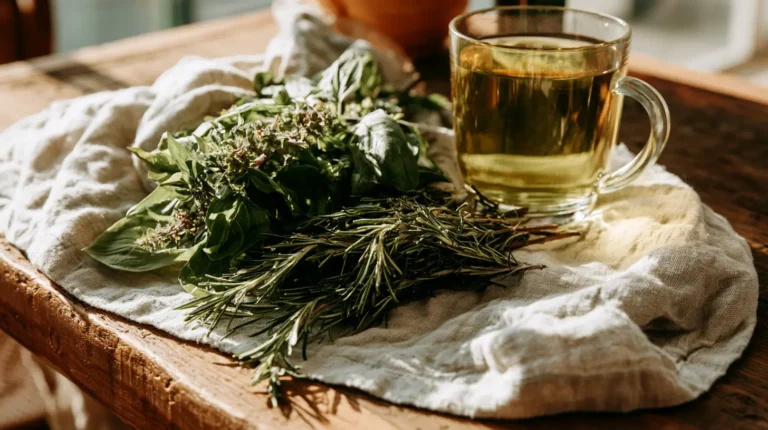
Ginger, Lemon Balm, and Nettle Steady Tea
Short description
This gentle tea combines ginger for queasiness, lemon balm for nervous tension, and nettle for mineral-rich support. It suits mild dizziness linked with nausea, stress, or skipped-meal shakiness.
Ingredients with exact measurements
- 1 teaspoon fresh ginger, grated
- 1 teaspoon dried lemon balm leaf
- 1 teaspoon dried nettle leaf
- 1 cup hot water
- 1 teaspoon honey, optional
- 1 lemon slice, optional
Step-by-step preparation instructions
- Add ginger, lemon balm, and nettle to a mug.
- Pour 1 cup hot water over the herbs.
- Cover the mug.
- Steep for 10 minutes.
- Strain into a clean cup.
- Add honey or lemon if desired.
How to use
Sip slowly while seated. Do not stand quickly after drinking, especially if lightheadedness comes with weakness.
Food for support Dizziness
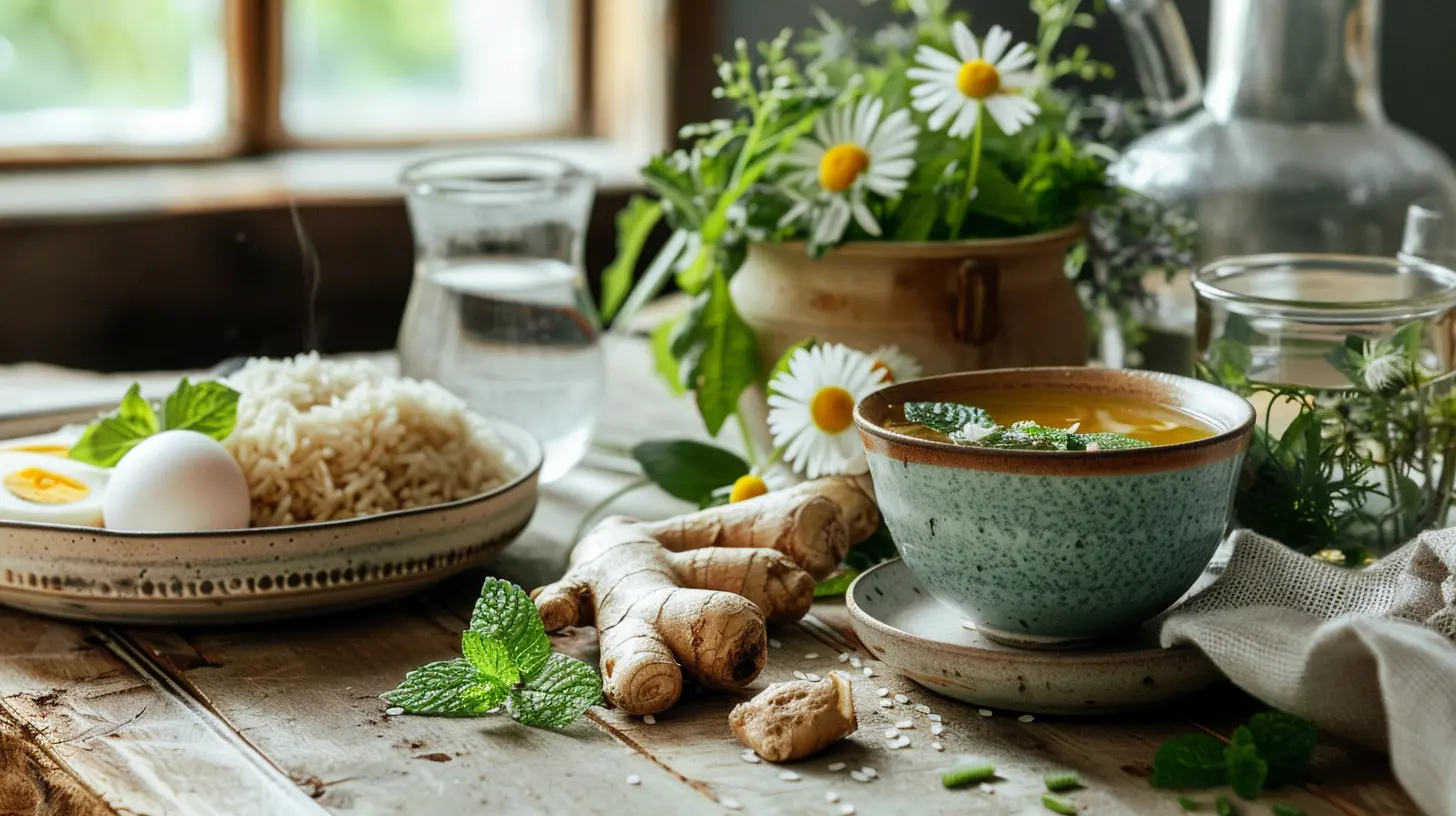
Gentle Ginger Rice Bowl with Egg and Spinach
Short description
This simple meal offers fluids, salt, protein, carbohydrates, and greens. It works well when dizziness appears with low food intake or mild queasiness.
Ingredients with exact measurements
- 1 cup cooked white rice
- 1 cooked egg, sliced
- 1 cup baby spinach
- 1/2 cup warm low-sodium broth
- 1 teaspoon fresh ginger, grated
- 1 teaspoon olive oil
- 1 teaspoon lemon juice
- 1 pinch sea salt, optional
Step-by-step preparation instructions
- Add warm rice to a bowl.
- Stir grated ginger into the warm broth.
- Pour the broth over the rice.
- Add spinach and sliced egg.
- Drizzle with olive oil and lemon juice.
- Add a small pinch of salt if appropriate.
How to use
Eat slowly while seated. Choose a small portion first if nausea comes with dizziness.
What Herbs You Need
The herbs traditionally used for dizziness support include ginger, peppermint, lemon balm, chamomile, nettle, oat straw, and hawthorn. These herbs do not replace evaluation, because dizziness can come from the inner ear, circulation, medications, blood sugar, infection, or neurological causes.
Ginger
Latin name: Zingiber officinale
Key herbal actions:
Carminative: helps ease gas and unsettled digestion.
Antinausea tradition: commonly used when dizziness comes with queasiness.
Warming aromatic: supports cold, sluggish digestive patterns.
Key active compounds relevant to this issue:
Gingerols, shogaols, zingerone, and volatile oils.
Peppermint
Latin name: Mentha x piperita
Key herbal actions:
Carminative: helps ease digestive pressure and nausea.
Aromatic stimulant: refreshes dull, heavy sensations.
Antispasmodic tradition: traditionally used for digestive tightness.
Key active compounds relevant to this issue:
Menthol, menthone, rosmarinic acid, and volatile oils.
Lemon Balm
Latin name: Melissa officinalis
Key herbal actions:
Nervine: supports calm during stress-related dizziness.
Carminative: eases nervous digestive tension.
Mild relaxant: helps soften tension without heavy sedation for many people.
Key active compounds relevant to this issue:
Rosmarinic acid, citral, citronellal, geraniol, and flavonoids.
Chamomile
Latin name: Matricaria chamomilla
Key herbal actions:
Nervine: supports relaxation when tension worsens symptoms.
Carminative: helps ease nausea and digestive discomfort.
Mild antispasmodic: helps relax tense digestive muscles.
Key active compounds relevant to this issue:
Apigenin, bisabolol, chamazulene, coumarins, and flavonoids.
Nettle
Latin name: Urtica dioica
Key herbal actions:
Nutritive tonic: provides minerals and plant compounds.
Astringent: gently tones tissues through tannins.
Seasonal support herb: traditionally used during allergy patterns.
Key active compounds relevant to this issue:
Flavonoids, chlorogenic acid, caffeic acid, minerals, carotenoids, and tannins.
Oat Straw
Latin name: Avena sativa
Key herbal actions:
Nutritive nervine: supports the nervous system during depletion.
Mineral-rich tonic: traditionally used when stress drains reserves.
Gentle restorative: suits long-term, low-vitality patterns.
Key active compounds relevant to this issue:
Avenanthramides, silica, minerals, flavonoids, and saponins.
Hawthorn
Latin name: Crataegus species
Key herbal actions:
Circulatory tonic: traditionally supports cardiovascular wellness.
Cardiac nervine: traditionally used when stress affects the heart area.
Antioxidant herb: contains flavonoids and procyanidins.
Key active compounds relevant to this issue:
Oligomeric procyanidins, vitexin, hyperoside, flavonoids, and triterpenes.
Key Herbal Products for Dizziness
Ginger Tea
Ginger tea uses fresh or dried ginger root. People often choose it when dizziness comes with nausea or motion sensitivity.
Pros: It tastes warming and works well as a kitchen remedy.
Cons: It may feel too hot for people with reflux or heat patterns.
Choose this form when queasiness stands out.
Ginger Capsules
Ginger capsules contain powdered ginger or ginger extract. People commonly use them for travel-related queasiness.
Pros: They offer convenience and avoid strong tea flavor.
Cons: They may not suit people taking blood thinners or preparing for surgery.
Choose this form when tea feels impractical.
Lemon Balm Tea
Lemon balm tea uses the fragrant leaf of Melissa officinalis. People often choose it when dizziness appears with stress or nervous stomach.
Pros: It tastes pleasant and gentle.
Cons: It may feel too relaxing for some daytime routines.
Choose this form when tension and worry make symptoms worse.
Nettle Infusion
Nettle infusion uses dried nettle leaf steeped longer than regular tea. People often choose it as a mineral-rich herbal drink.
Pros: It offers a food-like, nutritive approach.
Cons: It tastes earthy and may not suit everyone.
Choose this form when dizziness appears with depletion or poor intake.
Hawthorn Capsules or Tea
Hawthorn products include tea, capsules, and tinctures. People use hawthorn traditionally for cardiovascular wellness.
Pros: It has a long history as a heart-support herb.
Cons: It can interact with heart and blood pressure medications.
Choose this form only with professional guidance if circulation concerns exist.
FAQ
Is dizziness the same as vertigo?
No. Dizziness describes several feelings, including faintness, floating, or unsteadiness. Vertigo usually means a spinning or moving sensation.
When should I seek urgent care for dizziness?
Seek urgent care for severe new dizziness with chest pain, fainting, weakness, numbness, trouble speaking, severe headache, confusion, vision changes, or trouble walking. Also seek help after head injury.
Can dehydration cause dizziness?
Yes. Dehydration can reduce blood volume and contribute to lightheadedness. Heat, sweating, vomiting, diarrhea, and low fluid intake can increase that risk.
Can herbs stop vertigo?
Herbs should not replace proper evaluation for vertigo. Inner ear problems often need specific assessment and sometimes physical maneuvers.
Is ginger helpful for dizziness?
Ginger has research support for nausea, including some motion-related nausea. It may suit dizziness that comes with queasiness, but it does not address every cause.
Should I drive if I feel dizzy?
No. Avoid driving, climbing, or operating machinery during dizziness. Wait until symptoms fully settle and you feel steady.
Can pets use dizziness herbs?
Do not give dizziness herbs to pets without veterinary care. Dizziness or balance problems in pets may signal urgent illness.
References
MedlinePlus: Dizziness and Vertigo
MedlinePlus Medical Encyclopedia: Dizziness
National Institute on Deafness and Other Communication Disorders: Balance Disorders
Mayo Clinic: Dizziness Symptoms and Causes
Mayo Clinic: Dizziness Diagnosis and Treatment
Mayo Clinic: Benign Paroxysmal Positional Vertigo
Johns Hopkins Medicine: If You Are Experiencing Dizziness
PubMed: Efficacy of Ginger for Nausea and Vomiting
PubMed: Effect of Ginger in the Treatment of Nausea and Vomiting
PubMed Central: Clinical Evaluation of Ginger Extract in Motion Sickness
National Center for Complementary and Integrative Health: Ginger
National Center for Complementary and Integrative Health: Hawthorn
Disclaimer
This article is for educational purposes only. It does not provide medical advice, diagnosis, or treatment. Dizziness can come from many causes, including inner ear, heart, blood pressure, medication, neurological, and metabolic issues. Talk with a qualified healthcare professional if dizziness repeats, lasts, worsens, or has no clear cause. Seek urgent care for severe dizziness with chest pain, fainting, weakness, numbness, confusion, trouble speaking, severe headache, vision changes, or trouble walking.