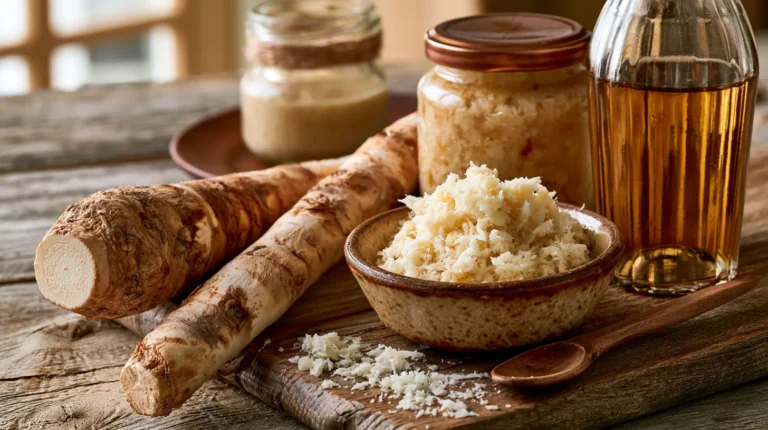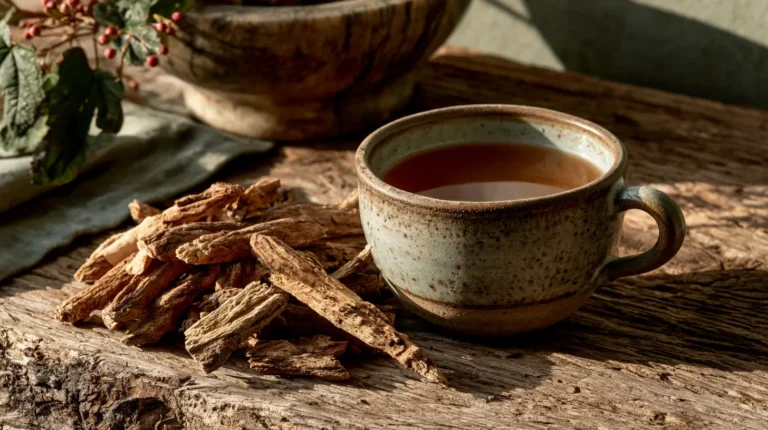
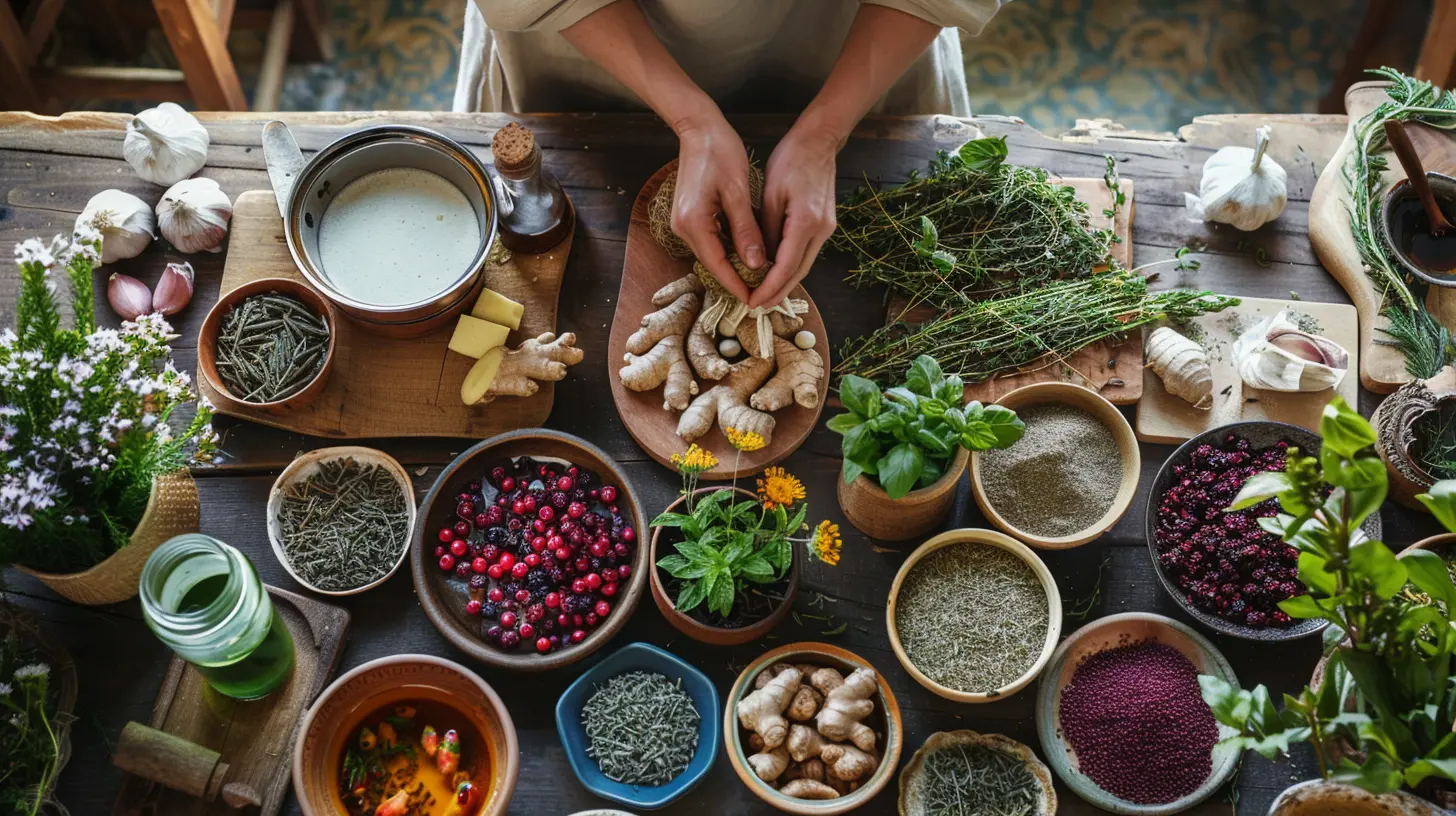
Seasonal immune problems are the familiar times of year when your body feels more run-down, more reactive to weather changes, and less able to keep up with everyday demands. They often show up during colder months, seasonal transitions, travel, stressful periods, or those weeks when sleep, food, and routines all seem to take a vacation without telling you.
Learn more about Seasonal Immune Problems
Seasonal immune problems are not one single condition. They are a practical way to describe patterns people often notice during certain times of year: more frequent sniffles, scratchy throat, low energy, lingering congestion, feeling chilled, or needing more recovery time after exposure to seasonal bugs.
The immune system is always working in the background, but it is influenced by many everyday factors. Sleep, stress, nutrition, hydration, vitamin D status, age, medications, chronic health conditions, physical activity, and exposure to respiratory viruses can all affect how resilient the body feels during seasonal shifts. Adults generally need at least 7 hours of sleep, and poor sleep can make the body feel less steady during demanding seasons.
Seasonal immune problems often become more noticeable in fall and winter because people spend more time indoors, respiratory viruses circulate more actively, and routines may become less consistent. Cold weather itself is not the whole story. Indoor crowding, dry air, reduced sunlight, holiday stress, travel, less fresh produce, and disrupted sleep can all add layers to the picture.
In plain language, seasonal immune problems often show up in a few patterns. A “run-down” pattern may include fatigue, low appetite, and slow bounce-back. A “cold and damp” pattern may feel heavy, chilly, congested, and sluggish. A “dry and irritated” pattern may include a scratchy throat, dry cough, dry nasal passages, or sensitivity to indoor heat. A “stress-depleted” pattern may appear when the body feels tired but wired, with poor sleep and low resilience.
Traditional herbalism usually looks at these patterns through warmth, moisture, vitality, digestion, circulation, and respiratory comfort. A cold, sluggish person may be matched with warming herbs such as ginger, thyme, or garlic. A dry, irritated pattern may call for soothing herbs such as marshmallow root or licorice root. A depleted pattern may be supported with nourishing herbs such as nettle, rose hips, and astragalus.
Herbs are traditionally selected based on how the seasonal problem shows up, not just because it is “immune season.” Echinacea, elderberry, astragalus, ginger, garlic, thyme, rose hips, nettle, marshmallow root, and licorice root are all used in seasonal herbal traditions, but they are not interchangeable. The art is in matching the herb to the person, the season, and the pattern.
The basics still matter. Herbs work best alongside handwashing, adequate sleep, nourishing meals, hydration, fresh air, and sensible exposure habits. No herb is thrilled about being asked to replace rest, vegetables, and basic common sense.
How Herbs Can Help Seasonal Immune Problems
Herbalism often sees seasonal immune problems as a pattern of lowered resilience where cold weather, stress, poor sleep, dry air, weak digestion, and seasonal exposure make the body feel less steady. Immune tonics, warming circulatory herbs, aromatic respiratory herbs, demulcents, nutritive herbs, and vitamin-rich plants are traditionally used to support daily immune function, warmth, respiratory comfort, and seasonal recovery routines. Herbalists choose between those actions by noticing whether the person feels depleted, cold and sluggish, dry and irritated, congested, or run-down from stress. These are herbs traditionally used when seasonal immune problems happen: elderberry, ginger, cinnamon, rose hips, astragalus, garlic, thyme, echinacea, elderflower, peppermint, nettle, oat straw, marshmallow root, licorice root, chamomile, turmeric, black pepper, yarrow, sage, rosemary, lemon peel, dandelion root, burdock root.
“Seasonal immune support is not about becoming a superhero; it is about helping your body stop feeling personally offended by every change in the weather.”
Recipes & Remedies Seasonal Immune Problems
Herbal Preparations
Elderberry Ginger Seasonal Syrup
This traditional-style syrup combines elderberry, ginger, cinnamon, rose hips, and honey into a tart, warming seasonal preparation. It is especially suited for colder months when the body feels chilled, tired, and in need of a steady evening ritual.
Ingredients with exact measurements
1 cup dried elderberries
4 cups water
1 tablespoon fresh grated ginger
1 cinnamon stick
1 tablespoon dried rose hips
1/2 cup raw honey
1 tablespoon fresh lemon juice, optional
Step-by-step preparation instructions
Add elderberries, water, grated ginger, cinnamon stick, and rose hips to a medium saucepan.
Bring to a gentle boil, then reduce heat to low.
Simmer uncovered for 30 to 40 minutes, or until the liquid reduces by about half.
Remove from heat and let the mixture cool until warm, not hot.
Strain through a fine mesh strainer or cheesecloth, pressing the berries gently to extract the liquid.
Stir in honey and lemon juice.
Pour into a clean glass jar and refrigerate.
How to use
Use 1 teaspoon to 1 tablespoon as part of a seasonal wellness routine. Do not use raw or unripe elderberries, leaves, stems, or bark, and avoid giving honey to children under 1 year old.
Food for support Seasonal Immune Problems
Garlic Thyme Chicken Soup
This classic seasonal soup uses garlic, thyme, onion, carrots, celery, and chicken broth for a warm, practical meal traditionally associated with cold-weather comfort. It is simple, nourishing, and much easier to love than another sad desk salad in December.
Ingredients with exact measurements
1 tablespoon olive oil
1 medium yellow onion, diced
3 garlic cloves, minced
2 medium carrots, sliced
2 celery stalks, sliced
1 teaspoon dried thyme or 1 tablespoon fresh thyme leaves
6 cups low-sodium chicken broth
2 cups cooked shredded chicken
1/2 cup cooked rice or small pasta, optional
1 tablespoon fresh lemon juice
1/2 teaspoon sea salt, or to taste
1/4 teaspoon black pepper
2 tablespoons chopped fresh parsley, optional
Step-by-step preparation instructions
Warm olive oil in a large soup pot over medium heat.
Add onion, carrots, and celery. Cook for 5 to 7 minutes, stirring occasionally.
Add garlic and thyme. Cook for 1 minute, just until fragrant.
Pour in chicken broth and bring to a gentle simmer.
Add shredded chicken and rice or pasta if using.
Simmer for 10 to 15 minutes, until the vegetables are tender.
Stir in lemon juice, salt, pepper, and parsley.
Serve warm.
Step-by-step preparation instructions
- Warm olive oil in a large soup pot over medium heat.
- Add onion, carrots, and celery. Cook for 5 to 7 minutes, stirring occasionally.
- Add garlic and thyme. Cook for 1 minute, just until fragrant.
- Pour in chicken broth and bring to a gentle simmer.
- Add shredded chicken and rice or pasta if using.
- Simmer for 10 to 15 minutes, until the vegetables are tender.
- Stir in lemon juice, salt, pepper, and parsley.
- Serve warm.
How to use
Enjoy as a warm seasonal meal when you feel run-down, chilled, or in need of gentle nourishment. Keep portions moderate if heavy meals make you feel sluggish.
What Herbs You Need
The main herbs traditionally used for seasonal immune problems include elderberry, echinacea, astragalus, ginger, thyme, garlic, rose hips, nettle, marshmallow root, and licorice root. These herbs are traditionally selected to support different seasonal patterns, such as low resilience, cold sluggishness, respiratory discomfort, dryness, irritation, or depletion.
Elderberry
Latin name: Sambucus nigra
Key herbal actions: Immune-supportive, meaning it is traditionally used during seasonal exposure; antioxidant-rich, meaning it contains compounds that help protect cells from oxidative stress; diaphoretic, meaning it is traditionally used in warm preparations that support healthy sweating.
Key active compounds: Anthocyanins, flavonoids, phenolic acids, rutin, and vitamin C.
Echinacea
Latin name: Echinacea purpurea, Echinacea angustifolia, or Echinacea pallida
Key herbal actions: Immune-modulating, meaning it is traditionally used to support healthy immune responsiveness; lymphatic, meaning herbalists use it to support the body’s natural clearing processes; alterative, meaning it is traditionally used to support general resilience over time.
Key active compounds: Alkylamides, caffeic acid derivatives, polysaccharides, echinacoside, and chicoric acid.
Astragalus
Latin name: Astragalus membranaceus
Key herbal actions: Immune tonic, meaning it is traditionally used for long-term resilience; adaptogenic, meaning it supports the body during periods of stress; nutritive tonic, meaning it is often used when someone feels depleted or run-down.
Key active compounds: Astragalosides, polysaccharides, flavonoids, saponins, and isoflavones.
Ginger
Latin name: Zingiber officinale
Key herbal actions: Warming circulatory herb, meaning it brings a feeling of warmth and movement; carminative, meaning it supports digestion and eases gas; diaphoretic, meaning it is traditionally used in warm teas during seasonal discomfort.
Key active compounds: Gingerols, shogaols, zingiberene, paradols, and volatile oils.
Thyme
Latin name: Thymus vulgaris
Key herbal actions: Aromatic respiratory herb, meaning it is traditionally used to support clear breathing; carminative, meaning it supports digestion; antimicrobial aromatic, meaning its volatile oils have a long history of use in seasonal herbal traditions.
Key active compounds: Thymol, carvacrol, rosmarinic acid, flavonoids, and volatile oils.
Garlic
Latin name: Allium sativum
Key herbal actions: Warming food herb, meaning it supports circulation and seasonal warmth; aromatic herb, meaning it contains strong sulfur compounds; traditional immune-supportive food, meaning it is often used in seasonal meals.
Key active compounds: Allicin, alliin, ajoene, diallyl sulfides, and sulfur-containing compounds.
Rose Hips
Latin name: Rosa canina or Rosa spp.
Key herbal actions: Vitamin-rich nutritive, meaning it contributes naturally occurring vitamin C and polyphenols; antioxidant, meaning it supports protection from oxidative stress; astringent, meaning it gently tones tissues.
Key active compounds: Vitamin C, flavonoids, carotenoids, galactolipids, and polyphenols.
Nettle
Latin name: Urtica dioica
Key herbal actions: Nutritive tonic, meaning it provides minerals and plant nutrients; alterative, meaning it is traditionally used for general seasonal resilience; mild diuretic, meaning it supports fluid movement through the body.
Key active compounds: Chlorophyll, minerals, flavonoids, phenolic acids, and plant sterols.
Marshmallow Root
Latin name: Althaea officinalis
Key herbal actions: Demulcent, meaning it soothes dry or irritated tissues with mucilage; moistening, meaning it supports comfort when dryness is part of the pattern; gentle respiratory support, meaning it is traditionally used when the throat feels dry or scratchy.
Key active compounds: Mucilage polysaccharides, flavonoids, phenolic acids, and pectin.
Licorice Root
Latin name: Glycyrrhiza glabra
Key herbal actions: Demulcent, meaning it soothes irritated tissues; adaptogenic, meaning it is traditionally used for stress and depletion patterns; harmonizing herb, meaning it is often used in small amounts to bring formulas together.
Key active compounds: Glycyrrhizin, liquiritin, glabridin, flavonoids, and saponins.
Key Herbal Products for Seasonal Immune Problems
Elderberry Syrup
Elderberry syrup is a sweet, dark herbal preparation made from cooked elderberries, often combined with honey and warming spices. It is commonly used during colder months as part of a seasonal wellness routine. The pros are good flavor, ease of use, and popularity with families; the cons are added sugar, variable product quality, and the need to avoid improperly prepared elderberry. Someone might choose syrup when they want a familiar seasonal preparation that feels food-like and easy to take.
Echinacea Tincture
Echinacea tincture is a liquid extract made from echinacea root, aerial parts, or both. It is commonly used for short-term seasonal support, especially when someone feels they have been exposed to seasonal bugs. The pros are convenience and strong traditional use; the cons are bitter taste, possible allergy in people sensitive to the daisy family, and possible medication concerns. Someone might choose tincture when they want a compact product that does not require brewing tea.
Astragalus Capsules
Astragalus capsules contain powdered astragalus root or extract. They are commonly used as a longer-term seasonal tonic rather than a quick, short-term herb. The pros are convenience and mild flavor avoidance; the cons are less ritual than tea and potential concerns for people taking immune-suppressing medication. Someone might choose capsules when they want simple daily use during seasonal transitions.
Ginger Thyme Tea Blend
A ginger thyme tea blend combines warming and aromatic herbs often used in cold-weather traditions. It is commonly used when someone feels chilled, heavy, or congested. The pros are warmth, strong flavor, and easy preparation; the cons are that ginger may feel too heating for some people and thyme can taste intense. Someone might choose this form when the seasonal pattern feels cold, damp, or sluggish.
Herbal Lozenges
Herbal lozenges often contain soothing herbs such as marshmallow root, licorice root, slippery elm, honey, or aromatic herbs. They are commonly used for dry, scratchy, or irritated throats. The pros are convenience and direct contact with the throat; the cons are added sugars, possible licorice cautions, and variable ingredients. Someone might choose lozenges when dryness or throat irritation is the main seasonal complaint.
FAQ
Are seasonal immune problems the same as being sick?
Not exactly. Seasonal immune problems describe a pattern of feeling more vulnerable, run-down, or reactive during certain times of year. If you have fever, severe symptoms, shortness of breath, persistent symptoms, or symptoms that worsen, it is important to seek medical guidance.
What herbs are most commonly used for seasonal immune support?
Common seasonal herbs include elderberry, echinacea, astragalus, ginger, thyme, garlic, rose hips, nettle, marshmallow root, and licorice root. Each herb has a different traditional use, so the best choice depends on whether the pattern feels depleted, chilly, congested, dry, irritated, or stress-related.
Can I use elderberry every day?
Some people use cooked elderberry syrup during seasonal months, but it should be used thoughtfully. Raw or unripe elderberries, leaves, stems, and bark are not safe because they contain compounds that can cause nausea, vomiting, and diarrhea. People who are pregnant, breastfeeding, taking medications, or managing chronic health conditions should ask a healthcare professional first.
Is echinacea safe for everyone?
Echinacea is likely safe for many adults when used short term, but it is not right for everyone. People with allergies to ragweed, daisies, or related plants should be cautious, and people taking medications or managing autoimmune conditions should speak with a clinician before using it.
Do seasonal immune herbs taste strong?
Some do. Elderberry is tart and fruity, ginger is spicy, thyme is aromatic, echinacea can be earthy and tingly, and licorice root is naturally sweet. If taste is a concern, capsules or glycerites may be easier than strong teas or tinctures.
How should dried immune-support herbs be stored?
Store dried herbs in airtight glass jars away from heat, light, and moisture. Aromatic herbs such as thyme and ginger are best used while they still smell fresh and lively. If an herb smells dusty or flat, it may still look like an herb, but its personality has probably left the building.
Are seasonal immune herbs safe around pets?
Use caution, especially with essential oils, garlic, and strong aromatic herbs. Garlic can be unsafe for dogs and cats, and essential oils may be risky around pets, especially cats and birds. Do not give herbs to pets unless guided by a veterinarian trained in herbal use.
References
NCCIH: Elderberry Usefulness and Safety
NCCIH: Echinacea Usefulness and Safety
NCCIH: Garlic Usefulness and Safety
NCCIH: Licorice Root Usefulness and Safety
NIH Office of Dietary Supplements: Dietary Supplements for Immune Function and Infectious Diseases
NIH Office of Dietary Supplements: Vitamin C Fact Sheet
CDC: About Sleep and Your Heart Health
Disclaimer
This article is for educational purposes only and is not medical advice. Herbs and supplements are not a substitute for professional evaluation, diagnosis, or treatment. Talk with a qualified healthcare professional if you have frequent infections, severe symptoms, fever, breathing difficulty, symptoms that persist or worsen, an autoimmune condition, pregnancy, breastfeeding, chronic illness, or if you take medications. Use extra caution with immune-active herbs if you take immunosuppressants, blood thinners, blood pressure medication, diabetes medication, or corticosteroids.