


Gotu kola is a low-growing, creeping plant with small rounded leaves that has long been used in Ayurveda, traditional Chinese medicine, and Southeast Asian food traditions. It is not related to kola nut and does not contain caffeine, despite the word “kola” making it sound like it belongs near a soda fountain.
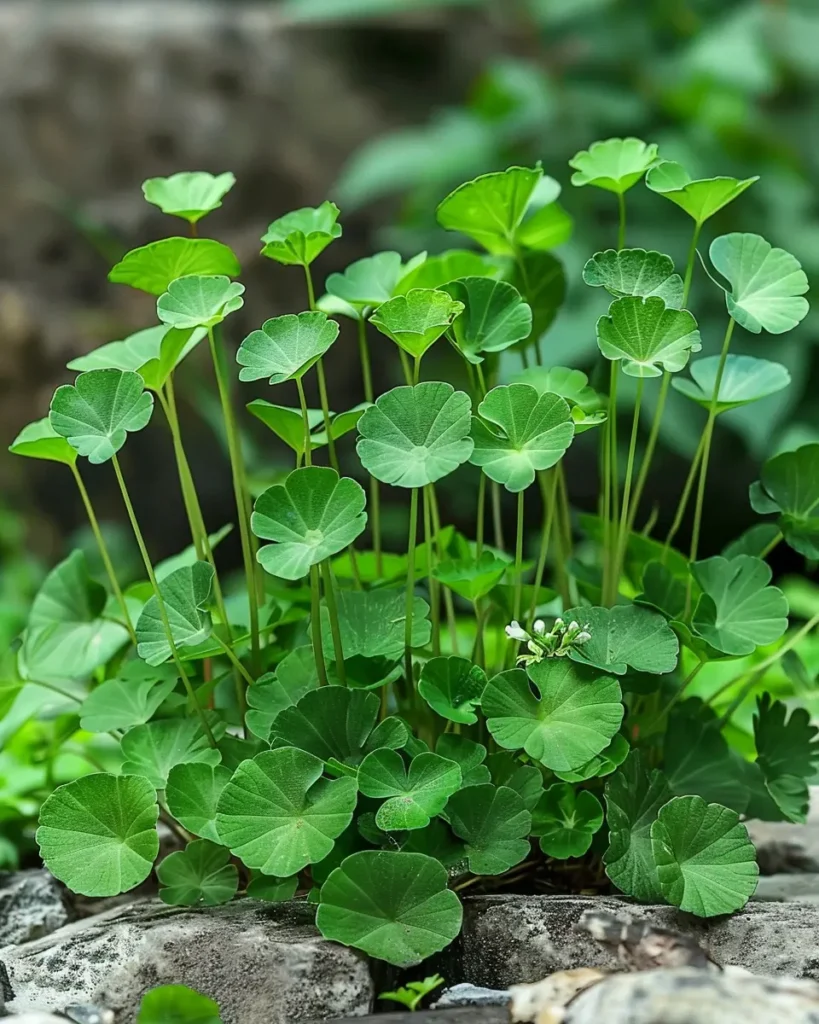
Gotu Kola (Centella asiatica)
Traditional Uses of Gotu Kola
Skin and Connective Tissue: Gotu kola is traditionally used to support skin repair, tissue tone, and healthy connective tissue.
Circulation: Herbalists often use gotu kola when supporting venous tone and microcirculation, especially in formulas focused on legs, skin, and tissue integrity.
Brain and Focus: Gotu kola has a long reputation as a medhya herb in Ayurveda, meaning it is traditionally used to support memory, learning, and mental clarity.
Stress Support: Gotu kola is often described as calming but not dulling, making it useful when the nervous system needs steadiness rather than sleepiness.
“Gotu kola is the quiet green leaf that reminds the body how to repair, remember, and take its time.”
Available Gotu Kola Products
Dried Gotu Kola
Dried gotu kola is usually made from the aerial parts of the plant, especially the leaves and stems. It is commonly used for tea, infusions, powders, capsules, and tinctures.
Good dried gotu kola should look green to olive-green and smell fresh, grassy, and slightly earthy. Avoid material that smells musty, stale, or overly dusty.
Fresh Gotu Kola
Fresh gotu kola is used as a food herb in some Asian cuisines, often in salads, juices, and herbal drinks. Fresh leaves have a greener taste and can be more refreshing than dried herb.
Gotu Kola Tea
Gotu kola tea is usually prepared as an infusion. It has a grassy, slightly bitter, earthy flavor and is often combined with lemon balm, tulsi, oat straw, nettle, or rose.
Gotu Kola Tincture
Gotu kola tincture is an alcohol-water extract that offers a convenient liquid form. It may be preferred when someone wants a shelf-stable preparation and does not want to brew tea daily.
Gotu Kola Capsules
Capsules may contain powdered gotu kola or concentrated extract. Labels should clearly show the botanical name, plant part, serving size, extract ratio, and whether the product is standardized to triterpenes.
Gotu Kola Powder
Gotu kola powder can be mixed into smoothies, juices, honey, warm drinks, or herbal blends. Because powders lose freshness faster than cut herb, smaller containers are usually better.
Gotu Kola Creams and Topical Products
Gotu kola is widely used in topical creams, gels, serums, and ointments, especially in skincare products focused on barrier support, irritated skin, scars, and appearance of skin texture. Topical products should be patch-tested first, especially on sensitive skin.
Standardized Gotu Kola Extract
Standardized extracts are concentrated preparations that may list triterpenes, asiaticoside, madecassoside, asiatic acid, or madecassic acid. These are stronger than simple tea and deserve more attention to dosage, duration, and safety.
Key Herbal Actions
Gotu kola is known as a vulnerary, connective tissue tonic, nervine tonic, adaptogen-like herb, circulatory tonic, antioxidant, anti-inflammatory-supportive herb, and mild diuretic.
Vulnerary
A vulnerary is an herb traditionally used to support skin and tissue repair. Gotu kola is one of the classic herbs in this category because of its connection to collagen, skin integrity, and connective tissue support.
Connective Tissue Tonic
Connective tissue tonics support the body’s structural tissues over time. Gotu kola is traditionally used when the skin, veins, fascia, and tissue tone need gentle support.
Nervine Tonic
A nervine tonic supports the nervous system gradually. Gotu kola is not usually sedating like valerian; it is more often used for calm focus and steady mental clarity.
Adaptogen-Like Herb
Gotu kola is sometimes used in adaptogen-style formulas, especially when stress affects the mind, skin, or overall resilience. It is not as strongly stimulating as rhodiola or as heavy as some sedative herbs.
Circulatory Tonic
Gotu kola is traditionally used to support venous tone and microcirculation. This makes it relevant in formulas for legs, skin, and small blood vessel support.
Antioxidant
Gotu kola contains triterpenes, flavonoids, and phenolic compounds that are studied for antioxidant activity. These compounds help explain its long-standing use in healthy aging and tissue support.
Anti-Inflammatory-Supportive Herb
Gotu kola compounds have been studied for inflammatory signaling, especially in skin and tissue research. This should be described as supportive research interest, not as a treatment claim.
Mild Diuretic
Gotu kola has a mild traditional reputation for fluid movement. This action is secondary to its skin, connective tissue, nervous system, and circulation uses.
Active Compounds and Extraction
Gotu kola contains triterpenoid saponins, asiaticoside, madecassoside, asiatic acid, madecassic acid, flavonoids, phenolic acids, volatile oils, tannins, polysaccharides, amino acids, and minerals.
Triterpenoid Saponins
Triterpenoid saponins are the signature compound group in gotu kola. They include asiaticoside and madecassoside, which are commonly used as marker compounds in extracts.
These compounds are studied for skin, connective tissue, collagen, circulation, and cellular repair pathways. They are one reason gotu kola appears in both herbal supplements and modern skincare formulas.
Best extraction: alcohol-water tincture, standardized extract, powder, topical extract, and infusion.
To make gotu kola tea, use 1–2 teaspoons dried herb per cup of hot water. Cover and steep for 10–15 minutes, then strain. The taste is grassy and slightly bitter, so lemon or mint can help.
Asiaticoside
Asiaticoside is one of gotu kola’s best-known triterpenoid glycosides. It is often discussed in research related to collagen formation, wound-repair pathways, and skin support.
Best extraction: alcohol-water tincture, standardized extract, powder, and topical preparations.
A tincture can be made with dried gotu kola using about 1 part herb to 5 parts 40–50% alcohol. Let sit for 4–6 weeks, shake regularly, and strain.
Madecassoside
Madecassoside is another key triterpenoid glycoside found in gotu kola. It is widely discussed in skincare because of its connection to barrier comfort, appearance of redness, and tissue-supportive research.
Best extraction: standardized extract, alcohol-water tincture, powder, and topical products.
Topical products usually use purified or standardized extracts rather than homemade preparations. This gives better consistency and lowers contamination risk.
Asiatic Acid and Madecassic Acid
Asiatic acid and madecassic acid are triterpene acids related to asiaticoside and madecassoside. They are studied for antioxidant, tissue-supportive, and skin-related activity.
Best extraction: alcohol-water tincture, extract, powder, and topical preparations.
These compounds are not fully captured by a quick tea alone, which is why concentrated extracts can differ from simple infusions.
Flavonoids
Flavonoids are antioxidant plant compounds found in many herbs. In gotu kola, they contribute to the herb’s broader antioxidant and tissue-supportive profile.
Best extraction: tea, tincture, powder, and whole-herb use.
A standard infusion extracts many water-soluble flavonoids, while powder keeps more of the whole plant material.
Phenolic Acids
Phenolic acids contribute to antioxidant activity and general plant defense chemistry. In gotu kola, they work alongside triterpenes rather than being the main feature.
Best extraction: hot-water infusion, tincture, powder, and food use.
Fresh gotu kola in food or juice can provide some phenolic compounds in a whole-plant form.
Volatile Oils
Gotu kola contains small amounts of volatile compounds, though it is not a strongly aromatic herb like peppermint or thyme. These compounds contribute subtly to its fresh, green scent.
Best extraction: fresh plant use, covered infusion, and tincture.
When making tea, keep the cup covered to preserve delicate aromatics.
Tannins
Tannins provide a mild astringent quality. They may contribute to gotu kola’s traditional tissue-toning personality.
Best extraction: hot-water infusion and tincture.
A 10–15 minute steep is usually enough. Very strong tea may taste more bitter and drying.
Harvesting and Storing Right
Gotu kola is usually harvested when the leaves are fresh, green, and healthy. The aerial parts are used, especially the leaves and tender stems.
The best time to harvest is late morning after dew has dried but before intense heat wilts the plant. Choose clean growing areas away from roadsides, pesticides, contaminated water, or heavy foot traffic.
Fresh gotu kola can be used right away in tea, juice, or food preparations. It can also be dried in a shaded, well-ventilated place.
Once fully dry, store gotu kola in an airtight jar away from heat, light, and moisture. Dried gotu kola is best used within about 1 year.
Gotu kola powder loses freshness faster and is best used within 6–12 months. Tinctures and standardized extracts usually keep longer when stored in a cool, dark place.
Topical products should be stored according to the label. Discard creams, gels, or serums if they smell off, separate strangely, or pass the expiration date.
Body Functions Gotu Kola Can Support
Gotu kola can support Skin, Brain, Nervous system, Circulation, Stress Support, Energy and vitality, Lymphatic system, Muscles and joint, Digestion system, and Urinary System.
Skin
Gotu kola is one of the best-known herbs for skin and connective tissue support. Its triterpenes, especially asiaticoside and madecassoside, are studied for collagen-related pathways, tissue repair, and skin barrier support.
This does not mean gotu kola cures wounds, scars, eczema, or skin disease. It is better described as a traditional skin-support herb with meaningful research interest.
Brain
Gotu kola has a long traditional reputation for memory, learning, and mental clarity. In Ayurveda, it is often used as a medhya herb, meaning a plant associated with intellect and cognitive support.
Modern research has explored gotu kola in relation to cognition, anxiety, and neuroprotective pathways, but evidence remains limited. It should be presented as supportive, not as a treatment for memory disorders.
Nervous System
Gotu kola is traditionally used as a calm-focus nervine. It may suit people who feel mentally scattered, overstimulated, or depleted.
Unlike strong sedatives, gotu kola usually does not feel heavy. Its personality is more “steady the mind” than “turn off the lights.”
Circulation
Gotu kola is traditionally used for venous tone and microcirculation. This makes it relevant to formulas focused on legs, skin, and connective tissue.
Some clinical research has explored gotu kola preparations for chronic venous insufficiency and related symptoms, but product type and study quality vary. It should not replace medical care for vein disease, swelling, clotting concerns, or circulation problems.
Stress Support
Gotu kola is often used when stress affects the skin, sleep rhythm, focus, or general resilience. It can be included in formulas for calm attention and long-term nervous system support.
It should not be described as treating anxiety, depression, or burnout. Its role is gentle and supportive.
Energy and Vitality
Gotu kola may support energy indirectly by improving stress resilience and mental steadiness. It is not a stimulant and does not contain caffeine.
For people who feel tired because they are wired, tense, or scattered, gotu kola may be a better fit than sharp energizing herbs. Still, individual responses vary.
Lymphatic System
Gotu kola is sometimes used in formulas for tissue fluid movement and connective tissue support. Its traditional circulatory and mild diuretic qualities explain this association.
This does not mean gotu kola treats lymphedema or swelling disorders. Persistent swelling should be medically evaluated.
Muscles and Joint
Because gotu kola is connected with connective tissue and collagen-supportive traditions, it is sometimes included in formulas for fascia, tendons, and joint-support routines. Its triterpenes and antioxidant compounds are relevant to tissue repair research.
It is not a pain reliever in the same category as willow bark or topical menthol. Its role is slower and more tissue-tonic.
Digestion System
Gotu kola is mildly bitter and green, which gives it a secondary digestive role. In food traditions, the fresh leaves are eaten as a vegetable or made into drinks.
Some people tolerate it well, while others may notice stomach upset with strong extracts or high doses. Starting small is wise.
Urinary System
Gotu kola has a mild traditional diuretic reputation. This means it has been used in formulas where gentle fluid movement is desired.
People with kidney disease, fluid retention, or medications affecting fluid balance should seek professional guidance rather than self-treating.
Safety and Practical Considerations
Gotu kola is generally well tolerated by many adults when used in moderate amounts, but it is not appropriate for everyone. Side effects may include headache, dizziness, sleepiness, nausea, stomach upset, skin irritation, or allergic rash.
Rare liver concerns have been reported with gotu kola products, especially with high doses or longer use. People with liver disease, heavy alcohol use, hepatitis history, or elevated liver enzymes should avoid gotu kola unless guided by a qualified clinician.
Gotu kola may interact with sedatives, anti-anxiety medications, sleep medications, alcohol, liver-metabolized drugs, diabetes medications, cholesterol medications, and medications that affect the central nervous system. People taking prescription medications should check with a healthcare professional before using concentrated products.
Pregnancy and breastfeeding require caution. Medicinal amounts of gotu kola should generally be avoided during pregnancy and breastfeeding unless guided by a qualified professional.
People preparing for surgery should stop concentrated herbal products in advance according to clinician guidance. Gotu kola’s possible sedative and liver-related concerns make this especially important.
Topical gotu kola products can cause irritation or allergic contact dermatitis in sensitive people. Patch-test before applying widely, especially on the face.
Children, older adults, and sensitive individuals should use smaller amounts and avoid strong extracts unless professionally guided. Pet use should only be guided by a veterinarian.
FAQ
What does gotu kola taste like?
Gotu kola tastes green, grassy, mildly bitter, and slightly earthy. Fresh leaves can taste brighter, while dried tea is more muted and herbal.
When is the best time to use gotu kola?
Gotu kola is often used during the day for calm focus or in the evening when stress feels mentally busy. Some people find it relaxing, so first try it when you do not need to drive or focus intensely.
Is fresh or dried gotu kola better?
Fresh gotu kola is excellent as a food herb where it grows, while dried gotu kola is more convenient for tea and storage. Both can be useful depending on access and purpose.
Is gotu kola tea, tincture, or capsule better?
Tea is gentle and traditional, tincture is convenient, and capsules are easy for people who dislike the taste. Standardized extracts are stronger and should be used with more care.
Can gotu kola be used daily?
Some people use gotu kola daily for short periods, but long-term daily use should be discussed with a qualified professional. This is especially important because of liver safety concerns and possible medication interactions.
How should gotu kola be stored?
Dried gotu kola should be stored in an airtight container away from heat, light, and moisture. Powder should be used sooner than cut herb because it loses freshness faster.
Does gotu kola combine well with other herbs?
Yes. Gotu kola combines well with tulsi, lemon balm, oat straw, skullcap, bacopa, ginkgo, nettle, calendula, horsetail, rosehip, and hawthorn depending on the formula.
Is gotu kola the same as bacopa?
No. Gotu kola is Centella asiatica, while bacopa is Bacopa monnieri. Both are sometimes called “brahmi” in different traditions, which can be confusing.
Is gotu kola safe for everyone?
No. Gotu kola may not be appropriate for pregnancy, breastfeeding, liver disease, medication use, upcoming surgery, or people sensitive to sedating herbs.
Can gotu kola be used for pets?
Pet use should only be guided by a veterinarian. Human gotu kola supplements, tinctures, and skincare products may not be appropriate for animals.
Disclaimer
This content is educational only. It is not medical advice, diagnosis, or treatment. Herbs may interact with medications or health conditions. People who are pregnant, breastfeeding, managing a medical condition, taking prescription medications, or preparing for surgery should consult a qualified healthcare professional before using herbs.
References
Memorial Sloan Kettering Cancer Center: Gotu Kola
European Medicines Agency: Centella asiatica Assessment Report
PubMed: Centella asiatica in Dermatology
PubMed: Centella asiatica and Wound Healing Review
PubMed: Pentacyclic Triterpenoids from Centella asiatica
PubMed: Centella asiatica and Cognitive Function
PubMed: Centella asiatica and Chronic Venous Insufficiency