


Schisandra is a bright red berry used in traditional Chinese medicine and modern herbalism as a tonic for resilience, liver support, stress response, and vitality. It is often called the “five-flavor fruit” because the berry contains sour, sweet, salty, bitter, and pungent notes. That is a lot of personality for one tiny berry.
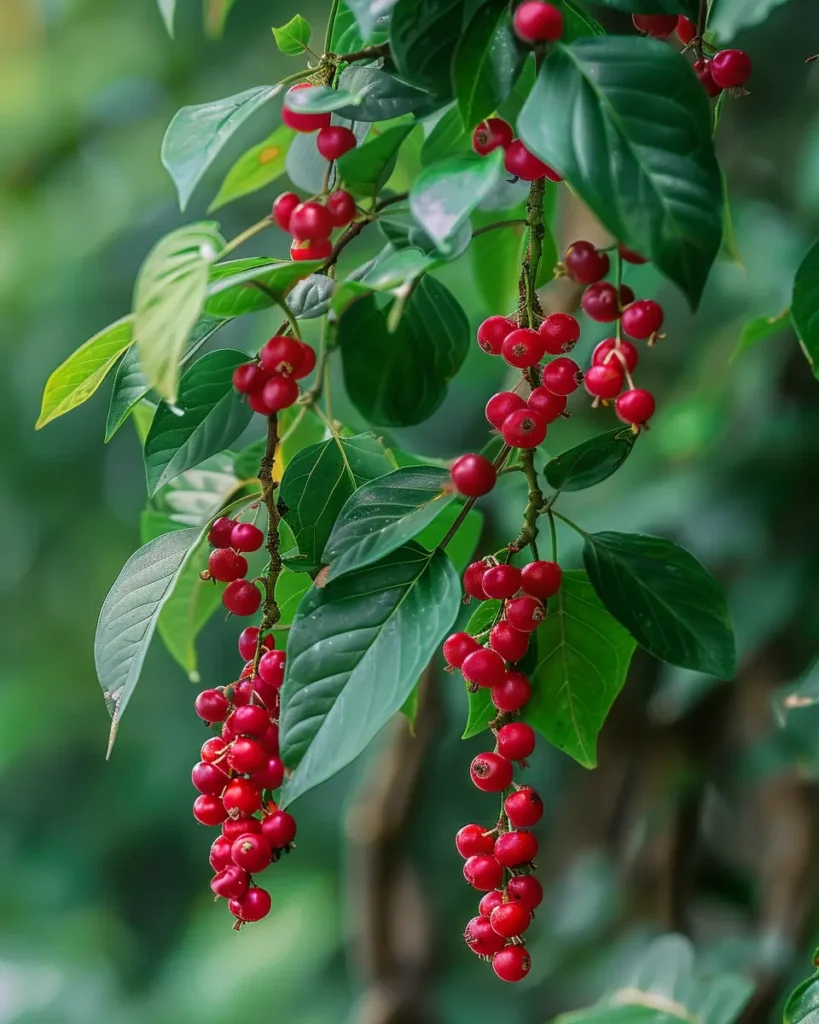
Schisandra (Schisandra chinensis)
Traditional Uses of Schisandra
Stress Support: Schisandra is widely known as an adaptogen-style herb used to support resilience during physical, mental, and environmental stress.
Liver Support: In traditional and modern herbal use, schisandra is strongly associated with liver wellness and healthy detoxification processes.
Energy and Vitality: Schisandra is often used when fatigue, depletion, or low stamina are part of the wellness picture.
Respiratory and Fluid Balance: Traditional Chinese medicine uses schisandra for its astringent quality, especially when the body needs help conserving fluids and maintaining tone.
“Schisandra is the berry that somehow tastes like a whole herbal conversation in one bite.”
Available Schisandra Products
Dried Schisandra Berries
Dried schisandra berries are one of the most traditional forms. They are commonly used for tea, decoction, syrups, tinctures, and powdered formulas. Good dried berries should look deep red to reddish-brown, smell tart and fruity, and taste noticeably sour.
Schisandra Tea
Schisandra tea is usually prepared as a decoction or long infusion because the dried berries are dense. The flavor is sour, fruity, slightly bitter, and complex.
Schisandra Tincture
Schisandra tincture is a popular liquid extract. It is practical when someone wants a shelf-stable preparation and does not want to simmer berries each time.
Schisandra Capsules
Capsules may contain powdered schisandra berry or standardized extract. Look for the botanical name, plant part, serving size, extract ratio, and any standardization to schisandrins or lignans.
Schisandra Powder
Schisandra powder can be mixed into smoothies, honey, warm drinks, or herbal electuaries. Because the taste is strong, many people prefer small amounts blended with sweeter or warming herbs.
Schisandra Extract
Standardized schisandra extracts are concentrated preparations often used in capsules, tablets, or liquid formulas. These may be stronger than tea or food-like powder and deserve more attention to dosage and interactions.
Schisandra Syrup or Elixir
Schisandra’s sour flavor works well in syrup or elixir form. It is often combined with honey, ginger, cinnamon, rosehip, hawthorn, or other tart and warming herbs.
Key Herbal Actions
Schisandra is known as an adaptogen, hepatoprotective herb, antioxidant, astringent, nervine tonic, restorative tonic, cardiotonic-supportive herb, and respiratory tonic.
Adaptogen
Adaptogens are herbs traditionally used to support resilience under stress. Schisandra is one of the classic adaptogen-style herbs, often grouped with plants like eleuthero, rhodiola, and ashwagandha.
Hepatoprotective Herb
Hepatoprotective herbs are traditionally understood to support liver function and protect liver cells from stress. Schisandra’s lignans are the main compounds connected to this action in modern research.
Antioxidant
Schisandra contains lignans and polyphenols that are studied for antioxidant activity. These compounds may help explain its traditional use as a long-term tonic.
Astringent
Astringent herbs create a tightening, drying quality. Schisandra’s sour taste and tannin content are traditionally associated with conserving fluids and toning tissues.
Nervine Tonic
A nervine tonic supports the nervous system gradually over time. Schisandra is not usually sedating; it is more often used for steady focus, endurance, and resilience.
Restorative Tonic
Restorative tonics are used when the body needs rebuilding support. Schisandra’s traditional role is not about forcing energy, but helping the body feel more stable and steady.
Cardiotonic-Supportive Herb
In traditional herbal language, schisandra is sometimes used to support heart and circulation vitality. This should be framed gently as general cardiovascular support, not as treatment for heart disease.
Respiratory Tonic
Schisandra has a traditional respiratory role, especially where its astringent quality is valued. It is not an expectorant like thyme or elecampane; it is more about tone and conservation.
Active Compounds and Extraction
Schisandra contains lignans, schisandrin, schisandrol, gomisin compounds, deoxyschisandrin, volatile oils, organic acids, polysaccharides, flavonoids, tannins, phytosterols, and vitamin C.
Lignans
Lignans are the signature compound group in schisandra. Important schisandra lignans include schisandrin, schisandrol, gomisin A, gomisin N, deoxyschisandrin, and related compounds.
These compounds are studied for liver-related, antioxidant, stress-response, and cellular-protective activity. They are one reason schisandra appears in both traditional formulas and modern extract research.
Best extraction: alcohol-water tincture, standardized extract, powder, and decoction.
To make a tincture, use dried schisandra berries at about 1 part herb to 5 parts liquid with 50–60% alcohol. Let it sit for 4–6 weeks, shaking regularly, then strain.
Schisandrin
Schisandrin is one of the best-known lignans in schisandra. It is often used as a marker compound in research and product standardization.
Best extraction: alcohol-water tincture, standardized extract, and powder.
Schisandrin is not extracted as strongly in a quick tea as in hydroalcoholic or concentrated extracts. This is why tinctures and capsules may feel different from a simple infusion.
Gomisin Compounds
Gomisins are another group of schisandra lignans. They are studied mainly in laboratory and animal research, especially in relation to liver and oxidative stress pathways.
Best extraction: alcohol-water tincture and standardized extract.
Use tincture or capsules when a preparation is intended to capture more of the lignan profile. Use tea when a gentler, traditional berry preparation is preferred.
Organic Acids
Organic acids give schisandra its strong sour flavor. This tartness is part of why the berry is traditionally described as toning and astringent.
Best extraction: hot water, decoction, syrup, powder, and tincture.
To make schisandra tea, simmer 1–2 teaspoons dried berries in 1 cup water for 15–20 minutes. Strain and drink as tea, or use the liquid as the base for syrup.
Polysaccharides
Polysaccharides are complex carbohydrates that may contribute to schisandra’s immune and tonic research interest. They are generally water-soluble and fit well with traditional decoctions.
Best extraction: decoction, long infusion, syrup, and powder.
A longer simmer helps extract these water-soluble compounds from the dried berries. Keeping the berries whole or lightly crushed reduces sediment.
Flavonoids and Phenolic Compounds
Schisandra contains flavonoids and phenolic compounds that contribute to antioxidant activity. These compounds work alongside lignans rather than replacing them.
Best extraction: tea, tincture, powder, and extract.
A decoction captures many water-soluble compounds, while tincture captures a wider range of lignans and aromatic constituents.
Volatile Oils
Schisandra berries contain small amounts of volatile oils that contribute to aroma and flavor. These are not as dominant as the essential oils in mint or thyme, but they still add to the berry’s complexity.
Best extraction: covered decoction, tincture, and fresh or dried berry use.
When making tea, keep the pot covered while simmering and steeping. This helps preserve aromatic compounds that may otherwise escape with steam.
Tannins
Tannins give herbs a drying, puckering quality. In schisandra, tannins contribute to the berry’s astringent and toning personality.
Best extraction: hot water decoction and tincture.
Avoid making very strong preparations if you are sensitive to drying or puckering herbs.
Harvesting and Storing Right
Schisandra berries are usually harvested in late summer to early autumn when fully ripe and bright red. The best harvest time is a dry morning after dew has evaporated.
Fresh berries are delicate and should be dried, frozen, processed into syrup, or tinctured soon after harvest. Traditionally, dried berries are the most common storage form.
Dry schisandra berries in a shaded, well-ventilated place or with gentle low heat. Once fully dry, store them in an airtight container away from heat, moisture, and direct light.
Dried schisandra berries usually keep for about 1–2 years when stored well. Powder is more fragile and is best used within 6–12 months.
Tinctures and alcohol-based extracts can keep for several years when stored in dark glass bottles in a cool place. Syrups should be refrigerated and used within a few weeks unless properly preserved.
Body Functions Schisandra Can Support
Schisandra can support Stress Support, Liver support, Energy and vitality, Nervous system, Immune system, Circulation, Respiratory system, Skin, Brain, and Reproductive system female.
Stress Support
Schisandra is best known as an adaptogen-style herb for resilience. It is traditionally used when stress affects energy, focus, mood, sleep rhythm, or general stamina.
Schisandra does not erase stress, and it should not be described as treating anxiety or burnout. It is better understood as a steady tonic that supports the body’s normal stress-response capacity.
Liver Support
Schisandra has a strong traditional and research-based connection to liver wellness. Its lignans, including schisandrin and gomisin compounds, are studied for antioxidant activity and liver-cell protection pathways.
This does not mean schisandra treats liver disease. People with liver conditions or those taking liver-metabolized medications should use it only with professional guidance.
Energy and Vitality
Schisandra is commonly used for stamina and vitality, especially when fatigue is connected with stress or depletion. It is not caffeine-like and usually feels more tonic than stimulating.
Some people find schisandra gently energizing, while others find it grounding. Starting with a small amount is sensible.
Nervous System
Schisandra is traditionally used to support mental clarity, resilience, and steady focus. Its adaptogen-style and antioxidant actions help explain why it is often included in formulas for nervous system support.
It is not a sedative herb like passionflower or skullcap. It is more of a “steady your system” herb than a “knock you out” herb.
Immune System
Schisandra’s polysaccharides and antioxidant compounds are studied for immune-related activity. In herbal use, it is often included in formulas for resilience during demanding seasons.
This should not be framed as preventing infections or boosting immunity aggressively. Its role is supportive and tonic.
Circulation
Schisandra is traditionally connected with vitality and endurance, which sometimes overlaps with circulation support. Its antioxidant compounds may support vascular wellness as part of broader health habits.
It should not be used as a treatment for blood pressure, heart disease, or circulatory disorders. Medication interactions matter here.
Respiratory System
In traditional Chinese medicine, schisandra is used for its astringent quality in respiratory formulas. It is especially known for helping conserve and tone rather than strongly moving mucus outward.
This makes it different from expectorant herbs. If someone has heavy congestion or acute respiratory distress, schisandra is not the first simple herb to reach for.
Skin
Schisandra’s antioxidant and liver-support traditions make it relevant to skin wellness in a broad, indirect way. Traditional systems often connect skin clarity with digestion, liver function, and overall resilience.
Schisandra is not mainly a topical skin herb. It is usually used internally as tea, tincture, powder, or capsule.
Brain
Schisandra is often used for focus, mental stamina, and resilience. Research has explored neuroprotective and cognitive-related pathways, but much of the evidence is preclinical.
A cautious description is best: schisandra may support brain wellness as part of a tonic routine, but it should not be presented as a treatment for cognitive disorders.
Reproductive System Female
Schisandra has traditional use in formulas related to vitality, fluid balance, and reproductive wellness. Its astringent and tonic qualities explain why it appears in some traditional women’s formulas.
This does not mean schisandra changes hormones directly or treats reproductive conditions. Pregnancy safety is a major caution, so professional guidance is important.
Safety and Practical Considerations
Schisandra is generally well tolerated by many adults when used appropriately, but it is not a casual herb for everyone. Concentrated extracts can be stronger than tea or food-like preparations.
Schisandra may interact with medications because it can affect liver enzymes and drug transport systems such as CYP3A and P-glycoprotein. People taking prescription medications should ask a qualified healthcare professional before using schisandra regularly.
Use caution with blood thinners, sedatives, seizure medications, immune medications, transplant medications, liver-metabolized drugs, diabetes medications, and blood pressure medications. This is especially important with concentrated extracts.
People with liver disease, reflux, ulcers, epilepsy, bipolar disorder, or complex chronic illness should seek professional guidance before using schisandra. Its sour, stimulating, and astringent qualities may not suit everyone.
Pregnancy and breastfeeding require caution. Schisandra has traditional reproductive uses, but supplement-level use during pregnancy or breastfeeding should be avoided unless guided by a qualified clinician.
Possible side effects may include digestive upset, heartburn, reduced appetite, skin rash, sleep disturbance, or feeling overstimulated. Sensitive people should start with small amounts.
Children, older adults, and sensitive individuals need extra care. Pet use should only be guided by a veterinarian.
FAQ
What does schisandra taste like?
Schisandra is famous for having five flavors: sour, sweet, salty, bitter, and pungent. In real life, most people notice the sour flavor first, followed by a bitter, fruity, slightly spicy finish.
When is the best time to use schisandra?
Schisandra is often used in the morning or early afternoon because some people find it energizing. Others tolerate it well later in the day, but sensitive people may want to avoid it close to bedtime.
Is fresh or dried schisandra better?
Dried schisandra berries are the most common and practical form. Fresh berries are wonderful when available, but they are seasonal and less common outside growing regions.
Is schisandra tea, tincture, or capsule better?
Tea is traditional and gentle, tincture extracts a broader range of compounds, and capsules are convenient. Standardized capsules may be stronger, so label reading is important.
Can schisandra be used daily?
Some people use schisandra daily for short periods or as part of a tonic routine. Long-term daily use should be discussed with a qualified professional, especially if medications or health conditions are involved.
How should schisandra be stored?
Dried berries should be stored in an airtight container away from light, heat, and moisture. Tinctures and extracts should be kept tightly closed in a cool, dark place.
Does schisandra combine well with other herbs?
Yes. Schisandra combines well with reishi, eleuthero, rhodiola, ashwagandha, licorice, ginger, goji berry, hawthorn, rosehip, nettle seed, and oat straw depending on the formula.
Is schisandra safe for everyone?
No. Schisandra may interact with medications and may not be appropriate during pregnancy, breastfeeding, liver disease, seizure disorders, reflux, ulcers, or complex medical situations.
Is schisandra the same as magnolia vine?
Schisandra is sometimes called Chinese magnolia vine because it grows as a woody vine and belongs to the Schisandraceae family. It is not the same as magnolia bark, which comes from a different medicinal plant.
Can schisandra be used for pets?
Pet use should only be guided by a veterinarian. Human schisandra products may be too strong or inappropriate for animals, especially extracts and alcohol-based tinctures.
Disclaimer
This content is educational only. It is not medical advice, diagnosis, or treatment. Herbs may interact with medications or health conditions. People who are pregnant, breastfeeding, managing a medical condition, taking prescription medications, or preparing for surgery should consult a qualified healthcare professional before using herbs.
References
Memorial Sloan Kettering Cancer Center: Schisandra
Mount Sinai: Schisandra
NCBI Bookshelf LiverTox: Schisandra
PubMed: Schisandra chinensis — Phytochemistry and Pharmacology
PubMed: Schisandra chinensis Lignans Review
PubMed: Schisandra chinensis and Liver Protection Research
PubMed: Schisandra chinensis and Drug Metabolism Interactions