

Eye Dryness
Eye dryness is increasingly common in modern life, particularly with extended screen use, indoor air conditioning, and environmental exposure. Estimates
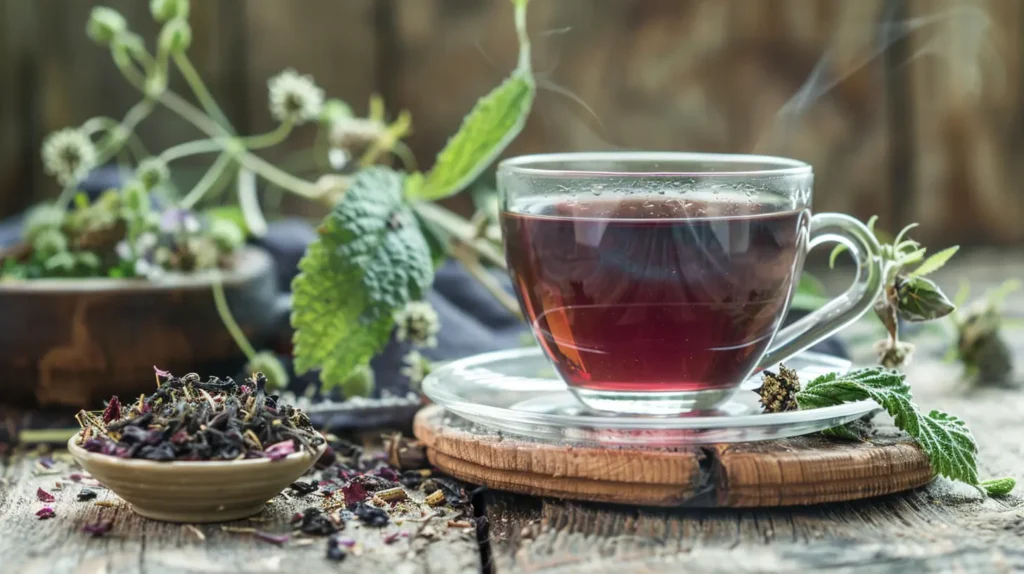
Bilberry and Nettle Nourishing Tea
A gentle internal herbal tea traditionally used to support eye health through nourishment and circulation. Shop These Herbs Bilberry Dry

Cooling Cucumber and Aloe Eye Gel
A refreshing topical preparation combining cooling botanicals to support hydration and comfort around the eyes. Shop What You Need Aloe
Eyebright Herbal Eye Wash
A traditional herbal preparation using eyebright to gently refresh and support eye comfort. Shop Eyebright Herb Eyebright Dry Rated 0

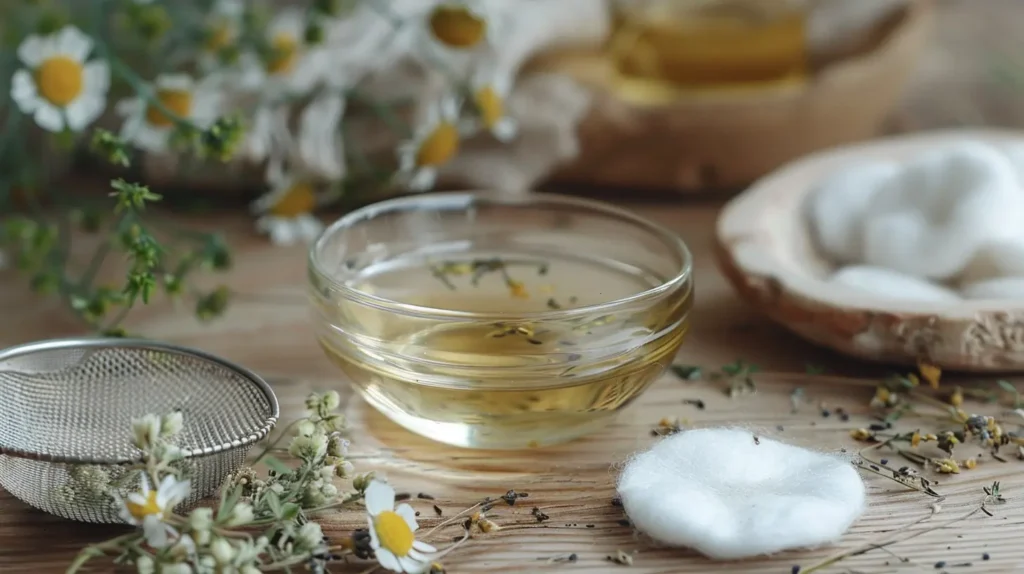
Chamomile Eye Compress
A gentle, traditional herbal compress used to soothe tired, irritated eyes and support comfort after long screen exposure. Shop Herb
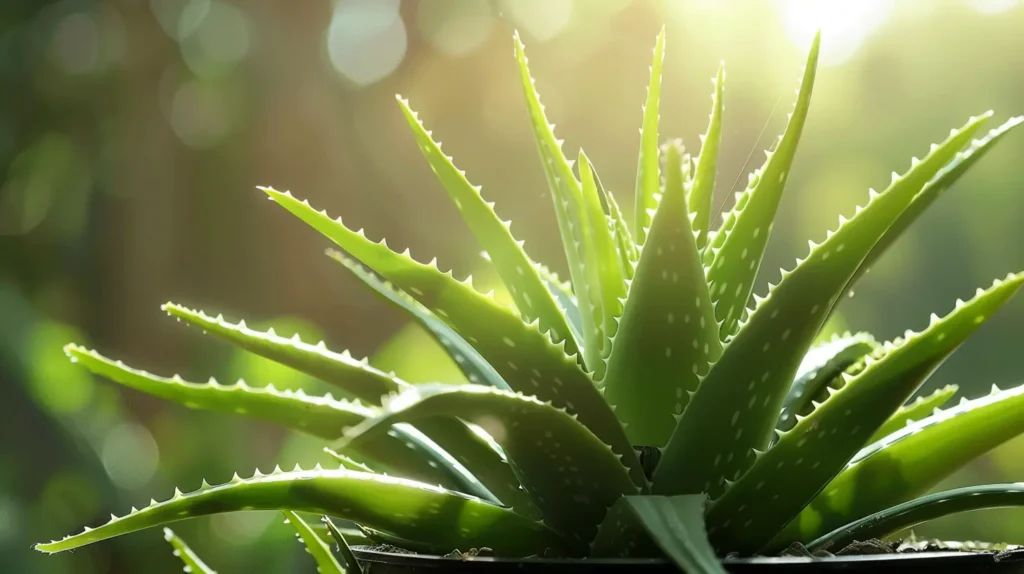
Aloe Vera
Aloe Vera: Soothing Support Aloe vera is a classic herbal ally known for its cooling, moistening effect on irritated tissues.
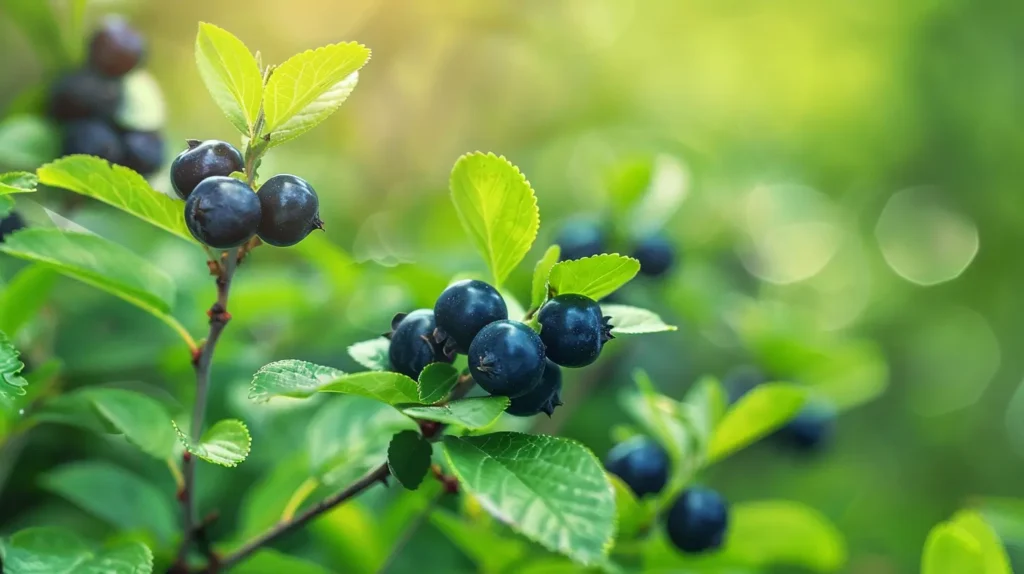
Bilberry
Bilberry: Herbal Support for Vision and Microcirculation Bilberry is a deeply pigmented berry long associated with visual clarity and vascular
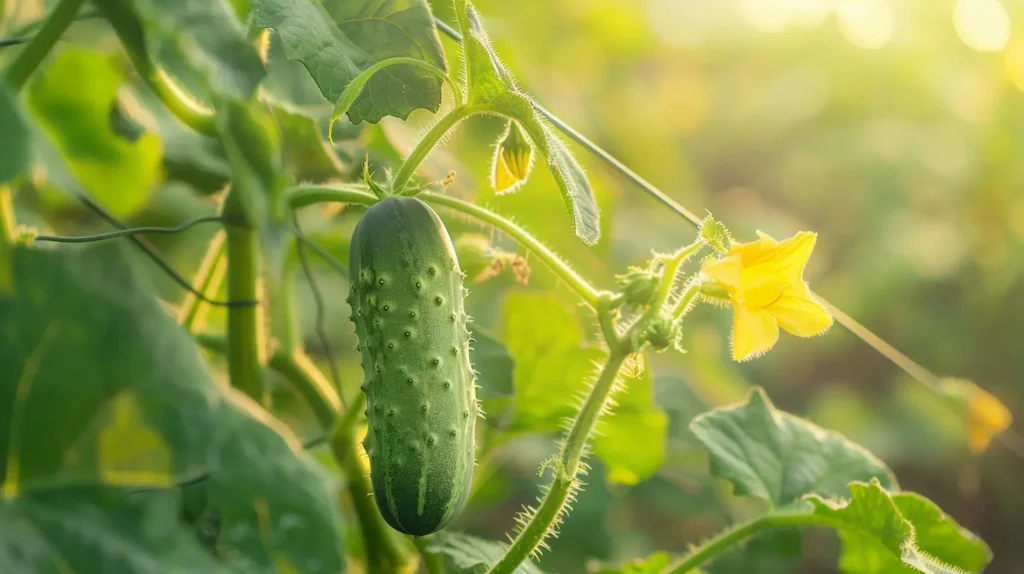
Cucumber
Cucumber : Cooling Herbal Support for Hydration Cucumber is a simple but deeply effective plant ally, known for its cooling
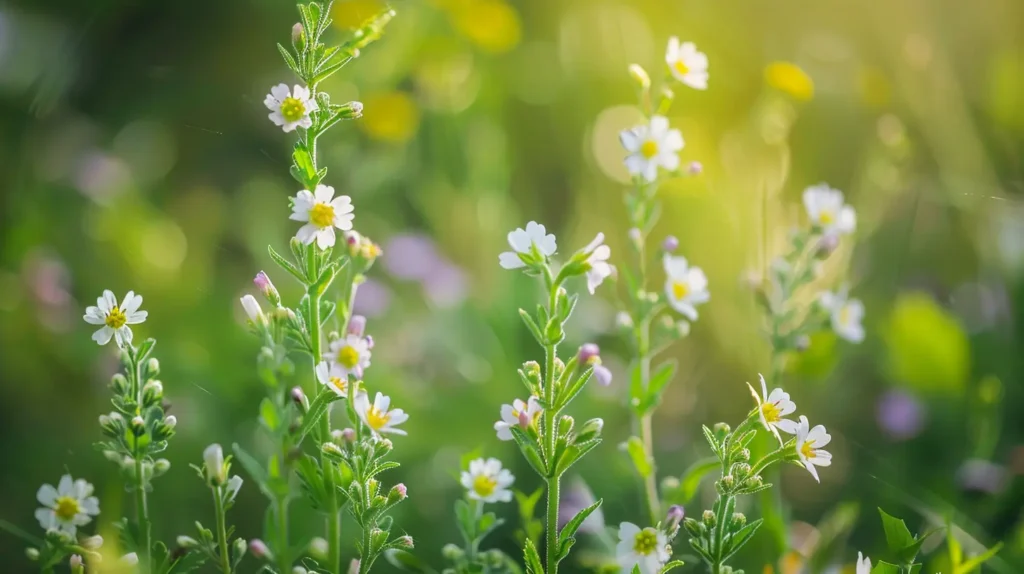
Eyebright
Eyebright: Traditional Eye Support Eyebright has long been valued for its close relationship with the eyes, particularly in soothing and

Eye Dryness and Irritation: Herbal Support for Natural Comfort
Eye Dryness and Irritation: A Gentle Herbal Approach to Comfortable, Clear Vision You know the feeling—your eyes start to sting
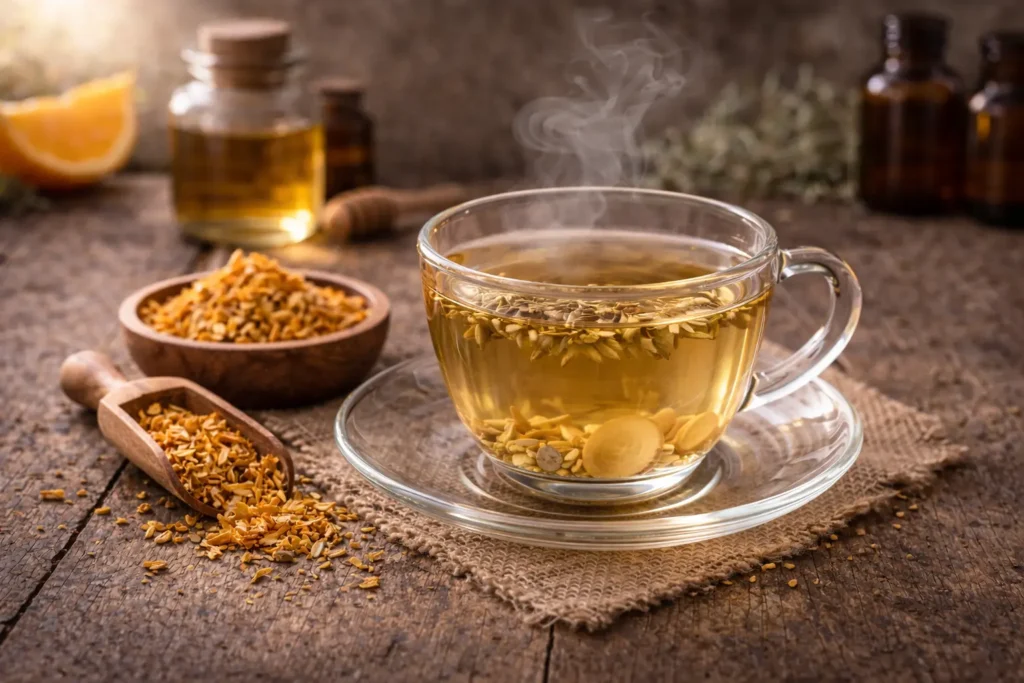
Chamomile & Orange Peel Gentle Digestive Tea
This combination pairs a mild digestive tonic with a gentle aromatic bitter. Chamomile supports digestive calm and tone, while orange
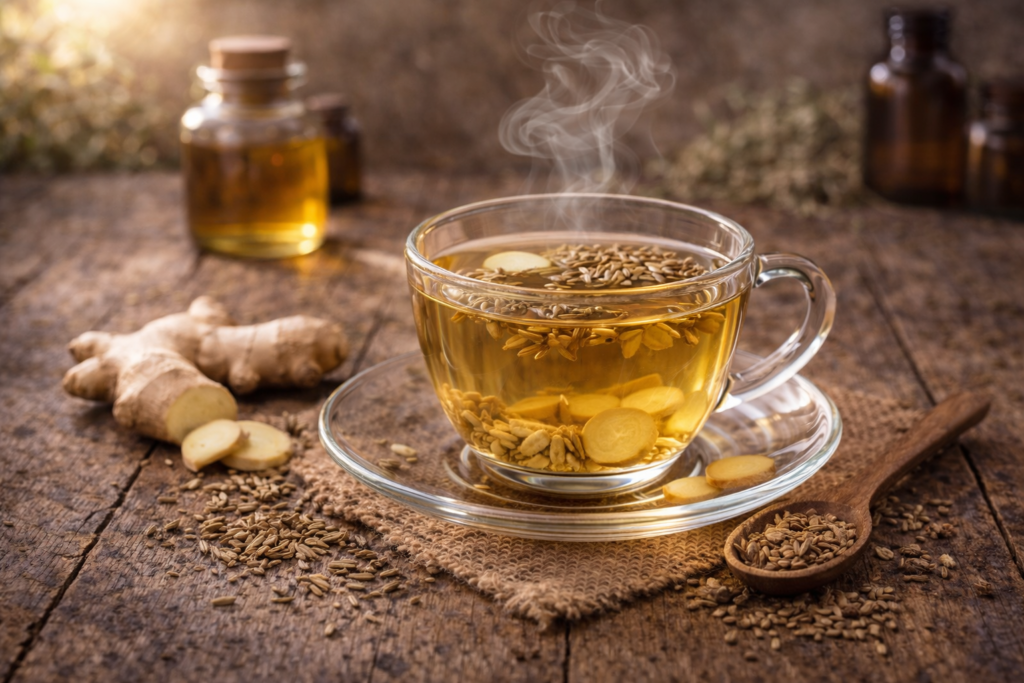
Ginger & Fennel Warming Digestive Tea
Warming carminatives are traditionally used when digestion feels cool, sluggish, and underpowered. Ginger encourages gentle warmth and circulation, while fennel
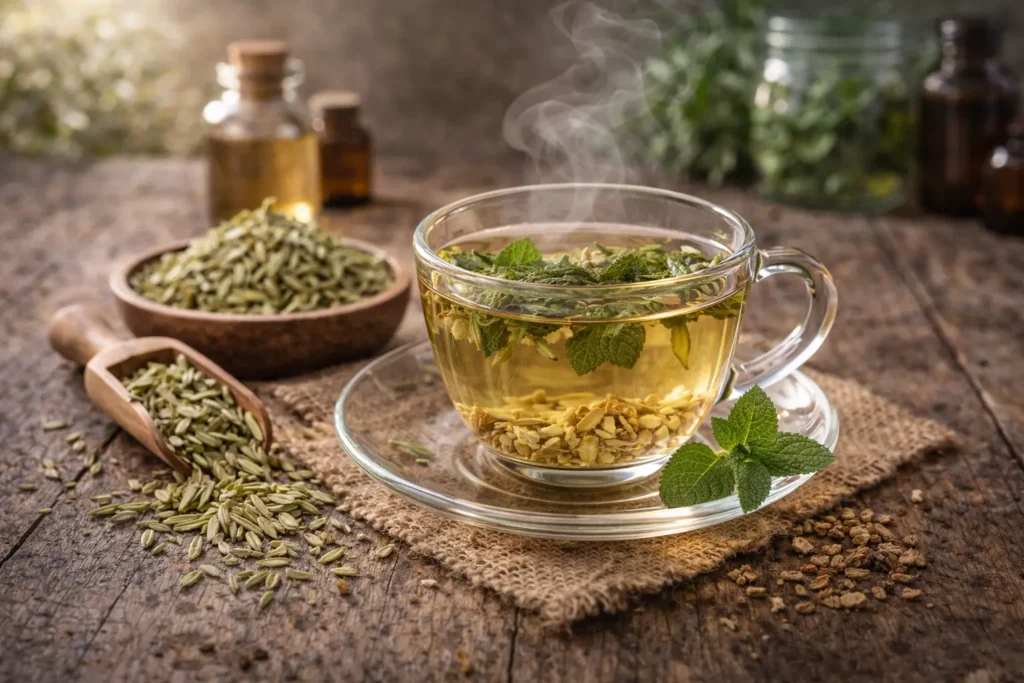
Oat Tops & Lemon Balm Nourishing Infusion
When digestive depletion is linked to overall fatigue or nervous exhaustion, herbalists often combine nutritive herbs with gentle nervines. Oat
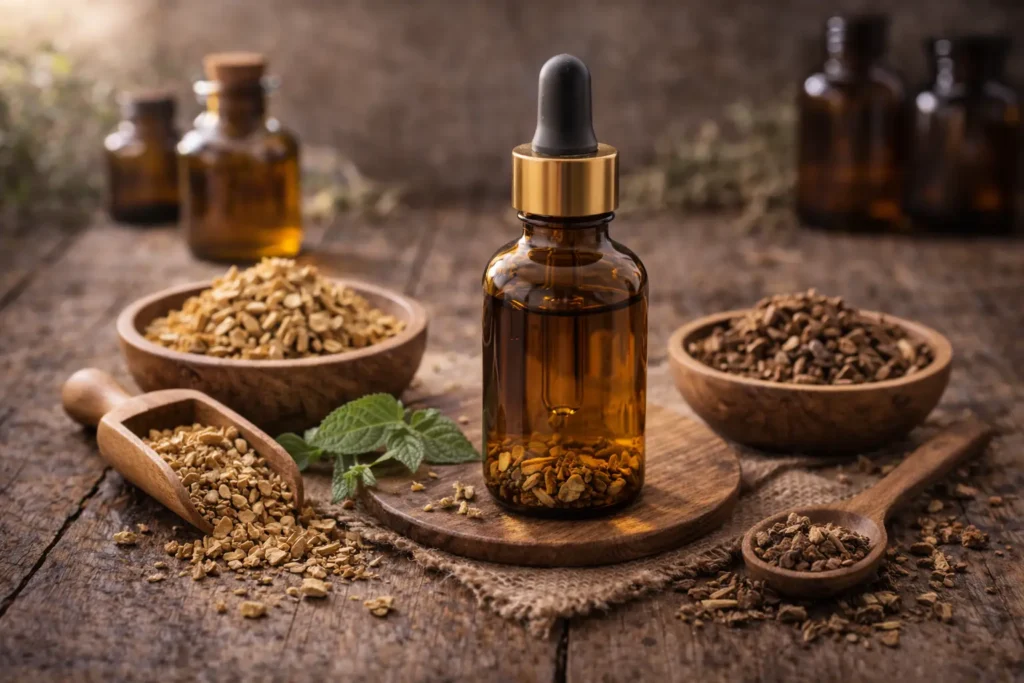
Gentian & Dandelion Restorative Bitter Tonic
Bitters have long been used in Western herbalism to encourage digestive readiness and strengthen appetite. When digestion feels depleted rather
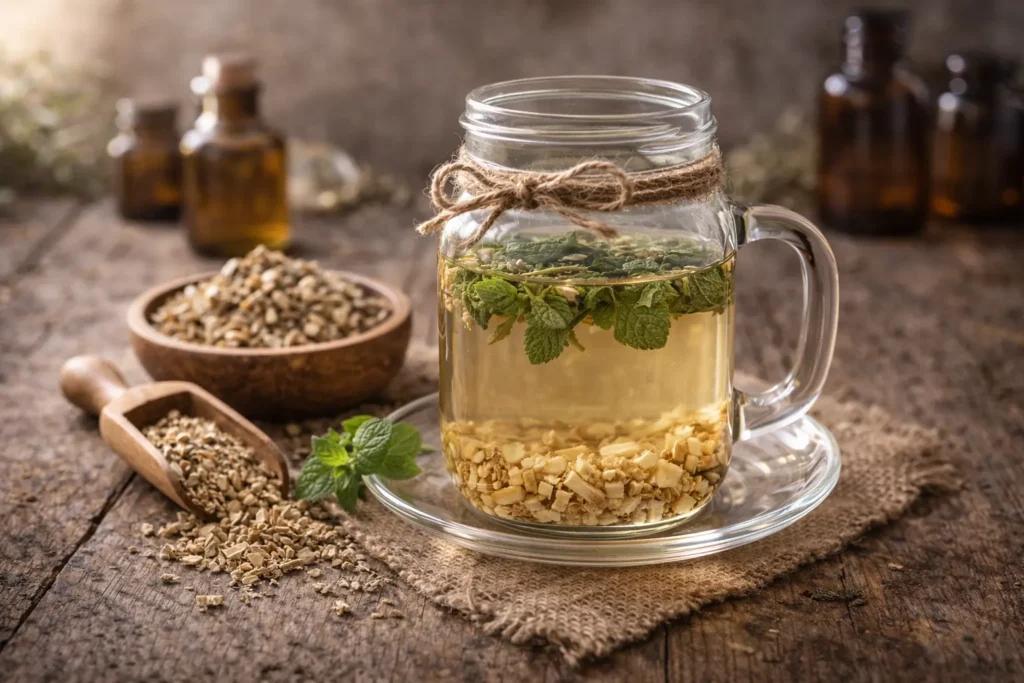
Marshmallow & Lemon Balm Cooling Blend
When inflammation and stress overlap, combining a demulcent with a gentle nervine is a traditional approach. Marshmallow supports tissue comfort,
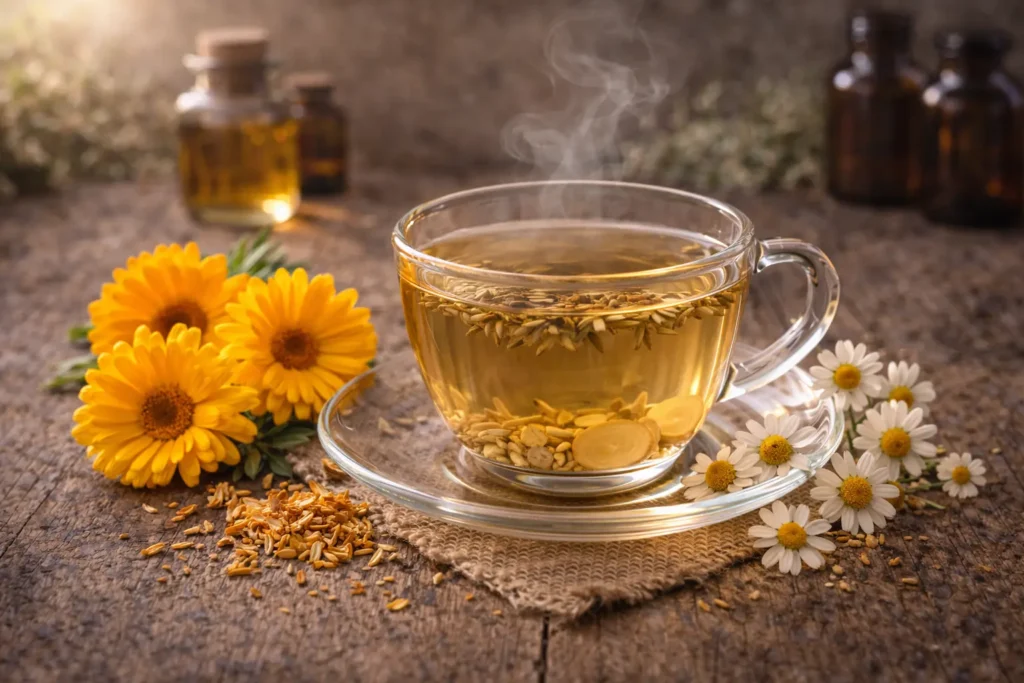
Calendula & Chamomile Gentle Digestive Tea
Calendula and chamomile have long histories of use for soothing irritated tissues. Calendula is traditionally associated with tissue integrity, while
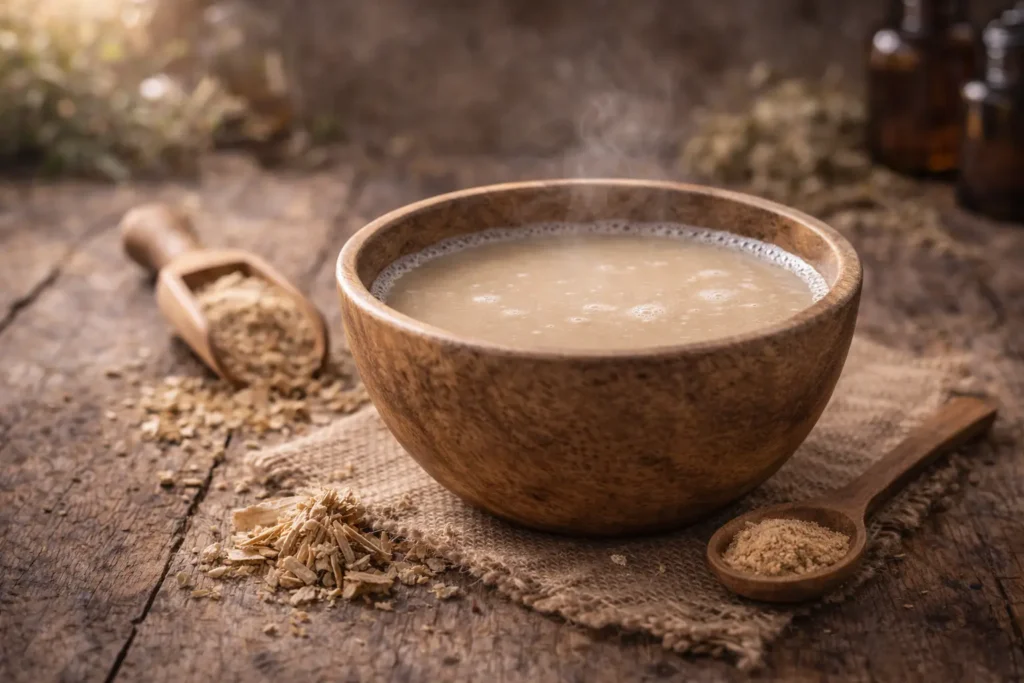
Slippery Elm Nourishing Digestive Drink
Slippery elm bark has traditionally been prepared as a simple nourishing drink. Its mucilage forms a soothing layer that supports
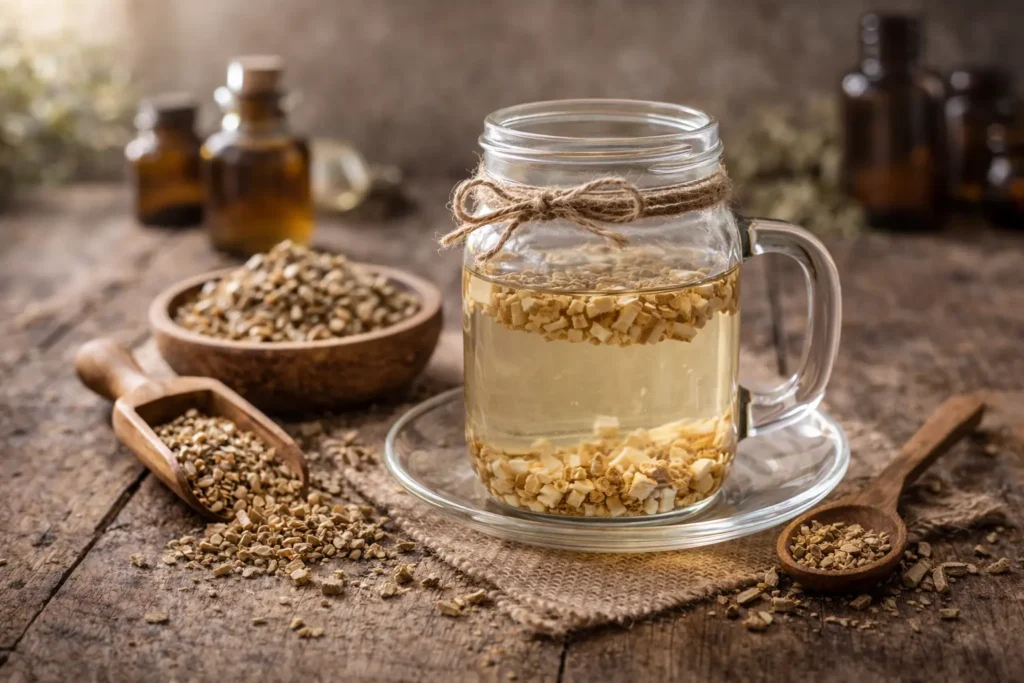
Marshmallow Root Soothing Cold Infusion
Marshmallow root has long been valued in Western herbalism for its rich mucilage content. Traditionally, it was prepared as a
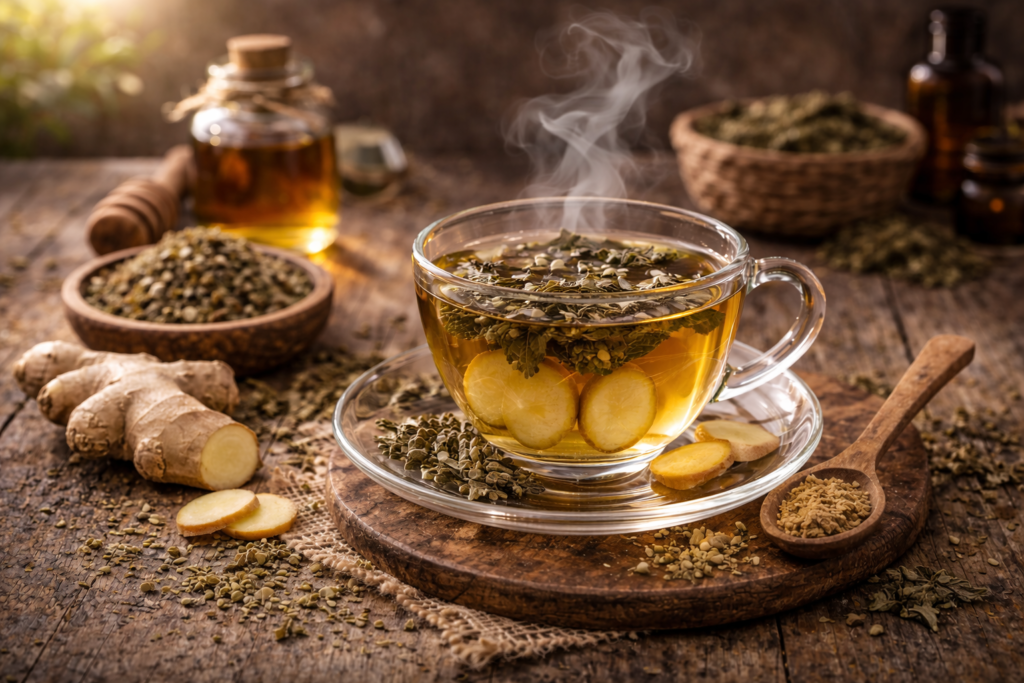
Ginger & Peppermint Warming Comfort Tea
This traditional combination blends warmth and relaxation. Ginger encourages gentle circulation and coordinated digestive movement, while peppermint supports smooth muscle
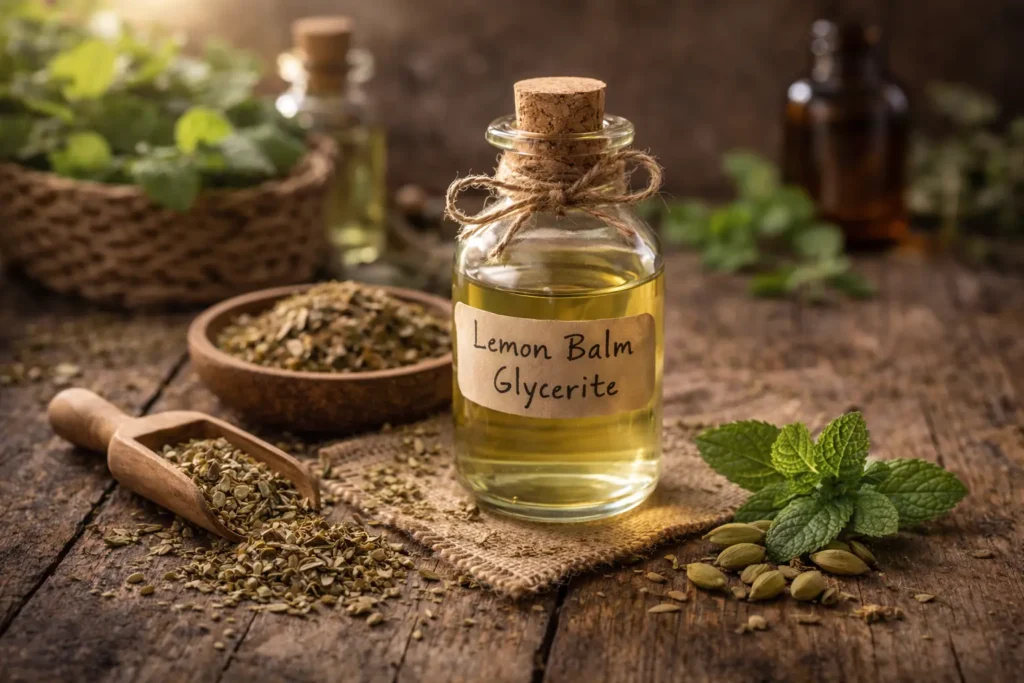
Lemon Balm Digestive Calm Glycerite
When digestive constriction mirrors emotional tension, nervine herbs are often used. Lemon balm has long been valued for calming both
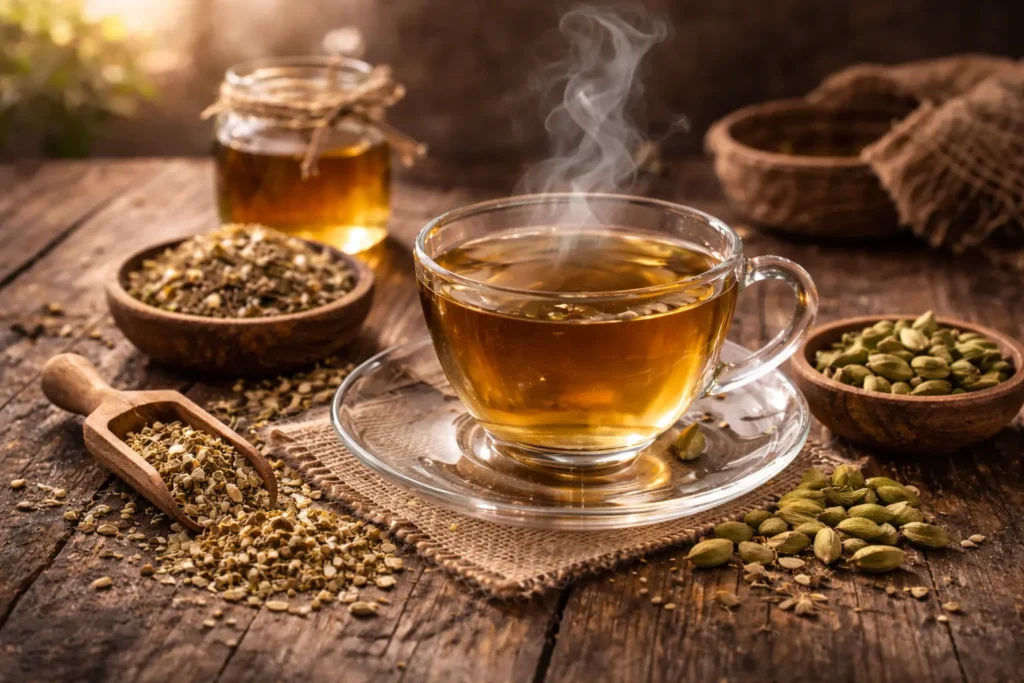
Fennel & Cardamom Gentle Carminative Tea
Aromatic seeds have traditionally been used to ease gripping sensations and support coordinated digestive movement. Fennel and cardamom both contain
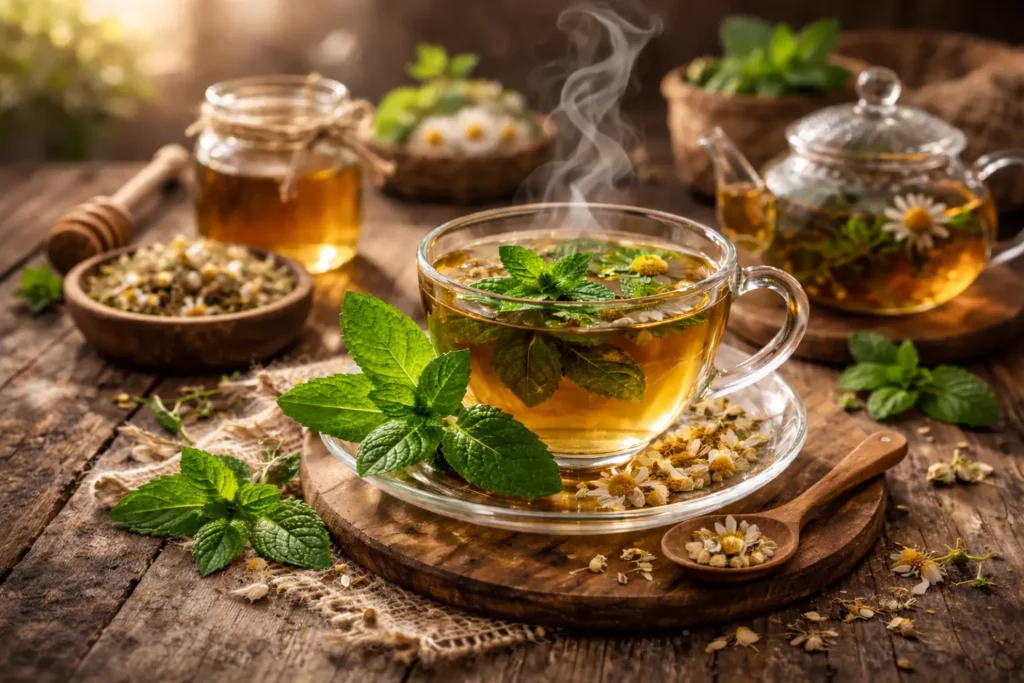
Peppermint & Chamomile Relaxing Digestive Tea
When digestion feels tight, crampy, or reactive, herbalists often begin with aromatic and gently calming herbs. Peppermint has a long
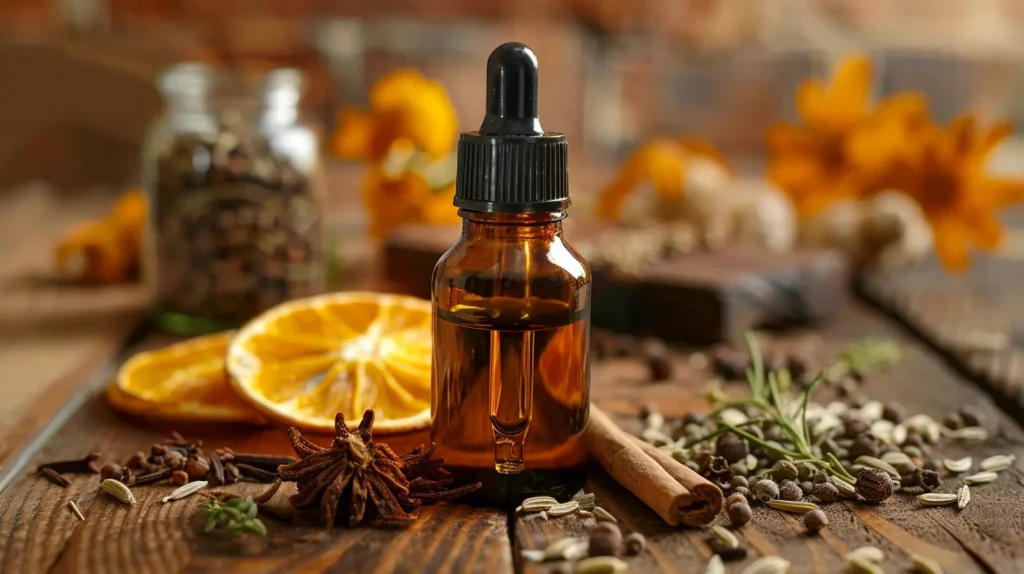
Gentle Bitter & Aromatic Digestive Extract
This traditional extract combines a mild bitter with aromatic herbs to support digestive tone and environment. Bitters such as gentian
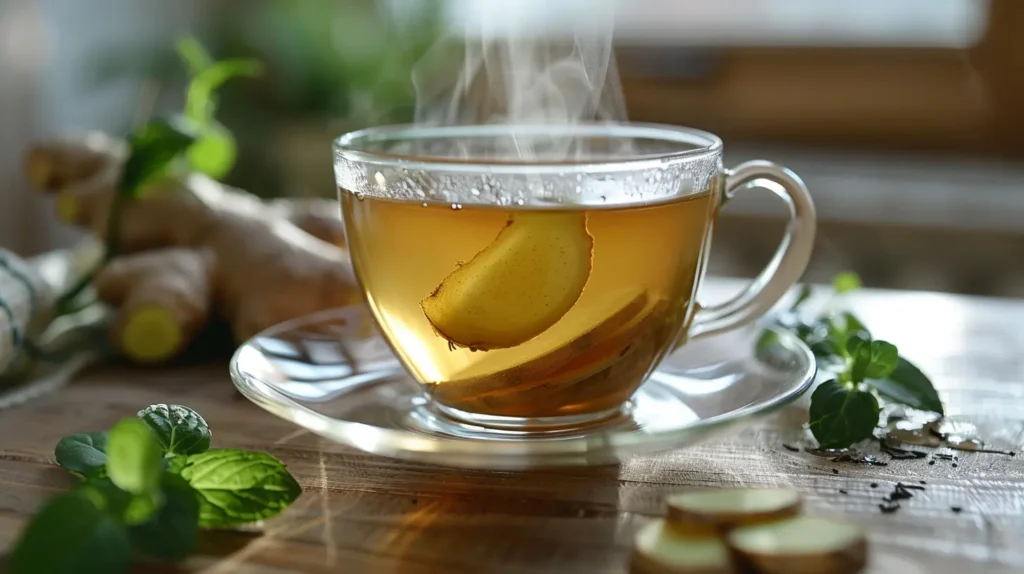
Lemon Balm & Ginger Warming Infusion
When microbial imbalance is accompanied by bloating and irregular movement, aromatic herbs are often used to restore coordinated motility. Lemon
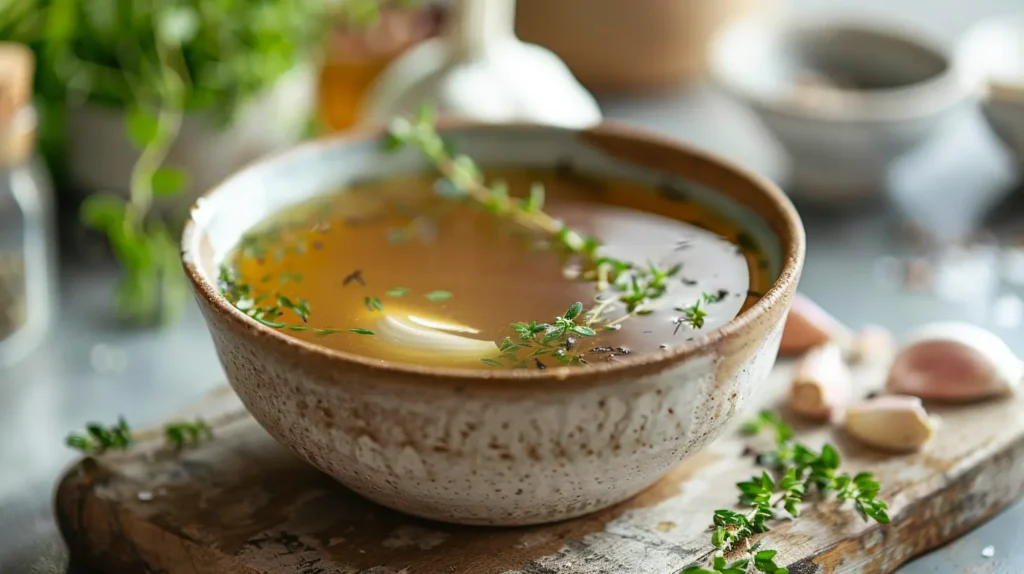
Garlic & Thyme Traditional Digestive Broth
Garlic and thyme have long culinary and herbal histories in supporting digestive vitality. Rather than isolating microbes, traditional practice often
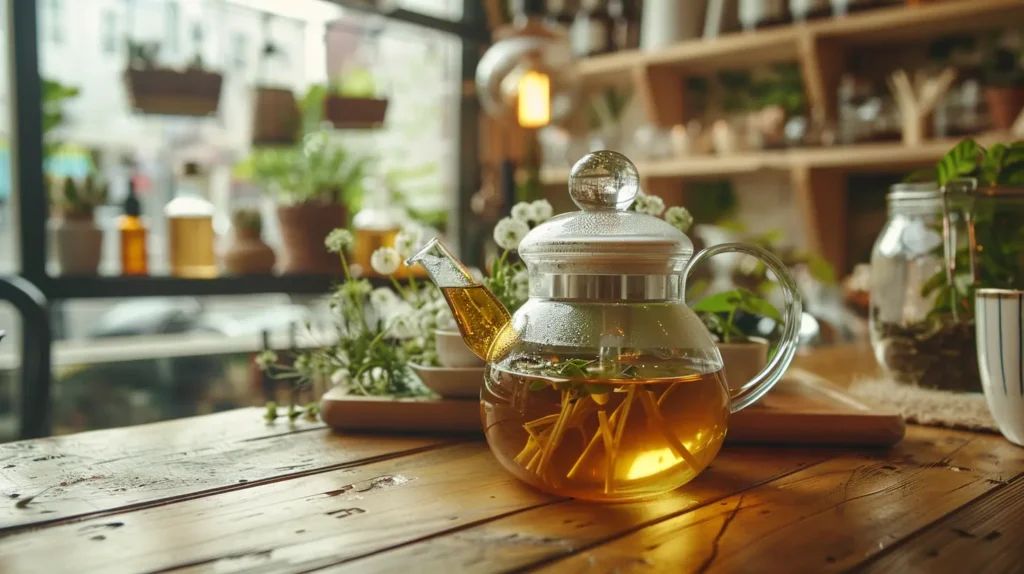
Dandelion & Fennel Digestive Balance Tea
This traditional herbal tea reflects a classic Western approach to digestive ecology: support proper secretion, encourage coordinated movement, and create
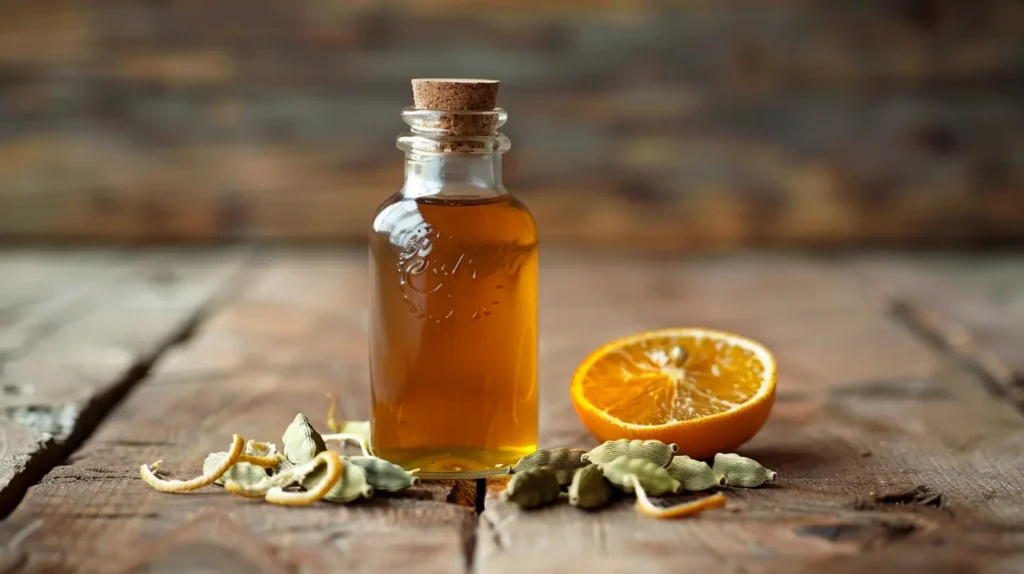
Cardamom & Orange Peel Digestive Syrup
This aromatic syrup was traditionally prepared to gently ease digestive spasm and support comfort after meals.This syrup supports smooth digestive
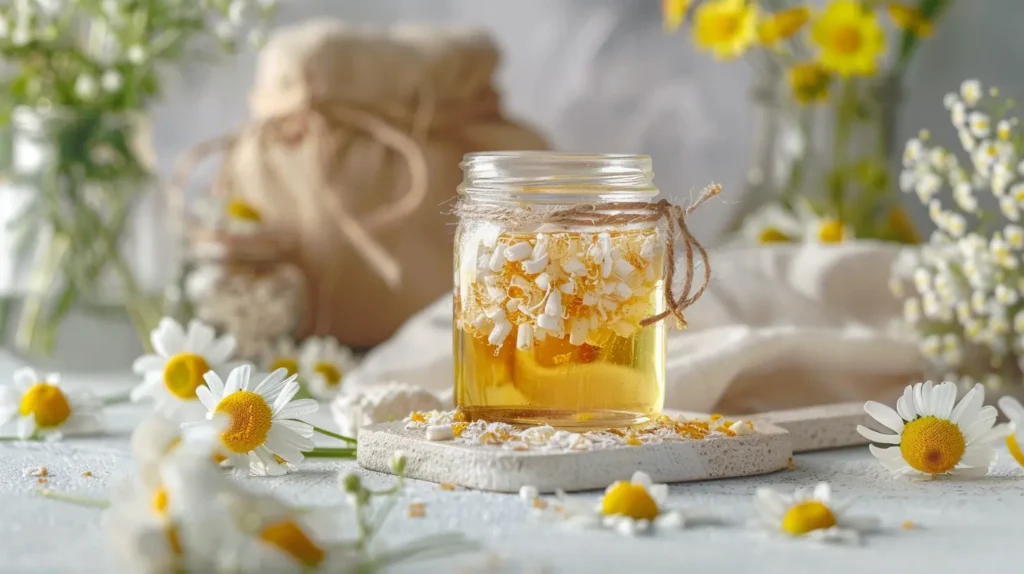
Marshmallow & Chamomile Gentle Infusion
Demulcent and aromatic herbs are frequently combined when digestive tissue feels irritated.This preparation supports soothing hydration and calm digestive tone.
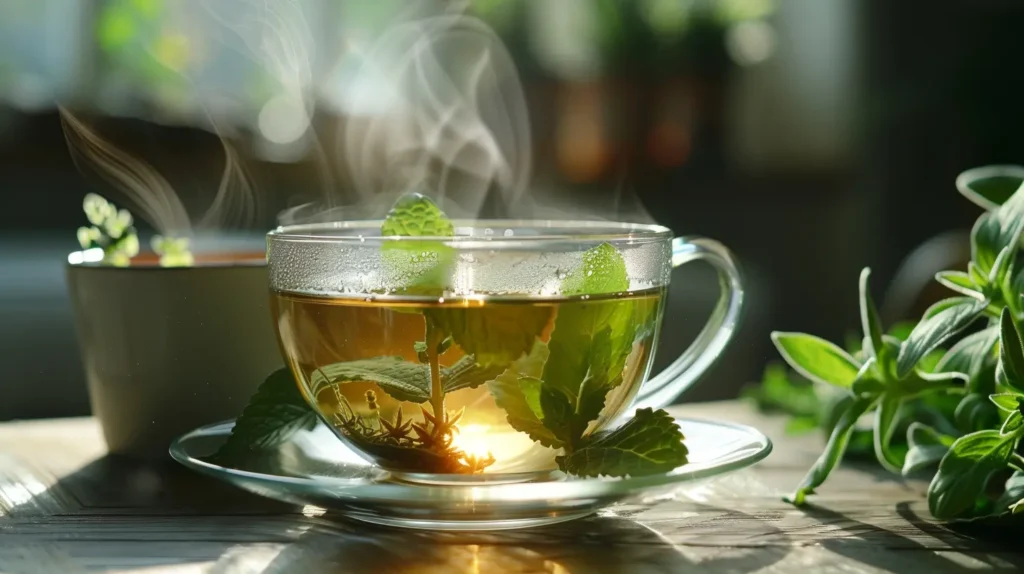
Peppermint & Fennel Soothing Tea
Peppermint and fennel are classic carminative herbs traditionally used to ease digestive spasm and excess activity.This tea gently supports coordinated

Orange Peel
Orange Peel: Aromatic Bitter for Digestive Movement and Gentle Circulatory Support Orange peel is one of those humble kitchen ingredients
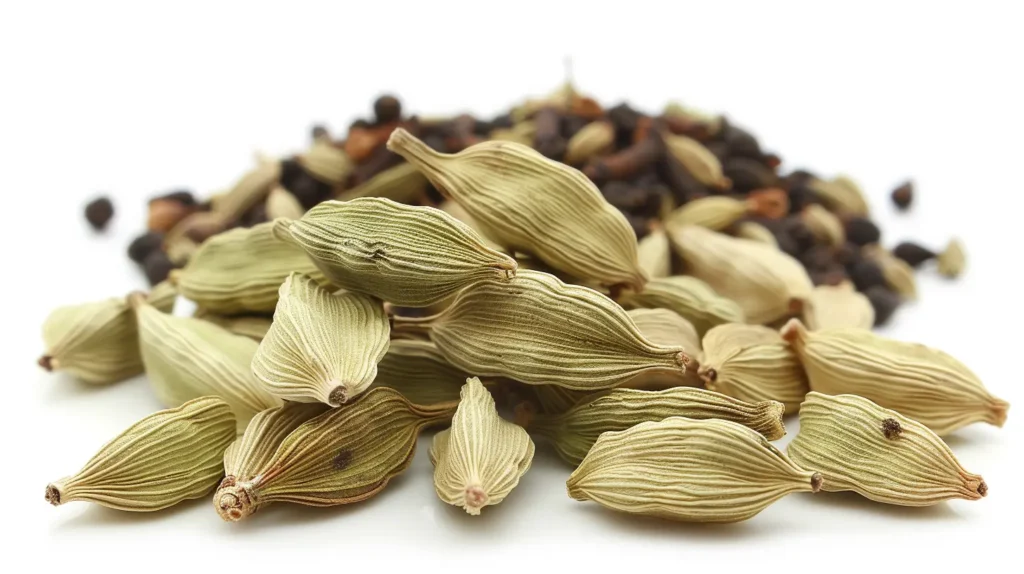
Cardamom
Cardamom: Aromatic Carminative for Digestive Comfort and Circulatory Warmth Cardamom is a fragrant warming seed long valued in both culinary
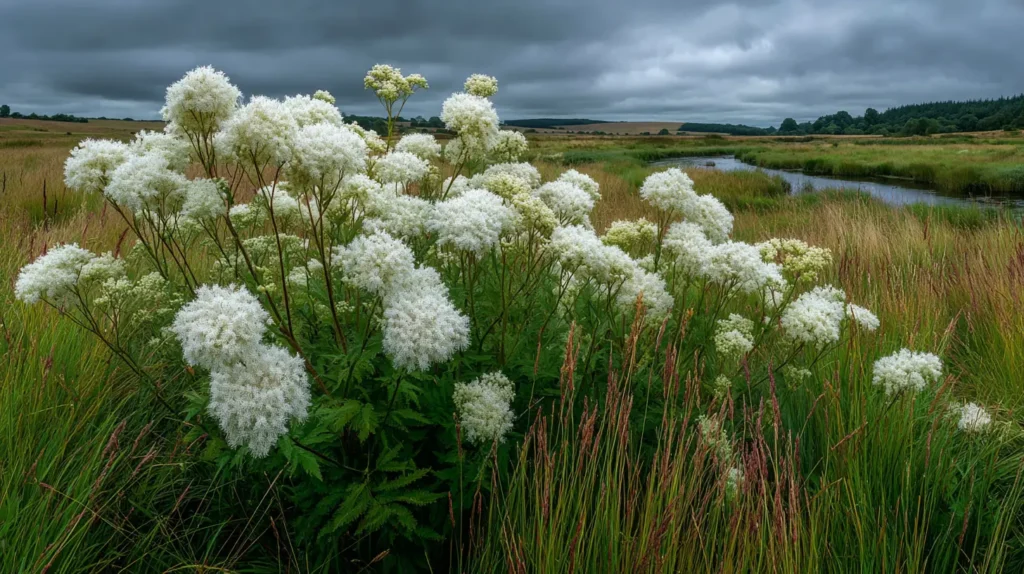
Meadowsweet
Meadowsweet: Traditional Soothing Herb for Digestive and Tissue Support Meadowsweet is a classic European herb traditionally used to support digestive

Slippery Elm
Slippery Elm: Traditional Demulcent for Digestive and Mucosal Support Slippery elm is one of the classic soothing herbs of Western
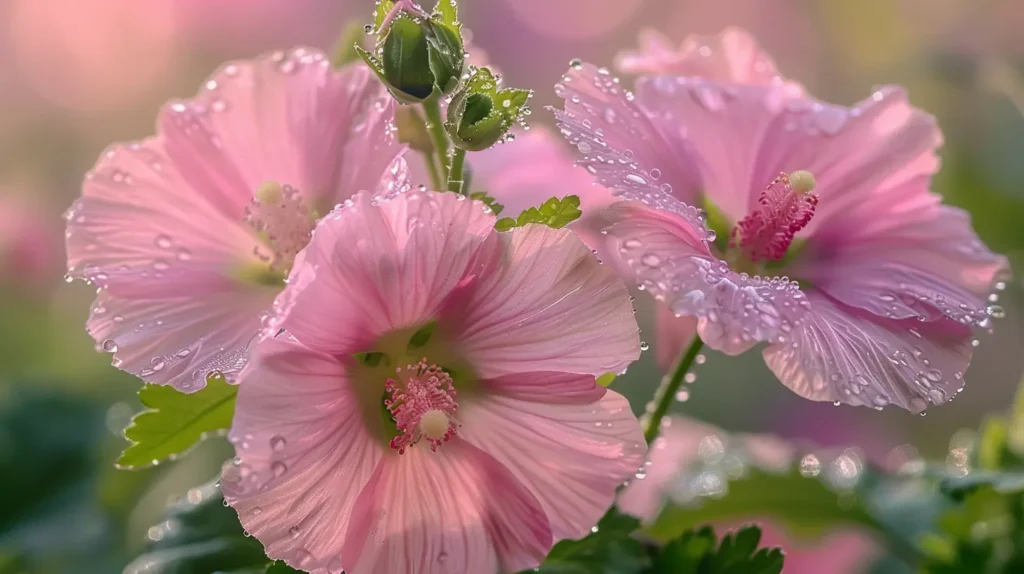
Marshmallow Root
Marshmallow Root: Traditional Demulcent for Digestive and Mucosal Support Marshmallow root is one of Western herbalism’s most trusted soothing herbs,
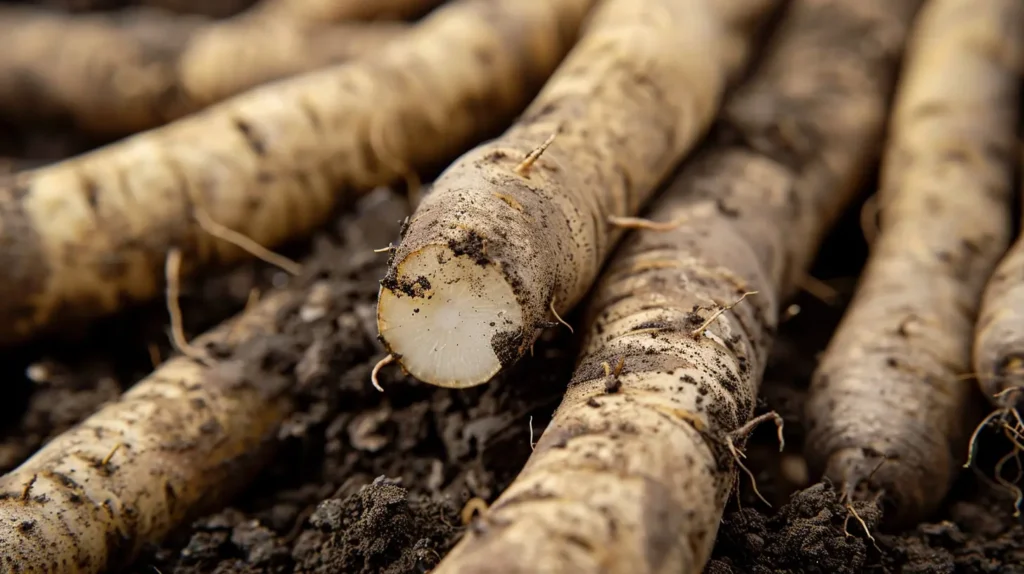
Gentian Root
Gentian Root: Traditional Bitter for Digestive Tone and Appetite Support Gentian root is one of the most respected bitter herbs

Weak Digestive Tone or Depletion
Weak Digestive Tone or Depletion: Herbal Support for a Tired Gut Sometimes digestion does not feel irritated or tight. It
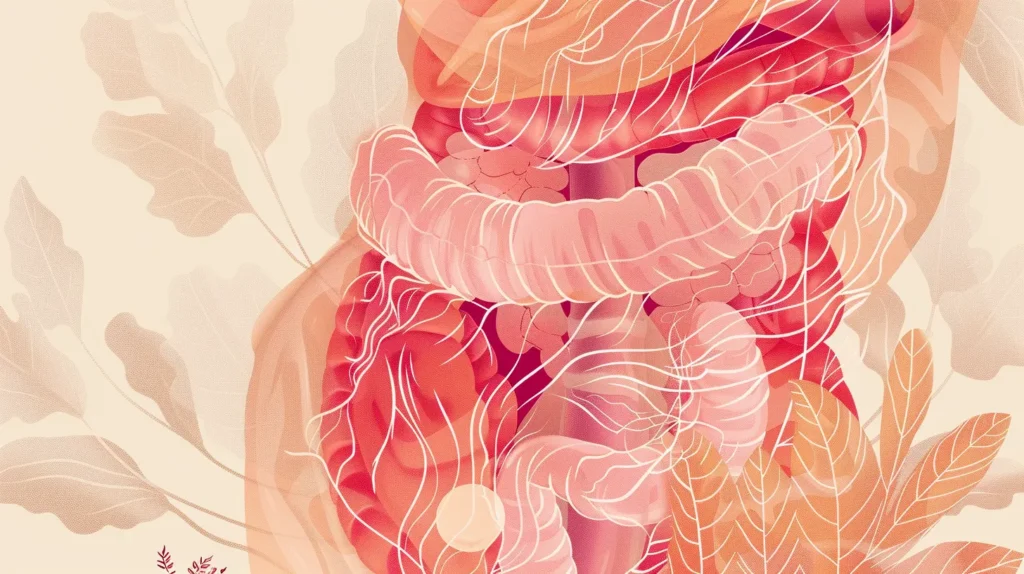
Inflammation and Sensitivity in the Digestive System
Inflammation and Sensitivity in the Digestive System There is a particular kind of digestive discomfort that feels tender rather than

Tension or Constriction of the Digestive System
Tension or Constriction of the Digestive System: Herbal Support for a Tight, Reactive Gut There is a particular kind of

Microbial Imbalance of the Digestive System
Microbial Imbalance of the Digestive System There are times when digestion feels unsettled in a way that is hard to

Overactivity or Irritation of the Digestive System
Overactivity or Irritation of the Digestive System: A Gentle Herbal Perspective Some digestive discomfort is quiet and heavy. Other times
Sluggish Digestive Function
Sluggish Digestive Function: A Gentle Herbal Perspective Most of us have experienced it. You finish a perfectly reasonable meal, yet

Stress-Influenced Immune Suppression
Stress-Influenced Immune Suppression: Herbal Perspective on Immune Resilience There are seasons of life when stress feels like background noise. Deadlines,

Seasonal Immune Sensitivity
Seasonal Immune Sensitivity: A Traditional Herbal Approach to Balanced Immune Response There are certain times of year when the body
Post-Illness Recovery and Rebuilding
Post-Illness Recovery and Rebuilding: A Traditional Herbal Approach to Restoring Vitality There is a particular kind of tired that follows

Inflammatory Immune Tendency
Inflammatory Immune Tendency: A Traditional Herbal Perspective on Immune Over-Activation Some immune patterns are quiet and under-responsive. Others are the
Immune Support
Acute Immune Challenge:
Acute Immune Challenge: A Traditional Herbal Perspective on Short-Term Immune Stress Most of us recognize the early signs. A scratchy

Low Immune Resilience
Low Immune Resilience: Understanding the Pattern and Herbal Support Most of us know the feeling. You seem to catch every
Gentle Morning Resilience Tea
Morning herbal teas were traditionally chosen to support steadiness without overstimulation. When stress influenced immune patterns, herbalists favored gentle clarity
Adaptogenic Root Decoction
Roots associated with endurance and steadiness were traditionally used when long-term stress was thought to weaken resilience. Herbalists favored decoctions
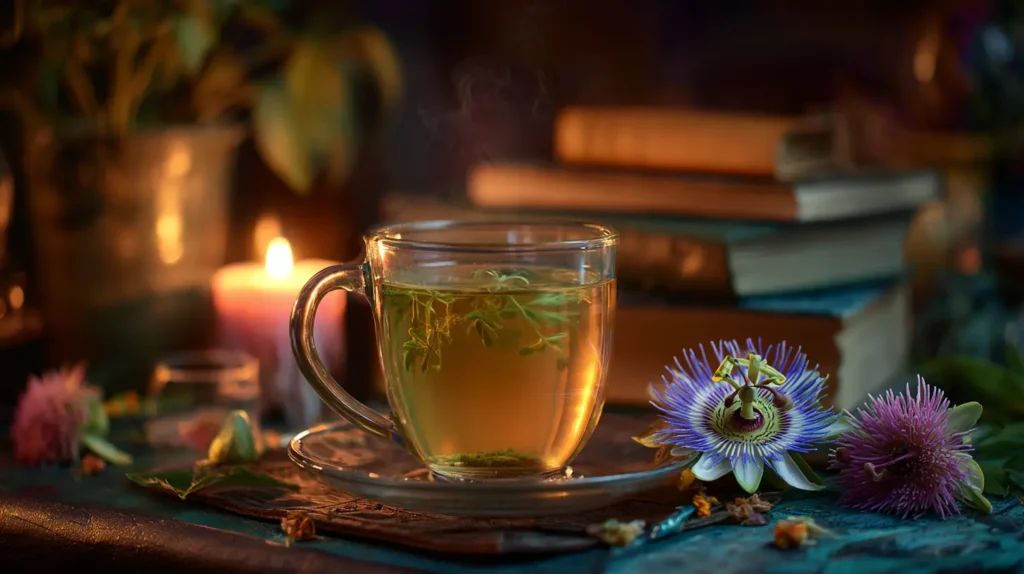
Evening Replenishing Stress Tea
Evening teas were traditionally used to mark the transition from activity to rest. Herbalists often relied on calming plants to
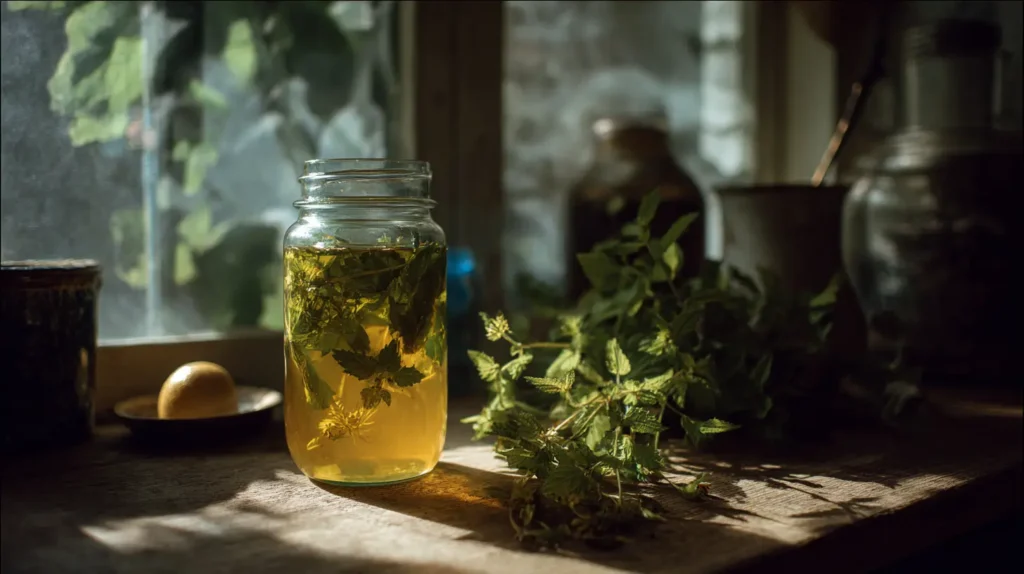
Nervous System Support Infusion
Traditional Western herbalists recognized that prolonged stress could quietly wear down immune resilience by exhausting the nervous system. Rather than
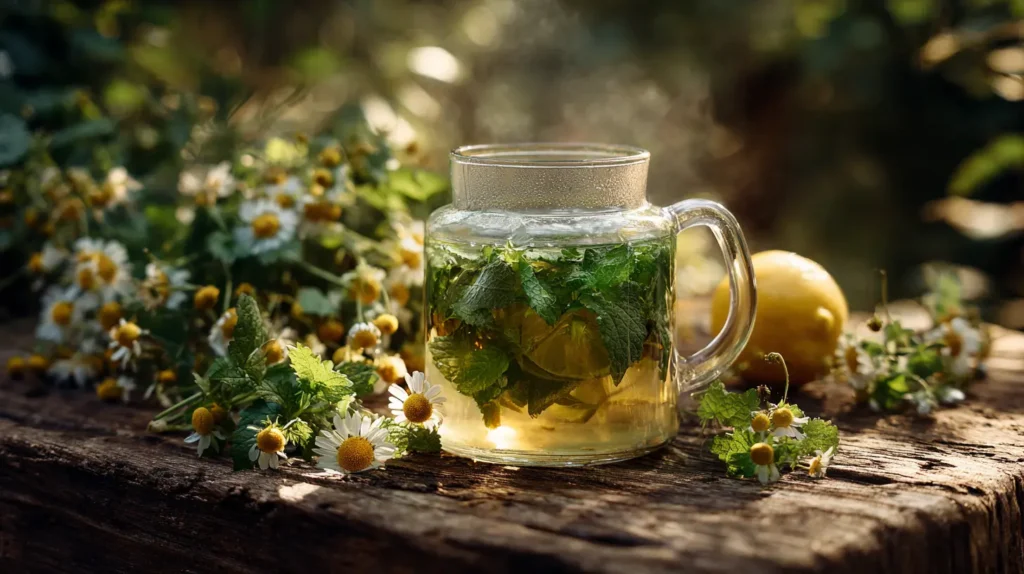
Light Daily Support Infusion
Daily infusions were traditionally favored for ongoing seasonal patterns. Herbalists emphasized simplicity and consistency.This infusion supports seasonal immune sensitivity through
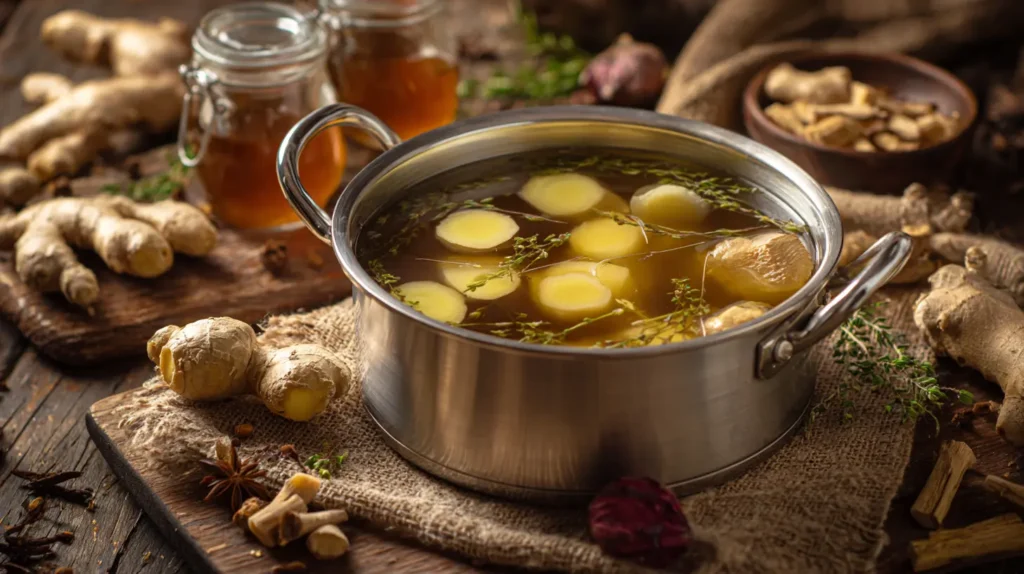
Warming Seasonal Root Decoction
As seasons cooled, herbalists often shifted toward warming roots. Decoctions were traditionally used to help the body adapt to environmental
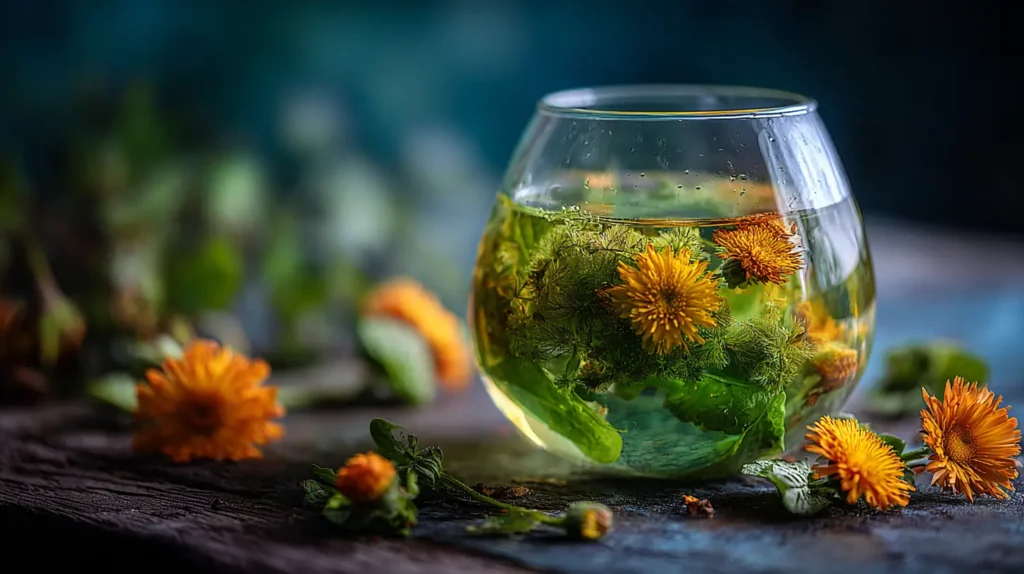
Gentle Lymphatic Infusion
Seasonal sensitivity was traditionally addressed through gentle clearing and movement. Light, leafy herbs were commonly infused rather than simmered.This infusion
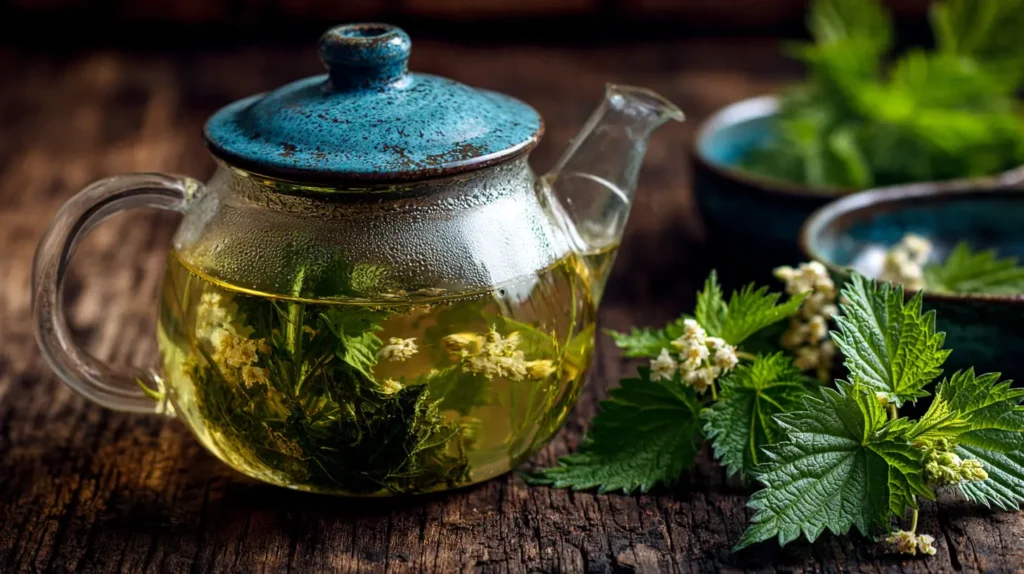
Seasonal Transition Herbal Tea
Western herbalists often prepared gentle teas at seasonal shifts to support adaptability. These blends emphasized mild, balancing herbs rather than

Evening Replenishing Tea
Evening teas have long been used to support rest and recovery. Herbalists recognized rest as central to rebuilding, choosing calming
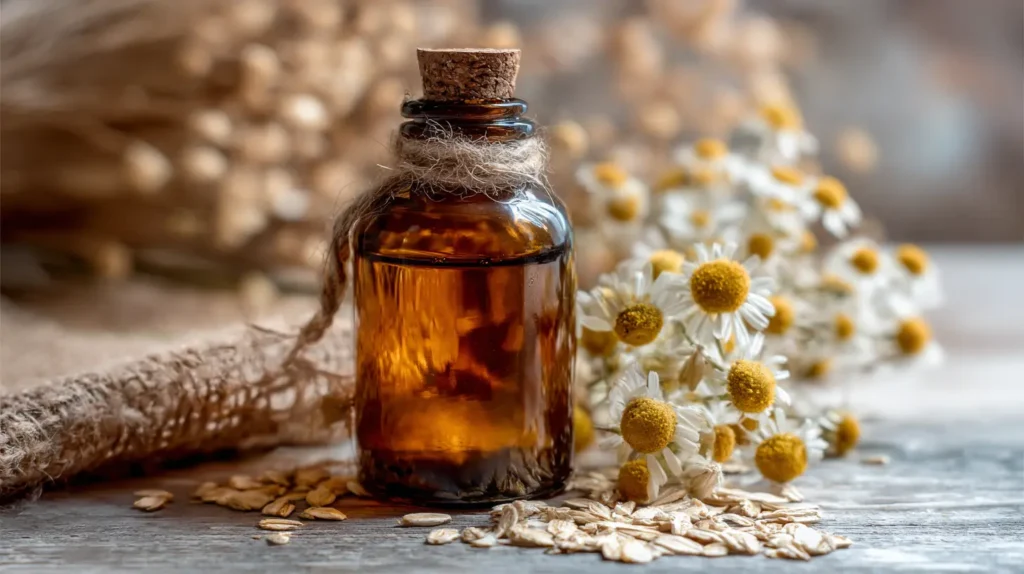
Gentle Rebuilding Herbal Glycerite
Glycerites were traditionally prepared for those needing mild, palatable herbal support. Herbalists often chose this form during recovery when strength
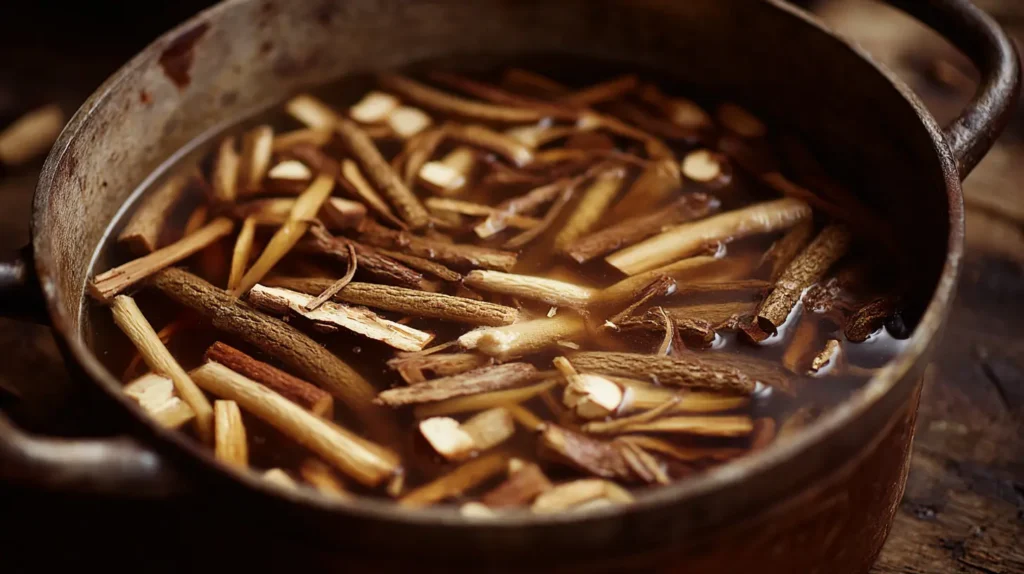
Restorative Root Decoction
Roots were traditionally favored during recovery for their grounding and sustaining qualities. Herbalists often relied on slow decoctions to support
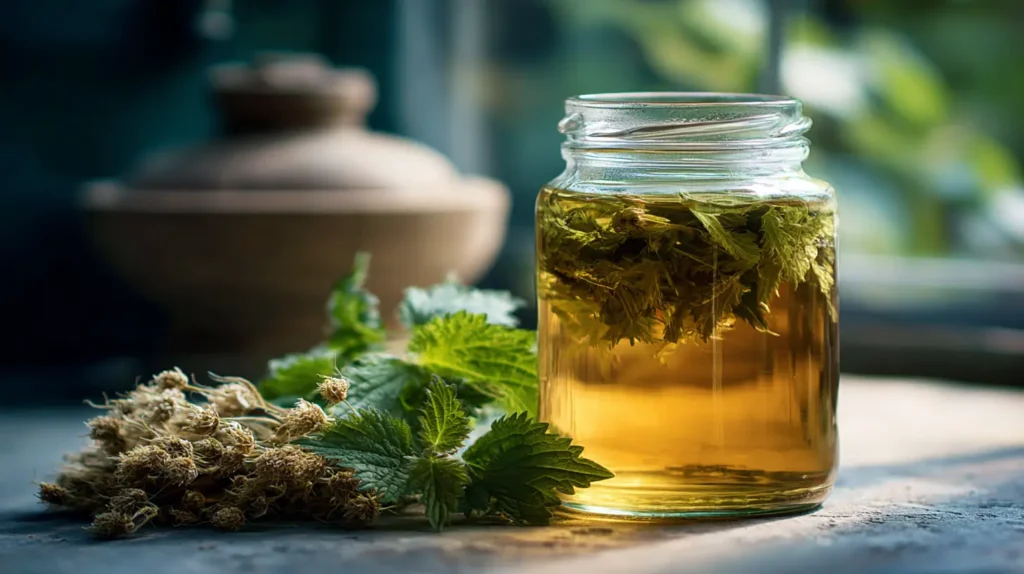
Deep Nourishment Long Infusion
After periods of illness, Western herbalists traditionally emphasized rebuilding rather than stimulation. Long infusions of nourishing plants were commonly used
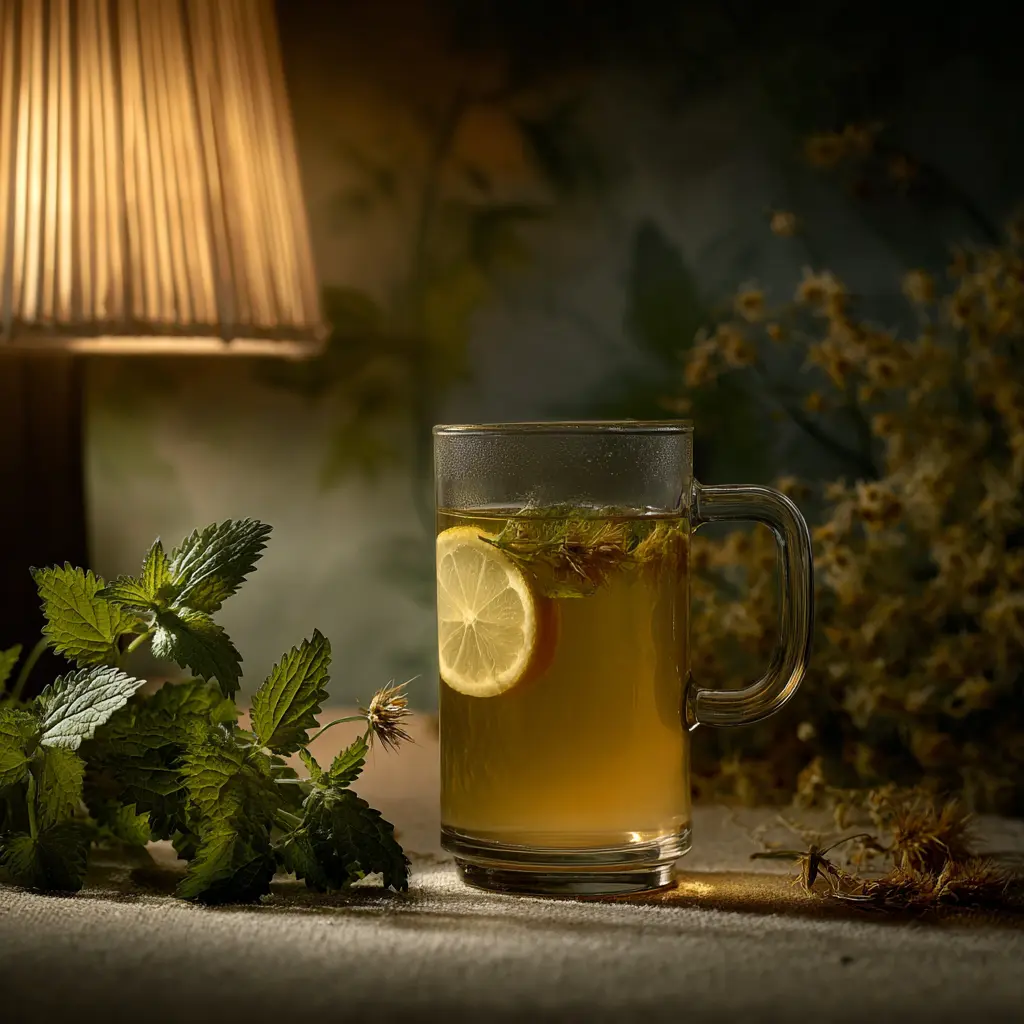
Evening Nervous–Immune Infusion
Western herbalists recognized the close relationship between the nervous system and immune balance. Gentle nervine herbs were often used in
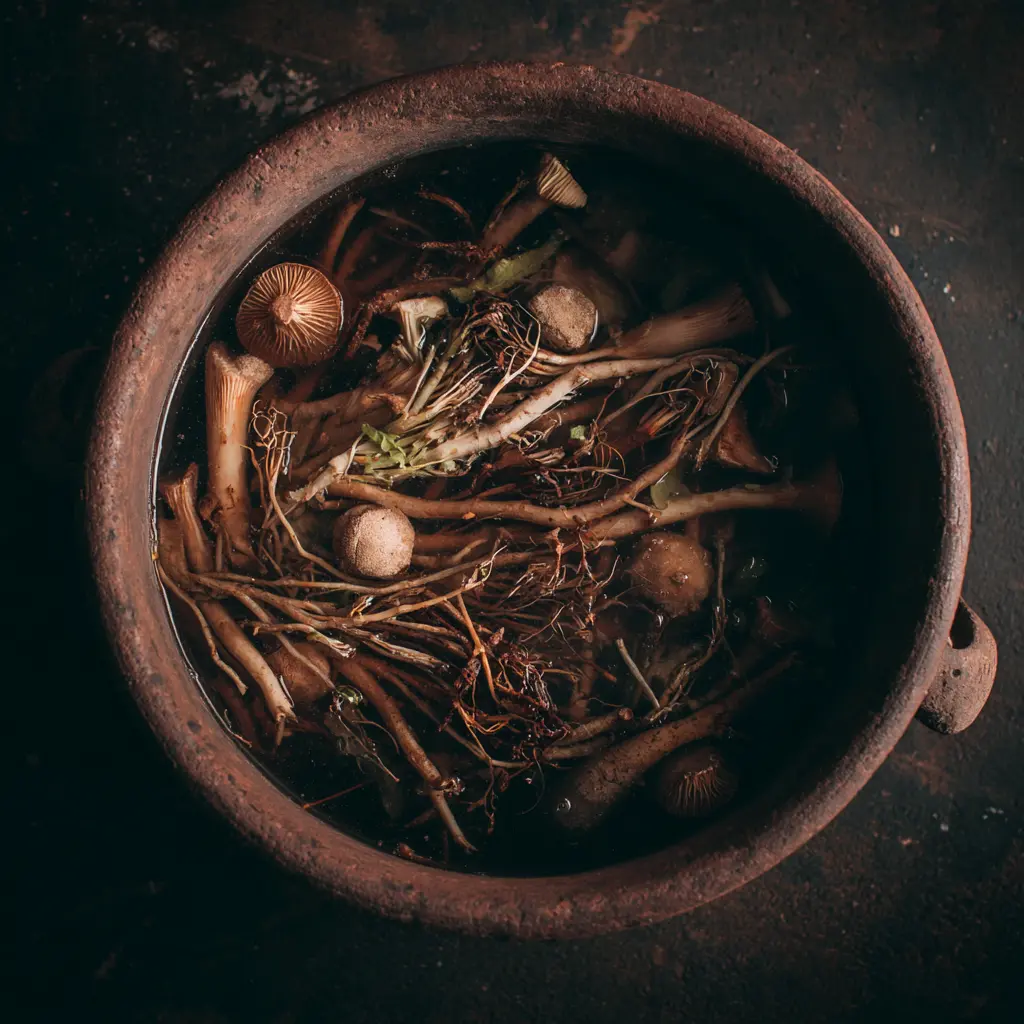
Bitter Root Balancing Decoction
Bitter roots were traditionally used to ground and regulate rather than stimulate. Herbalists often chose these plants when excess or
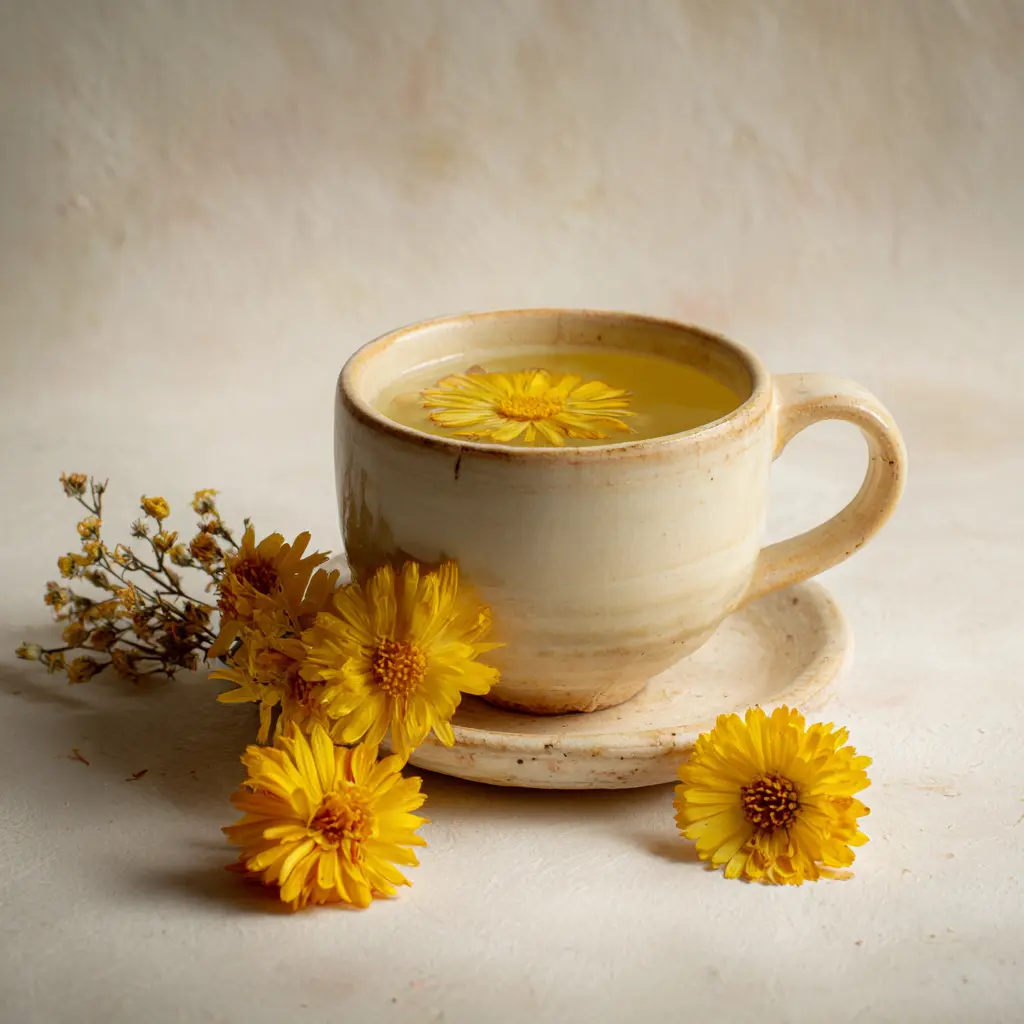
Gentle Floral Immune Tea
Floral herbs have long been associated with soothing and softening qualities in Western herbalism. They were often chosen when tension
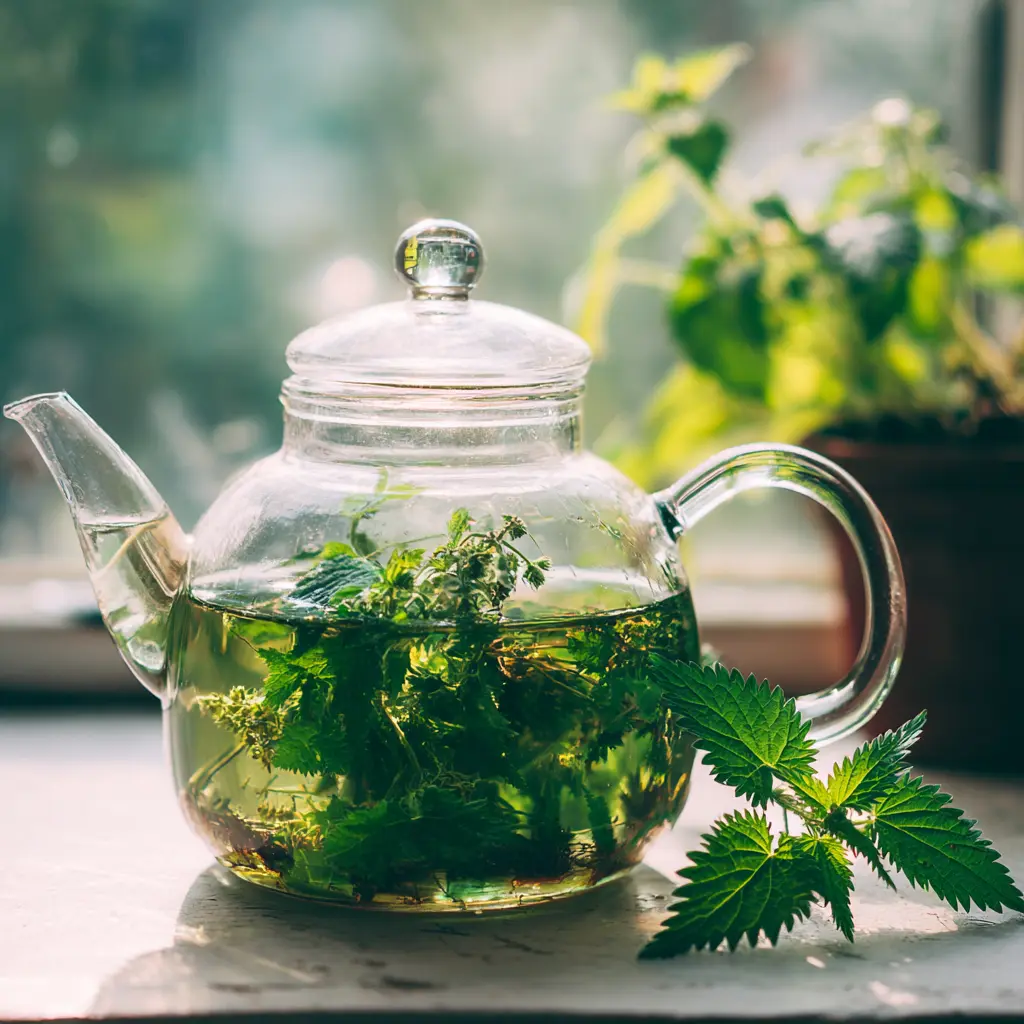
Cooling Green Herbal Infusion
When signs of heat or irritation appeared, Western herbalists often shifted toward cooling, moistening plants. Gentle green herbs were commonly
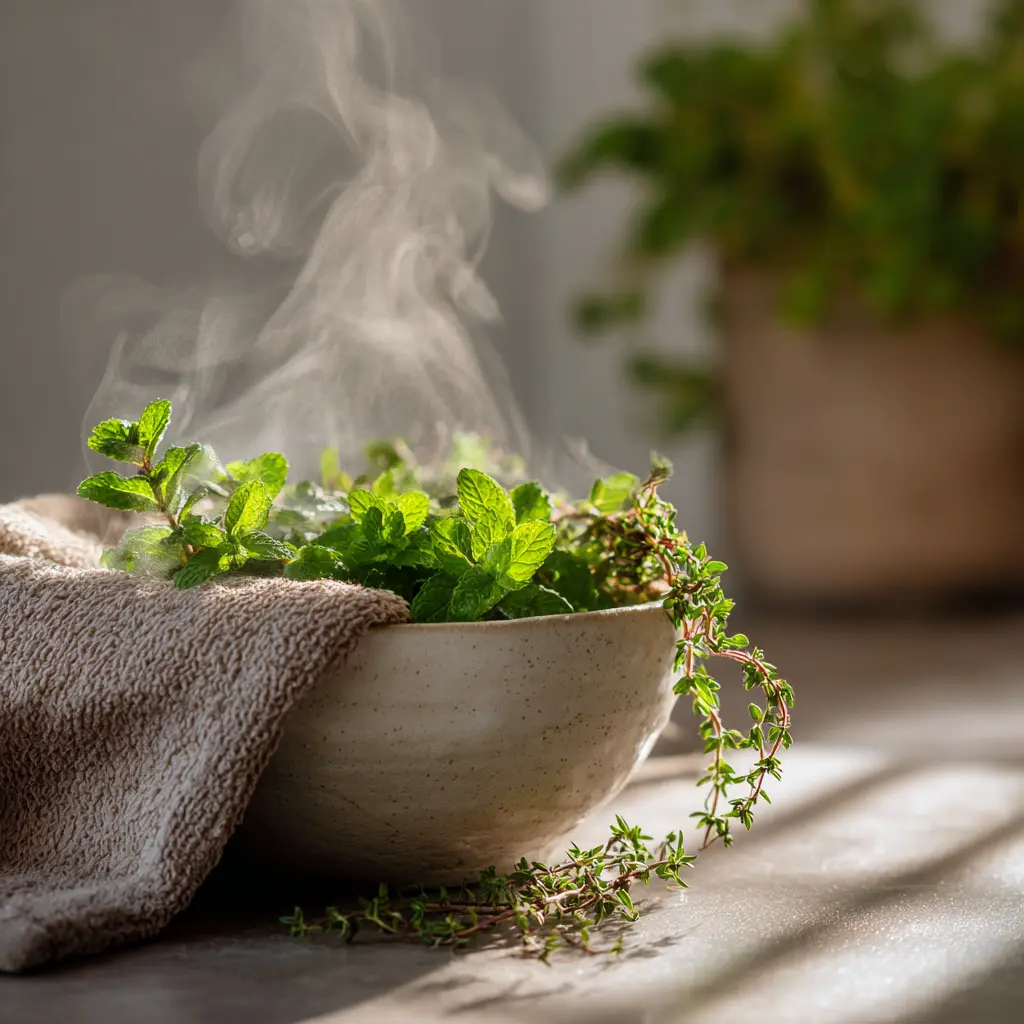
Aromatic Immune Steam Blend
Steam preparations were traditionally used to provide comfort through warmth and aroma during acute immune challenges. Herbalists valued this approach
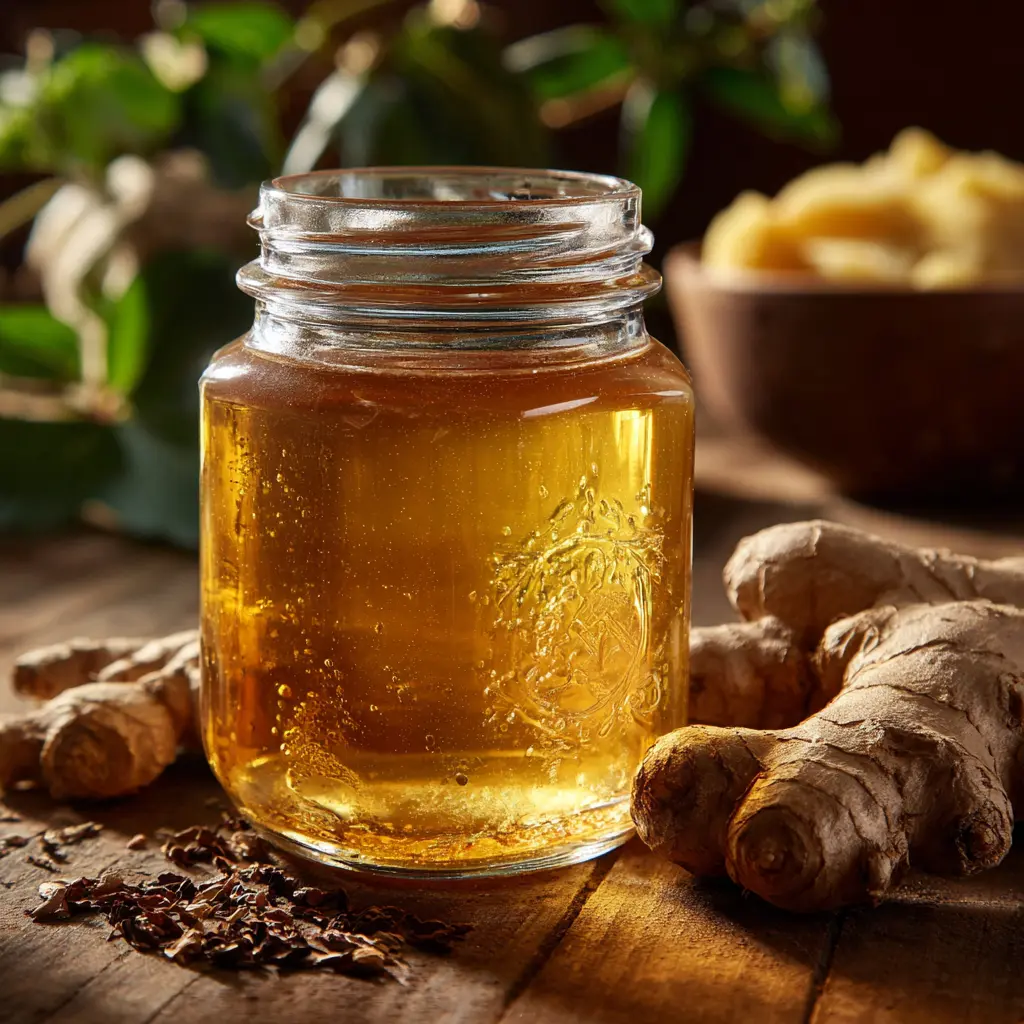
Pungent Herbal Honey Syrup
Shop Herbs You Need Horseradish Powder Rated 0 out of 5 Buy product Ginger Root Rated 0 out of 5
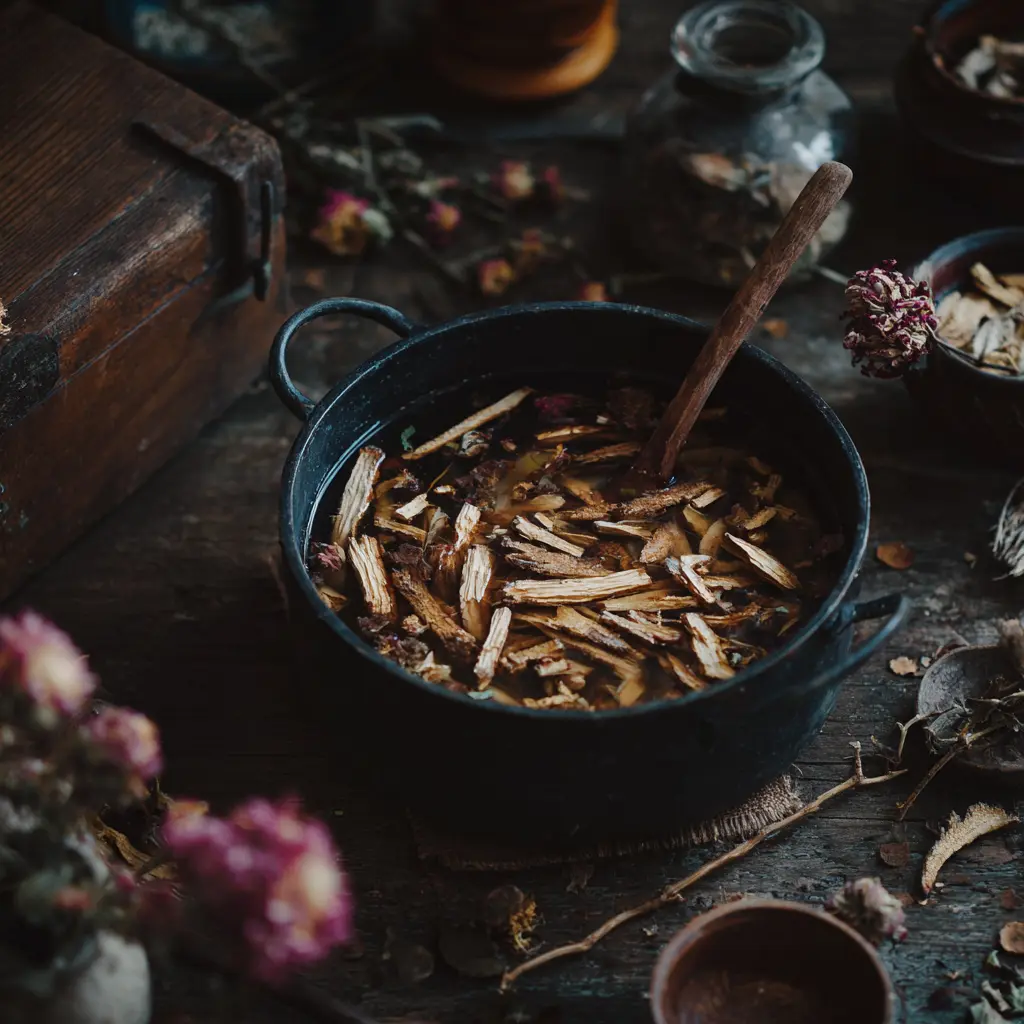
Short Simmer Immune Root Decoction
When early immune strain appeared, herbalists often turned to roots prepared as brief decoctions. This method allowed deeper extraction while
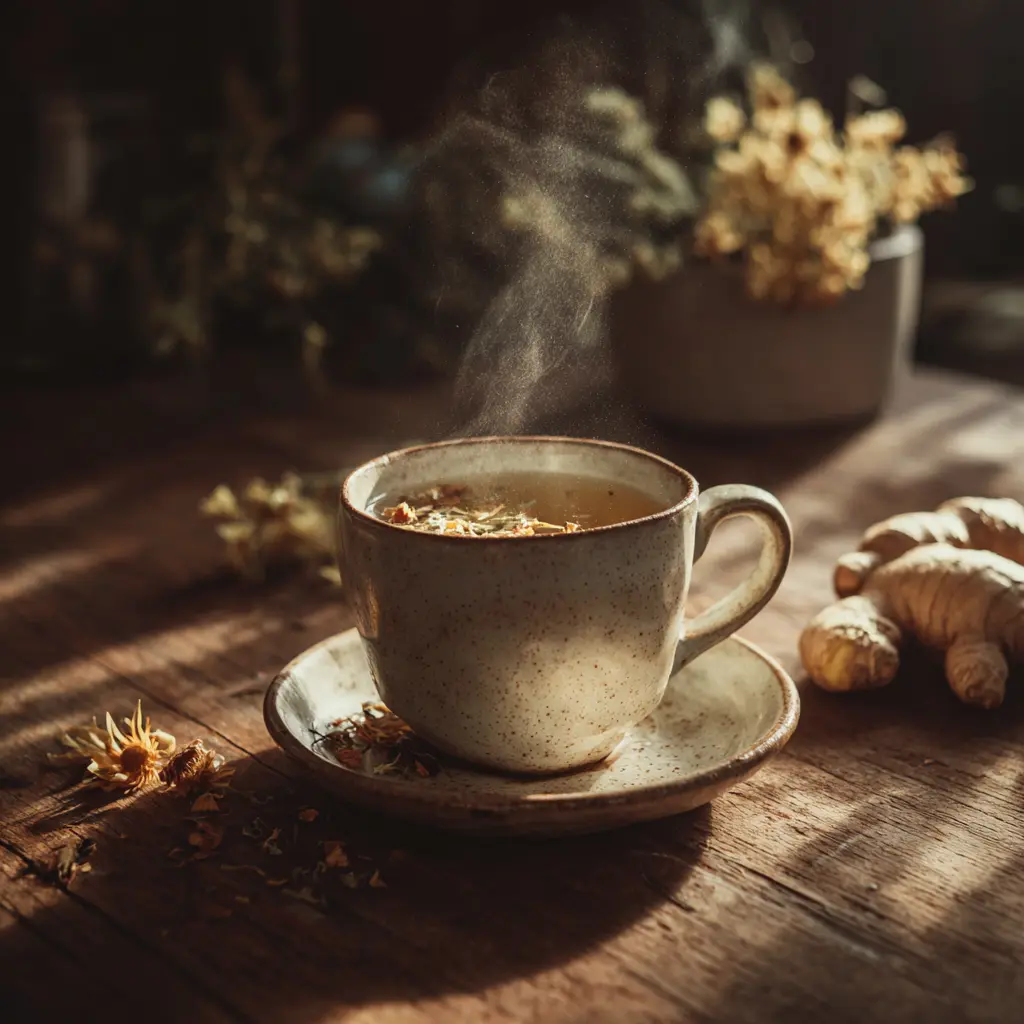
Warming Ginger and Elderflower Infusion
In traditional Western herbalism, acute immune challenges were often met with warmth, simplicity, and short-term support rather than prolonged intervention.
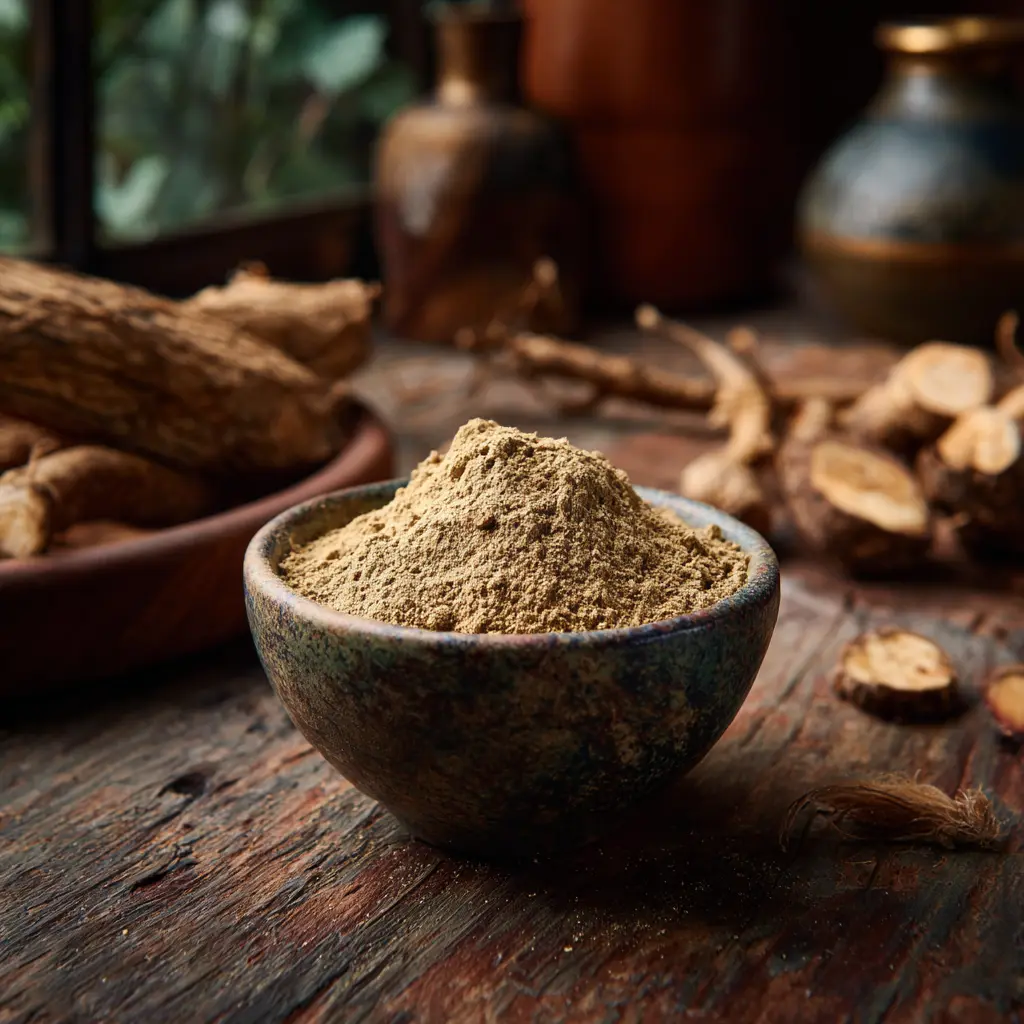
Slow-Building Immune Root Powder Blend
Powdered herbs were traditionally used when convenience and long-term use were important. Western herbalists often prepared simple root powders to
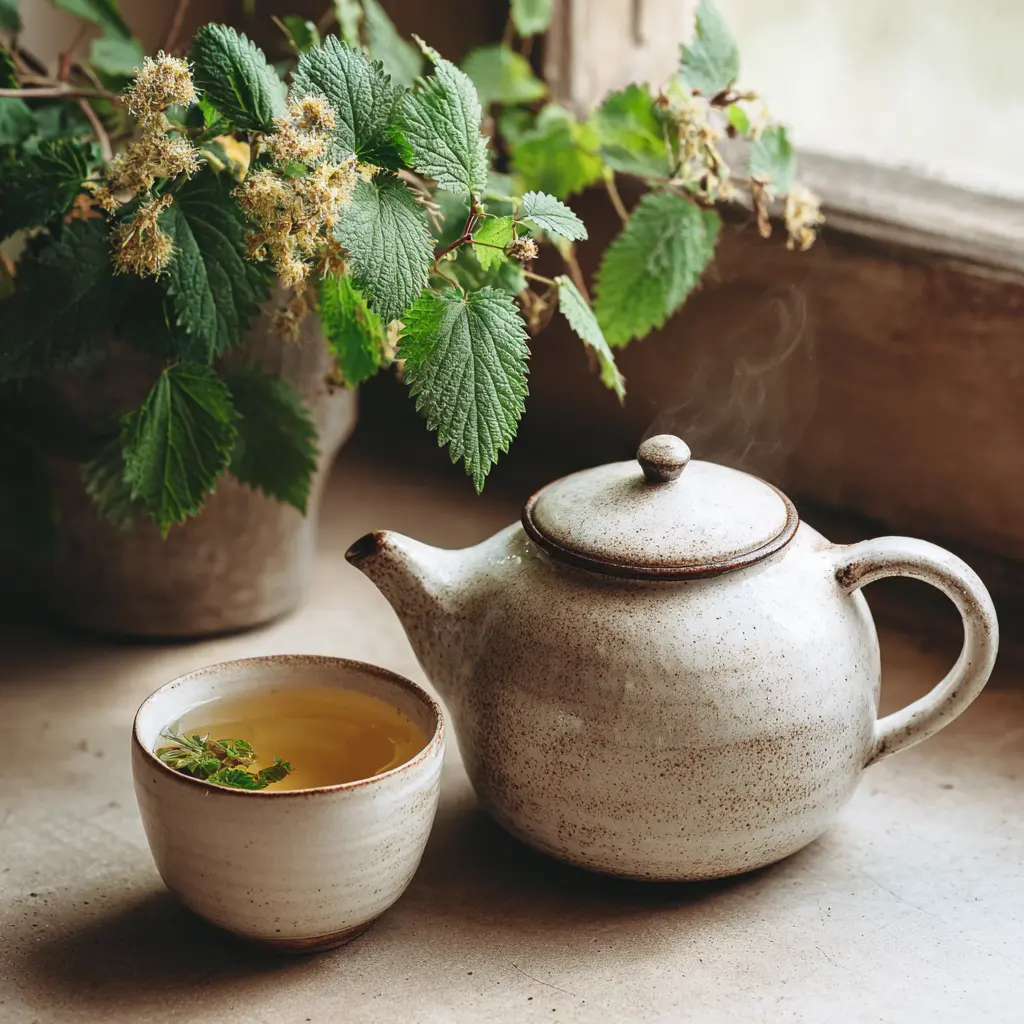
Gentle Daily Immune Tea
In traditional Western herbalism, low immune resilience was often addressed through simple, repeatable daily teas rather than complex formulas. Herbalists
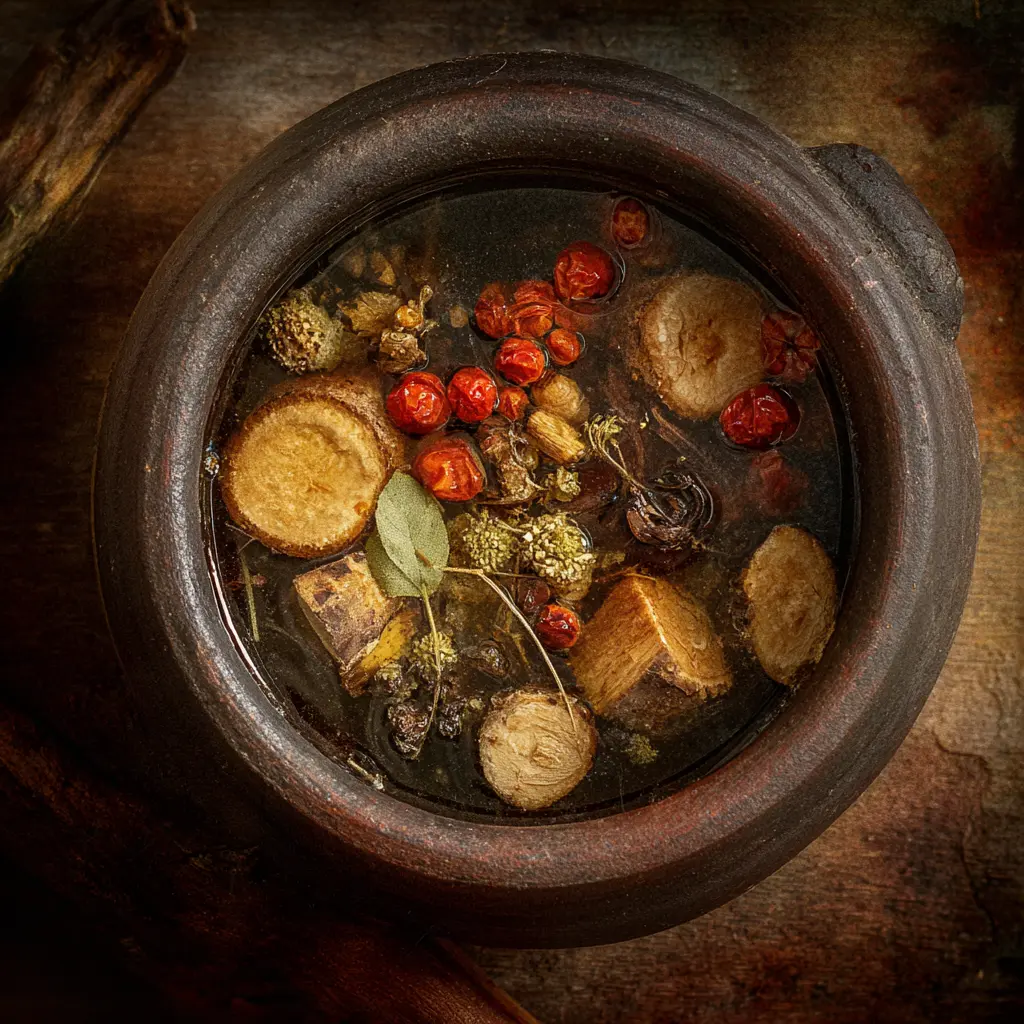
Gentle Root and Berry Decoction
Western herbalists often turned to roots and berries when long-term strength needed rebuilding. This decoction reflects that approach, relying on
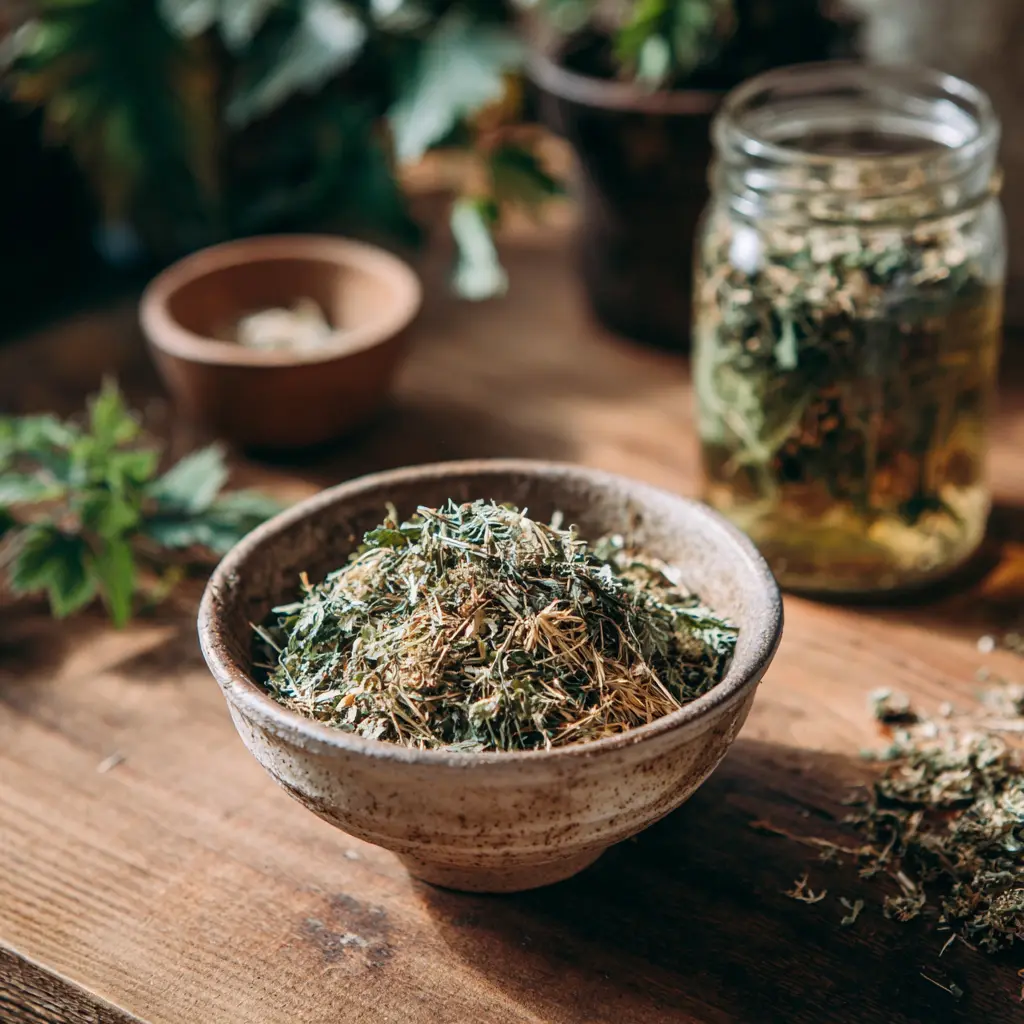
Mineral-Rich Daily Immune Infusion
This infusion reflects a traditional Western herbal approach to low immune resilience rooted in nourishment rather than stimulation. Herbalists historically
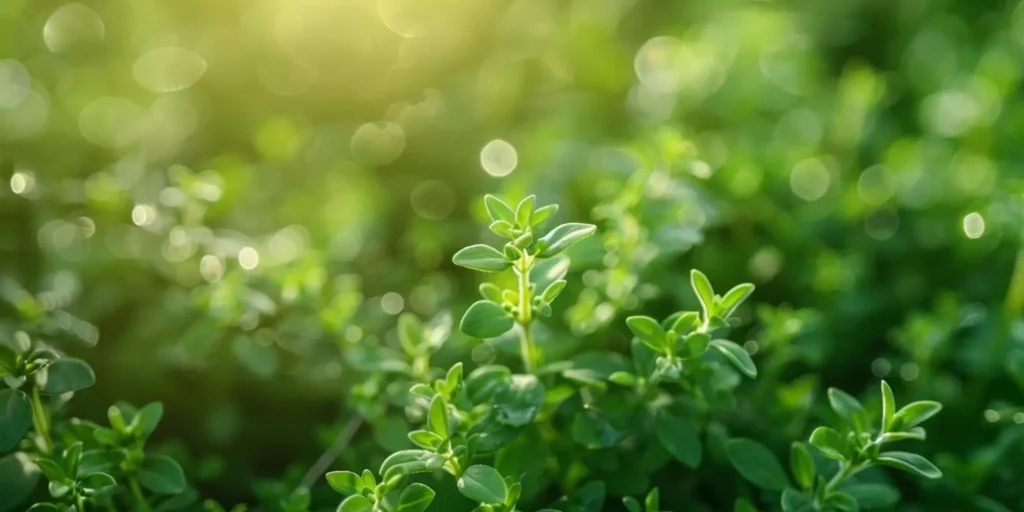
Thyme
Thyme: Traditional Uses, Actions, and Herbal Practice Thyme is traditionally used to support respiratory clarity, encourage healthy microbial balance, and
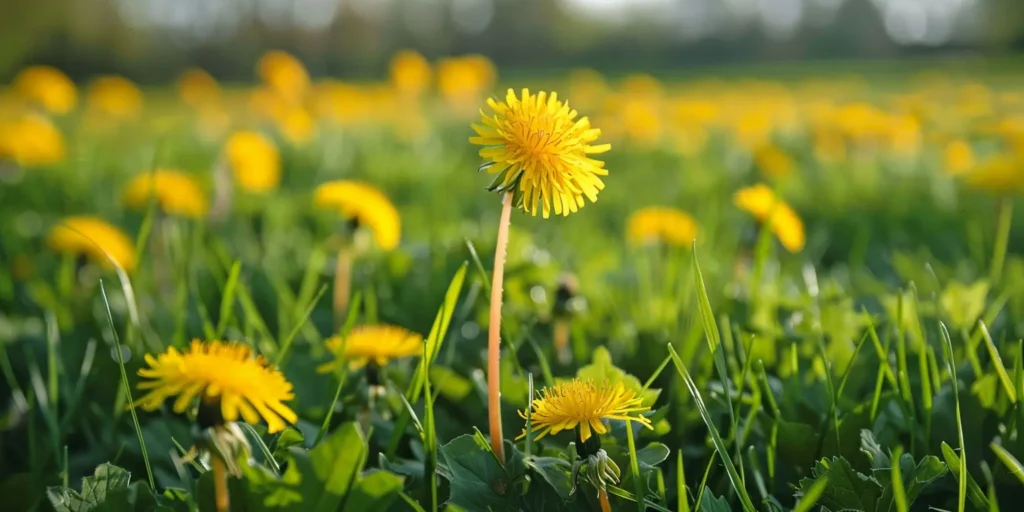
Dandelion
Dandelion: Traditional Uses, Actions, and Herbal Practice Dandelion is traditionally used to support liver function, digestive flow, and gentle detoxification

Violet
Violet: Traditional Uses, Actions, and Herbal Practice Violet is traditionally used to soothe irritated tissues, support lymphatic movement, and gently
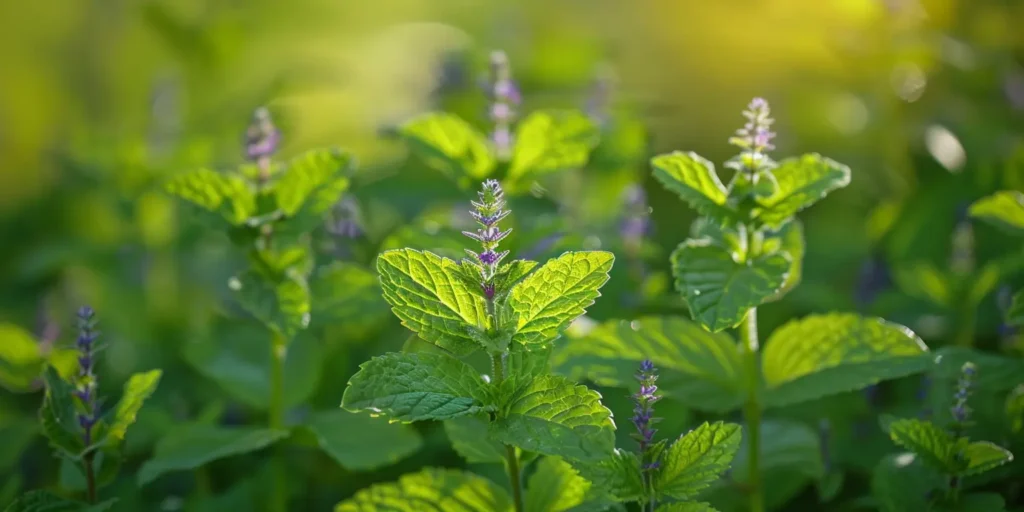
Peppermint
Peppermint: Traditional Uses, Actions, and Herbal Practice Peppermint is traditionally used to support digestion, ease muscular tension in the gut,
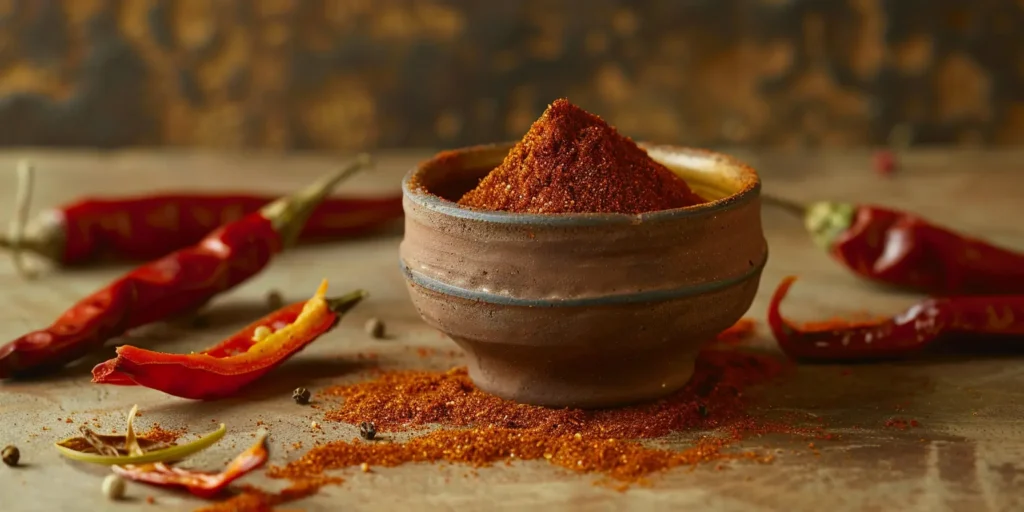
Cayenne
Cayenne: Traditional Uses, Actions, and Herbal Practice Cayenne is traditionally used to stimulate circulation, support digestive fire, and improve tissue
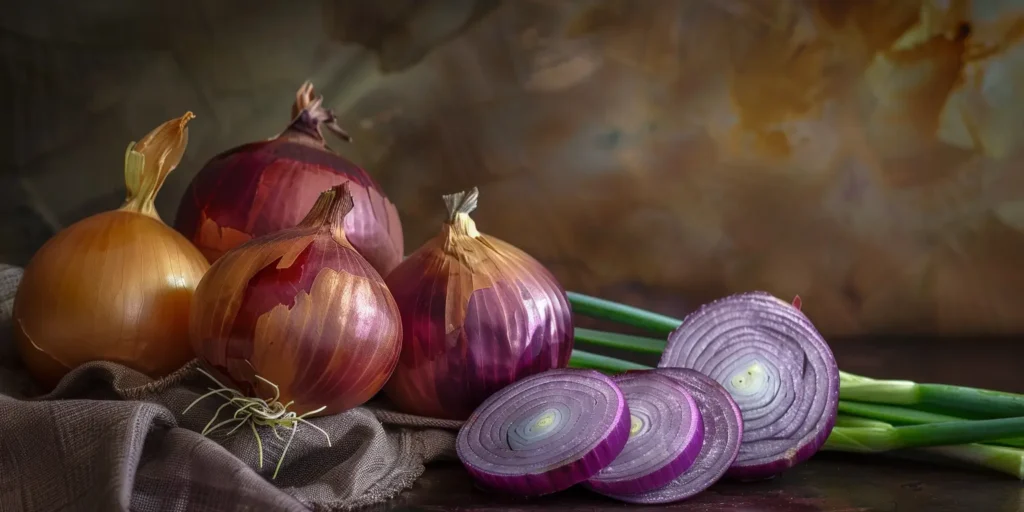
Onion
Onion: Traditional Uses, Actions, and Herbal Practice Onion is traditionally used to support respiratory clarity, promote healthy circulation, and encourage
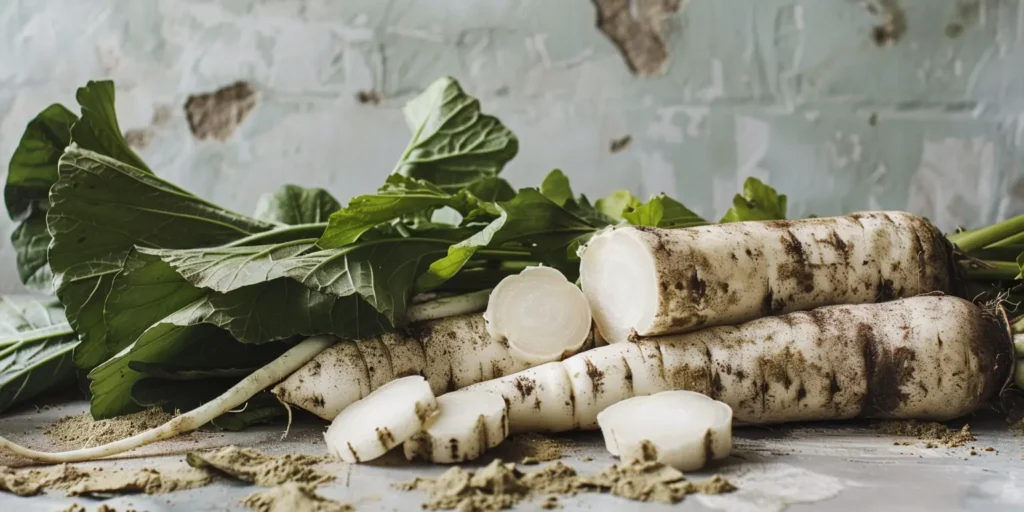
Horseradish
Horseradish: Traditional Uses, Actions, and Herbal Practice Horseradish is traditionally used to stimulate circulation, support respiratory clarity, and encourage immune
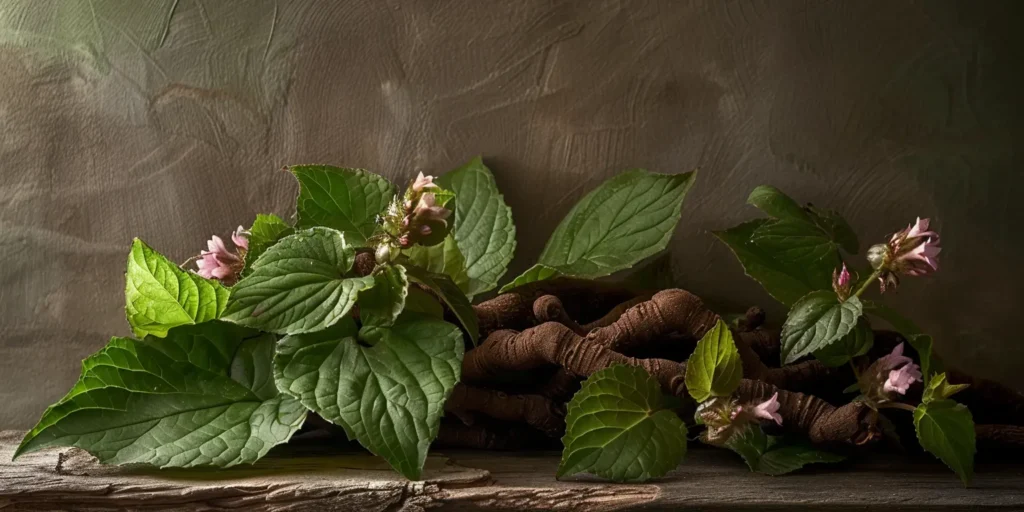
Rehmannia
Rehmannia: Traditional Uses, Actions, and Herbal Practice Rehmannia is traditionally used to rebuild depleted tissues, support adrenal and kidney resilience,

Nettle
Nettle: Traditional Uses, Actions, and Herbal Practice Nettle is traditionally used to nourish tissues, support joint comfort, and strengthen baseline
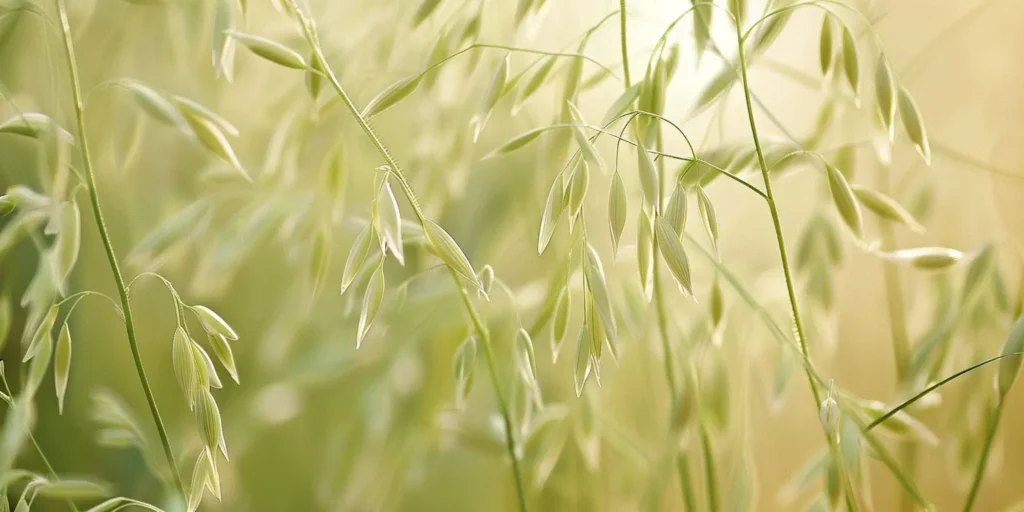
Oatstraw
Oatstraw: Traditional Uses, Actions, and Herbal Practice Oatstraw is traditionally used to nourish the nervous system, rebuild depleted tissues, and
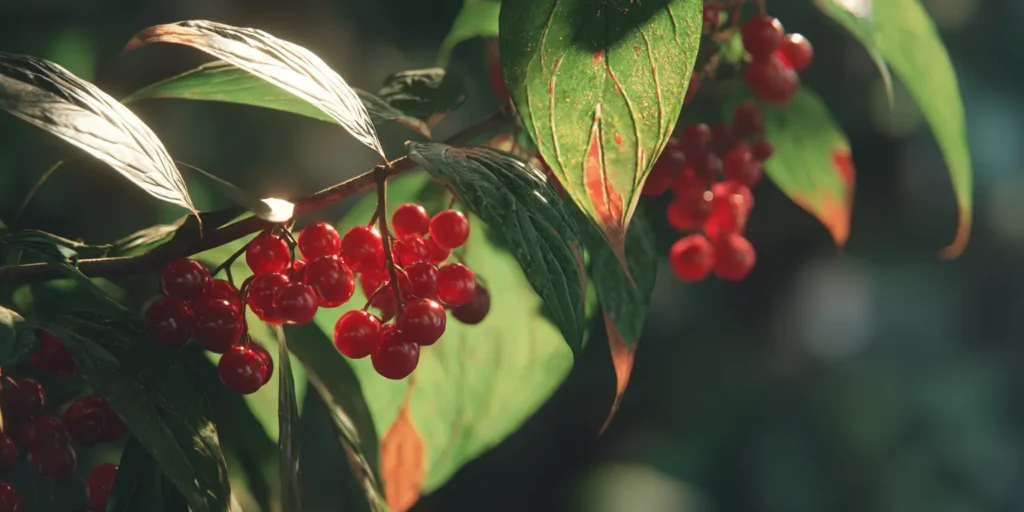
Schisandra
Schisandra: Traditional Uses, Actions, and Herbal Practice Schisandra is traditionally used to support stress adaptation, liver resilience, and long-term endurance,

Burdock
Burdock: Traditional Uses, Actions, and Herbal Practice Burdock is traditionally used to support liver and lymphatic function, encourage deep tissue
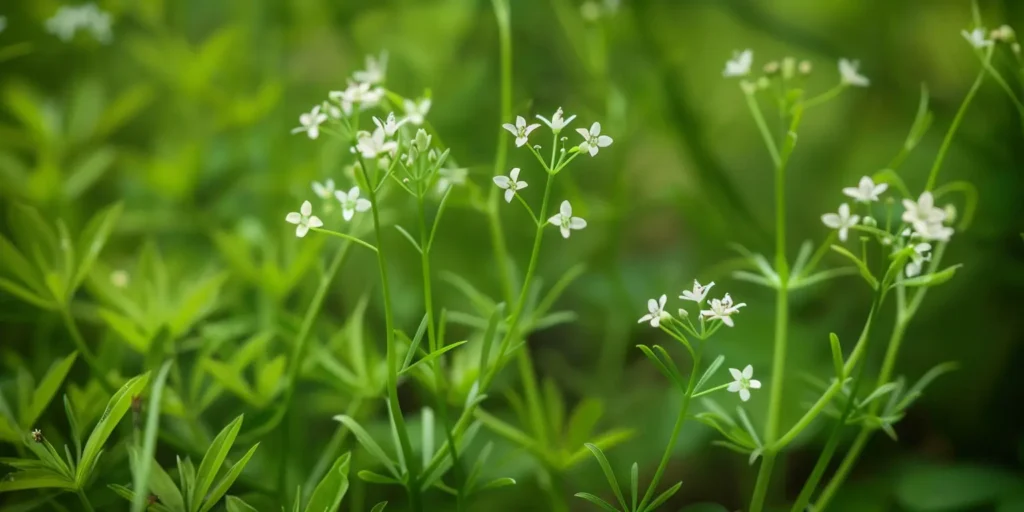
Cleavers
Cleavers: Traditional Uses, Actions, and Herbal Practice Cleavers are traditionally used to support lymphatic flow, gentle tissue cleansing, and fluid
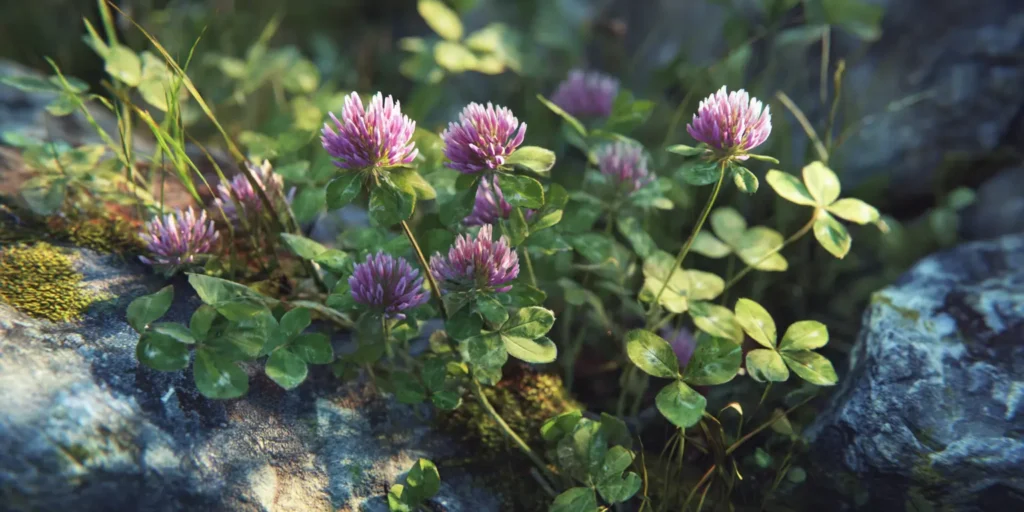
Red clover
Red Clover: Traditional Uses, Actions, and Herbal Practice Red clover is traditionally used to support lymphatic movement, skin and tissue

Calendula
Calendula: Traditional Uses, Actions, and Herbal Practice Calendula is traditionally used to support skin repair, soothe irritated tissues, and encourage
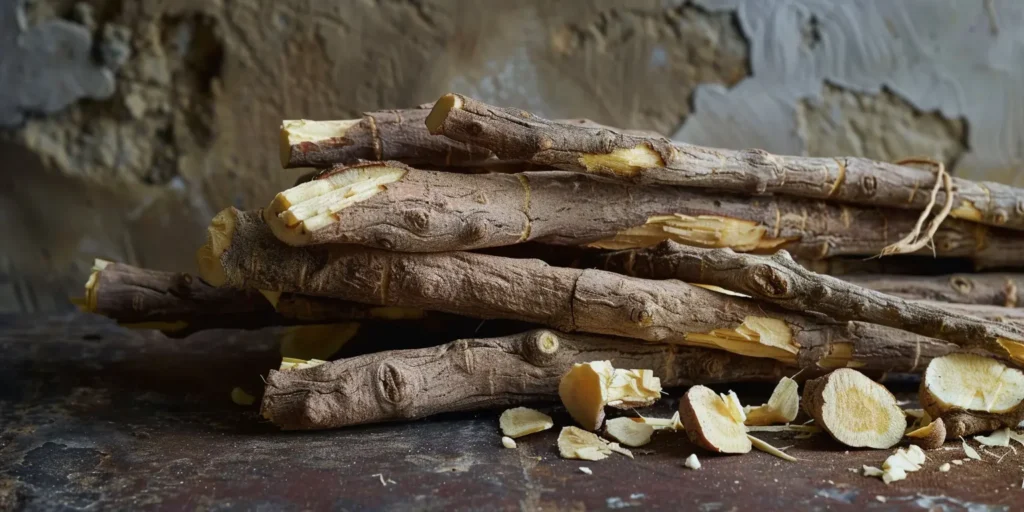
Licorice
Licorice: Traditional Uses, Actions, and Herbal Practice Licorice is traditionally used to soothe irritated tissues, support respiratory and digestive lining,
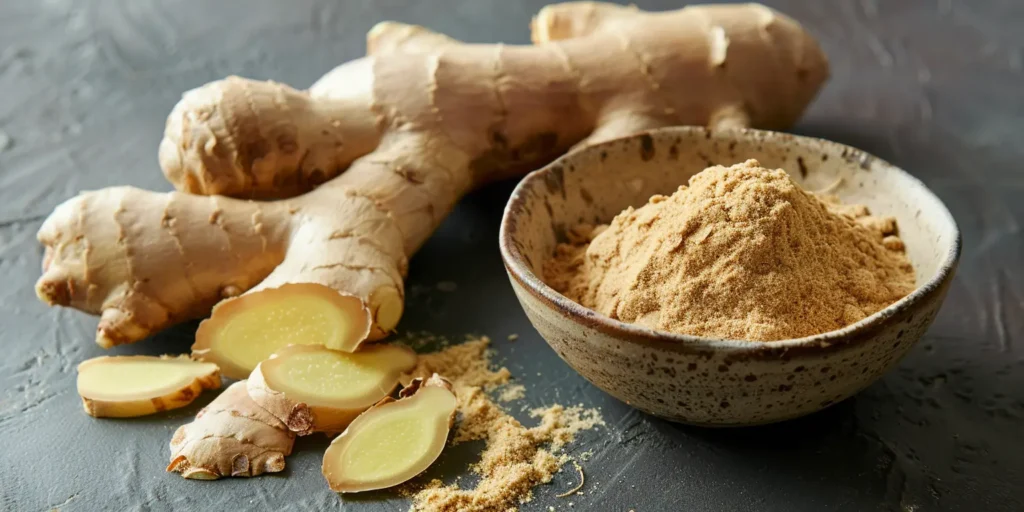
Ginger
Ginger: Traditional Uses, Actions, and Herbal Practice Ginger is traditionally used to support digestion, circulation, tissue warmth, and adaptive response
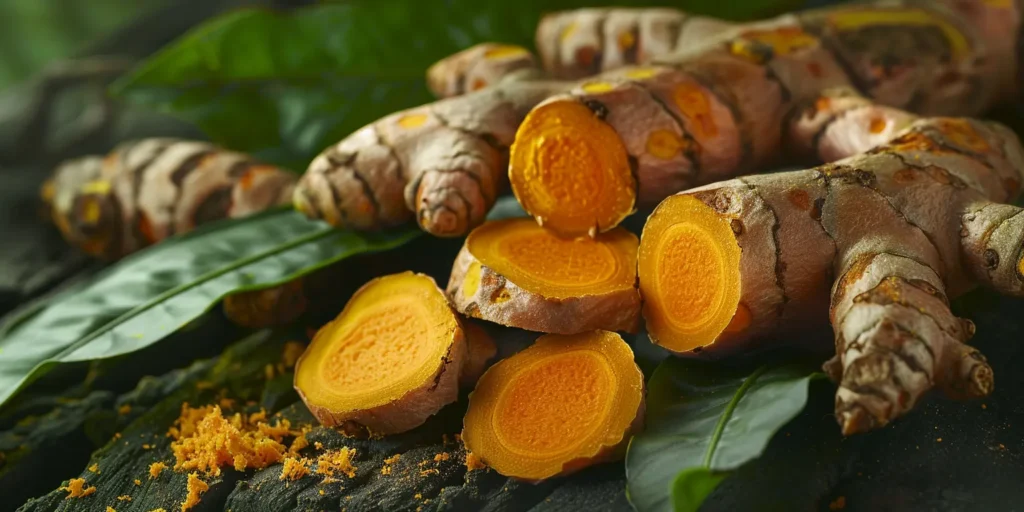
Turmeric
Turmeric: Traditional Uses, Actions, and Herbal Practice Turmeric is traditionally used to support joint comfort, tissue recovery, digestive resilience, and
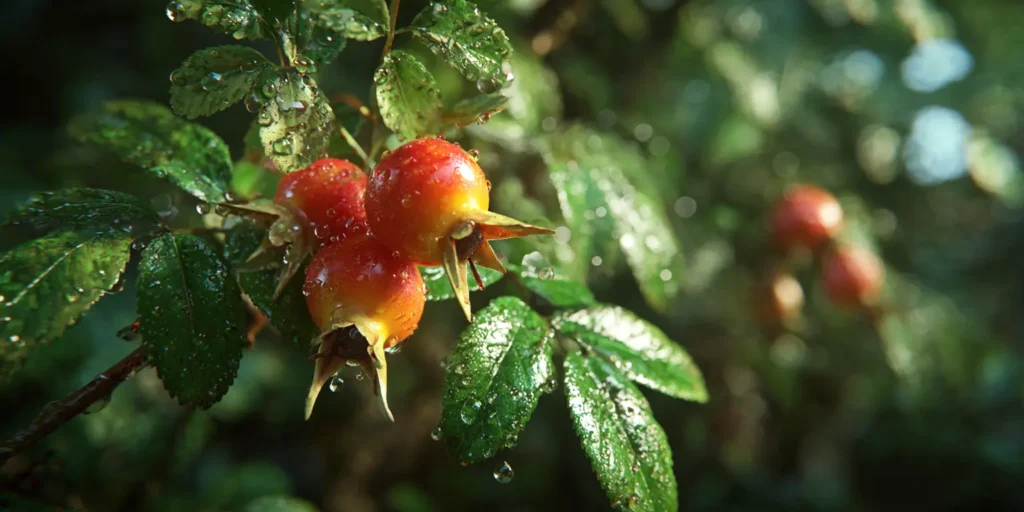
Rose Hips
Rose Hips: Traditional Uses, Actions, and Herbal Practice Rose hips are traditionally used to nourish tissues, support joint ease, and
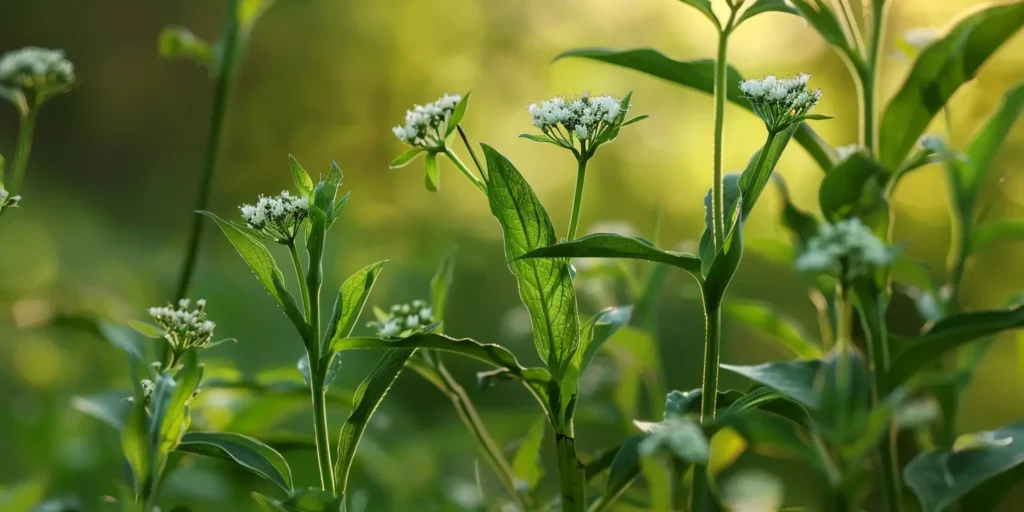
Boneset
Boneset: Traditional Uses, Actions, and Herbal Practice Boneset is valued as a decisive, short-term herb traditionally chosen when the body
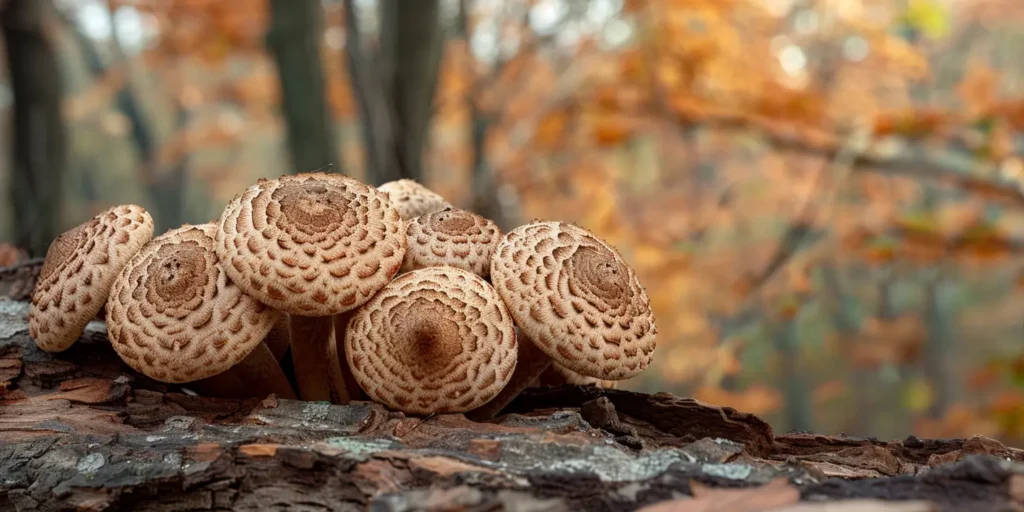
Shiitake
Shiitake: Traditional Uses, Actions, and Herbal Practice Shiitake is valued as a food-herb that quietly strengthens resilience, bridging nourishment and
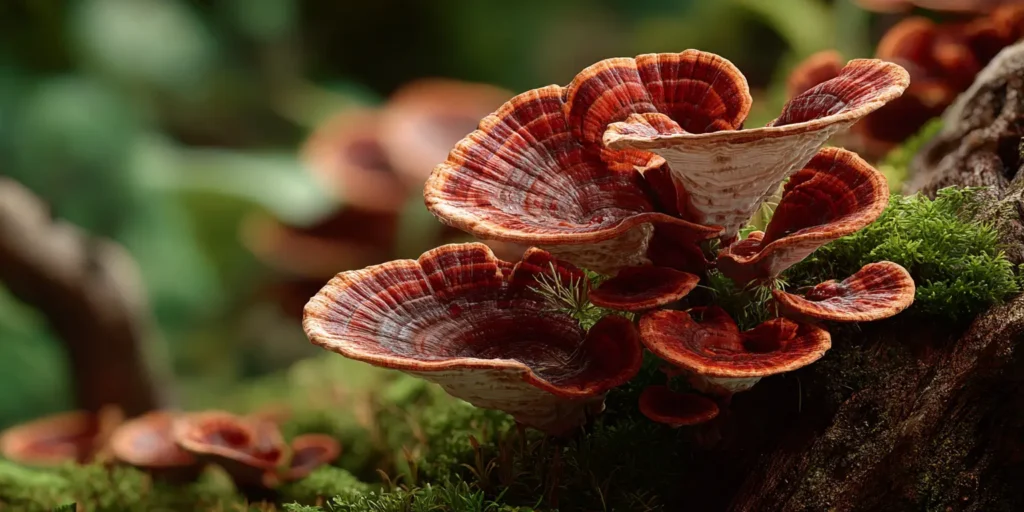
Reishi
Reishi: Traditional Uses, Actions, and Herbal Practice Reishi has long been valued as a deeply supportive, long-term tonic, associated with

Astralagus
Astragalus: Traditional Uses, Actions, and Herbal Practice Astragalus is valued in Western herbalism as a slow-building, strengthening herb, traditionally chosen
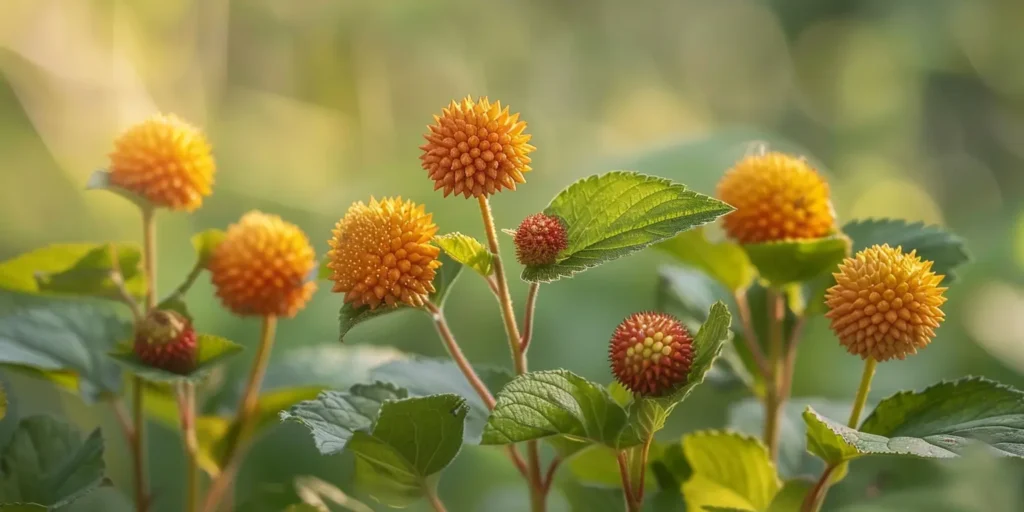
Spilanthes
Spilanthes: Traditional Uses, Actions, and Herbal Practice Spilanthesis known for restoring sensation and encouraging movement, especially in areas that feel
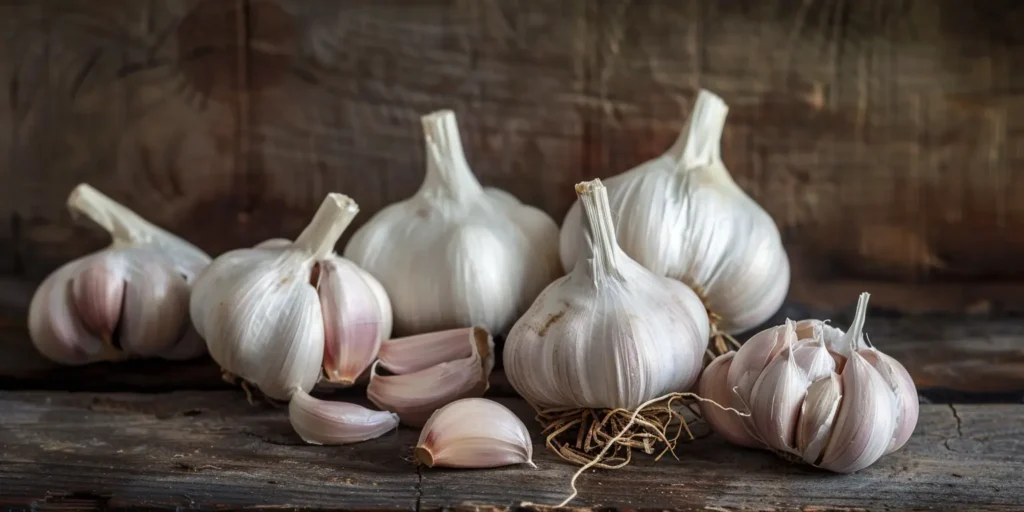
Garlic
Garlic: Traditional Uses and Benefits in Western Herbalism This humble bulb is valued for supporting circulation, aiding digestion, and bolstering
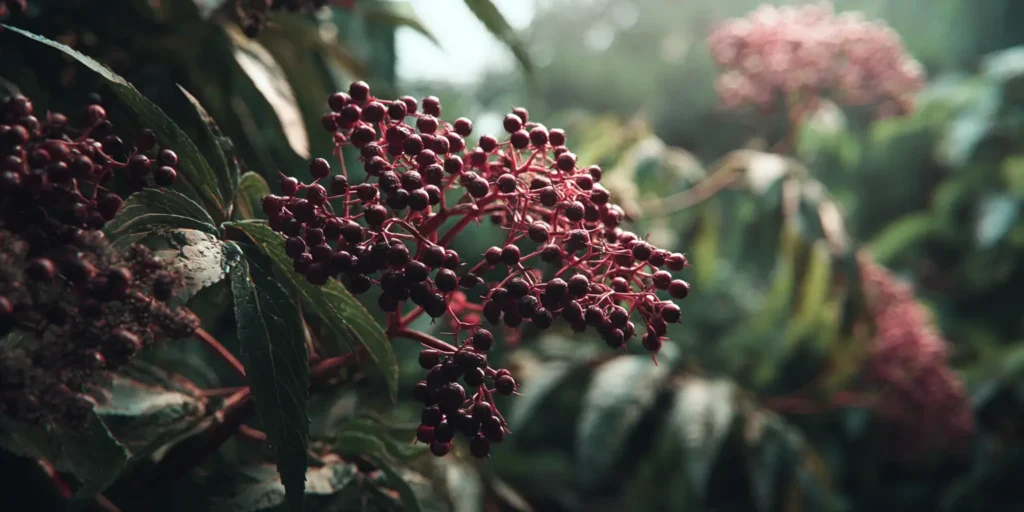
Elderberry
Elderberry: Traditional Uses & Actions Elderberry is a seasonal ally for resilience and recovery, especially during times when the body

Echinacea
Echinacea: Traditional Uses & Actions Echinacea holds an important role in herbalism as a short-term immune stimulant and modulator, traditionally
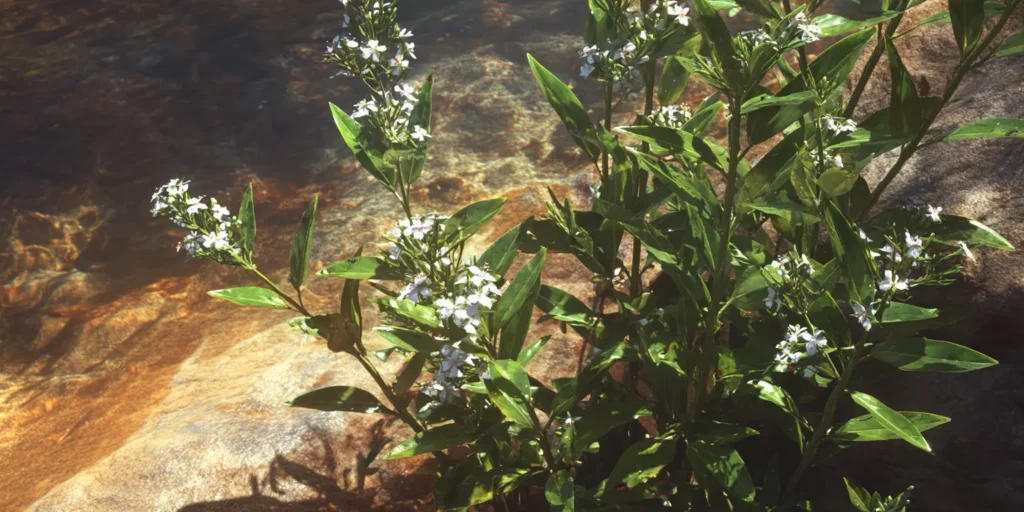
Andrographis
Andrographis paniculata: Traditional Uses, Actions Andrographis paniculata is most often discussed as a short-term immune stimulant, valued not for gentle




Blood Sugar
Blood Sugar Balance and Herbal Support When herbalists talk about blood sugar, we are not talking about numbers on a
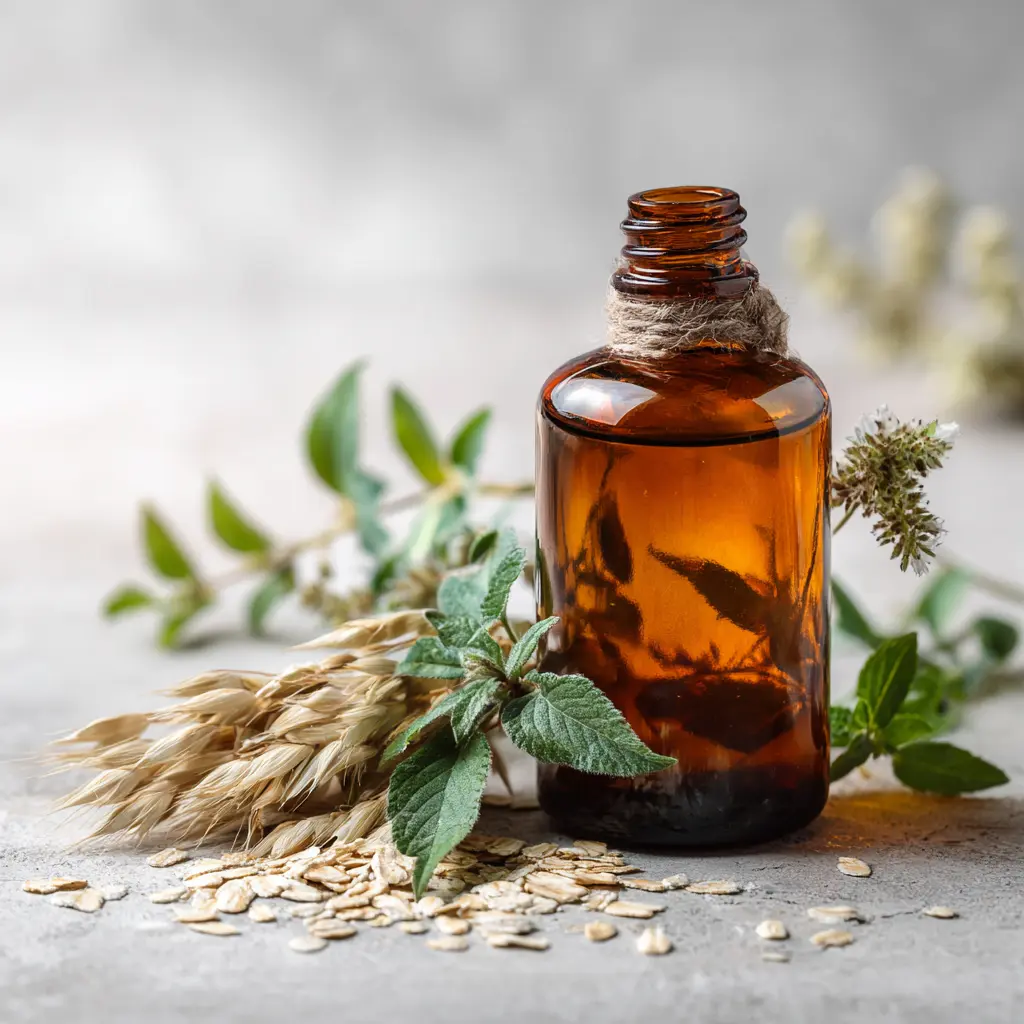
Gentle Nervine Glycerite for Evening Wind-Down
Milky Oat and Sculcap Glycerite for Evening Wind-Down Alcohol-free glycerites were historically favored for their sweetness and approachability, especially when
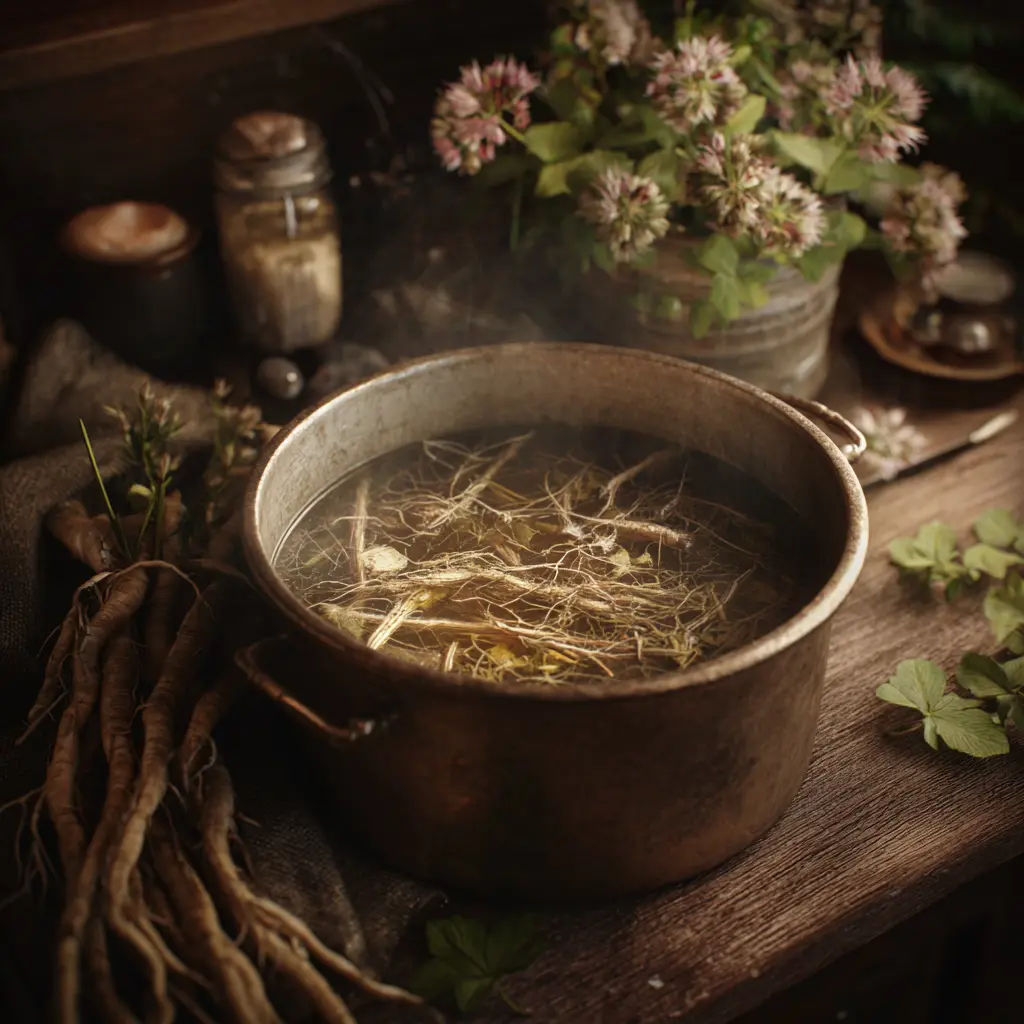
Slow-Brewed Root Decoction for Nighttime Grounding
When stress was understood as cumulative and depleting, herbalists often turned to roots prepared as decoctions. These long-simmered preparations were
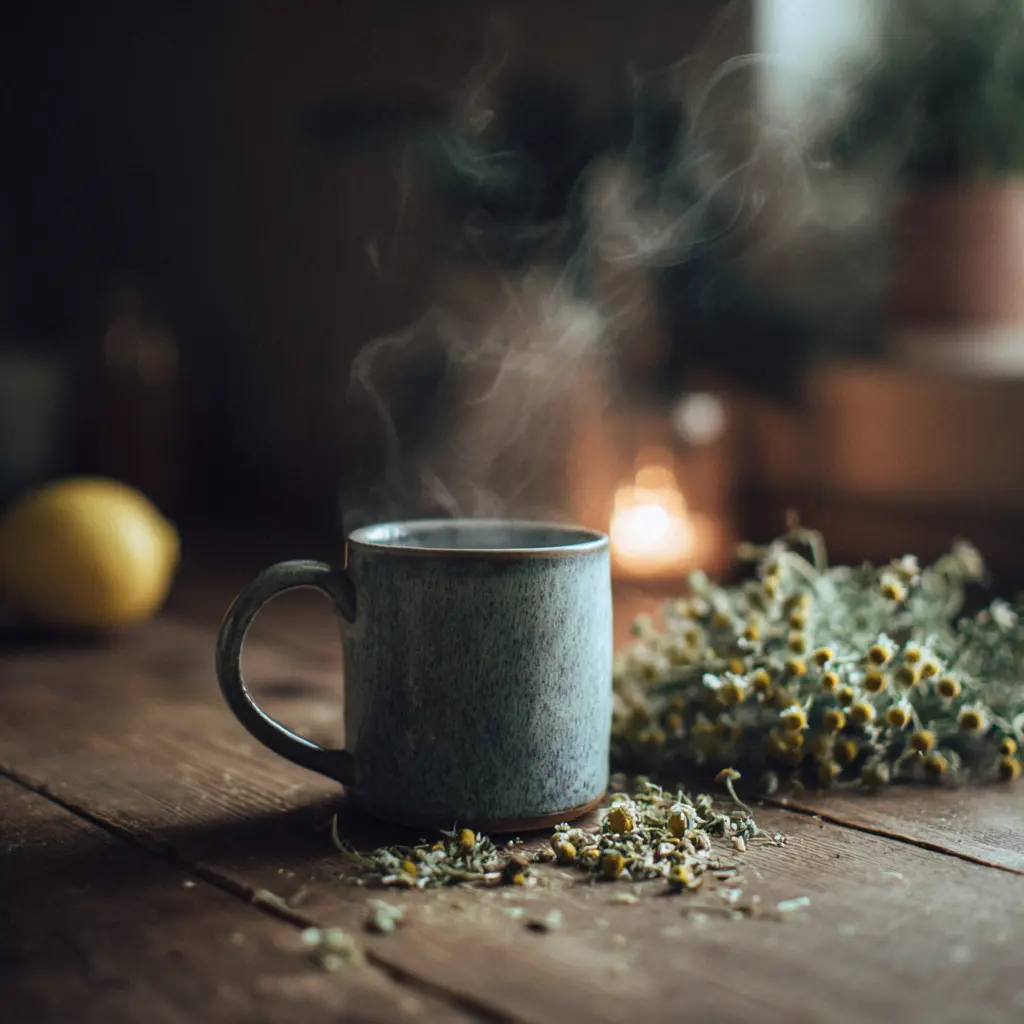
Evening Nervine Tea for an Overworked Mind
Traditional Western herbalists often approached sleep disturbance not as a problem to suppress, but as a signal of a mind
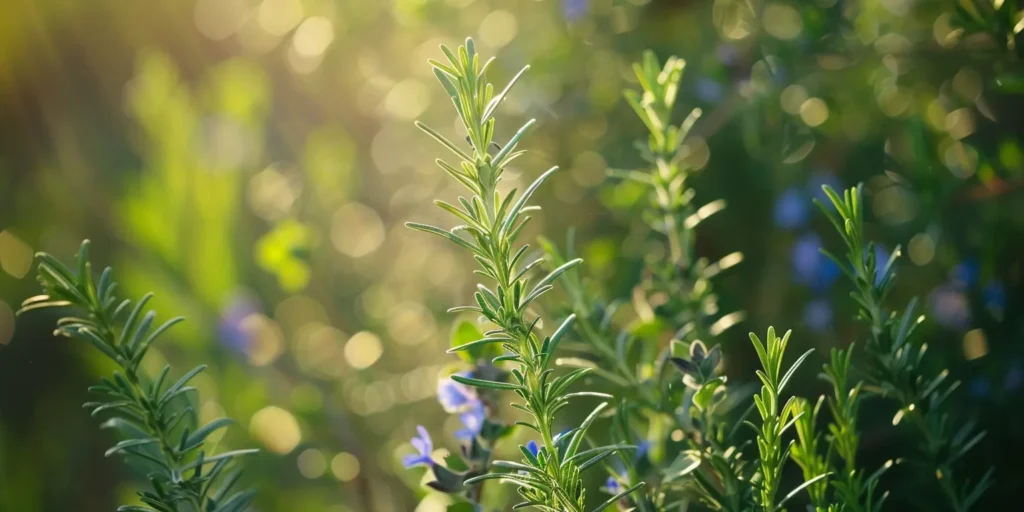
Rosemary
Rosemary: Traditional Uses, Actions, and Herbal Preparations Rosemary has a way of waking things up—both in the kitchen and in
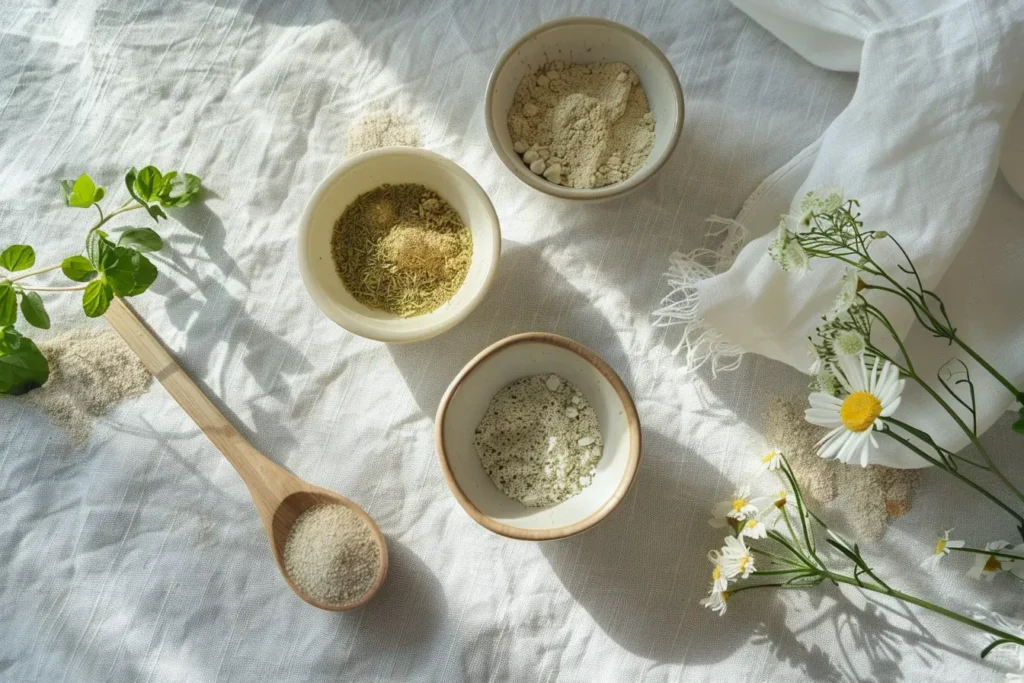
Powdered Herbal Blend for Daily Mental Balance
Powdered herbal blends were traditionally used when simplicity and consistency were needed. Herbalists often relied on powders as an easy
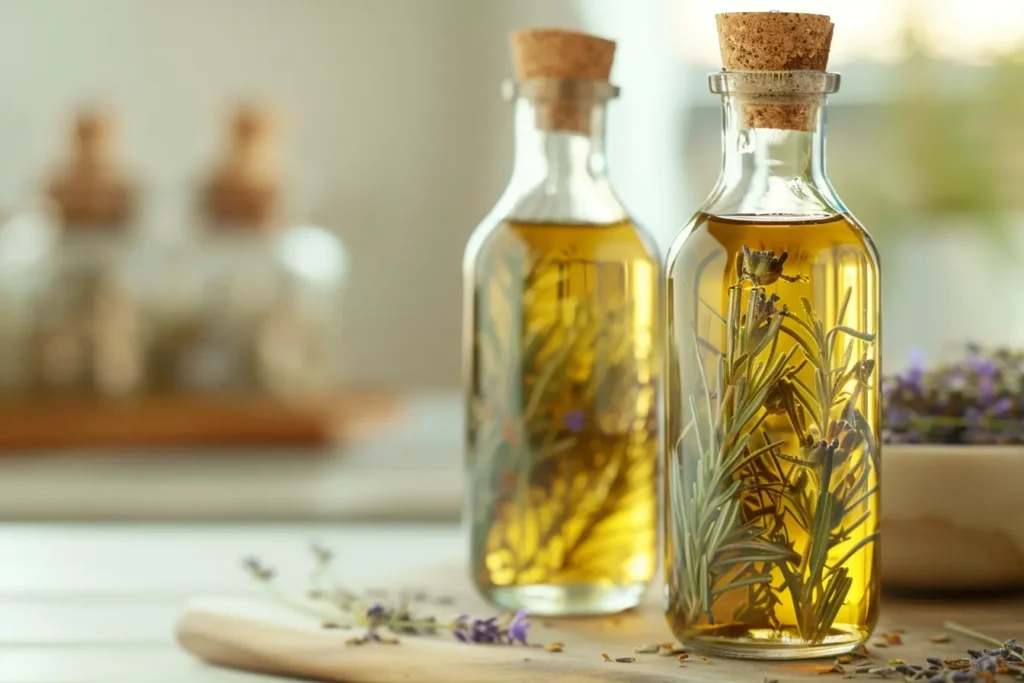
Lavender & Rosemary Infused Oil for Mental Unwinding
Herbalists have long recognized that mental overload often shows up as physical tension and restlessness. Infused oils were traditionally used
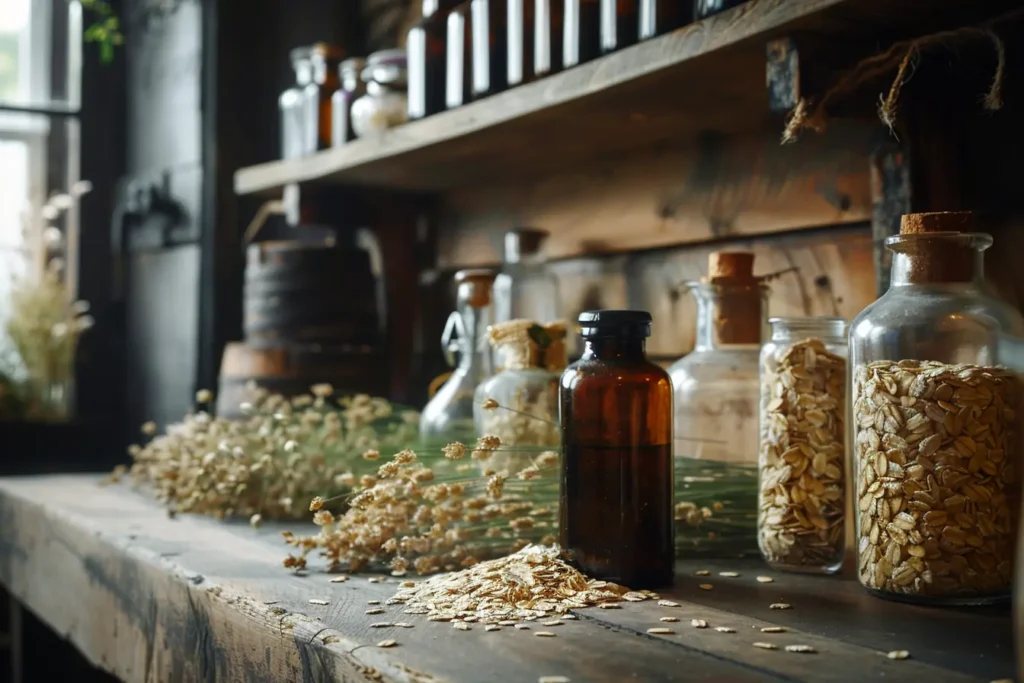
Milky Oat Tincture for Sustained Mental Demands
Milky oat tinctures were traditionally prepared when mental strain was understood as cumulative rather than sudden. Herbalists valued this preparation
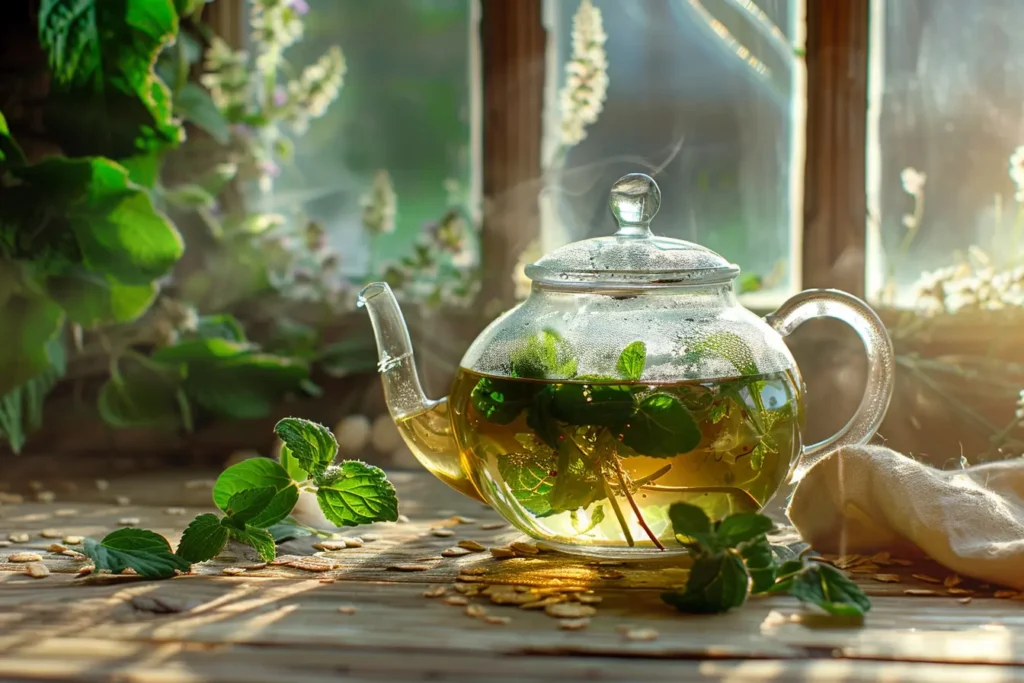
Lemon Balm & Milky Oat Infusion for Mental Fatigue
This gentle infusion reflects a traditional herbal approach to mental overload that emphasizes nourishment rather than stimulation. Herbalists historically turned
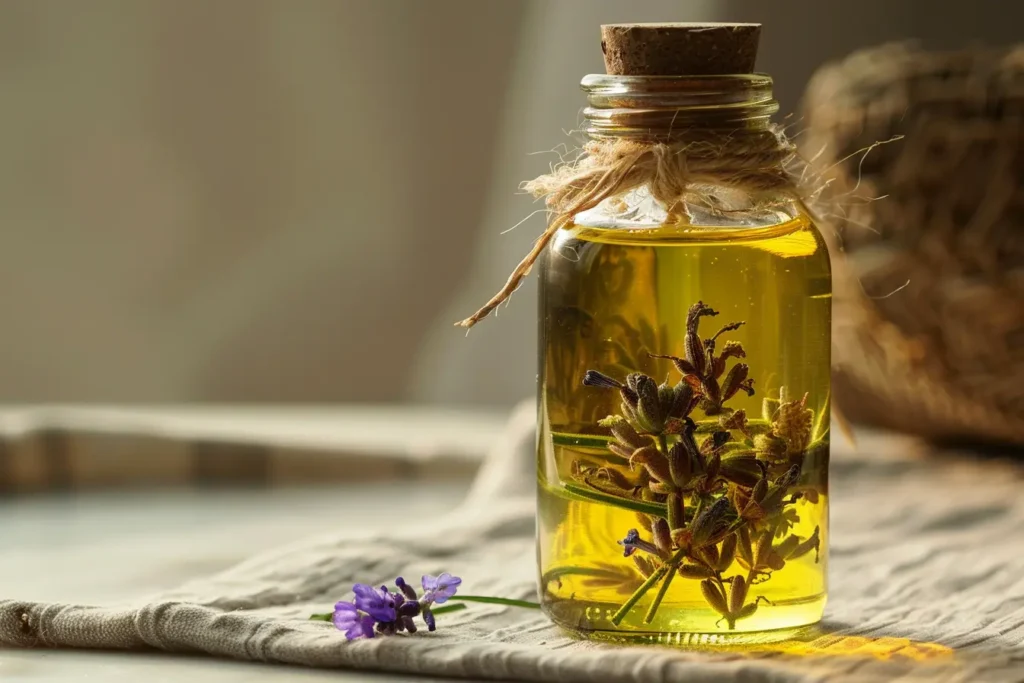
Herbal Muscle-Release Infused Oil
Not all stress-related muscle tension was addressed internally. Traditional Western herbalists frequently prepared infused oils to support physical relaxation through
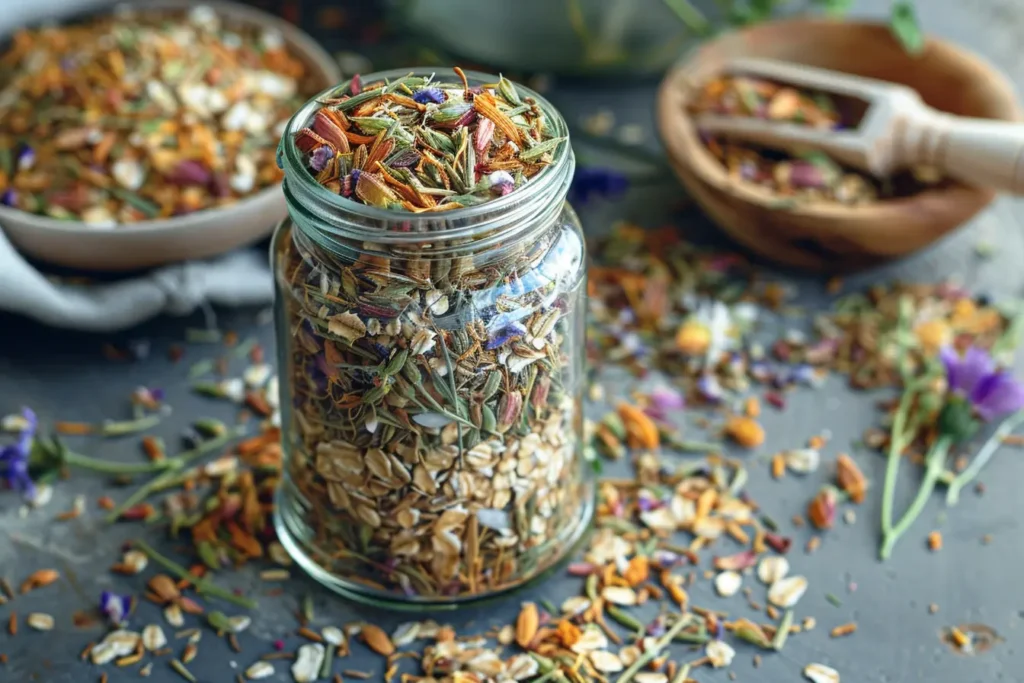
Milky Oats & Passionflower Nervous System Tonic
Western herbalists often understood chronic muscle tension as rooted in nervous system fatigue rather than overuse alone. In these cases,
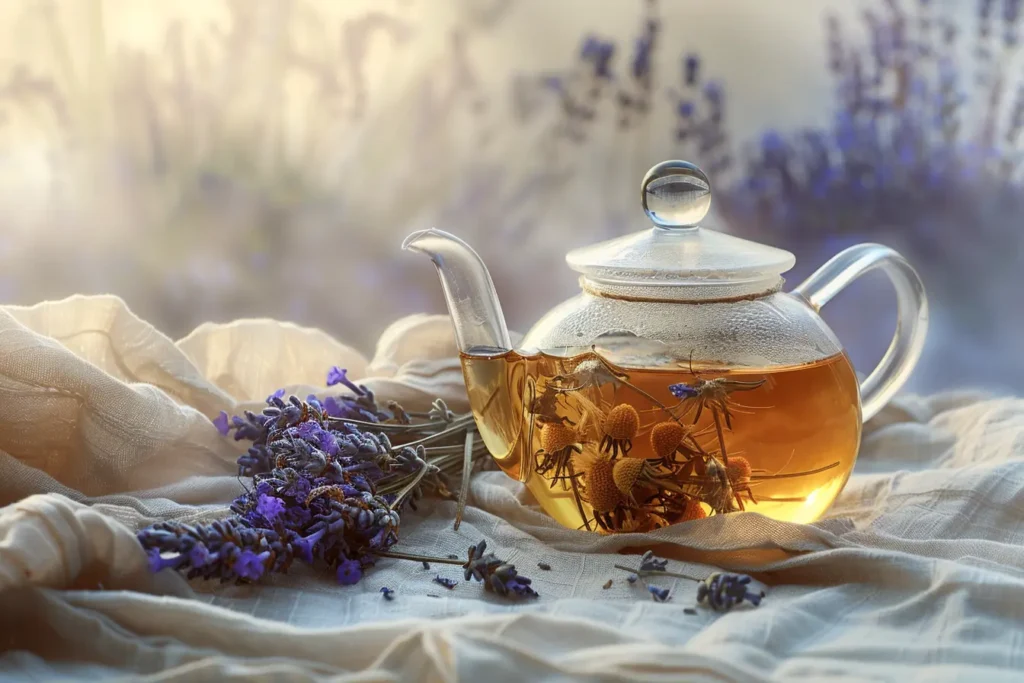
Lavender & Chamomile Muscle-Soothing Infusion
When muscle tension was linked to emotional strain or restlessness, herbalists often turned to aromatic nervine herbs prepared gently as
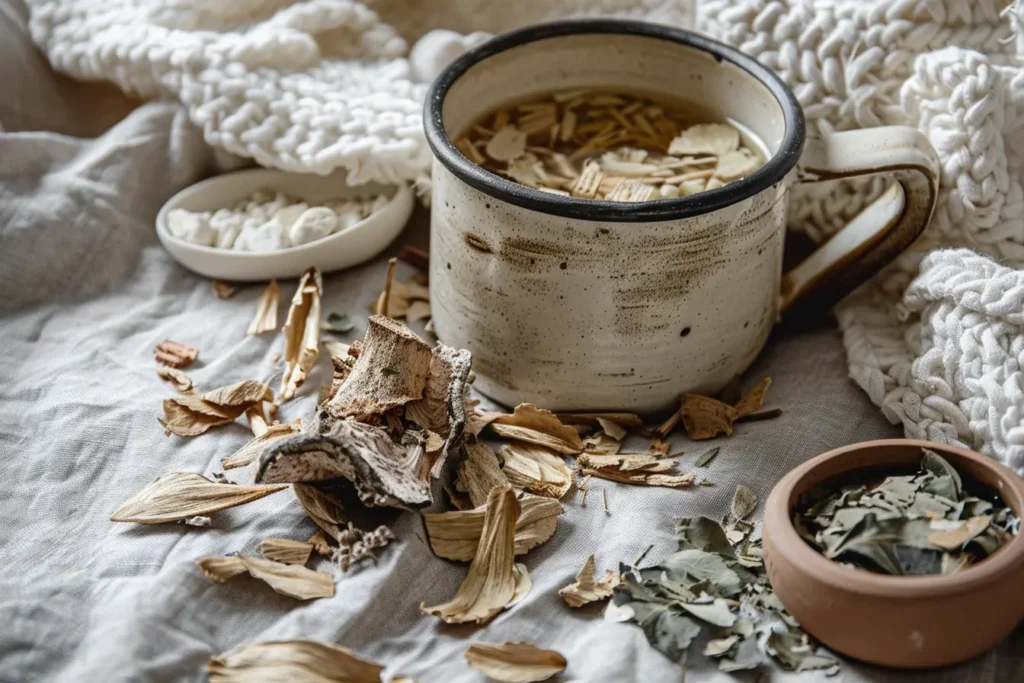
Cramp Bark & Skullcap Muscle-Ease Decoction
Traditional Western herbalists often viewed muscle tension as a physical expression of prolonged nervous strain. When tightness and holding were
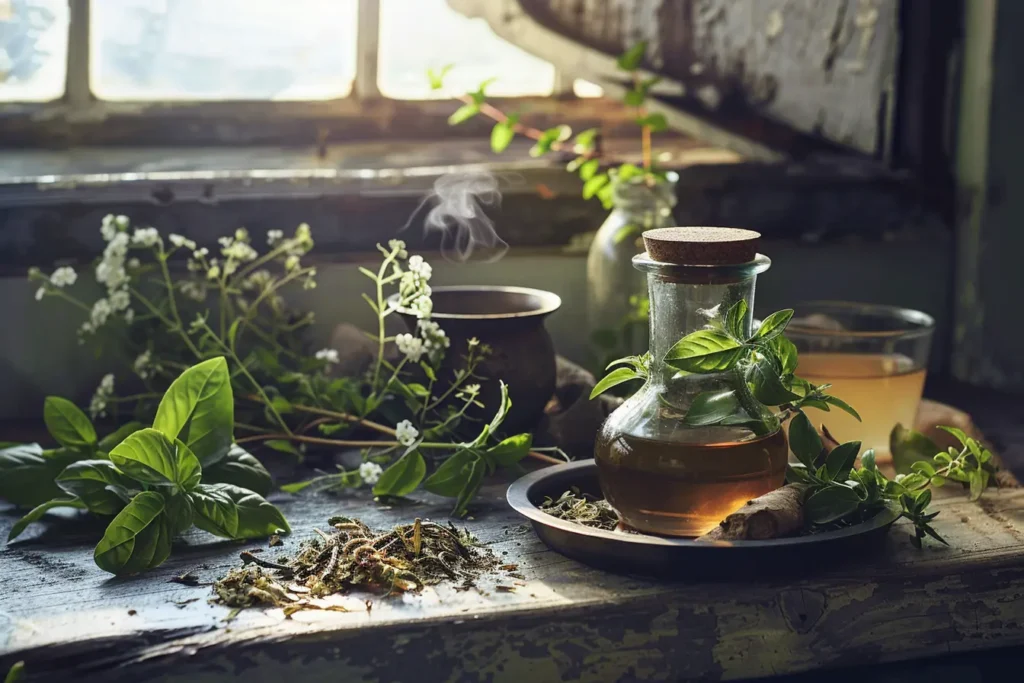
Holy Basil & Eleuthero Daily Stress Tonic
When nervous tension and anxiety were understood as part of long-term stress rather than acute episodes, herbalists often turned to
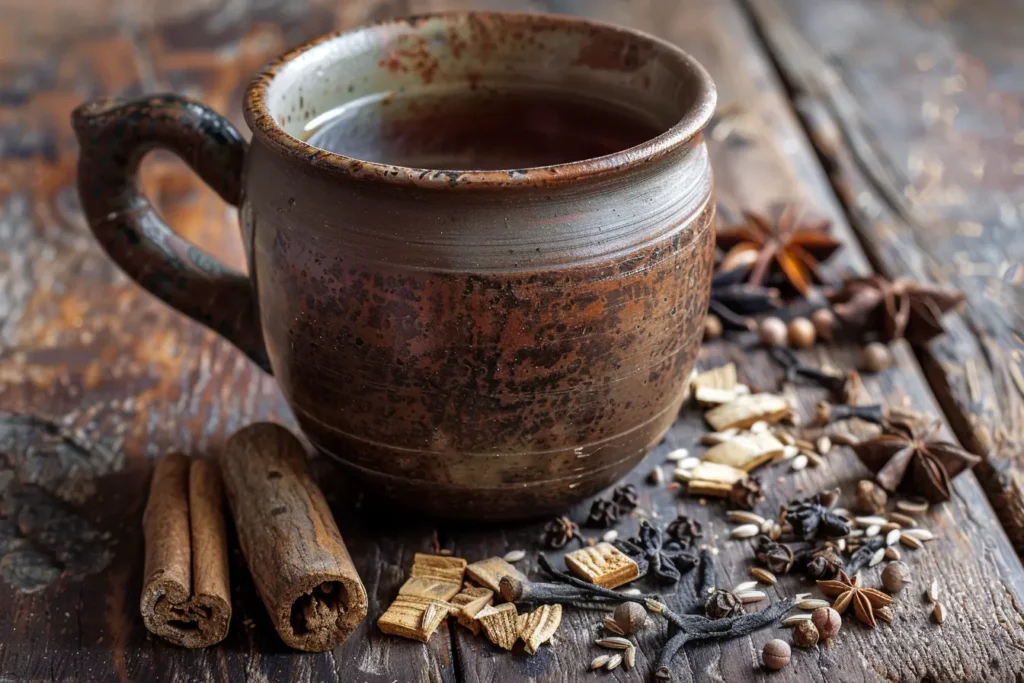
Cramp Bark & Anise Tension-Release Tea
When anxiety is accompanied by physical tightness or a sense of holding, Western herbalists often turned to antispasmodic and aromatic
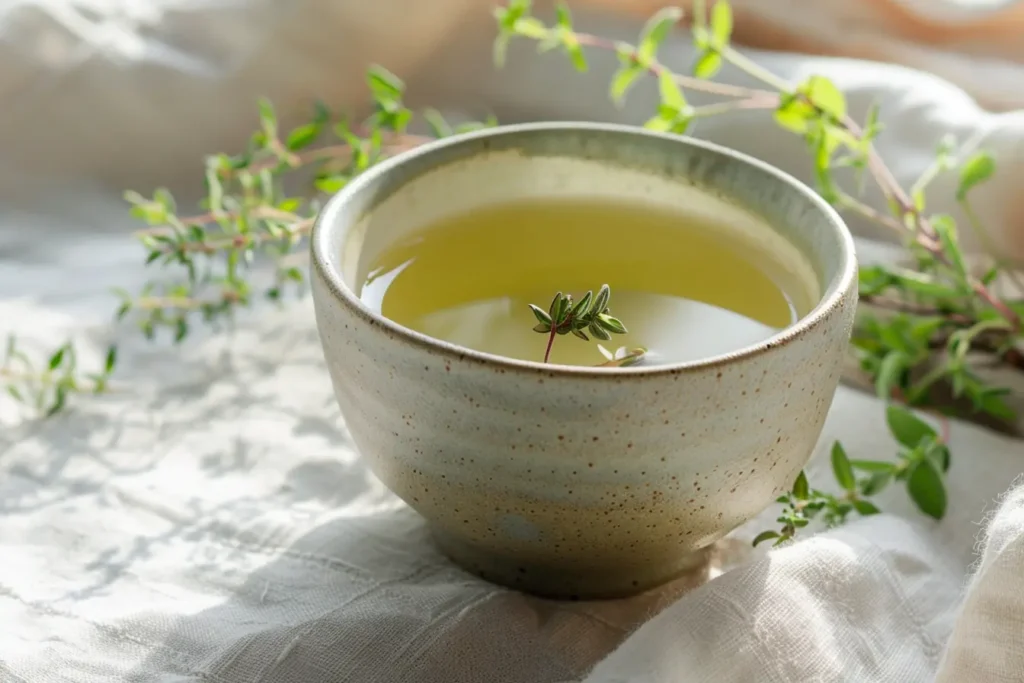
Rhodiola & Green Tea Focused Calm Infusion
Some forms of nervous tension show up as mental overload rather than physical agitation. In these cases, herbalists historically chose
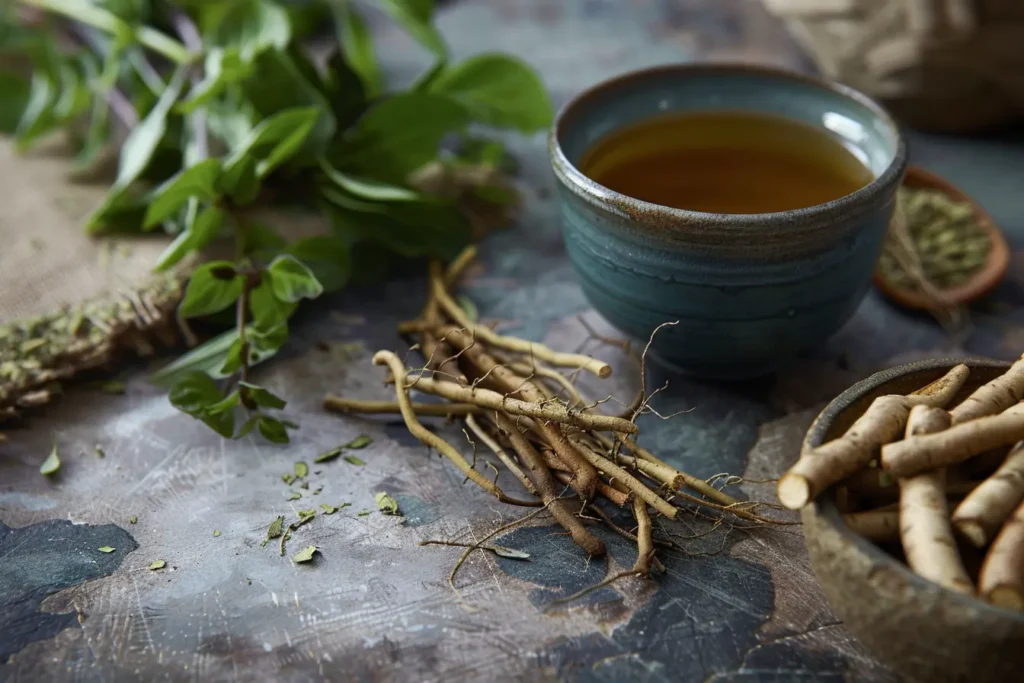
Ashwagandha & Holy Basil Restorative Decoction
When nervous tension is tied to long-term stress and emotional fatigue, Western herbalists often favored grounding roots and balancing aromatic
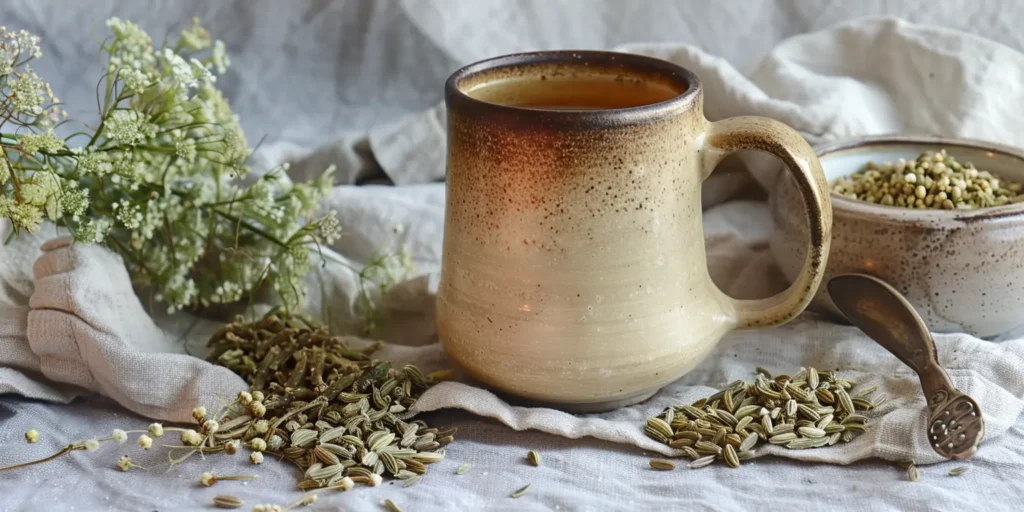
Valerian & Hops Grounding Tea
Acute stress can sometimes arrive with a heavy, restless edge, where the body feels tense and the mind has trouble
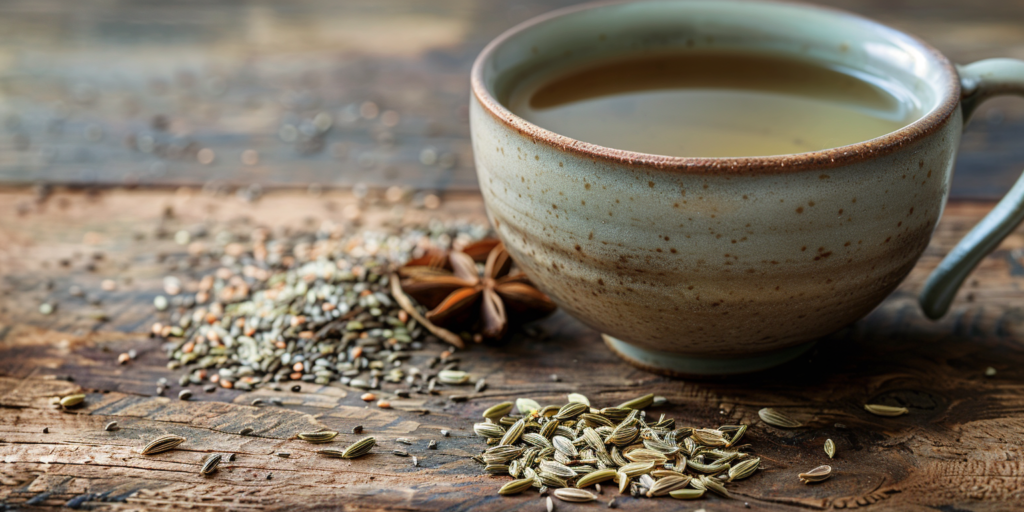
Soothing Anise & Fennel Digestive Infusion
Acute stress often shows itself through the digestive system, and Western herbalists historically addressed this connection directly. Aromatic seeds such
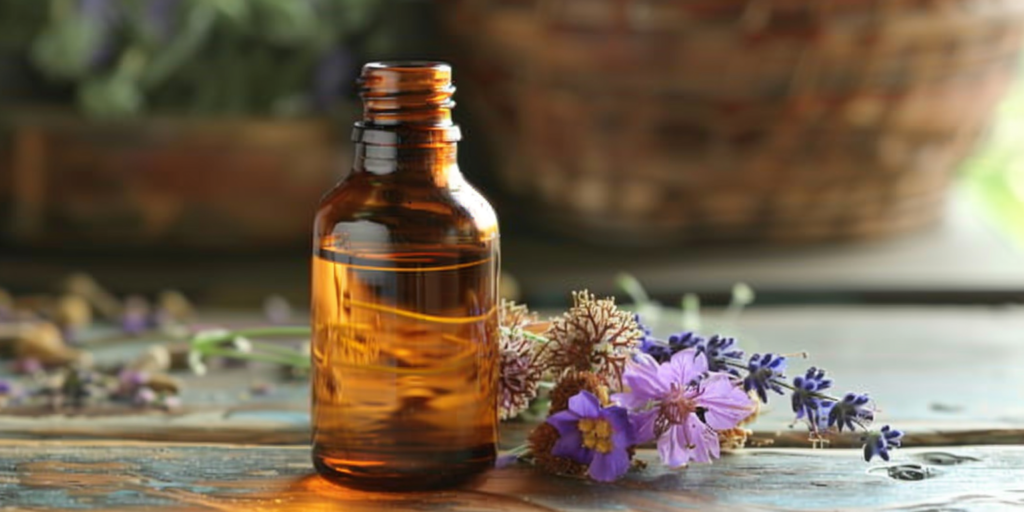
Grounding Skullcap & Passionflower Tincture
For sudden nervous tension, herbalists often relied on tinctures for their portability and immediacy. Skullcap and passionflower were traditionally combined
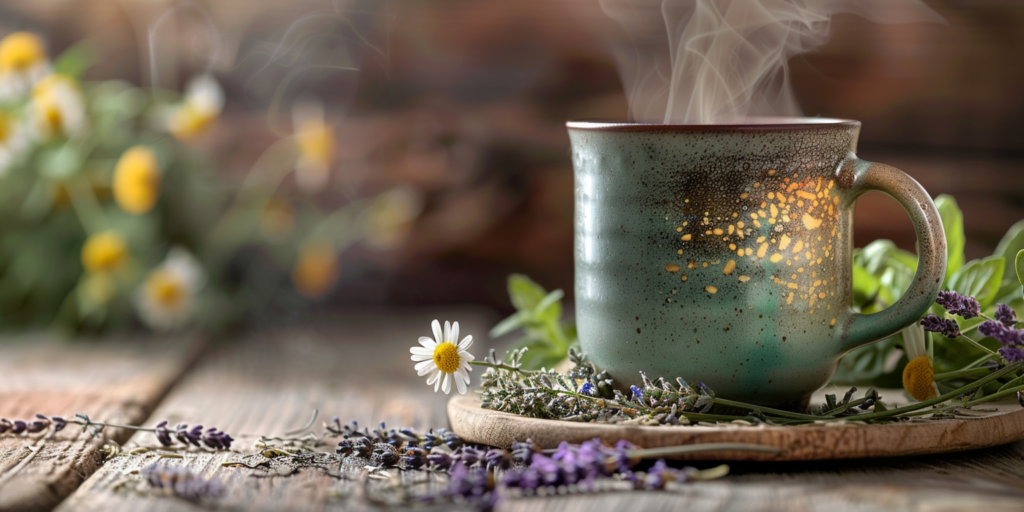
Immediate Calm Nervine Infusion
When stress arrives suddenly, Western herbalists traditionally turned to fast-acting aromatic nervines prepared as simple infusions. These herbs were chosen
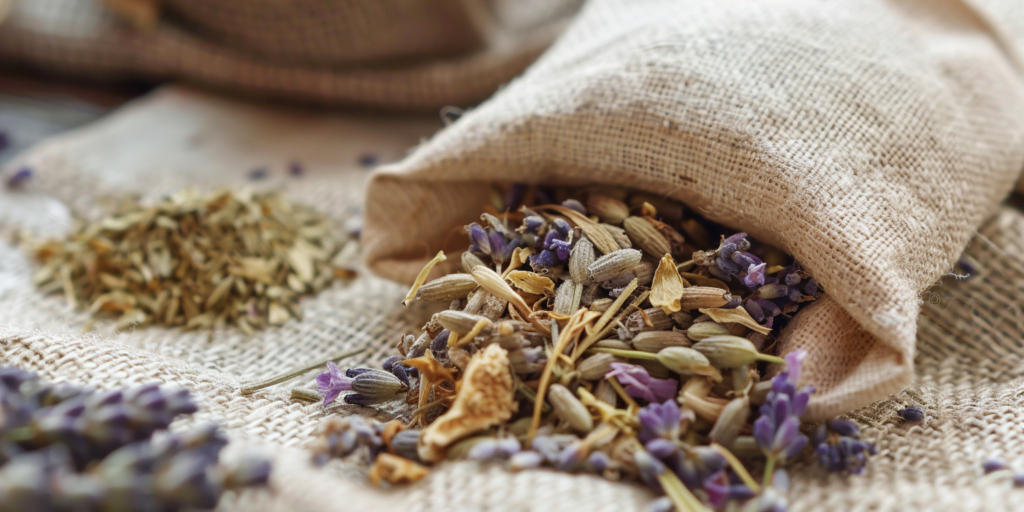
Aromatic Rest & Comfort Sachet
Western herbalism has long recognized the influence of scent on mood and comfort. Aromatic preparations were commonly used when stress
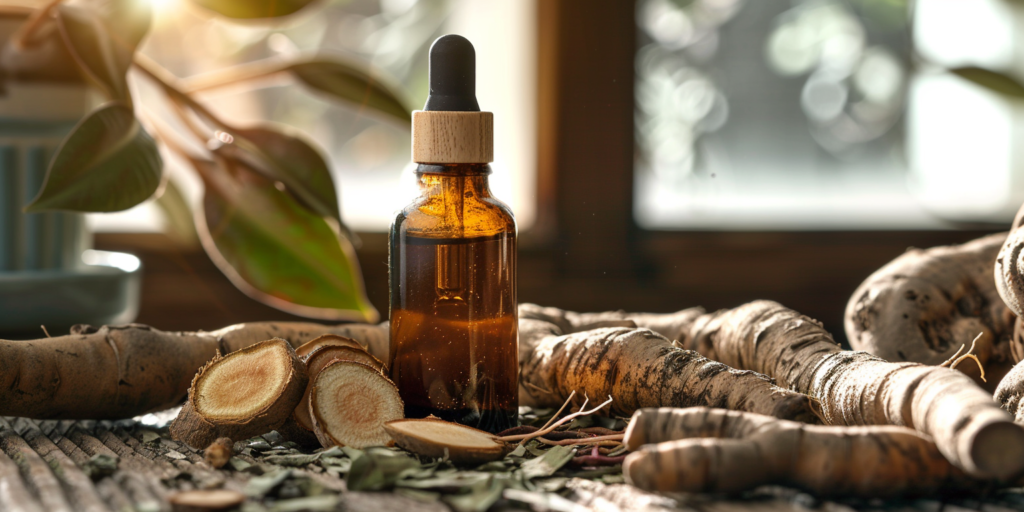
Adaptogenic Root Tincture
Root-based tinctures have long been used when stress is understood as cumulative rather than immediate. Herbalists valued these preparations for
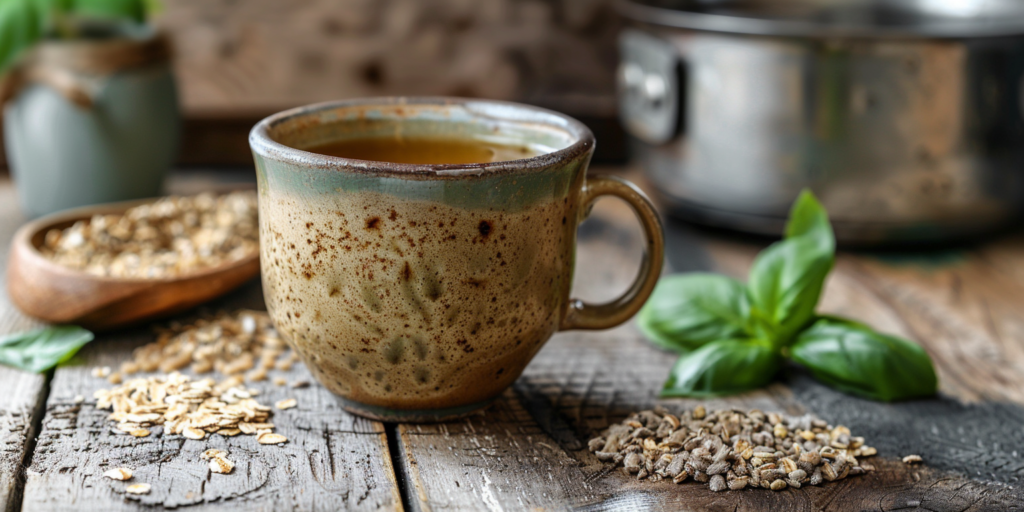
Nourishing Milky Oat & Tulsi Decoction
Periods of prolonged stress were traditionally met with nourishing, restorative preparations rather than quick remedies. This decoction combines herbs historically
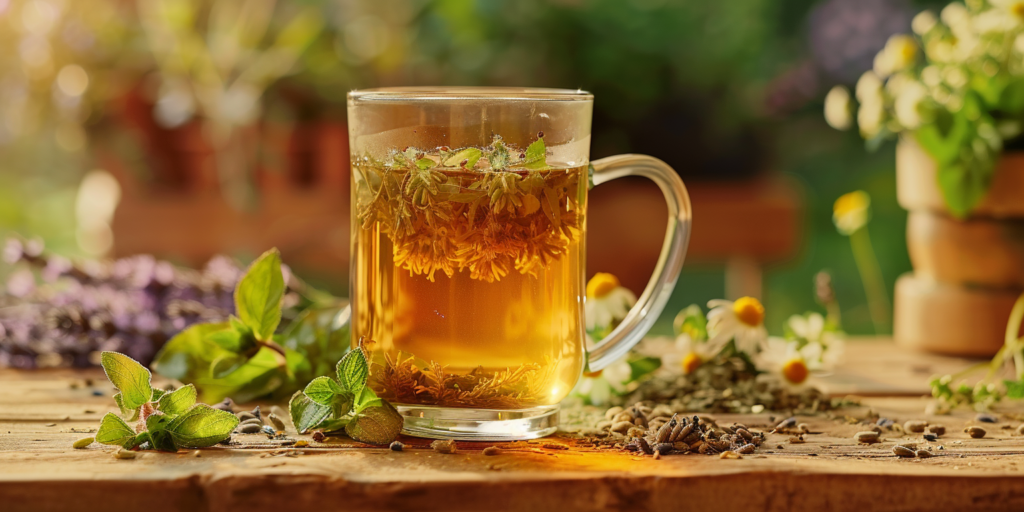
Quiet Evening Nervine Infusion
This gentle infusion reflects a classic Western herbal approach to stress that shows up as mental busyness and difficulty settling
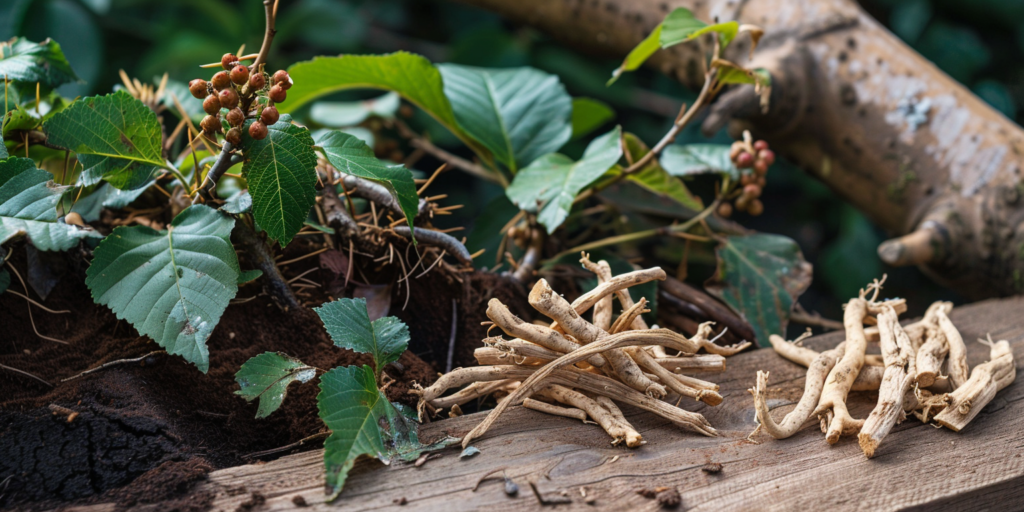
Eleuthero
Eleuthero in Traditional Western Herbalism: Steady Energy and Resilience Eleuthero has earned a reputation in traditional Western herbalism as a
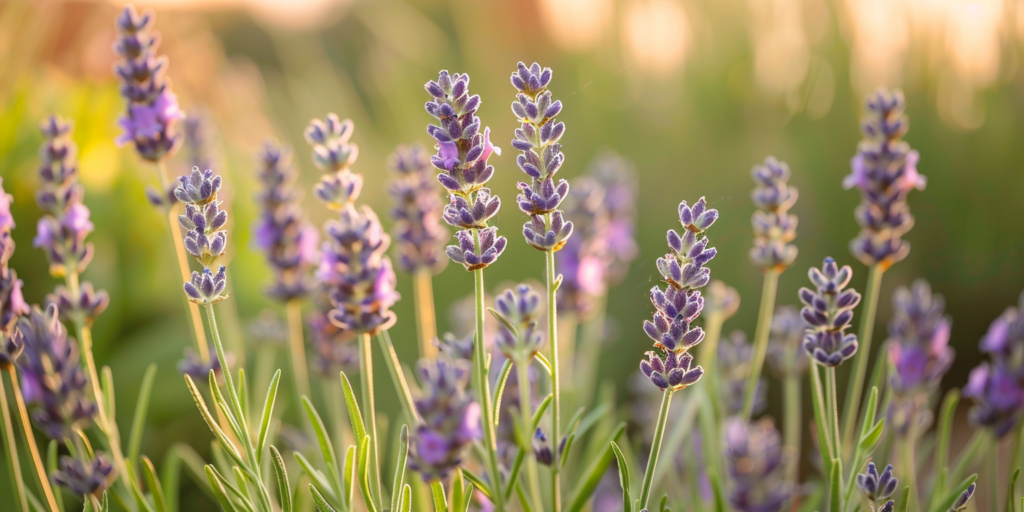
Lavender
Lavender: Calm, Comfort, and Clarity Lavender has long been cherished in traditional Western herbalism as a plant that brings calm
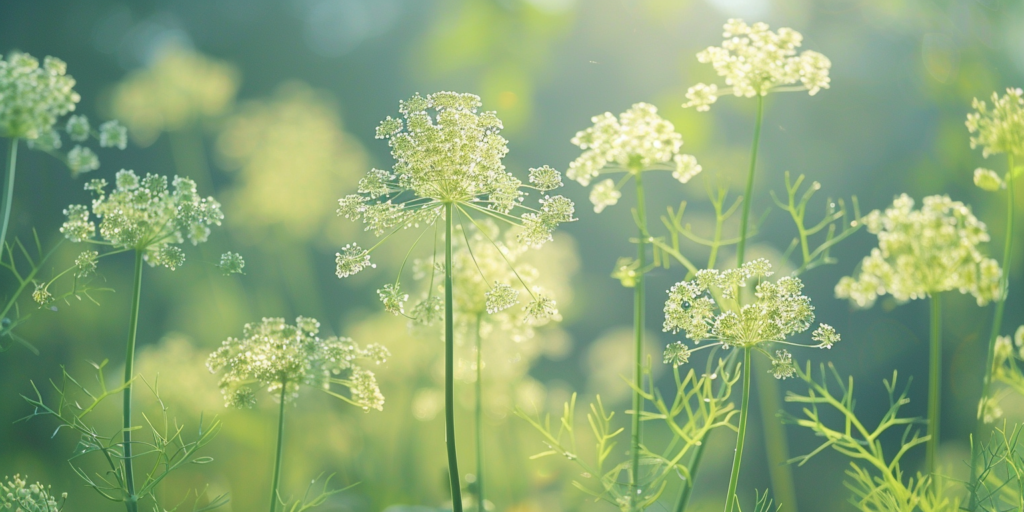
Fennel
Fennel in Traditional Western Herbalism: Digestion, Breath, and Balance Fennel has earned a quiet but enduring place in traditional Western
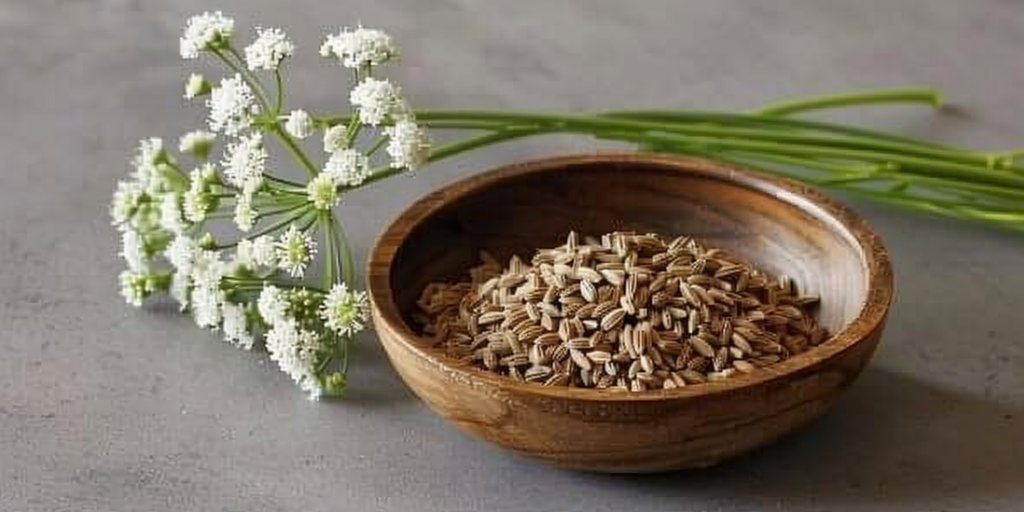
Anise
Anise (Pimpinella anisum): Traditional Uses and Herbal Actions Anise is one of those herbs that quietly earns its place in

Muscle Tension
Stress-Related Muscle Tension: A Traditional Herbal Perspective on Holding Too Much Stress-related muscle tension often builds quietly, becoming part of

Sleep Disruption
Stress-Related Sleep Disruption: A Traditional Herbal Perspective on Rest That Won’t Come Most people who struggle with sleep know the

Mental Overload
Mental Overload: A Traditional Herbal Perspective on an Overworked Mind Mental overload is one of those experiences many people recognize

Nervous Tension and Anxiety
Nervous Tension and Anxiety: A Traditional Herbal Perspective Nervous tension and anxiety are experiences most people recognize, even if they

Acute Stress
Acute Emotional Stress: An Herbalist’s View of Sudden Overload Acute emotional stress is part of being human, and in many

Chronic Stress
Chronic Stress and Burnout: A Grounded Herbal Perspective for Modern Life Chronic stress rarely appears all at once. It builds
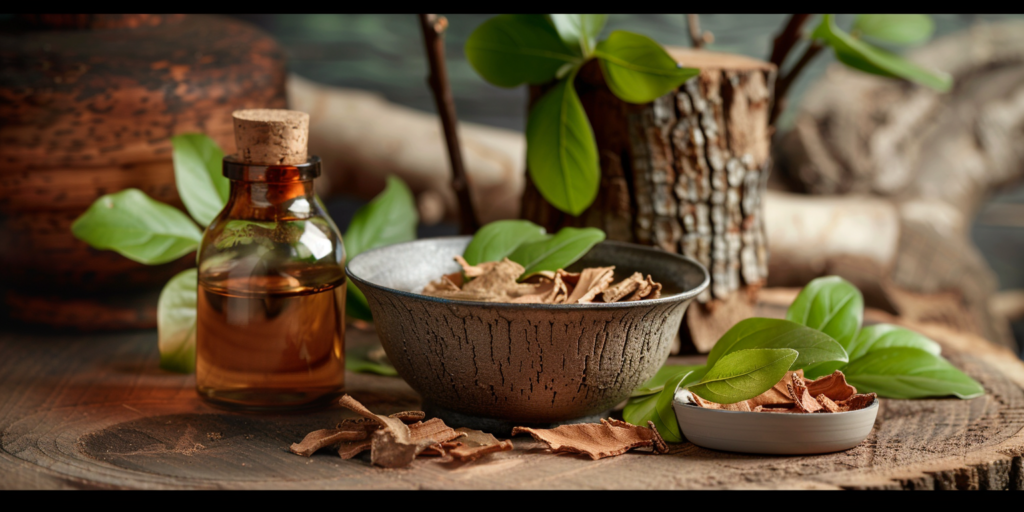
Cramp Bark
Cramp Bark: Traditional Uses, Actions, and Herbal Preparations Cramp bark is one of those classic Western herbs that earns trust
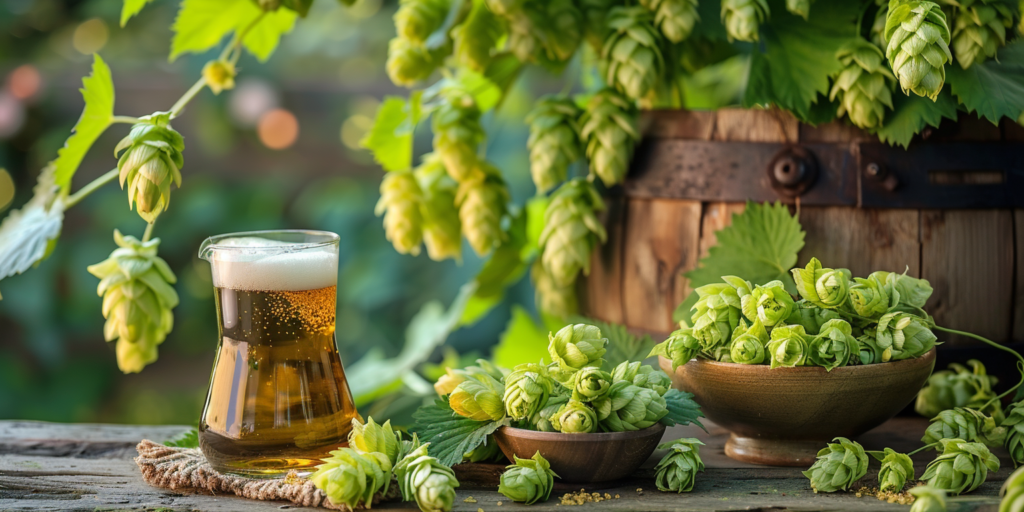
Hops
Hops: Traditional Uses, Actions, and Herbal Preparations Hops is best known today as the bitter backbone of beer, but long
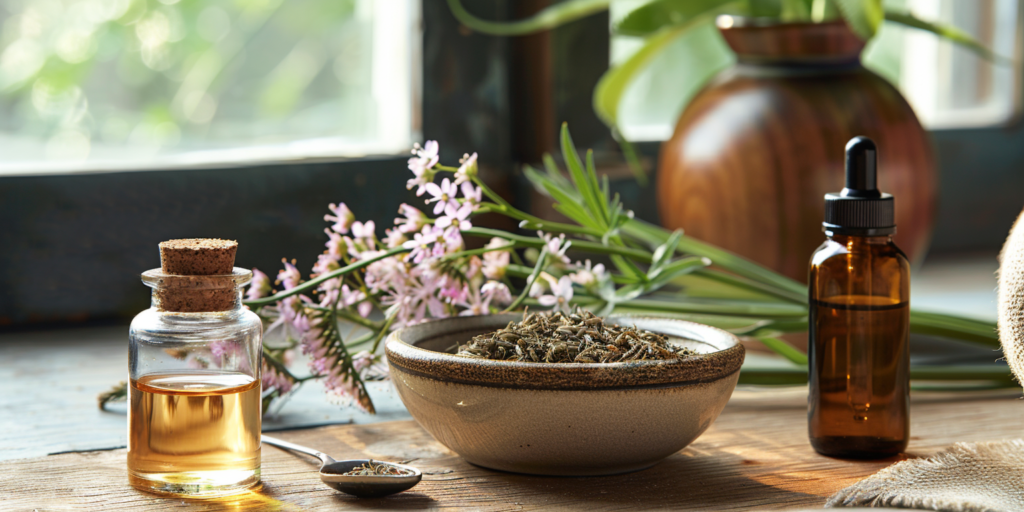
Valerian
Valerian: Traditional Uses, Actions, and Herbal Preparations Valerian is one of those herbs that herbalists tend to develop a long,
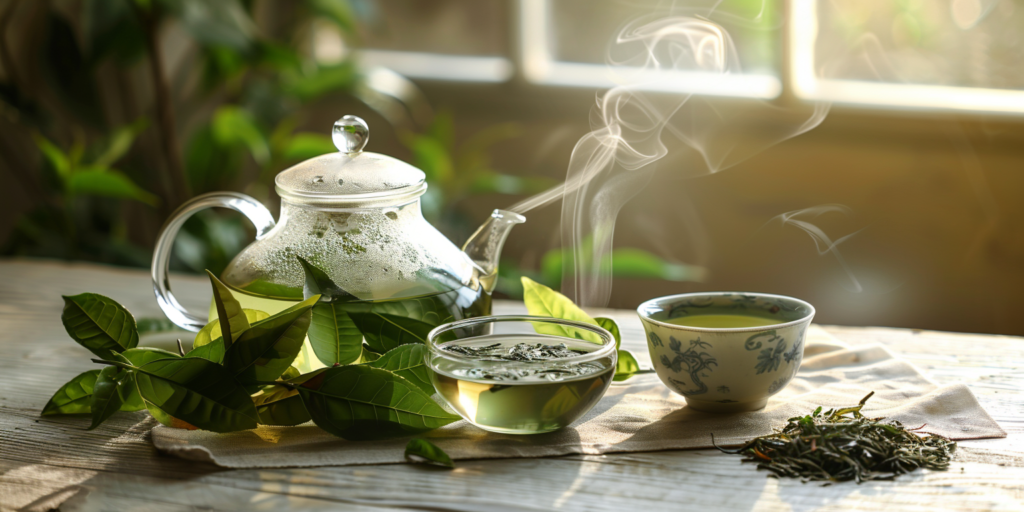
Green Tea
Green Tea: Traditional Uses, Actions, and Herbal Preparations Green tea occupies a somewhat unusual but well-earned place in traditional Western
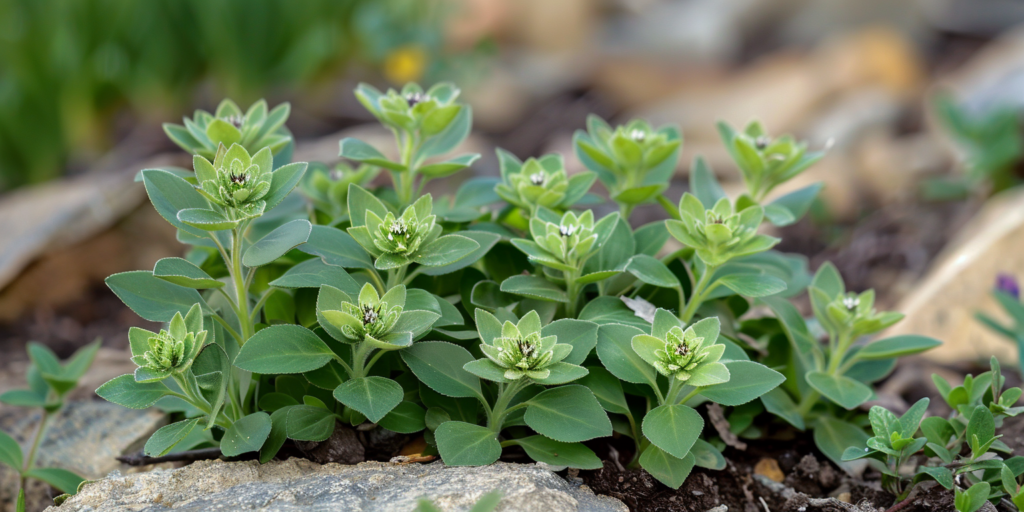
Rhodiola
Rhodiola: Traditional Uses, Actions, and Herbal Preparations Rhodiola is one of those plants that feels shaped by its landscape—rugged, steady,
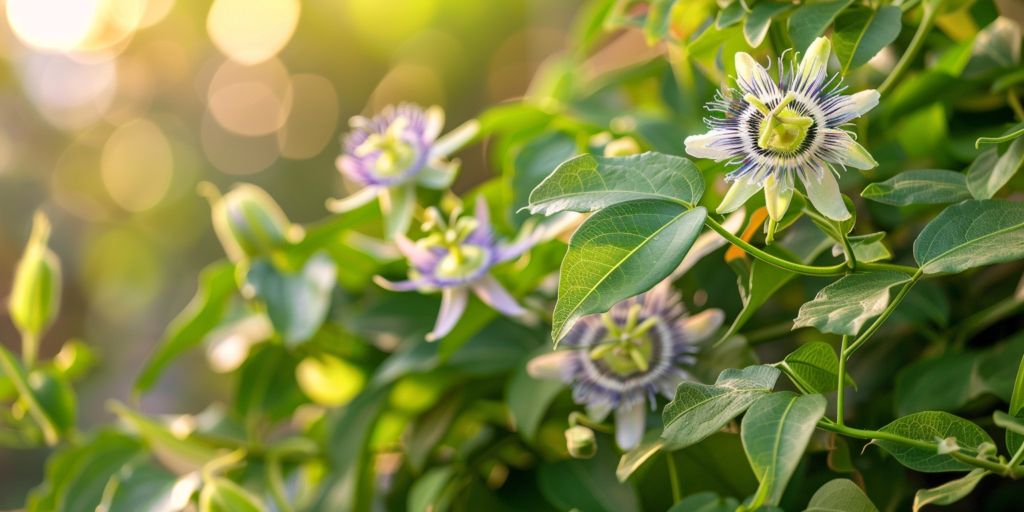
Passionflower
Passionflower: Traditional Uses, Actions, and Herbal Preparations Passionflower has a long-standing reputation in traditional Western herbalism as a gentle yet
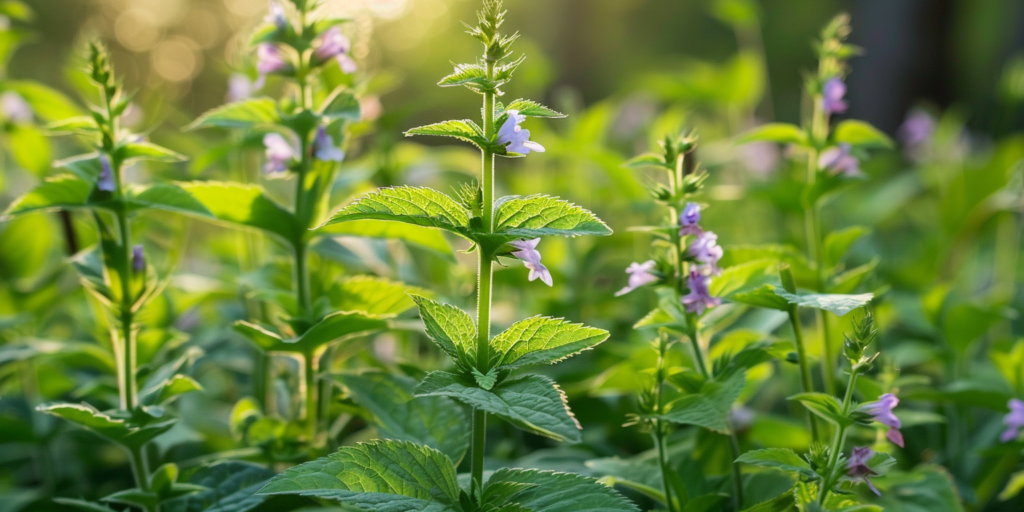
Skullcap
Skullcap: Traditional Uses, Actions, and Herbal Preparations Skullcap has long held a quiet but respected place in traditional Western herbalism.
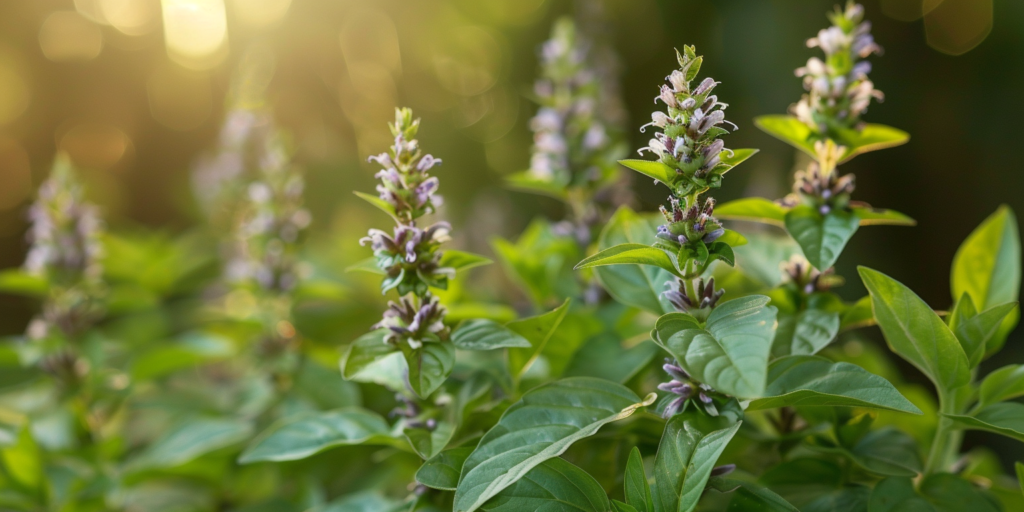
Holy Basil (Tulsi)
Holy Basil (Tulsi): Traditional Uses, Actions, and Herbal Preparations Holy basil—often called Tulsi—has become a familiar ally in contemporary Western
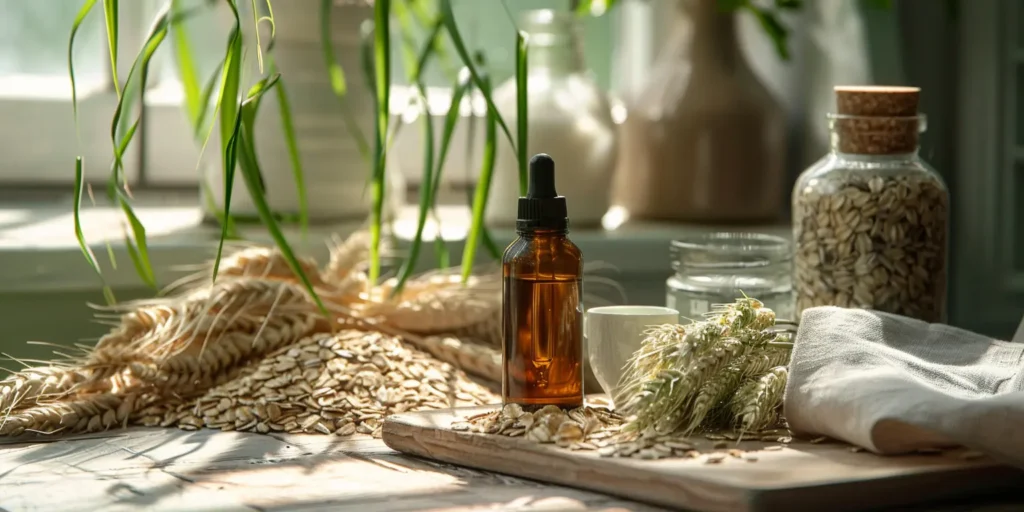
Milky Oats
Milky Oats: A Traditional Nervine Tonic for Steady Resilience Milky oats are one of those herbs that don’t try to
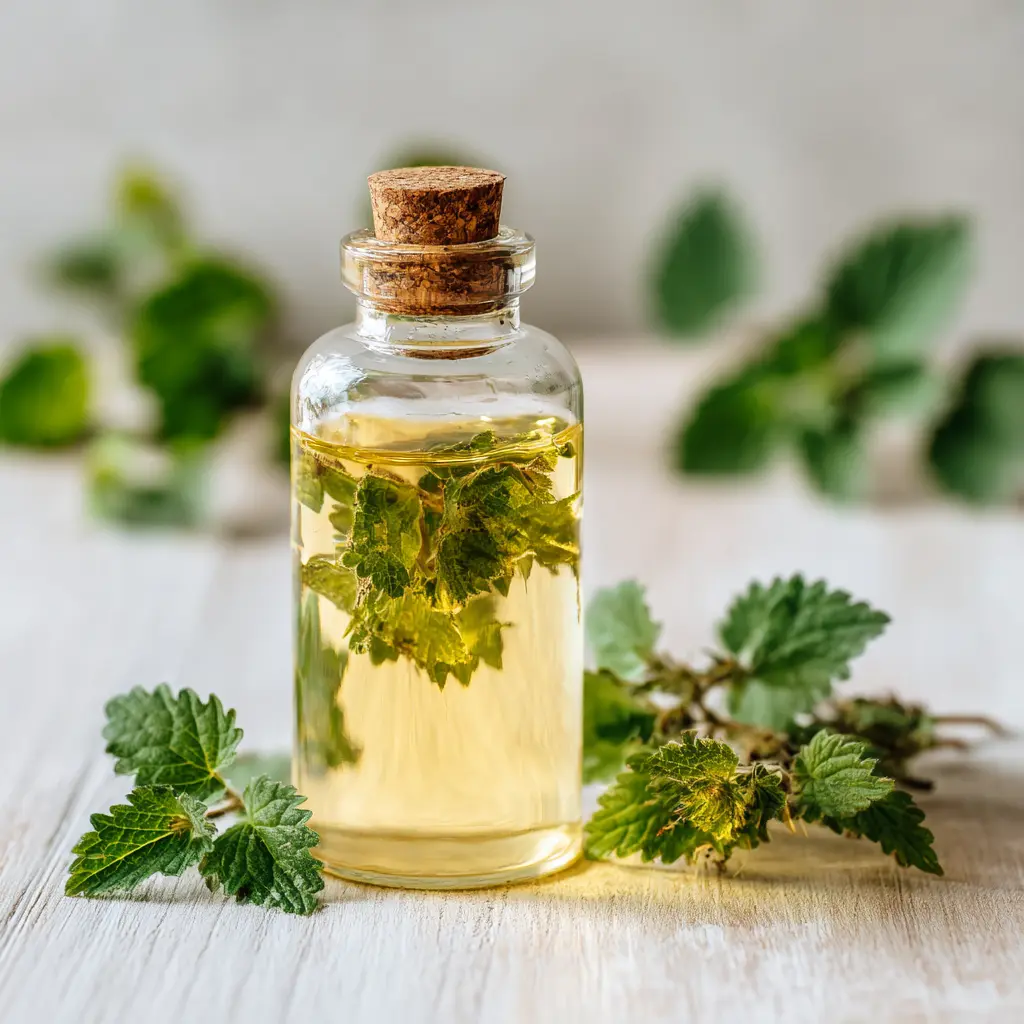
A lemon balm–infused oil for traditional external use.
A lemon balm–infused oil for traditional external use. Shop Herb You Need Lemon balm loose dry Rated 0 out of
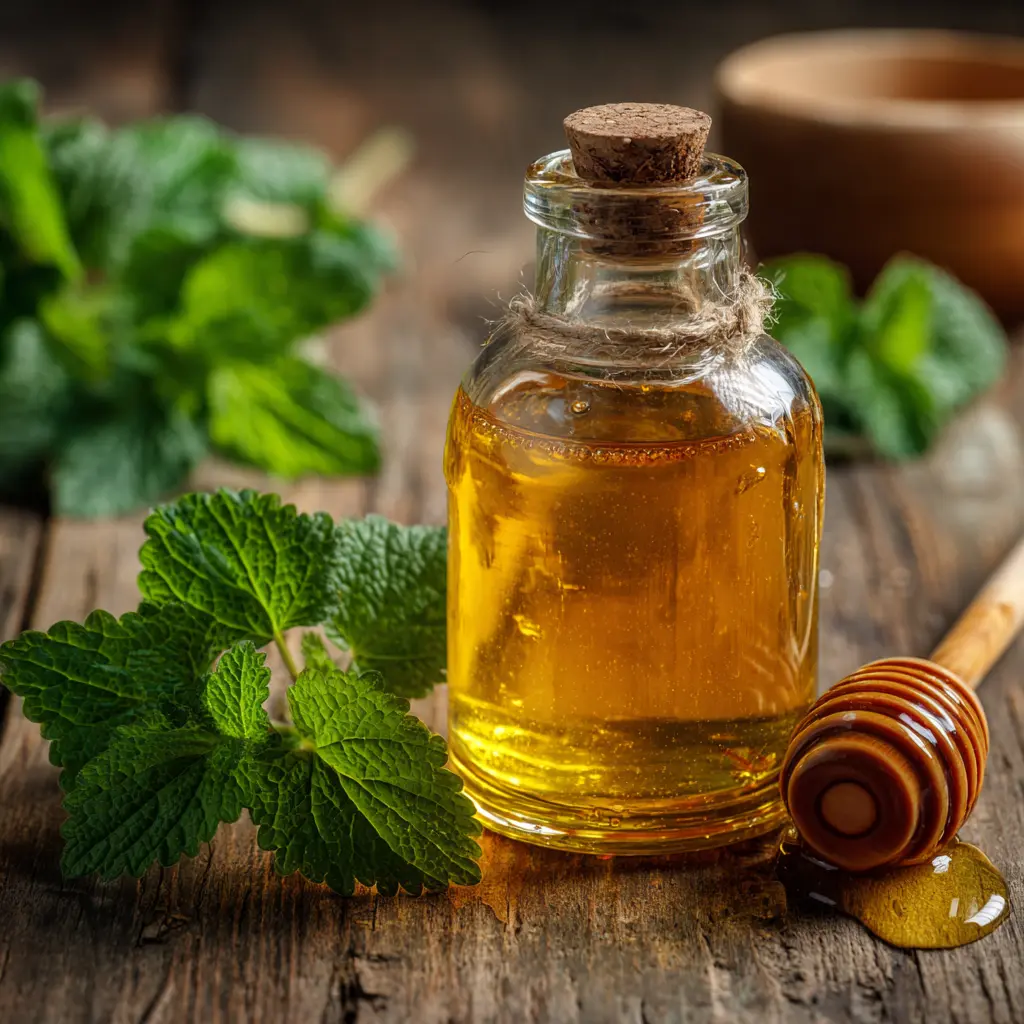
Lemon Balm & Honey Syrup
A gently sweet herbal syrup combining lemon balm and honey. Shop Herb You Need Lemon balm loose dry Rated 0
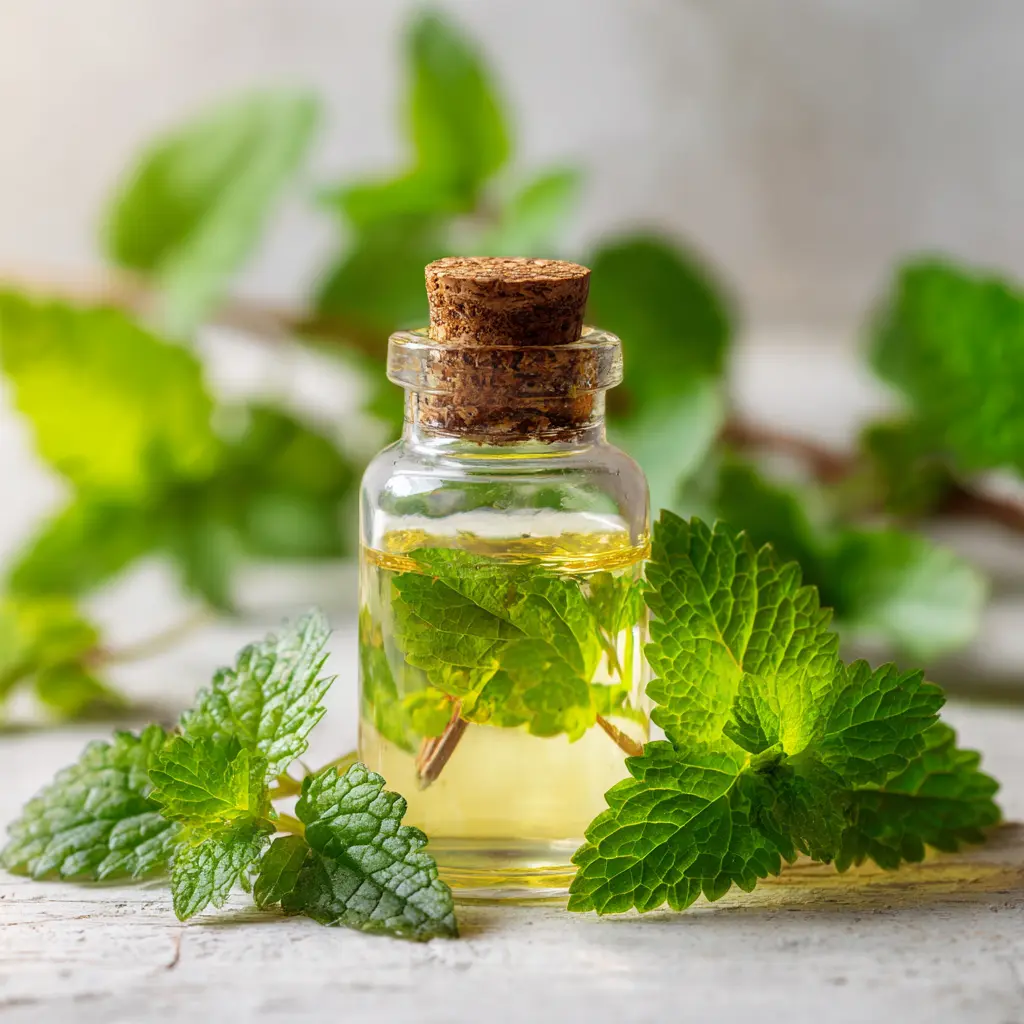
Lemon Balm Glycerite (Alcohol-Free)
An alcohol-free liquid extract made with lemon balm and vegetable glycerin. Shop Herb You Need Lemon balm loose dry Rated
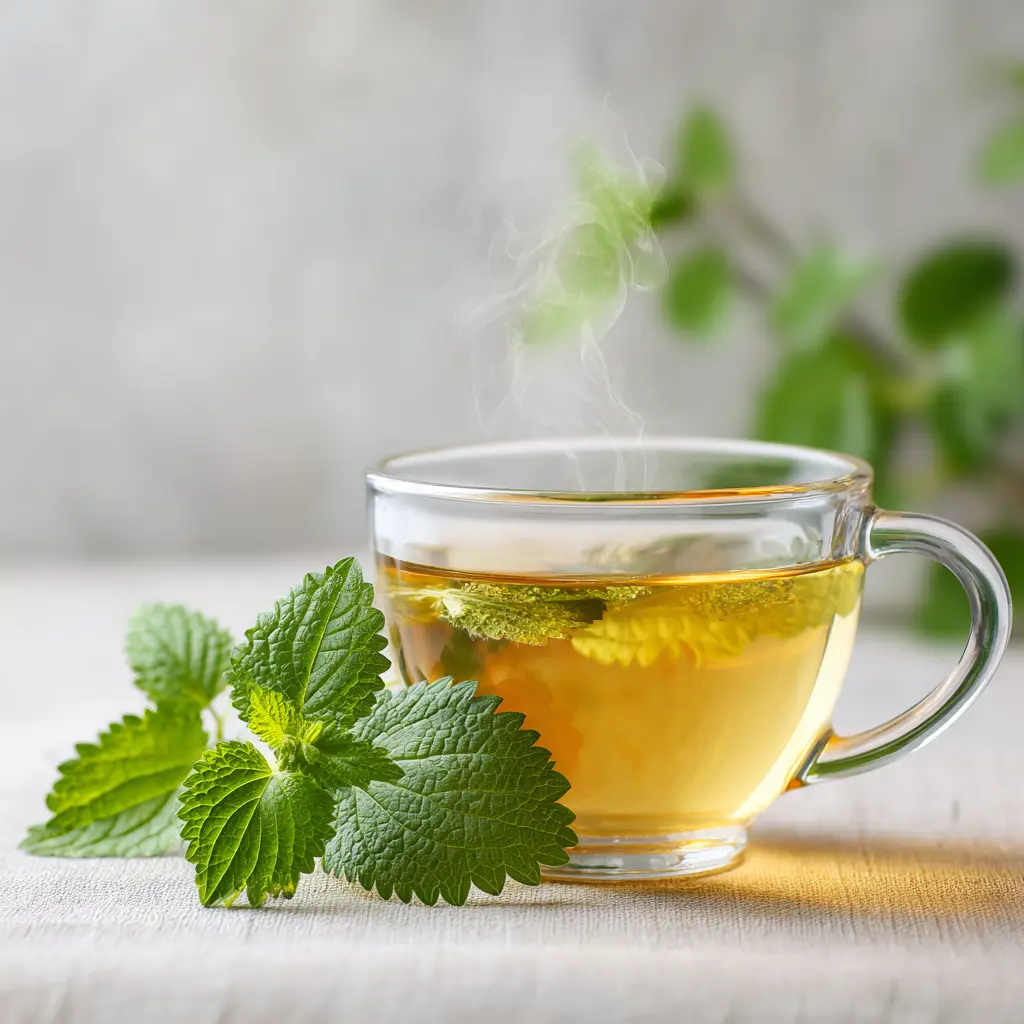
Lemon Balm Calming Tea (Infusion)
A simple lemon balm tea traditionally used for gentle calming support. Shop herb You Need Lemon balm loose dry Rated
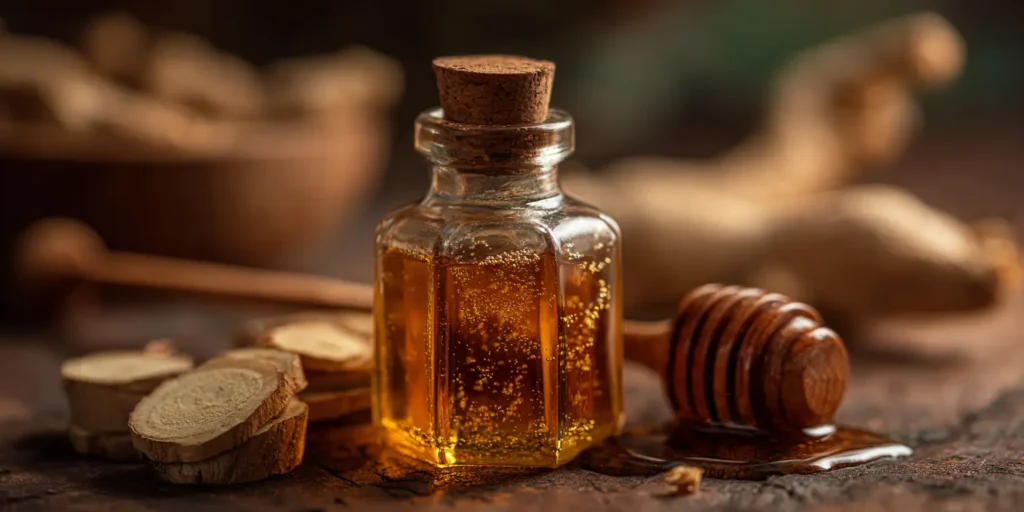
Ashwagandha Nighttime Honey Syrup
A soothing herbal honey syrup traditionally used as part of an evening routine.
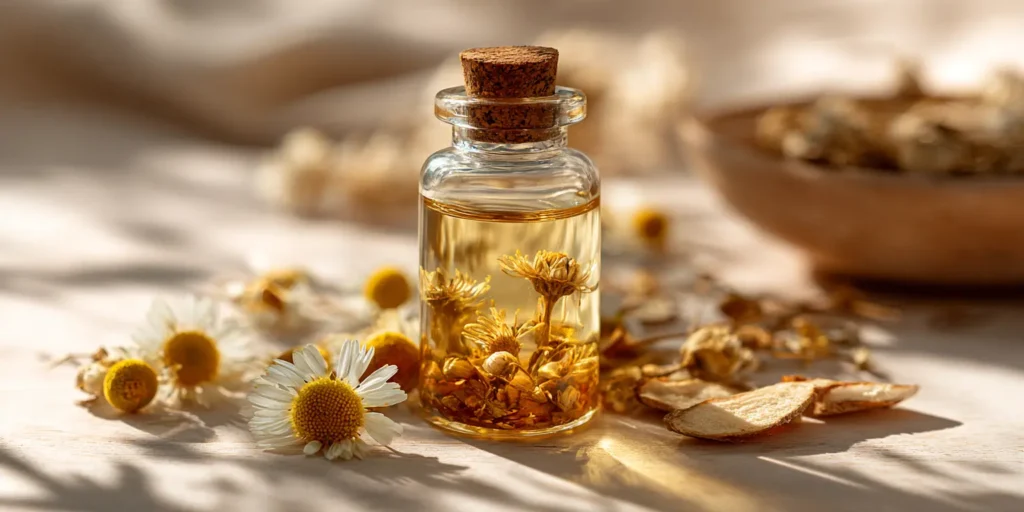
Ashwagandha & Chamomile Glycerite (Alcohol-Free)
Chamomile is a gentle, sooting nervine, often paired with ashwaganda for people who prefer mild, alcohol-free preparations. Shop herbs You
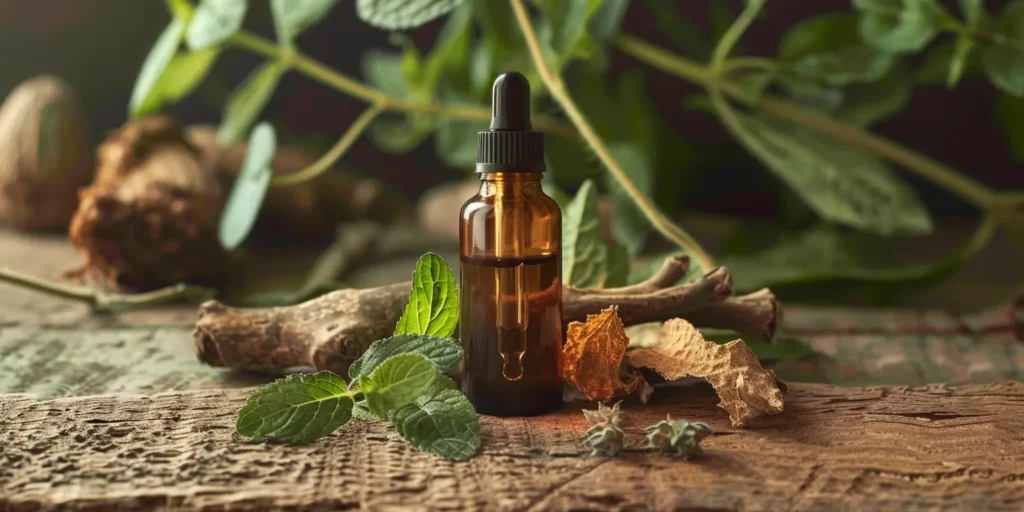
Ashwagandha, Lemon Balm & Skullcap Tincture
Ashwagandha, lemon balm, and skullcap tincture traditionally used to support nervous system balance in a convenient liquid herbal form. Shop
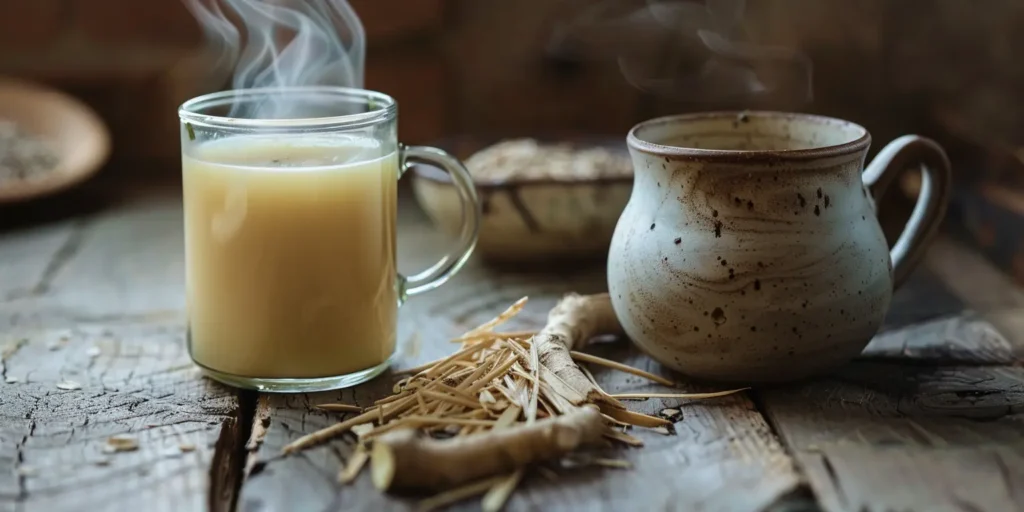
Ashwagandha & Oat Straw Nourishing Infusion
Ashwaganda is traditional viewed as a grounding nervine tonic, while oat straw is classic nourishing nervine for long-term nervous system
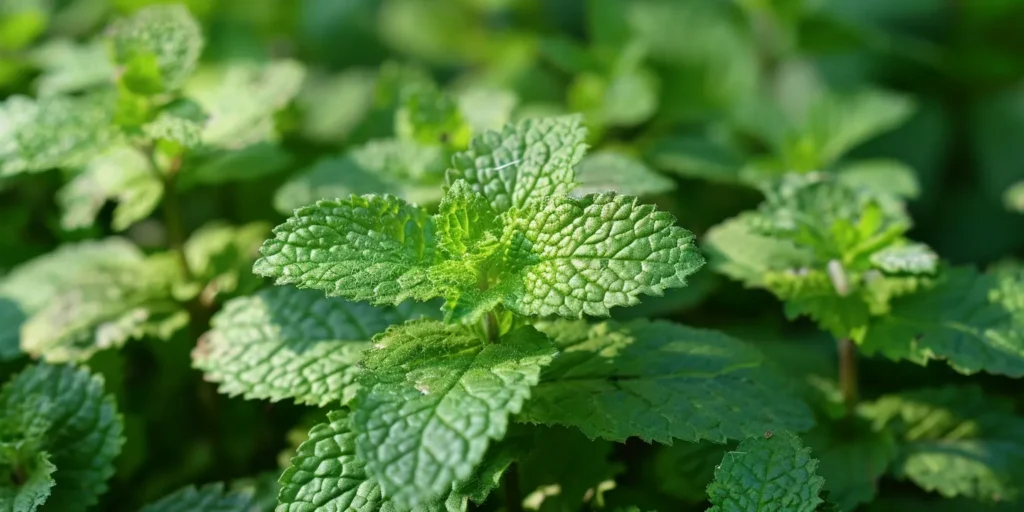
Lemon Balm
Lemon Balm: Gentle Calm, Clear Mind, and Everyday Comfort Lemon balm is one of those herbs that earns trust quickly.
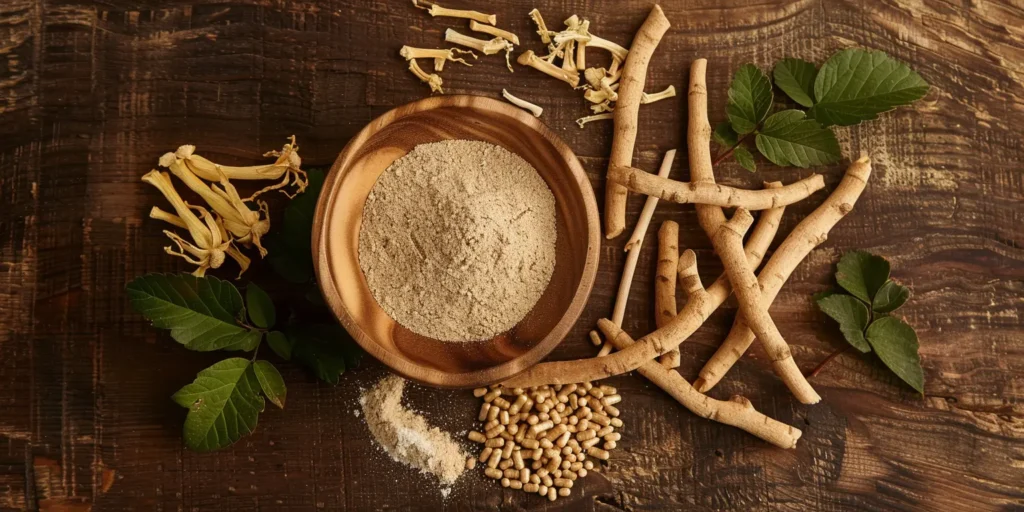
Ashwagandha
Ashwagandha: A Grounded Western Herbalist’s Guide to Calm, Resilience, and Rest Ashwagandha is one of those herbs that rarely makes
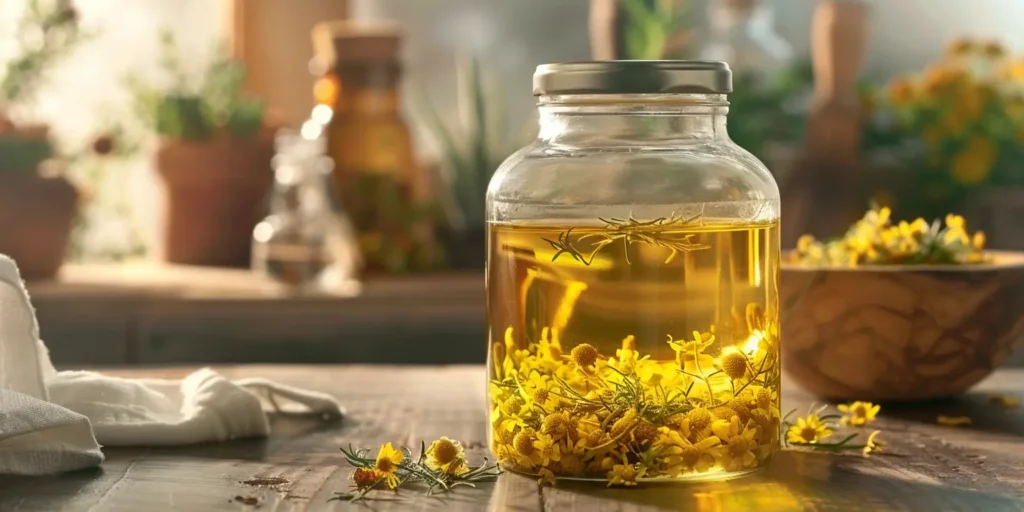
Chamomile Oil Infusion (Base for Topical Preparations)
An infused oil made by steeping dried chamomile flowers in a carrier oil, commonly used as a base for salves
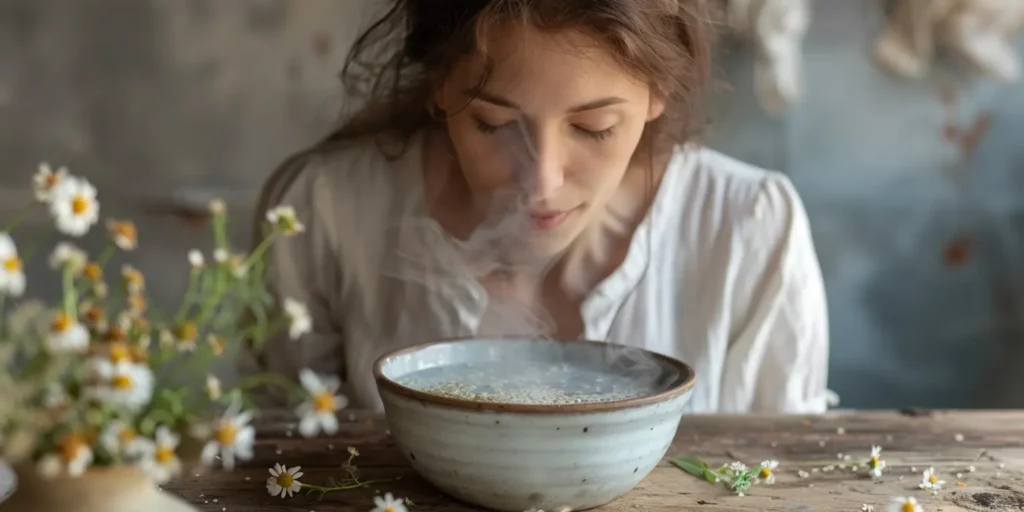
Chamomile Herbal Steam (Aromatic Preparation)
An aromatic steam made from dried chamomile flowers and hot water, traditionally used for relaxation and sensory comfort. Shop Herb

Chamomile Cold Infusion (Gentler Tea)
A mild, non-bitter chamomile preparation made using cold water over an extended steep. Shop herb You Need Loose dried chamomile
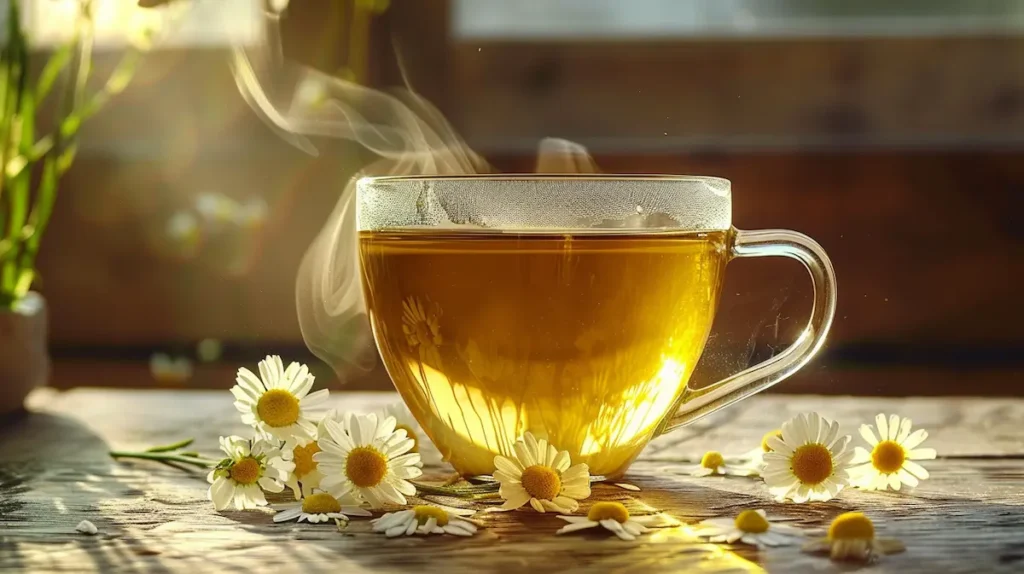
Chamomile Calming Tea (Infusion)
A classic chamomile tea made from dried flowers and hot water, traditionally used as a gentle, aromatic beverage after meals
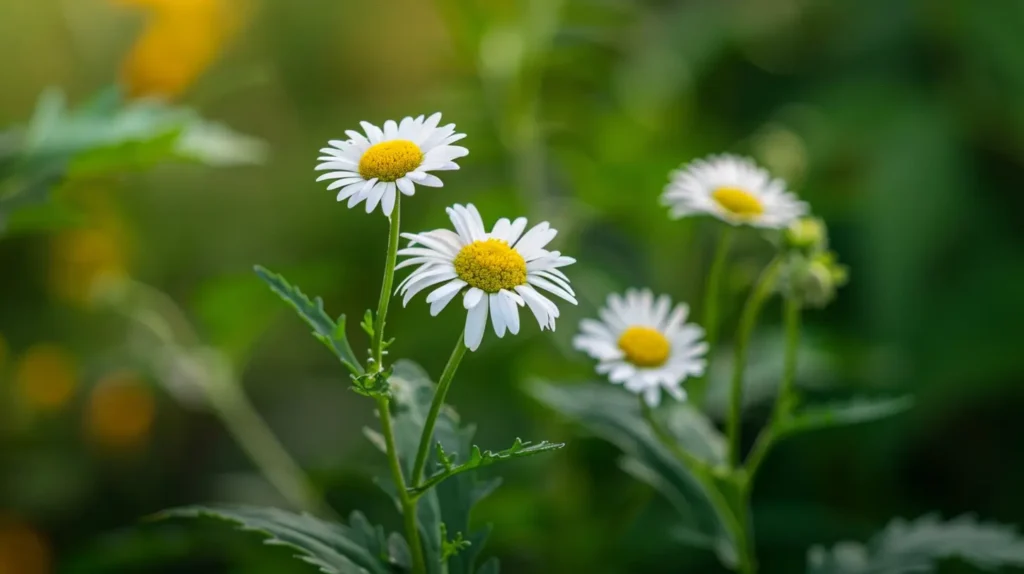
Chamomile
Chamomile: Herbal Solution for Everyday Calm Chamomile recipes offer gentle ways to support relaxation and daily well-being. Explore simple teas,