
Meadowsweet: Traditional Soothing Herb for Digestive and Tissue Support
Meadowsweet is a classic European herb traditionally used to support digestive comfort and balanced inflammatory response. In Western herbalism, it helps restore tone and calm to sensitive tissues, particularly in the digestive system and joints.
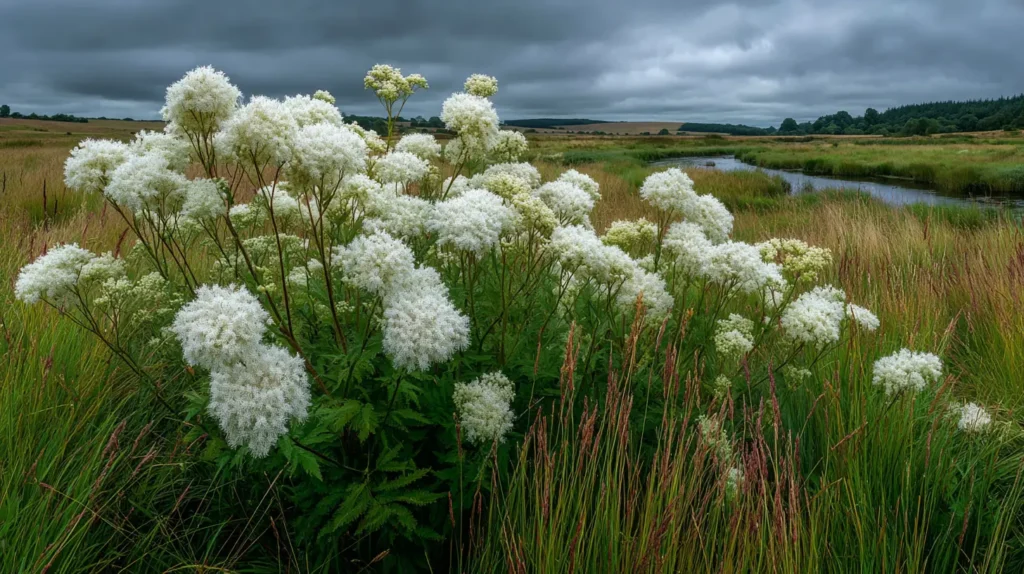
Latin (botanical) name: Filipendula ulmaria
Plant family: Rosaceae
Common names: Meadowsweet, queen of the meadow, meadwort
Meadowsweet has a long history in European folk and monastic herbal traditions. It was once used to flavor mead and was valued for its aromatic blossoms and gentle tissue-supporting qualities.
In traditional Western herbalism, meadowsweet is used for digestive sensitivity, mild acidity, and general inflammatory discomfort. Its long-standing use is recognized in the community herbal monograph from the European Medicines Agency (EMA).
Herbal Actions
Meadowsweet is traditionally described as:
- Mild anti-inflammatory
- Astringent
- Diaphoretic
- Aromatic digestive
These actions reflect its combination of salicylate derivatives, flavonoids, and tannins.
Practical Uses
In digestive herbalism, meadowsweet is often selected when irritation is present alongside excess acidity. Unlike strong bitters, it is not primarily stimulating; instead, it supports tissue tone and comfort.
It is also traditionally used for general inflammatory balance in joints and soft tissues. Herbalists frequently combine it with demulcent herbs when both soothing and gentle astringency are desired.
Product forms
Meadowsweet is commonly available as:
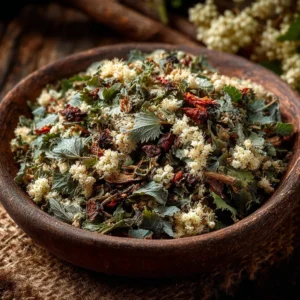
- Dried flowering tops (for infusion)
- Tincture
- Capsules
- Powder (less common)
- Included in digestive or joint-support blends
Infusion is the most traditional preparation.
Traditional herbal recipes
A simple tea of dried flowering tops steeped in hot water is the classic preparation. It is sometimes blended with chamomile for digestive balance or with willow bark in traditional inflammatory formulas.
Historically, it was included in meadow tonics and summer digestive infusions.
Parts Used
The flowering tops (herb) are primarily used in Western herbalism.
Usage Forms & Shelf Life
Internal use: Infusion, tincture, capsule
External use: Washes or compresses in traditional practice
Common preparations:
Hot infusion (tea)
Alcohol tincture
Shelf-life ranges:
Dried herb: approximately 1–2 years
Tincture: 4–6 years
Proper storage away from light and moisture preserves volatile components.
Safety & Considerations and Dosage Guidelines
Meadowsweet contains naturally occurring salicylate derivatives. Traditional use generally involves moderate quantities as part of blended formulas.
Individuals sensitive to salicylates traditionally exercise caution. The EMA monograph outlines usage considerations in documentation from the European Medicines Agency (EMA).
Side Effects & Contraindications
Because of its salicylate content, meadowsweet is traditionally avoided by individuals with known salicylate sensitivity.
It is generally regarded as gentle when used appropriately in traditional amounts.
Active Constituents
Salicylate Derivatives
Includes salicin, salicylaldehyde, and methyl salicylate derivatives.
Salicin content varies but has been measured in low percentage ranges in dried herb, as reported in phytochemical analyses summarized through PubMed Central.
Traditional role: Supports balanced inflammatory response
Best extraction method: Alcohol tincture or hot infusion
Flavonoids
Includes quercetin, kaempferol derivatives.
Traditional role: Contribute to antioxidant and tissue-supporting effects
Best extraction method: Hot water infusion or alcohol
Tannins
Provide mild astringent action.
Traditional role: Support tissue tone and digestive balance
Best extraction method: Water-based infusion
How It Works
Meadowsweet’s salicylate derivatives are metabolized into salicylic acid-like compounds in the body, which contribute to its traditional anti-inflammatory profile. Unlike synthetic preparations, the herb contains buffering tannins and mucilaginous elements that moderate its action.
Research examining salicin-containing plants and their pharmacological properties is available through PubMed Central.
In digestive herbalism, its mild astringent and soothing qualities help support balanced gastric comfort.
Processing Cautions
The flowering tops should be harvested during full bloom and dried promptly to preserve volatile aromatic compounds.
Overdrying or exposure to humidity can reduce fragrance and potency.
Quick Herb Overview
Botanical family: Rosaceae
Parts used: Flowering tops
Energetics (traditional): Cool, slightly dry
Taste profile: Mildly sweet, slightly astringent, aromatic
Herb Identification
Filipendula ulmaria is a perennial herb that grows 3–5 feet tall. It has creamy-white clustered flowers with a sweet almond-like fragrance and deeply serrated leaves that are dark green above and pale underneath.
It prefers damp meadows and riverbanks. It should not be confused with ornamental spirea species, though most are not toxic.
Selecting Quality Herb
High-quality meadowsweet should retain a light cream color and noticeable fragrance. Dull brown material with little aroma suggests age or poor storage.
The flowering tops should be intact, not overly fragmented.
Natural Growing Areas
Meadowsweet is native to Europe and Western Asia and grows in moist meadows, marshes, and along streams.
Growing Tips
Meadowsweet thrives in moist, rich soil and partial to full sun. It spreads readily in favorable conditions.
Regular division encourages healthy growth.
Frequently Asked Questions
Does meadowsweet contain natural salicylates?
Yes, it contains salicin and related compounds in modest amounts.
Is it the same as willow bark?
Both contain salicin derivatives, but they differ in overall phytochemical profile and traditional applications.
Can it be used for digestion?
Traditionally, yes. It is often chosen when digestive irritation and acidity are present.
Is it safe for long-term use?
Traditional use suggests moderate, appropriate use is generally well tolerated.
Why does it smell sweet?
Its flowers contain aromatic compounds that contribute to its characteristic fragrance.
Can it be blended with other herbs?
Yes, it is frequently combined with demulcents or digestive aromatics.
References
Community Herbal Monograph on Filipendula ulmaria — European Medicines Agency (EMA)
Pharmacological overview of salicin-containing plants — PubMed Central
This content is provided for educational purposes only and reflects traditional Western herbal practice and publicly available research. It is not intended to diagnose, treat, cure, or prevent any disease and does not replace professional medical care or individualized guidance.