
Marshmallow Root: Traditional Demulcent for Digestive and Mucosal Support
Marshmallow root is one of Western herbalism’s most trusted soothing herbs, valued for its ability to coat, hydrate, and support delicate tissues. Traditionally, it helps restore moisture balance and comfort in the digestive, respiratory, and urinary mucosa.
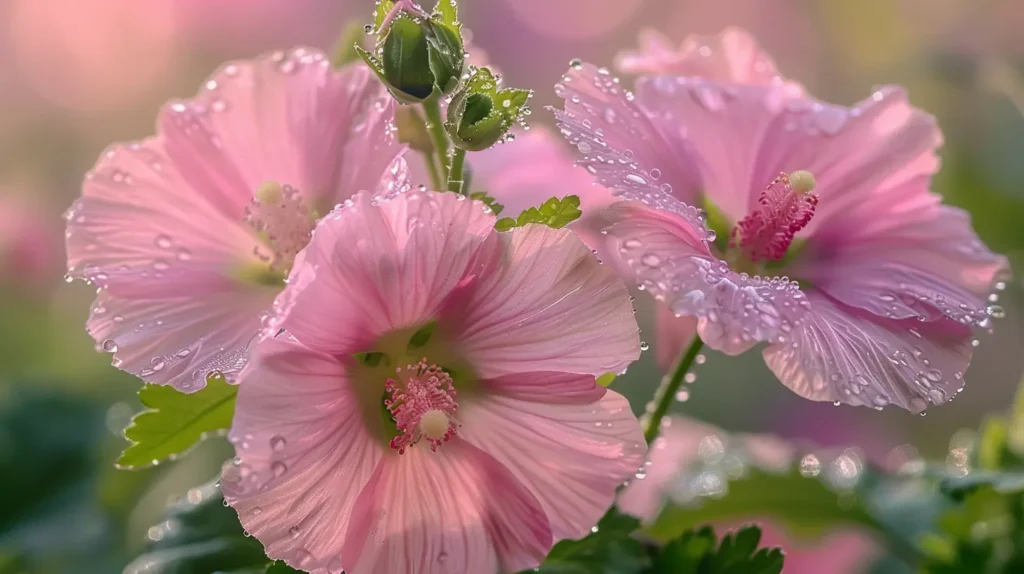
Latin (botanical) name: Althaea officinalis
Plant family: Malvaceae
Common names: Marshmallow root, white mallow, common marshmallow
Marshmallow has been used since classical antiquity. The genus name Althaea comes from the Greek word altho, meaning “to heal,” reflecting its long-standing use in supporting irritated tissues. In traditional Western herbalism, the root is primarily used as a demulcent for digestive and respiratory lining support.
Its longstanding traditional use is recognized in the monograph on Althaeae radix from the European Medicines Agency (EMA).
Herbal Actions
Marshmallow root is traditionally described as:
- Demulcent (soothing and coating)
- Emollient (softening to tissues)
- Mild anti-inflammatory
- Moistening tonic
These actions reflect its high mucilage content and its ability to form a protective layer over mucosal surfaces.
Practical Uses
In traditional practice, marshmallow is used when tissues feel dry, irritated, or overly reactive. It is commonly chosen for digestive sensitivity, scratchy throats, and urinary tract dryness.
Herbalists often combine marshmallow with aromatic herbs when both soothing and movement are desired. Its gentle nature makes it suitable for longer-term supportive use in appropriate contexts.
Product forms
Marshmallow root is available as:
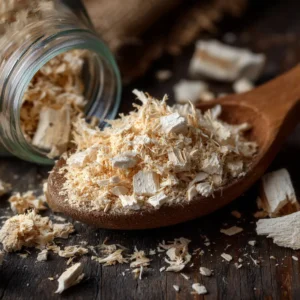
- Dried cut root (for infusion or decoction)
- Powdered root
- Capsules
- Alcohol-based tincture
- Glycerite
- Syrup preparations
- Included in soothing tea blends
Cold infusions are particularly common because they preserve mucilage content effectively.
Traditional herbal recipes
A classic preparation is a cold infusion: chopped root steeped in room-temperature water for several hours to extract mucilage. It is also included in traditional soothing syrups and multi-herb digestive blends.
Historically, marshmallow was combined with licorice and slippery elm in preparations supporting mucosal comfort.
Parts Used
The root is the primary medicinal part used in Western herbalism. The leaf and flower are also demulcent but milder.
Usage Forms & Shelf Life
Internal use: Cold infusion, decoction, tincture, powder
External use: Poultice, wash, compress
Common preparations:
Cold infusion (preferred for mucilage)
Tincture (less mucilage extracted)
Powder stirred into water
Shelf-life ranges:
Dried root: 2–3 years when stored properly
Powder: 1–2 years
Tincture: 4–6 years
Proper storage in airtight containers away from moisture preserves quality.
Safety & Considerations and Dosage Guidelines
Marshmallow root is considered one of the gentler herbs in Western herbalism. Because mucilage can slow absorption, it is traditionally taken separately from medications to avoid potential interference.
It is commonly used in moderate amounts as part of a daily herbal routine when appropriate.
Side Effects & Contraindications
Side effects are uncommon. Because marshmallow forms a mucilaginous coating, it may reduce absorption of other substances if taken simultaneously.
The safety profile and traditional usage are summarized in the EMA monograph from the European Medicines Agency (EMA).
Active Constituents
Mucilage Polysaccharides
Marshmallow root contains 5–15% mucilage depending on harvest and preparation, according to phytochemical analyses summarized in research available through PubMed Central.
Major components include arabinogalactans, rhamnogalacturonans, and acidic polysaccharides.
Traditional role: Tissue coating, hydration, soothing
Best extraction method: Cold water infusion
Flavonoids
Compounds such as quercetin derivatives are present in smaller quantities.
Traditional role: Contribute to mild anti-inflammatory properties
Best extraction method: Alcohol or warm infusion
Pectins and Starch
Provide additional bulk and texture in water preparations.
How It Works
When marshmallow root is soaked in water, its polysaccharides swell and form a viscous gel. This gel adheres to mucosal surfaces, providing a protective and hydrating layer.
Laboratory research indicates that marshmallow extracts can form bioadhesive films on epithelial surfaces, as discussed in pharmacological studies available through PubMed Central.
In traditional herbal understanding, this protective effect supports tissue resilience and reduces friction in sensitive areas.
Processing Cautions
Heat can degrade mucilage, which is why cold infusion is often preferred. Powdered root should be stored carefully to prevent moisture absorption.
Overheating or prolonged boiling may reduce the soothing texture that characterizes marshmallow preparations.
Quick Herb Overview
Botanical family: Malvaceae
Parts used: Root (primarily), leaf
Energetics (traditional): Cool, moist
Taste profile: Mild, slightly sweet, mucilaginous
Herb Identification
Althaea officinalis is a perennial herb reaching 3–5 feet in height. It has soft, velvety, gray-green leaves and pale pink to white flowers resembling hollyhock blooms.
It prefers marshy soils and damp meadows. It may be confused with other mallow species, though most are non-toxic. Proper identification is important for wild harvesting.
Selecting Quality Herb
Quality marshmallow root should appear light tan to pale cream inside and feel fibrous but not brittle. It should produce a slippery texture when soaked.
Avoid material that appears moldy, overly dark, or lacking characteristic mucilage.
Natural Growing Areas
Marshmallow is native to Europe and Western Asia and has naturalized in North America. It thrives in moist, sandy soils and riverbanks.
Growing Tips
Marshmallow grows well in well-drained but moist soil with full sun. Roots are typically harvested in the second year of growth when mucilage content is well developed.
Gentle drying preserves constituent quality.
Frequently Asked Questions
Is marshmallow root sweet like the confection?
No. The confection was historically made using marshmallow root, but modern marshmallows no longer contain the herb.
Why is cold infusion recommended?
Cold water preserves mucilage more effectively than boiling.
Can marshmallow be combined with bitters?
Yes. It is often combined with aromatic or bitter herbs to balance soothing and stimulation.
Does marshmallow work quickly?
Its soothing texture can be felt soon after ingestion, though consistent use supports broader tissue comfort.
Is marshmallow safe for long-term use?
It is traditionally considered gentle and suitable for longer-term supportive use when appropriate.
Can it be used externally?
Yes. Poultices and washes are traditional external preparations.
References
Community Herbal Monograph on Althaea officinalis L., radix — European Medicines Agency (EMA)
Pharmacological properties of Althaea officinalis — PubMed Central