
Fennel in Traditional Western Herbalism: Digestion, Breath, and Balance
Fennel has earned a quiet but enduring place in traditional Western herbalism as a plant that brings ease, clarity, and gentle warmth to the body. Long valued after meals and during times of digestive discomfort, fennel is less about dramatic effects and more about restoring smooth, comfortable function. Herbalists have traditionally turned to it when the body feels tense, stagnant, or unsettled—especially in the digestive system.
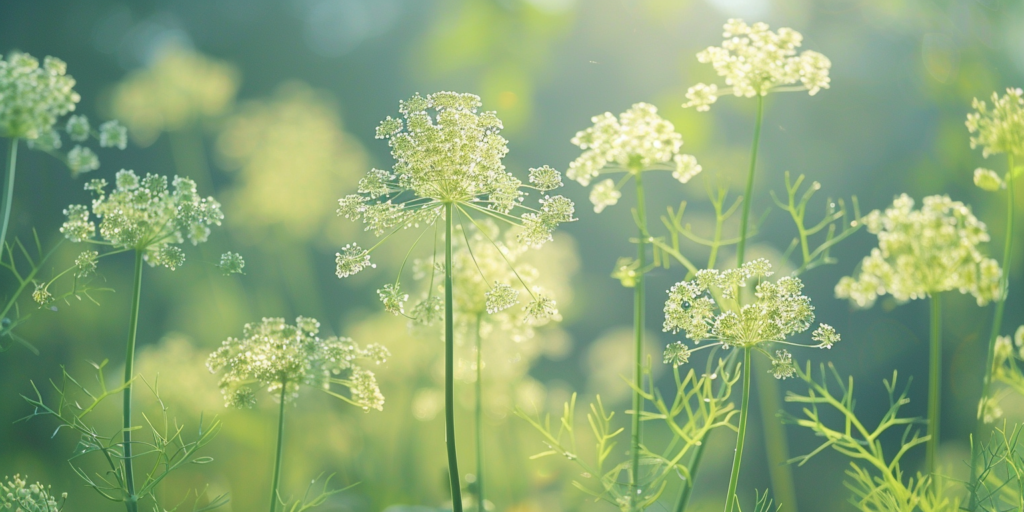
Latin (botanical) name: Foeniculum vulgare
Plant family: Apiaceae (carrot family)
Common names: Fennel, Sweet fennel, Roman fennel
Traditional use overview:
In traditional Western herbalism, fennel has been used primarily as a digestive ally and aromatic carminative. It was commonly taken after meals to ease gas, bloating, and digestive cramping, and used more broadly to support appetite, comfortable elimination, and fresh breath. Historical herbal texts also describe fennel as gently warming, drying excess dampness, and helping the body “move what is stuck.”
Herbal Actions
Fennel’s traditional actions are mild but dependable, making it suitable for regular, everyday use.
- Carminative: Helps release trapped gas and reduce bloating
- Antispasmodic: Relaxes smooth muscle tension in the digestive tract
- Aromatic digestive: Stimulates digestive secretions through aroma and taste
- Galactagogue (traditional): Historically used to support milk flow
- Mild expectorant: Traditionally used to loosen thick mucus
These actions are described in classic European herbal traditions and remain consistent with modern herbal practice.
Practical Uses
Fennel is most often used when digestion feels sluggish, uncomfortable, or noisy. Herbalists commonly suggest it after heavy meals, during periods of digestive stress, or when tension affects appetite. Its pleasant flavor also makes it useful in blends designed to improve compliance with less palatable herbs.
Product Forms
Fennel appears in many traditional and modern herbal product forms:
- Whole seeds: Used for teas, chewing after meals, or decoctions
- Crushed or powdered seed: Added to capsules or digestive blends
- Tea bags: Convenient preparation for daily digestive support
- Tinctures: Alcohol extracts for concentrated use
- Fluid extracts: Standardized liquid preparations
- Essential oil: Used externally or aromatically (not internally without professional guidance)
- Digestive blends: Combined with herbs like anise, chamomile, or peppermint
Four Traditional Herbal Recipes
- After-Meal Digestive Tea
Crushed fennel seed steeped in hot water for 10–15 minutes, traditionally taken after meals to reduce gas and fullness. - Carminative Seed Blend
Equal parts fennel, anise, and coriander seeds, lightly crushed and infused, used to ease digestive tension. - Breath-Freshening Chew
Whole fennel seeds chewed slowly after meals, a traditional European and Mediterranean practice. - Gentle Warming Decoction
Fennel seed simmered briefly with ginger root for a warming digestive preparation in colder weather.
Parts Used
- Seeds (technically fruits): Primary medicinal part
- Bulb and leaf: Used mainly as food, with mild digestive benefit
Usage Forms & Shelf Life
Internal vs external use:
Fennel is traditionally used internally. External use is uncommon except for diluted essential oil in massage blends.
Common preparations:
Teas, tinctures, capsules, chewing seeds, and aromatic preparations.
Shelf-life ranges:
- Whole seeds: 2–3 years when stored cool and dry
- Powdered seed: ~1 year
- Tinctures: 3–5 years
- Essential oil: 2–3 years when properly stored
Safety & Considerations and Dosage Guidelines
Fennel is considered a gentle herb in traditional practice. Typical use involves small, food-like amounts taken as tea or seed. Stronger preparations such as tinctures are generally used in modest doses. Long-term or therapeutic use should follow traditional guidance and professional herbal judgment.
Side Effects & Contraindications
Side effects are uncommon when fennel is used in traditional amounts. Very large doses may cause digestive irritation in sensitive individuals. Those with known allergies to plants in the Apiaceae family should use caution. Concentrated essential oil should not be used internally without qualified supervision.
Active Constituents
Volatile oils (2–6%)
- Key compounds: anethole, fenchone, estragole
- Traditional role: carminative, antispasmodic, aromatic digestive
- Best extraction: infusion for gentle use; alcohol tincture for stronger extraction
- Anethole often represents 50–80% of fennel essential oil content, depending on variety and growing conditions
European Medicines Agency (EMA)
Flavonoids
- Compounds: quercetin, kaempferol derivatives
- Traditional role: supportive antioxidant activity
- Best extraction: alcohol or hydroalcoholic preparations
PubMed Central
Phenolic compounds
- Contribute to flavor and digestive stimulation
- Best extraction: tea and tincture
National Center for Biotechnology Information
How It Works
From a traditional perspective, fennel’s aromatic compounds stimulate digestive function through taste and smell, encouraging coordinated movement in the gastrointestinal tract. The volatile oils help relax smooth muscle while dispersing gas, which explains fennel’s longstanding reputation for easing cramping and bloating. Modern research on its essential oil chemistry aligns with these traditional observations.
Processing Cautions
Fennel seeds should be fully dried before storage to prevent mold. Crushing seeds immediately before use preserves volatile oils. Prolonged boiling can dissipate aromatic compounds, so gentle infusion is preferred unless preparing a brief decoction.
Quick Herb Overview
- Botanical family: Apiaceae
- Parts used: Seeds (fruits)
- Energetics (traditional): Warm, dry
- Taste profile: Sweet, aromatic, mildly licorice-like
Herb Identification
Visual traits:
Tall, feathery green leaves; yellow umbrella-shaped flower clusters; ribbed, aromatic seeds.
Growth habit:
Perennial or biennial, reaching 4–6 feet tall.
Look-alikes and safety notes:
Can resemble other Apiaceae plants. Proper identification is essential, as some relatives (such as poison hemlock) are highly toxic. Always source from reputable growers or suppliers.
Selecting Quality Herb
Quality fennel seed should be greenish-brown, plump, and strongly aromatic. Faded color or weak aroma suggests age or poor storage. Organic sourcing is preferred due to fennel’s essential oil content.
Natural Growing Areas
Fennel is native to the Mediterranean region and now grows widely across Europe, North America, and parts of Asia. It thrives in sunny, temperate climates and often naturalizes along roadsides and fields.
Growing Tips
Fennel prefers full sun and well-drained soil. It is drought-tolerant once established but benefits from consistent watering during early growth. Allow seeds to fully mature on the plant for medicinal use.
Frequently Asked Questions
Is fennel the same as anise?
No. While their flavors are similar due to shared aromatic compounds, fennel (Foeniculum vulgare) and anise (Pimpinella anisum) are distinct plants with different growth habits and traditional uses.
Can fennel be used daily?
Traditionally, fennel has been used as a food-like herb and is commonly consumed daily in teas or after meals in small amounts.
What part of the plant is medicinal?
In herbal practice, the seeds (technically fruits) are the primary medicinal part used for digestion.
Does fennel taste sweet?
Yes. Fennel has a naturally sweet, mildly licorice-like flavor that many people find pleasant.
Is fennel only used for digestion?
While digestion is its main traditional use, fennel has also been used historically for breath freshness and mild respiratory support.
Can children use fennel?
Traditionally, fennel tea has been used in very mild amounts, but preparation and quantity should always be appropriate and conservative.
References cited using inline clickable source names
European Medicines Agency (EMA)
PubMed Central
National Center for Biotechnology Information
This article is for educational purposes only and reflects traditional herbal knowledge and evidence-informed discussion. It does not provide medical advice, diagnosis, or treatment.