
Calendula: Traditional Uses, Actions, and Herbal Practice
Calendula is traditionally used to support skin repair, soothe irritated tissues, and encourage gentle lymphatic movement, especially where inflammation or stagnation is present.
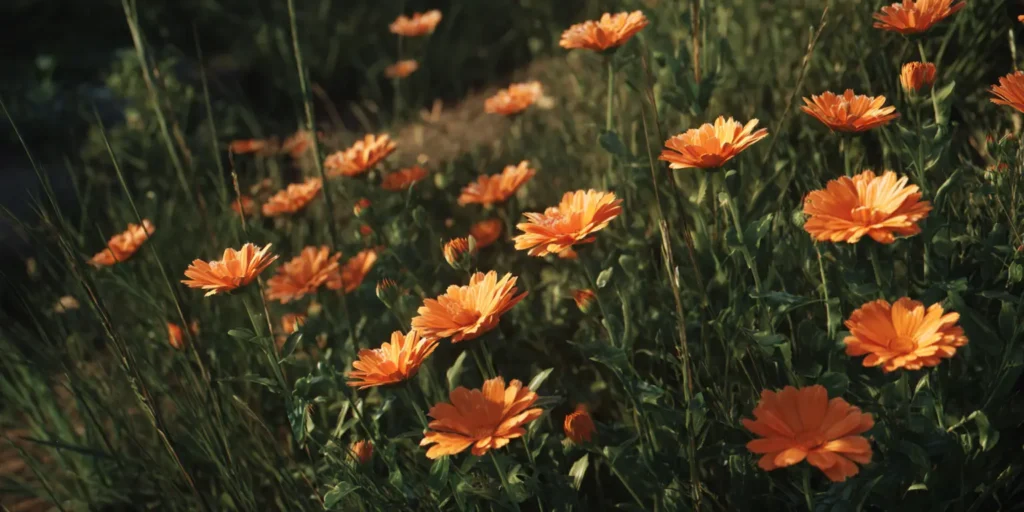
Latin (botanical) name: Calendula officinalis
Plant family: Asteraceae
Common names: Calendula, pot marigold
Traditional use overview:
Calendula has a long history in European and Western herbal traditions as a vulnerary and lymphatic-supporting herb. It was traditionally used both internally and externally to support wound healing, skin health, and gentle detoxification. Western herbalists often turn to calendula when tissues are irritated, inflamed, or slow to recover, particularly involving the skin, mucous membranes, and lymphatic system.
Herbal Actions
Calendula is traditionally associated with the following actions:
- Vulnerary – supports tissue repair and wound healing
- Anti-inflammatory – helps calm irritated or inflamed tissues
- Lymphatic support – encourages gentle movement of lymph
- Antimicrobial support – traditionally used to help protect compromised tissues
- Mild astringent – supports tissue tone without excessive drying
These actions describe traditional functional use rather than medical treatment.
Practical Uses
In Western herbal practice, calendula is commonly used for skin conditions, slow-healing tissues, and lymphatic congestion. It is valued for both topical and internal use, often chosen when recovery feels sluggish or when inflammation needs calming rather than suppression. Herbalists appreciate calendula for its safety, versatility, and gentle yet persistent action.
Product Forms
Calendula is available in a wide range of preparations:
- Dried flowers – used for teas, infusions, and topical preparations
- Infused oils – base for salves, creams, and balms
- Salves and creams – external use for skin support
- Tinctures – alcohol-based extracts for internal or external use
- Capsules – powdered flower, less common
- Hydrosols and washes – gentle topical applications
Infused oils and salves are among the most traditional forms.
Traditional Herbal Recipes
- Calendula Infused Oil
Flowers infused slowly in oil for topical skin support. - Calendula Salve
Infused oil combined with beeswax for cuts, scrapes, and dry skin. - Calendula Tea
Mild infusion traditionally used internally or as a wash. - Lymphatic Support Tincture
Used internally to encourage gentle lymph movement.
Parts Used
- Flowers, harvested fresh or dried
Usage Forms & Shelf Life
Internal vs external use:
Used both internally and externally.
Common preparations:
Infusions, tinctures, infused oils, salves, creams
Shelf-life ranges:
- Dried flowers: 1–2 years
- Infused oils: 6–12 months
- Salves and creams: 6–12 months
- Tinctures: 3–5 years
Safety & Considerations and Dosage Guidelines
Calendula is traditionally considered very safe and gentle, suitable for a wide range of individuals and long-term use. Herbalists often use it liberally in topical preparations and moderately for internal use. Consistency is typically emphasized over strength.
Side Effects & Contraindications
Calendula is generally well tolerated. Individuals sensitive to plants in the Asteraceae family may wish to test topically before broader use. Adverse reactions are uncommon.
Active Constituents
Triterpenoid Saponins
- Compounds: calendulosides A–F
- Traditional role: associated with anti-inflammatory and tissue-repair actions
- Best extraction: alcohol and oil infusions
- Quantitative data: triterpenoids are present in low percentages typical of vulnerary herbs
National Center for Biotechnology Information
Flavonoids
- Compounds: quercetin, isorhamnetin
- Traditional role: antioxidant and tissue-supportive activity
- Best extraction: alcohol or water-based preparations
Carotenoids
- Compounds: lutein, beta-carotene
- Traditional role: skin and tissue nourishment
- Best extraction: oil infusions
How It Works
Traditionally, calendula is understood to work by supporting tissue regeneration, calming inflammation, and improving lymphatic flow, especially at the surface level. Modern research supports its anti-inflammatory and wound-supportive activity, helping explain its long-standing use for skin and tissue recovery
Journal of Ethnopharmacology.
Processing Cautions
Calendula flowers should be thoroughly dried before storage to prevent mold. Gentle drying preserves color and activity. Overheating during oil infusion may degrade carotenoids.
Quick Herb Overview
- Botanical family: Asteraceae
- Parts used: Flowers
- Energetics: Neutral to slightly cooling
- Taste profile: Mildly bitter, slightly resinous
Herb Identification
Visual traits:
Bright orange to yellow daisy-like flowers with resinous, sticky petals.
Growth habit:
Annual flowering plant with branching stems.
Look-alikes and safety notes:
True calendula (Calendula officinalis) should not be confused with ornamental marigolds (Tagetes species).
Selecting Quality Herb
Choose flowers with vibrant color and intact petals. Dried calendula should retain a golden hue rather than dull brown. Products should clearly list the botanical name.
Natural Growing Areas
Native to southern Europe; widely cultivated and naturalized throughout temperate regions worldwide.
Growing Tips
Calendula grows easily from seed and prefers full sun with well-drained soil. Regular harvesting encourages continuous flowering throughout the growing season.
Frequently Asked Questions
Is calendula only for skin use?
No. While best known for skin support, it has a long history of internal use for lymphatic and tissue support.
Can calendula be used daily?
Yes. Traditionally, it is considered gentle enough for regular use.
Is calendula safe for children?
Calendula is commonly used topically for children due to its mild nature.
Does calendula work quickly?
Calendula works steadily rather than immediately, supporting gradual repair.
Is calendula drying or moisturizing?
It is generally balancing, supporting tissue tone without excessive dryness.
Can calendula be combined with other herbs?
Yes. It blends well with many vulnerary and lymphatic herbs.
References
- National Center for Biotechnology Information
- Journal of Ethnopharmacology
- European Medicines Agency – Herbal Monographs
This content is for educational purposes only and reflects traditional herbal understanding. It is not intended to diagnose, treat, cure, or prevent any disease.