
Acute Immune Challenge: A Traditional Herbal Perspective on Short-Term Immune Stress
Most of us recognize the early signs. A scratchy throat that appears out of nowhere. A sense of heaviness behind the eyes. That subtle shift where you know your body is working harder than usual.
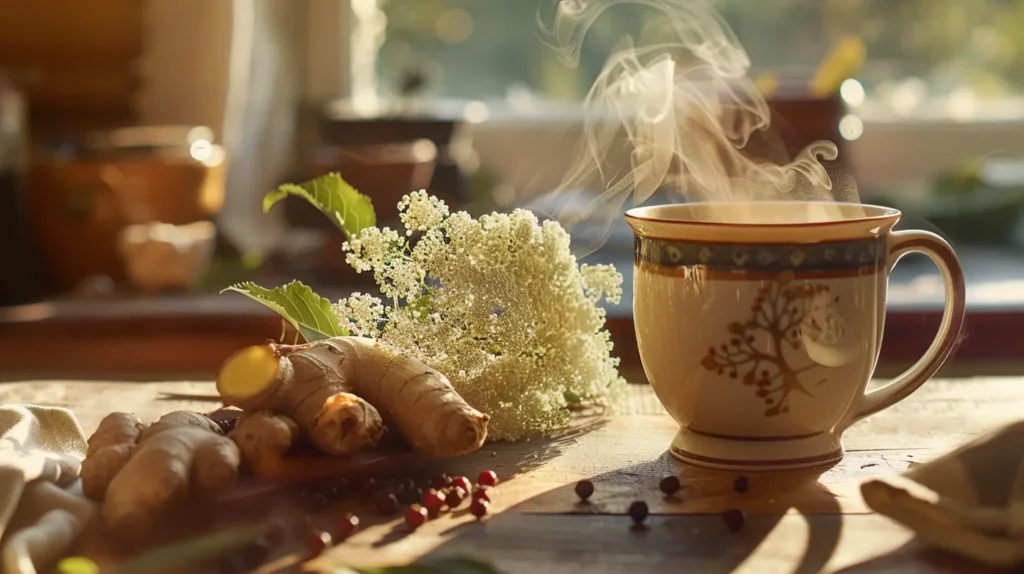
In traditional herbalism, this is often described as an acute immune challenge. It reflects a short-term moment when the body is actively responding to environmental exposure. In this article, we’ll explore what that means, why it happens, how it tends to show up in everyday life, and how traditional Western herbalism approaches support during these periods.
The goal is not urgency or alarm. It is understanding.
Herbal Recipes for Acute Immune Challenge
When an acute immune pattern appears, herbalists often turn to simple, time-tested preparations that are warming, aromatic, and supportive of the body’s natural processes.
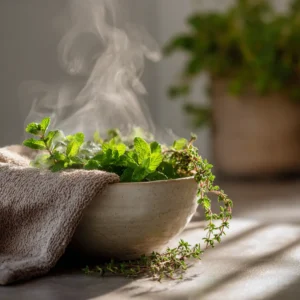
Aromatic Immune Steam Blend
Steam preparations were traditionally used to provide comfort through warmth...
Read More
Pungent Herbal Honey Syrup
Shop Herbs You Need Horseradish Powder Rated 0 out of...
Read MoreHerbal Support for Acute Immune Challenge
Traditional Western herbalism views acute immune challenges as active processes. The body is not failing; it is responding.
Several herbal categories are commonly considered during this pattern.
Diaphoretic herbs, such as elderflower (Sambucus nigra) and yarrow (Achillea millefolium), are traditionally used to support healthy perspiration and peripheral circulation. This reflects an older understanding that assisting the body’s outward expression of heat and activity can be beneficial during early immune activation.
Warming circulatory stimulants, including ginger (Zingiber officinale), are valued for encouraging movement and warmth. Ginger has been widely studied for its bioactive compounds such as gingerols, which are discussed in research indexed by PubMed Central.
Immune-modulating berries and mushrooms, such as elderberry and reishi (Ganoderma lucidum), are explored in modern literature for their polysaccharides and flavonoids. Educational summaries of elderberry can be found through the National Center for Complementary and Integrative Health.
Nervine herbs, like lemon balm (Melissa officinalis), are sometimes included when an acute immune response is accompanied by tension or restlessness. Supporting the nervous system is often part of supporting immune balance.
Rather than “boosting” indiscriminately, the traditional aim is coordination and balance.
Herbs Used for Acute Immune Challenge Support
Common herbs referenced in this context include elderberry, ginger, burdock roots, peppermint, thyme, horseradish and other herbs.
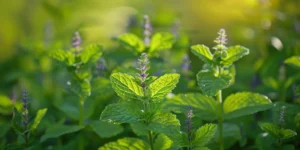
Peppermint
Peppermint: Traditional Uses, Actions, and Herbal Practice Peppermint is traditionally...
Read MoreHow These Herbs Work in the Body
Many herbs used during acute immune challenges contain polysaccharides that interact with immune cells in the gut and bloodstream. Beta-glucans from mushrooms such as reishi are studied for their role in supporting innate immune signaling pathways.
Flavonoids, found in elderflower and elderberry, contribute antioxidant activity and influence inflammatory signaling. Gingerols in fresh ginger support circulation and modulate inflammatory pathways.
Echinacea’s alkylamides are known to interact with cannabinoid receptors involved in immune communication. These mechanisms are described in research collections indexed by PubMed Central.
In simple terms, these herbs do not force the immune system to act. They influence communication between cells, support healthy inflammatory response, and encourage coordinated activity.
Herbal Preparations and Recipes
Preparation method matters during acute patterns.
Teas and hot infusions are often chosen early on because warmth and hydration are supportive in themselves. Aromatic compounds are readily extracted in hot water and inhaled through steam while drinking.
Tinctures may be used when convenience or concentration is desired. Because alcohol extracts different compounds than water, tinctures can offer broader phytochemical profiles.
Syrups are traditionally favored for berries like elderberry. Decoctions are appropriate for tougher plant materials such as roots and mushrooms, where longer simmering helps release polysaccharides.
If you are exploring this topic further, reviewing individual herb profiles and traditional preparation guides can deepen understanding of why herbalists select certain forms for certain plants.
What Is Acute Immune Challenge?
An acute immune challenge refers to a short-term period when the immune system is actively responding to environmental exposure. It is typically temporary and dynamic.
It reflects engagement, not deficiency.
Why It Happens
Acute immune challenges occur when the body encounters viruses, bacteria, or other environmental stressors. Seasonal transitions, travel, disrupted sleep, and increased stress can all increase susceptibility.
The World Health Organization describes how environmental and behavioral factors influence infectious exposure patterns globally, highlighting the importance of resilience and prevention strategies.
How It Commonly Shows Up
People often notice a scratchy throat, mild fatigue, body warmth, or general malaise. There may be a sense of needing rest. Appetite may shift slightly. Sleep can feel deeper or more restless.
These signs are typically part of the body’s active response.
Foundations of Support
Herbs work best alongside foundational practices.
Rest allows immune coordination. Hydration supports circulation and lymphatic movement. Light, nourishing foods reduce digestive burden.
Fresh air and gentle warmth can be supportive. So can reducing unnecessary stress during active immune engagement.
Herbs are companions in this process, not replacements for it.
Learning More
For deeper educational context, the NIH Office of Dietary Supplements provides overviews of nutrients relevant to immune function. Monographs from the European Medicines Agency outline traditional herbal uses and safety considerations.
Understanding both traditional knowledge and modern research helps build informed confidence rather than blind enthusiasm.
FAQ
Is an acute immune challenge the same as being sick?
Not necessarily. It refers to the active phase of immune response. Many such challenges resolve naturally.
Should immune herbs be used daily?
Some are traditionally used seasonally, while others are reserved for short-term use. Context matters.
Do these herbs work immediately?
Traditional herbalism emphasizes supporting natural processes rather than immediate suppression or stimulation.
Can stress affect acute immune response?
Yes. Stress influences immune signaling and inflammatory balance, which can shape how the body responds to short-term challenges.
Are hot teas better than tinctures during acute phases?
Warm fluids provide hydration and comfort, which is why teas are commonly used. Tinctures may be chosen for convenience or potency.
References
National Center for Complementary and Integrative Health (NCCIH):
https://www.nccih.nih.gov
NIH Office of Dietary Supplements:
https://ods.od.nih.gov
European Medicines Agency (EMA):
https://www.ema.europa.eu
PubMed Central:
https://www.ncbi.nlm.nih.gov/pmc/
World Health Organization (WHO):
https://www.who.int
American Herbal Pharmacopoeia (AHP):
http://www.herbal-ahp.org
This content is for educational purposes only. It does not diagnose, treat, or replace professional medical care. Always consult a qualified healthcare professional regarding personal health concerns.