
Garlic: Traditional Uses and Benefits in Western Herbalism
This humble bulb is valued for supporting circulation, aiding digestion, and bolstering the body’s natural defenses against seasonal woes.
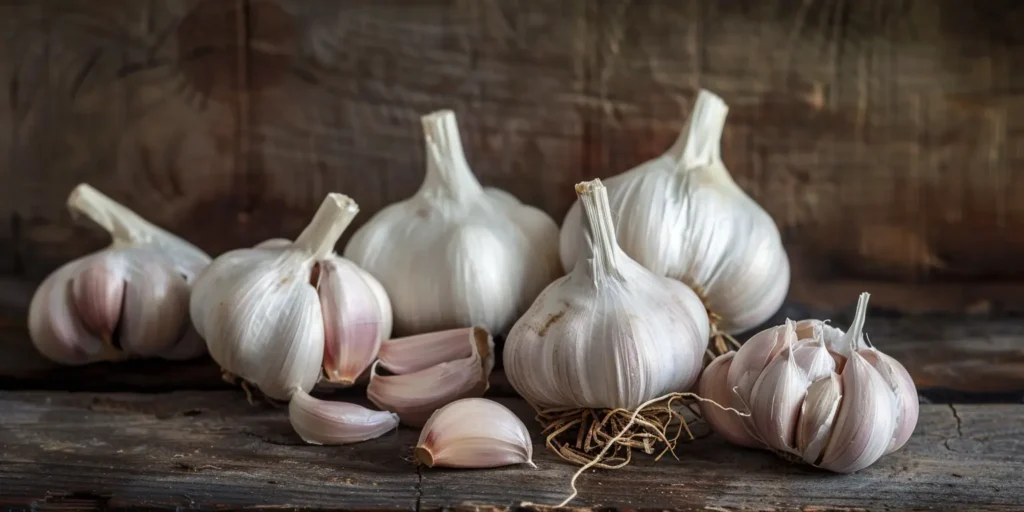
Garlic – (Allium sativum), Amaryllidaceae family
Herbal Actions
Garlic acts as a circulatory stimulant, gently encouraging blood flow and warmth throughout the body without overwhelming it. It’s also known for its antimicrobial qualities, helping to create an environment less hospitable to unwanted visitors, much like how it deters pests in the garden. As a carminative, it eases bloating and gas by promoting smooth digestion, while its expectorant nature supports the clearing of mucus from the respiratory tract. In terms of energetics, garlic is warming and drying, with a pungent taste that cuts through stagnation, making it ideal for cooler, damper constitutions but something to use sparingly if you’re already running hot.
Practical Uses
In everyday herbal practice, garlic shines in simple preparations like infused oils for topical rubs on achy muscles or added to soups for a subtle boost during winter. It’s traditionally chopped fresh into vinegars for salad dressings that double as gentle tonics, or minced into honey for a soothing spoonful when throats feel scratchy. For those exploring external applications, garlic-infused salves have been used historically to warm the skin and support minor irritations, always diluted to avoid overwhelming sensitive areas.
Product Forms
Garlic appears in various market forms, each with its own preparation style. Fresh bulbs are the whole plant part, versatile for cooking or remedies and best used immediately for potency. Powdered garlic comes from dried and ground cloves, convenient for capsules or sprinkling into meals, offering a milder flavor. Aged garlic extract is fermented over time, resulting in a less pungent option that’s standardized for compounds like S-allylcysteine, often in supplement form. Garlic oil, steam-distilled from bulbs, is used topically or in small doses internally, while essential oil is highly concentrated and typically for aromatic purposes only, not ingestion. Tinctures extract garlic’s essences in alcohol, providing a shelf-stable liquid for drops under the tongue or in water.
Traditional Herbal Recipes
One classic is garlic honey: Peel and crush several cloves, mix with raw honey, and let it infuse for a week before straining—traditionally taken by the spoonful for respiratory support. Another is fire cider, where chopped garlic joins ginger, horseradish, and apple cider vinegar to ferment for a month, used as a zesty tonic. For a simple broth, simmer whole cloves with onions and herbs in water, strained and sipped warm, echoing old European remedies for vitality. Garlic oxymel blends crushed bulbs with vinegar and honey, aged for digestive ease. Lastly, roasted garlic paste, spread on bread, draws from Mediterranean traditions for gentle warming.
Parts Used
The bulb, divided into cloves, is the primary part harvested for both culinary and herbal applications, containing the concentrated sulfur compounds that define its actions.
Usage Forms & Shelf Life
Garlic can be used internally through foods, teas, or supplements, and externally in oils or poultices for targeted warmth. Common preparations include fresh minced cloves in meals, tinctures for quick absorption, or dried powders in capsules. Shelf life varies: fresh bulbs last months in a cool, dry spot; dried powder up to a year if sealed; tinctures and oils around two years, though always check for off odors signaling degradation.
Safety & Considerations and Dosage Guidelines
Approach garlic with respect, as its potency can irritate sensitive stomachs if overdone—start small and observe. Traditional dosages suggest one to two fresh cloves daily for general support, or 600-1200 mg of powdered extract, but adjust based on your needs and constitution. It’s wise to pause use before surgeries due to its blood-thinning tendencies, and consult if you’re on medications.
Side Effects & Contraindications
Common side effects include breath odor, mild digestive upset like gas, or skin irritation from topical use. It’s contraindicated for those with garlic allergies, active bleeding issues, or during pregnancy in large amounts beyond food levels, as it may stimulate too much heat.
Active Constituents
Sulfur compounds like alliin, which converts to allicin upon crushing, play a key role in garlic’s warming and antimicrobial actions, best extracted fresh or in alcohol tinctures—studies show allicin levels around 0.086% in optimized extracts. Allicin, making up 70-80% of volatiles, supports antioxidant effects and is water-soluble but unstable, degrading quickly with heat. S-allylcysteine, found in aged preparations at about 60 μg per gram equivalent, aids in detoxification and is alcohol-extractable. Volatile oils like diallyl disulfide contribute to circulatory support, quantified at up to 570 μg in some analyses, favoring oil macerations.
How It Works
Garlic’s compounds interact with enzymes to release allicin, which then influences pathways for circulation and immune response, promoting gentle movement and balance in the body’s systems without harsh intervention.
Processing Cautions
Heat above boiling can destroy up to 90% of allicin, so avoid overcooking; crush cloves and let sit 10 minutes before heating to maximize benefits. Drying should be low-temperature to preserve volatiles, and avoid non-polar solvents as they destabilize key compounds.
Quick Herb Overview
- Botanical family: Amaryllidaceae
- Parts used: Bulb
- Energetics: Warming, drying, pungent
- Taste profile: Sharp, spicy, with a lingering sulfur note
Herb Identification
Garlic plants feature long, flat green leaves emerging from underground bulbs, growing in clumps up to 2 feet tall with a central scape that curls in hardneck varieties. Bulbs are papery-white or purple-streaked, divided into 4-20 cloves. In the wild or garden, look for the unmistakable pungent smell when crushed. Beware look-alikes like lily of the valley, which lacks the odor and has bell-shaped flowers—always confirm by scent to avoid toxicity.
Selecting Quality Herb
Choose firm, plump bulbs without sprouting or soft spots; organic sources ensure no chemical residues. For dried products, opt for those standardized to at least 1.3% alliin, and sniff for a strong aroma indicating freshness.
Natural Growing Areas
Garlic thrives natively in Central Asia but grows widely in temperate regions like Europe, North America, and parts of Africa, favoring well-drained soils in sunny spots from USDA zones 3-9.
Growing Tips
Plant cloves pointy-end up in fall, 4-6 inches apart in fertile, loamy soil with full sun and consistent moisture—mulch heavily to suppress weeds and retain water. Harvest when lower leaves brown, curing in a dry, airy place for storage.
Frequently Asked Questions
What are the traditional uses of garlic in herbalism? Garlic has been valued for centuries to support digestion and circulation, often added to meals or remedies for its warming effects. It’s not a treatment but a way to enhance daily resilience.
How do I prepare garlic for herbal use? Crush fresh cloves and let them sit briefly to activate compounds, then infuse in oil or honey. This simple step maximizes its traditional benefits without fancy equipment.
Is garlic safe for everyone? Most folks tolerate it well in food amounts, but those with sensitive digestion might experience mild upset. Always start small and listen to your body.
What makes garlic pungent? Its sulfur compounds release upon chopping, giving that signature bite and aroma. This is key to its traditional actions in herbal practices.
Can I grow garlic at home? Absolutely—plant in autumn for a summer harvest. It’s low-maintenance and rewards with fresh bulbs for your remedies.
How long does garlic last? Fresh bulbs store for months in a cool spot; processed forms like powder up to a year. Proper storage keeps its potency intact.
Does cooking destroy garlic’s benefits? Heat reduces some compounds, but gentle cooking still offers value. Use raw when possible for full traditional effects.
References
For more on garlic’s historical roles, see PMC on Garlic History. Insights into its constituents come from ScienceDirect on Garlic Bioactives. Safety details are drawn from NCCIH Garlic Overview. Growing guidance from Lovely Greens Garlic Guide. Recipes inspired by Chestnut Herbs Garlic Sauce.
This post is for educational purposes only and does not constitute medical advice. Consult a qualified healthcare provider before using herbs, especially if you have health conditions or take medications. No claims are made about treating or preventing diseases.