
Oatstraw: Traditional Uses, Actions, and Herbal Practice
Oatstraw is traditionally used to nourish the nervous system, rebuild depleted tissues, and support steady recovery during long-term stress or fatigue.
Latin (botanical) name: Avena sativa
Plant family: Poaceae
Common names: Oatstraw, green oats, common oat
Traditional use overview:
Oatstraw has a long history in Western herbalism as a nutritive nervine and tonic herb. Traditionally, it has been used to support the nervous system during periods of stress, exhaustion, and convalescence, as well as to provide mineral nourishment. Western herbalists often turn to oatstraw when the body and nerves need rebuilding rather than stimulation.
Herbal Actions
Oatstraw is traditionally associated with the following actions:
- Nervine tonic – supports calm, steady nervous system function
- Nutritive – provides minerals and gentle nourishment
- Restorative – supports recovery after stress or depletion
- Mild relaxant – encourages nervous system ease without sedation
- Demulcent – offers mild soothing support to tissues
These actions describe traditional functional use rather than medical treatment.
Practical Uses
In Western herbal practice, oatstraw is most often used long term, particularly for individuals experiencing nervous exhaustion, burnout, or recovery after prolonged stress. Herbalists value oatstraw for its ability to gently rebuild strength, support emotional steadiness, and nourish tissues without forcing change. It is commonly included in daily tonic blends and restorative formulas.
Product Forms
Oatstraw is available in several preparations:
- Dried oatstraw – used for infusions and long-steeped teas
- Fresh milky oat tops – used for tinctures (distinct from dried oatstraw)
- Tinctures – alcohol or glycerin extracts
- Capsules – powdered dried herb
- Blended tonics – combined with other nervine or nutritive herbs
Long infusions are the most traditional form for mineral nourishment.
Traditional Herbal Recipes
- Oatstraw Nourishing Infusion
A long-steeped tea traditionally used for nervous system and mineral support. - Restorative Nervine Blend
Oatstraw combined with other gentle nervines for daily use. - Overnight Oatstraw Infusion
Prepared to maximize mineral extraction. - Oatstraw Tincture
Used when a portable or concentrated form is preferred.
Parts Used
- Aerial parts (stems and leaves) harvested before the grain fully matures
- Milky oat tops used separately when fresh
Usage Forms & Shelf Life
Internal vs external use:
Primarily internal.
Common preparations:
Infusions, tinctures, capsules
Shelf-life ranges:
- Dried oatstraw: 1–2 years
- Tinctures: 3–5 years
- Capsules: 1–2 years
Safety & Considerations and Dosage Guidelines
Oatstraw is traditionally considered very safe and suitable for long-term use. Herbalists often emphasize regular daily intake over weeks or months to support gradual rebuilding. It is commonly used across a wide range of ages.
Side Effects & Contraindications
Oatstraw is generally well tolerated. Individuals with sensitivity to oats may wish to confirm tolerance. Adverse reactions are uncommon when used traditionally.
Active Constituents
Minerals
- Compounds: calcium, magnesium, potassium, silica
- Traditional role: tissue nourishment and nervous system support
- Best extraction: long water infusions
- Quantitative data: mineral content varies with soil conditions but contributes significantly to oatstraw’s nutritive role
National Center for Biotechnology Information
Flavonoids
- Compounds: apigenin, vitexin
- Traditional role: antioxidant and nervine support
- Best extraction: water and alcohol
Alkaloids & Saponins
- Traditional role: contribute to gentle tonic and nervine effects
- Best extraction: water and alcohol
How It Works
Traditionally, oatstraw is understood to work by replenishing depleted nutrients, supporting nervous system tone, and encouraging steady recovery from stress. Modern research highlights its mineral content and antioxidant activity, helping explain its long-standing role as a restorative and nervine tonic
Journal of Ethnopharmacology.
Processing Cautions
Oatstraw should be harvested before the grain matures to preserve nutritive value. Gentle drying and proper storage help retain minerals and flavonoids. Long infusions are preferred over brief steeping.
Quick Herb Overview
- Botanical family: Poaceae
- Parts used: Aerial parts, milky oat tops
- Energetics: Neutral, slightly moistening
- Taste profile: Mild, grassy, slightly sweet
Herb Identification
Visual traits:
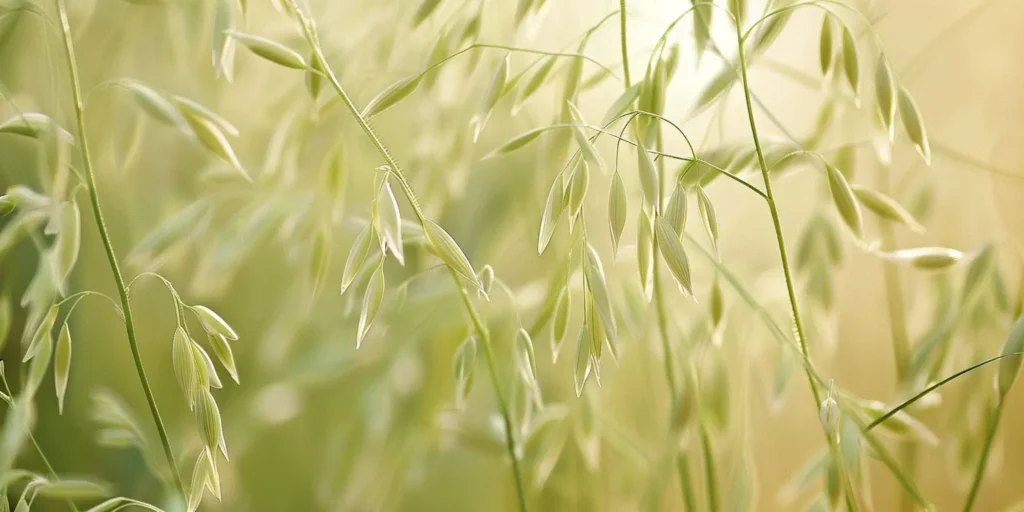
Tall grass with narrow leaves and loose seed heads forming oats.
Growth habit:
Annual cereal grass.
Look-alikes and safety notes:
Distinctive oat seed heads differentiate Avena sativa from other grasses.
Selecting Quality Herb
Choose oatstraw that is green and fragrant rather than dull or brown. Dried material should include stems and leaves rather than grain. Products should clearly list Avena sativa and plant part used.
Natural Growing Areas
Native to the Mediterranean region; widely cultivated throughout temperate regions worldwide.
Growing Tips
Oats grow best in cool climates with moderate moisture. Harvest aerial parts before full seed development for herbal use.
Frequently Asked Questions
Is oatstraw calming or sedating?
Oatstraw is calming but not sedating. It supports steady nervous system tone rather than causing drowsiness.
How long does oatstraw take to work?
Traditionally, benefits develop gradually over weeks of consistent use.
Is oatstraw mainly for stress?
While often used for stress, it is also valued for tissue nourishment and recovery.
Can oatstraw be used daily?
Yes. It is commonly used as a daily tonic herb.
Is oatstraw the same as milky oats?
No. Milky oat tops are a fresh preparation with different traditional uses.
Does oatstraw provide minerals?
Yes. Its mineral content is one reason it is considered deeply nourishing.
References
- National Center for Biotechnology Information
- Journal of Ethnopharmacology
- European Medicines Agency – Herbal Monographs
This content is for educational purposes only and reflects traditional herbal understanding. It is not intended to diagnose, treat, cure, or prevent any disease.