Herbal Support for Low Immune Resilience
Traditional herbalism rarely isolates the immune system as a standalone mechanism. Instead, it looks at patterns: fatigue, stress load, digestion, sleep quality, and overall vitality.
Several herbal categories are often considered:
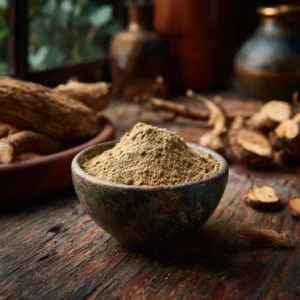
Immune tonics, such as astragalus (Astragalus membranaceus), are traditionally used to build steady resilience over time rather than provoke short-term stimulation.
Nervines, including lemon balm (Melissa officinalis) and milky oats (Avena sativa), are relevant when stress appears to weaken immune adaptability. Modern research continues to explore the relationship between chronic stress and immune modulation, as discussed by the World Health Organization in broader health frameworks.
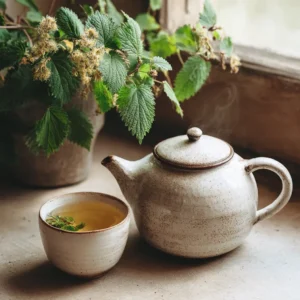
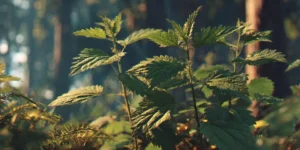
Mineral-rich tonics, like nettle leaf (Urtica dioica), are valued for nourishment. Nettle provides iron, magnesium, and other micronutrients that contribute to overall vitality, which indirectly supports immune balance.
Adaptogenic herbs, such as eleuthero (Eleutherococcus senticosus), have been studied for their effects on stress adaptation and endurance. Research available through PubMed Central explores how certain plant compounds influence stress physiology and immune signaling pathways.
The emphasis is not on “boosting” the immune system indiscriminately, but on restoring steadiness.
How These Herbs Work in the Body
Many of these herbs contain complex carbohydrates such as polysaccharides, which interact with immune cells in the gut-associated lymphoid tissue. Others provide flavonoids, triterpenes, or mineral cofactors that support cellular communication and antioxidant activity.
Rather than forcing a single pathway, these plants tend to modulate. That word is important. Modulation implies influence toward balance, not intensity. In traditional terms, we might say they strengthen constitutional vitality and help the body respond more appropriately to environmental challenges.
Herbal Preparations and Recipes
Preparation method matters.
Roots like astragalus are traditionally decocted to extract deeper polysaccharides. Leaves such as nettle are best prepared as longer infusions to access minerals. Delicate flowers like elderflower are gently infused to preserve aromatic compounds.
Tinctures offer convenience and concentration, while glycerites may be chosen when alcohol is not preferred. Broths and soups integrate herbs into food, reinforcing the idea that resilience is built daily.
If you are exploring this topic further, consider reviewing individual herb profiles and traditional preparation guides to better understand why herbalists choose one method over another. Context and consistency often matter more than complexity.
What Is Low Immune Resilience?
Low immune resilience describes a pattern in which the body has difficulty adapting to everyday immune challenges. It may show up as frequent minor infections, slow recovery, or feeling depleted after common stressors.
It is not necessarily a disease. Rather, it reflects reduced adaptability.
Why It Happens
Chronic stress plays a significant role. Long-term elevation of stress hormones influences immune signaling and inflammatory balance. Nutrient depletion, poor sleep, digestive inefficiency, and environmental exposures may also contribute.
The immune system is deeply interconnected with the nervous and endocrine systems. When one is strained, the others feel it.
How It Commonly Shows Up
People often describe catching “everything that goes around.” They may feel slow to bounce back or unusually tired during seasonal transitions.
There may also be subtle signs: lingering fatigue, increased sensitivity to cold weather, or difficulty recovering after busy periods.
Foundations of Support
Before herbs, traditional herbalism looks to foundations.
Adequate sleep. Nourishing food. Regular meals. Time outdoors. Stress reduction practices. Consistent routines.
Herbs are partners in this process, not substitutes for it.
Learning More
To deepen your understanding of immune-supportive herbs, reviewing monographs from the European Medicines Agency can provide insight into traditional use classifications. The NIH Office of Dietary Supplements offers educational overviews of nutrients relevant to immune function.
The more you understand the body’s interconnected systems, the more sense traditional herbal strategies begin to make.
FAQ
Is low immune resilience the same as being immunocompromised?
No. The term “low immune resilience” in herbalism usually refers to reduced adaptability, not clinical immune deficiency.
Do immune herbs work immediately?
Traditional immune tonics are generally used consistently over time. They are valued for gradual support rather than rapid effects.
Can stress really affect the immune system?
Yes. Research continues to explore how chronic stress influences immune signaling and inflammatory balance, as documented in studies indexed by PubMed Central.
Are immune tonics safe for long-term use?
Safety depends on the individual, context, and herb. Traditional use history and authoritative sources such as the National Center for Complementary and Integrative Health can provide educational background.
Is “boosting” the immune system always helpful?
Not necessarily. Traditional herbalism emphasizes balance and appropriate response rather than indiscriminate stimulation.
References
National Center for Complementary and Integrative Health (NCCIH):
https://www.nccih.nih.gov
NIH Office of Dietary Supplements:
https://ods.od.nih.gov
European Medicines Agency (EMA):
https://www.ema.europa.eu
PubMed Central:
https://www.ncbi.nlm.nih.gov/pmc/
World Health Organization (WHO):
https://www.who.int
American Herbal Pharmacopoeia (AHP):
http://www.herbal-ahp.org
This content is provided for educational purposes only. It does not diagnose, treat, or replace professional medical care. Always consult a qualified healthcare professional for personal health concerns.