Herbal Recipes for Sluggish Digestive Function
In traditional Western practice, simple formulas are often preferred. They are not complicated. They are thoughtful combinations that encourage warmth, movement, and secretion.
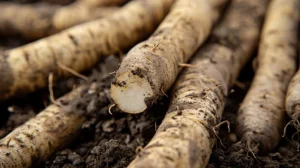
A classic bitter-aromatic tea combines dandelion root, fennel seed, and a small amount of ginger. The dandelion root offers bitterness that gently stimulates digestive reflexes, fennel supports movement and gas dispersion, and ginger adds mild warmth and circulatory encouragement. Bitters are well recognized for their traditional use in stimulating appetite and digestive secretions, as described by the European Medicines Agency in its monograph on gentian root at the European Medicines Agency (EMA).
Another traditional approach is a chamomile and peppermint infusion. Peppermint has been studied for its relaxing effect on gastrointestinal smooth muscle, helping ease stagnation associated with tension, as summarized in research available through PubMed Central. Chamomile adds gentle digestive support while also calming the nervous system.
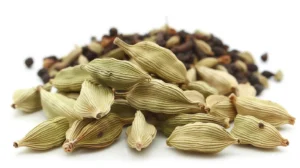
For individuals who prefer liquid extracts, a mild bitter tincture blend containing gentian, orange peel, and a touch of cardamom is often used traditionally before meals to awaken digestive reflexes.
These are examples, not prescriptions. The goal is gentle encouragement, not force.
Herbal Support for Sluggish Digestive Function
Traditional herbalism views sluggish digestion as a pattern of reduced digestive “fire,” tone, or secretion. It may involve diminished appetite, reduced stomach acid signaling, slow motility, or low bile flow.
Bitters play a central role in this pattern. When the tongue perceives bitter flavor, it triggers a reflex through the vagus nerve that stimulates saliva, gastric secretions, and bile release. This reflex pathway has been described in traditional pharmacognosy texts and supported in modern understanding of digestive physiology.
Carminatives such as fennel, peppermint, and cardamom are often included when heaviness is accompanied by bloating. Their aromatic volatile oils help support smooth muscle tone and movement. Peppermint’s relaxing action on intestinal smooth muscle is well documented in human research accessible via PubMed Central.
Mild warming herbs like ginger are sometimes added when circulation feels low or digestion feels cold and slow. Ginger’s digestive support has been reviewed by the National Center for Complementary and Integrative Health (NCCIH).
Nervines such as lemon balm may be considered when sluggish digestion is clearly tied to stress or irregular eating patterns. The digestive system and nervous system are closely linked through the gut–brain axis, a relationship widely described in scientific literature available through PubMed Central.
Herbs Used for Sluggish Digestive Function Support
Common herbs traditionally used in this pattern include dandelion root, gentian, ginger, fennel seed, peppermint leaf, chamomile, lemon balm, and orange peel.
How These Herbs Work in the Body
Bitters contain compounds such as iridoid glycosides and sesquiterpene lactones. When tasted, these compounds activate bitter receptors in the mouth and digestive tract, which stimulate vagal signaling. This can enhance saliva production, gastric secretion, and bile flow. This reflex mechanism explains why bitterness, even in small amounts, often improves digestive readiness.
Carminative herbs are rich in volatile oils. Peppermint contains menthol, while fennel contains anethole. These aromatic constituents influence smooth muscle tone and can help ease the sensation of stagnation or trapped gas. Research describing peppermint’s gastrointestinal effects can be found through PubMed Central.
Ginger contains gingerols and shogaols, compounds that support digestive motility and circulation. Information about ginger’s traditional and modern use is summarized by the National Center for Complementary and Integrative Health (NCCIH).
Chamomile provides flavonoids such as apigenin, contributing to both digestive and nervous system relaxation, as discussed in WHO monographs available via the World Health Organization (WHO).
These actions are not about overriding digestion. They gently encourage secretion, movement, tone, and nervous system balance.
Herbal Preparations and Recipes
Preparation form matters more than many people realize. A tea made from aromatic herbs offers warmth and hydration alongside volatile oils. A decoction of dandelion root extracts deeper bitter constituents. A tincture provides convenience and concentration in small amounts.
Many people find that incorporating bitters into meals, using digestive teas after eating, or preparing a gentle formula in advance helps create consistency.
If you are curious about individual herbs, reviewing detailed herb profiles or preparation guides can deepen understanding of how form influences effect. Exploring traditional blends also offers insight into how herbs are layered for synergy.
What Is Sluggish Digestive Function?
Sluggish digestive function refers to a pattern in which digestion feels slow, heavy, or inefficient. It is often characterized by delayed appetite, fullness after small meals, bloating, or irregular elimination.
It is not a diagnosis. It is a functional description of reduced digestive momentum.
Why It Happens
This pattern may emerge from irregular meal timing, chronic stress, low physical activity, insufficient bitterness in the diet, or prolonged highly processed food intake.
The digestive system responds to sensory input, nervous system tone, and circadian rhythm. When these signals are inconsistent, secretion and motility may decline. The gut–brain connection described in modern literature illustrates how closely digestion and stress regulation interact, as outlined in research available through PubMed Central.
How It Commonly Shows Up
People often describe feeling heavy after eating, experiencing reduced appetite, noticing gas without strong pain, or feeling that elimination is incomplete. Energy may dip after meals. The pattern tends to be subtle and chronic rather than sharp and acute.
Foundations of Support
Regular meal timing supports digestive rhythm. Chewing thoroughly allows the cephalic phase of digestion to begin properly. Gentle daily movement stimulates intestinal motility. Adequate hydration supports mucosal function.
Stress management plays a central role. Because digestive secretion is influenced by autonomic nervous system balance, calming practices can indirectly improve digestive tone.
Herbs work best when these foundations are steady.
Learning More
If this topic interests you, exploring the physiology of the gut–brain connection, traditional uses of bitters, and the role of aromatic herbs in digestive comfort can deepen your understanding. Authoritative resources such as the National Center for Complementary and Integrative Health (NCCIH) and monographs from the European Medicines Agency (EMA) provide further context.
FAQ
Is sluggish digestion the same as low stomach acid?
Not necessarily. Sluggish digestion can involve multiple factors including motility, secretion, and nervous system tone. It is a broader functional description.
How quickly do bitters work?
Bitters often act through immediate taste reflexes. Some people notice improved appetite or digestive readiness fairly quickly.
Can I combine warming and calming herbs?
Yes. Traditional formulas often blend bitters, aromatics, and nervines to address multiple aspects of digestive tone.
Does stress really slow digestion?
Yes. The gut–brain axis connects emotional stress with changes in secretion and motility, as described in scientific literature available via PubMed Central.
Are digestive teas safe for daily use?
Many mild digestive herbs have a long history of culinary and traditional use. Individual considerations vary, so professional guidance is wise when questions arise.
References
European Medicines Agency (EMA) – Gentianae radix monograph
https://www.ema.europa.eu/en/medicines/herbal/gentianae-radix
European Medicines Agency (EMA) – Taraxaci radix monograph
https://www.ema.europa.eu/en/medicines/herbal/taraxaci-radix
National Center for Complementary and Integrative Health (NCCIH) – Ginger
https://www.nccih.nih.gov/health/ginger
National Center for Complementary and Integrative Health (NCCIH) – Peppermint Oil
https://www.nccih.nih.gov/health/peppermint-oil
World Health Organization (WHO) – WHO Monographs on Selected Medicinal Plants
https://apps.who.int/iris/handle/10665/42052
PubMed Central – Peppermint and gastrointestinal function
https://www.ncbi.nlm.nih.gov/pmc/articles/PMC3003461/
PubMed Central – The gut-brain axis
https://www.ncbi.nlm.nih.gov/pmc/articles/PMC4367209/
This content is provided for educational purposes only. It does not diagnose, treat, or replace professional medical care. Individual health decisions should be made in consultation with qualified healthcare professionals.