
Nettle: Traditional Uses, Actions, and Herbal Practice
Nettle is traditionally used to nourish tissues, support joint comfort, and strengthen baseline immune and circulatory resilience through steady mineral replenishment.
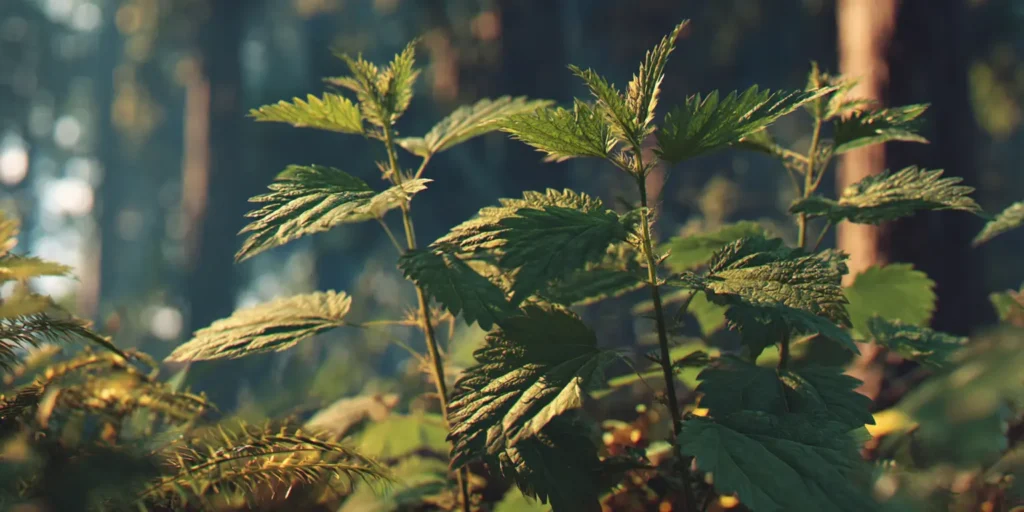
Latin (botanical) name: Urtica dioica
Plant family: Urticaceae
Common names: Nettle, stinging nettle, common nettle
Traditional use overview:
Nettle has a long history in European and Western herbalism as a nutritive tonic and alterative herb. Traditionally, it was used to support overall vitality, joint and connective tissue health, seasonal immune resilience, and recovery from depletion. Western herbalists often turn to nettle when nourishment, mineral support, and long-term rebuilding are needed.
Herbal Actions
Nettle is traditionally associated with the following actions:
- Nutritive – provides minerals and micronutrients for tissue support
- Alterative – supports gentle metabolic cleansing
- Anti-inflammatory – helps calm low-grade inflammatory states
- Diuretic – supports healthy urinary elimination
- Immune tonic – supports baseline immune resilience
These actions describe traditional functional use rather than medical treatment.
Practical Uses
In Western herbal practice, nettle is most often used as a daily tonic, particularly for individuals experiencing fatigue, joint stiffness, seasonal stress, or nutrient depletion. Herbalists value nettle for its versatility and safety, using it both short term and long term to support steady resilience and overall balance.
Product Forms
Nettle is available in a wide range of preparations:
- Dried leaf – used for infusions and teas
- Fresh leaf – occasionally used when properly processed
- Powdered leaf – capsules or blended formulas
- Tinctures – alcohol or hydroalcoholic extracts
- Freeze-dried preparations – used in some modern products
Long infusions are the most traditional form for nutritive support.
Traditional Herbal Recipes
- Nettle Nourishing Infusion
A long-steeped tea traditionally used for mineral and tissue support. - Daily Tonic Tea Blend
Nettle combined with other nutritive herbs for regular use. - Spring Cleansing Infusion
Used seasonally to support elimination and renewal. - Nettle Leaf Tincture
Taken when a concentrated or portable form is preferred.
Parts Used
- Leaves and aerial parts, harvested before flowering
- Roots are used separately for different traditional purposes
Usage Forms & Shelf Life
Internal vs external use:
Primarily internal; occasional external use in washes or compresses.
Common preparations:
Infusions, tinctures, powders, capsules
Shelf-life ranges:
- Dried leaf: 1–2 years
- Tinctures: 3–5 years
- Powders/capsules: 1–2 years
Safety & Considerations and Dosage Guidelines
Nettle is traditionally considered very safe and suitable for regular, long-term use. Herbalists emphasize consistent intake rather than high doses. Adequate hydration is often encouraged when using nettle regularly.
Side Effects & Contraindications
Nettle is generally well tolerated. Fresh nettle can sting when handled raw, but this effect disappears once dried or cooked. Adverse reactions are uncommon when prepared traditionally.
Active Constituents
Minerals
- Compounds: calcium, magnesium, potassium, iron, silica
- Traditional role: tissue nourishment, bone and connective tissue support
- Best extraction: long water infusions
- Quantitative data: nettle leaf contains notable levels of bioavailable minerals, particularly calcium and magnesium
National Center for Biotechnology Information
Flavonoids
- Compounds: quercetin, kaempferol
- Traditional role: antioxidant and anti-inflammatory support
- Best extraction: water and alcohol
Phenolic Acids
- Compounds: caffeic acid derivatives
- Traditional role: metabolic and immune support
- Best extraction: water-based preparations
How It Works
Traditionally, nettle is understood to work by replenishing nutrients, supporting elimination, and strengthening tissue tone, particularly in joints and connective tissue. Modern research highlights its mineral density and anti-inflammatory activity, helping explain its long-standing use as a restorative tonic
Journal of Ethnopharmacology.
Processing Cautions
Nettle should be harvested before flowering to preserve nutritive quality. Gloves are recommended when handling fresh plants. Gentle drying and proper storage help maintain mineral and flavonoid content.
Quick Herb Overview
- Botanical family: Urticaceae
- Parts used: Leaf, aerial parts
- Energetics: Cooling, drying
- Taste profile: Green, mineral-rich, mildly astringent
Herb Identification
Visual traits:
Serrated green leaves with fine stinging hairs and square stems.
Growth habit:
Perennial herb forming dense stands.
Look-alikes and safety notes:
Distinctive sting helps differentiate nettle from similar-looking plants.
Selecting Quality Herb
Choose vibrant green leaves free from yellowing or excessive stems. Dried nettle should retain color and mild aroma. Products should clearly list Urtica dioica and plant part used.
Natural Growing Areas
Native to Europe, Asia, and North America; commonly found in moist, nitrogen-rich soils.
Growing Tips
Nettle prefers rich soil and partial sun. Harvest young leaves in spring or early summer for best quality.
Frequently Asked Questions
Is nettle safe for daily use?
Yes. It is traditionally used as a daily nutritive tonic.
Does nettle work quickly?
Nettle works gradually, with benefits developing over time.
Is nettle mainly for joints?
While commonly associated with joints, it supports overall tissue and immune resilience.
Does nettle provide minerals?
Yes. Its mineral content is one of its primary traditional values.
Is nettle stimulating?
No. It is nourishing rather than stimulating.
Can nettle be combined with other herbs?
Yes. It blends well with many tonic and alterative herbs.
References
- National Center for Biotechnology Information
- Journal of Ethnopharmacology
- European Medicines Agency – Herbal Monographs
This content is for educational purposes only and reflects traditional herbal understanding. It is not intended to diagnose, treat, cure, or prevent any disease.