
Valerian: Traditional Uses, Actions, and Herbal Preparations
Valerian is one of those herbs that herbalists tend to develop a long, respectful relationship with. It’s distinctive, a little unruly, and unmistakably powerful in its own quiet way. In traditional Western herbalism, valerian has been valued for its ability to help the body let go—of tension, of restlessness, of the kind of nervous overdrive that keeps relaxation just out of reach. It isn’t subtle in aroma, but its effects are traditionally understood as deeply grounding and supportive when calm is genuinely needed.
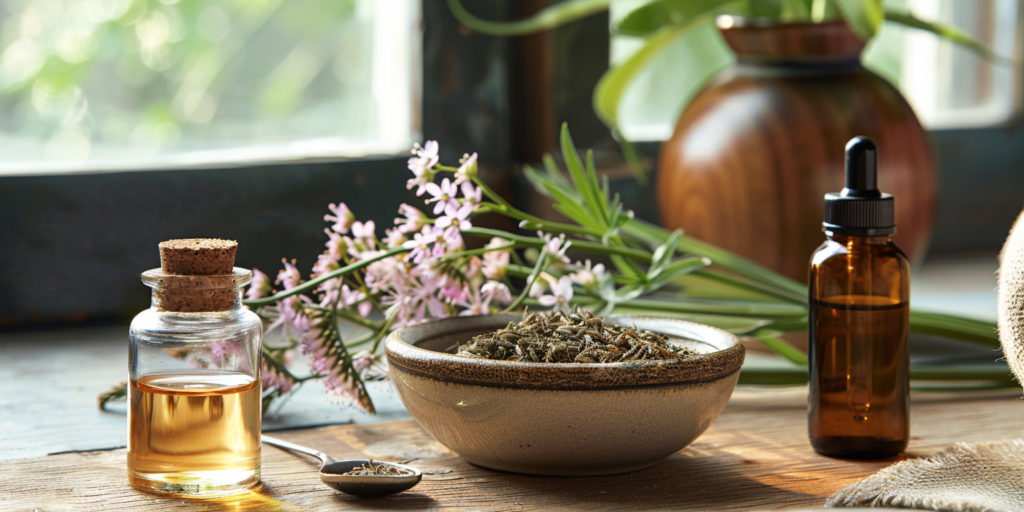
Latin (botanical) name: Valeriana officinalis
Plant family: Caprifoliaceae (formerly Valerianaceae)
Common names: Valerian, garden valerian, common valerian
Traditional use overview
In Western herbalism, valerian is traditionally used as a nervine relaxant and antispasmodic. It has been relied upon to support relaxation, rest, and physical ease, particularly when tension is held in both the nervous system and the muscles. Historically, it has been used situationally rather than as a light daily tonic.
Herbal Actions
Nervine relaxant: Encourages release of nervous tension and restlessness.
Antispasmodic: Traditionally used to ease involuntary muscle tension.
Mild sedative (traditional context): Supports rest and sleep without forcing unconsciousness.
Carminative (secondary): May ease digestive tension linked to stress.
Practical Uses
Valerian is most often used when deeper relaxation is needed, particularly in the evening or during periods of heightened nervous tension. Western herbalists commonly reserve it for short-term or situational use rather than continuous daily intake, appreciating its strength and distinctive character.
Product Forms
Dried root: Used for decoctions and infusions.
Alcohol tincture: A common and traditional preparation, often preferred for potency.
Glycerite: Alcohol-free extract, milder in action.
Capsules or tablets: Containing powdered root or extract.
Liquid extracts: Concentrated preparations for measured dosing.
Four Traditional Herbal Recipes
Valerian Root Decoction:
½–1 teaspoon dried root gently simmered in water for 10–15 minutes, typically taken in the evening.Valerian Tincture:
Dried root extracted in alcohol, traditionally used in small amounts before rest.Valerian Sleep Tea Blend:
Valerian combined with passionflower and chamomile for deeper relaxation.Valerian–Hops Formula:
A classic traditional pairing for nervous tension and physical restlessness.
Parts Used
Root and rhizome
Usage Forms & Shelf Life
Internal use: Decoction, tincture, capsules, glycerite
External use: Rare in Western practice
Shelf life:
Dried root: 2–3 years
Tincture: 4–6 years
Glycerite: 1–2 years
Safety & Considerations and Dosage Guidelines
Valerian is traditionally used in moderate amounts and often for shorter periods. Western herbal practice commonly involves small doses taken as needed, especially in the evening. Herbal monographs and safety summaries are available through the European Medicines Agency (EMA) and the National Center for Complementary and Integrative Health (NCCIH).
Side Effects & Contraindications
Some individuals experience grogginess, vivid dreams, or headache, particularly at higher amounts. Due to its strong relaxing action, valerian is traditionally used with caution alongside other sedative substances. Safety considerations and traditional cautions are outlined by the European Medicines Agency (EMA) and reviewed by the NIH Office of Dietary Supplements.
Active Constituents
Valerenic acids (valerenic acid, acetoxyvalerenic acid):
Traditionally associated with nervine and relaxant activity; best extracted in alcohol.
Valerenic acids are typically present at approximately 0.1–0.8% of dried root, depending on harvest and processing, as summarized in PubMed Central.Volatile oils (borneol, bornyl acetate):
Contribute to aroma and traditional calming effects; sensitive to heat and air.Iridoids (valepotriates):
Traditionally linked to sedative activity; unstable and best preserved in fresh preparations.
How It Works
From a traditional Western perspective, valerian works by deeply relaxing nervous system tone and easing muscular tension. Modern research suggests its valerenic acids interact with neurotransmitter systems involved in relaxation, helping explain its long history of use as a calming herb, as discussed in PubMed Central and NCCIH.
Processing Cautions
Valerian root should be dried carefully and stored away from heat and light. Poor processing can lead to loss of volatile oils and excessive odor changes over time.
Quick Herb Overview
Botanical family: Caprifoliaceae
Parts used: Root, rhizome
Energetics (traditional): Warming, drying
Taste profile: Bitter, pungent, earthy
Herb Identification
Visual traits: Tall flowering stems, pinnate leaves, clusters of small white to pale pink flowers.
Growth habit: Hardy perennial with strong root system.
Look-alikes: Other Valeriana species; correct species identification is important for consistency.
Selecting Quality Herb
High-quality valerian root has a strong, characteristic aroma and firm texture. Weak scent or excessive powder may indicate age or improper storage.
Natural Growing Areas
Valerian is native to Europe and parts of Asia and has naturalized widely in North America.
Growing Tips
Valerian prefers moist, fertile soil and full sun to partial shade. It grows vigorously and can be harvested after two to three years for optimal root development.
Frequently Asked Questions
Why does valerian smell so strong?
The distinctive aroma comes from its volatile oils and acids, which are also linked to its traditional effects.
Is valerian taken daily?
Traditionally, it is used short term or as needed rather than continuously.
Does valerian cause next-day grogginess?
Some people experience this at higher amounts, which is why moderate use is emphasized.
Is valerian fast-acting?
Traditional use suggests it works best when taken shortly before rest, though effects vary.
Can valerian be combined with other herbs?
Yes, it is often paired with gentler nervines to balance its strength.
Is valerian suitable for daytime use?
It is usually reserved for evening or nighttime due to its relaxing nature.
References cited using inline clickable source names
Herbal monograph and traditional use European Medicines Agency (EMA)
Safety and research overview National Center for Complementary and Integrative Health (NCCIH)
Constituent analysis and pharmacology PubMed Central
Dietary supplement context NIH Office of Dietary Supplements
This article is for educational purposes only and does not provide medical advice, diagnosis, or treatment.