
Rhodiola: Traditional Uses, Actions, and Herbal Preparations
Rhodiola is one of those plants that feels shaped by its landscape—rugged, steady, and quietly resilient. In traditional Western herbalism, rhodiola has been approached as a strengthening tonic, especially valued during periods of fatigue, mental strain, and environmental stress. Rather than pushing the body, it is traditionally understood to support stamina and adaptability, helping people meet demands with a bit more steadiness and less depletion.
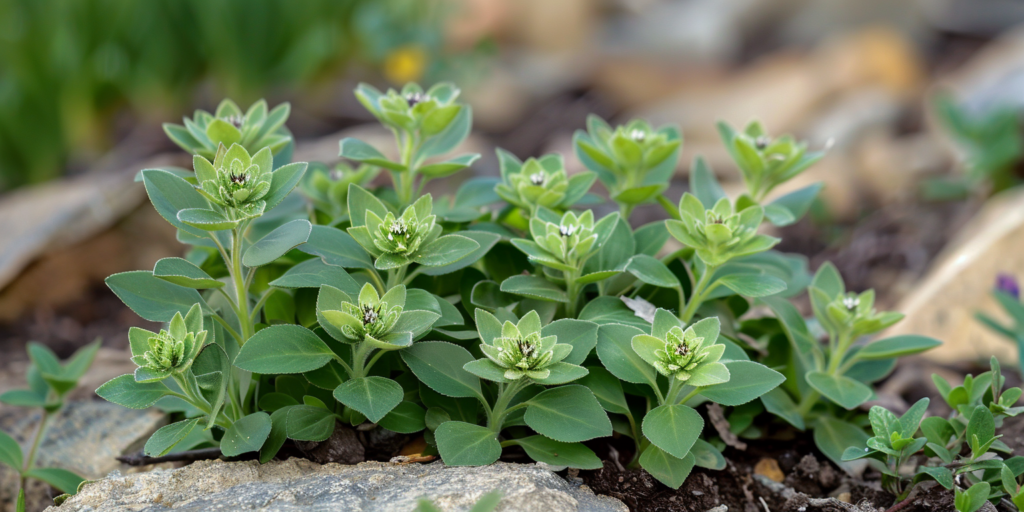
Latin (botanical) name: Rhodiola rosea
Plant family: Crassulaceae
Common names: Rhodiola, roseroot, golden root
Traditional use overview
Within Western herbal practice, rhodiola is most often used as a tonic and adaptogenic herb, traditionally supporting endurance, mental clarity, and recovery from prolonged stress. It has a long history of use in northern and alpine regions, where it was relied upon to help the body adapt to cold, altitude, and demanding physical conditions.
Herbal Actions
Adaptogenic (traditional): Supports the body’s capacity to adapt to physical and mental stressors.
Tonic: Traditionally used to strengthen and sustain energy over time.
Nervine (mild): Supports mental focus and emotional steadiness without sedation.
Antioxidant (evidence-informed): Helps protect tissues from oxidative stress.
Practical Uses
Rhodiola is commonly used during times of sustained mental workload, physical exertion, or seasonal fatigue. Western herbalists often recommend it earlier in the day and as part of a broader tonic approach rather than for short-term or late-evening use.
Product Forms
Dried root: Used for decoctions and extracts.
Alcohol tincture: A common traditional preparation for tonic use.
Standardized extracts: Often standardized to rosavins and salidroside.
Capsules or tablets: Containing powdered root or extract.
Liquid extracts: Concentrated preparations for measured dosing.
Four Traditional Herbal Recipes
Rhodiola Root Decoction:
1 teaspoon dried root gently simmered in water for 15–20 minutes; taken earlier in the day.Rhodiola Tincture:
Dried or fresh root extracted in alcohol, traditionally used in small, regular amounts.Rhodiola–Eleuthero Blend:
Combined as a long-term tonic for stamina and resilience.Rhodiola Morning Tea Blend:
Rhodiola paired with mild aromatics to soften its bitter taste and support digestion.
Parts Used
Root and rhizome
Usage Forms & Shelf Life
Internal use: Decoction, tincture, capsules, standardized extracts
External use: Not traditionally common
Shelf life:
Dried root: 2–3 years
Tincture: 5–7 years
Standardized extracts: per manufacturer, often 2–3 years
Safety & Considerations and Dosage Guidelines
Rhodiola is traditionally used in modest amounts and often cycled rather than taken continuously. Common Western herbal practice includes small daily doses, typically earlier in the day. Monographs and safety summaries are available through the European Medicines Agency (EMA) and the National Center for Complementary and Integrative Health (NCCIH).
Side Effects & Contraindications
Some individuals report restlessness or difficulty sleeping when rhodiola is taken late in the day. Traditional guidance suggests caution during periods of acute agitation or overheating. Safety considerations and traditional context are reviewed by the National Center for Complementary and Integrative Health (NCCIH).
Active Constituents
Phenylpropanoids (rosavin, rosarin, rosin):
Traditionally associated with tonic and adaptogenic activity; best extracted with alcohol.
Standardized extracts commonly contain ~3% total rosavins, as reported in analytical reviews summarized by PubMed Central.Phenylethanoids (salidroside):
Linked to antioxidant and stress-response support; alcohol and hydroalcoholic extraction preferred.
Typical standardized levels are ~1% salidroside according to published data in PubMed Central.Flavonoids and organic acids:
Contribute to antioxidant activity; extracted in both water and alcohol.
How It Works
From a traditional Western perspective, rhodiola works by supporting the body’s baseline resilience rather than stimulating energy directly. Contemporary research suggests its phenylpropanoids and phenylethanoids influence stress-related biochemical pathways and oxidative balance, which aligns with its historical use as a tonic herb, as discussed in PubMed Central and the NIH Office of Dietary Supplements.
Processing Cautions
Rhodiola roots should be harvested carefully and dried promptly to preserve active compounds. Overharvesting has become a concern in some regions, making sourcing and proper identification especially important.
Quick Herb Overview
Botanical family: Crassulaceae
Parts used: Root, rhizome
Energetics (traditional): Warming, drying
Taste profile: Bitter, slightly astringent
Herb Identification
Visual traits: Thick rhizome with rose-like aroma when cut, fleshy leaves, yellowish flowers.
Growth habit: Hardy perennial adapted to cold, rocky environments.
Look-alikes: Other Rhodiola species; correct species identification is essential for traditional use consistency.
Selecting Quality Herb
High-quality rhodiola root has a distinct rose-like scent and firm texture. Lack of aroma or excessive powder may indicate age, dilution, or substitution.
Natural Growing Areas
Rhodiola is native to cold regions of Europe, Asia, and North America, particularly alpine and arctic environments.
Growing Tips
Rhodiola prefers cool climates, well-drained soil, and full sun. Cultivation is slow, with roots typically harvested after several years of growth.
Frequently Asked Questions
Is rhodiola stimulating?
Traditionally, rhodiola is considered balancing rather than stimulating. It supports endurance without the sharp peaks associated with stimulants.
When is the best time to take rhodiola?
Most traditional guidance favors morning or early-day use.
Can rhodiola be used daily?
Yes, though it is often cycled or used during periods of higher demand.
Is rhodiola suitable for long-term use?
Traditional use suggests benefit from periodic breaks rather than continuous use.
What form is best for beginners?
Capsules or tinctures are often easiest, while decoctions appeal to more traditional preparations.
References cited using inline clickable source names
Traditional use and safety overview National Center for Complementary and Integrative Health (NCCIH)
Herbal monographs and regulatory context European Medicines Agency (EMA)
Constituent analysis and standardization data PubMed Central
Dietary supplement overview NIH Office of Dietary Supplements
This article is for educational purposes only and does not provide medical advice, diagnosis, or treatment.