
Stress Types & Herbal Support
Stress is one of those words we use constantly, yet it can mean very different things depending on the person and the moment. For some, it feels like constant pressure and exhaustion. For others, it shows up as restlessness, poor sleep, or a mind that won’t stop spinning. From a traditional herbal perspective, this matters because stress is not a single experience with a single solution.
Common Types of Stress

Muscle Tension
Stress-Related Muscle...
Read More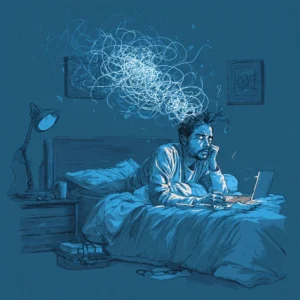
Sleep Disruption
Stress-Related Sleep...
Read More
Mental Overload
Mental Overload:...
Read More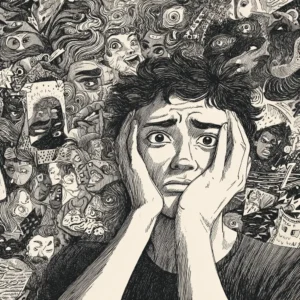
Nervous Tension and Anxiety
Nervous Tension...
Read MoreChronic Stress or Burnout
Chronic stress is long-term pressure that doesn’t seem to let up. It often feels like running on empty, where even small demands take more effort than they used to. People experiencing this kind of stress may feel worn down rather than sharply anxious.
Acute Emotional Stress
Acute emotional stress is short-term and often tied to a specific event or situation. It may feel intense but temporary, like being emotionally overwhelmed, shaken, or raw after a difficult experience. This type of stress usually rises quickly and fades once the situation passes.
Nervous Tension and Anxiety
This type of stress often shows up as restlessness, tightness, or feeling constantly on edge. The nervous system feels overstimulated, making it hard to relax even when nothing urgent is happening. Thoughts may race, and the body may feel wired rather than tired.
Mental Overload
Mental overload comes from sustained thinking, decision-making, or information processing. It can feel like brain fog, poor concentration, or mental fatigue, especially after long periods of focus. The body may not feel exhausted, but the mind feels overworked.
Stress-Related Sleep Disruption
When stress interferes with sleep, it often shows up as difficulty falling asleep, waking during the night, or feeling unrested in the morning. The nervous system has trouble shifting into a restful state, even when the body is physically tired.
Stress-Related Muscle Tension
This type of stress is felt physically, often as tight shoulders, clenched jaws, stiff necks, or recurring muscle tightness. It reflects prolonged nervous system activation that the body holds in the muscles rather than releasing.
Herbal Impact Types in Western Herbalism
Adaptogens
Adaptogens are herbs traditionally used to support the body’s ability to adapt to long-term stress. They are associated with improving overall resilience rather than producing immediate stimulation or sedation. Commonly cited examples include ashwagandha, rhodiola, holy basil, and eleuthero.
Nervines
Nervines are herbs that support, soothe, or nourish the nervous system directly. This broad category includes herbs often chosen for emotional steadiness and general nervous system comfort. Examples commonly mentioned are lemon balm, oat straw, chamomile, and skullcap.
Nervine Relaxants
Nervine relaxants are a subgroup of nervines that focus on easing nervous tension and overactivity. They are traditionally used when the nervous system feels wound tight or overstimulated. Passionflower, chamomile, California poppy, and skullcap are often discussed in this context.
Nervine Tonics
Nervine tonics are nourishing herbs traditionally used over time to help restore a depleted nervous system. They are associated with rebuilding rather than immediate calming. Milky oats, oat straw, St. John’s wort, and lemon balm are commonly referenced examples.
Sedatives
Sedatives are more strongly calming herbs that quiet nervous system activity and support rest. They are typically used thoughtfully and often short-term. Valerian, hops, California poppy, and passionflower are frequently mentioned in traditional herbal texts.
Mood-Supporting Herbs
Mood-supporting herbs are traditionally used to support emotional balance and gentle uplift. They are neither strongly stimulating nor heavily sedating. Herbs often discussed in this category include St. John’s wort, holy basil, saffron, and lemon balm.
Antispasmodics or Neuro-Muscular Herbs
These herbs help relax involuntary muscle tension linked to nervous system activity. They sit at the intersection of the nervous and muscular systems. Skullcap, valerian, cramp bark, and black cohosh are commonly cited examples.
Mapping Stress Types to Herbal Impact Types
Chronic Stress or Burnout
Primary herbal impact types are adaptogens and nervine tonics. This pairing is traditionally chosen to support long-term resilience while gently rebuilding depleted nervous system reserves. A commonly discussed example mix includes ashwagandha, milky oats, lemon balm, and holy basil.
Acute Emotional Stress
Primary herbal impact types are general nervines. These herbs are traditionally chosen to provide immediate nervous system support during short-term emotional strain. An example mix often used in practice includes lemon balm, chamomile, and skullcap.
Nervous Tension and Anxiety
Primary herbal impact types are nervine relaxants. This approach focuses on easing overactive nervous responses and helping the body unwind. A typical example mix includes passionflower, chamomile, and lemon balm.
Mental Overload
Primary herbal impact types are adaptogens combined with mild stimulants. This pairing is traditionally used to support mental endurance without sharp spikes or crashes. An example mix includes rhodiola, holy basil, and green tea.
Stress-Related Sleep Disruption
Primary herbal impact types are sedatives combined with nervine relaxants. This combination is chosen to quiet nervous system activity and support the transition into rest. A commonly cited example mix includes valerian, hops, and passionflower.
Stress-Related Muscle Tension
Primary herbal impact types are antispasmodics paired with nervine relaxants. This pairing reflects the connection between nervous system activation and muscle holding patterns. An example mix includes skullcap, valerian, and cramp bark.
Conclusion
Stress rarely fits neatly into a single category. Most people experience overlapping patterns that shift with seasons, life circumstances, and overall resilience. Traditional Western herbalism reflects this complexity by matching herbal actions to patterns rather than labels.
Herbal support is traditionally viewed as gentle, individualized, and most effective when used consistently over time. Understanding how different stress types relate to different herbal actions helps create a more thoughtful and realistic approach to long-term nervous system support.
This information is shared for educational purposes only and reflects traditional Western herbal practice. It is not intended to diagnose, treat, or replace medical care or advice.