
Onion: Traditional Uses, Actions, and Herbal Practice
Onion is traditionally used to support respiratory clarity, promote healthy circulation, and encourage immune responsiveness, especially during cold, damp, or congestive states.
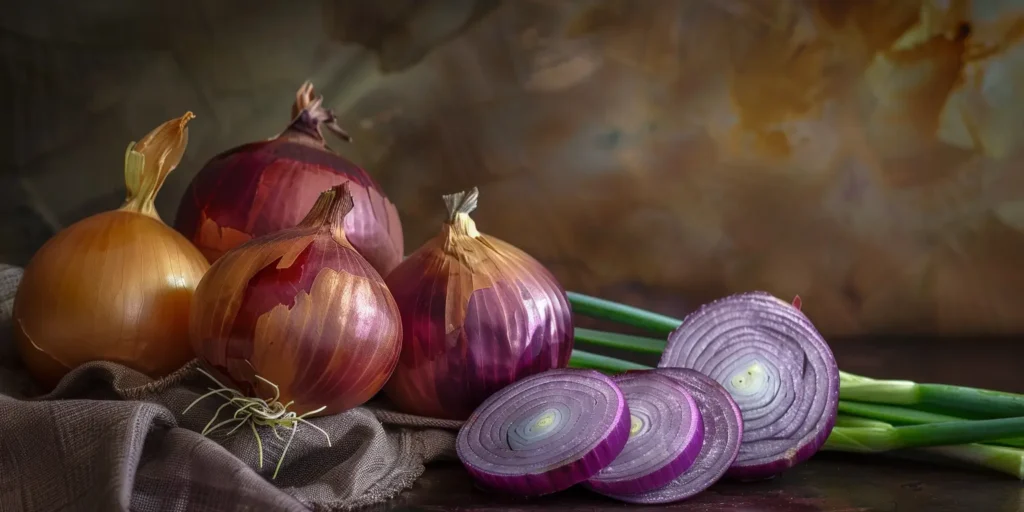
Latin (botanical) name: Allium cepa
Plant family: Amaryllidaceae
Common names: Onion, common onion
Traditional use overview:
Onion has a long history in European folk medicine and Western herbal practice as a warming stimulant, expectorant, and antimicrobial food-herb. Traditionally, it was used both internally and externally to support respiratory health, circulation, and immune responsiveness. Western herbalists often view onion as a bridge between kitchen and medicine—readily available, effective, and best used fresh.
Herbal Actions
Onion is traditionally associated with the following actions:
- Expectorant – supports movement of respiratory mucus
- Circulatory stimulant – encourages peripheral circulation and warmth
- Diaphoretic – supports healthy sweating during acute conditions
- Antimicrobial support – traditionally used to discourage unwanted microbes
- Anti-inflammatory – helps moderate inflammatory responses
These actions describe traditional functional use rather than medical treatment.
Practical Uses
In Western herbal practice, onion is most often used acutely, particularly during respiratory congestion, colds, or sluggish circulation. Herbalists value it for its immediacy and accessibility, often recommending it fresh in food-based preparations or simple home remedies. Onion is rarely used as a long-term tonic but plays a strong role in short-term support.
Product Forms
Onion is available in several forms:
- Fresh bulb – used raw or cooked in food-based remedies
- Syrups – commonly combined with honey for respiratory support
- Poultices – applied externally for congestion or localized support
- Tinctures – alcohol extracts of fresh onion
- Capsules or powders – less traditional, modern adaptations
Fresh preparations are considered the most active.
Traditional Herbal Recipes
- Onion & Honey Syrup
Traditionally used to support respiratory comfort and mucus movement. - Warm Onion Poultice
Applied externally for chest or ear congestion in folk practice. - Onion Decoction
Used short term to encourage sweating and circulation. - Fresh Onion Tincture
Taken in small amounts during acute congestion.
Parts Used
- Bulb, used fresh or lightly cooked
Usage Forms & Shelf Life
Internal vs external use:
Used both internally and externally.
Common preparations:
Fresh food preparations, syrups, tinctures, poultices
Shelf-life ranges:
- Fresh onion: several weeks when stored properly
- Syrups: 3–6 months refrigerated
- Tinctures: 3–5 years
Safety & Considerations and Dosage Guidelines
Onion is traditionally considered safe and suitable for short-term use in a wide range of individuals. Herbalists emphasize fresh preparation and moderate amounts. It is commonly used as part of food rather than in concentrated doses.
Side Effects & Contraindications
Onion may cause digestive discomfort or irritation in sensitive individuals, especially when consumed raw. External use may cause skin irritation if left on too long. Adverse effects are generally mild and self-limiting.
Active Constituents
Sulfur-Containing Compounds
- Compounds: allicin (formed from alliin), cysteine sulfoxides
- Traditional role: associated with antimicrobial and circulatory effects
- Best extraction: fresh crushing or chopping
- Quantitative data: sulfur compounds vary widely depending on cultivar and freshness
National Center for Biotechnology Information
Flavonoids
- Compounds: quercetin
- Traditional role: antioxidant and anti-inflammatory support
- Best extraction: fresh or lightly cooked preparations
Fructans
- Traditional role: digestive and metabolic support
- Best extraction: food-based preparations
How It Works
Traditionally, onion is understood to work by stimulating circulation, loosening congestion, and supporting the body’s acute immune response. Modern research highlights its antimicrobial, anti-inflammatory, and antioxidant properties, aligning with its long-standing use for short-term respiratory and immune support
Journal of Ethnopharmacology.
Processing Cautions
Onion’s activity is strongest when fresh. Prolonged cooking reduces volatile sulfur compounds. External poultices should be monitored closely to avoid skin irritation.
Quick Herb Overview
- Botanical family: Amaryllidaceae
- Parts used: Bulb
- Energetics: Warming, drying
- Taste profile: Pungent, sharp, slightly sweet
Herb Identification
Visual traits:
Layered bulb with papery outer skin and hollow green leaves.
Growth habit:
Biennial plant cultivated as an annual.
Look-alikes and safety notes:
Distinct aroma and layered bulb make identification straightforward.
Selecting Quality Herb
Choose firm bulbs without soft spots or mold. Strong aroma indicates freshness. Organic onions are often preferred for medicinal use.
Natural Growing Areas
Originating in Central Asia; now cultivated worldwide in temperate regions.
Growing Tips
Onions prefer full sun and well-drained soil. Harvest once tops fall and dry thoroughly before storage.
Frequently Asked Questions
Is onion considered a medicinal herb or food?
Traditionally, it is both—a food with medicinal action.
Is onion used long term?
No. It is typically used short term during acute conditions.
Does cooking reduce onion’s herbal activity?
Yes. Raw or lightly cooked onions retain more active compounds.
Can onion support respiratory congestion?
Traditionally, yes—especially for thick or stagnant mucus.
Is onion warming or cooling?
It is considered warming and stimulating.
Can onion be used externally?
Yes. Poultices have a long history in folk practice.
References
- National Center for Biotechnology Information
- Journal of Ethnopharmacology
- European Medicines Agency – Herbal Monographs
This content is for educational purposes only and reflects traditional herbal understanding. It is not intended to diagnose, treat, cure, or prevent any disease.