Acute Emotional Stress: An Herbalist’s View of Sudden Overload

Acute emotional stress is part of being human, and in many cases, it’s a healthy, protective response. Still, when it hits, it can feel overwhelming and disorienting. Most of us know the feeling. A sharp argument, an unexpected loss, a near miss on the freeway, or news that lands hard and fast. The body reacts before the mind has time to catch up. 

Herbal Recipes for Acute Stress

Herbal Support for Acute Emotional Stress

Herbalism views acute emotional stress as a moment of nervous system imbalance rather than a condition to be corrected. The emphasis is on calming excess stimulation, restoring a sense of safety, and helping the body return to baseline once the stressor has passed.

Nervines are the primary herbal category discussed in this context. Herbs such as lemon balm, chamomile, passionflower, skullcap, and lavender have long histories of use for soothing frayed nerves and emotional tension.

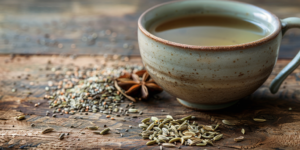
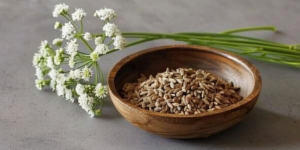
Gentle carminatives like fennel or anise are sometimes included, recognizing how closely stress and digestion are linked. In acute situations, adaptogens are generally considered less central than they are for long-term stress, as their traditional role is more about resilience over time.

Herbs Used for Acute Stress Support

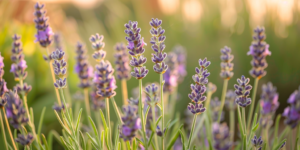
Lavender

Lavender: Calm, Comfort, and Clarity Lavender has long been cherished...

Read More

Fennel

Fennel in Traditional Western Herbalism: Digestion, Breath, and Balance Fennel...

Read More

Anise

Anise (Pimpinella anisum): Traditional Uses and Herbal Actions Anise is...

Read More

Valerian

Valerian: Traditional Uses, Actions, and Herbal Preparations Valerian is one...

Read More

How These Herbs Work in the Body

Many nervine herbs contain bioactive compounds that interact with neurotransmitter systems involved in stress and mood regulation. For example, chamomile contains apigenin, a flavonoid studied for its calming interactions with GABA receptors, while lemon balm provides rosmarinic acid and volatile oils associated with relaxation and mood support. Reviews available through PubMed Central discuss how these plant compounds may influence nervous system signaling without acting as sedatives PubMed Central.

From a traditional perspective, these herbs are described as supporting tone and balance rather than suppressing sensation. They help the nervous system soften its grip and remember how to settle.

Herbal Preparations and Recipes

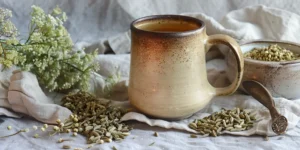
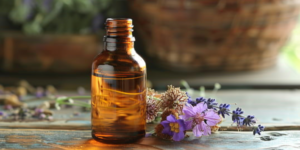
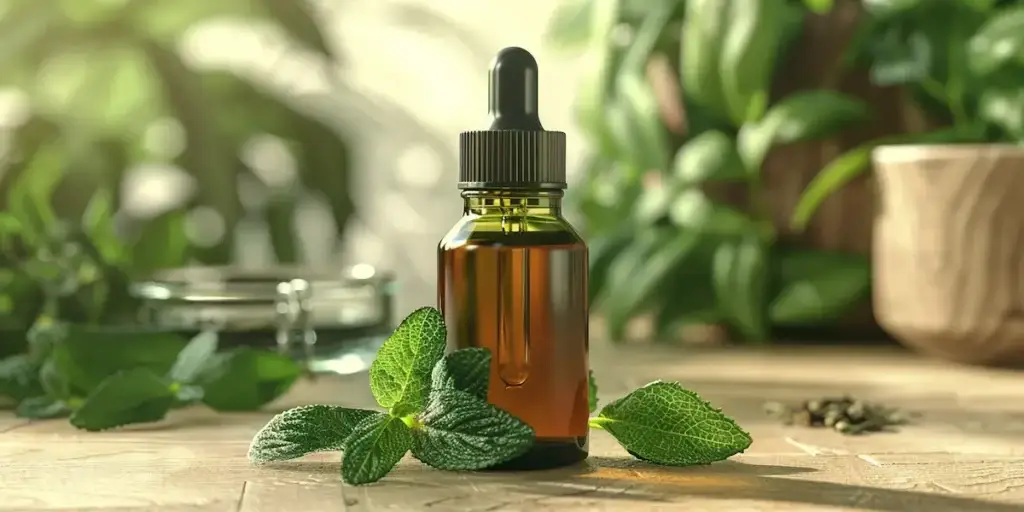
In moments of acute stress, preparation form matters. Warm teas and infusions offer both chemical and sensory comfort, combining gentle phytochemistry with heat, aroma, and ritual. Tinctures and glycerites are traditionally valued for their convenience and faster uptake, especially when brewing tea isn’t practical.

Many people explore these options through individual herb profiles, preparation guides, or simple calming blends designed for occasional use. The European Medicines Agency evaluates traditional herbal preparations with an emphasis on historical use and safety in these kinds of supportive contexts European Medicines Agency (EMA).

What Is Acute Emotional Stress?

Acute emotional stress refers to a short-term stress response triggered by a sudden emotional or psychological event. Unlike chronic stress, which builds gradually, acute stress arrives quickly and tends to resolve once the situation passes. The World Health Organization describes stress responses as normal reactions to demands or threats, especially when they are immediate and time-limited World Health Organization (WHO).

In simple terms, acute emotional stress is the body’s rapid “all hands on deck” response to something that feels urgent, shocking, or emotionally charged.

Why It Happens

From a physiological perspective, acute stress activates the sympathetic nervous system. Stress hormones such as adrenaline and cortisol are released, increasing heart rate, sharpening attention, and mobilizing energy. This response evolved to help us react quickly to danger or challenge. The National Center for Complementary and Integrative Health explains how this short-term stress response can be adaptive, helping the body respond effectively in the moment National Center for Complementary and Integrative Health (NCCIH).

Problems tend to arise not because this response exists, but when it is intense, unexpected, or layered onto an already taxed system.

How It Commonly Shows Up

Acute emotional stress often announces itself clearly. People may notice a racing heart, shallow breathing, muscle tension, or a sudden drop in appetite. Emotionally, it can feel like anxiety, irritability, tearfulness, or mental “blankness.” Digestion may slow or feel unsettled, and sleep that night may be lighter or restless. These experiences reflect a body prioritizing immediate response over rest and repair.

Foundations of Support

Herbs are only one piece of the picture. Acute emotional stress often eases more quickly when paired with basic supportive actions such as slow breathing, warmth, hydration, and reassurance. Traditional herbalism places strong value on context, recognizing that the nervous system responds not just to substances, but to environment and care.

Learning More

For those interested in a deeper dive, the American Herbal Pharmacopoeia offers detailed monographs that explore traditional use, phytochemistry, and modern research for many classic nervine herbs American Herbal Pharmacopoeia (AHP).

FAQ

Is acute emotional stress always harmful?
No. In short bursts, it’s a normal and often helpful response that allows quick reaction and focus.

How is acute stress different from anxiety?
Acute stress is usually tied to a specific event and resolves, while anxiety may persist even when no immediate trigger is present.

Why does stress affect digestion so quickly?
The nervous system directly influences digestive activity, and stress shifts resources away from digestion toward immediate response.

Are calming herbs sedating?
Traditionally, most nervines are considered soothing rather than sedating, supporting relaxation without dulling awareness.

Can acute stress turn into chronic stress?
It can, especially if stressful events are frequent or recovery time is limited.

References

This content is for educational purposes only. It does not diagnose, treat, or replace professional medical care or individualized guidance from qualified healthcare providers.

Scroll to Top