
Anise (Pimpinella anisum): Traditional Uses and Herbal Actions
Anise is one of those herbs that quietly earns its place in the herbal cupboard. Familiar from baking and old-fashioned sweets, it has also been a steady companion in traditional Western herbalism for centuries. Valued for its warmth, sweetness, and aromatic nature, anise has long been used to support digestion, breathing comfort, and overall ease in the body. It is a classic example of how taste and aroma were once understood as meaningful therapeutic qualities, not just pleasant additions.
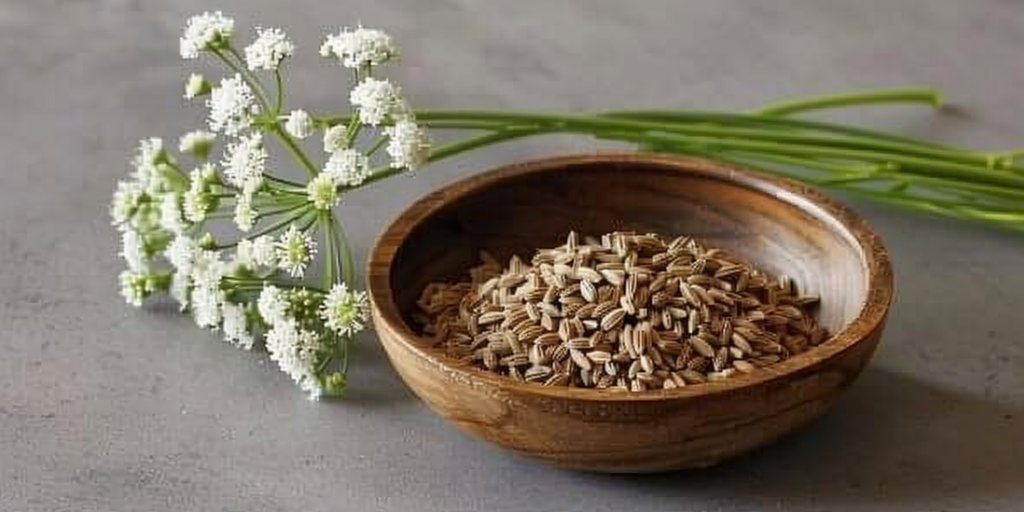
Latin (botanical) name: Pimpinella anisum
Plant family: Apiaceae (carrot family)
Common names: Anise, aniseed, sweet anise
Traditional use overview
In traditional Western herbalism, anise seed has been used primarily as a digestive herb, particularly where gas, bloating, or a sense of tightness was present. It was also included in respiratory preparations to encourage comfortable breathing and in formulas meant to gently warm and stimulate physiological processes without irritation. Its agreeable flavor made it a frequent companion herb, added to blends to improve both taste and effectiveness.
Herbal Actions
Anise is traditionally described as:
- Carminative: helps encourage the release of trapped gas and ease digestive discomfort
- Aromatic digestive: supports digestive secretions through taste and aroma
- Mild antispasmodic: traditionally used where smooth muscle tension is present
- Expectorant: supports the movement of mucus in the respiratory system
- Galactagogue (traditional classification): historically associated with supporting milk flow
These actions reflect long-standing empirical use rather than modern medical categorization.
Practical Uses
In everyday herbal practice, anise is most often used after meals, in digestive teas, or as part of broader gastrointestinal blends. It is also commonly included in respiratory formulas where dryness or tightness is noted. Beyond its direct actions, anise has traditionally been valued for improving compliance with herbal regimens by making bitter or strong-tasting herbs more pleasant.
Product Forms
Anise is widely available in several forms.
Whole dried seeds are the most common and are used for teas, decoctions, and culinary preparations.
Crushed or powdered seed offers faster extraction but loses aroma more quickly.
Tinctures capture aromatic compounds efficiently and are often used in digestive blends.
Syrups combine anise with honey or sugar and are traditionally used in respiratory preparations.
Essential oil is produced by steam distillation and is mainly used in flavoring and aromatics rather than traditional internal herbal preparations European Medicines Agency (EMA).
Four Traditional Herbal Recipes
- Anise Digestive Tea
Lightly crush 1 teaspoon of anise seed and steep in hot water for 10 minutes. Traditionally used after meals to support digestion. - Anise and Fennel Comfort Blend
Combine equal parts anise seed and fennel seed, crush gently, and infuse. This pairing has a long history in digestive teas. - Warming Anise Syrup
Simmer anise seed gently in water, strain, and combine with honey. Traditionally used for dry, irritated respiratory passages. - Aromatic Anise Tincture
Anise seed is macerated in alcohol to extract volatile oils and aromatic compounds, creating a concentrated digestive preparation.
Parts Used
The primary part used is the dried ripe fruit, commonly referred to as the seed. Other plant parts are not typically used in Western herbal practice.
Usage Forms & Shelf Life
Internal vs external use
Anise is traditionally used internally. External use is limited and mostly aromatic.
Common preparations
Infusions, decoctions, tinctures, syrups, and culinary use.
Shelf-life ranges
Whole dried seeds retain quality for about 2–3 years when stored properly.
Powdered seed is best used within 6–12 months.
Tinctures typically remain stable for 5 years or longer.
Safety & Considerations and Dosage Guidelines
Anise has a long history of use as both a food and herb. Traditional sources describe usage in culinary or tea-strength amounts rather than precise dosages. Care is taken to distinguish whole-seed preparations from concentrated essential oil European Medicines Agency (EMA).
Side Effects & Contraindications
Side effects are uncommon with traditional use of anise seed. Individuals sensitive to plants in the Apiaceae family may wish to use caution. Essential oil should not be used internally outside of professional contexts due to concentration European Medicines Agency (EMA).
Active Constituents
Volatile oils
Key compounds include trans-anethole, estragole, and anisaldehyde.
Trans-anethole typically accounts for 80–90% of the essential oil and contributes to aroma and traditional digestive effects PubMed Central.
Best extraction: tincture or steam distillation.
Flavonoids
Including quercetin derivatives, traditionally associated with overall plant resilience.
Best extraction: infusion or tincture.
Phenolic compounds
Present in smaller amounts and contribute to aromatic complexity.
Best extraction: alcohol-based preparations PubMed Central.
How It Works
Traditionally, anise is understood to work through warmth and aroma. The volatile oils stimulate taste and smell receptors, which in turn influence digestive secretions and smooth muscle tone. Modern research exploring anethole helps explain why anise has been consistently associated with digestive comfort and gentle respiratory support PubMed Central.
Processing Cautions
Anise seed should be lightly crushed just before use to preserve volatile oils. Prolonged boiling can drive off aromatic compounds. Essential oil should never be substituted for whole-seed preparations without appropriate expertise European Medicines Agency (EMA).
Quick Herb Overview
Botanical family: Apiaceae
Parts used: Seed
Energetics (traditional): Warm, drying
Taste profile: Sweet, aromatic, licorice-like
Herb Identification
Visual traits
Small, oval, gray-green seeds with fine ridges and a strong sweet aroma when crushed.
Growth habit
Annual herb with feathery leaves and white umbel flowers.
Look-alikes and safety notes
Anise should not be confused with star anise (Illicium verum), which is botanically unrelated. Proper sourcing is essential American Herbal Pharmacopoeia (AHP).
Selecting Quality Herb
Quality anise seed should be aromatic, intact, and free from dust or discoloration. A strong scent when crushed is a good indicator of freshness. Organic sourcing helps preserve volatile oil content.
Natural Growing Areas
Anise is native to the eastern Mediterranean and Southwest Asia. It is now cultivated widely in Spain, Turkey, Egypt, and parts of the Middle East.
Growing Tips
Anise prefers full sun, warm temperatures, and well-drained soil. It is best direct-seeded, as it does not transplant easily. Seeds are harvested once fully mature and dry.
Frequently Asked Questions
Is anise the same as licorice root?
No. They share a similar flavor due to aromatic compounds, but they are completely different plants.
Can anise be used regularly as a tea?
Traditionally, yes. Anise tea has often been used regularly, especially after meals.
Is anise warming or cooling?
In traditional energetics, anise is considered warming and gently drying.
Does anise only support digestion?
While best known for digestion, it has also been used traditionally in respiratory blends.
Is star anise interchangeable with anise seed?
No. They are botanically distinct and treated differently in Western herbalism.
References cited using inline clickable source names
European Medicines Agency (EMA)
PubMed Central
American Herbal Pharmacopoeia (AHP)
This content is for educational purposes only and reflects traditional Western herbalism and evidence-informed discussion. It does not diagnose, treat, cure, or replace professional medical advice.