
Cayenne: Traditional Uses, Actions, and Herbal Practice
Cayenne is traditionally used to stimulate circulation, support digestive fire, and improve tissue responsiveness, especially where coldness or stagnation is present.
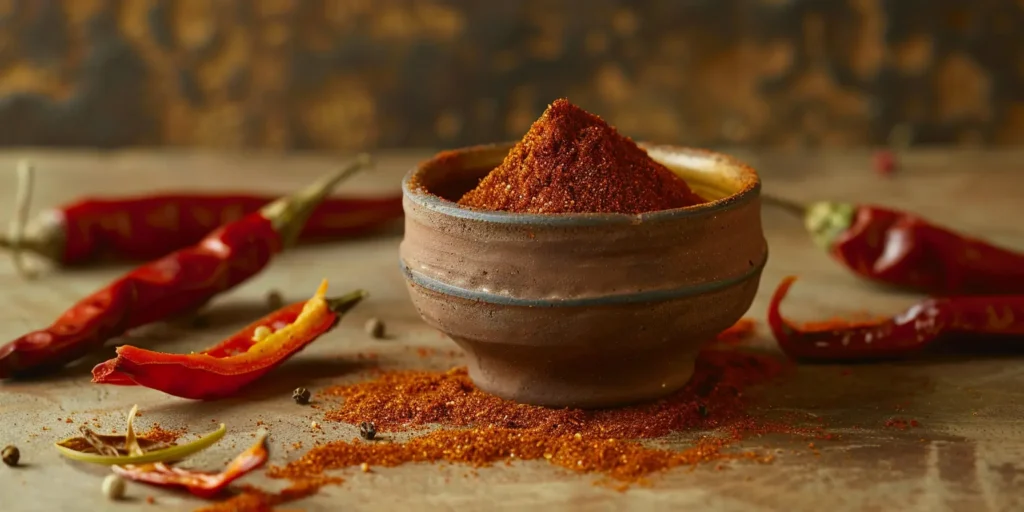
Latin (botanical) name: Capsicum annuum (also Capsicum frutescens in some traditions)
Plant family: Solanaceae
Common names: Cayenne, red pepper, chili pepper
Traditional use overview:
Cayenne has a long history in Western and North American herbalism as a circulatory stimulant and warming catalyst. Traditionally, it was used to enhance blood flow, support digestion, and improve the delivery and effectiveness of other herbs in a formula. Western herbalists often view cayenne not as a standalone tonic, but as an activator that helps systems respond more effectively.
Herbal Actions
Cayenne is traditionally associated with the following actions:
- Circulatory stimulant – encourages blood flow and warmth
- Carminative – supports digestive movement and comfort
- Diaphoretic – promotes healthy sweating during acute states
- Counterirritant – increases local circulation when applied externally
- Catalyst – enhances the action of other herbs
These actions describe traditional functional use rather than medical treatment.
Practical Uses
In Western herbal practice, cayenne is most often used in small amounts, either alone for short-term stimulation or as part of compound formulas. Herbalists value it for restoring circulation in cold, stagnant conditions and for improving digestion and absorption. It is rarely used in large doses and is typically combined with gentler herbs.
Product Forms
Cayenne is available in several preparations:
- Powdered fruit – capsules, teas, and blended formulas
- Tinctures – alcohol extracts
- Topical preparations – creams, liniments, and plasters
- Food-based preparations – culinary use with medicinal intent
Powdered cayenne is the most common traditional form.
Traditional Herbal Recipes
- Cayenne Circulatory Tonic
A small amount of cayenne blended into a warming herbal formula. - Digestive Fire Blend
Cayenne combined with carminative herbs to support digestion. - Topical Cayenne Liniment
Traditionally used to stimulate local circulation. - Warming Tea Formula
Cayenne added in very small amounts to acute-support teas.
Parts Used
- Fruit (pepper), dried and powdered
Usage Forms & Shelf Life
Internal vs external use:
Used both internally and externally.
Common preparations:
Powders, capsules, tinctures, liniments
Shelf-life ranges:
- Powdered cayenne: 2–3 years
- Tinctures: 3–5 years
- Topical preparations: 1–2 years
Safety & Considerations and Dosage Guidelines
Cayenne is traditionally used in very small amounts, especially internally. Herbalists emphasize starting low and combining it with other herbs. Its role is typically supportive rather than primary.
Side Effects & Contraindications
Cayenne may cause burning or irritation if used excessively or on sensitive tissues. It is traditionally avoided during active inflammation, ulcers, or heat-dominant conditions. External preparations should be used carefully and kept away from eyes and mucous membranes.
Active Constituents
Capsaicinoids
- Compounds: capsaicin, dihydrocapsaicin
- Traditional role: associated with circulatory stimulation and counterirritant effects
- Best extraction: alcohol tinctures and powders
- Quantitative data: capsaicin content varies by cultivar, typically ranging from 0.1–1% of dried fruit
National Center for Biotechnology Information
Carotenoids
- Compounds: capsanthin, beta-carotene
- Traditional role: antioxidant and tissue support
- Best extraction: whole powder or alcohol
Flavonoids
- Traditional role: antioxidant support
- Best extraction: alcohol and water
How It Works
Traditionally, cayenne is understood to work by increasing circulation, improving nerve signaling, and enhancing tissue responsiveness. Modern research highlights capsaicin’s effects on blood flow, pain signaling, and metabolism, aligning with cayenne’s long-standing use as a circulatory and catalytic herb
Journal of Ethnopharmacology.
Processing Cautions
Cayenne should be dried thoroughly before powdering to prevent spoilage. Fine powders can irritate eyes and lungs during processing. Heat and light may degrade active compounds over time.
Quick Herb Overview
- Botanical family: Solanaceae
- Parts used: Fruit
- Energetics: Hot, drying
- Taste profile: Very pungent, spicy
Herb Identification
Visual traits:
Slender red peppers that vary in length depending on cultivar.
Growth habit:
Annual or short-lived perennial in warm climates.
Look-alikes and safety notes:
All Capsicum species are pungent to varying degrees; correct species identification ensures consistent strength.
Selecting Quality Herb
Choose cayenne with bright red color and strong aroma. Powder should be vibrant, not dull or brown. Products should clearly list Capsicum annuum and heat level if standardized.
Natural Growing Areas
Native to Central and South America; widely cultivated worldwide in warm climates.
Growing Tips
Cayenne prefers full sun, warm temperatures, and well-drained soil. Harvest fruits when fully red for maximum potency.
Frequently Asked Questions
Is cayenne a tonic herb?
No. It is traditionally used as a catalyst rather than a nourishing tonic.
Does cayenne support circulation?
Yes. Supporting circulation is one of its primary traditional roles.
Is cayenne used daily?
Sometimes, but typically in very small amounts.
Is cayenne warming or cooling?
It is considered strongly warming.
Can cayenne be used externally?
Yes. It has a long history of topical use for circulation.
Does cayenne enhance other herbs?
Traditionally, yes—it is often included to improve formula effectiveness.
References
- National Center for Biotechnology Information
- Journal of Ethnopharmacology
- European Medicines Agency – Herbal Monographs
Disclaimer
This content is for educational purposes only and reflects traditional herbal understanding. It is not intended to diagnose, treat, cure, or prevent any disease.