
Hops: Traditional Uses, Actions, and Herbal Preparations
Hops is best known today as the bitter backbone of beer, but long before the brewhouse, it earned its place in the herb room. In traditional Western herbalism, hops is valued as a deeply calming, cooling plant with a particular affinity for restlessness that shows up in both body and mind. Herbalists have long turned to hops when tension feels wired rather than merely tired—when sleep is elusive, digestion is tight, and the nervous system won’t quite power down.
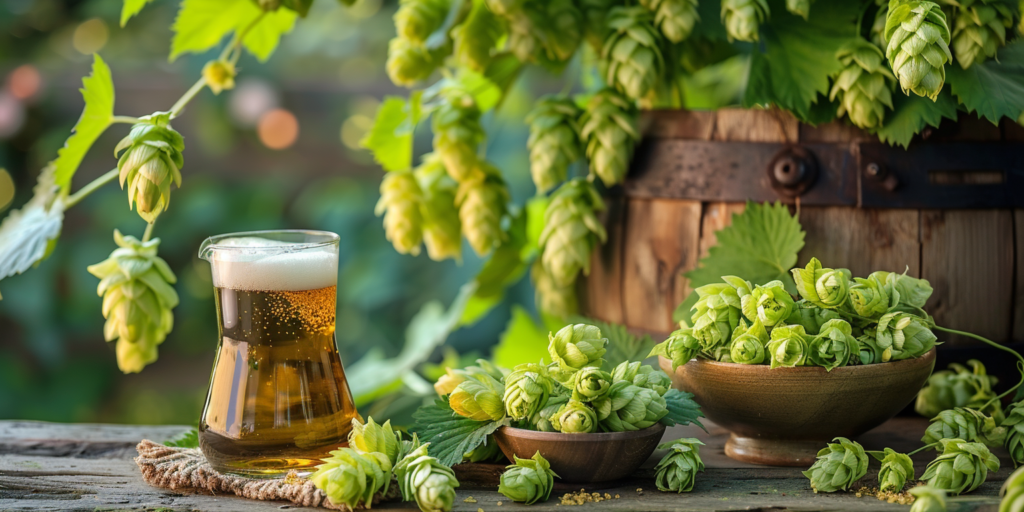
Latin (botanical) name: Humulus lupulus
Plant family: Cannabaceae
Common names: Hops, common hops
Traditional use overview
In Western herbal practice, hops has been traditionally used as a nervine relaxant, bitter digestive, and mild sedative herb. It has been relied upon to support rest, ease nervous tension, and encourage relaxation, particularly when overstimulation and irritability are present. Historically, it has often been paired with other calming herbs to balance its strong bitterness and cooling nature.
Herbal Actions
Nervine relaxant: Traditionally used to calm nervous tension and restlessness.
Sedative (traditional context): Supports rest and sleep when taken in the evening.
Bitter: Stimulates digestive secretions and supports appetite and digestion.
Antispasmodic: Traditionally used to ease muscular and visceral tension.
Practical Uses
Hops is most often used in the evening or during periods of heightened nervous agitation. Western herbalists commonly use it short term or situationally, especially when sleep disturbance or physical tension accompanies stress. Its bitterness also makes it useful, in small amounts, as a digestive tonic earlier in the day.
Product Forms
Dried hop cones: Used for infusions and pillows.
Alcohol tincture: A common liquid preparation for measured use.
Glycerite: Alcohol-free extract, milder in taste and effect.
Capsules or tablets: Containing powdered cones or extracts.
Liquid extracts: Concentrated preparations used in small doses.
Four Traditional Herbal Recipes
Hops Infusion:
½–1 teaspoon dried hop cones steeped in hot water for 10 minutes, taken in the evening.Hops–Valerian Tea:
Hops blended with valerian root for deeper nervous system relaxation.Hops Sleep Pillow:
Dried hop cones sewn into a small pillow, traditionally placed near the bed.Hops Bitter Tincture:
Small amounts of hops tincture combined with gentler bitters to support digestion.
Parts Used
Female flowers (hop cones)
Usage Forms & Shelf Life
Internal use: Tea, tincture, glycerite, capsules
External use: Sleep pillows, poultices (historical use)
Shelf life:
Dried cones: 1–2 years when well stored
Tincture: 3–5 years
Glycerite: 1–2 years
Safety & Considerations and Dosage Guidelines
Hops is traditionally used in modest amounts, often in the evening. Western herbal practice typically involves small doses due to its strong bitterness and relaxing nature. Safety summaries and traditional guidance are available through the European Medicines Agency and the National Center for Complementary and Integrative Health.
Side Effects & Contraindications
Some individuals may experience excessive drowsiness or digestive upset with larger amounts. Due to its strong relaxing action, hops is traditionally used with caution alongside other sedative substances. Hormonal considerations and traditional cautions are discussed in reviews summarized by PubMed Central.
Active Constituents
Bitter acids (humulone, lupulone):
Traditionally associated with digestive and calming actions; best extracted with alcohol.
Bitter acids typically make up 5–15% of dried hop cones, depending on cultivar and processing, as summarized in PubMed Central.Prenylflavonoids (xanthohumol, 8-prenylnaringenin):
Traditionally linked to calming and tonic effects; alcohol extraction preferred.
Xanthohumol content is commonly reported at approximately 0.1–1% of dried cones in analytical studies reviewed in PubMed Central.Volatile oils (myrcene, humulene):
Contribute to aroma and traditional sedative effects; sensitive to heat and oxidation.
How It Works
From a traditional Western herbal perspective, hops works by cooling and settling excess nervous activity while also supporting digestion through its bitter principles. Modern research suggests that its bitter acids and prenylflavonoids interact with neurotransmitter pathways involved in relaxation, offering a contemporary explanation that aligns with long-standing traditional use, as reviewed by National Center for Complementary and Integrative Health and PubMed Central.
Processing Cautions
Hop cones are sensitive to heat, light, and air. Poor storage can rapidly degrade bitter acids and volatile oils, reducing both aroma and effectiveness.
Quick Herb Overview
Botanical family: Cannabaceae
Parts used: Female flower cones
Energetics (traditional): Cooling, drying
Taste profile: Strongly bitter, aromatic
Herb Identification
Visual traits: Papery green cones with yellow resin glands; rough climbing stems.
Growth habit: Vigorous perennial vine with twining bines.
Look-alikes: Other Humulus species; correct identification of female cones is essential.
Selecting Quality Herb
High-quality hops retain a fresh green color, strong aroma, and visible yellow lupulin glands. Browned cones or faint scent indicate age or poor storage.
Natural Growing Areas
Hops is native to Europe, western Asia, and North America and has been widely cultivated in temperate regions.
Growing Tips
Hops prefers full sun, rich soil, and sturdy support structures. Female plants are cultivated for herbal and brewing use, while male plants are generally excluded.
Frequently Asked Questions
Is hops only used for sleep?
No. While often associated with rest, hops has also been traditionally used to support digestion and ease nervous tension.
Can hops be taken daily?
It is usually used short term or situationally rather than as a daily tonic.
Why is hops so bitter?
Its bitterness comes from concentrated resin acids that also contribute to its traditional actions.
Is hops stimulating or calming?
Traditionally, it is considered calming and cooling rather than stimulating.
Can hops be used during the day?
In small amounts, yes, though many people reserve it for evening use.
Does hops work best alone or in blends?
Western herbalists often blend it with gentler nervines to balance its intensity.
References cited using inline clickable source names
Traditional herbal monographs and safety overview European Medicines Agency
Herbal use and research context National Center for Complementary and Integrative Health
Constituent analysis and pharmacology PubMed Central
Cultivation and plant information NC State Extension
This article is for educational purposes only and does not provide medical advice, diagnosis, or treatment.