
Spilanthes: Traditional Uses, Actions, and Herbal Practice
Spilanthesis known for restoring sensation and encouraging movement, especially in areas that feel stagnant or unresponsive. Its characteristic tingle makes it a classic example of an herb that works through immediacy and engagement rather than subtlety.
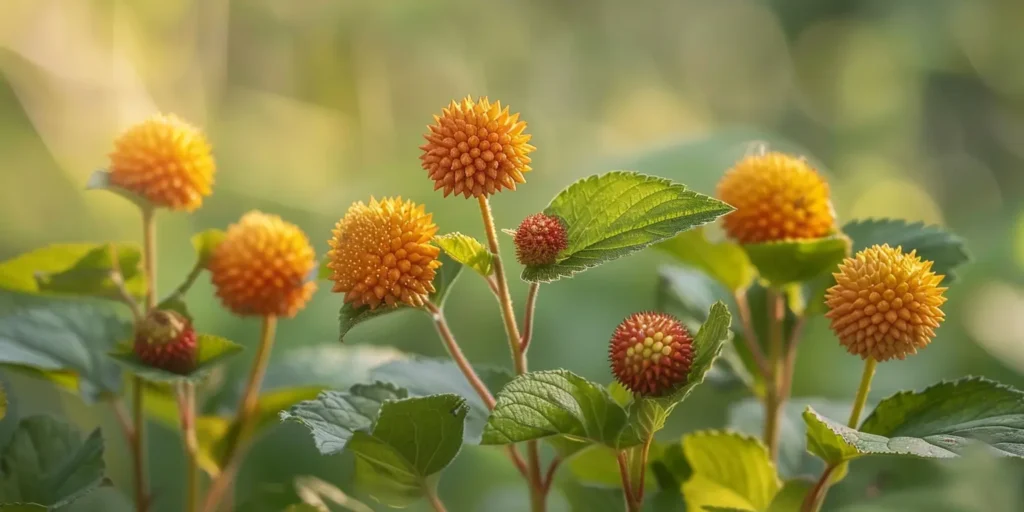
Latin (botanical) name: Acmella oleracea (syn. Spilanthes acmella)
Plant family: Asteraceae
Common names: Spilanthes, toothache plant, paracress
Traditional use overview:
Spilanthes entered Western herbalism through both Indigenous American use and later global herbal exchange. Traditionally, it was used for conditions involving poor circulation, reduced sensation, or stagnation, particularly in the mouth, lymphatic system, and upper respiratory tract. Western herbalists value spilanthes for short-term, situational use, often when immediate sensory or circulatory engagement is desired.
Herbal Actions
Spilanthes is traditionally associated with the following actions:
- Sialagogue – stimulates salivation and oral circulation
- Circulatory stimulant – encourages movement of blood and fluids
- Immune stimulant – supports short-term immune responsiveness
- Antimicrobial support – traditionally used in oral and topical contexts
- Lymphatic stimulant – encourages movement in stagnant tissues
These actions are descriptive of traditional use, not therapeutic claims.
Practical Uses
In Western herbal practice, spilanthes is most often used briefly and intentionally, especially where tissues feel numb, cold, or stagnant. It is commonly selected for oral, lymphatic, or upper respiratory support, and for situations where a rapid, noticeable response helps guide ongoing herbal strategy.
Product Forms
Spilanthes is available in several preparations:
- Fresh plant tinctures – most traditional and commonly preferred
- Alcohol extracts – valued for potency and shelf stability
- Capsules – dried herb or extract, less sensory feedback
- Topical preparations – mouthwashes, sprays, or salves
- Fresh plant use – leaves or flowers used traditionally for oral applications
Fresh tinctures are often favored due to their characteristic tingling effect.
Traditional Herbal Recipes
- Fresh Spilanthes Tincture
Prepared from fresh aerial parts for short-term use. - Oral Herbal Spray
Diluted tincture traditionally used for mouth and gum support. - Lymphatic Support Blend
Combined with complementary herbs to encourage movement and drainage. - Traditional Chewing Preparation
Fresh flower heads chewed briefly in traditional practice.
Parts Used
- Aerial parts (leaves, stems, flowers)
- Flower heads (especially valued)
Usage Forms & Shelf Life
Internal vs external use:
Used both internally and externally in traditional practice.
Common preparations:
Fresh tinctures, diluted sprays, capsules, topical applications
Shelf-life ranges:
- Dried herb: 1 year
- Tinctures: 3–5 years
- Topical preparations: 6–12 months depending on formulation
Safety & Considerations and Dosage Guidelines
Spilanthes is traditionally used short term and in small amounts, guided by sensation and response. Herbalists emphasize starting low and observing effects, as its stimulating nature can be intense. It is generally not used continuously.
Side Effects & Contraindications
Excessive use may cause oral irritation or digestive discomfort due to strong stimulation. Individuals sensitive to plants in the Asteraceae family should use caution. Long-term daily use is generally avoided in traditional practice.
Active Constituents
Alkamides
- Compounds: spilanthol and related alkamides
- Traditional role: associated with tingling sensation, immune and circulatory activity
- Best extraction: alcohol tinctures
- Quantitative data: spilanthol content commonly ranges from ~0.4–1.25% in aerial parts depending on freshness and extraction method
National Center for Biotechnology Information
Flavonoids
- Compounds: quercetin derivatives
- Traditional role: supportive antioxidant activity
- Best extraction: hydroalcoholic preparations
Essential Oils (minor fraction)
- Traditional role: aromatic and antimicrobial support
- Best extraction: fresh plant preparations
How It Works
Traditionally, spilanthes is understood to work by stimulating nerve endings, circulation, and fluid movement, especially in surface tissues. Modern research suggests its alkamides interact with sensory receptors and immune signaling pathways, helping explain its rapid, noticeable effects
Journal of Ethnopharmacology.
Processing Cautions
Drying significantly reduces the sensory intensity of spilanthes. Fresh plant extraction is preferred when possible. Overheating may degrade alkamides, diminishing activity.
Quick Herb Overview
- Botanical family: Asteraceae
- Parts used: Aerial parts, flowers
- Energetics: Warming, stimulating
- Taste profile: Sharp, tingling, mildly bitter
Herb Identification
Visual traits:
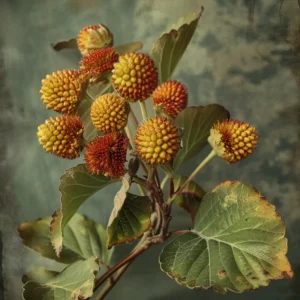
Low-growing plant with oval green leaves and distinctive yellow flower heads with red centers.
Growth habit:
Tender annual or short-lived perennial in warm climates.
Look-alikes and safety notes:
Distinctive flower heads reduce confusion; accurate identification is still essential.
Selecting Quality Herb
Look for products made from fresh plant material, clearly labeled with botanical name and plant part. Tingling sensation is traditionally used as an indicator of freshness and quality.
Natural Growing Areas
Native to tropical and subtropical regions, widely cultivated and naturalized in warm climates worldwide.
Growing Tips
Spilanthes prefers full sun, warmth, and well-drained soil. Regular harvesting of aerial parts encourages continued growth. It is easily grown from seed in summer conditions.
Frequently Asked Questions
Why does spilanthes cause tingling?
The sensation comes from alkamides, particularly spilanthol, which stimulate nerve endings.
Is spilanthes meant for daily use?
Traditionally, no. It is used briefly and reassessed frequently.
Is fresh spilanthes better than dried?
Fresh preparations are usually stronger and more characteristic in effect.
Can spilanthes be used externally?
Yes, it has a long history of topical and oral applications.
Is spilanthes warming or cooling?
It is considered distinctly warming and stimulating.
Can it be combined with other herbs?
Yes, often blended to direct or moderate its intensity.
References
- National Center for Biotechnology Information
- Journal of Ethnopharmacology
- American Herbal Pharmacopoeia
This content is for educational purposes only and reflects traditional herbal understanding. It is not intended to diagnose, treat, cure, or prevent any disease.