
Cleavers: Traditional Uses, Actions, and Herbal Practice
Cleavers are traditionally used to support lymphatic flow, gentle tissue cleansing, and fluid balance, especially where congestion or sluggish elimination is present.
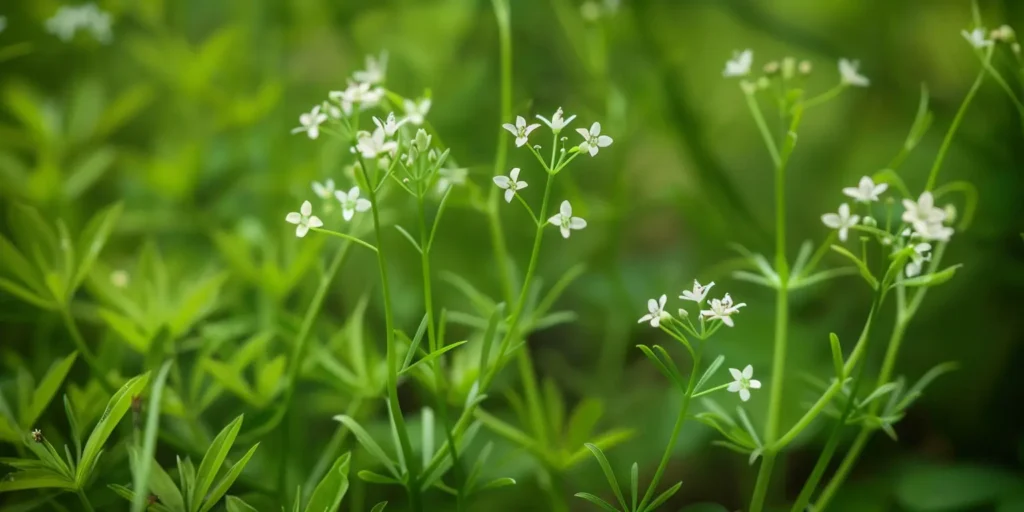
Latin (botanical) name: Galium aparine
Plant family: Rubiaceae
Common names: Cleavers, goosegrass, bedstraw, sticky willy
Traditional use overview:
Cleavers are native to Europe and widely naturalized across North America, where they have long been used in Western herbalism as a primary lymphatic and alterative herb. Traditionally gathered fresh in spring, cleavers were used to encourage lymphatic drainage, support skin health, and assist gentle elimination. Herbalists often reach for cleavers when swelling, congestion, or a sense of stagnation is present rather than acute inflammation.
Herbal Actions
Cleavers are traditionally associated with the following actions:
- Lymphatic support – encourages movement of lymph and interstitial fluids
- Alterative – supports gradual cleansing and metabolic balance
- Diuretic – gently supports urinary elimination
- Anti-inflammatory – helps calm low-grade tissue irritation
- Cooling – traditionally used where heat or congestion is present
These actions describe traditional functional use rather than medical treatment.
Practical Uses
In Western herbal practice, cleavers are most often used fresh and over time, particularly for lymphatic congestion, skin eruptions, and fluid stagnation. Herbalists value cleavers for their subtlety and safety, especially when long-term, gentle movement is needed rather than strong stimulation.
Product Forms
Cleavers are available in several preparations:
- Fresh herb tinctures – traditionally preferred for full activity
- Dried herb – used for teas, though milder than fresh
- Liquid extracts – alcohol or glycerin-based
- Capsules – powdered herb, less common
- Topical washes or compresses – for localized support
Fresh preparations are generally considered the most effective in traditional practice.
Traditional Herbal Recipes
- Fresh Cleavers Tincture
Prepared from freshly harvested aerial parts for lymphatic support. - Cleavers Cold Infusion
Fresh or dried herb steeped in cool water to preserve delicate constituents. - Spring Cleansing Tea
Cleavers blended with other gentle alteratives for seasonal use. - Topical Cleavers Wash
Used externally for localized congestion or irritation.
Parts Used
- Aerial parts (leaves, stems, flowers), preferably fresh
Usage Forms & Shelf Life
Internal vs external use:
Used both internally and externally.
Common preparations:
Fresh tinctures, infusions, capsules, topical washes
Shelf-life ranges:
- Dried herb: 1–2 years
- Tinctures: 3–5 years
- Fresh preparations: used immediately or preserved as tincture
Safety & Considerations and Dosage Guidelines
Cleavers are traditionally considered very gentle and well suited for longer-term use. Herbalists often emphasize freshness and consistency rather than high doses. Because of their mild nature, cleavers are frequently combined with other herbs for broader effect.
Side Effects & Contraindications
Cleavers are generally well tolerated. Due to their diuretic nature, increased urination may be noticed. Adverse reactions are uncommon when used traditionally.
Active Constituents
Iridoid Glycosides
- Compounds: asperuloside
- Traditional role: associated with lymphatic and alterative actions
- Best extraction: fresh plant tinctures and gentle infusions
- Quantitative data: iridoids are present in small but active amounts typical of lymphatic herbs
National Center for Biotechnology Information
Flavonoids
- Compounds: quercetin derivatives
- Traditional role: antioxidant and anti-inflammatory support
- Best extraction: water and alcohol
Tannins
- Traditional role: mild astringent support for tissues
- Best extraction: water-based preparations
How It Works
Traditionally, cleavers are understood to work by encouraging steady lymphatic movement and improving fluid circulation, helping tissues clear congestion gradually. Modern research supports their anti-inflammatory and diuretic properties, aligning with long-standing use for lymphatic and skin support
Journal of Ethnopharmacology.
Processing Cautions
Cleavers lose activity quickly when dried. Gentle handling and fresh extraction are traditionally preferred. High heat is avoided to preserve delicate constituents.
Quick Herb Overview
- Botanical family: Rubiaceae
- Parts used: Aerial parts
- Energetics: Cooling, moistening
- Taste profile: Mild, green, slightly bitter
Herb Identification
Visual traits:
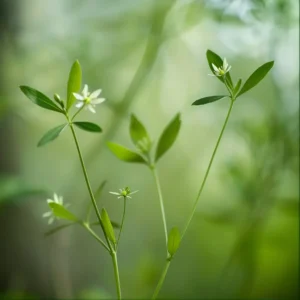
Long, scrambling stems with whorled narrow leaves and tiny hooked hairs that cling to clothing.
Growth habit:
Annual trailing plant that spreads readily in hedgerows and fields.
Look-alikes and safety notes:
Distinctive clingy texture makes identification straightforward.
Selecting Quality Herb
Choose vibrant green, freshly harvested cleavers whenever possible. Dried herb should retain color and mild aroma. Products should clearly state Galium aparine and plant part used.
Natural Growing Areas
Native to Europe and Asia; widely naturalized across North America in moist soils, fields, and woodland edges.
Growing Tips
Cleavers thrive in cool, moist conditions and often volunteer readily. Harvest young plants in spring before flowering for best quality.
Frequently Asked Questions
Are cleavers meant for daily use?
Yes. Traditionally, they are used consistently over weeks or months.
Are cleavers stimulating?
No. They are considered gentle and cooling rather than stimulating.
Is fresh cleavers better than dried?
Traditionally, yes. Fresh preparations are preferred for full activity.
Do cleavers work quickly?
Cleavers work gradually, with benefits developing over time.
Can cleavers be combined with other herbs?
Yes. They are often blended with other lymphatic or alterative herbs.
Are cleavers mainly for skin use?
While often associated with skin, they traditionally work systemically through lymphatic support.
References
- National Center for Biotechnology Information
- Journal of Ethnopharmacology
- European Medicines Agency – Herbal Monographs
This content is for educational purposes only and reflects traditional herbal understanding. It is not intended to diagnose, treat, cure, or prevent any disease.