Herbal Support for Stress-Related Muscle Tension
Traditional Western herbalism views stress-related muscle tension as a reflection of nervous system activation rather than a purely muscular problem. Muscles tighten because the body is preparing to act, protect, or brace. The herbal approach focuses on helping the nervous system release that constant readiness.
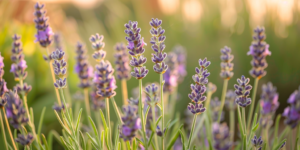
Nervines are central here, especially herbs traditionally associated with calming nerve-driven tension. Skullcap, passionflower, lemon balm, chamomile, and lavender are commonly discussed for their relationship with muscle tightness linked to stress. Some herbs traditionally described as antispasmodic nervines, such as cramp bark or valerian, have also been used when tension feels gripping or persistent.
Digestive allies like bitters and carminatives may be relevant as well, since stress-related tension often travels through the gut–muscle–nerve connection.
Adaptogens may be considered when muscle tension is part of longer-term stress rather than an acute response.
How These Herbs Work in the Body
From a physiological perspective, stress-related muscle tension is closely tied to nervous system signaling. When stress activates the sympathetic nervous system, muscles receive repeated signals to contract. Over time, this can lead to ongoing tightness rather than purposeful movement.
Many herbs traditionally used for tension contain bioactive compounds that interact with neurotransmitter systems involved in relaxation. Valerian contains valerenic acids studied for their influence on GABA signaling, which plays a role in reducing excessive nerve firing. Chamomile provides flavonoids such as apigenin, associated with calming neural activity. Lemon balm offers rosmarinic acid and aromatic compounds linked with nervous system modulation.
Reviews available through PubMed Central describe how these compounds may support relaxation and neuromuscular balance without acting as direct muscle relaxants or sedatives PubMed Central. This mirrors traditional herbal language that speaks of “softening” tension rather than forcing release.
Herbal Preparations and Recipes
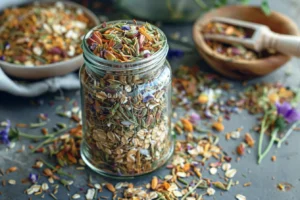
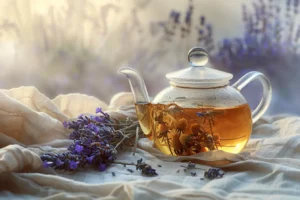
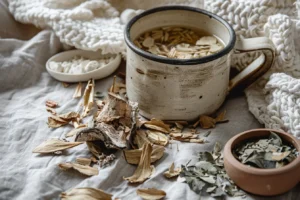
Preparation form matters when addressing stress-related muscle tension. Warm teas and infusions are often favored because they combine gentle phytochemistry with heat, hydration, and a pause in activity, all of which encourage muscular relaxation. Tinctures and glycerites are traditionally used when convenience or consistency is important, especially for people who notice tension building during the day.
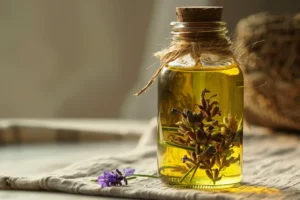
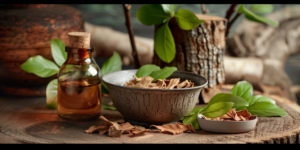
Topical preparations such as infused oils or compresses are also part of traditional herbal practice, particularly when tension is localized. Many people explore these options through individual herb profiles, herbal preparation guides, or simple blends designed for regular, supportive use. The European Medicines Agency evaluates traditional herbal preparations with attention to historical use and preparation methods, including those related to muscle tension and nervous system support European Medicines Agency (EMA).
What Is Stress-Related Muscle Tension?
Stress-related muscle tension refers to ongoing or recurrent muscle tightness driven primarily by stress and nervous system activation rather than physical injury. It often involves the neck, shoulders, jaw, lower back, or hips, though it can affect the whole body. While not a medical diagnosis, it reflects a common pattern in which muscles remain partially contracted long after a stressful situation has passed.
The World Health Organization notes that stress commonly manifests through physical symptoms, including muscle tension, especially when stress is frequent or unresolved World Health Organization (WHO).
Why It Happens
The body’s stress response is designed for short-term action. When a threat or demand appears, muscles tighten to prepare for movement or protection. When stress becomes frequent, emotional, or prolonged, those signals repeat without enough release.
The National Center for Complementary and Integrative Health explains that chronic stress can affect muscle tone, posture, and pain perception, particularly when combined with poor sleep or limited recovery time National Center for Complementary and Integrative Health (NCCIH). Stress-related muscle tension is often the physical imprint of a nervous system that hasn’t been given enough opportunity to stand down.
How It Commonly Shows Up
In daily life, stress-related muscle tension often appears as stiff shoulders, a clenched jaw, neck discomfort, or a sense of heaviness in the back or hips. People may notice headaches, reduced range of motion, or soreness without a clear physical cause. Tension can fluctuate throughout the day, often worsening during periods of concentration, emotional strain, or fatigue.
These patterns are best understood as adaptive responses that have lingered too long, not as personal failures or structural problems.
Foundations of Support
Traditional Western herbalism emphasizes that herbs work best alongside supportive foundations. Gentle movement, stretching, warmth, hydration, and regular rest all help muscles receive the message that it is safe to release. Emotional expression and mental rest are equally important, as muscle tension often mirrors unexpressed stress.
Herbs are viewed as allies that support the nervous system’s ability to relax the body, not as substitutes for movement, rest, or healthy boundaries.
Learning More
For readers interested in learning more about herbs traditionally used for muscle tension and nervous system support, the monographs published by the American Herbal Pharmacopoeia provide in-depth discussions of traditional use, phytochemistry, and modern research American Herbal Pharmacopoeia (AHP). Broader perspectives on stress and its physical effects are also available through NCCIH and the World Health Organization.
FAQ
Is stress-related muscle tension the same as muscle injury?
No. Stress-related tension is driven by nervous system signaling rather than structural damage.
Why do shoulders and jaw tighten first?
These areas are especially responsive to stress-related guarding and emotional holding.
Can muscle tension persist even when stress feels mental?
Yes. The body often holds stress physically, even when the mind has moved on.
Are herbs meant to relax muscles directly?
Traditionally, herbs support nervous system balance, which allows muscles to relax naturally.
Can long-term stress make tension chronic?
It can, particularly when stress is ongoing and recovery time is limited.
References