
Rosemary: Traditional Uses, Actions, and Herbal Preparations
Rosemary has a way of waking things up—both in the kitchen and in the herb cupboard. In traditional Western herbalism, it has long been valued as a warming, aromatic plant associated with movement, clarity, and circulation. Herbalists historically turned to rosemary when the body or mind felt sluggish, heavy, or dull, appreciating its ability to bring a sense of brightness and flow without force.
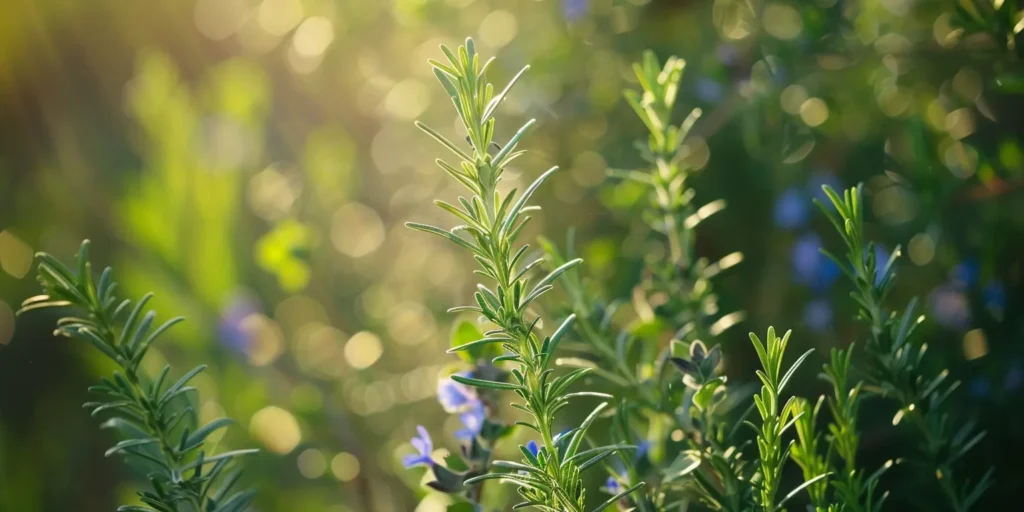
Latin (botanical) name: Salvia rosmarinus (formerly Rosmarinus officinalis)
Plant family: Lamiaceae (mint family)
Common names: Rosemary
Traditional use overview:
In Western herbal tradition, rosemary was used as a warming, stimulating herb associated with circulation, digestion, and mental alertness. It appeared in household remedies, monastic medicine, and culinary–medicinal preparations, often described as strengthening to both body and spirits.
Herbal Actions
Rosemary is traditionally described using several core actions:
- Aromatic stimulant: valued for encouraging alertness and movement
- Carminative: traditionally used to support comfortable digestion
- Circulatory support herb: associated with warmth and flow
- Astringent: linked to toning and tightening qualities
Practical Uses
Historically, rosemary was used both internally and externally. Internally, it appeared in teas and wines intended for digestion and clarity. Externally, it was infused into oils, rinses, and washes used for the scalp, muscles, and joints, reflecting its warming and aromatic nature.
Product forms
Rosemary is widely available in several forms. Dried leaf is commonly sold for teas and culinary use. Tinctures and fluid extracts are used in modern herbal practice. Essential oil is produced by steam distillation and used externally or aromatically. Infused oils and salves are traditional topical preparations, and powdered leaf appears in capsules and blends.
Traditional herbal recipes
Traditional Western herbalism made frequent use of simple rosemary preparations. A classic rosemary tea was prepared as a short infusion of the dried leaf. Rosemary wine, made by steeping the herb in wine, was historically popular in Europe. Infused oils were used externally for massage. Herbal vinegars combined rosemary with other aromatics for both culinary and household use.
Parts Used
The primary part used is the leaf, fresh or dried. Young flowering tops were also traditionally included, especially when freshly harvested.
Usage Forms & Shelf Life
Rosemary has been used both internally and externally. Common preparations include infusions, tinctures, infused oils, vinegars, and essential oil for aromatic or topical use. Dried leaf typically keeps 1–2 years when stored properly. Tinctures and vinegars often keep several years, while infused oils are usually best within 1 year.
Safety & Considerations and Dosage Guidelines
In traditional herbalism, rosemary was used in modest amounts as a culinary and medicinal herb. It was generally approached as warming and stimulating, and herbalists emphasized moderation and appropriate timing rather than continuous use.
Side Effects & Contraindications
Rosemary is generally well tolerated in traditional food-like amounts. Concentrated forms, such as essential oil, were historically reserved for external or aromatic use. Individuals sensitive to strongly aromatic herbs traditionally used it with care.
Active Constituents
Rosemary contains several well-studied compound groups.
Phenolic diterpenes: carnosic acid and carnosol, traditionally associated with antioxidant activity and stability, best extracted in alcohol or oil, with carnosic acid commonly reported at 1–5% of dried leaf in analytical studies discussed in PubMed Central.
Phenolic acids: rosmarinic acid, associated with antioxidant and anti-inflammatory properties, water- and alcohol-soluble, frequently measured in aqueous extracts in studies summarized by PubMed Central.
Volatile oils: including 1,8-cineole, camphor, and α-pinene, traditionally linked to aroma and stimulation, best extracted via steam distillation, with essential oil yield typically around 1–2% according to European Medicines Agency (EMA).
How It Works
From a traditional perspective, rosemary’s warming aroma and bitter–aromatic profile were thought to stimulate circulation and sharpen the senses. Modern research has focused on its antioxidant compounds and volatile oils, helping explain why rosemary has long been associated with clarity, preservation, and movement, as discussed in PubMed Central.
Processing Cautions
Rosemary should be dried gently and protected from excess heat to preserve volatile oils. Essential oil should be clearly distinguished from the dried herb, as traditional uses and handling differ significantly, a distinction emphasized by the European Medicines Agency (EMA).
Quick Herb Overview
Botanical family: Lamiaceae
Parts used: Leaf, flowering tops
Energetics (traditional): Warming, drying
Taste profile: Aromatic, bitter, resinous
Herb Identification
Rosemary is an evergreen shrub with narrow, needle-like leaves that are dark green above and pale beneath. It grows as a woody perennial with small blue to pale purple flowers. It is generally easy to identify and has few dangerous look-alikes when sourced properly.
Selecting Quality Herb
High-quality rosemary should have a strong, fresh aroma and good color. Leaves should be intact rather than powdered, and the scent should be clearly aromatic rather than dull or musty.
Natural Growing Areas
Rosemary is native to the Mediterranean region and thrives in dry, sunny climates. It is now cultivated widely across Europe, North America, and other temperate regions.
Growing Tips
Rosemary prefers full sun, well-drained soil, and minimal watering once established. It grows best in warm conditions and benefits from regular pruning to maintain vigor.
Frequently Asked Questions
Is rosemary only a culinary herb?
No. While widely used in cooking, rosemary has a long history of traditional use in Western herbalism for both internal and external preparations.
Can rosemary be used as a tea?
Yes. Rosemary tea has been traditionally prepared as a short infusion of the dried leaf and used in modest amounts.
What does rosemary taste like as an herb?
It has a strong, aromatic, slightly bitter and resinous flavor that is more intense than many leafy herbs.
Is rosemary used externally?
Traditionally, yes. Rosemary-infused oils, washes, and hair rinses were common in Western herbal practice.
How long has rosemary been used medicinally?
Rosemary has been documented in European herbal texts for many centuries, particularly in Mediterranean and monastic traditions.
Is rosemary considered warming or cooling?
In traditional Western herbalism, rosemary is considered warming and stimulating rather than cooling.
References cited using inline clickable source names
European Medicines Agency (EMA): European Medicines Agency (EMA)
PubMed Central: PubMed Central
National Center for Complementary and Integrative Health (NCCIH): National Center for Complementary and Integrative Health (NCCIH)
World Health Organization (WHO): World Health Organization (WHO)
This content is provided for educational purposes only and reflects traditional Western herbal knowledge. It does not diagnose, treat, cure, or prevent disease and does not replace professional medical care.
Home » Herb Profiles & Identification » Rosemary