
Rehmannia: Traditional Uses, Actions, and Herbal Practice
Rehmannia is traditionally used to rebuild depleted tissues, support adrenal and kidney resilience, and promote recovery after long-term stress or exhaustion.
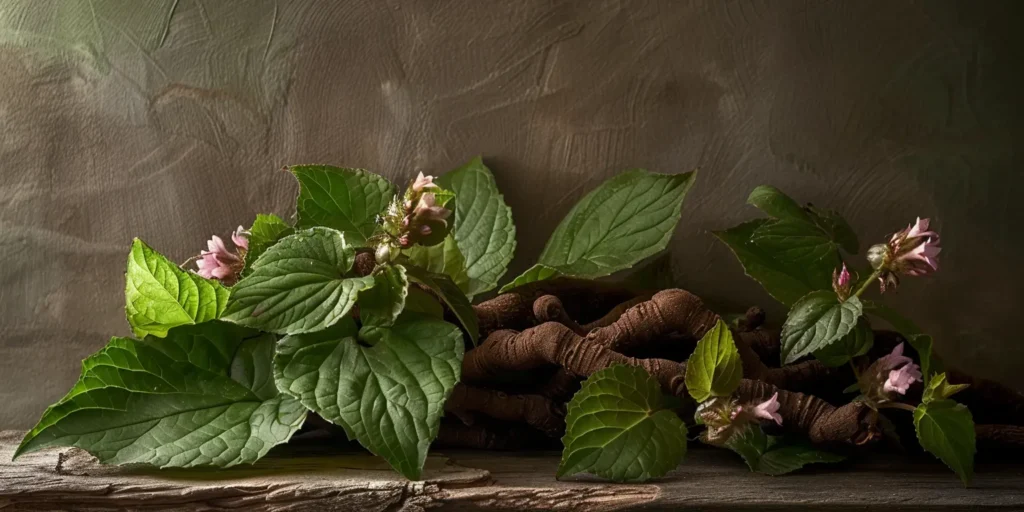
Latin (botanical) name: Rehmannia glutinosa
Plant family: Orobanchaceae
Common names: Rehmannia, Chinese foxglove root
Traditional use overview:
Although rehmannia originates in East Asian herbal traditions, it has been thoughtfully adopted into Western herbalism as a deeply restorative tonic. Western herbalists commonly use rehmannia when fatigue is profound, recovery is slow, or tissues show signs of long-standing depletion. It is especially valued when stress, illness, or aging has taxed the body’s reserves rather than caused acute imbalance.
Herbal Actions
Rehmannia is traditionally associated with the following actions:
- Restorative tonic – supports rebuilding after depletion
- Adaptogenic support – supports stress resilience over time
- Adrenal and kidney support – supports long-term vitality and endurance
- Cooling – traditionally used when heat or dryness accompanies exhaustion
- Immune tonic – supports baseline immune recovery
These actions describe traditional functional use rather than medical treatment.
Practical Uses
In Western herbal practice, rehmannia is most often used long term, particularly for individuals experiencing burnout, chronic fatigue, prolonged stress, or slow recovery after illness. Herbalists value rehmannia when rebuilding is needed at a deep level, especially where other tonics feel insufficient or overstimulating.
Product Forms
Rehmannia is available in several preparations:
- Dried root slices – used for decoctions
- Prepared (cooked) rehmannia – traditionally steamed or processed for deeper tonification
- Powdered root – capsules or blended formulas
- Tinctures – alcohol or hydroalcoholic extracts
- Compound formulas – combined with other restorative herbs
Decoctions remain the most traditional preparation.
Traditional Herbal Recipes
- Rehmannia Root Decoction
A long-simmered preparation traditionally used for deep restoration. - Restorative Tonic Blend
Rehmannia combined with other adaptogenic and nutritive herbs. - Adrenal Support Formula
Used over time to support endurance and recovery. - Rehmannia Tincture
Taken when a more convenient form is preferred.
Parts Used
- Root, either dried or traditionally prepared (steamed)
Usage Forms & Shelf Life
Internal vs external use:
Primarily internal.
Common preparations:
Decoctions, tinctures, powders, capsules
Shelf-life ranges:
- Dried root: 2–3 years
- Prepared root: 1–2 years
- Tinctures: 3–5 years
- Powders/capsules: 1–2 years
Safety & Considerations and Dosage Guidelines
Rehmannia is traditionally used in moderate amounts and over extended periods. Western herbalists often introduce it gradually and pair it with digestive-supporting herbs when needed. Patience and consistency are emphasized over rapid results.
Side Effects & Contraindications
Rehmannia is generally well tolerated when used traditionally. Due to its rich, heavy nature, some individuals may notice digestive heaviness if taken in large amounts or without supportive herbs. Traditional sources advise thoughtful use in cases of weak digestion.
Active Constituents
Iridoid Glycosides
- Compounds: catalpol, rehmanniosides
- Traditional role: associated with restorative, cooling, and adaptogenic effects
- Best extraction: water decoction
- Quantitative data: catalpol content typically ranges from 0.5–1.5% of dried root
National Center for Biotechnology Information
Polysaccharides
- Traditional role: immune and tissue nourishment
- Best extraction: water-based preparations
Phenethyl Alcohol Glycosides
- Traditional role: antioxidant and tissue-supportive activity
- Best extraction: water and alcohol
How It Works
Traditionally, rehmannia is understood to work by replenishing depleted reserves, supporting adrenal and kidney function, and cooling exhausted tissues. Modern research highlights its antioxidant, anti-inflammatory, and neuroprotective properties, helping explain its long-standing use as a deep restorative tonic
Journal of Ethnopharmacology.
Processing Cautions
Rehmannia root should be properly dried or traditionally prepared to ensure stability and digestibility. Long, gentle decoction is preferred to extract restorative constituents. Improper processing may reduce effectiveness or tolerance.
Quick Herb Overview
- Botanical family: Orobanchaceae
- Parts used: Root
- Energetics: Cooling, moistening
- Taste profile: Sweet, earthy, slightly bitter
Herb Identification
Visual traits:
Thick, fleshy roots with dark brown to black exterior when prepared.
Growth habit:
Perennial herb with low-growing basal leaves and tubular flowers.
Look-alikes and safety notes:
Distinct root shape and preparation help differentiate rehmannia from other roots.
Selecting Quality Herb
Choose roots that are dense, pliable, and free from mold. Prepared rehmannia should be glossy and rich in color. Products should clearly list Rehmannia glutinosa and specify raw or prepared root.
Natural Growing Areas
Native to China; widely cultivated for medicinal use in temperate regions.
Growing Tips
Rehmannia prefers loose, fertile soil and moderate moisture. Roots are harvested in autumn after sufficient maturation.
Frequently Asked Questions
Is rehmannia a stimulant?
No. It is considered deeply restorative rather than stimulating.
How long does rehmannia take to work?
Traditionally, benefits develop gradually over weeks or months.
Is rehmannia mainly for adrenal support?
While often used for adrenal and kidney resilience, it supports whole-body recovery.
Can rehmannia be used daily?
Yes, when used traditionally and in appropriate amounts.
Is prepared rehmannia different from raw root?
Yes. Preparation changes its traditional energetic profile and digestibility.
Can rehmannia be combined with other herbs?
Yes. It is often blended with adaptogens and digestive-supportive herbs.
References
- National Center for Biotechnology Information
- Journal of Ethnopharmacology
- European Medicines Agency – Herbal Monographs
This content is for educational purposes only and reflects traditional herbal understanding. It is not intended to diagnose, treat, cure, or prevent any disease.