

Chickweed
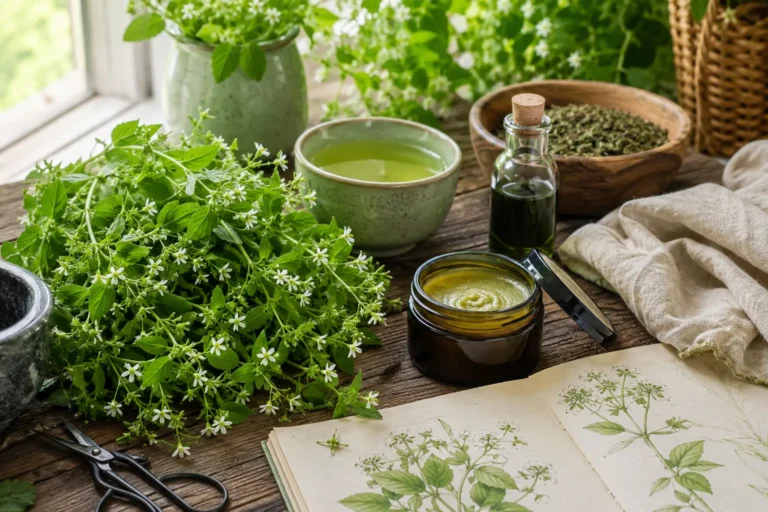
Gentle herb traditionally valued for supporting healthy skin and providing nourishing nutrients as part of a balanced diet.
Detailed profiles of medicinal herbs.
Gentle herb traditionally valued for supporting healthy skin and providing nourishing nutrients as part of a balanced diet.
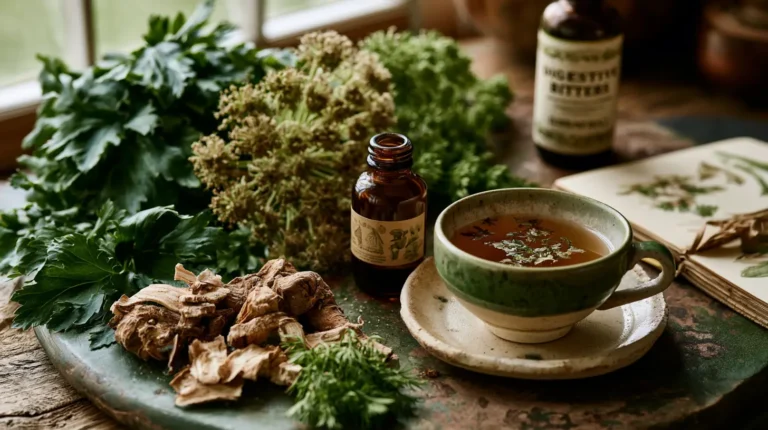
Herb for digestion, warmth, respiratory comfort, and women’s wellness
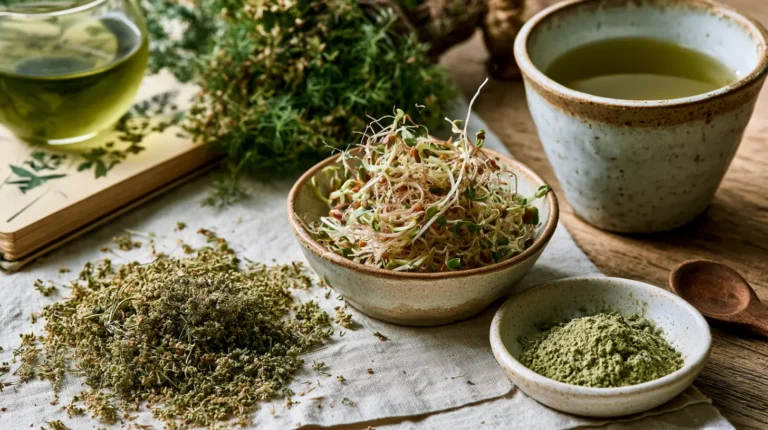
Herb for nutrition, digestion, and bones
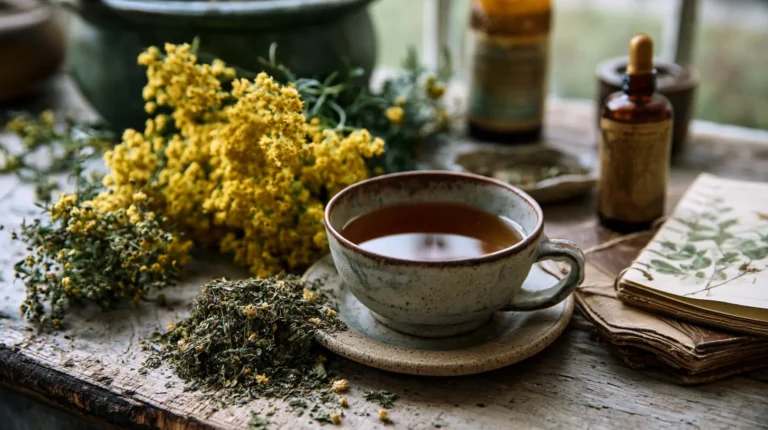
Traditionally used to ease sore throats and digestion
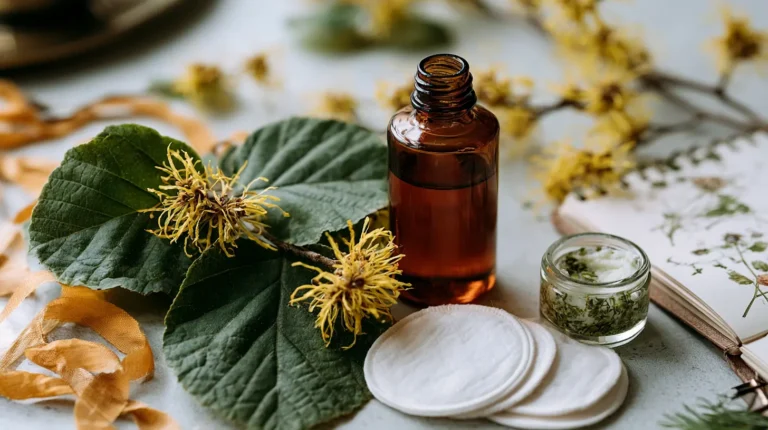
Witch hazel is a small North American tree or shrub with oval leaves, smooth gray-brown bark, and curious yellow ribbon-like flowers that bloom when much of the garden is winding down. Traditionally, witch hazel leaf, bark, and distilled preparations have…
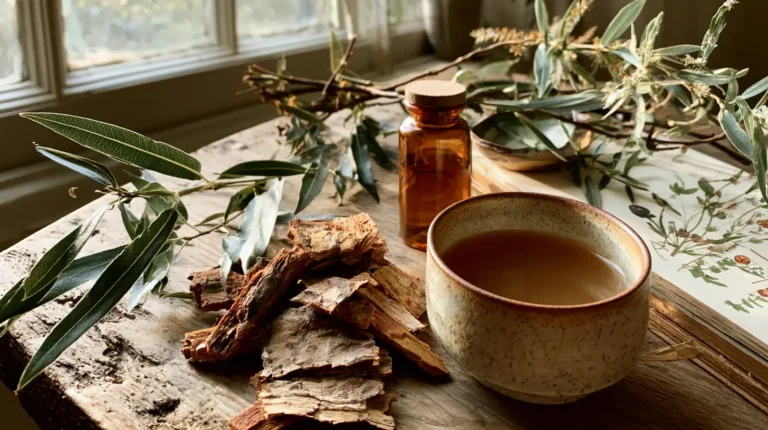
Willow bark is the bark of willow trees, especially white willow and related Salix species. The herb is best known for salicin, a bitter plant compound that the body can convert into salicylate-related compounds. This connection is why willow bark…
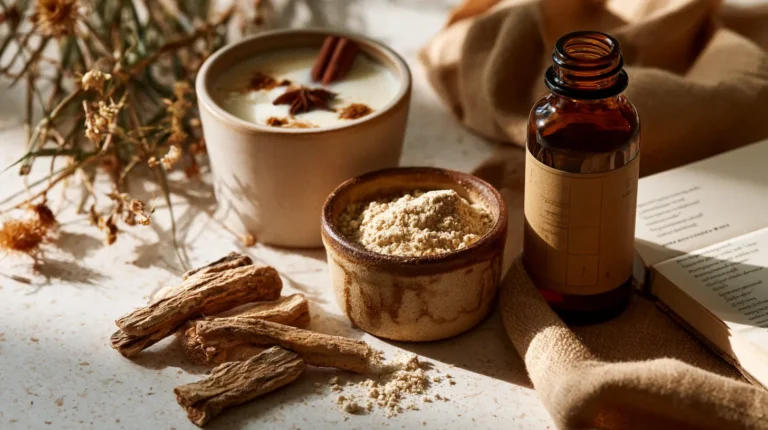
Shatavari is a traditional Ayurvedic root herb best known for women’s wellness, reproductive support, digestive comfort, and gentle nourishment. The name is often translated in herbal circles as “she who possesses a hundred husbands,” which is a very dramatic way…
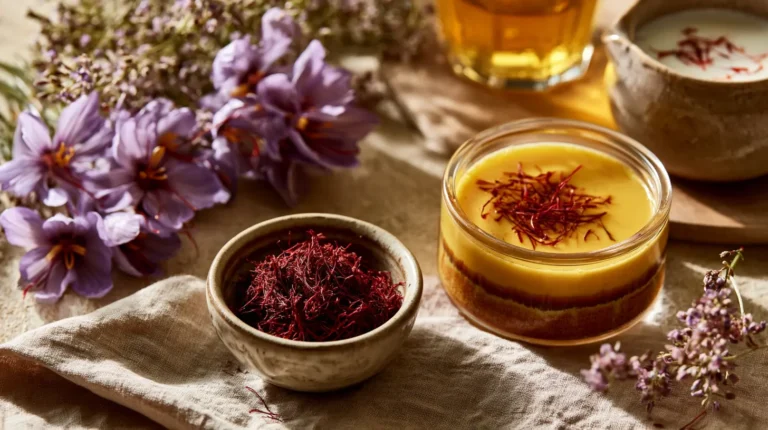
Traditionally, saffron has been used as a culinary spice, coloring agent, mood-support herb, digestive aromatic, and restorative tonic. It appears in Persian, Indian, Mediterranean, Middle Eastern, and European food traditions, where it brings color, aroma, and a slightly bitter floral…
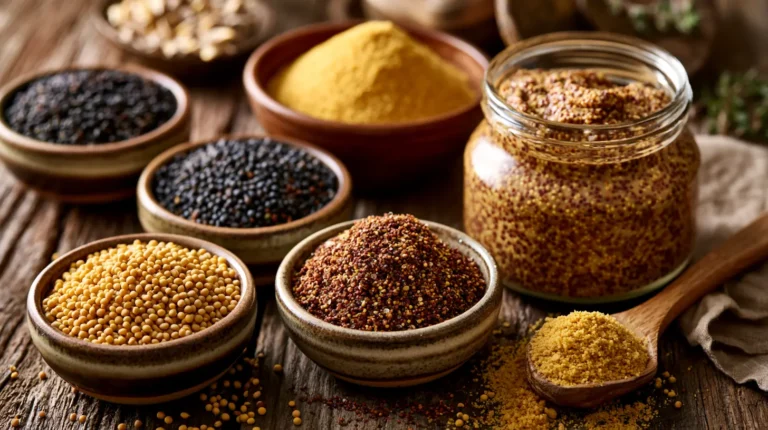
Mustard seed has been used around the world as both food and traditional herbal support. It appears in spice blends, pickles, condiments, oils, plasters, baths, and warming topical preparations. In herbal practice, mustard seed is usually understood as a pungent,…
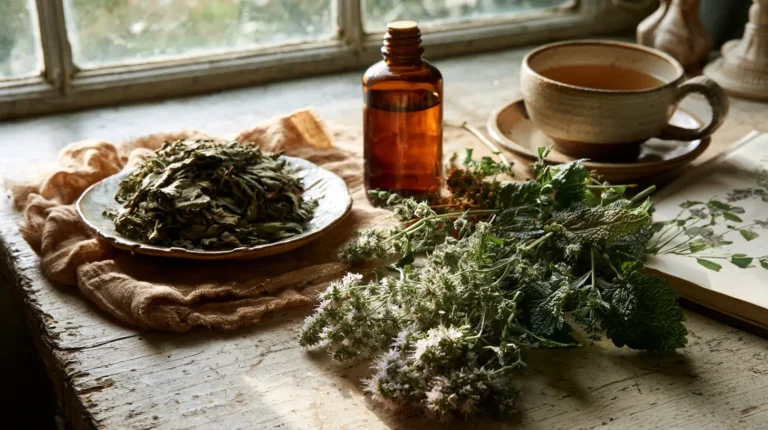
Motherwort name gives a strong clue to its traditional use: “mother” for women’s wellness traditions, and “wort,” an old word for medicinal plant. Herbalists have long used motherwort to support the nervous system, emotional steadiness, menstrual comfort, and heart-centered tension.…
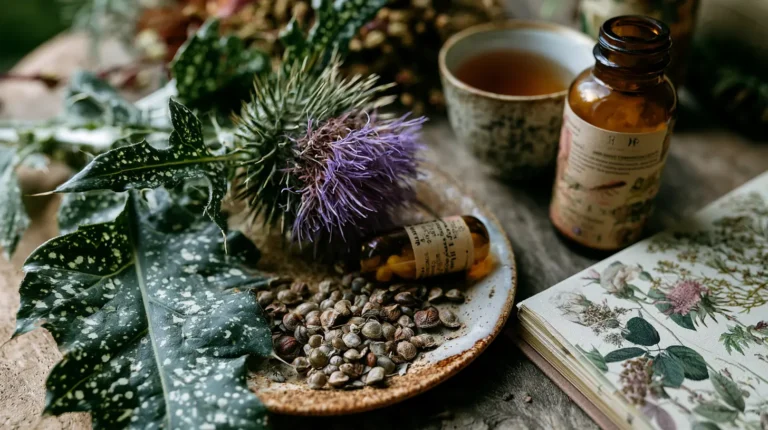
Milk thistle is a tall, prickly plant with purple flower heads and striking green leaves marked with white veins. Those white markings are part of the reason it became known as “milk” thistle. Traditionally, milk thistle has been used to…
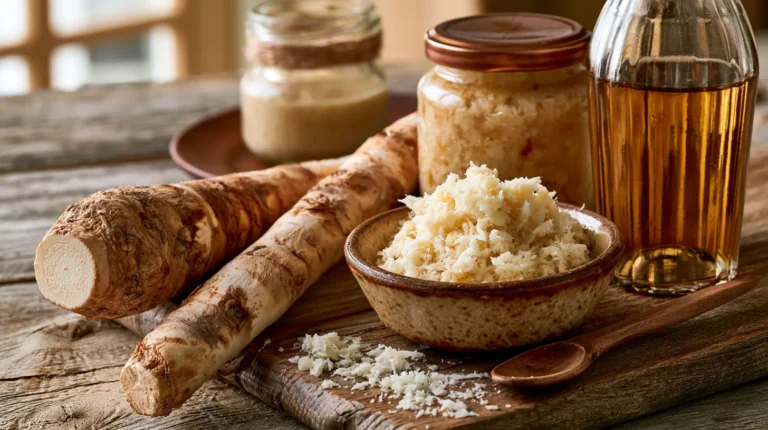
Traditionally, horseradish has been used as a pungent food herb to support digestion, clear-feeling breathing, circulation, and seasonal wellness. It is most often used fresh, grated, and mixed with vinegar as a condiment. In herbal practice, it belongs to the…
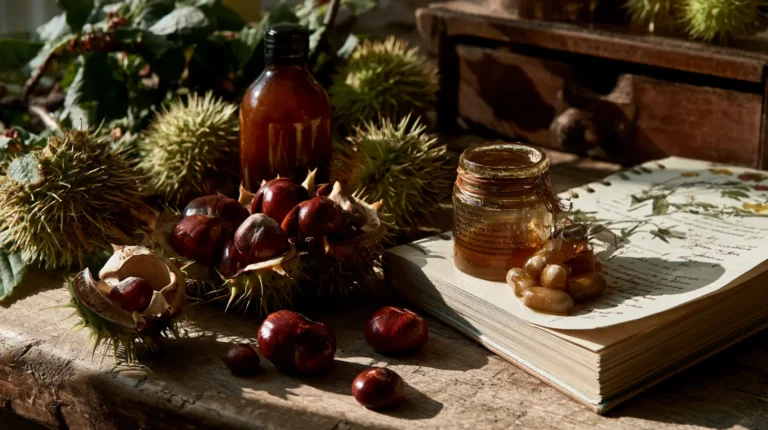
In herbal practice, horse chestnut is best known through properly processed seed extracts standardized for aescin, also called escin. Traditionally and clinically, these extracts are mainly associated with vein tone, leg heaviness, swelling, and circulation support. Horse chestnut is not…
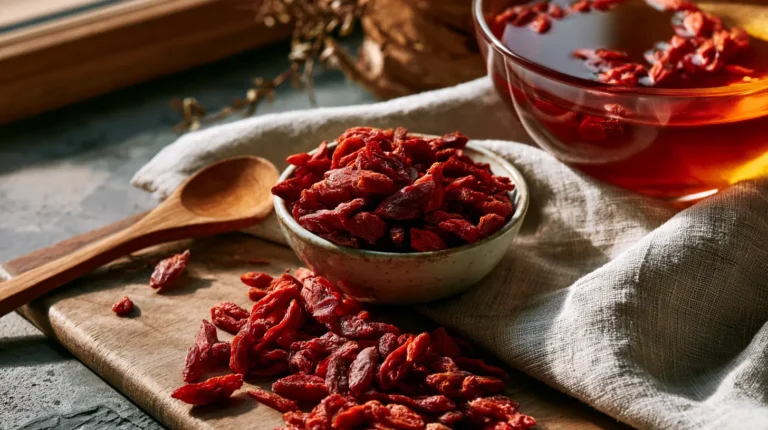
Goji berry is the small red-orange fruit of a shrub in the nightshade family. It is also known as wolfberry and has been used for centuries in traditional East Asian food and herbal practice. In Traditional Chinese Medicine, goji berry…
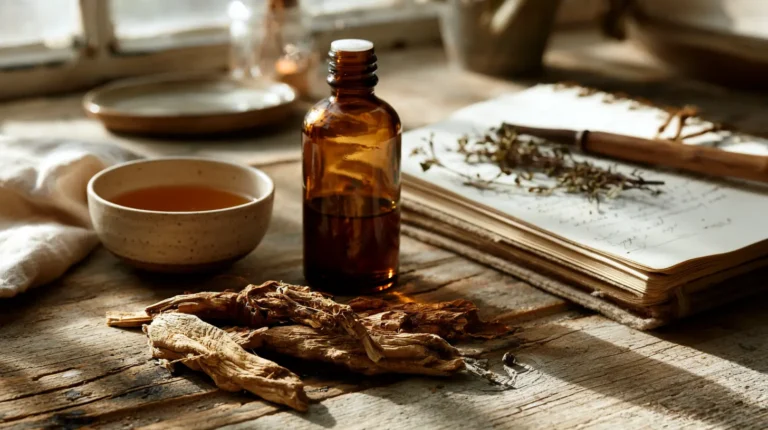
Gentian root is one of the most famous bitter herbs. Traditionally, gentian root has been used to support digestion, appetite, bile flow, and the body’s natural response to heavy meals. It is most often taken in small amounts before meals,…
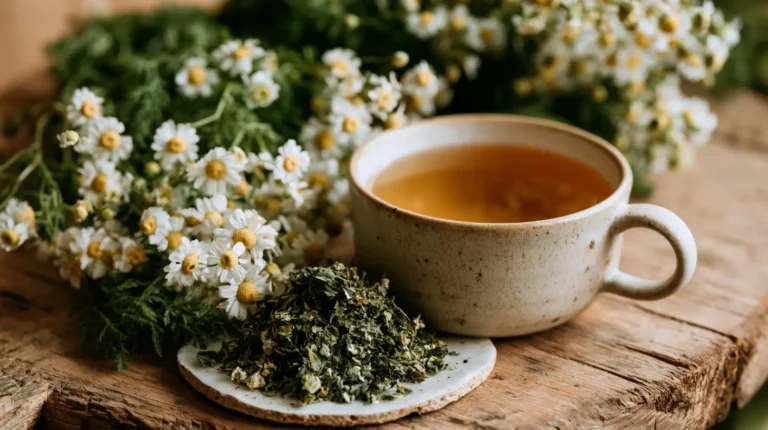
Feverfew is a small, daisy-like perennial herb in the Asteraceae family. Traditionally, feverfew has been used to support head comfort, menstrual wellness, digestive sluggishness, and the body’s response to occasional inflammatory stress. In modern herbalism, it is most often discussed…
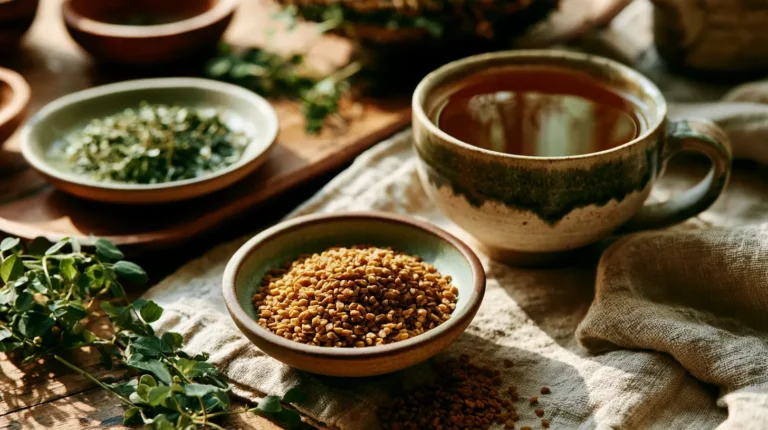
Traditionally, fenugreek seed has been used to support digestion, appetite, lactation, metabolic wellness, and everyday nourishment. It is a food herb with a long history, but it is also strong enough that concentrated supplements deserve real caution. Fenugreek may smell…
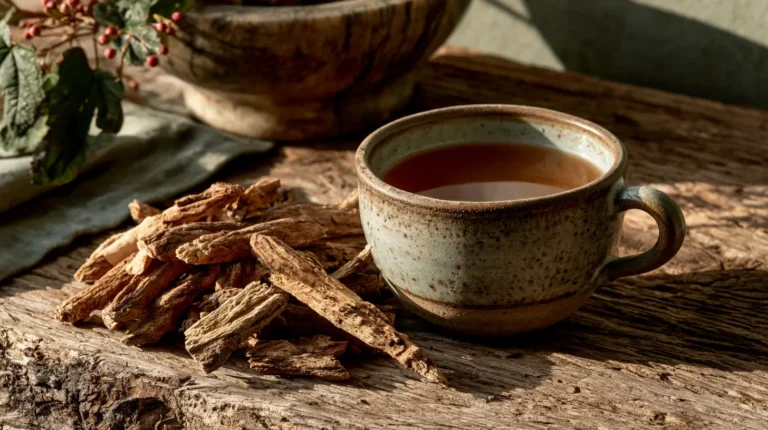
Eleuthero is a thorny shrub native to parts of northeastern Asia, including regions of Russia, China, Korea, and Japan. It is often called Siberian ginseng, but that name can be confusing because eleuthero is not a true ginseng. True ginsengs…
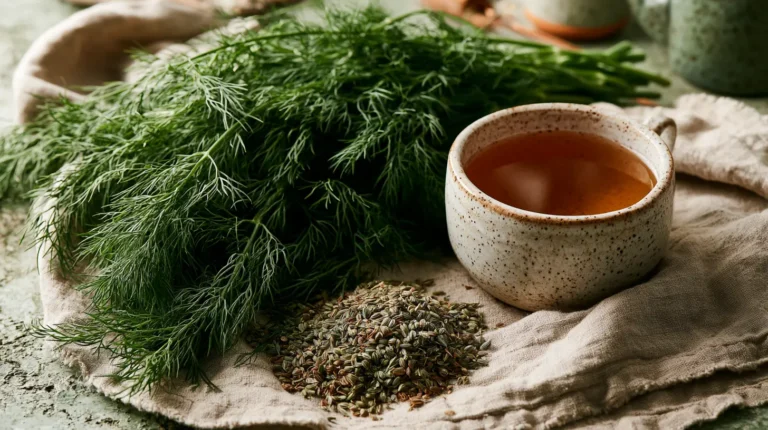
Herb for Gas Comfort, Fresh Flavor, and Gentle Herbal Warmth
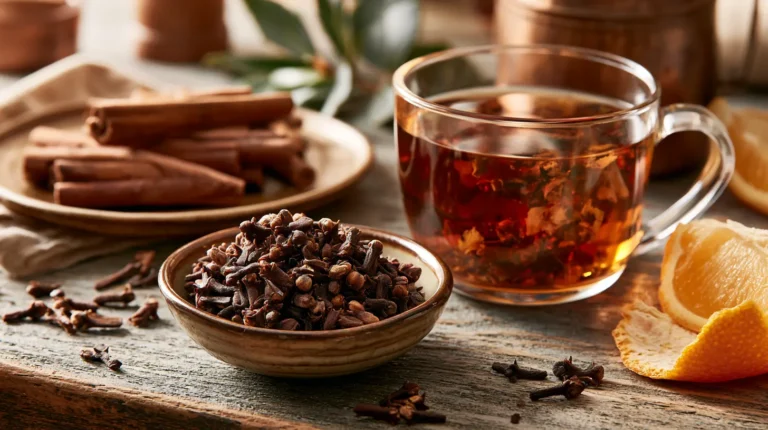
Warming spice traditionally valued for supporting digestive health and adding a rich, aromatic flavor to foods and herbal preparations.
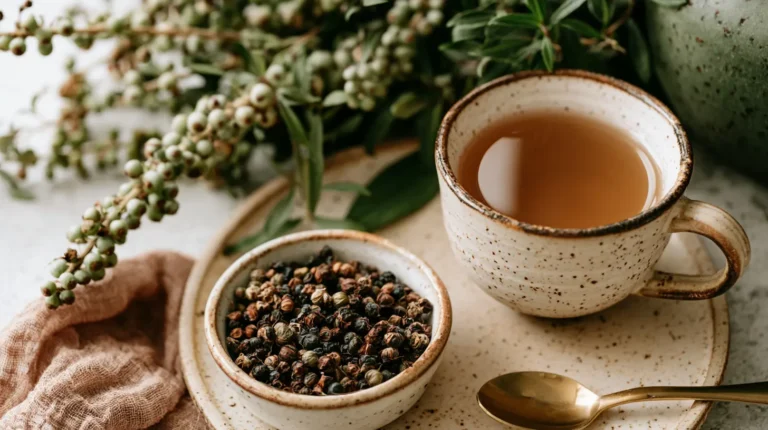
Hormone-Rhythm Herb for Cycles, PMS Support, and Women’s Wellness
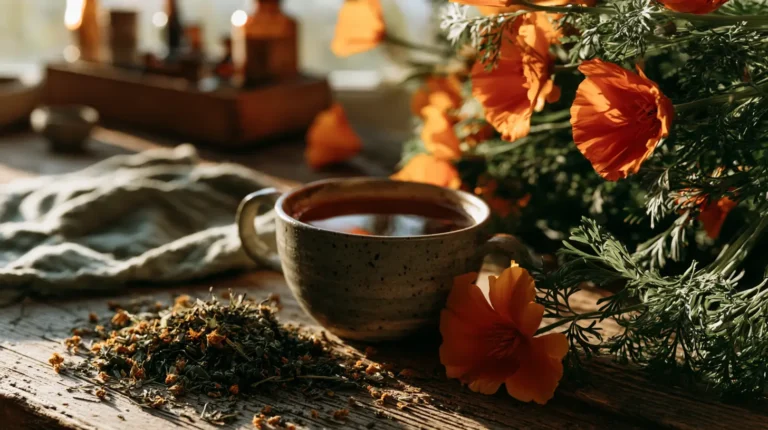
Known for its mild sedative quality, Calming herb traditionally used to promote relaxation and support restful sleep and a balanced nervous system.
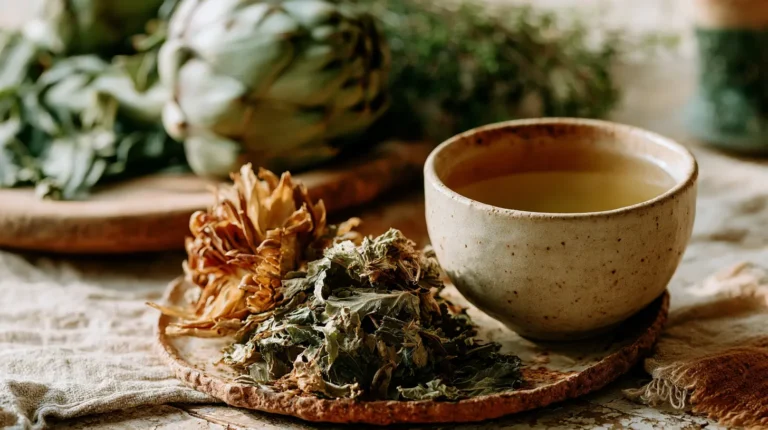
The Bitter Green Herb for Digestion, Bile Flow, and Liver Support
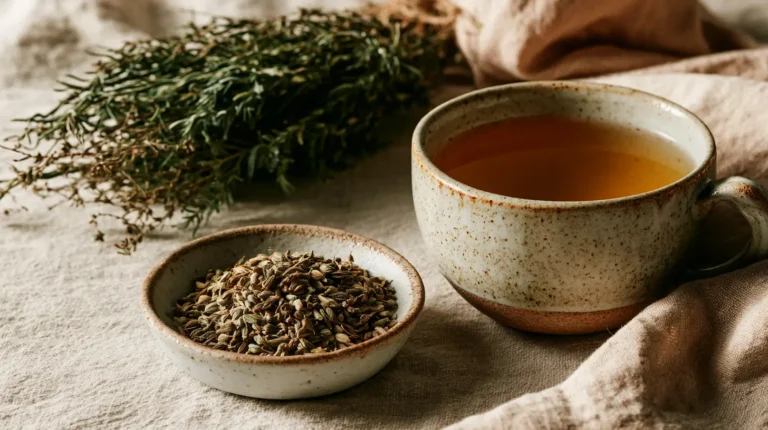
Digestion, Breath, and Gentle Herbal Warmth
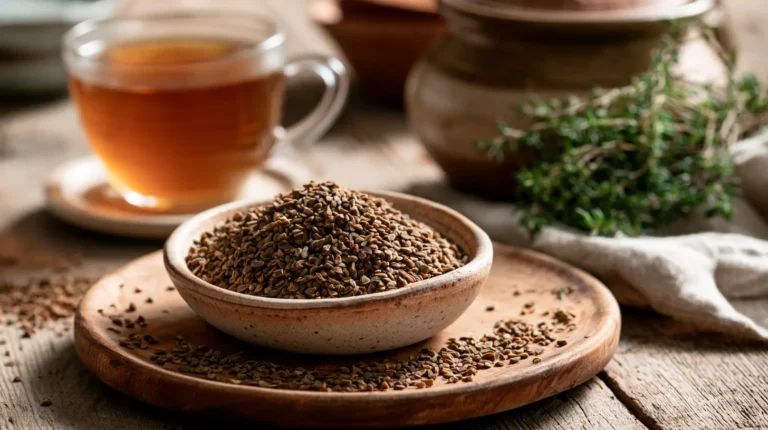
Tiny Thymol-Rich Seed for Digestion and Warmth
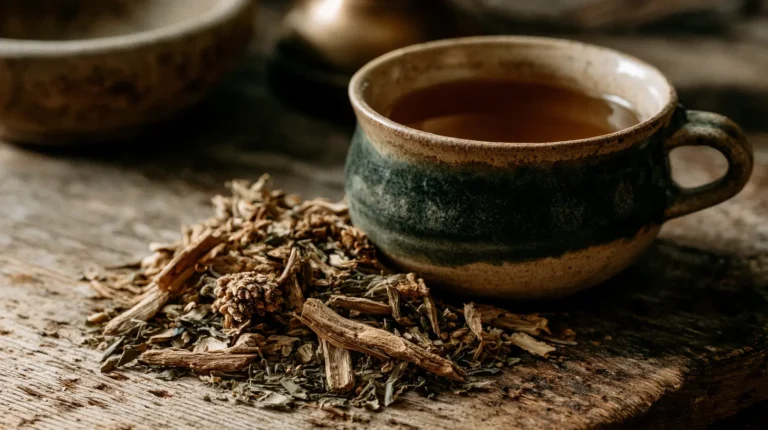
Traditionally, valerian root has been used to support relaxation, sleep rhythm, nervous system calm, and patterns of physical tension. It is one of the better-known nighttime herbs, but it is also one of those plants that works best when used…
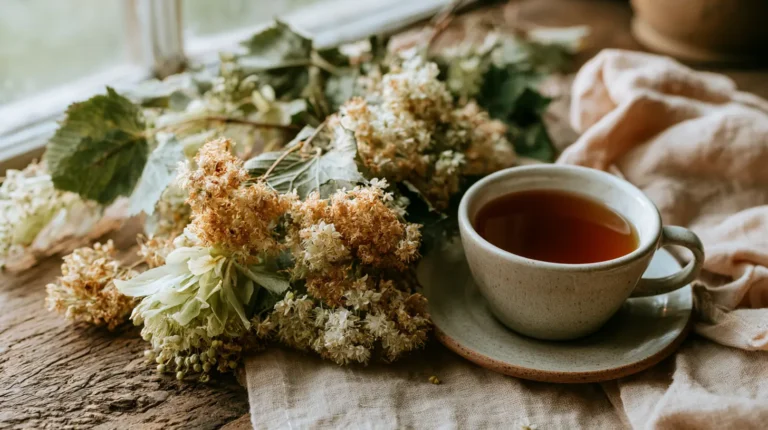
Linden is the fragrant flower and bract of the linden tree, also called lime flower in European herbal traditions. Despite the name, it has nothing to do with citrus lime, so no tiny green fruit is hiding in this tea.…
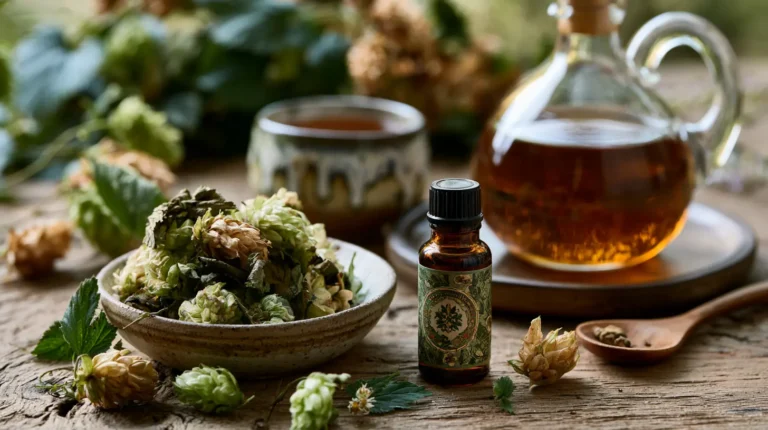
Hops are the female flower cones of a climbing plant best known for giving beer its bitter flavor and aromatic character. In herbalism, those same bitter, resinous cones are traditionally used for sleep support, nervous tension, digestion, and calming evening…
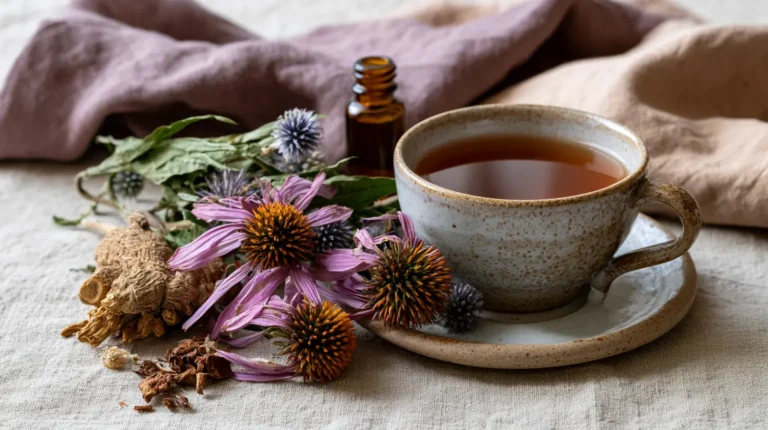
Herb traditionally used to support a healthy immune system and promote overall seasonal wellness.

Frankincense Resin for Joint Comfort, Inflammatory Balance, and Deep Aromatic Tradition
Memory, Focus, and Calm Mental Stamina
Topical Muscle, Joint, and Bruise Support
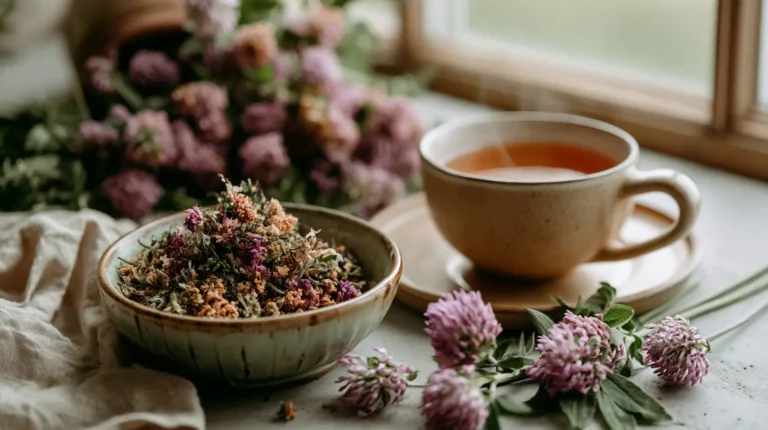
Traditionally, red clover blossoms have been used as a gentle tonic herb for women’s wellness, skin health, lymphatic support, respiratory comfort, and general nourishment. It is one of those friendly meadow plants that looks delicate but has a surprisingly serious…
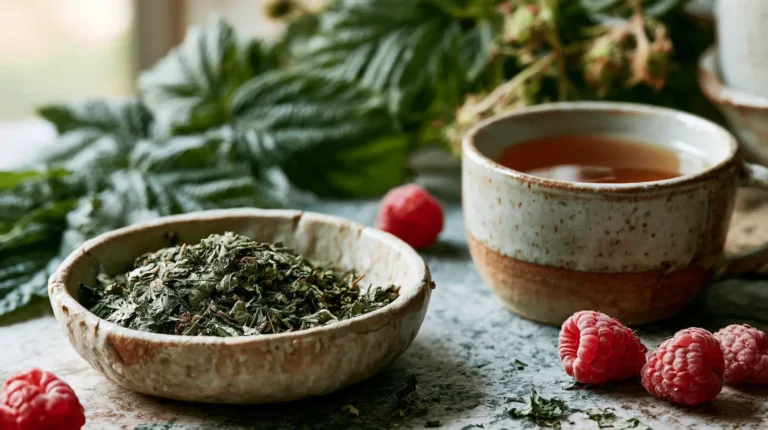
Raspberry leaf is best known in herbal traditions for women’s wellness, especially late-pregnancy tea traditions, menstrual comfort, digestive tone, and tissue support. It is a calm, steady herb — more like a practical aunt with good advice than a dramatic…
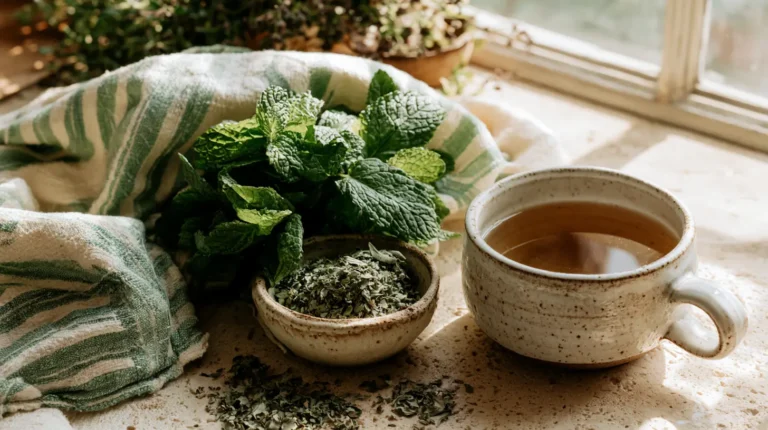
Mint is a fragrant family of herbs known for its cooling taste, bright aroma, and long history in food, tea, oral care, and traditional herbal preparations. The word “mint” can refer to several species, but the most common herbal and…
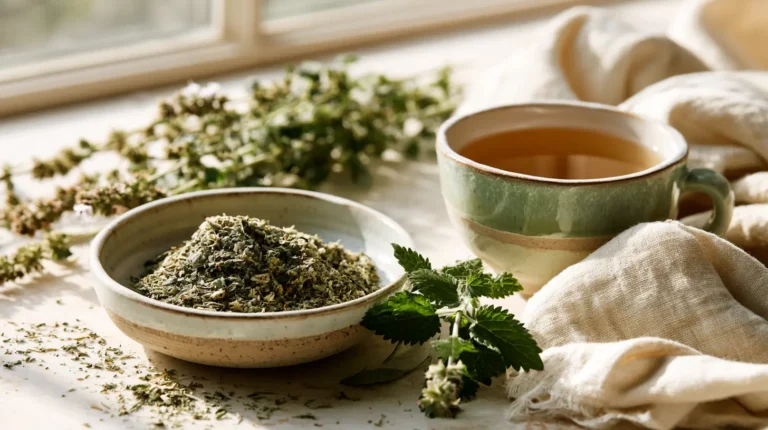
Gentle Mint-Family Herb for Calm, Digestion, and Curious Cats
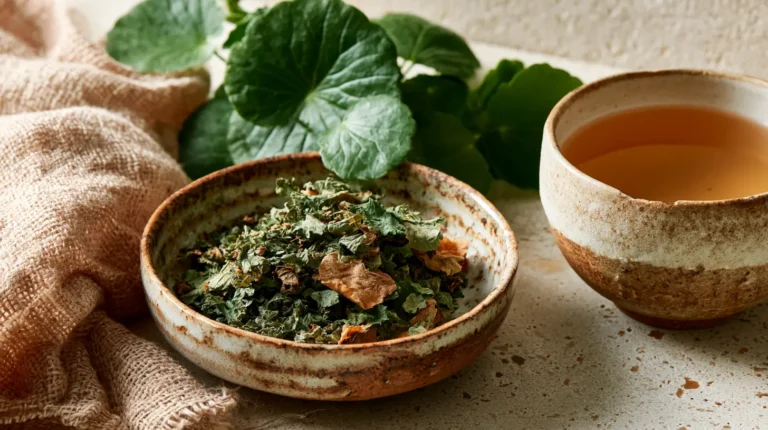
Gotu kola is a low-growing, creeping plant with small rounded leaves that has long been used in Ayurveda, traditional Chinese medicine, and Southeast Asian food traditions. It is not related to kola nut and does not contain caffeine, despite the…
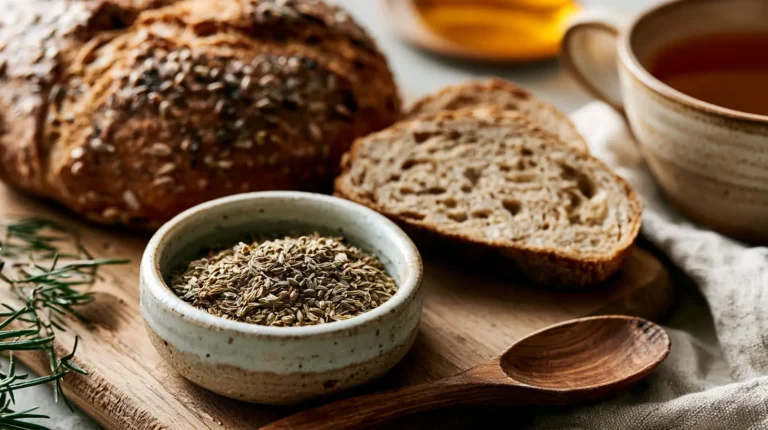
Aromatic herb traditionally used to support healthy digestion and add warm, distinctive flavor to foods and herbal preparations.
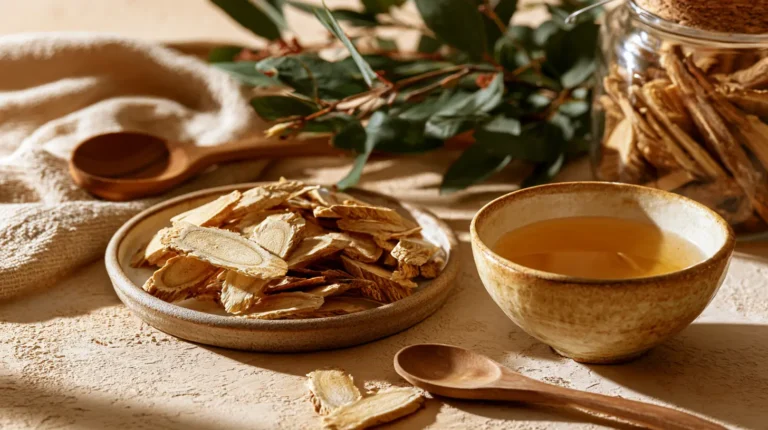
The Deep-Rooted Tonic for Immune Resilience and Energy
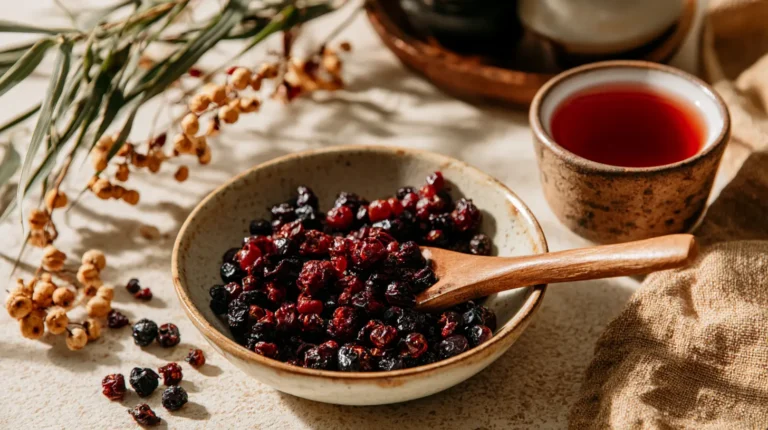
Schisandra is a bright red berry used in traditional Chinese medicine and modern herbalism as a tonic for resilience, liver support, stress response, and vitality. It is often called the “five-flavor fruit” because the berry contains sour, sweet, salty, bitter,…
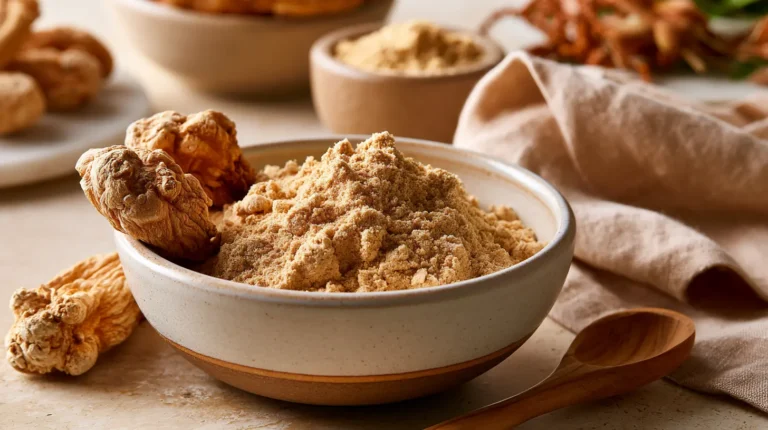
Maca is a hardy root vegetable native to the high Andes of Peru, where it has been grown as both food and traditional medicine for centuries. It belongs to the mustard family, which makes it a botanical cousin of radish,…
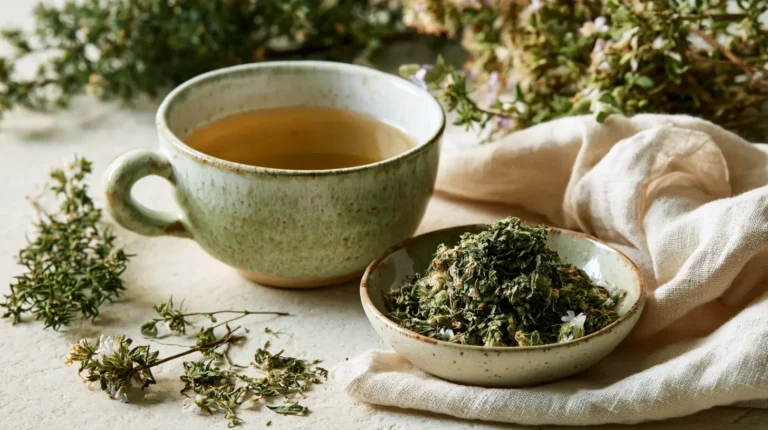
Eyebright is a small flowering herb traditionally associated with the eyes, upper respiratory comfort, and mild mucous membrane support. Its name gives away its reputation rather clearly — herbalists were not being subtle with this one. Eyebright (Euphrasia officinalis /…
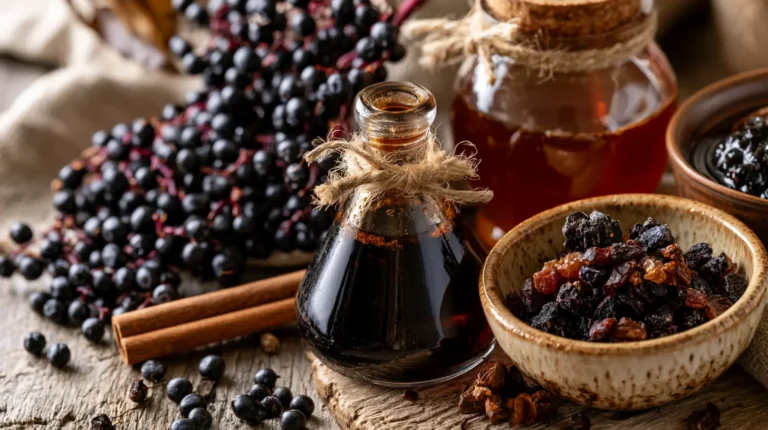
Elderberry is the small, dark purple-black fruit of the elder tree, a shrub traditionally used in European and North American folk herbalism. It is best known today as a seasonal wellness herb, especially in syrups, teas, gummies, and capsules. Elderberry…
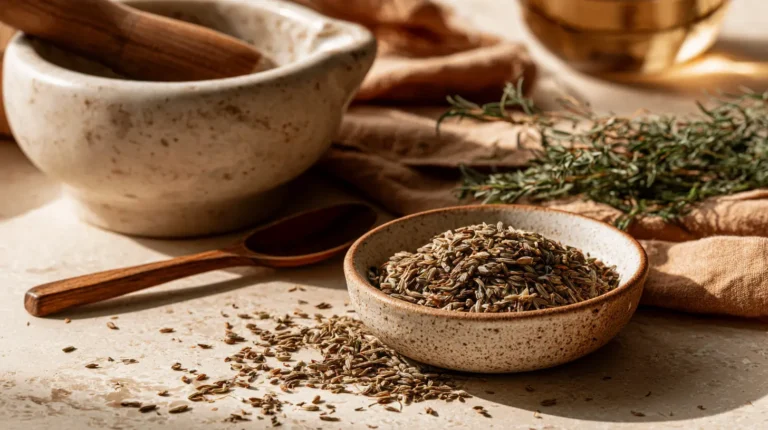
Warming Seed for Digestion and Flavor
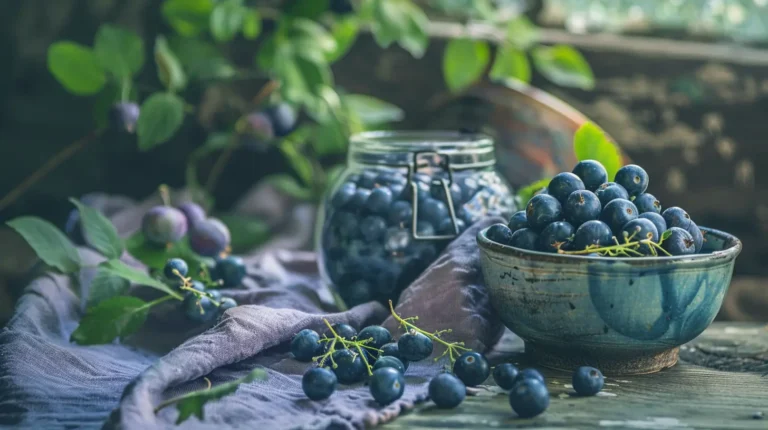
Deep-Blue Berry Support for Eyes, Circulation, and Antioxidant Wellness
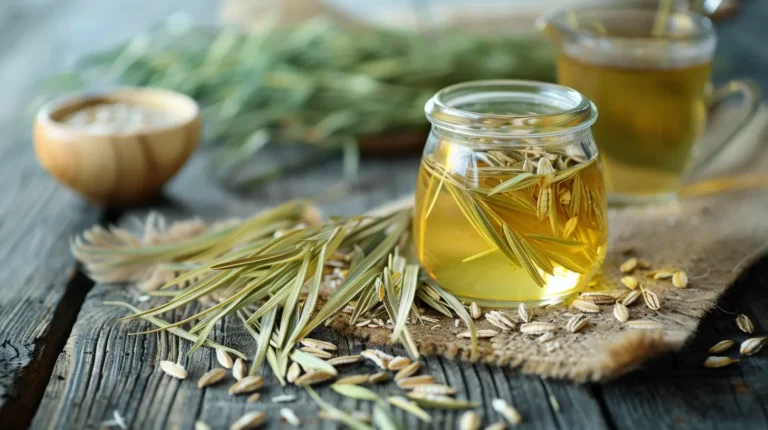
Oat straw is the dried green stem and leaf of the oat plant, harvested before the grain fully matures. It is different from oatmeal, oat bran, and milky oat tops, though all come from the same generous plant. Oat Straw…
stimulating adaptogen traditionally used to fight fatigue, sharpen focus, and help the body cope with stress
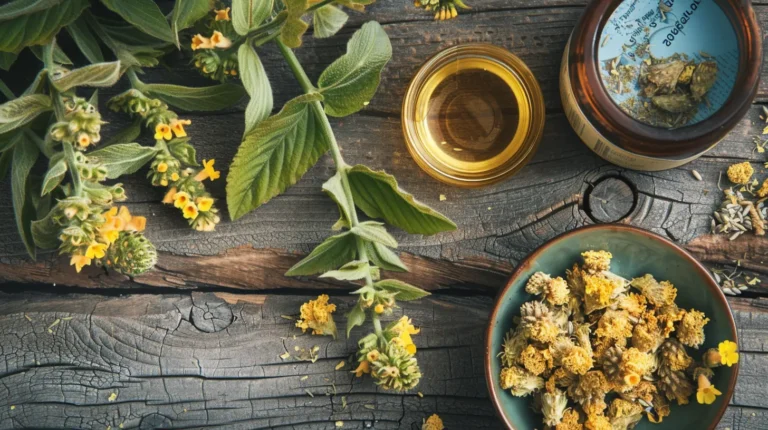
Mullein is a tall biennial plant with large, soft, fuzzy leaves and bright yellow flowers. Herbalists have long used the leaf and flower, especially in teas, syrups, oils, and soothing respiratory blends. Mullein (Verbascum thapsus) Traditional Uses of Mullein Respiratory…
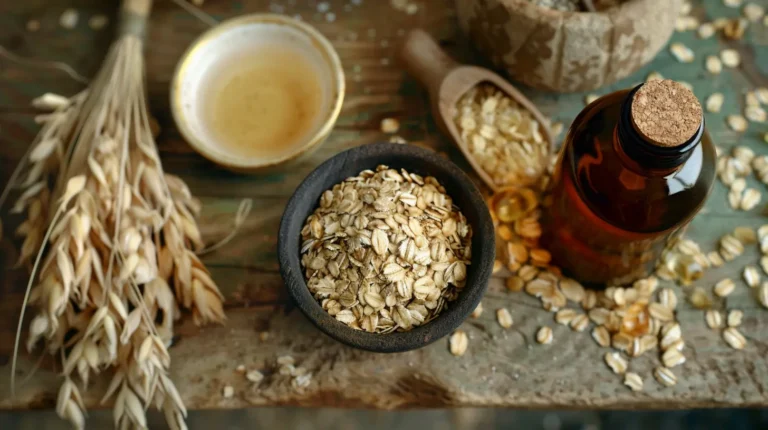
Milky oat refers to the fresh, immature seed of the oat plant harvested during the brief “milky” stage, when the seed releases a white, latex-like fluid when squeezed. This is different from oatmeal grain and slightly different from oat straw,…
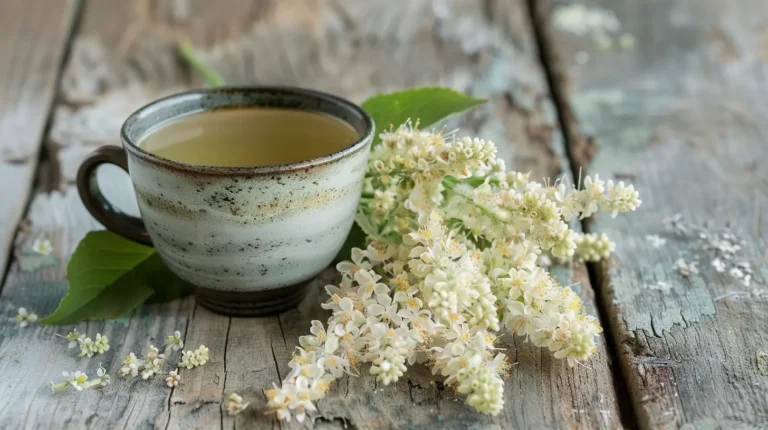
Meadowsweet is a fragrant flowering herb that grows in damp meadows, riverbanks, and moist woodland edges. Its creamy-white flower clusters smell sweet and almond-like, which makes its old common name, “queen of the meadow,” feel very well earned. Meadowsweet (Filipendula…
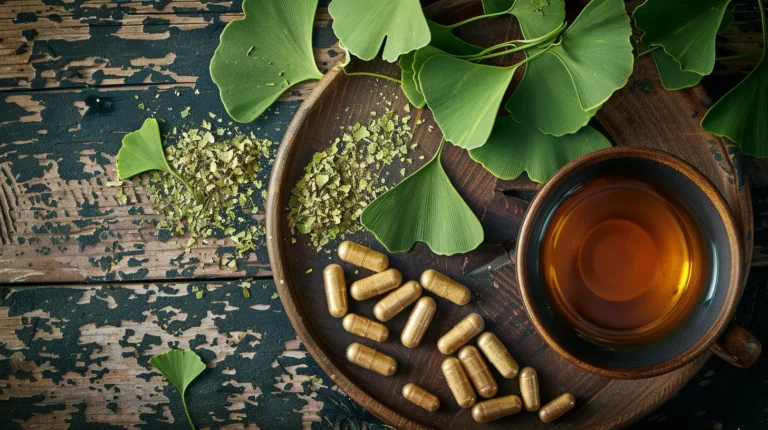
Ginkgo biloba is one of the oldest living tree species on Earth, sometimes called a “living fossil.” Its fan-shaped leaves have been used in traditional wellness systems and modern herbal preparations, especially for brain health, circulation, and age-related cognitive support.…
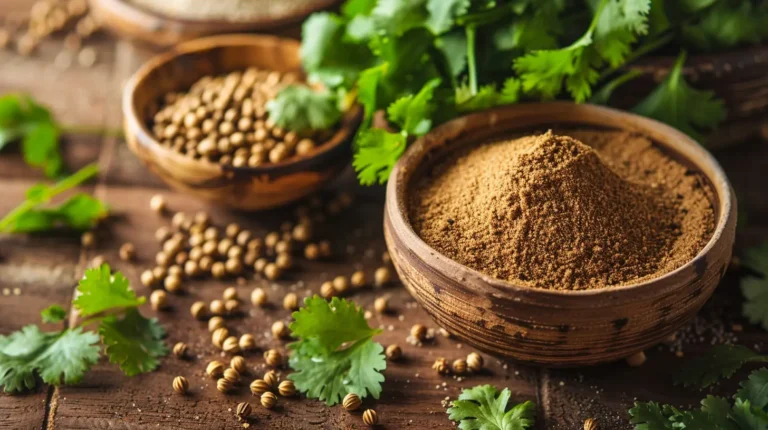
Herb for Digestion, Flavor, and Gentle Metabolic Support
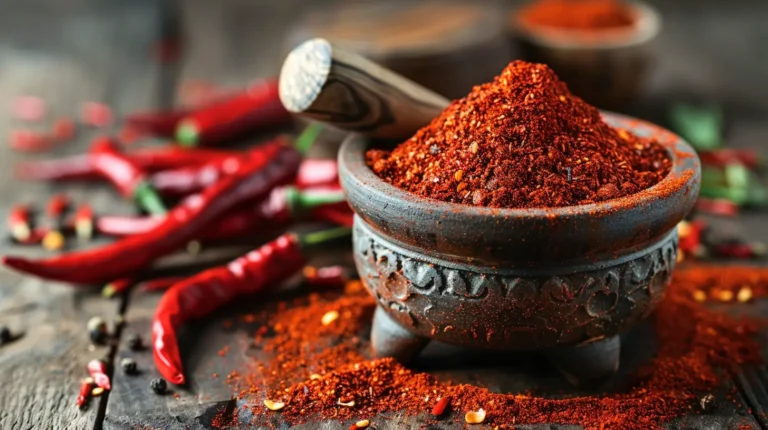
Fiery Pepper Support for Digestion, Circulation, and Metabolism.
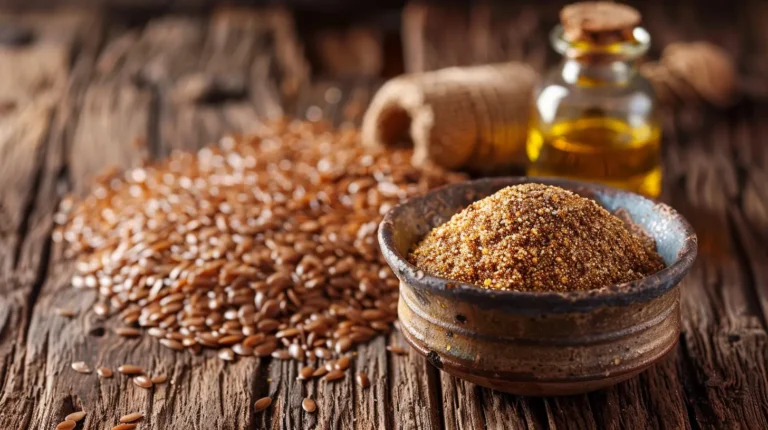
Flaxseed is the small, glossy seed of the flax plant, a crop that has been used for thousands of years for both food and fiber. In herbal and nutritional traditions, flaxseed is best known for its rich mucilage, plant-based omega-3…
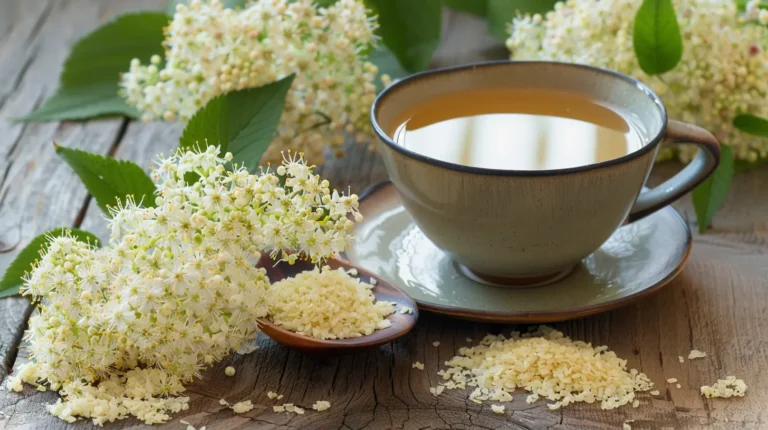
Elderflower is the creamy-white flower of the elder shrub, traditionally gathered in late spring when the blossoms are fragrant, airy, and just dramatic enough to make herbalists stop mid-walk. Elderflower (Sambucus nigra) Traditional Uses of Elderflower Respiratory Comfort: Elderflower has…

Green Bitter for Urinary, Digestive, and Mineral Support
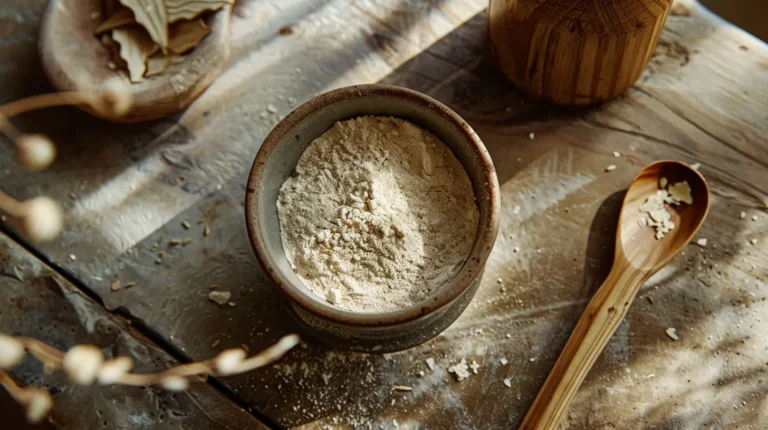
Slippery elm is a North American tree whose inner bark becomes silky, thick, and gel-like when mixed with water. That “slippery” texture is exactly why herbalists have traditionally used it for throat comfort, digestive soothing, and irritated mucous membranes. This…
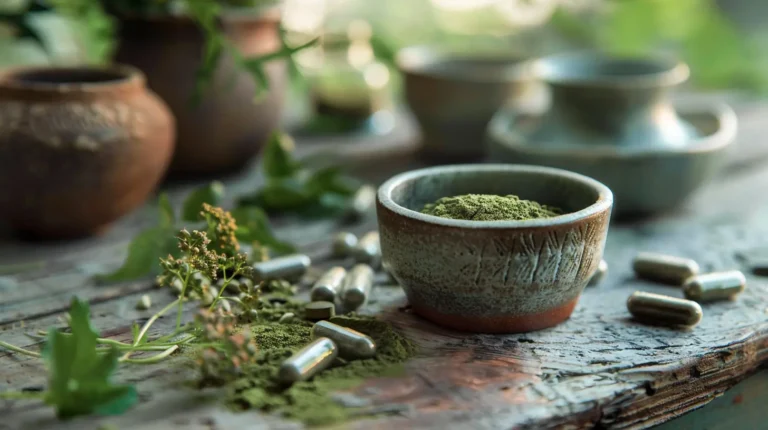
Gymnema is a climbing vine native to India, Africa, and parts of Asia, best known in Ayurveda by the name gurmar, often translated as “sugar destroyer.” That nickname comes from a fascinating effect: when gymnema leaf touches the tongue, its…

Nutrient-rich superfood traditionally enjoyed for its rich flavor and natural compounds that support overall well-being.

Cooling Succulent for Skin and Hydration
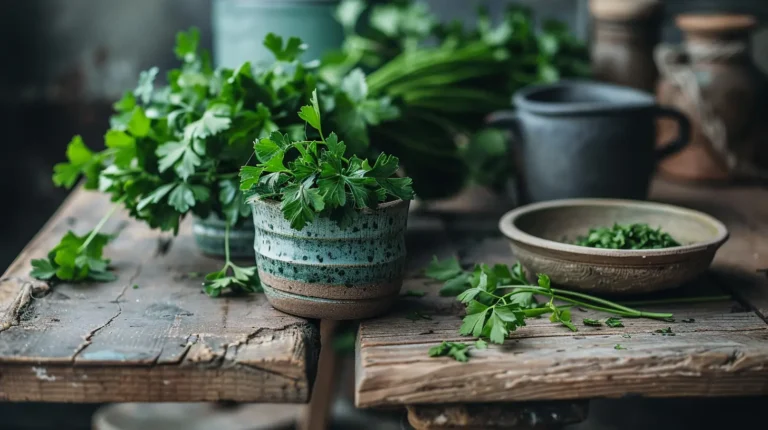
This bright green culinary herb has been traditionally used to support digestion, urinary flow, fresh breath, and everyday mineral-rich nourishment. Herbalists use parsley leaf most often, though parsley root and seed also appear in traditional herbal practice. The leaf is…

Lemon is one of the most familiar medicinal foods in the kitchen-herbal world. The juice, peel, zest, and essential oil are all used differently, which makes lemon more than just a garnish for tea. Traditionally, lemon has been used to…
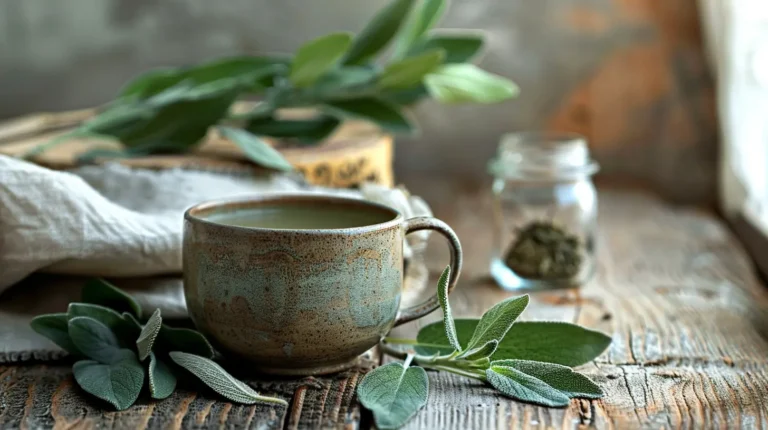
Sage is a strongly aromatic Mediterranean herb with soft gray-green leaves and a long history in both kitchens and herbal traditions. Herbalists have traditionally used sage for oral and throat comfort, digestion, sweating, and cognitive wellness. It is warm, drying,…
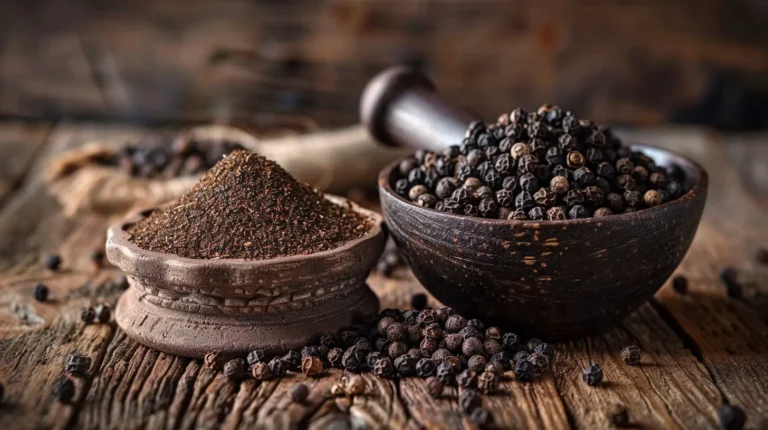
Bold flavor and contains piperine, a natural compound studied for its potential digestive and nutrient-absorption benefits.

Yarrow is a hardy, aromatic wildflower with delicate, fern-like leaves and flat clusters of tiny white or pale pink flowers. Herbalists have traditionally used yarrow for digestion, skin support, menstrual comfort, and seasonal wellness. It has a slightly bitter, aromatic…
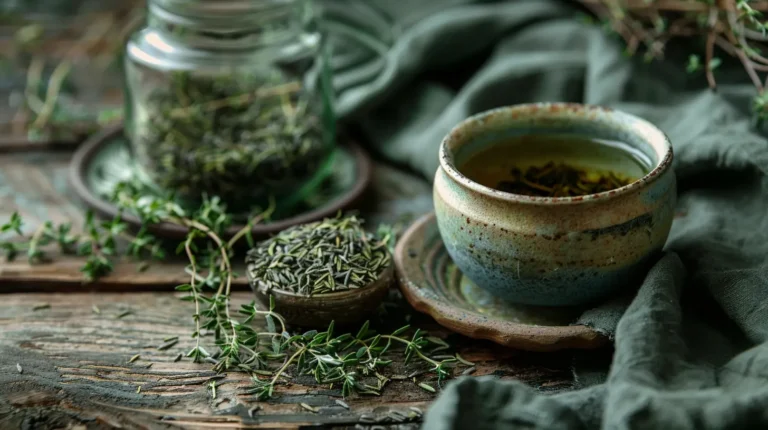
Thyme is a small, woody Mediterranean herb with a big personality. Herbalists have traditionally used thyme for respiratory comfort, digestion, oral wellness, and seasonal immune support. It is warming, aromatic, and pleasantly sharp — the kind of herb that walks…
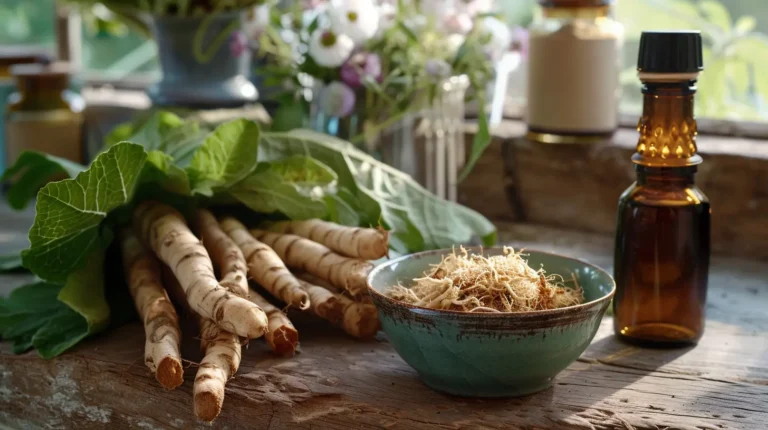
Herbal remedy traditionally valued for supporting healthy skin and digestion.
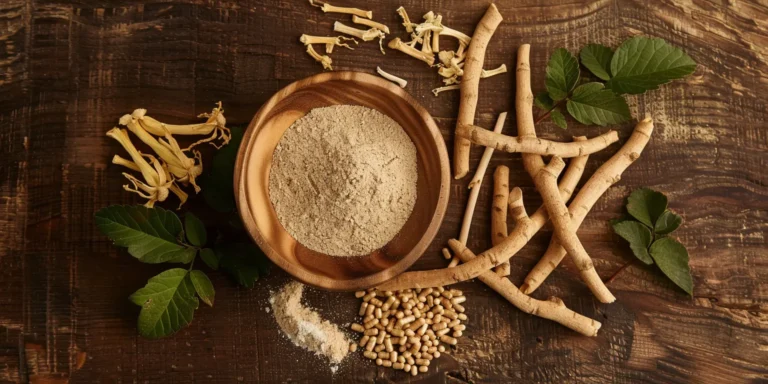
classic adaptogen traditionally used to help the body adapt to stress and rebuild resilience over time.
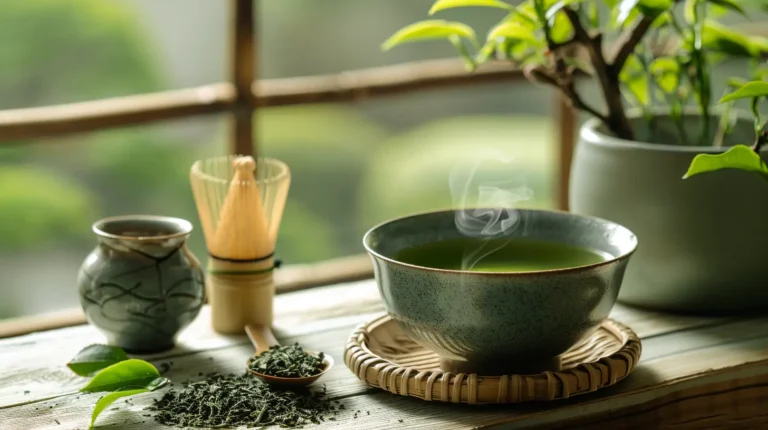
Green tea is one of the world’s most studied herbal beverages. It is made from Camellia sinensis leaves that are quickly heated after harvest to limit oxidation, helping preserve their green color, fresh flavor, catechins, and delicate aroma. Green Tea…
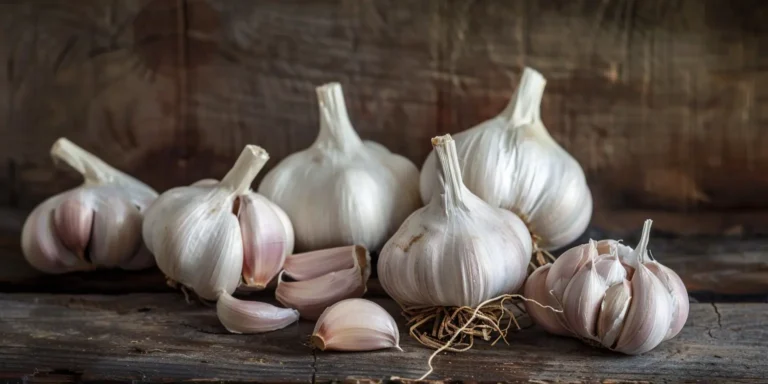
Immune Support and Heart Health Garlic is the pungent bulb of Allium sativum, a close relative of onion, leek, chive, and shallot. It has been used for thousands of years as food, spice, and traditional household medicine across Mediterranean, Middle…
Bitter Herb for Liver Support and Healthy Digestion
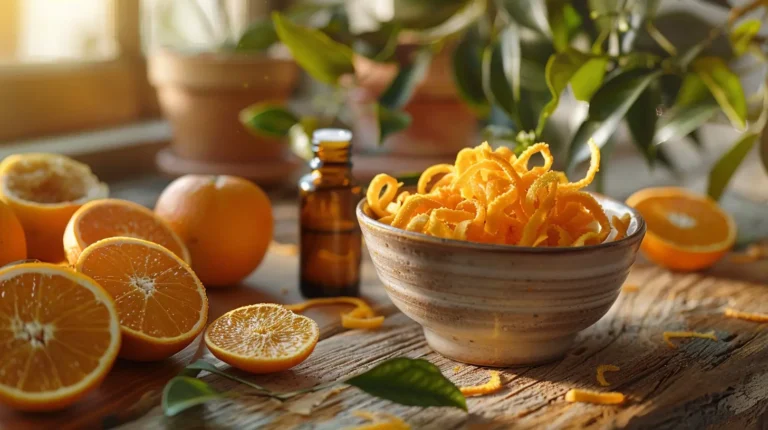
Orange peel is the fragrant outer rind of the sweet orange. In herbalism and traditional food cultures, the peel is used as an aromatic digestive herb, flavoring agent, tea ingredient, and bright companion to heavier or more bitter herbs. Orange…
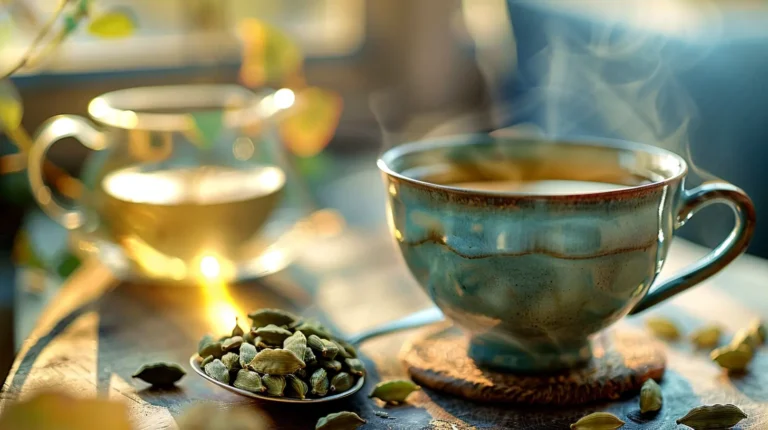
Fragrant spice traditionally used to support healthy digestion while adding a warm, sweet aroma to foods and teas.
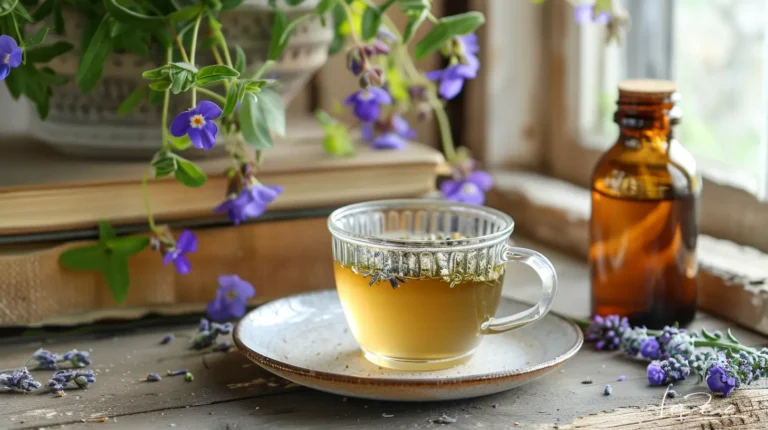
A calming nervine traditionally used to quiet an overactive mind and ease tension held in the body.
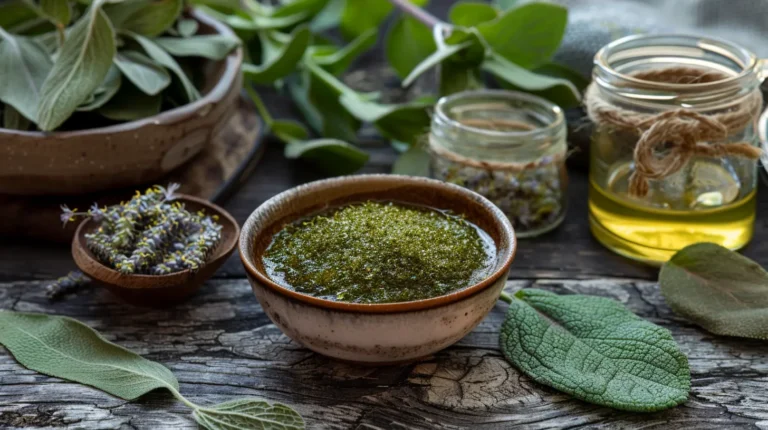
Plantain leaf is one of those humble backyard herbs that many people step over without realizing they are walking past a classic herbal ally. The leaves of Plantago major and Plantago lanceolata have been traditionally used in Western herbalism for…
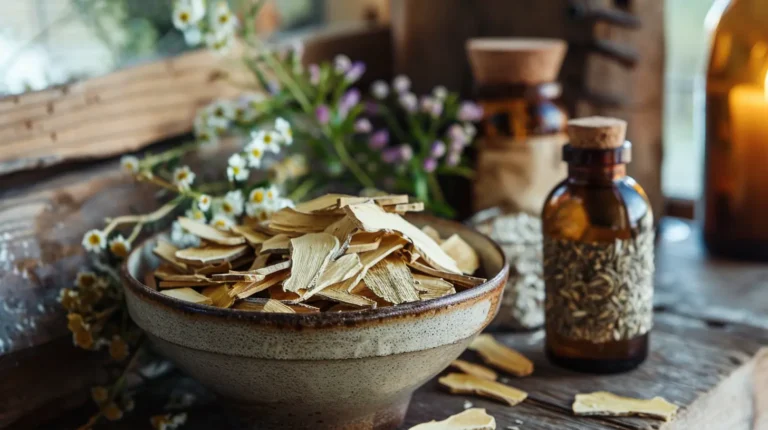
Licorice root is a sweet, earthy root with a long history in Western herbalism, Ayurveda, Traditional Chinese Medicine, and traditional European medicine. It is famous for its naturally sweet taste, which comes largely from glycyrrhizin, a compound many times sweeter…
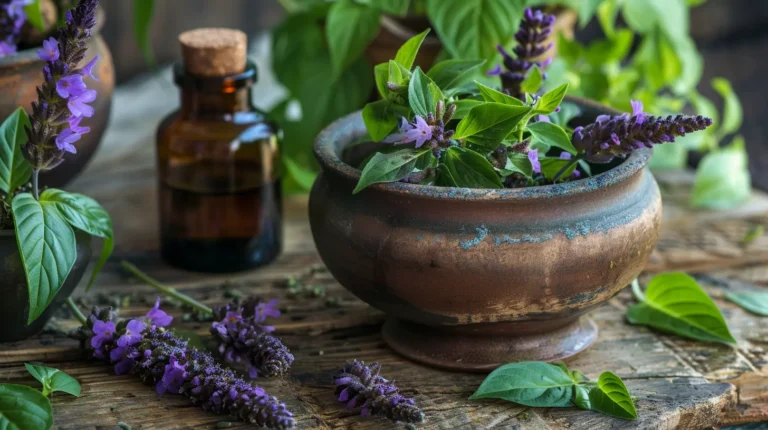
An adaptogenic herb traditionally used to steady the mind, ease mental fatigue, and support calm focus under pressure.
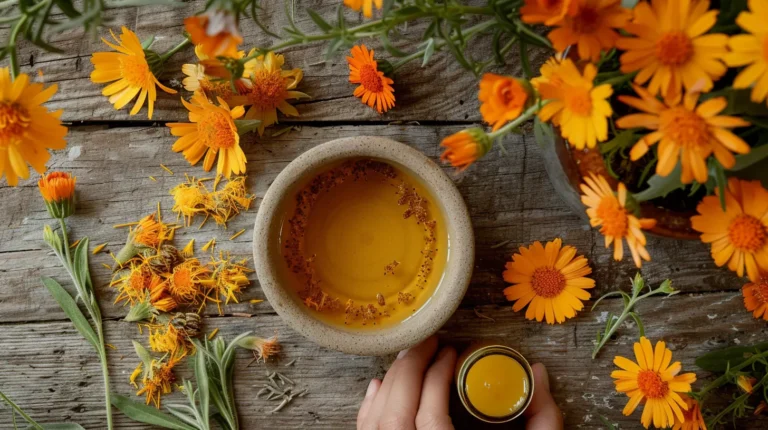
Gentle herb traditionally valued for supporting healthy skin and promoting the body's natural healing process.
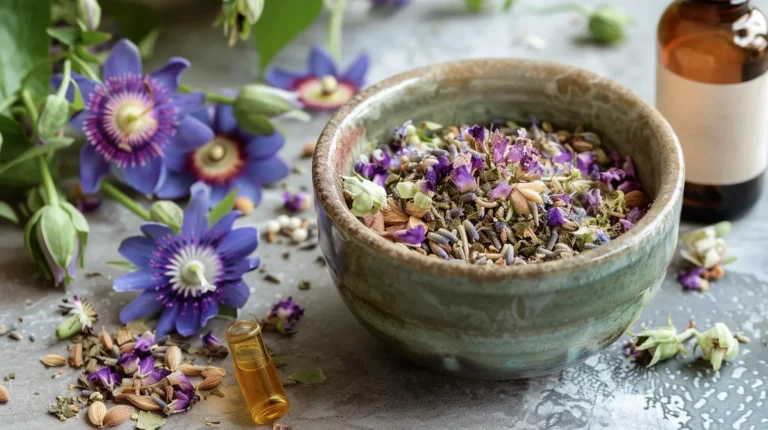
A traditional herb for a racing mind — passionflower has long been used to quiet worry and ease the way into sleep.
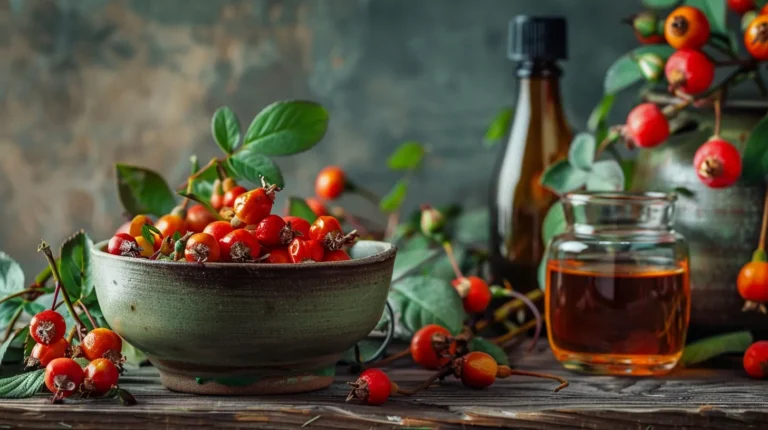
Rosehip is the small red-orange fruit-like part that forms after a rose flower has been pollinated and the petals fall away. Technically, it is not a true fruit in the simple botanical sense, but in everyday herbal life, it behaves…
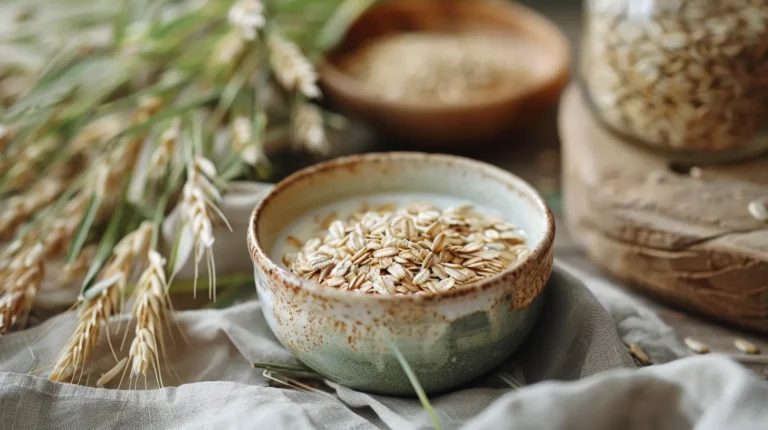
Oat is both a familiar food and a respected herb. Most people know oats as breakfast, but herbalists also use the green aerial parts, oat straw, and fresh milky oat tops as gentle restorative herbs for the nervous system, stress…

Hibiscus is a bright, tart, ruby-red herb best known as a refreshing tea. In herbalism, the part most often used is not the showy flower petal, but the fleshy red calyx that surrounds the seed pod of Hibiscus sabdariffa. That…
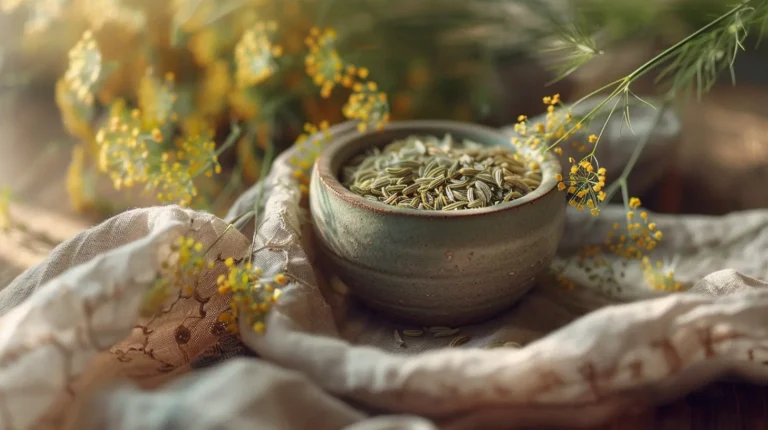
Fennel is a fragrant, sweet, anise-like herb in the carrot family. In herbalism, the “seeds” used in tea and cooking are technically the dried fruits of the fennel plant. They are small, aromatic, and surprisingly hardworking for something that looks…
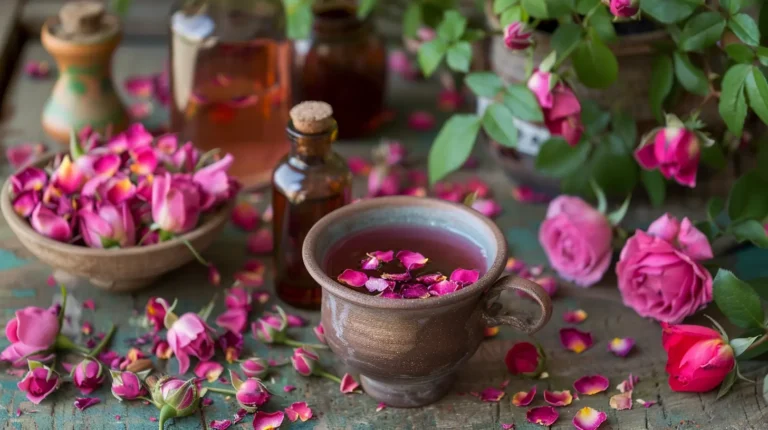
A gentle heart-soothing herb traditionally used to ease emotional tension, lift a heavy mood, and calm the nervous system.
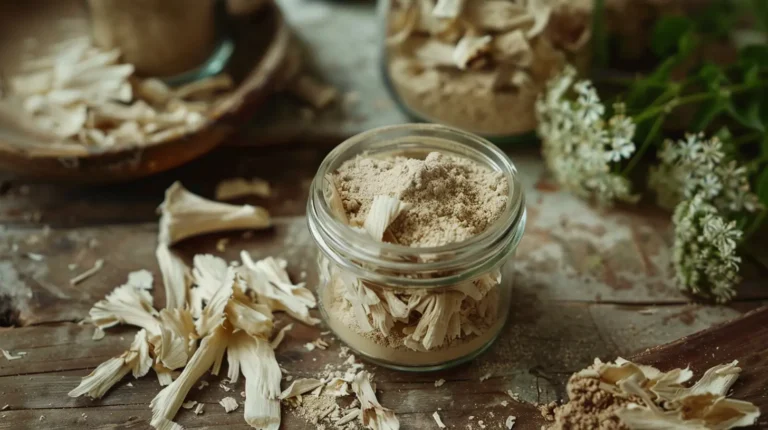
Marshmallow root is the soft, soothing root of Althaea officinalis, a perennial plant in the mallow family. It is rich in mucilage, a slippery plant compound that becomes gel-like when mixed with water. In herbalism, marshmallow root is one of…

Rosemary is an evergreen Mediterranean herb with needle-like leaves, a resinous aroma, and a long history in kitchens, gardens, and traditional herbal practice. It is one of those herbs that feels both practical and poetic: good with roasted potatoes, but…
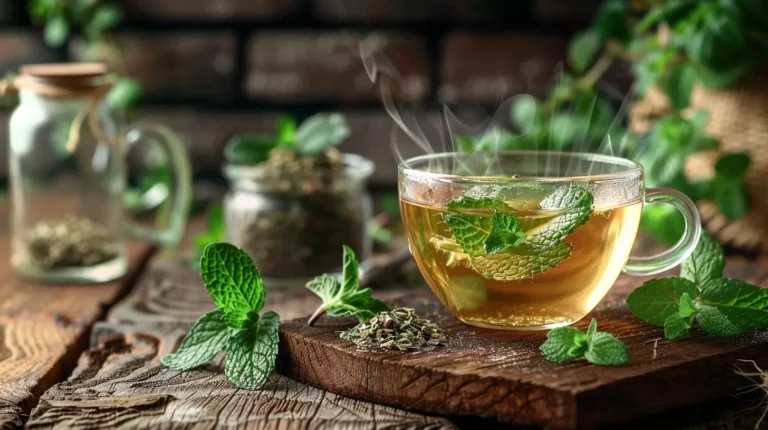
Spearmint is a bright, sweet, aromatic mint with soft green leaves and a gentler personality than peppermint. It belongs to the mint family and is widely used in teas, culinary dishes, oral care products, herbal blends, and traditional wellness preparations.…
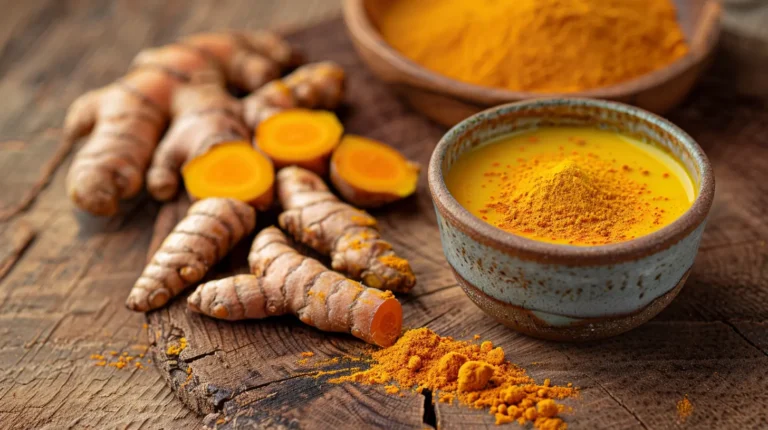
Turmeric is the deep golden-orange rhizome of a tropical plant in the ginger family. It has been used for centuries in food, traditional herbal preparations, and cultural wellness practices across South Asia and beyond. Turmeric (Curcuma longa) Traditional uses of…
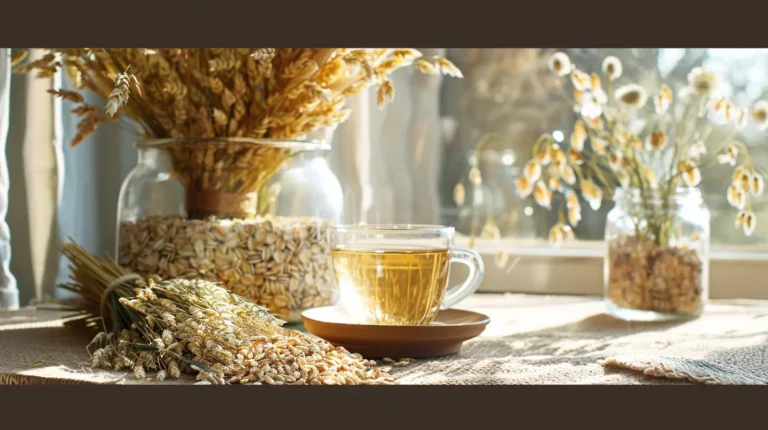
A nourishing nervine traditionally used to rebuild depleted energy and support the nervous system through prolonged stress.
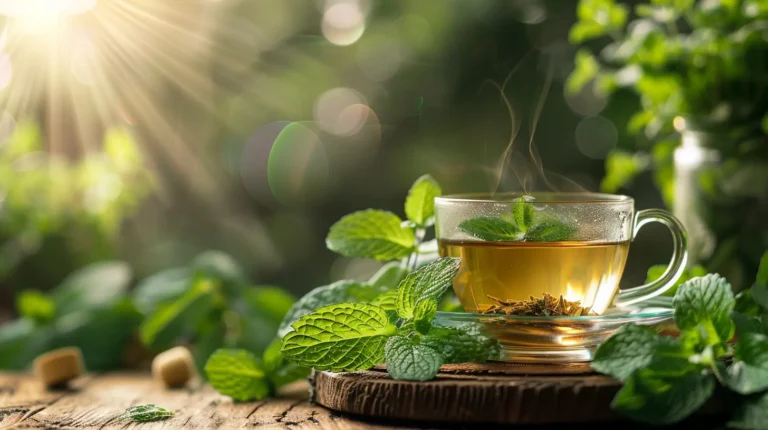
Peppermint is a bright, aromatic herb in the mint family, traditionally valued for digestion, cooling comfort, clear breathing, and mental freshness. It is a natural hybrid of watermint and spearmint, and its strong scent comes mostly from volatile oils such…
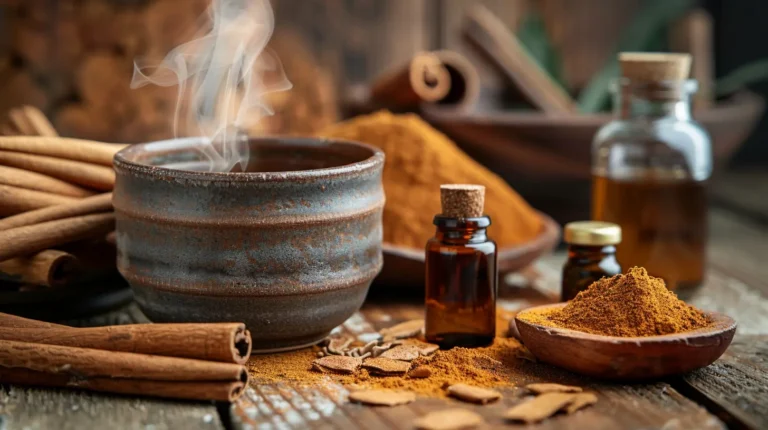
Warming spice traditionally used to support healthy digestion and add naturally sweet, aromatic flavor to foods and beverages.
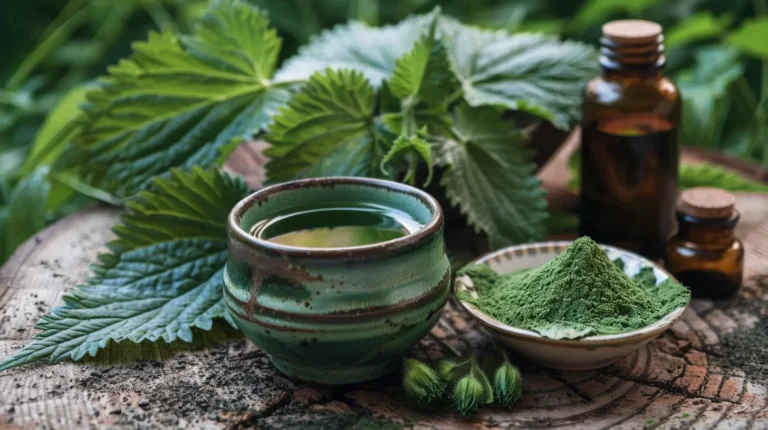
Nettle is a deeply nourishing green herb with a personality that is both generous and slightly prickly. Fresh nettle leaves are covered in tiny stinging hairs, but once dried, cooked, or properly prepared, the sting disappears and the plant becomes…
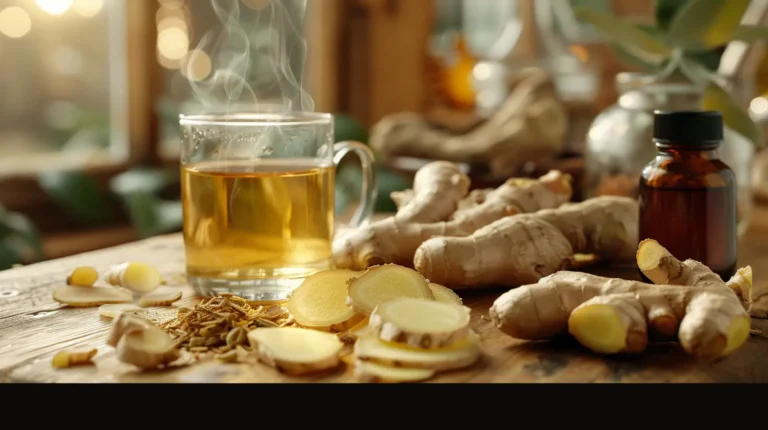
Ginger is the warming, spicy rhizome of a tropical plant in the Zingiberaceae family. It has been used for centuries in food, tea, traditional herbal practice, and household wellness routines, especially when the body needs warmth, digestive support, and a…

A soothing floral herb traditionally used to calm the mind, ease tension, and support a peaceful night's sleep.
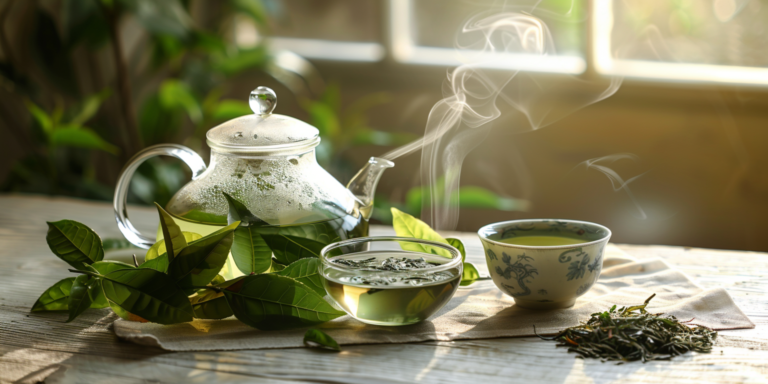
Health Benefits | Key Preparations | Shop Herbs & Products Camellia sinensis Health Benefits Green tea is used to gently support everyday energy, antioxidant wellness, digestion, and mental alertness. Herbalists often choose green tea when someone wants a clear, bright…
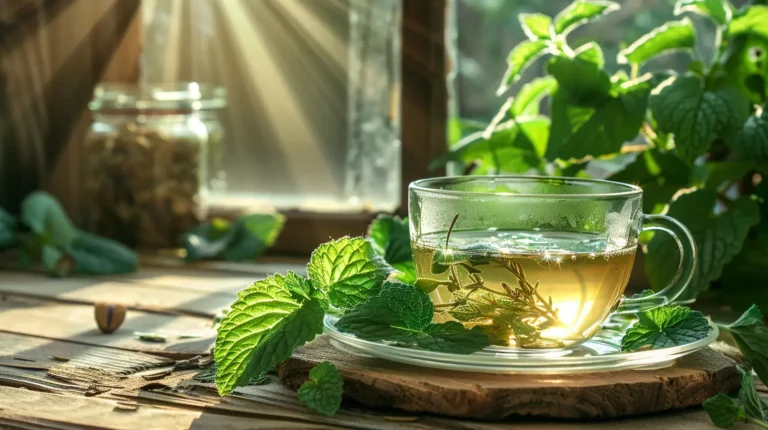
A gentle, lemon-scented herb traditionally used to calm the mind, ease tension, and lift a heavy mood without feeling sedating.

Soft, apple-like flavor carries a traditional reputation for easing stress, calming the nerves, and settling digestion.