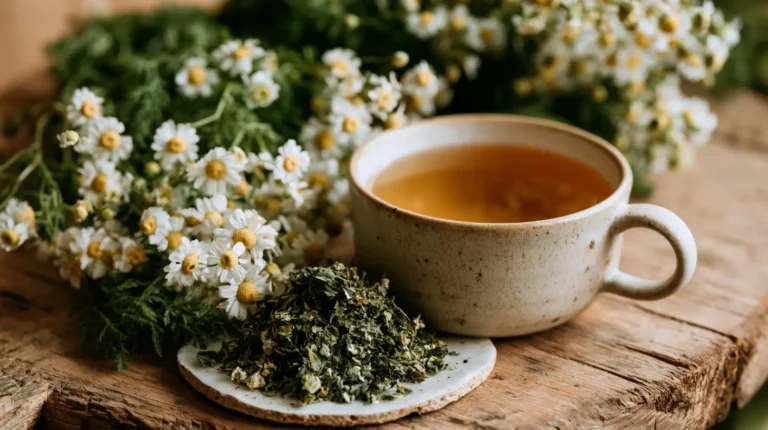

Feverfew: Headache Tradition, and Nervous Tension

Feverfew is a small, daisy-like perennial herb in the Asteraceae family. Traditionally, feverfew has been used to support head comfort, menstrual wellness, digestive sluggishness, and the body’s response to occasional inflammatory stress. In modern herbalism, it is most often discussed…
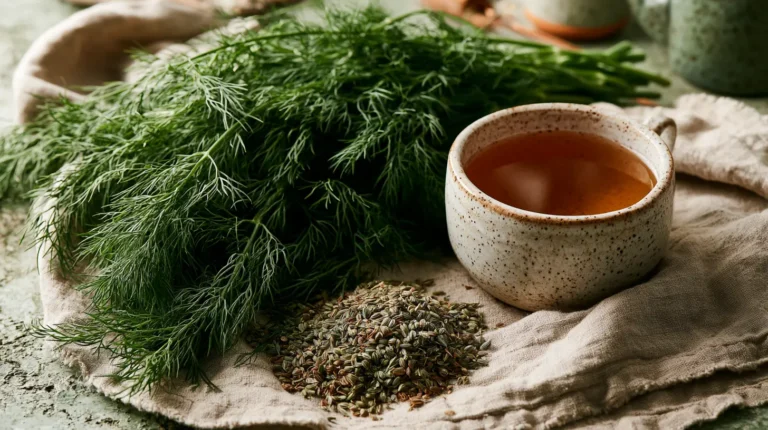
Dill: Gas Comfort, Fresh Flavor, and Gentle Herbal Warmth

Traditionally, dill has been used to support digestion, ease gas and bloating, freshen the breath, support gentle respiratory comfort, and bring light aromatic warmth to meals. It is a friendly herb: soft enough for soup, strong enough to remind lentils…

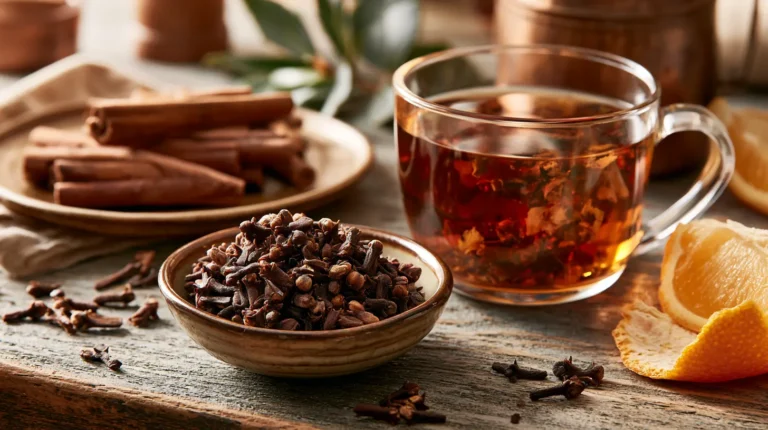
Clove: Oral Comfort, Digestion, and Bold Herbal Fire

Clove is the dried, unopened flower bud of a tropical evergreen tree in the myrtle family. Those tiny brown “nails” in the spice jar are actually flower buds harvested before they open. Traditionally, clove has been used for oral comfort,…

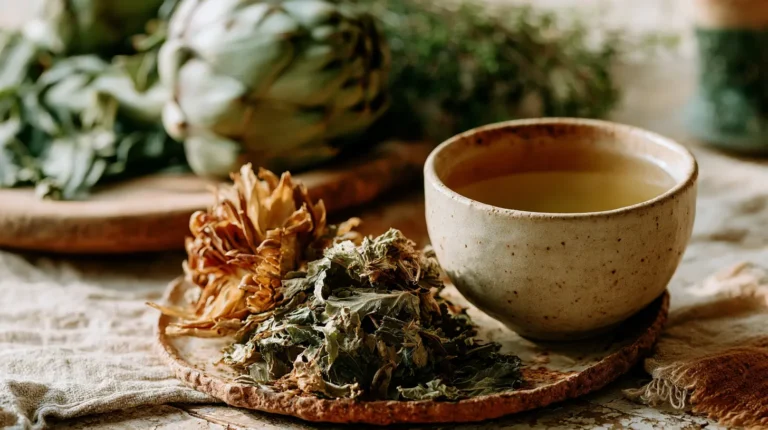
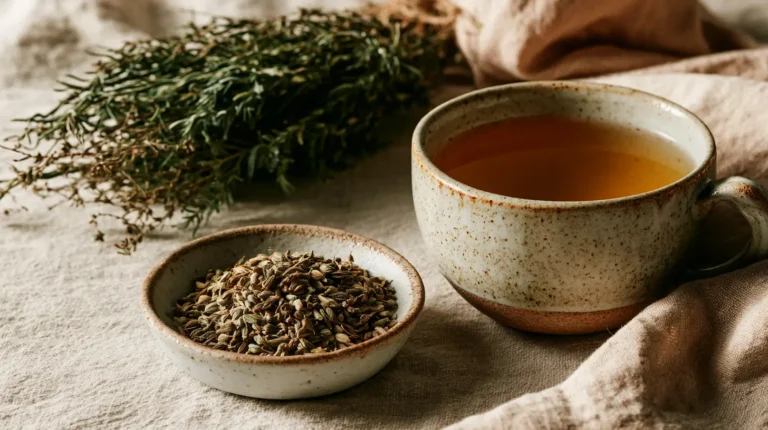
Anise: Digestion, Breath, and Gentle Herbal Warmth

Traditionally, anise has been used to support digestion, gas comfort, respiratory ease, oral freshness, and gentle warming after meals. It is one of those herbs that manages to be both practical and pleasant, which is not always a guarantee in…

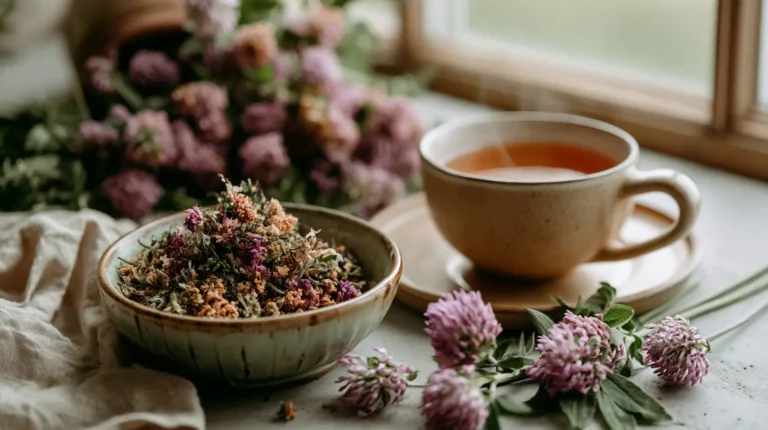
Red Clover: Women’s Wellness, Skin, and Gentle Lymphatic Support

Traditionally, red clover blossoms have been used as a gentle tonic herb for women’s wellness, skin health, lymphatic support, respiratory comfort, and general nourishment. It is one of those friendly meadow plants that looks delicate but has a surprisingly serious…

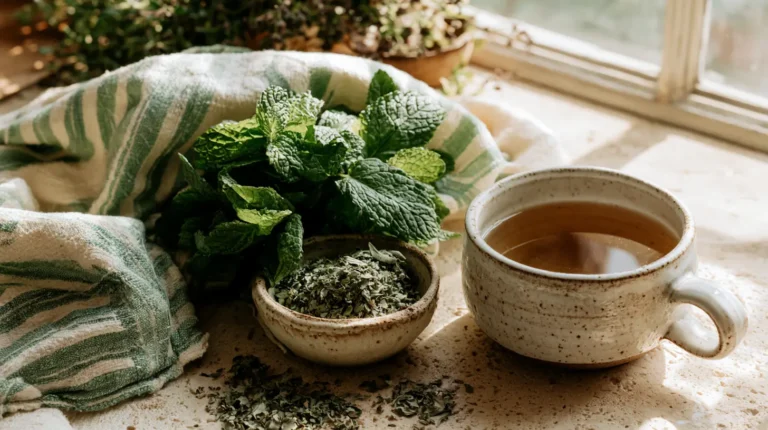
Mint: The Cooling Leaf for Digestion and Freshness

Mint is a fragrant family of herbs known for its cooling taste, bright aroma, and long history in food, tea, oral care, and traditional herbal preparations. The word “mint” can refer to several species, but the most common herbal and…

Meadowsweet: A Sweet Herb for Digestion, Comfort, and Seasonal Support

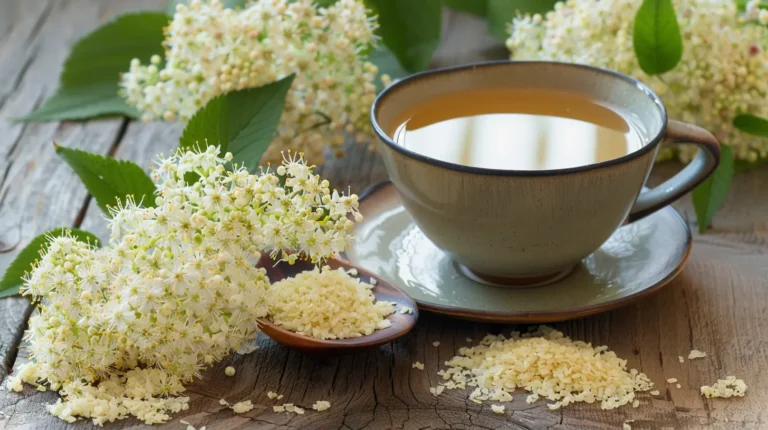
Meadowsweet is a fragrant flowering herb that grows in damp meadows, riverbanks, and moist woodland edges. Its creamy-white flower clusters smell sweet and almond-like, which makes its old common name, “queen of the meadow,” feel very well earned. Meadowsweet (Filipendula…

Cacao: The Bitter Bean with a Warm Heart and a Very Long Story

Cacao is the seed of the tropical Theobroma cacao tree, the plant behind cocoa powder, cacao nibs, cocoa butter, and chocolate. Traditionally, cacao has been used as a nourishing, warming, gently stimulating food-herb connected with mood, energy, circulation, and ritual.…

Aloe Vera: The Cooling Succulent for Skin and Hydration

Aloe vera is a thick-leaved succulent best known for the clear gel inside its leaves. That gel has been traditionally used to cool, soothe, and moisturize the skin, especially after sun, heat, dryness, or minor everyday irritation. Aloe is simple-looking,…

Parsley: The Everyday Green Herb with Quiet Herbal Depth

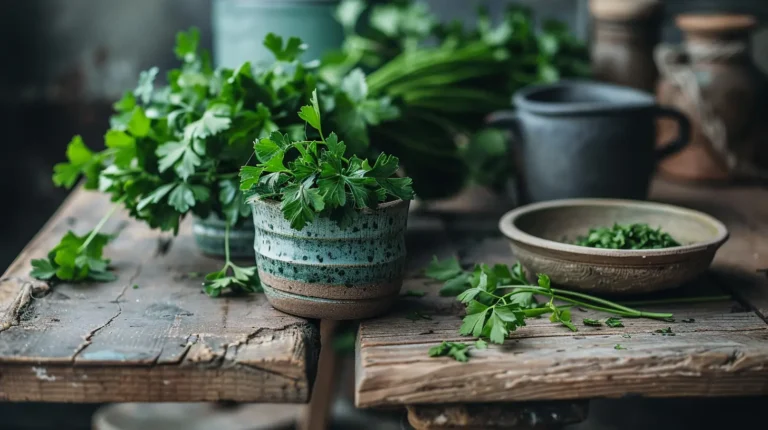
This bright green culinary herb has been traditionally used to support digestion, urinary flow, fresh breath, and everyday mineral-rich nourishment. Herbalists use parsley leaf most often, though parsley root and seed also appear in traditional herbal practice. The leaf is…

Black Pepper: The Warming Spice with an Herbal Backbone

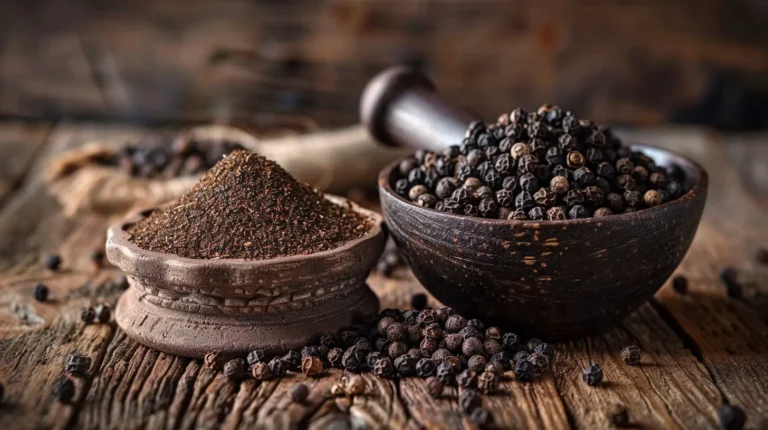
Black pepper is one of the world’s most familiar spices, but herbalists see more than a table seasoning. Made from the dried unripe fruits of Piper nigrum, black pepper has traditionally been used to warm digestion, support appetite, encourage circulation…

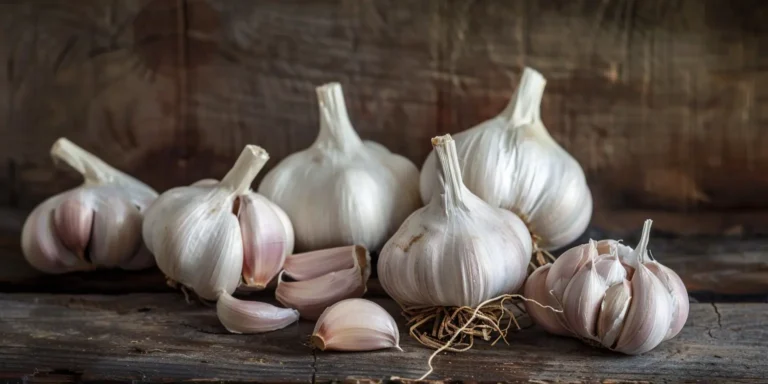
Garlic

Immune Support and Heart Health Garlic is the pungent bulb of Allium sativum, a close relative of onion, leek, chive, and shallot. It has been used for thousands of years as food, spice, and traditional household medicine across Mediterranean, Middle…

Orange Peel: Traditional Support for Digestive Health

Orange peel is the fragrant outer rind of the sweet orange. In herbalism and traditional food cultures, the peel is used as an aromatic digestive herb, flavoring agent, tea ingredient, and bright companion to heavier or more bitter herbs. Orange…

Cardamom: The Aromatic Spice for Digestive Health and Fresh Breath

Cardamom is a fragrant spice from the ginger family, best known for its sweet, warming, slightly citrusy, eucalyptus-like aroma. In herbalism and traditional food cultures, the small seeds inside the green pods are used for digestion, breath freshness, respiratory comfort,…

Calendula: The Golden Flower for Skin, Comfort, and Herbal Care

Calendula is a bright orange or yellow flower in the Asteraceae family, traditionally used as a gentle skin, lymphatic, digestive, and mucous membrane herb. In herbalism, the flower heads are the main part used, especially the sticky green resinous base…

Fennel: The Digestive Herb for Bloating Relief

Fennel is a fragrant, sweet, anise-like herb in the carrot family. In herbalism, the “seeds” used in tea and cooking are technically the dried fruits of the fennel plant. They are small, aromatic, and surprisingly hardworking for something that looks…

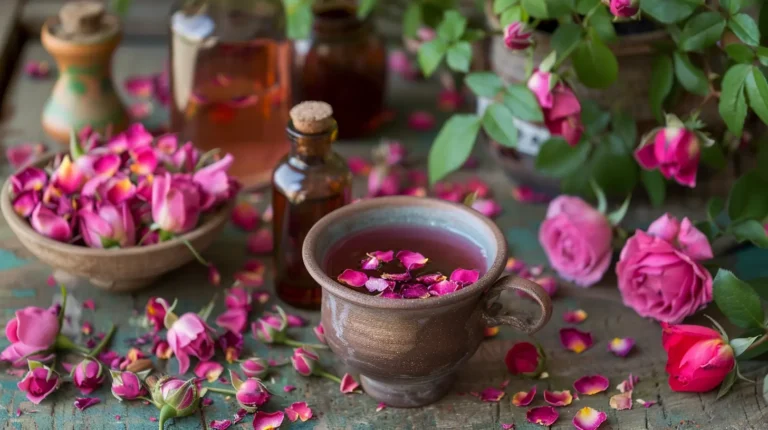
Rose: The Herbal Ally for the Heart and Emotions

Rose is one of the most beloved herbs in traditional herbalism, and for good reason. It is beautiful, fragrant, edible, emotionally comforting, and surprisingly practical. Herbalists use different parts of the rose plant in different ways: petals are often used…

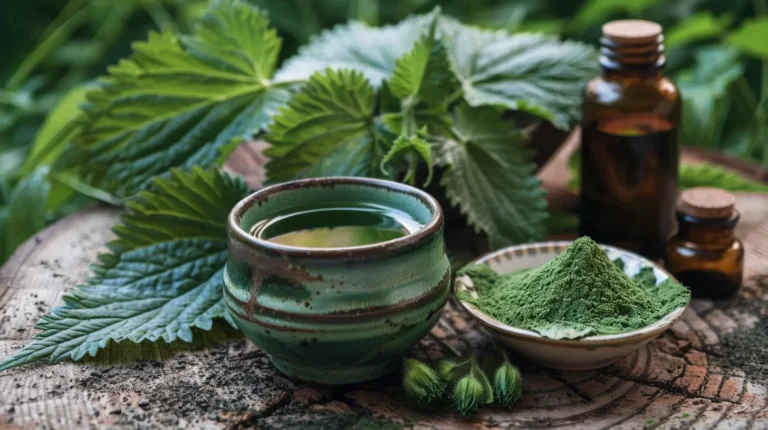
Nettle: The Mineral-Rich Herb for Energy and Urinary Health

Nettle is a deeply nourishing green herb with a personality that is both generous and slightly prickly. Fresh nettle leaves are covered in tiny stinging hairs, but once dried, cooked, or properly prepared, the sting disappears and the plant becomes…

Ginger: The Warming Root for Digestive Health and Circulation

Ginger is the warming, spicy rhizome of a tropical plant in the Zingiberaceae family. It has been used for centuries in food, tea, traditional herbal practice, and household wellness routines, especially when the body needs warmth, digestive support, and a…