
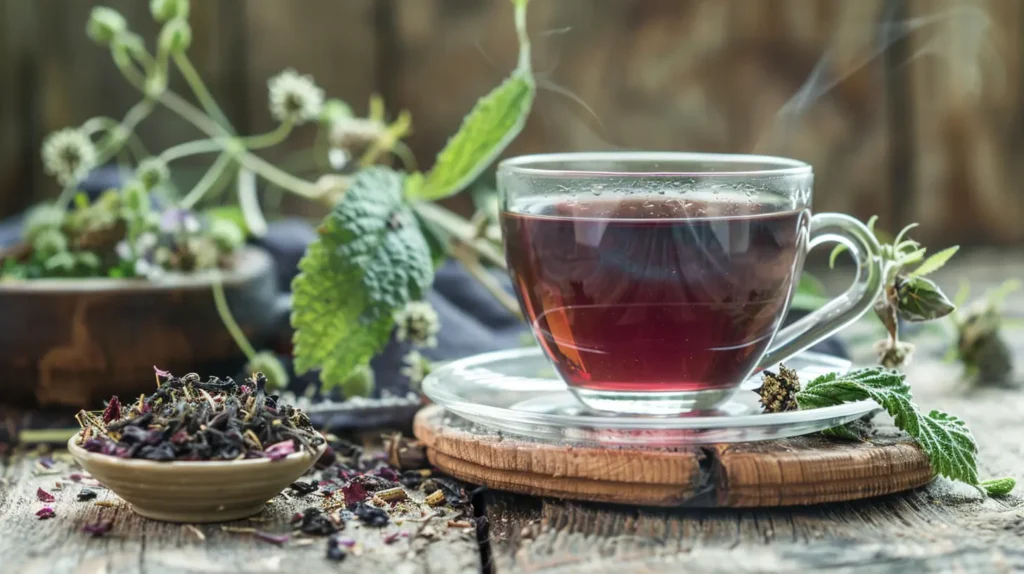
Bilberry and Nettle Nourishing Tea
A gentle internal herbal tea traditionally used to support eye health through nourishment and circulation. Shop These Herbs Bilberry Dry […]
A gentle internal herbal tea traditionally used to support eye health through nourishment and circulation. Shop These Herbs Bilberry Dry […]

A refreshing topical preparation combining cooling botanicals to support hydration and comfort around the eyes. Shop What You Need Aloe
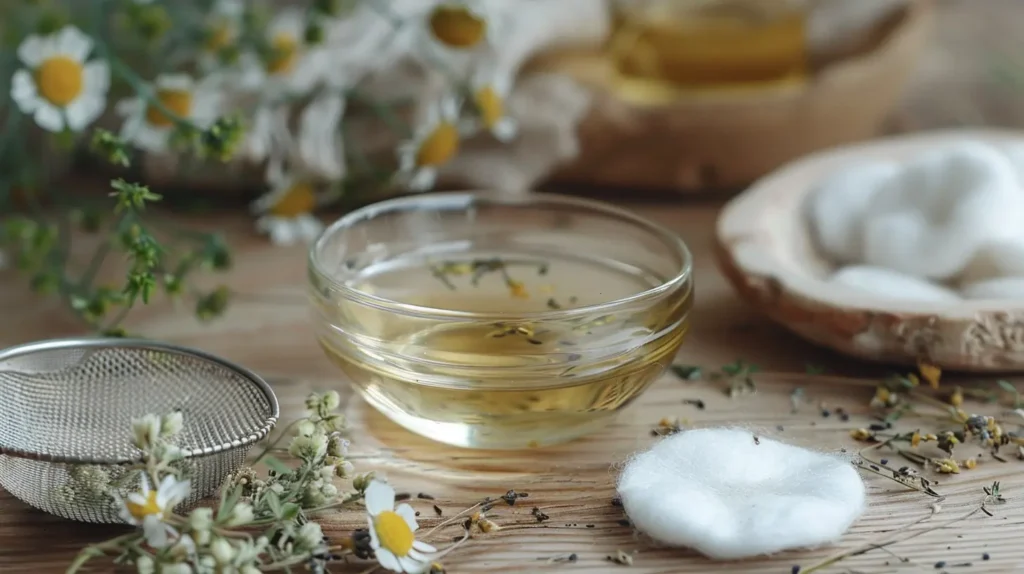
A traditional herbal preparation using eyebright to gently refresh and support eye comfort. Shop Eyebright Herb Eyebright Dry Rated 0

A gentle, traditional herbal compress used to soothe tired, irritated eyes and support comfort after long screen exposure. Shop Herb
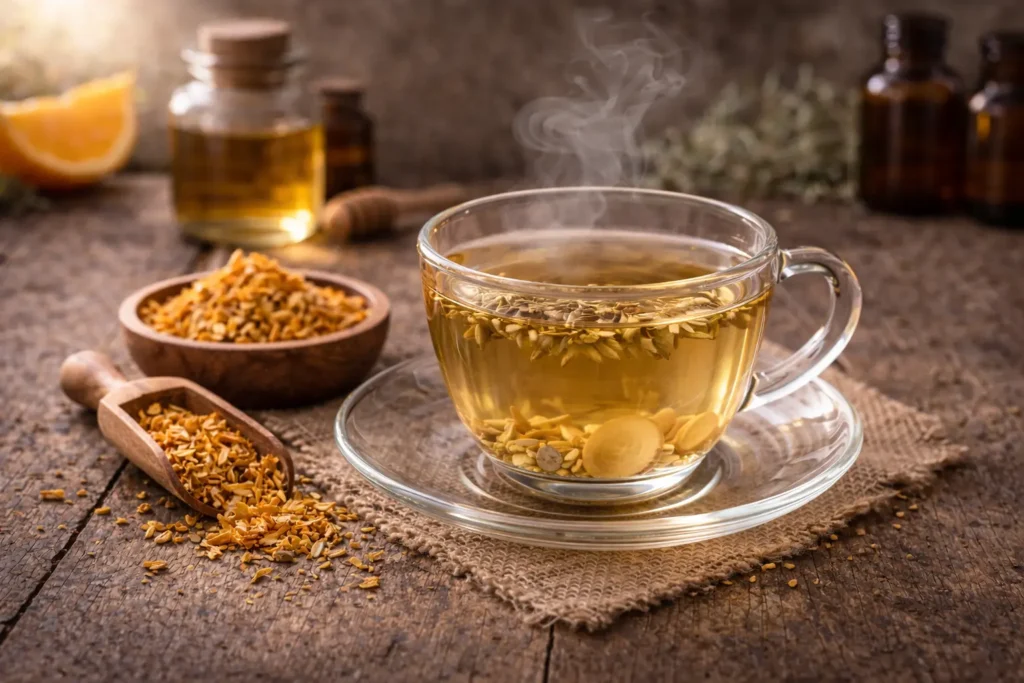
This combination pairs a mild digestive tonic with a gentle aromatic bitter. Chamomile supports digestive calm and tone, while orange
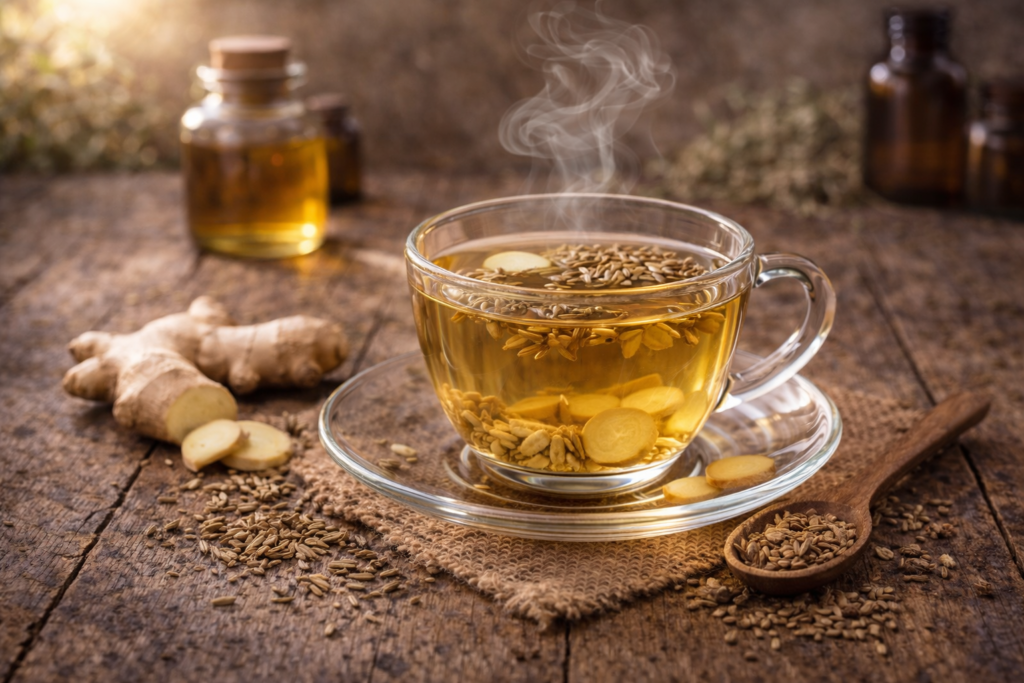
Warming carminatives are traditionally used when digestion feels cool, sluggish, and underpowered. Ginger encourages gentle warmth and circulation, while fennel
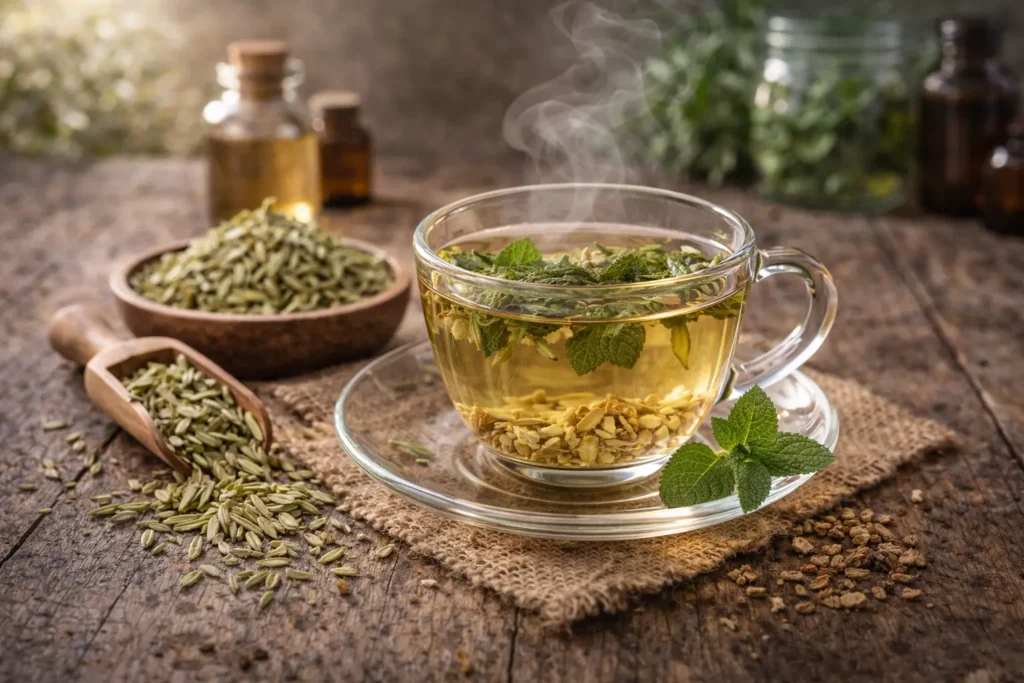
When digestive depletion is linked to overall fatigue or nervous exhaustion, herbalists often combine nutritive herbs with gentle nervines. Oat
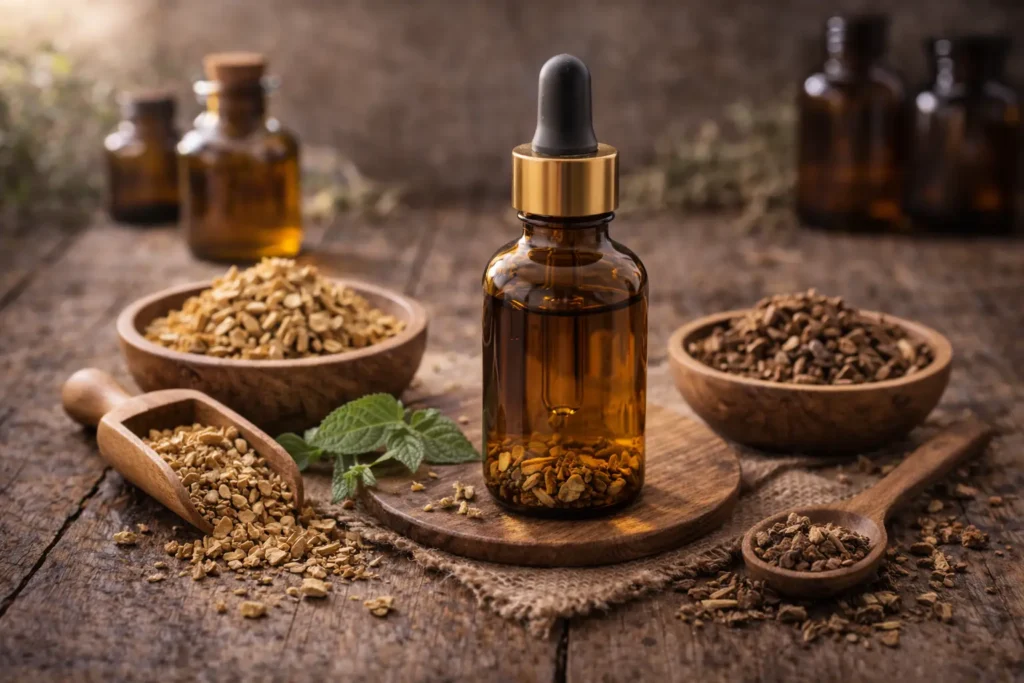
Bitters have long been used in Western herbalism to encourage digestive readiness and strengthen appetite. When digestion feels depleted rather
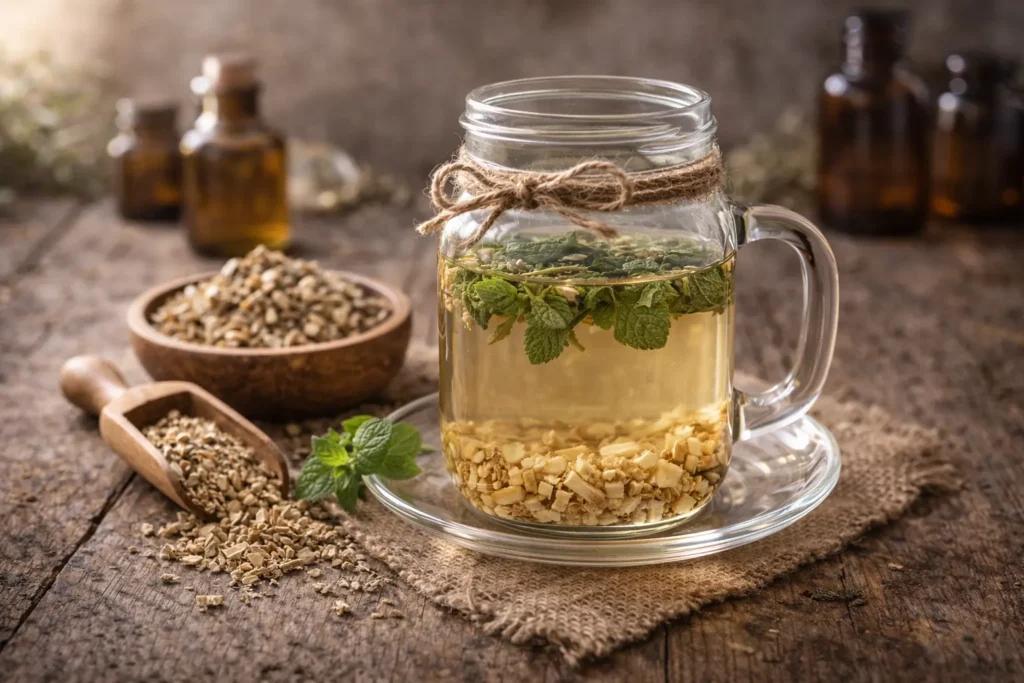
When inflammation and stress overlap, combining a demulcent with a gentle nervine is a traditional approach. Marshmallow supports tissue comfort,
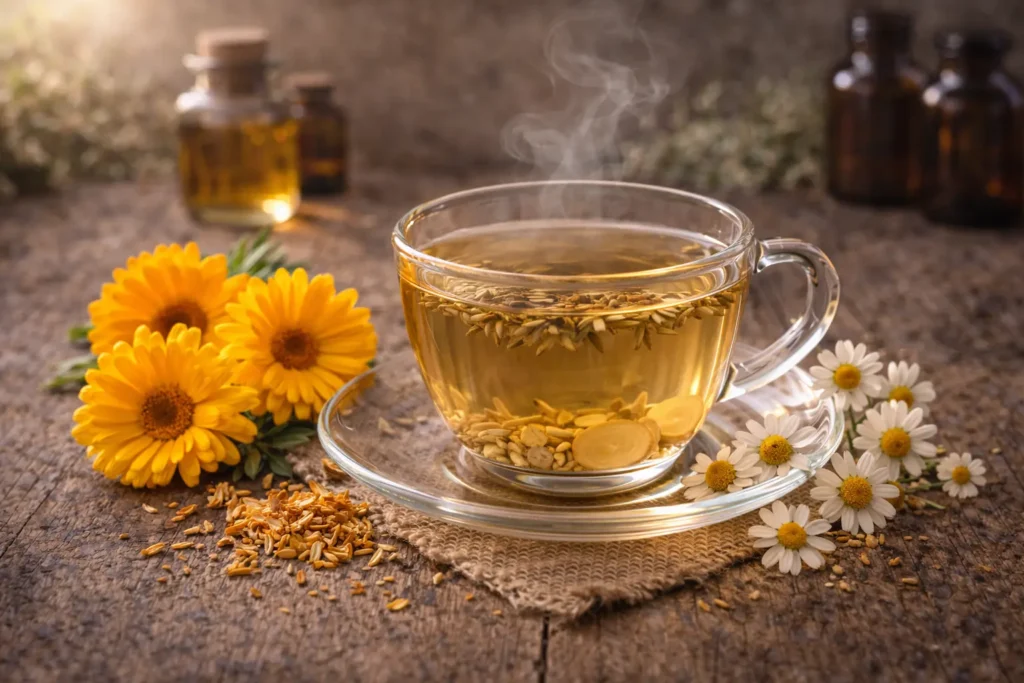
Calendula and chamomile have long histories of use for soothing irritated tissues. Calendula is traditionally associated with tissue integrity, while
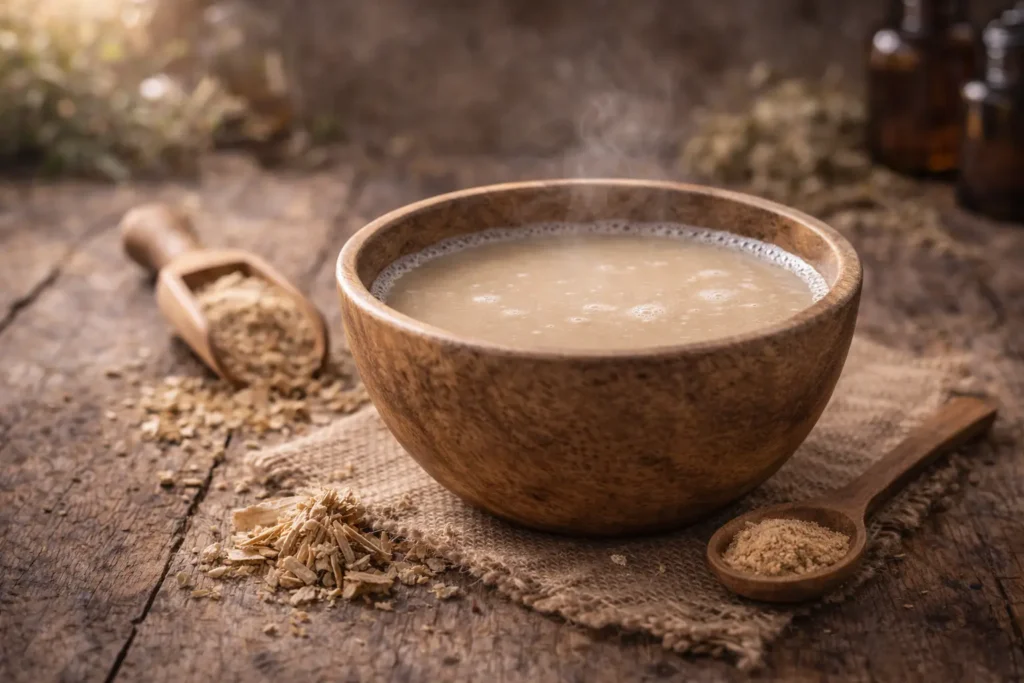
Slippery elm bark has traditionally been prepared as a simple nourishing drink. Its mucilage forms a soothing layer that supports
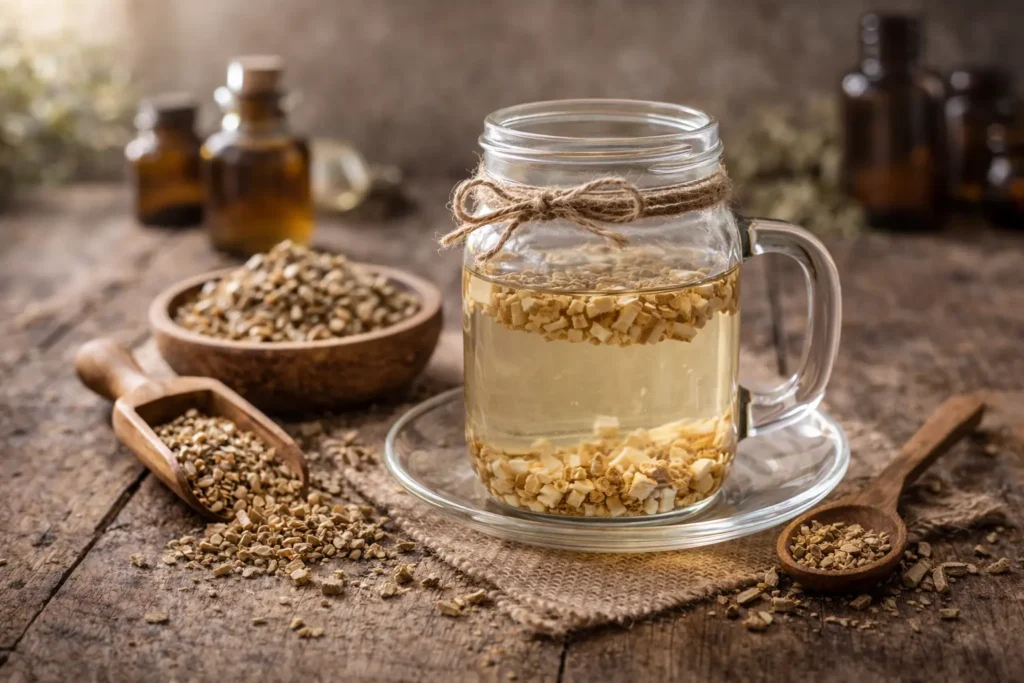
Marshmallow root has long been valued in Western herbalism for its rich mucilage content. Traditionally, it was prepared as a
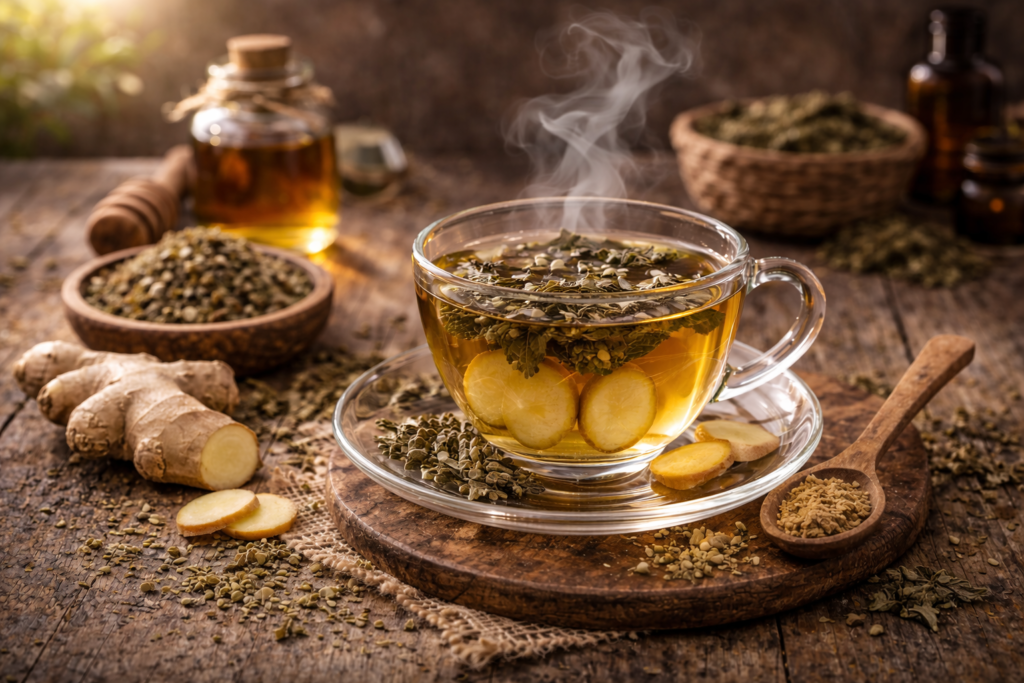
This traditional combination blends warmth and relaxation. Ginger encourages gentle circulation and coordinated digestive movement, while peppermint supports smooth muscle
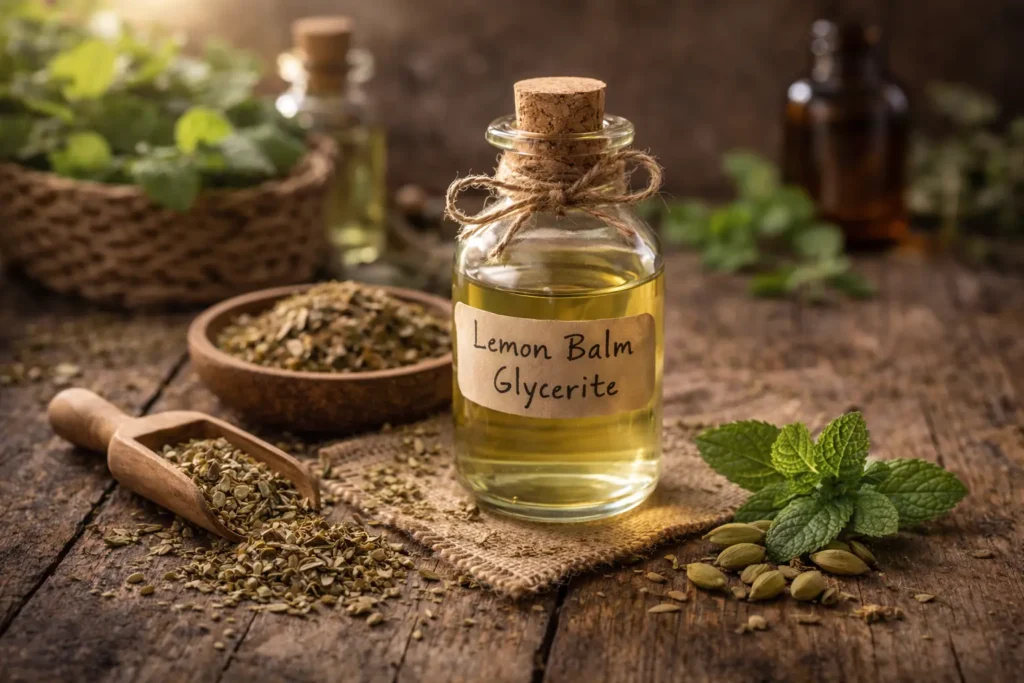
When digestive constriction mirrors emotional tension, nervine herbs are often used. Lemon balm has long been valued for calming both
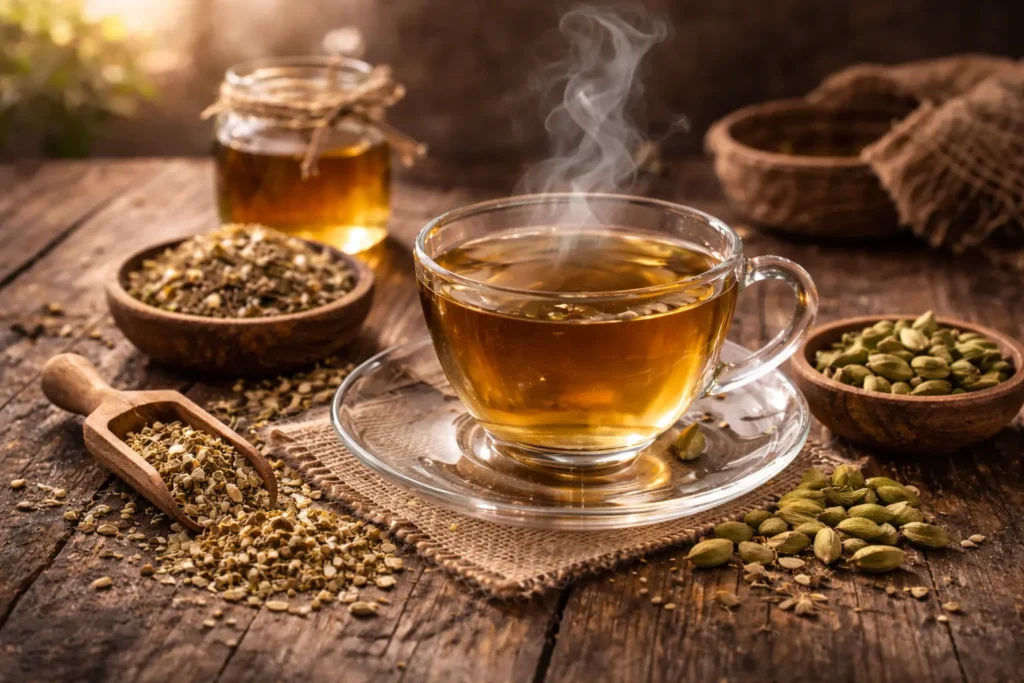
Aromatic seeds have traditionally been used to ease gripping sensations and support coordinated digestive movement. Fennel and cardamom both contain
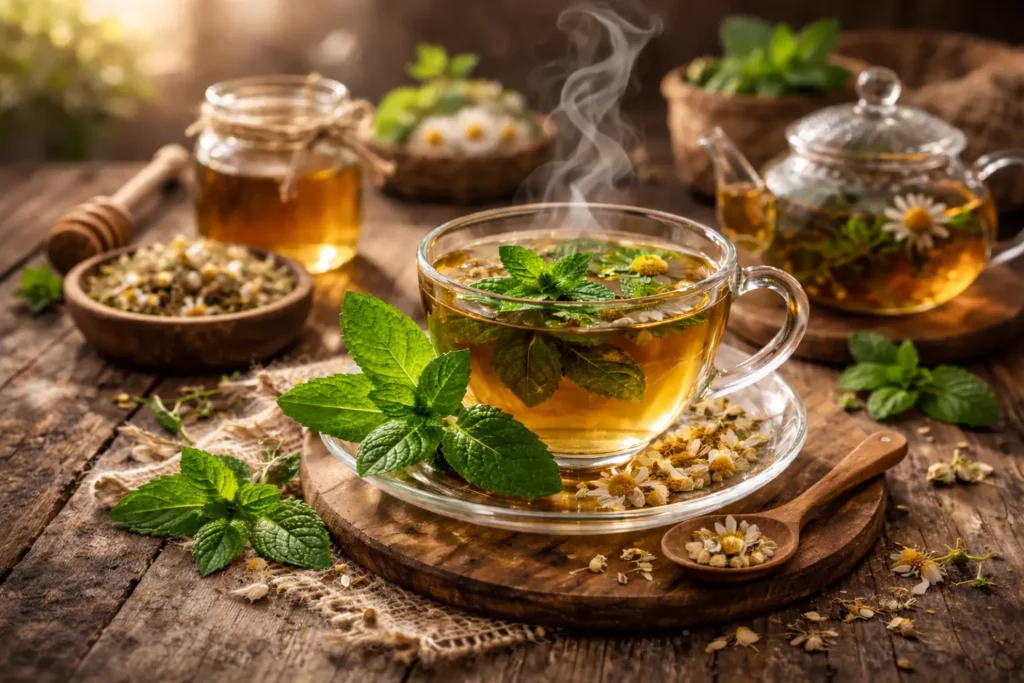
When digestion feels tight, crampy, or reactive, herbalists often begin with aromatic and gently calming herbs. Peppermint has a long
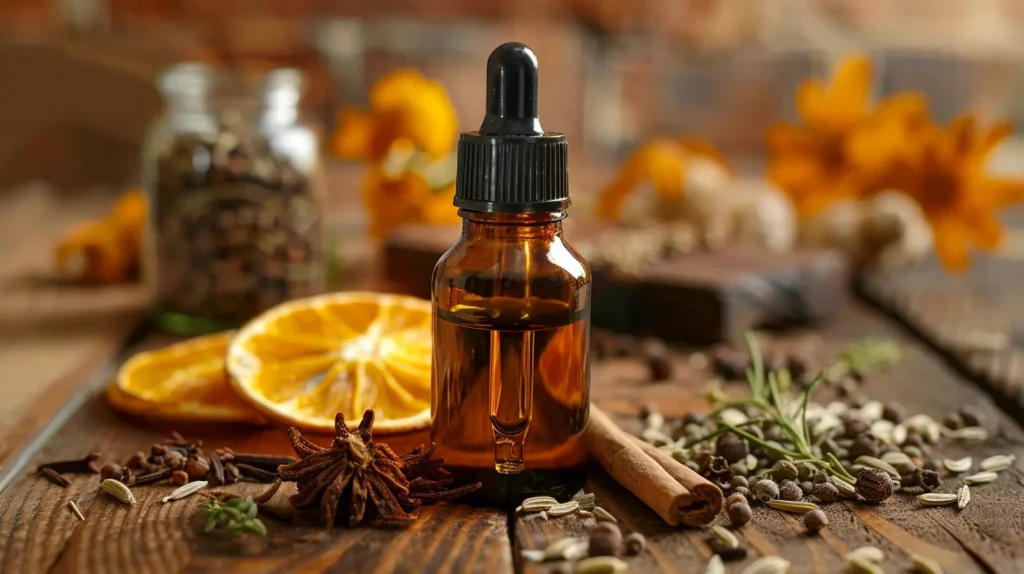
This traditional extract combines a mild bitter with aromatic herbs to support digestive tone and environment. Bitters such as gentian
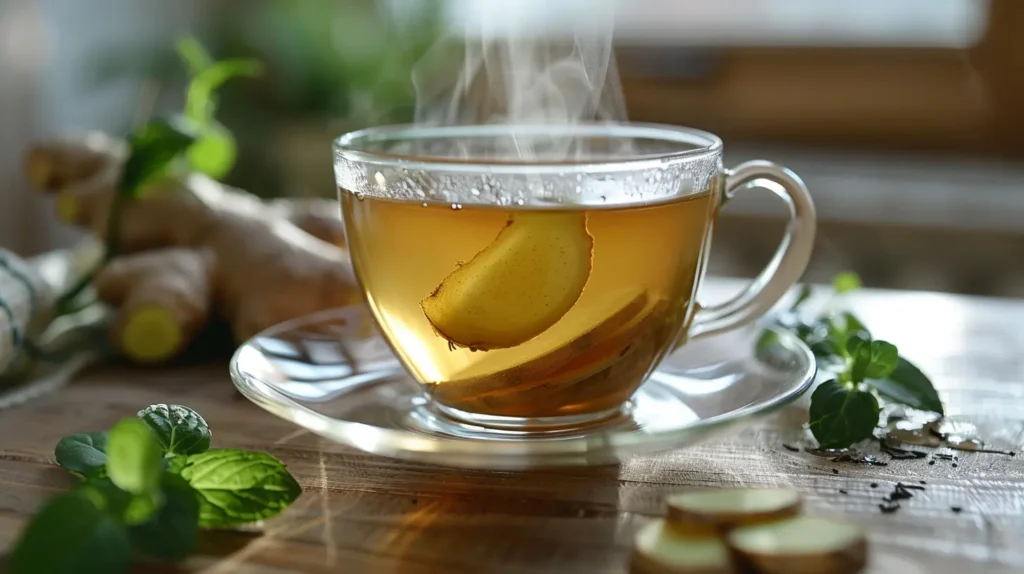
When microbial imbalance is accompanied by bloating and irregular movement, aromatic herbs are often used to restore coordinated motility. Lemon
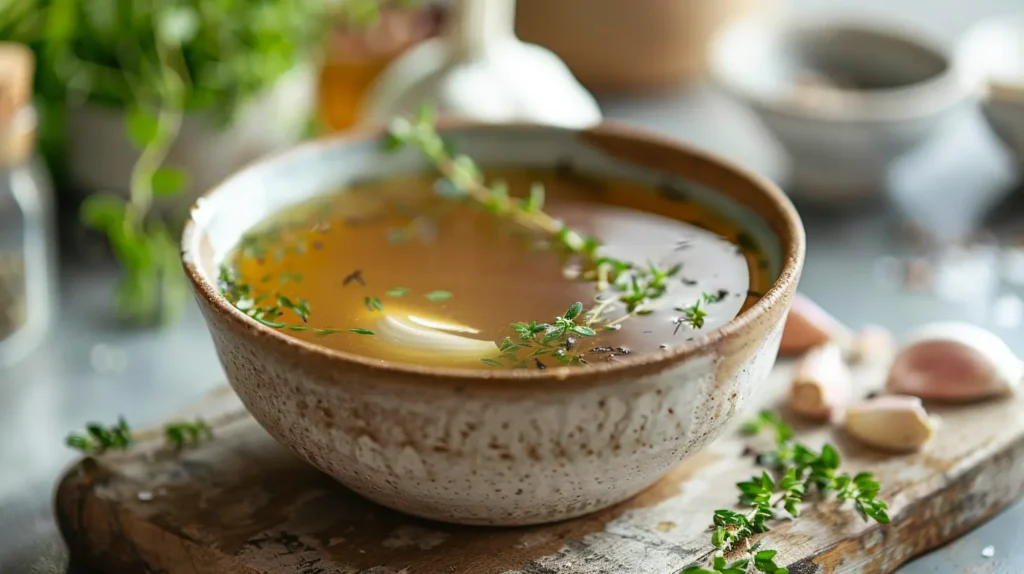
Garlic and thyme have long culinary and herbal histories in supporting digestive vitality. Rather than isolating microbes, traditional practice often
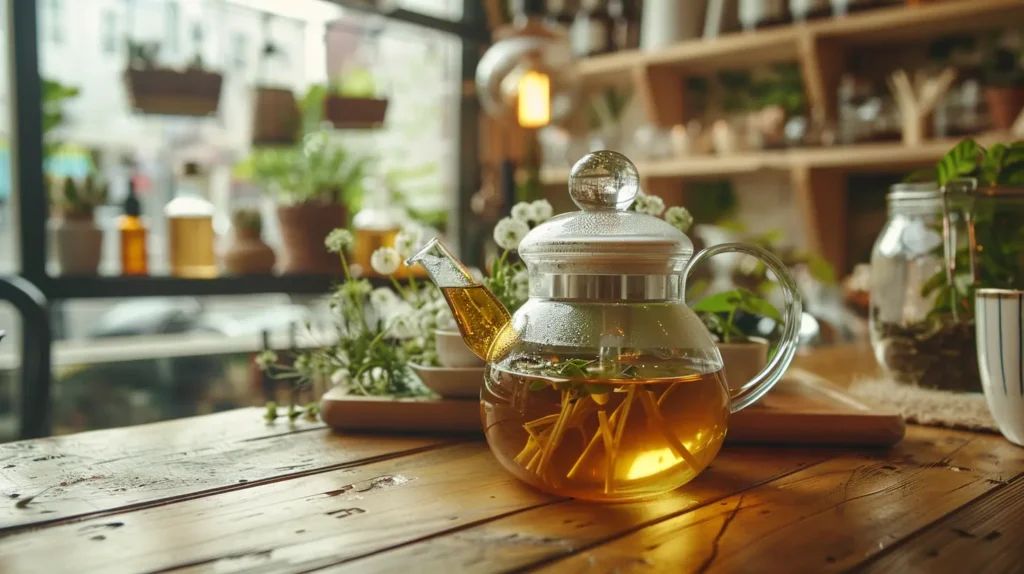
This traditional herbal tea reflects a classic Western approach to digestive ecology: support proper secretion, encourage coordinated movement, and create
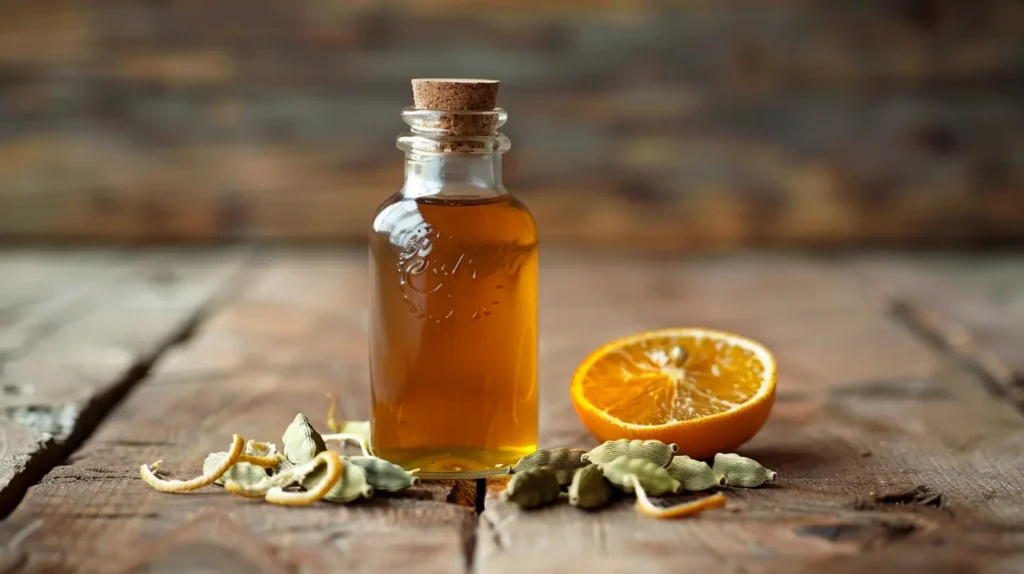
This aromatic syrup was traditionally prepared to gently ease digestive spasm and support comfort after meals.This syrup supports smooth digestive
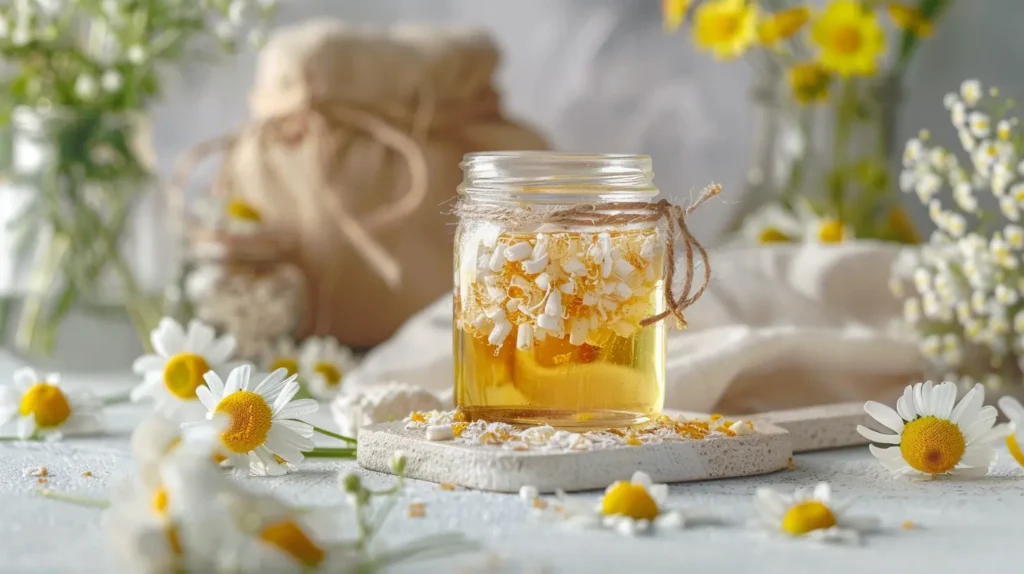
Demulcent and aromatic herbs are frequently combined when digestive tissue feels irritated.This preparation supports soothing hydration and calm digestive tone.
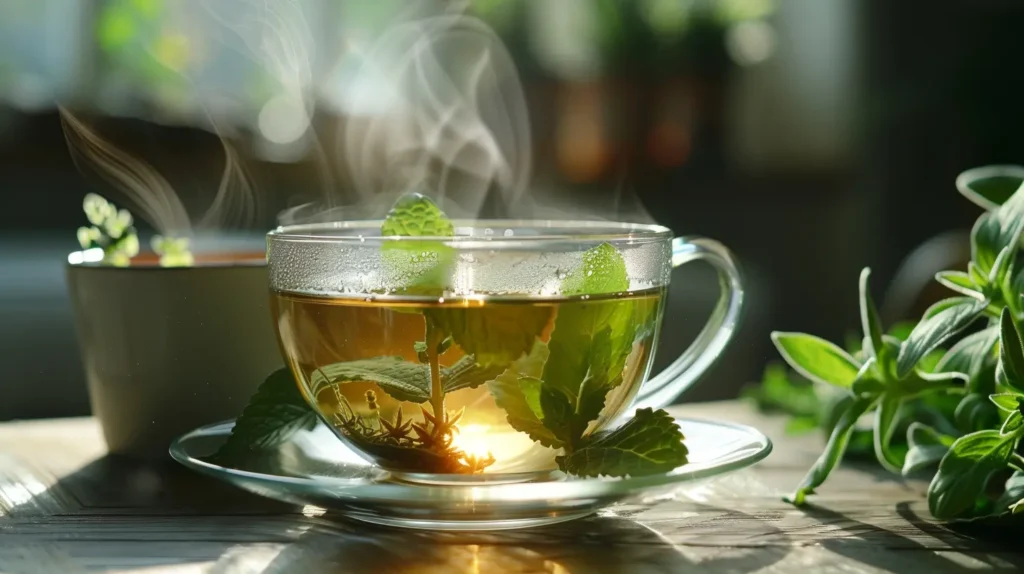
Peppermint and fennel are classic carminative herbs traditionally used to ease digestive spasm and excess activity.This tea gently supports coordinated
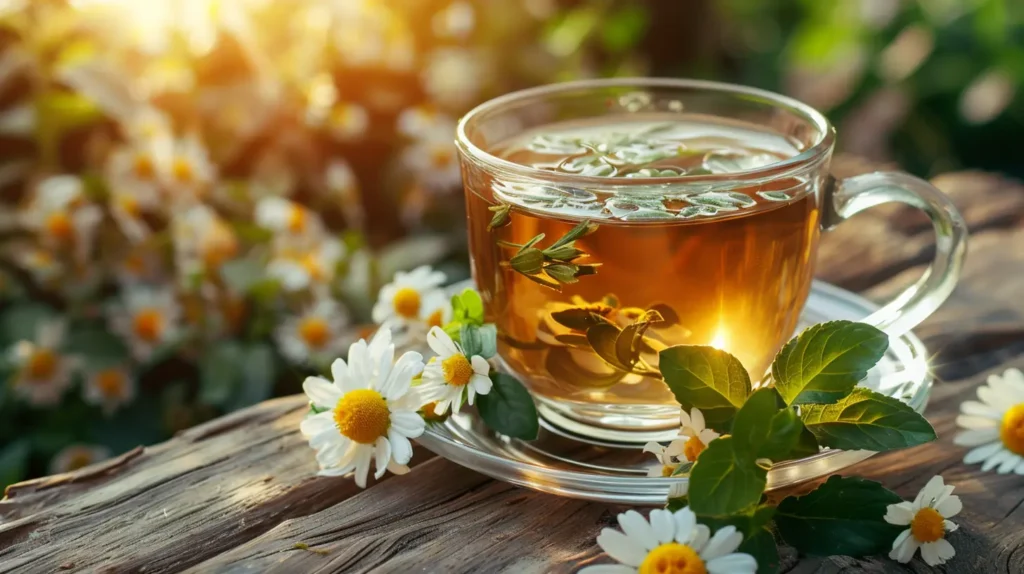
When digestion feels reactive or overly active, traditional herbalists often begin with gentle aromatic nervines. Chamomile and lemon balm have
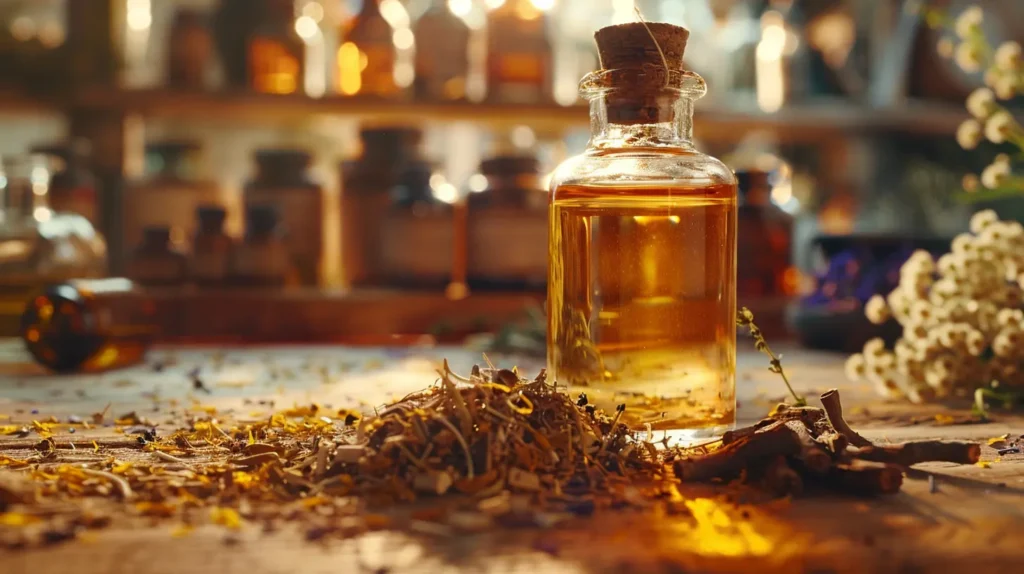
Glycerites offer a softer alternative to alcohol-based bitters. This preparation retains the traditional bitter principle while providing a milder flavor
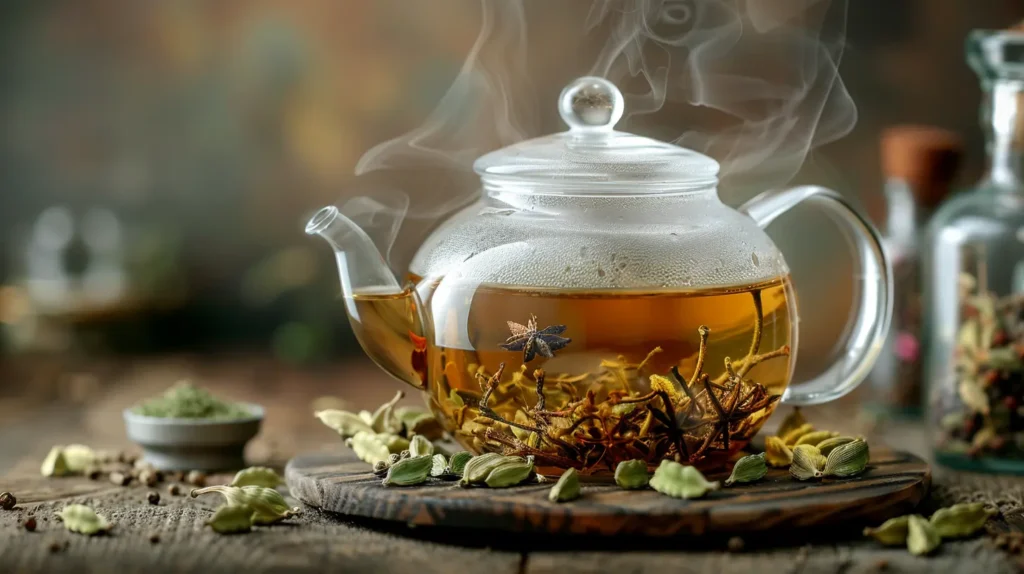
Seed teas are among the oldest digestive preparations. Aromatic seeds support coordinated movement in the digestive tract and have been
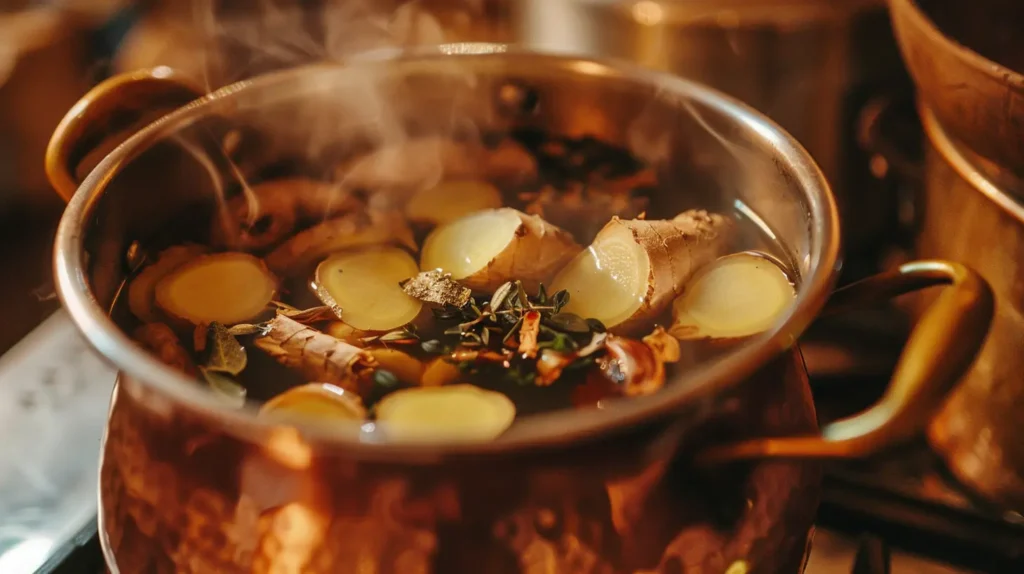
Root decoctions are traditional preparations designed to extract deeper constituents from dense plant materials. Dandelion root has long been used
Shop Herbs You Need Orange Peel Rated 0 out of 5 Buy product Gentian Root Rated 0 out of 5
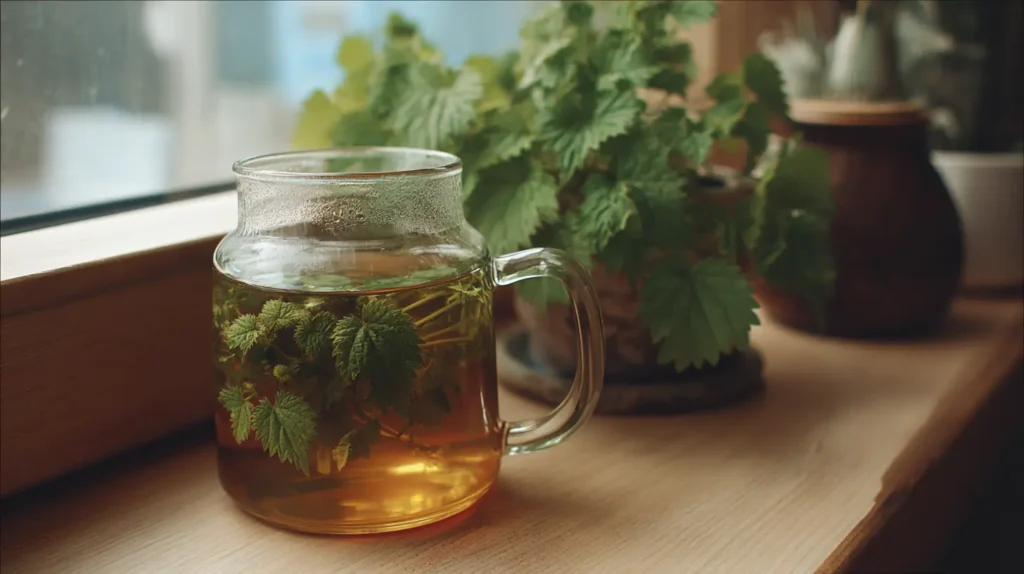
Morning herbal teas were traditionally chosen to support steadiness without overstimulation. When stress influenced immune patterns, herbalists favored gentle clarity
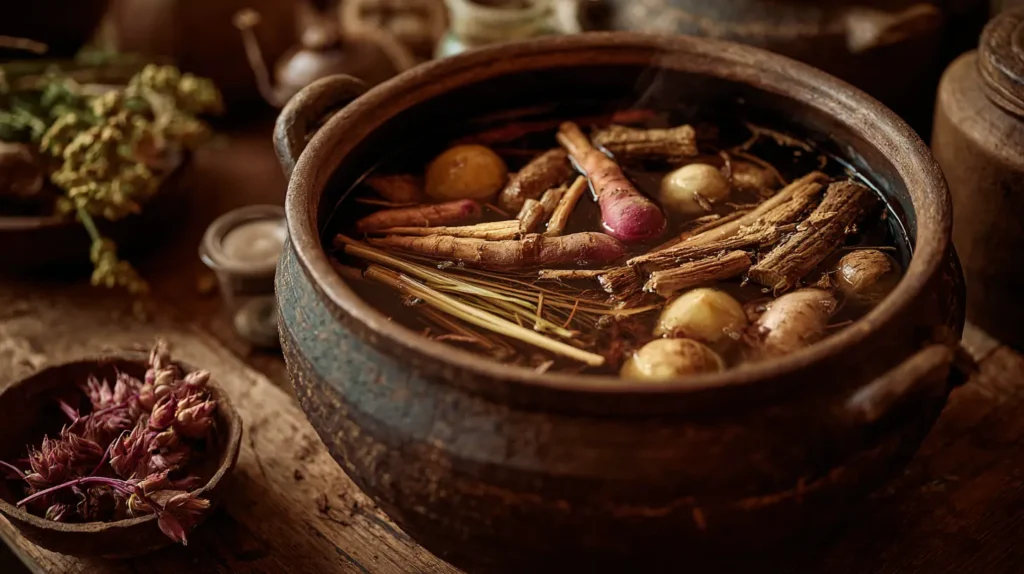
Roots associated with endurance and steadiness were traditionally used when long-term stress was thought to weaken resilience. Herbalists favored decoctions
Evening teas were traditionally used to mark the transition from activity to rest. Herbalists often relied on calming plants to
Traditional Western herbalists recognized that prolonged stress could quietly wear down immune resilience by exhausting the nervous system. Rather than
Daily infusions were traditionally favored for ongoing seasonal patterns. Herbalists emphasized simplicity and consistency.This infusion supports seasonal immune sensitivity through
As seasons cooled, herbalists often shifted toward warming roots. Decoctions were traditionally used to help the body adapt to environmental
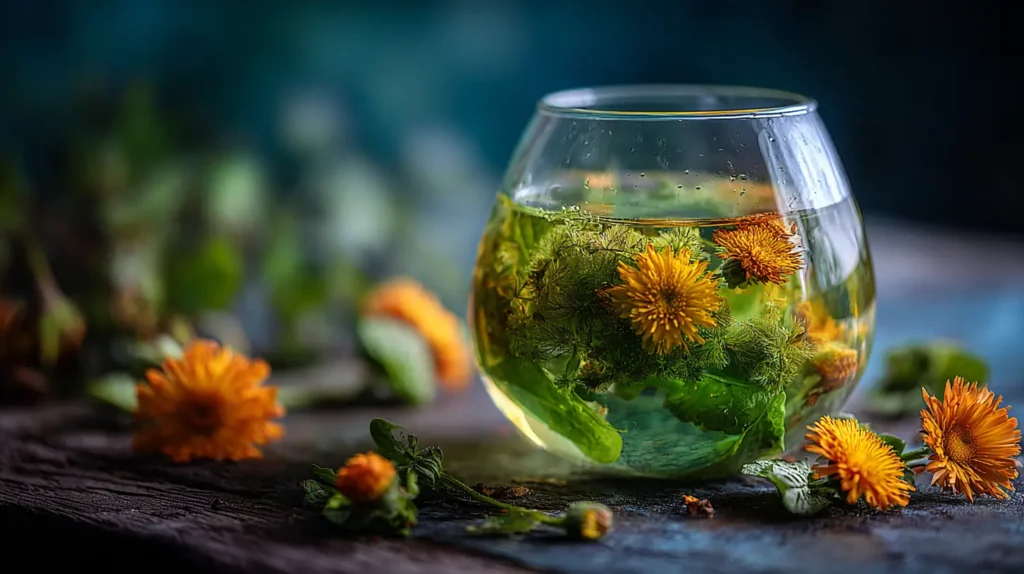
Seasonal sensitivity was traditionally addressed through gentle clearing and movement. Light, leafy herbs were commonly infused rather than simmered.This infusion
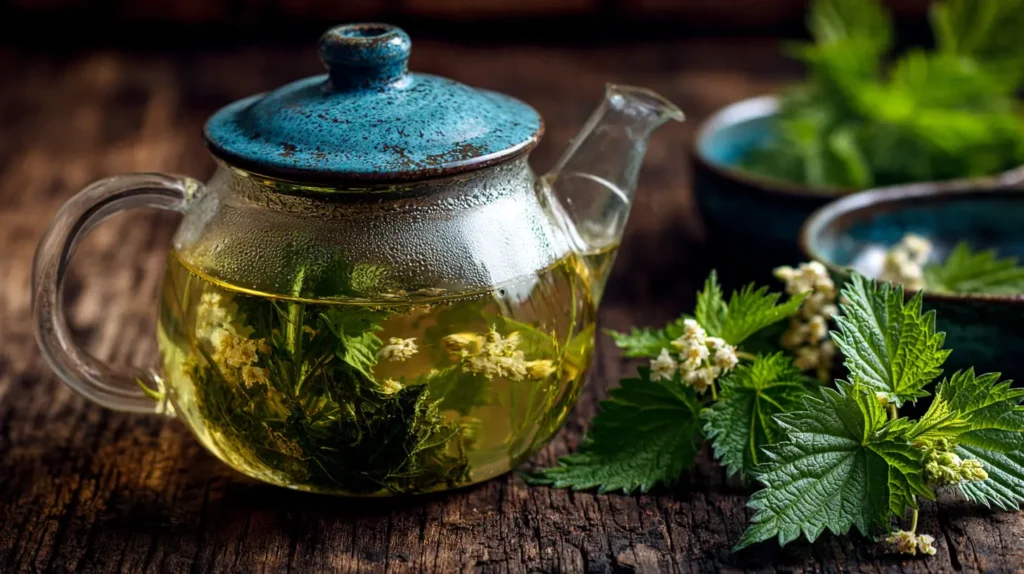
Western herbalists often prepared gentle teas at seasonal shifts to support adaptability. These blends emphasized mild, balancing herbs rather than
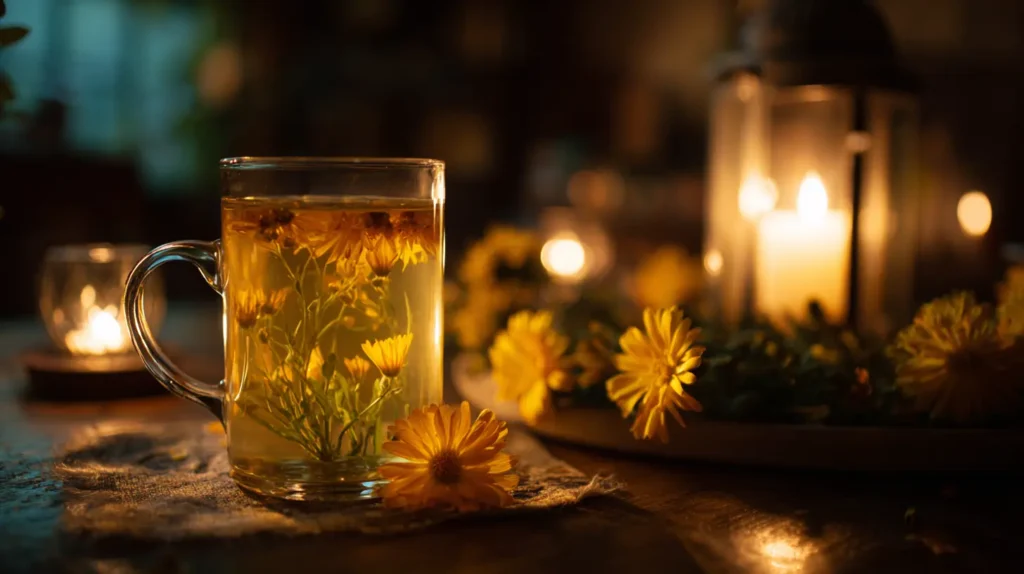
Evening teas have long been used to support rest and recovery. Herbalists recognized rest as central to rebuilding, choosing calming
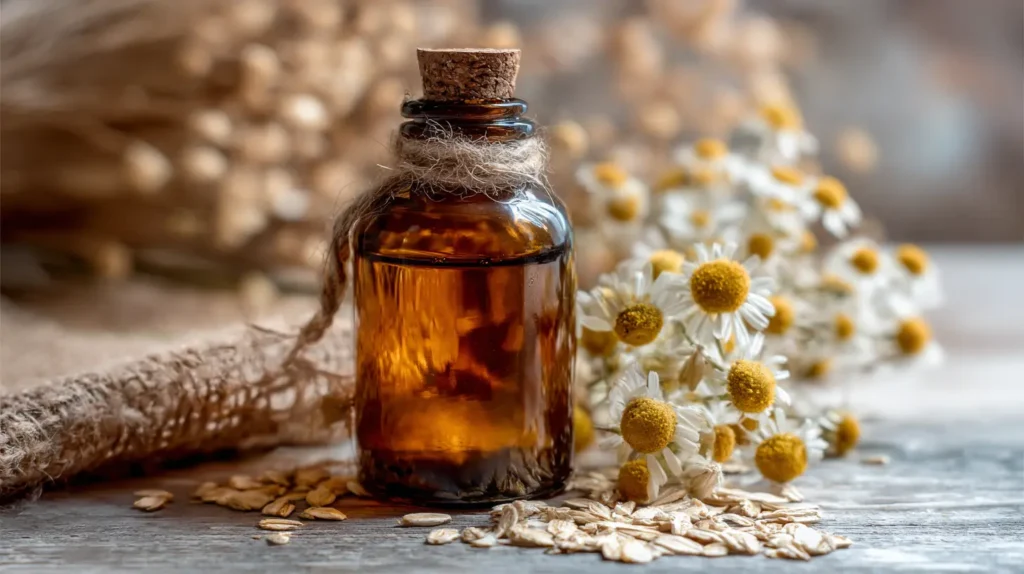
Glycerites were traditionally prepared for those needing mild, palatable herbal support. Herbalists often chose this form during recovery when strength
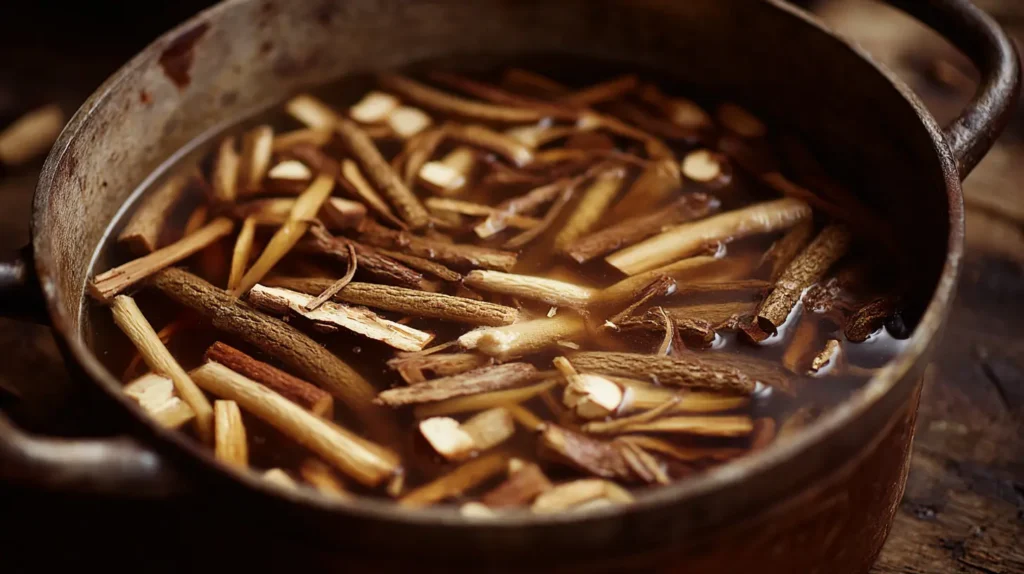
Roots were traditionally favored during recovery for their grounding and sustaining qualities. Herbalists often relied on slow decoctions to support
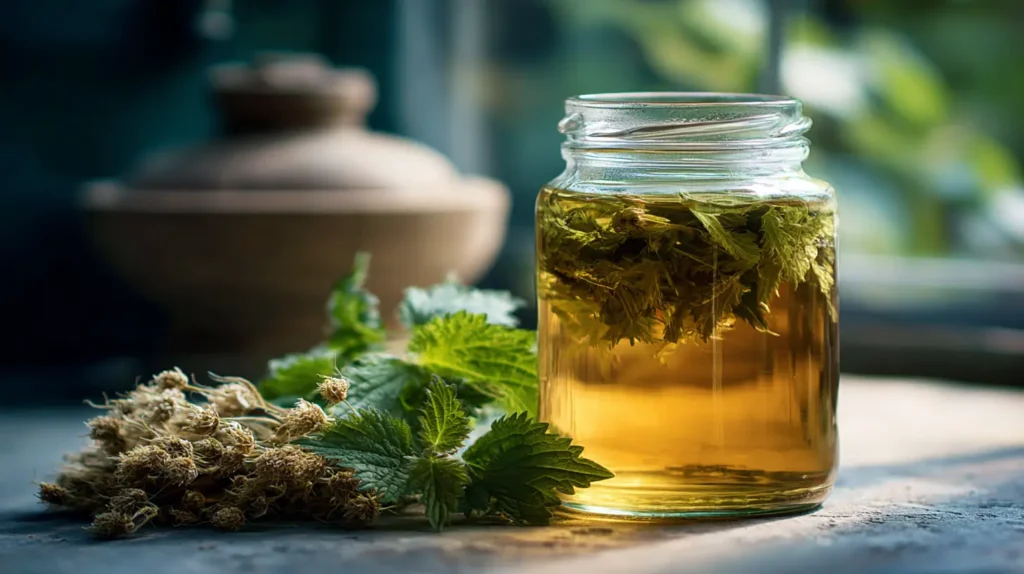
After periods of illness, Western herbalists traditionally emphasized rebuilding rather than stimulation. Long infusions of nourishing plants were commonly used
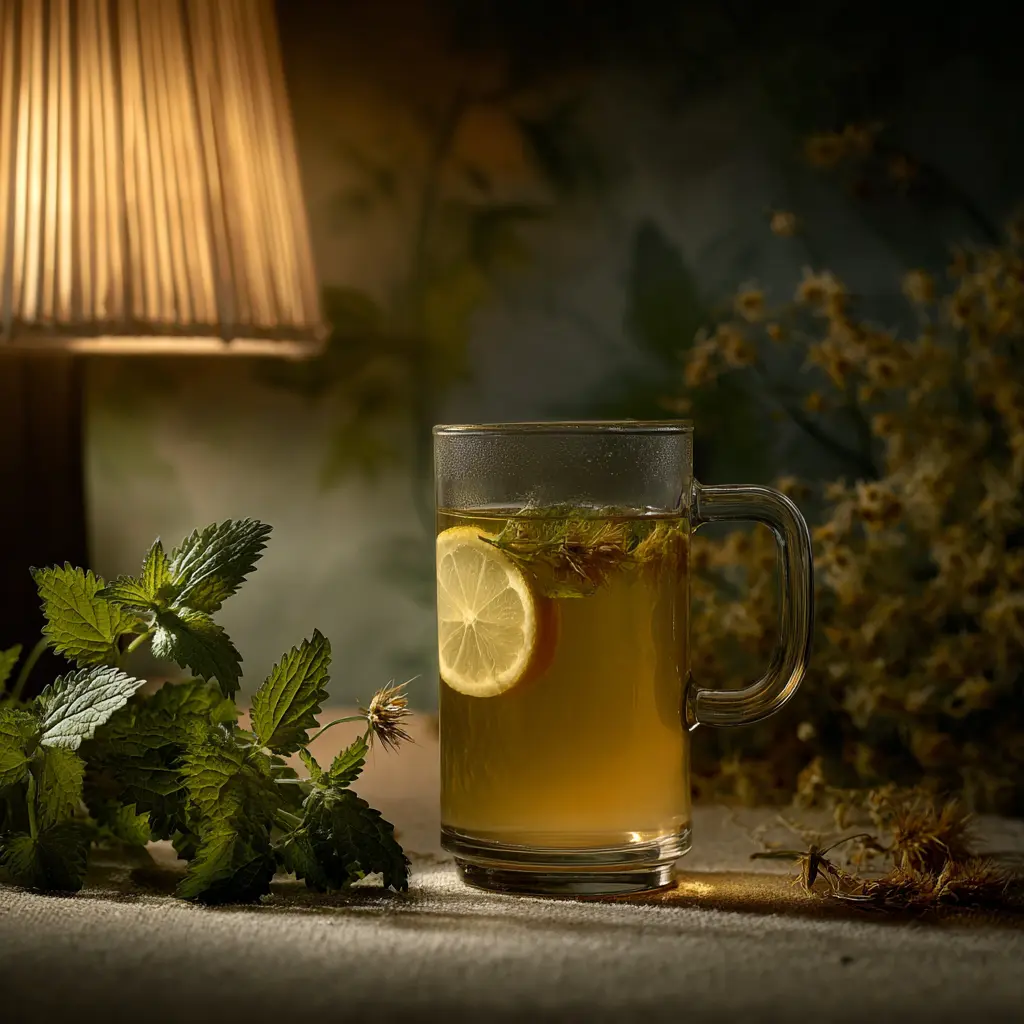
Western herbalists recognized the close relationship between the nervous system and immune balance. Gentle nervine herbs were often used in
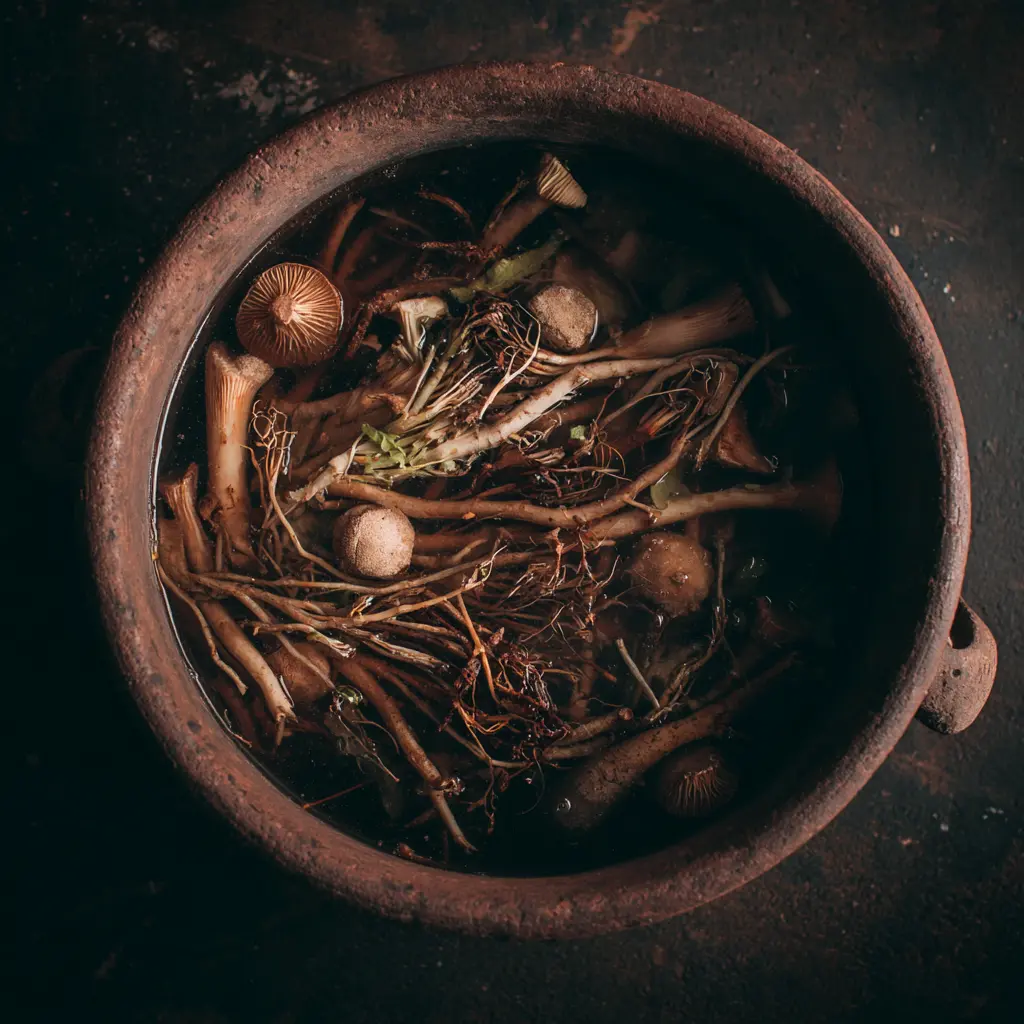
Bitter roots were traditionally used to ground and regulate rather than stimulate. Herbalists often chose these plants when excess or
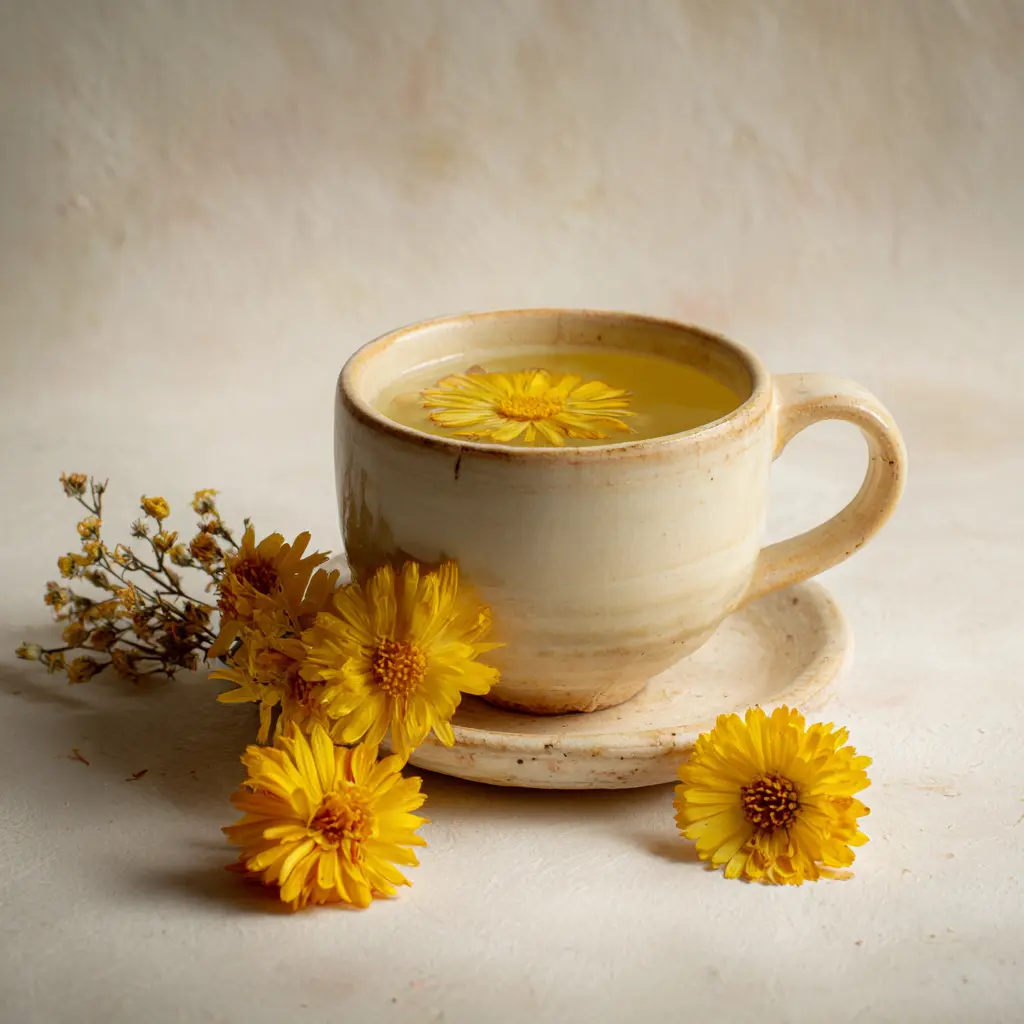
Floral herbs have long been associated with soothing and softening qualities in Western herbalism. They were often chosen when tension
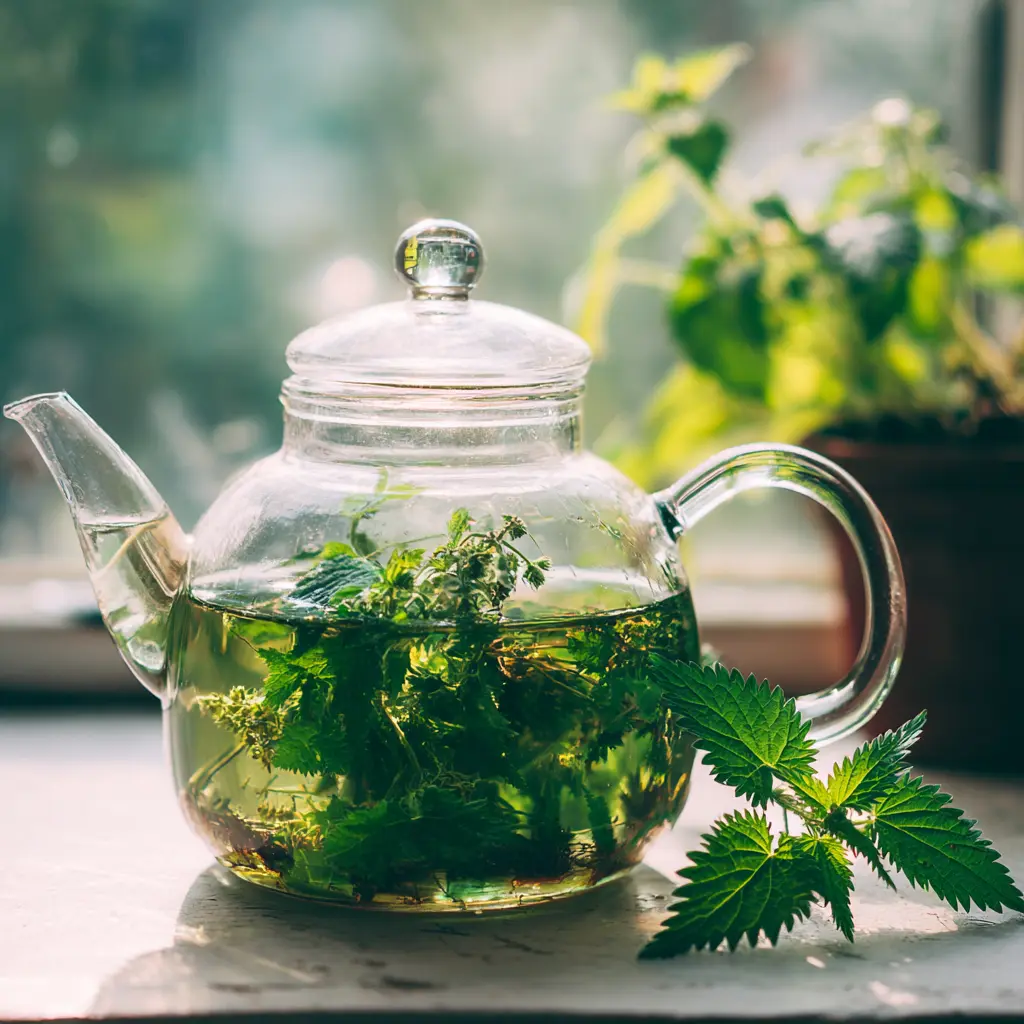
When signs of heat or irritation appeared, Western herbalists often shifted toward cooling, moistening plants. Gentle green herbs were commonly
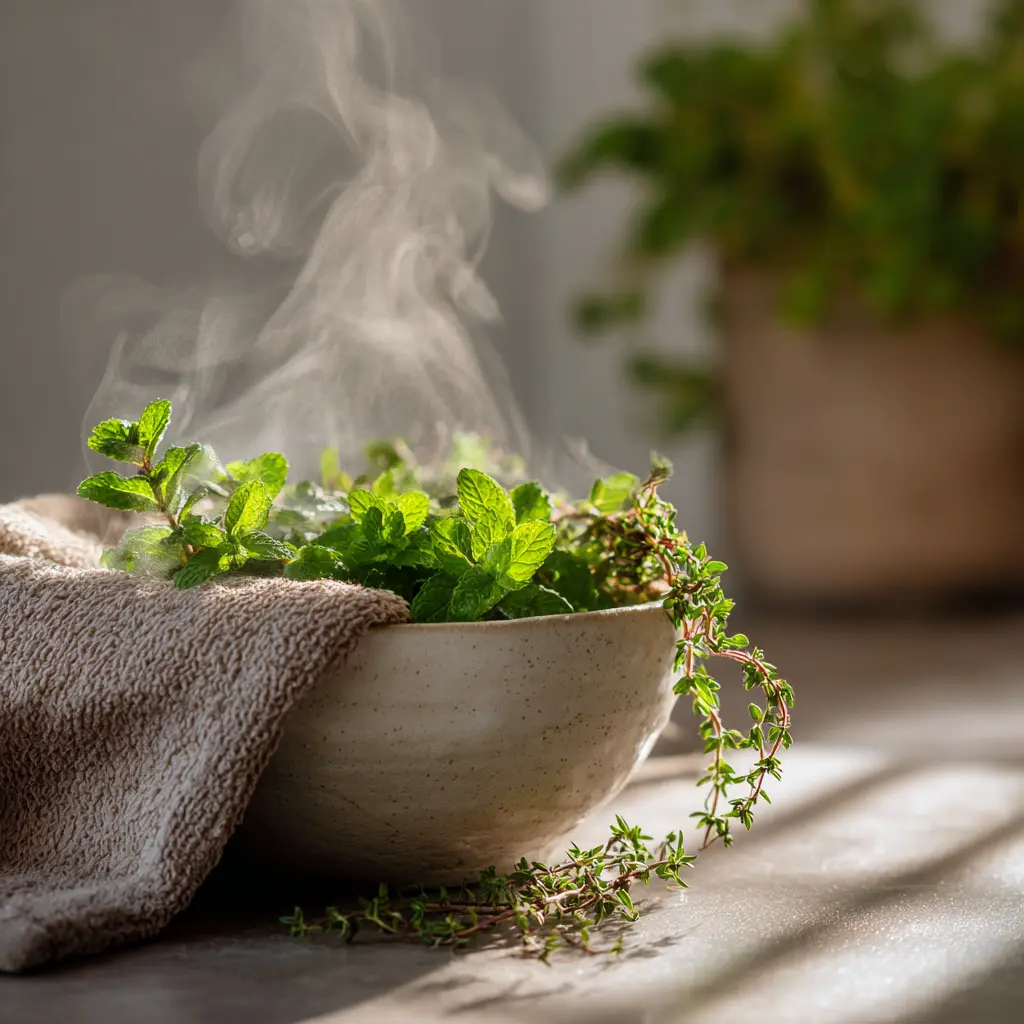
Steam preparations were traditionally used to provide comfort through warmth and aroma during acute immune challenges. Herbalists valued this approach
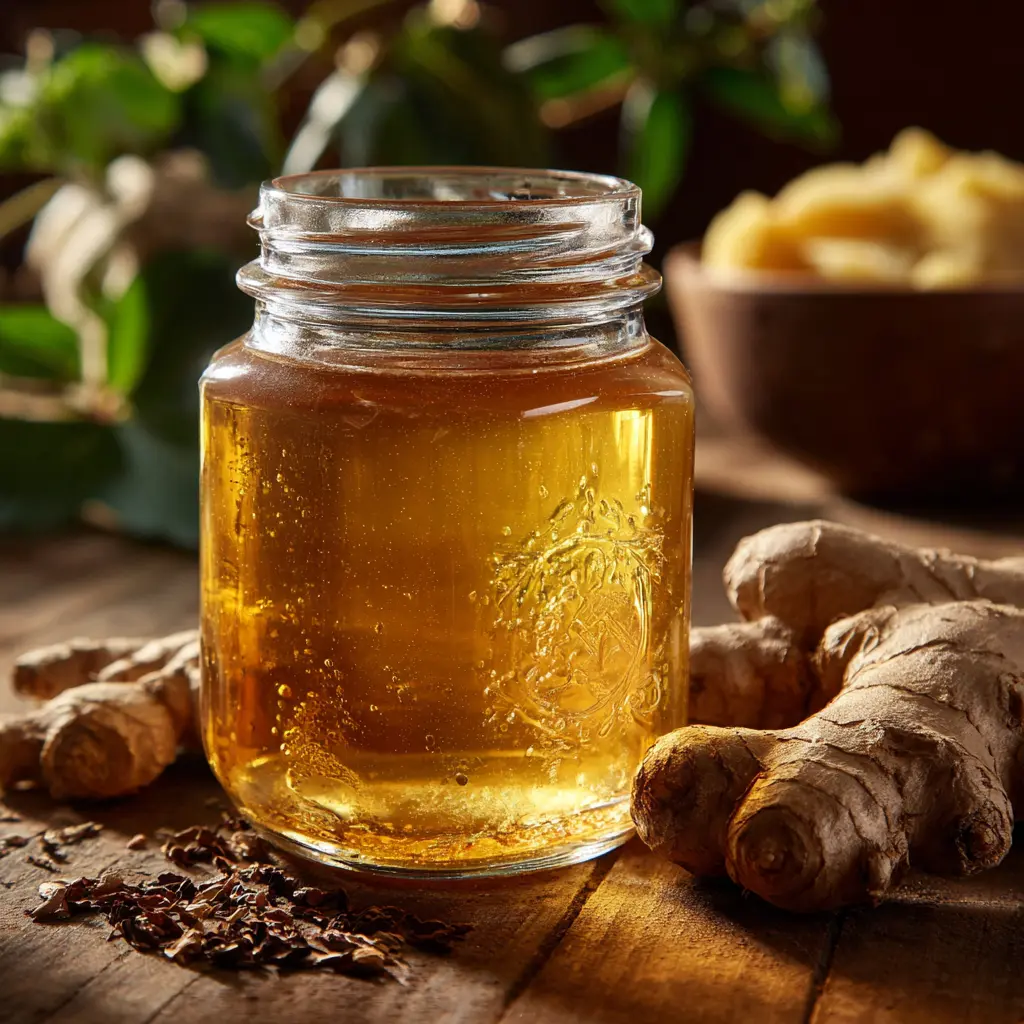
Shop Herbs You Need Horseradish Powder Rated 0 out of 5 Buy product Ginger Root Rated 0 out of 5
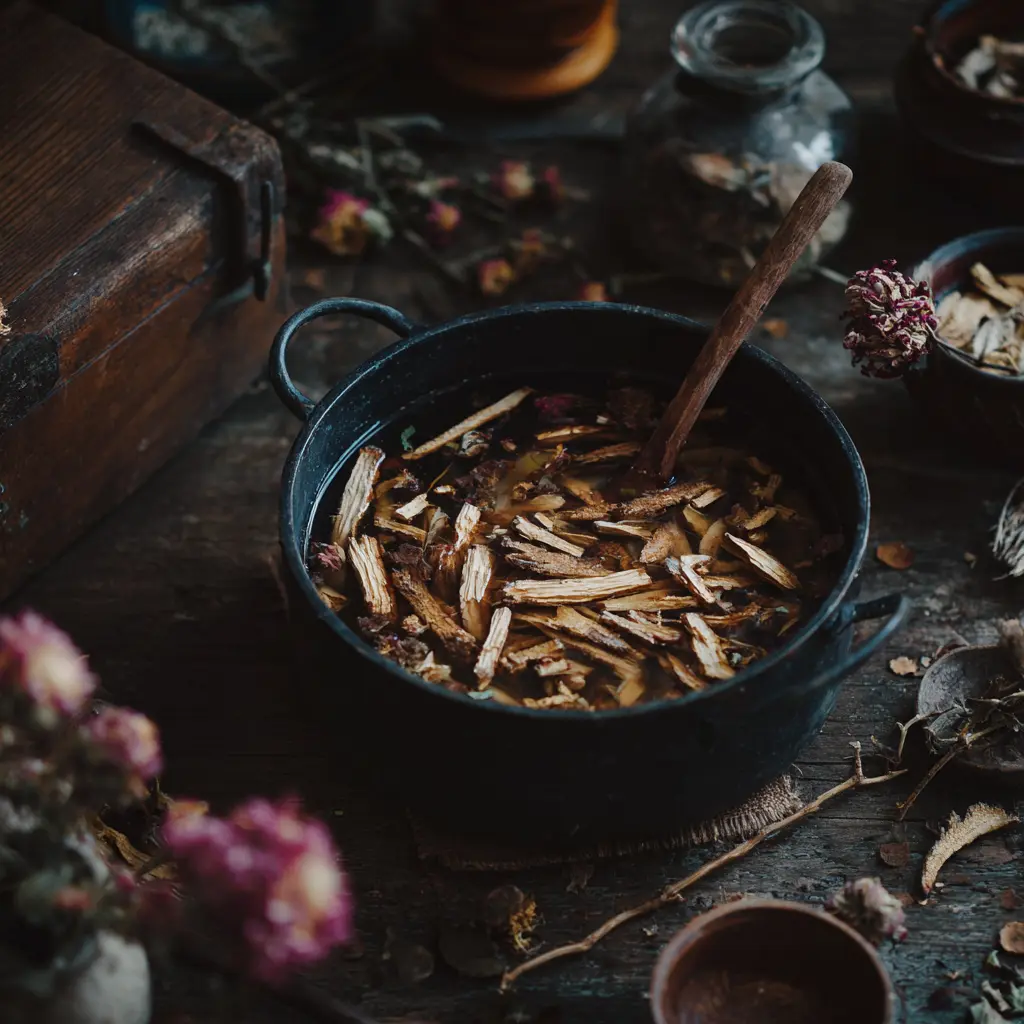
When early immune strain appeared, herbalists often turned to roots prepared as brief decoctions. This method allowed deeper extraction while
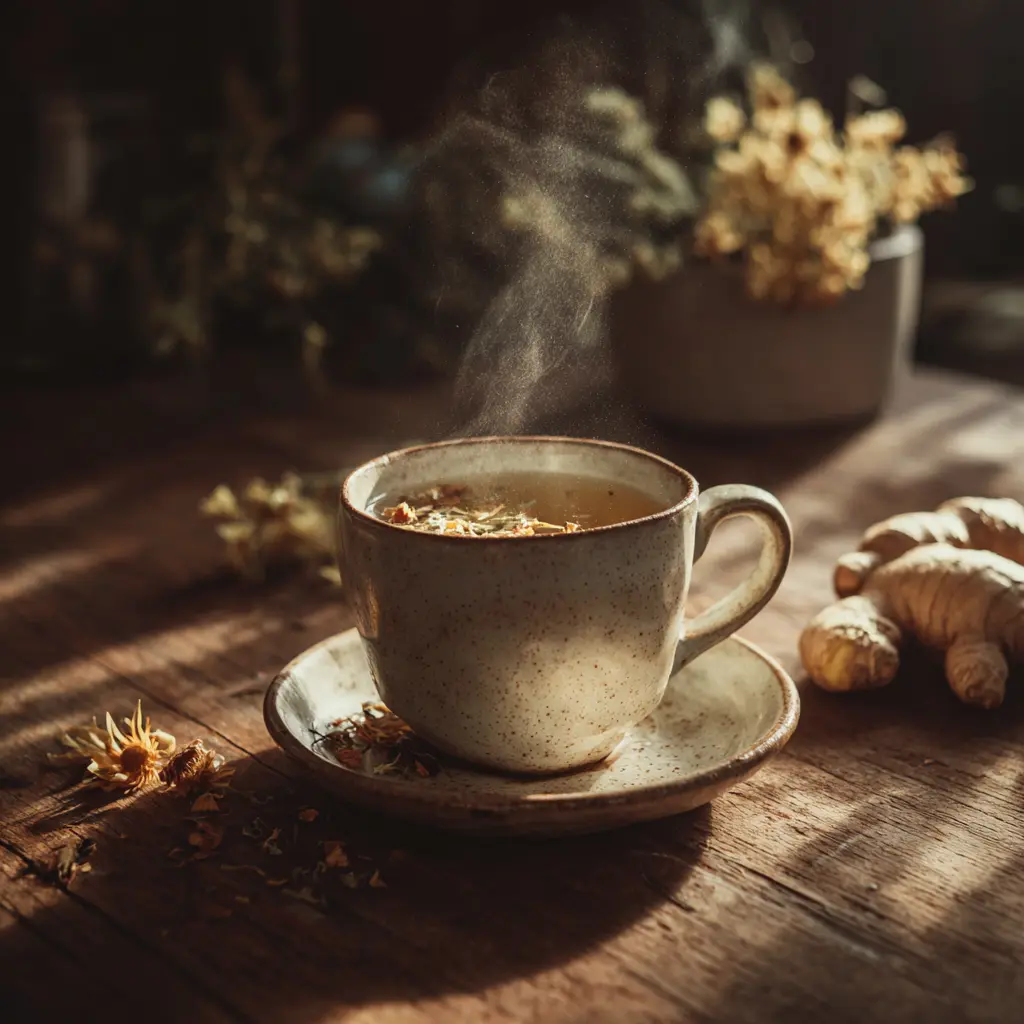
In traditional Western herbalism, acute immune challenges were often met with warmth, simplicity, and short-term support rather than prolonged intervention.
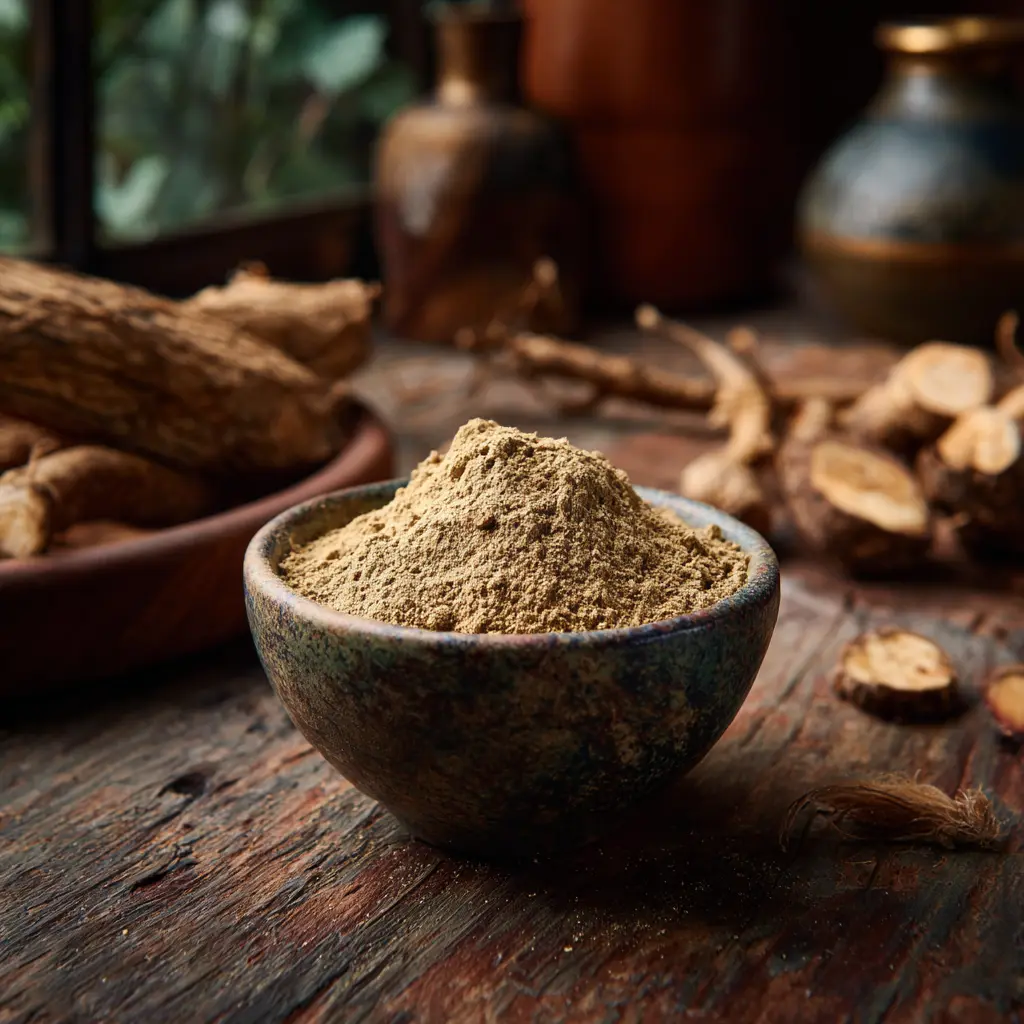
Powdered herbs were traditionally used when convenience and long-term use were important. Western herbalists often prepared simple root powders to
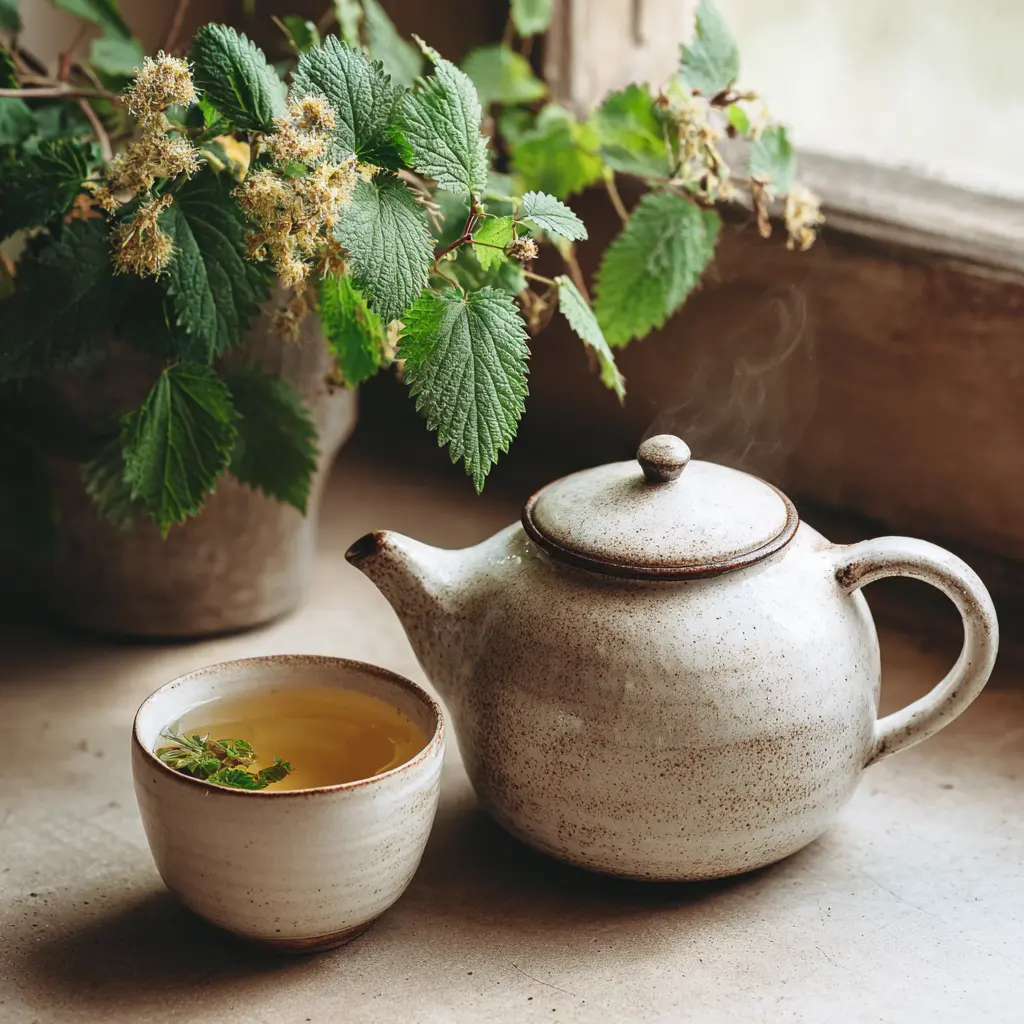
In traditional Western herbalism, low immune resilience was often addressed through simple, repeatable daily teas rather than complex formulas. Herbalists
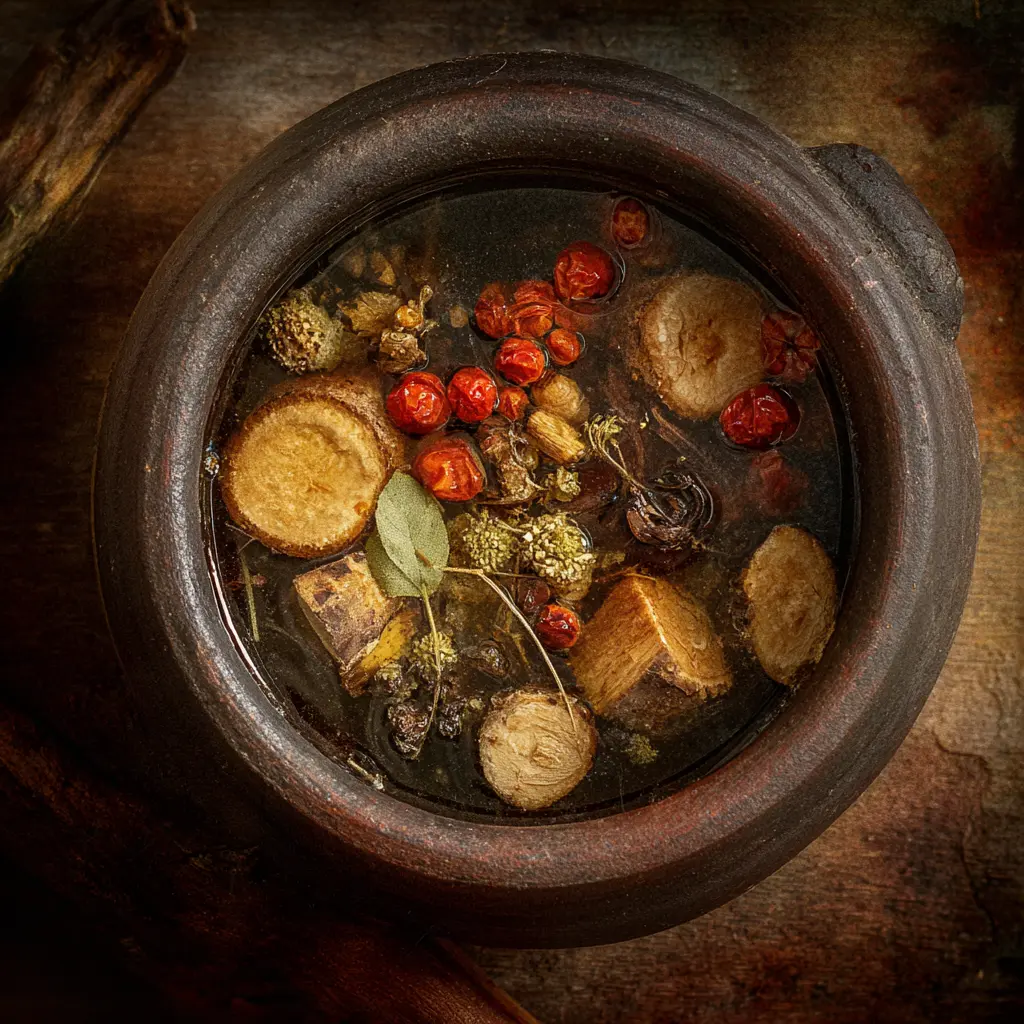
Western herbalists often turned to roots and berries when long-term strength needed rebuilding. This decoction reflects that approach, relying on
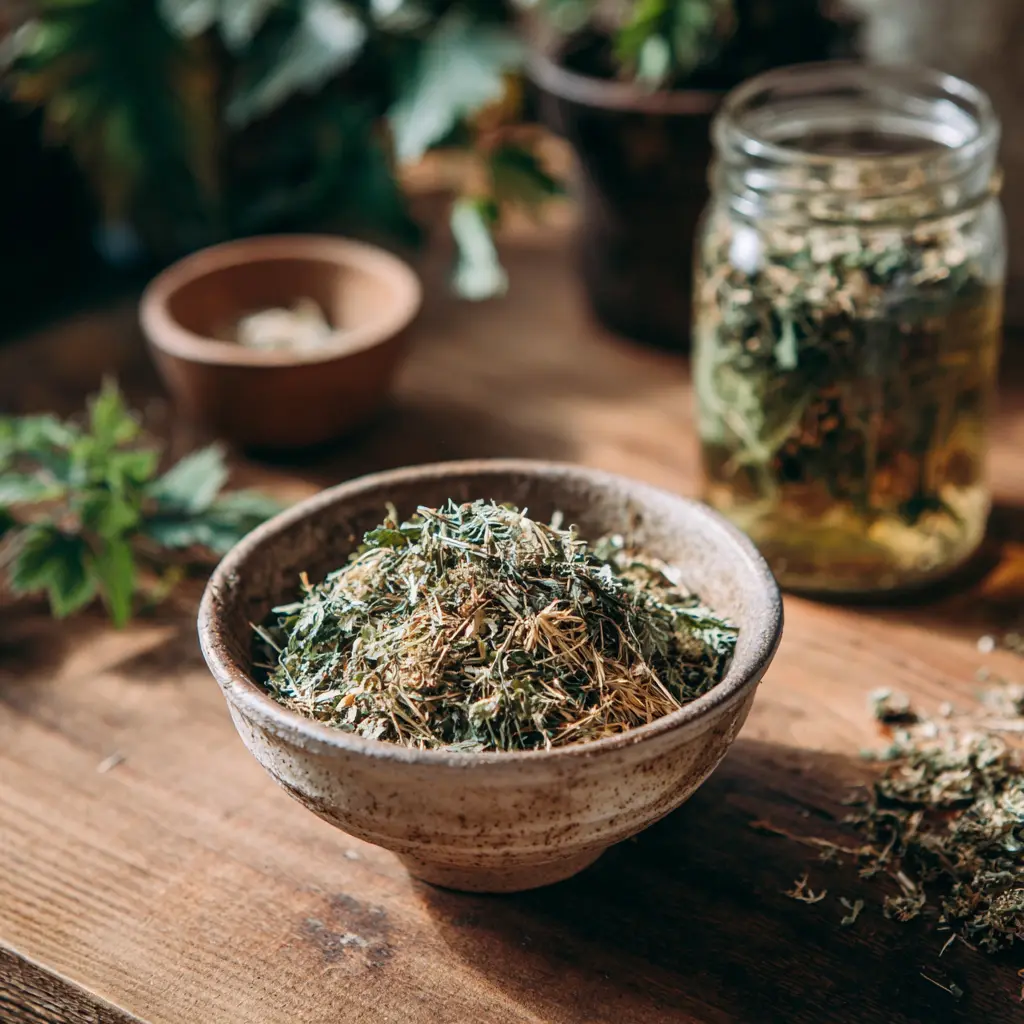
This infusion reflects a traditional Western herbal approach to low immune resilience rooted in nourishment rather than stimulation. Herbalists historically
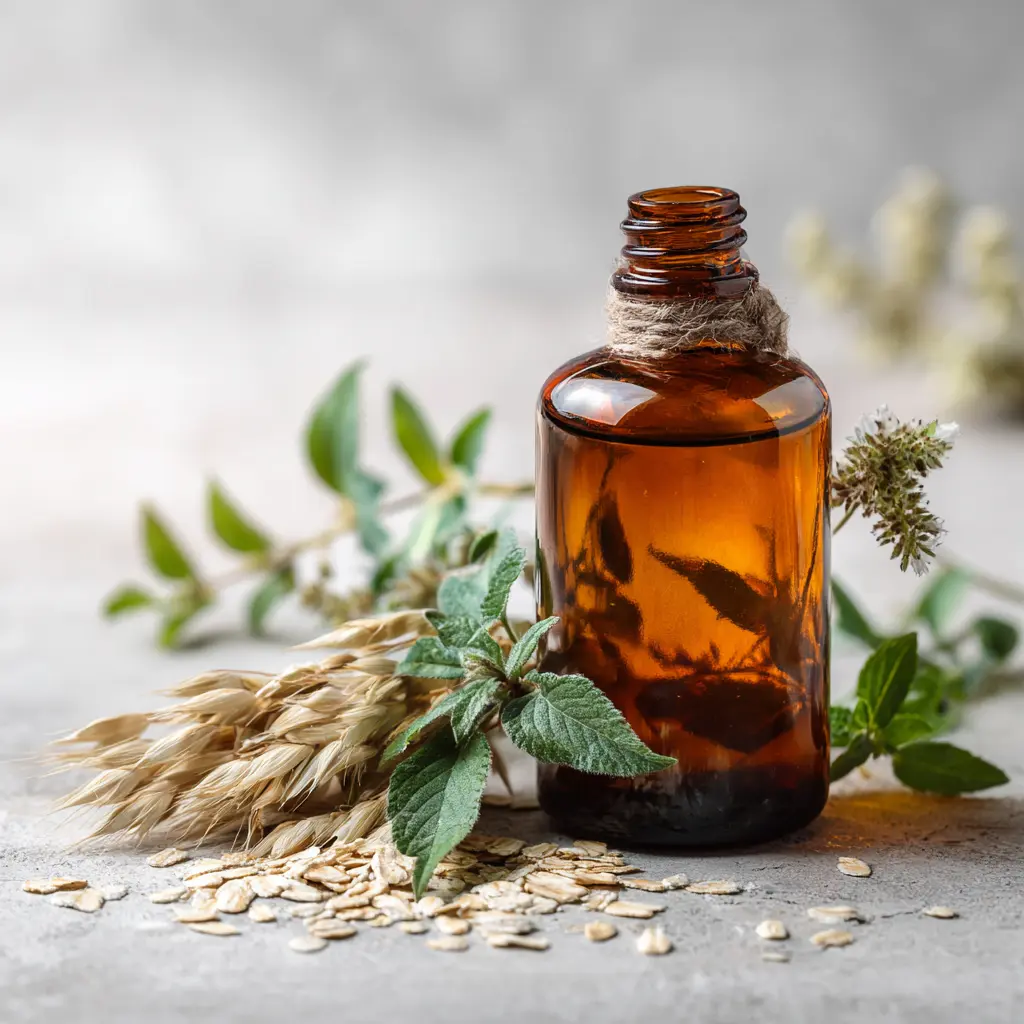
Milky Oat and Sculcap Glycerite for Evening Wind-Down Alcohol-free glycerites were historically favored for their sweetness and approachability, especially when
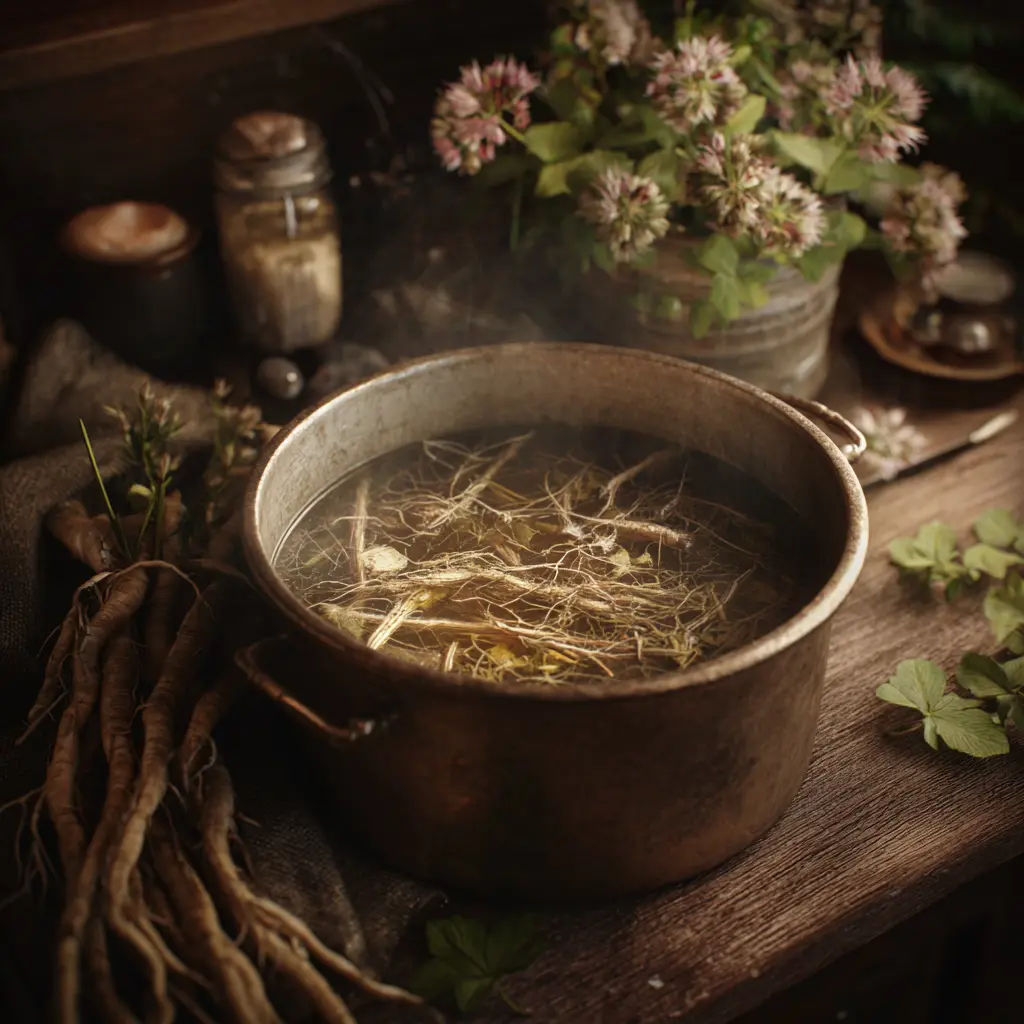
When stress was understood as cumulative and depleting, herbalists often turned to roots prepared as decoctions. These long-simmered preparations were
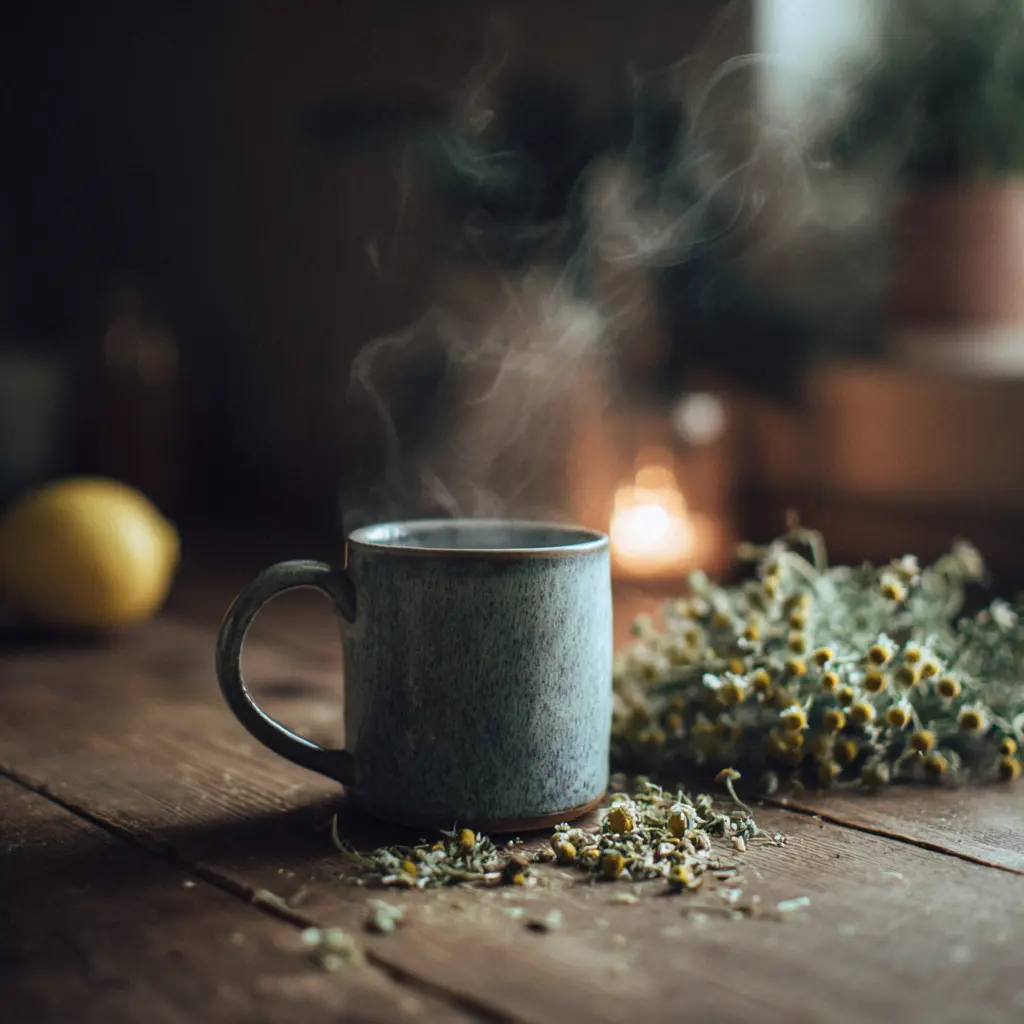
Traditional Western herbalists often approached sleep disturbance not as a problem to suppress, but as a signal of a mind
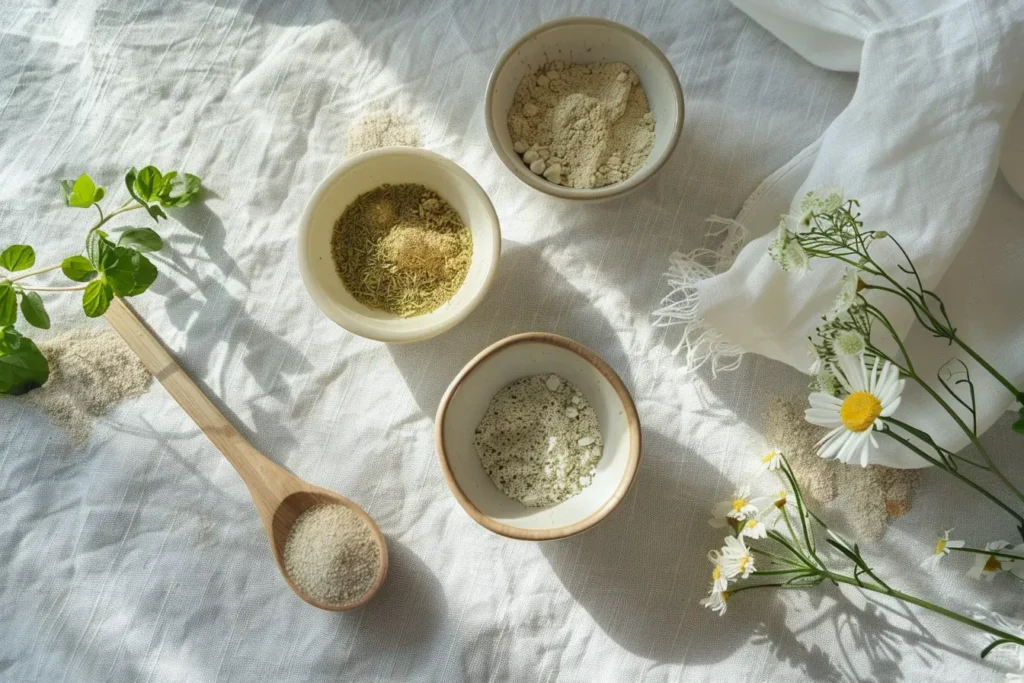
Powdered herbal blends were traditionally used when simplicity and consistency were needed. Herbalists often relied on powders as an easy
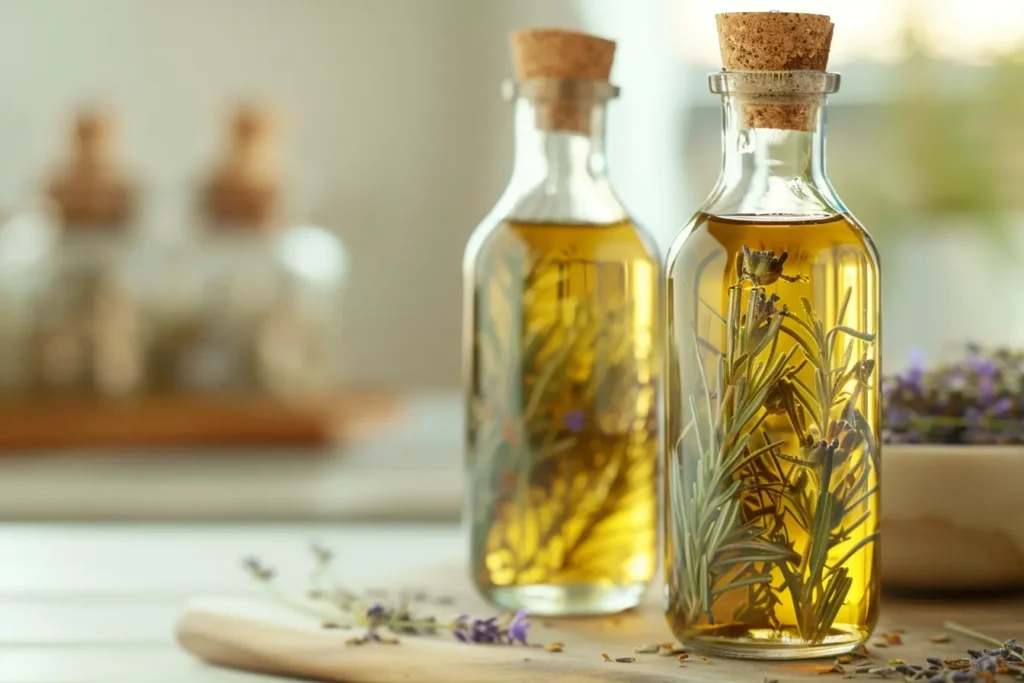
Herbalists have long recognized that mental overload often shows up as physical tension and restlessness. Infused oils were traditionally used
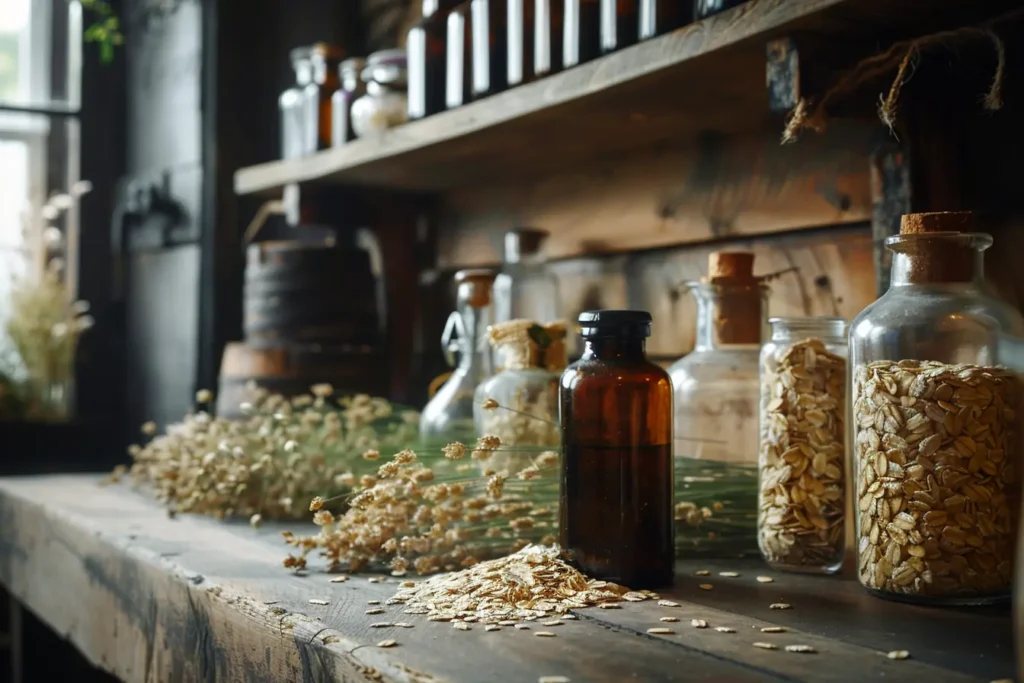
Milky oat tinctures were traditionally prepared when mental strain was understood as cumulative rather than sudden. Herbalists valued this preparation
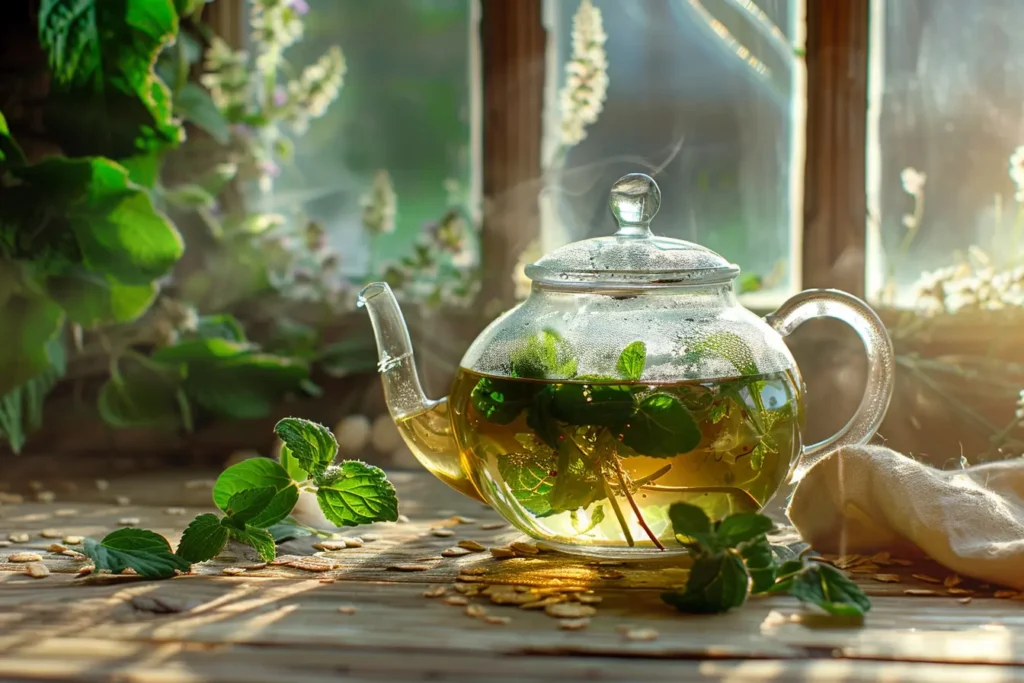
This gentle infusion reflects a traditional herbal approach to mental overload that emphasizes nourishment rather than stimulation. Herbalists historically turned
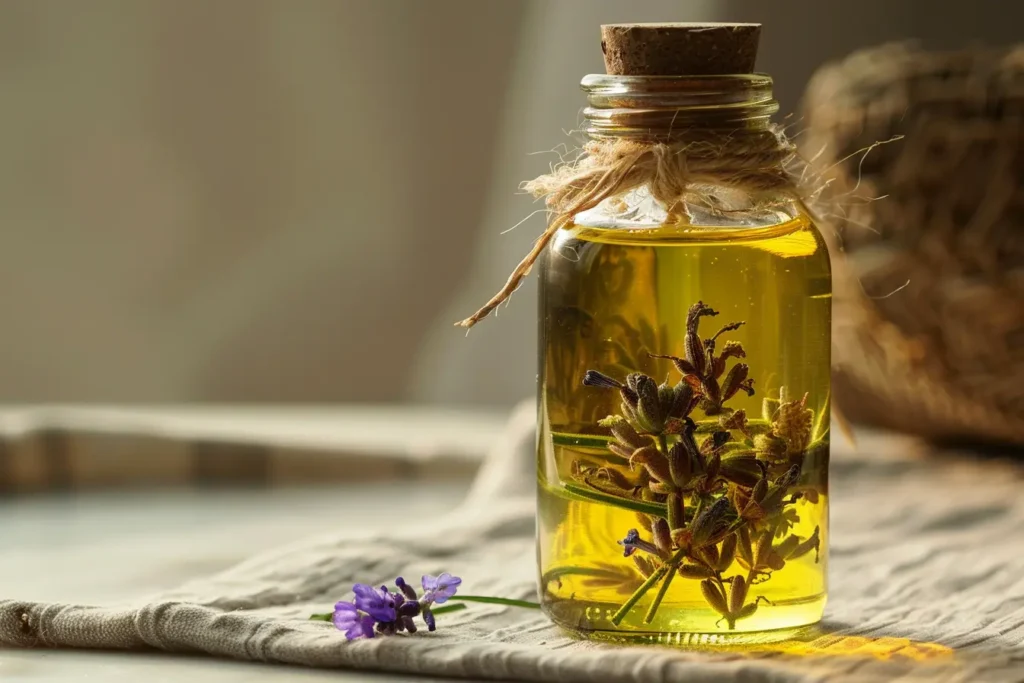
Not all stress-related muscle tension was addressed internally. Traditional Western herbalists frequently prepared infused oils to support physical relaxation through
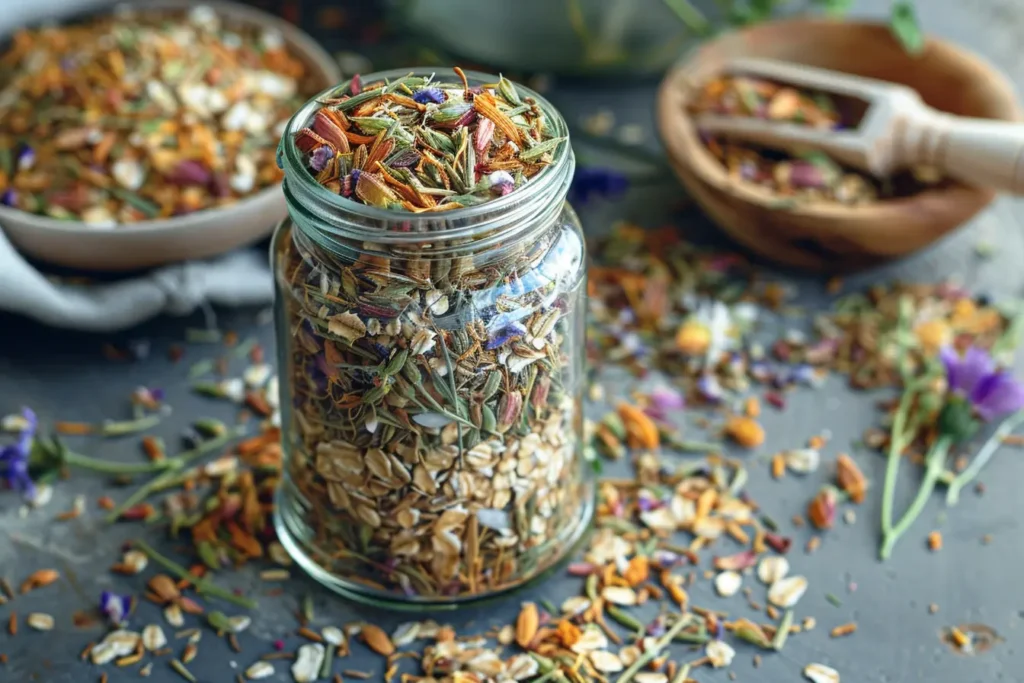
Western herbalists often understood chronic muscle tension as rooted in nervous system fatigue rather than overuse alone. In these cases,
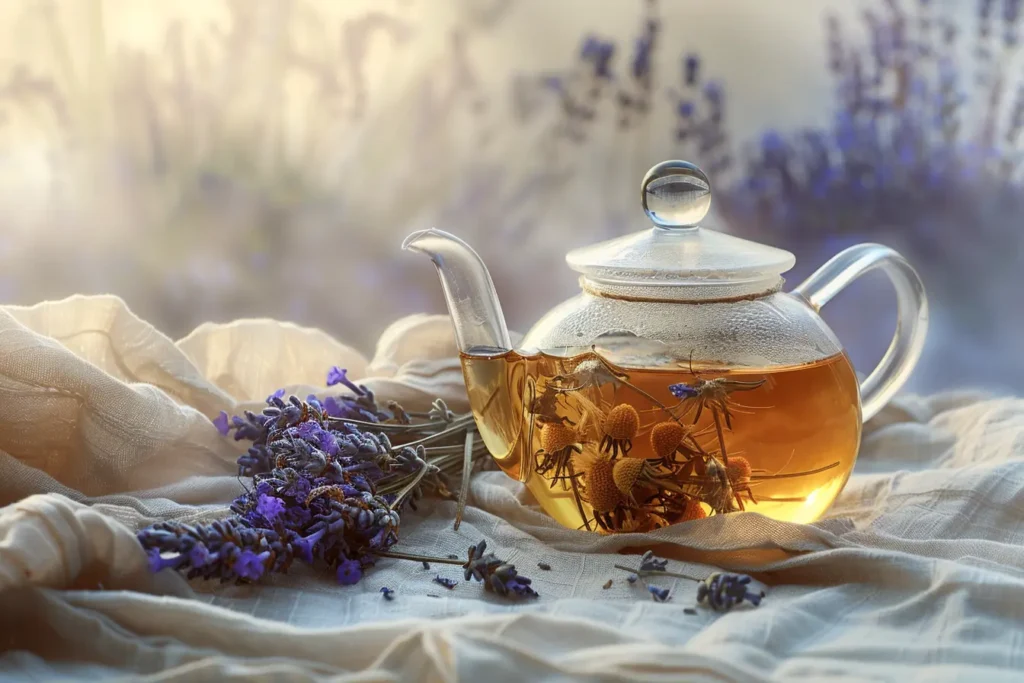
When muscle tension was linked to emotional strain or restlessness, herbalists often turned to aromatic nervine herbs prepared gently as
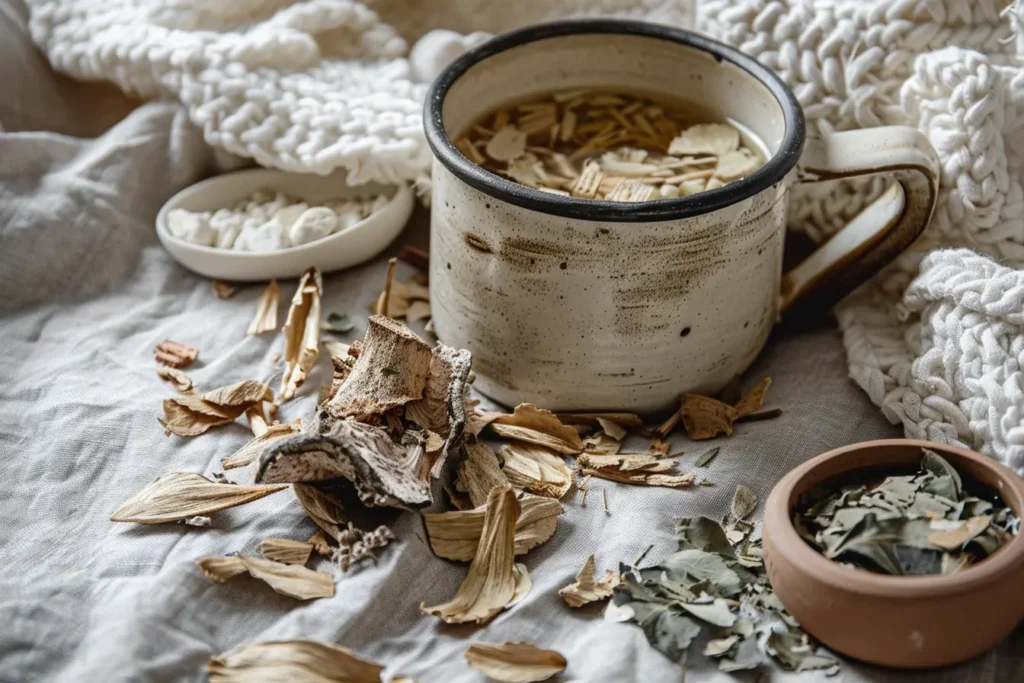
Traditional Western herbalists often viewed muscle tension as a physical expression of prolonged nervous strain. When tightness and holding were
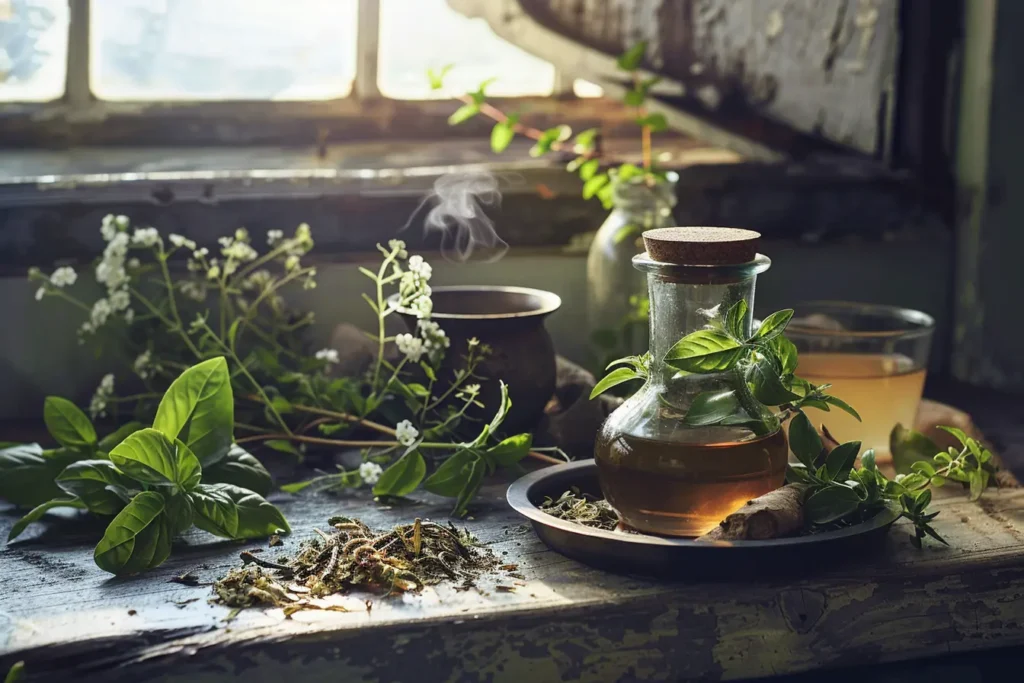
When nervous tension and anxiety were understood as part of long-term stress rather than acute episodes, herbalists often turned to
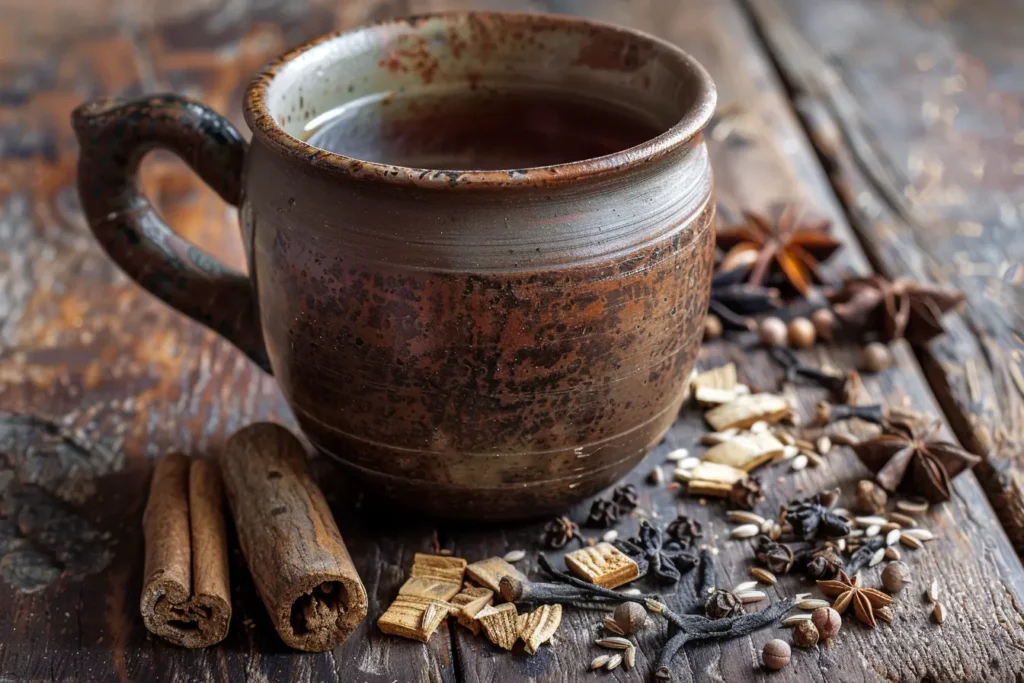
When anxiety is accompanied by physical tightness or a sense of holding, Western herbalists often turned to antispasmodic and aromatic
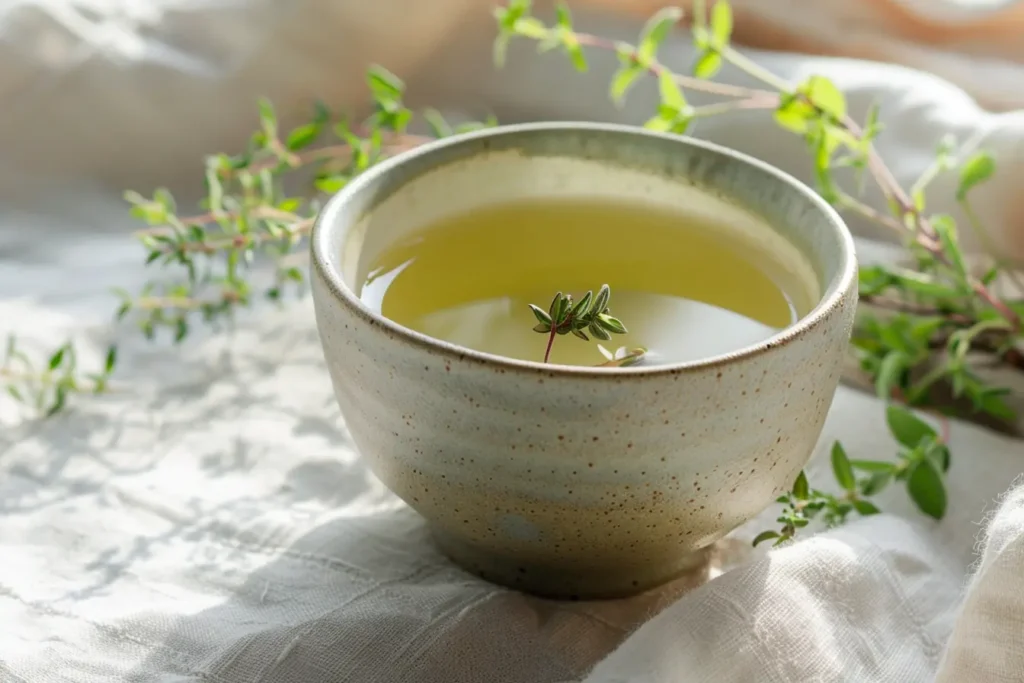
Some forms of nervous tension show up as mental overload rather than physical agitation. In these cases, herbalists historically chose
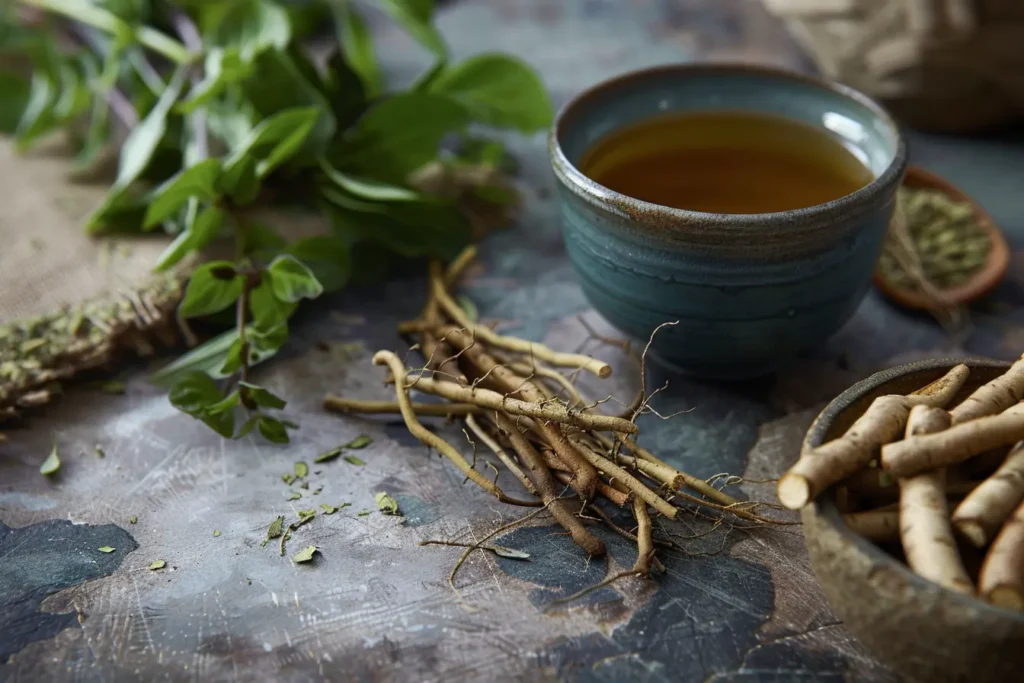
When nervous tension is tied to long-term stress and emotional fatigue, Western herbalists often favored grounding roots and balancing aromatic
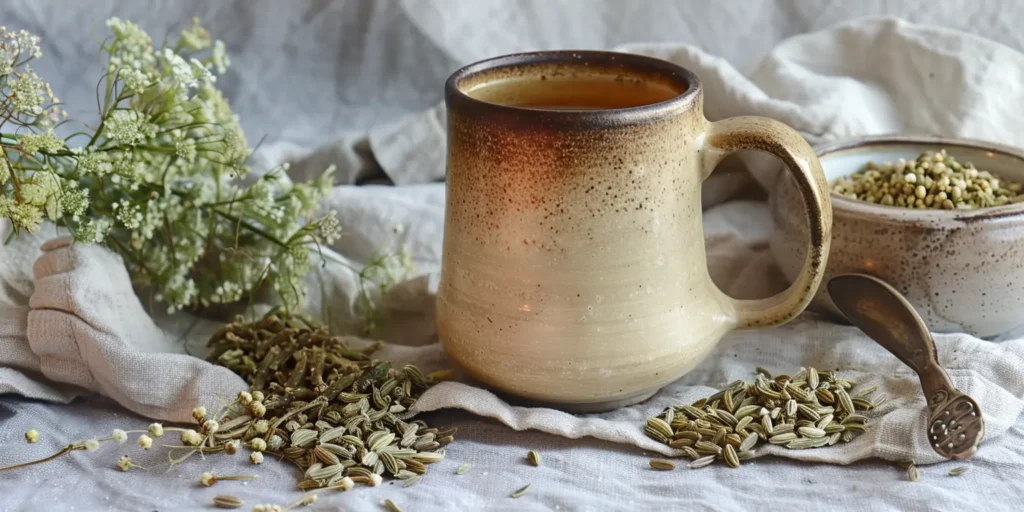
Acute stress can sometimes arrive with a heavy, restless edge, where the body feels tense and the mind has trouble
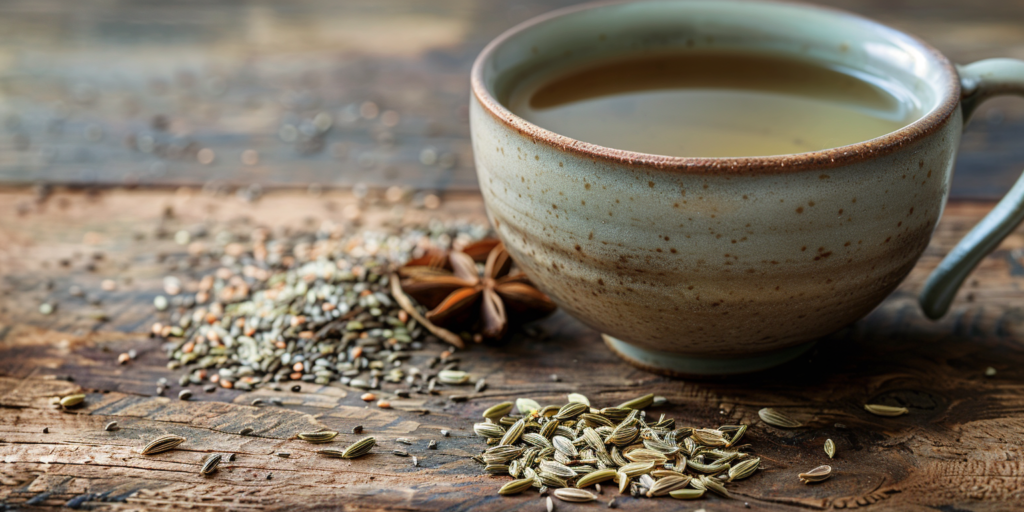
Acute stress often shows itself through the digestive system, and Western herbalists historically addressed this connection directly. Aromatic seeds such
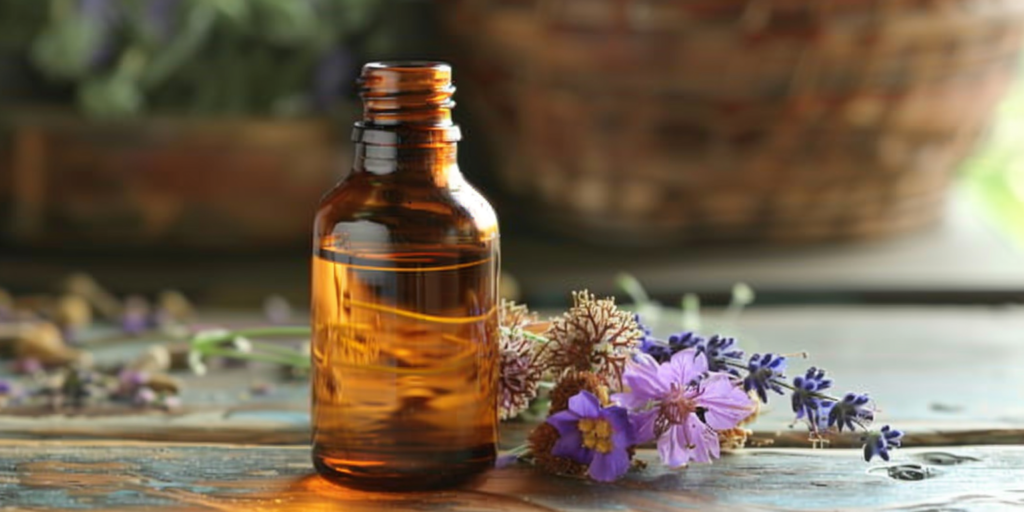
For sudden nervous tension, herbalists often relied on tinctures for their portability and immediacy. Skullcap and passionflower were traditionally combined
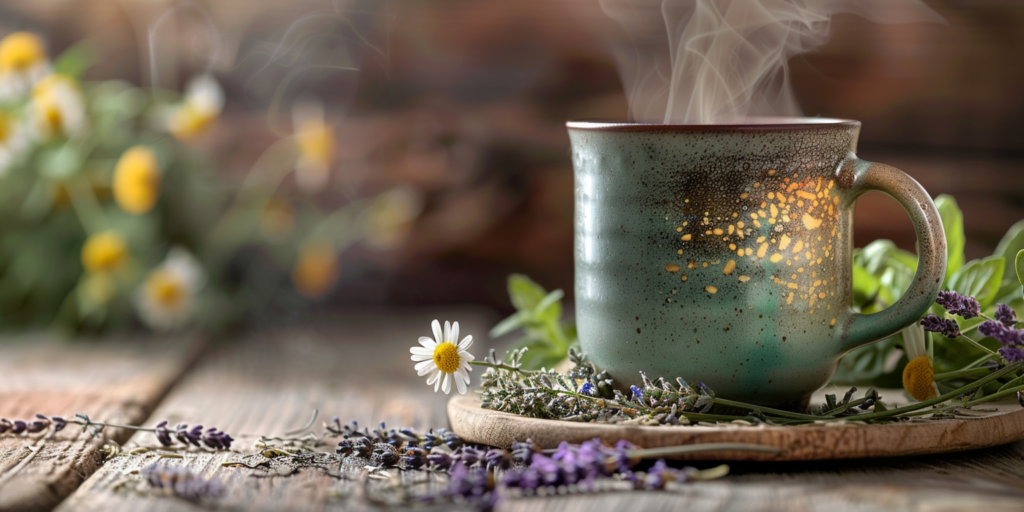
When stress arrives suddenly, Western herbalists traditionally turned to fast-acting aromatic nervines prepared as simple infusions. These herbs were chosen
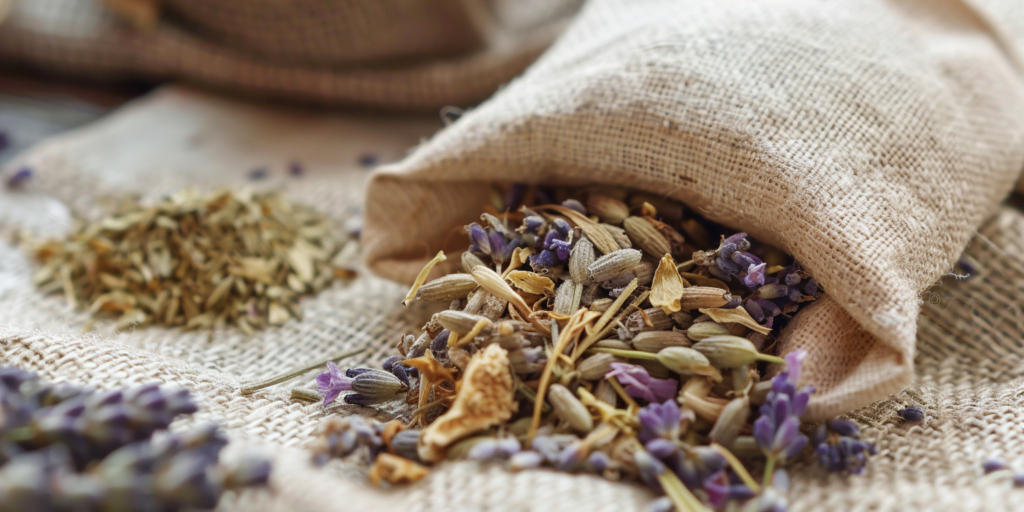
Western herbalism has long recognized the influence of scent on mood and comfort. Aromatic preparations were commonly used when stress
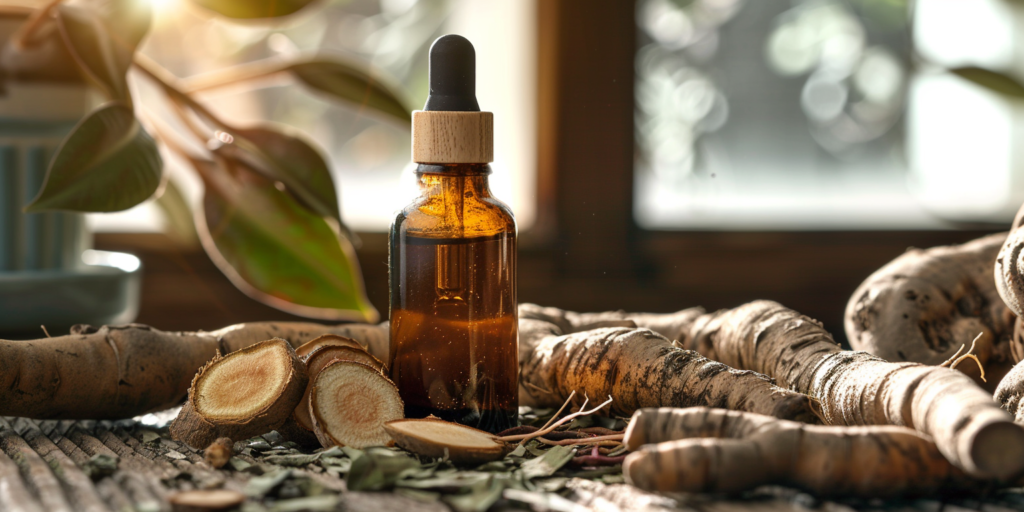
Root-based tinctures have long been used when stress is understood as cumulative rather than immediate. Herbalists valued these preparations for
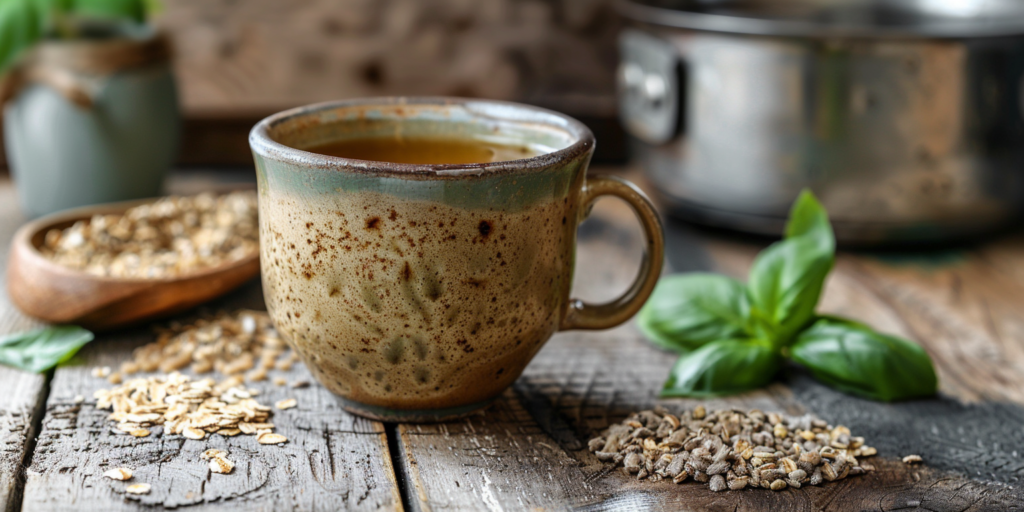
Periods of prolonged stress were traditionally met with nourishing, restorative preparations rather than quick remedies. This decoction combines herbs historically
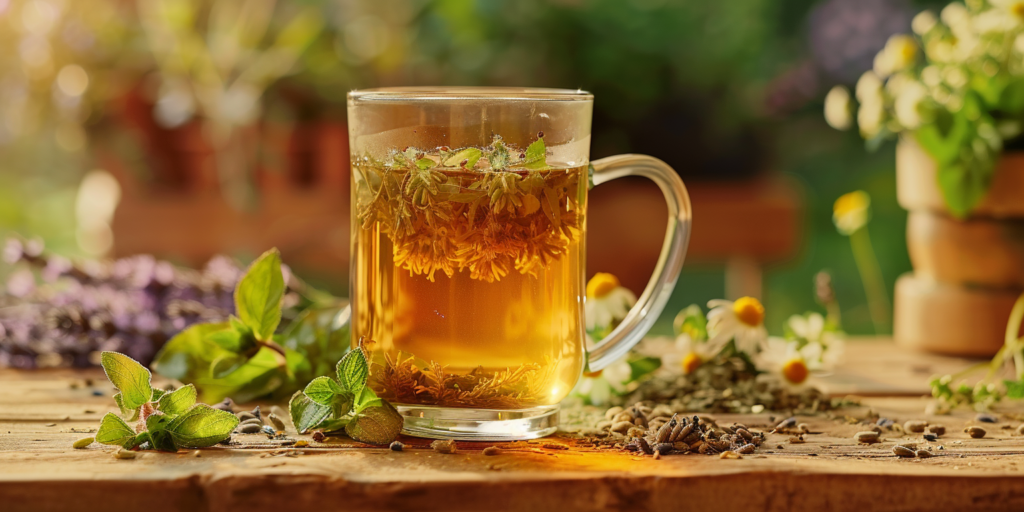
This gentle infusion reflects a classic Western herbal approach to stress that shows up as mental busyness and difficulty settling
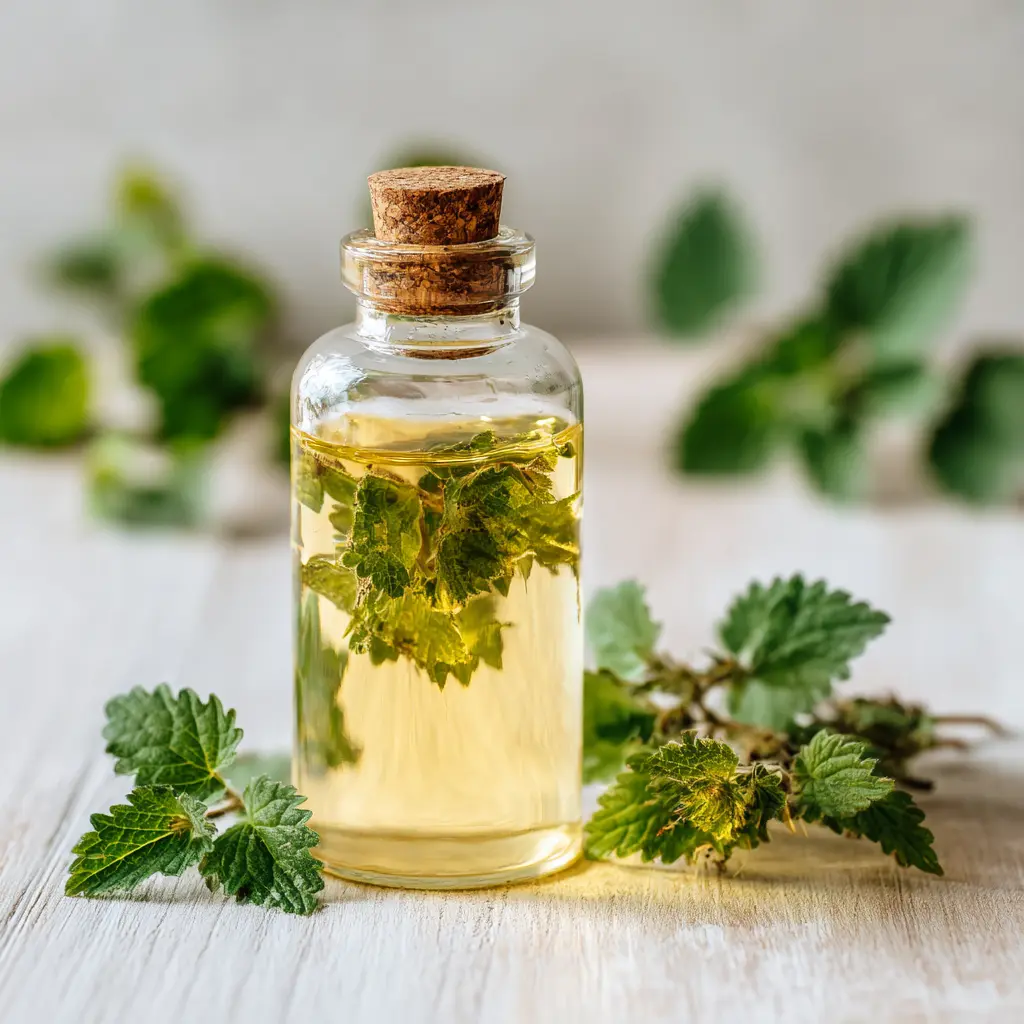
A lemon balm–infused oil for traditional external use. Shop Herb You Need Lemon balm loose dry Rated 0 out of
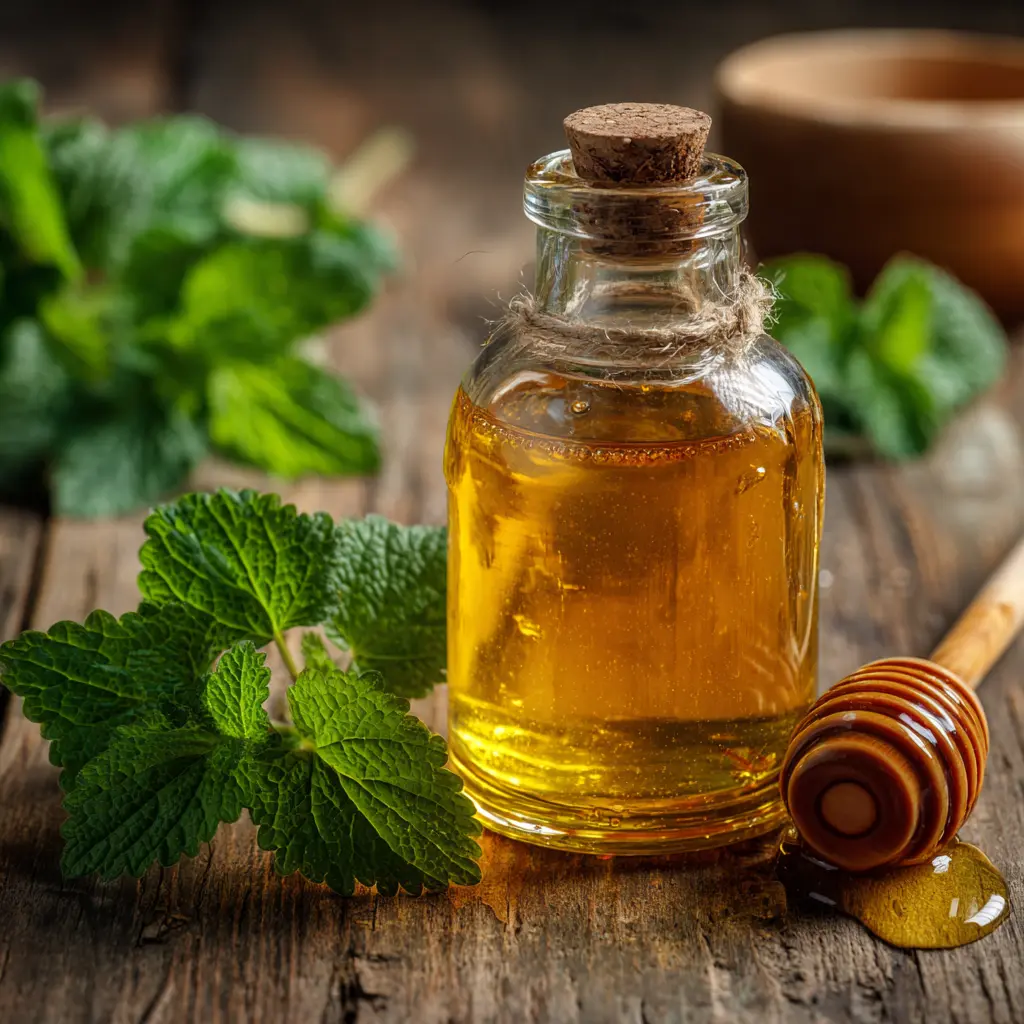
A gently sweet herbal syrup combining lemon balm and honey. Shop Herb You Need Lemon balm loose dry Rated 0
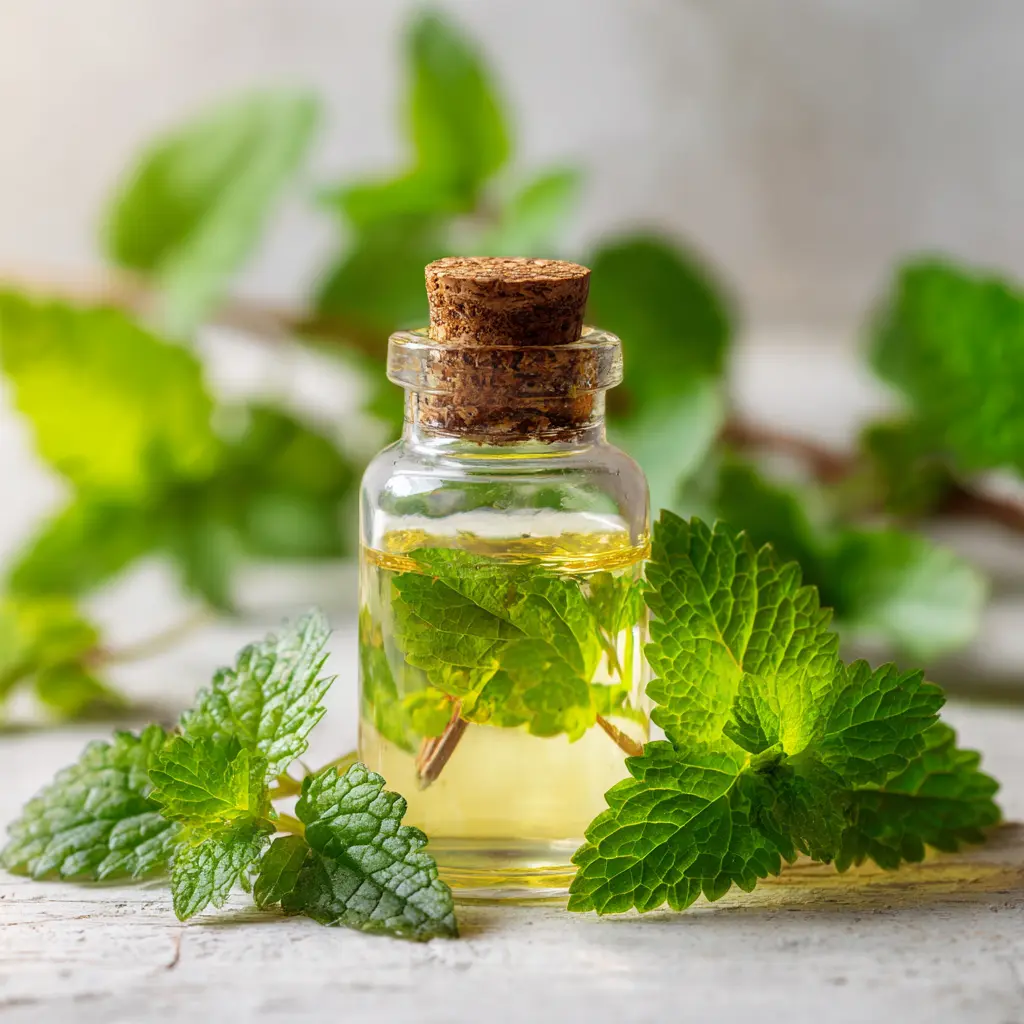
An alcohol-free liquid extract made with lemon balm and vegetable glycerin. Shop Herb You Need Lemon balm loose dry Rated
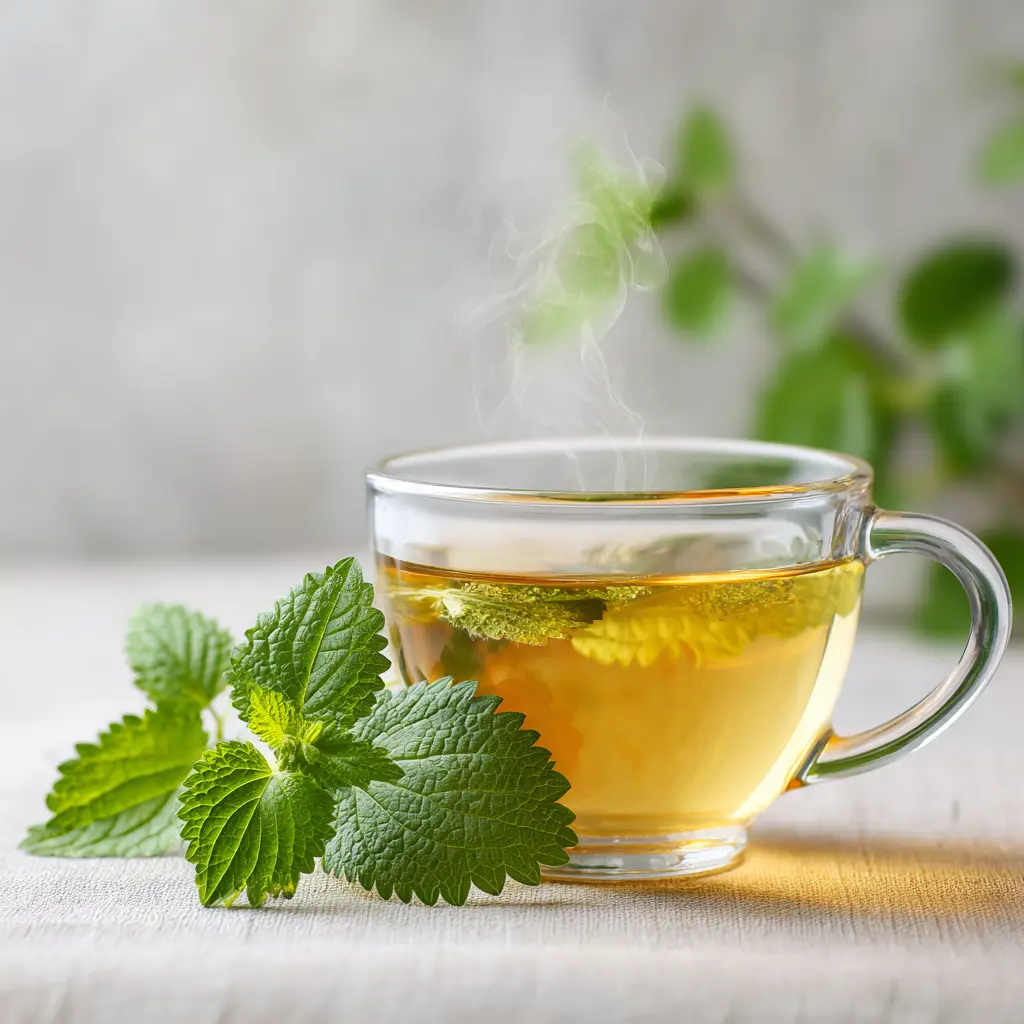
A simple lemon balm tea traditionally used for gentle calming support. Shop herb You Need Lemon balm loose dry Rated
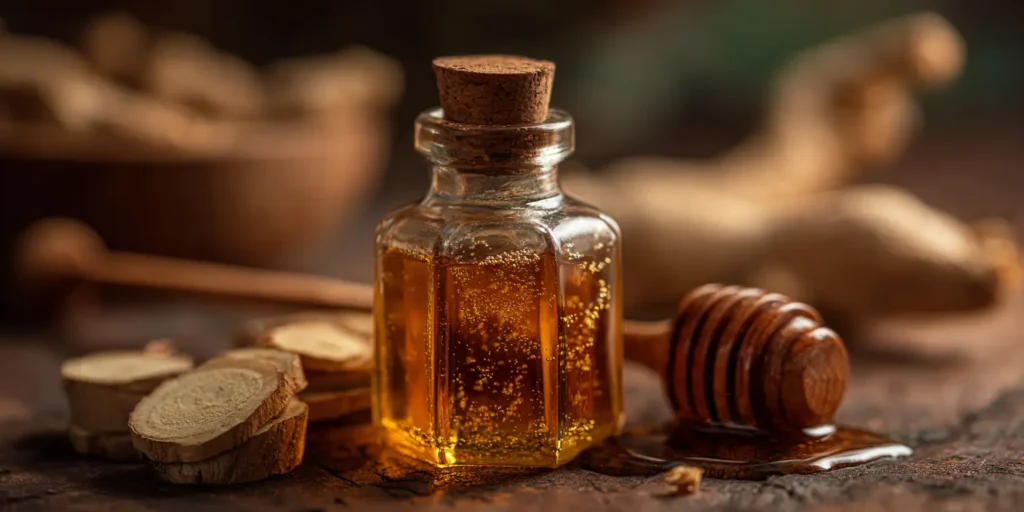
A soothing herbal honey syrup traditionally used as part of an evening routine.
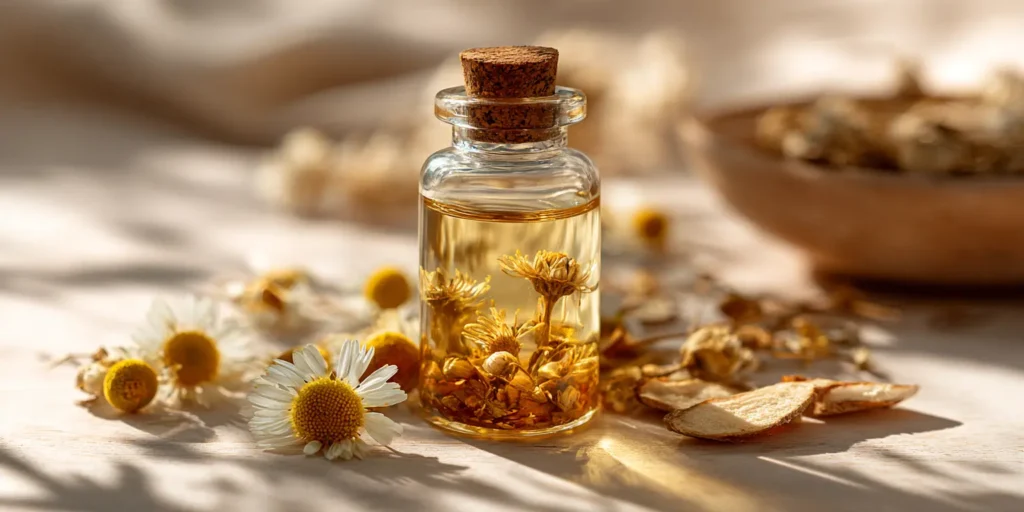
Chamomile is a gentle, sooting nervine, often paired with ashwaganda for people who prefer mild, alcohol-free preparations. Shop herbs You
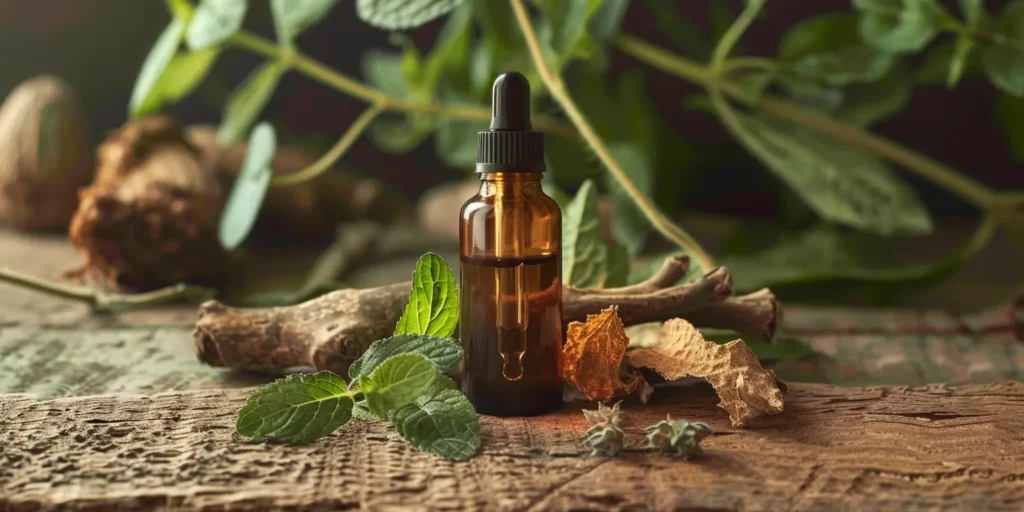
Ashwagandha, lemon balm, and skullcap tincture traditionally used to support nervous system balance in a convenient liquid herbal form. Shop
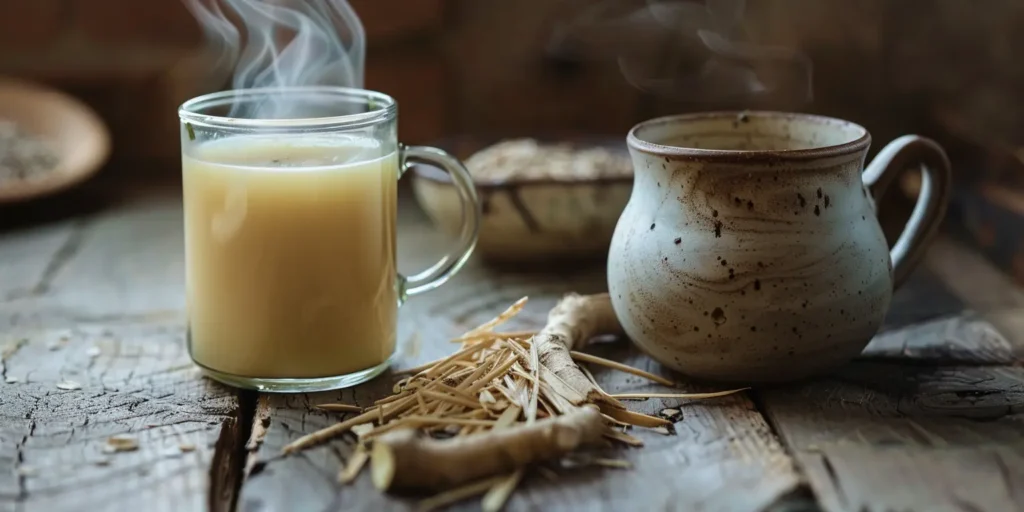
Ashwaganda is traditional viewed as a grounding nervine tonic, while oat straw is classic nourishing nervine for long-term nervous system
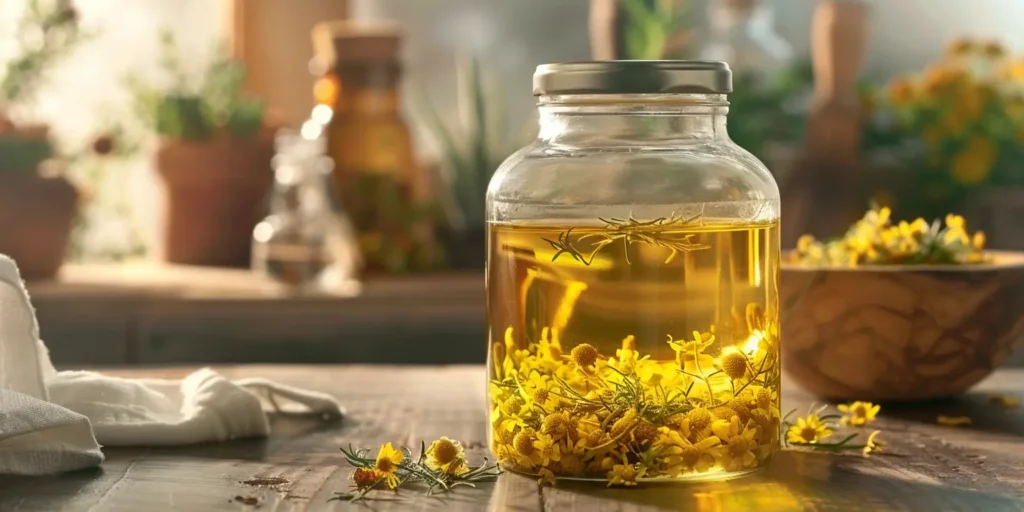
An infused oil made by steeping dried chamomile flowers in a carrier oil, commonly used as a base for salves
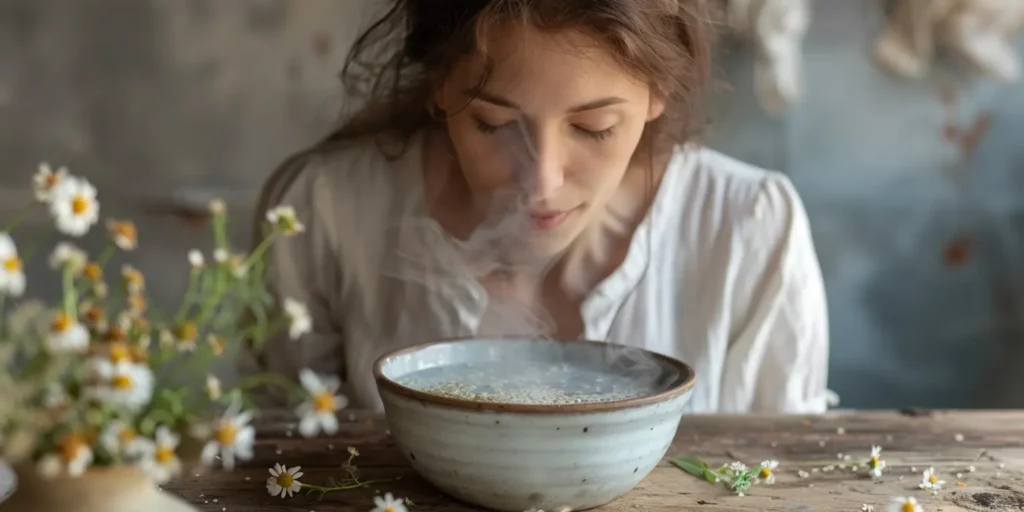
An aromatic steam made from dried chamomile flowers and hot water, traditionally used for relaxation and sensory comfort. Shop Herb

A mild, non-bitter chamomile preparation made using cold water over an extended steep. Shop herb You Need Loose dried chamomile
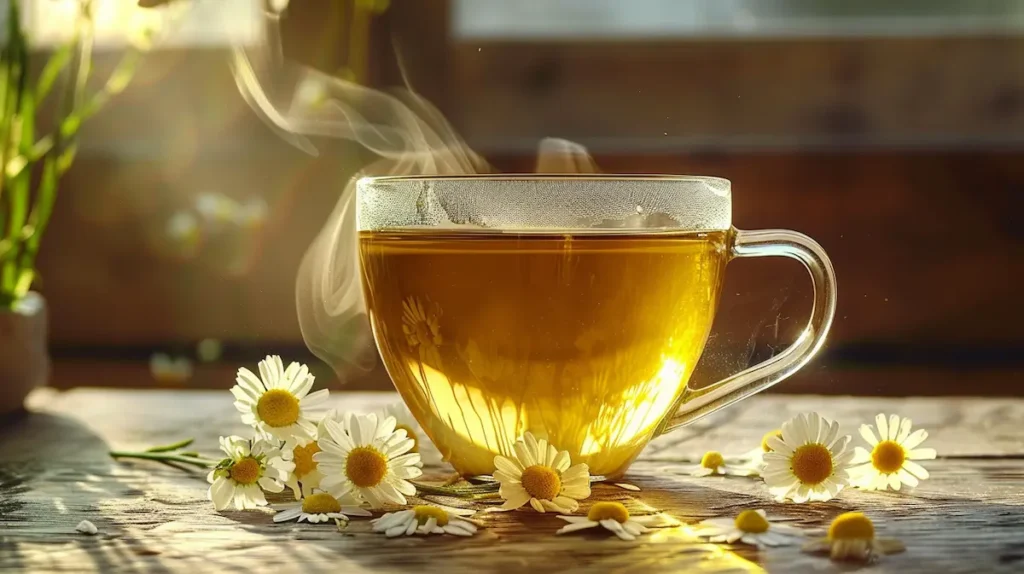
A classic chamomile tea made from dried flowers and hot water, traditionally used as a gentle, aromatic beverage after meals