

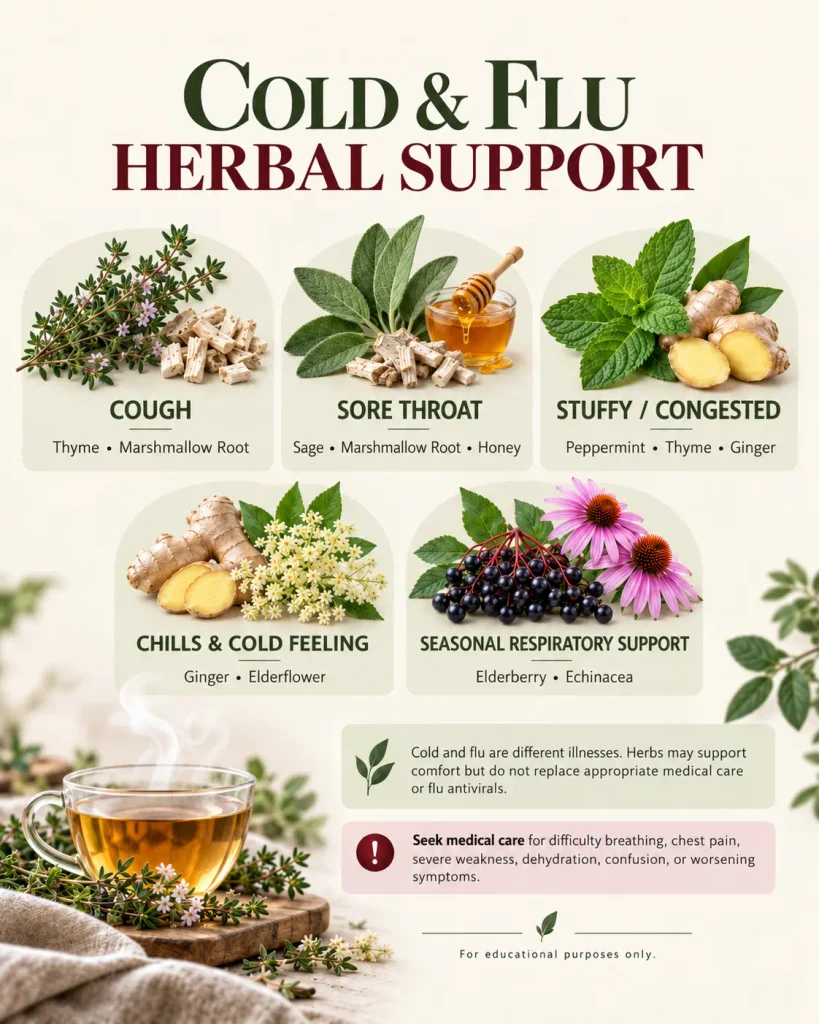
Best herbs: Elderberry • Echinacea • Ginger • Thyme • Marshmallow Root • Sage • Peppermint
Available Ready-to-Use Products
Elderberry Syrup
Best for: Convenient seasonal respiratory support
Elderberry syrup combines cooked elderberries with a liquid base, often honey or glycerin. Elderberry has been studied for respiratory infections, but available trials are small and the overall certainty of evidence remains limited. (PubMed Central (PMC))
Echinacea Extract
Best for: Short-term early cold support
Tinctures, glycerites, and standardized extracts offer a more concentrated form of echinacea than tea. Research on echinacea for colds is mixed because products differ substantially by species, plant part, and extraction method. (NCCIH)
Herbal Cold & Flu Tea
Best for: Hydration + throat, nasal, and general comfort
A warm blend may combine herbs such as ginger, thyme, elderflower, peppermint, or marshmallow root depending on whether the goal is warmth, respiratory comfort, or soothing irritated tissues. Warm fluids also make hydration easier when appetite is low.
Herbal Throat Lozenges
Best for: Scratchy or irritated throat
Lozenges keep soothing ingredients in contact with throat tissues longer than a quickly swallowed drink. Formulas may include marshmallow root, sage, honey, or other soothing herbs.
Thyme Respiratory Extract
Best for: Cough + thick or uncomfortable respiratory secretions
Thyme is an aromatic herb traditionally used in respiratory preparations. A liquid extract may be easier to use than repeated cups of tea when someone wants a concentrated preparation.
Ginger Herbal Tea or Extract
Best for: Chilled feeling + nausea + warming comfort
Ginger is especially useful as a practical comfort herb because it combines easily with tea, lemon, or honey and may also help settle nausea. It should be considered supportive rather than an antiviral treatment for influenza.
What Are Colds and Flu?
The common cold is a viral upper respiratory infection that can be caused by many different viruses. Typical symptoms include a runny or stuffy nose, sneezing, sore throat, and cough. Most cases improve on their own.
Influenza, or flu, is caused specifically by influenza viruses. Flu symptoms tend to begin more abruptly and are more likely to include fever, chills, headaches, significant fatigue, muscle aches, and a stronger cough. CDC notes that symptoms alone cannot always reliably distinguish a cold from influenza. (CDC)
That distinction matters.
A cup of ginger tea or a soothing herbal lozenge may make someone with either illness more comfortable, but that does not mean an herb is treating influenza itself. NCCIH states that no complementary health approach has been shown to be helpful for flu. (NCCIH)
If influenza is suspected—especially in someone at higher risk for complications—contacting a healthcare provider early is important. Prescription flu antivirals work best when started within about 1–2 days after symptoms begin, although treatment can still be beneficial later for people with severe illness or elevated risk. (CDC)
For a symptom-focused approach, also see:
Cough & Chest Comfort for cough-focused herbal support.
Sore Throat for soothing and gargle-focused herbs.
Fever Support for temperature-related comfort and warning signs.
Everyday Immune Support for longer-term seasonal wellness rather than acute illness.
What Should Herbal Support Focus On?
The most useful cold-season herbs are not necessarily the ones marketed with the biggest “immune boosting” claims. A more practical approach is to match herbal actions to the symptom pattern.
Demulcent
Demulcent herbs become slippery or soothing when combined with water.
They are most useful when the throat feels dry, raw, scratchy, or irritated.
Examples include:
These herbs primarily support comfort rather than directly fighting a virus.
Expectorant
Expectorant herbs are traditionally used when coughing feels productive but mucus is difficult to move.
Examples include:
They are better suited to chest and cough patterns than to a simple runny nose.
Aromatic
Aromatic herbs contain volatile compounds that create their characteristic smell and flavor.
Warm aromatic preparations can feel particularly useful when the nose feels stuffy or the body feels chilled.
Examples include:
Aromatic sensation can make breathing feel more open without implying that an herb is medically treating airway obstruction.
Diaphoretic
Traditional herbalists use the term diaphoretic for herbs taken warm during feverish or chilled states, historically to support peripheral circulation and perspiration.
Examples include:
This is a traditional herbal strategy—not a substitute for medical evaluation when fever is high, persistent, or accompanied by concerning symptoms.
For more detail, see Fever Support. HerbalMixes already covers elderflower, yarrow, peppermint, and ginger in that context. (Herbal Mixes)
Anti-Inflammatory and Tissue-Soothing
Some herbs contain constituents studied for inflammatory pathways.
Examples include:
For cold and flu comfort, this role is generally secondary to hydration, rest, throat soothing, cough comfort, and appropriate medical care.
Immune-Modulating / Immune-Supportive
Elderberry and echinacea are often placed in this category, but “immune support” should not be interpreted as proven prevention or treatment of influenza.
Echinacea has been studied extensively for colds, but results remain inconsistent. Elderberry has promising but low-certainty evidence from a relatively small clinical research base. (NCCIH)
7 Best Herbs for Cold & Flu Comfort
1. Elderberry (Sambucus nigra)
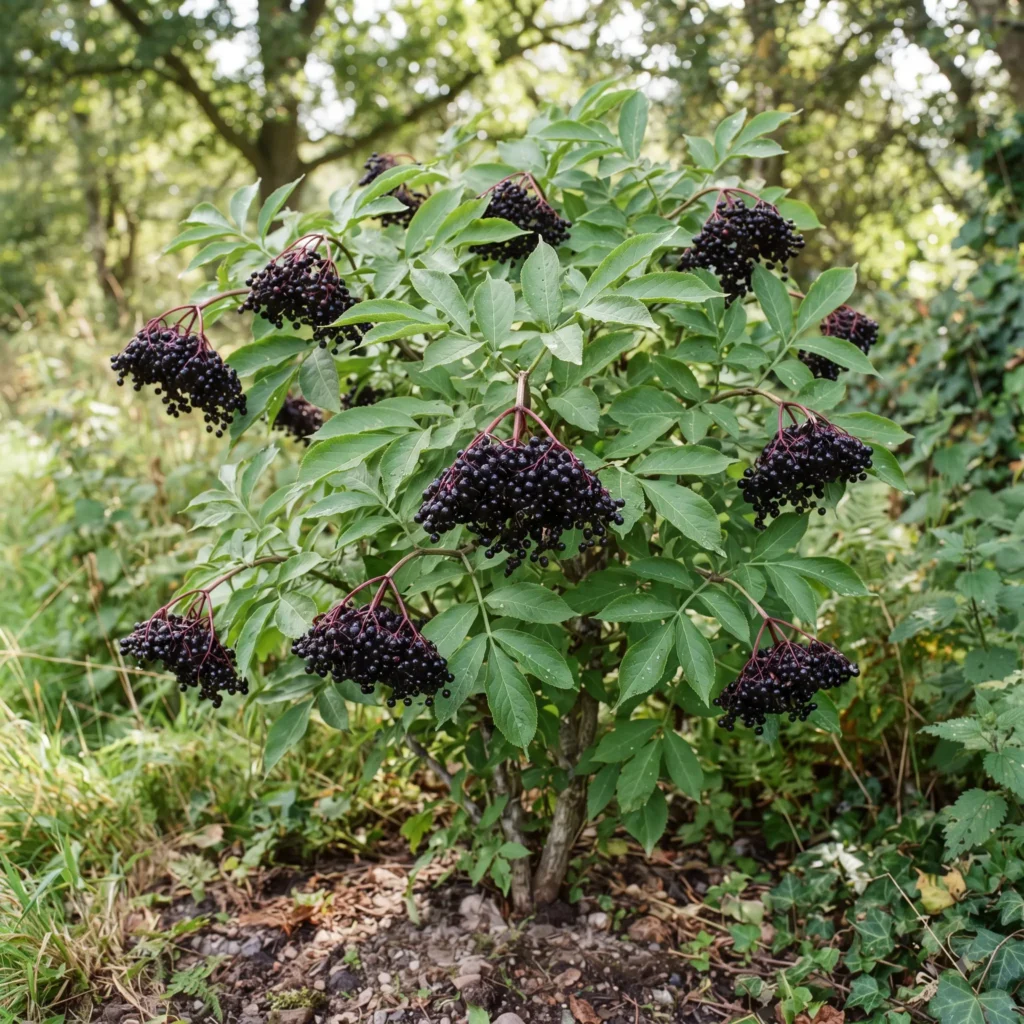
Best role: Convenient seasonal respiratory support
Black elderberry is probably one of the most recognizable cold-season herbs. Its dark fruit contains anthocyanins and other polyphenolic compounds.
Small clinical trials have investigated elderberry for respiratory infections. A systematic review found that it may reduce symptom duration or severity, but the evidence was uncertain because studies were few and generally small. NCCIH likewise describes the evidence as preliminary rather than conclusive. (PubMed Central (PMC))
That makes elderberry reasonable to discuss as supportive, but not as a replacement for influenza antivirals or other indicated medical treatment.
Best preparation: Cooked syrup • Extract • Tea blend
Pairs well with: Ginger • Rose hips • Cinnamon
Use with care: Raw or unripe elderberries, leaves, bark, and stems can contain compounds capable of causing nausea, vomiting, and diarrhea. Use properly prepared elderberry products. Safety during pregnancy and breastfeeding is not well established. (NCCIH)
2. Echinacea (Echinacea purpurea, E. angustifolia)

Best role: Early short-term cold-season support
Echinacea has a long history of use during respiratory illness, but it is also a good example of why the exact preparation matters.
Commercial echinacea preparations can use different species, roots, aerial parts, fresh herbs, dried herbs, and different extraction methods. Research on one extract therefore may not apply to another.
A Cochrane review found that echinacea products had not been convincingly shown to provide clinically important cold-treatment benefits, although some preparations might have weak effects. Current NCCIH information similarly says echinacea may slightly reduce the chance of catching a cold, while whether it shortens an established cold remains unclear. (PubMed)
Best preparation: Standardized extract • Tincture • Glycerite
Pairs well with: Elderberry • Ginger • Sage
Use with care: Allergic reactions can occur, particularly in people sensitive to plants in the daisy family. Discuss use in children, pregnancy, breastfeeding, autoimmune conditions, or alongside medications with an appropriate healthcare professional.
3. Ginger (Zingiber officinale)
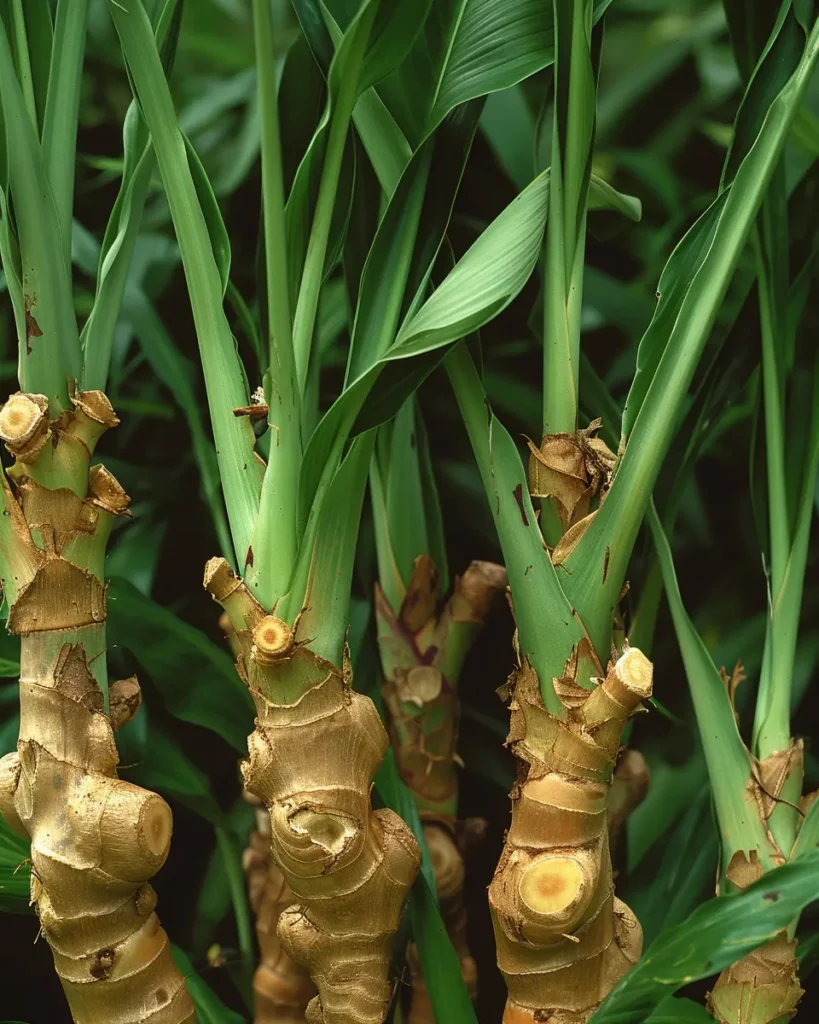
Best role: Warming comfort + nausea support
Ginger is a practical cold-season herb because it is warming, aromatic, easy to prepare, and familiar enough for kitchen use.
Traditional herbalists often reach for hot ginger tea when a respiratory illness begins with chills or a cold, sluggish feeling. Ginger’s gingerols and shogaols have been studied for a range of biological activities, but evidence does not establish ginger as a treatment for influenza.
Its better-supported clinical role is nausea relief, making it particularly useful when respiratory illness comes with an unsettled stomach.
Best preparation: Fresh tea • Decoction • Food • Extract
Pairs well with: Elderberry • Lemon • Thyme
Use with care: Concentrated ginger products may cause heartburn or gastrointestinal irritation and may require caution with certain medications, including anticoagulants.
4. Thyme (Thymus vulgaris)
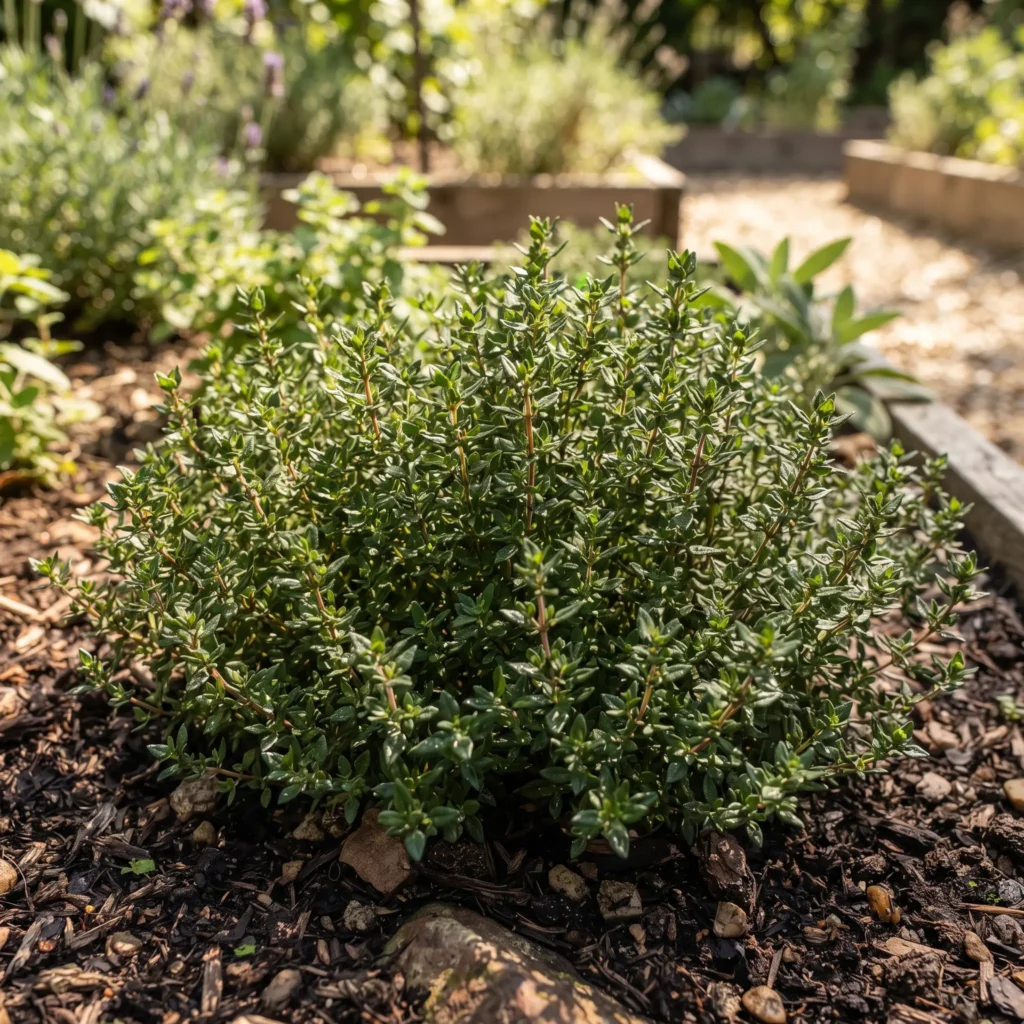
Best role: Aromatic cough + respiratory comfort
Thyme is one of the more useful herbs when the main complaint shifts from “I feel like I’m getting sick” to “this cough is bothering me.”
Its aromatic volatile oils include thymol and carvacrol. Thyme has a long traditional history in cough and respiratory formulas, especially when mucus is present.
A covered tea is useful because keeping the cup covered while steeping helps retain volatile aromatic compounds.
Best preparation: Covered infusion • Syrup • Liquid extract
Pairs well with: Marshmallow root • Sage • Ginger
Use with care: Culinary thyme is generally very different from concentrated thyme essential oil. Do not casually ingest essential oil.
For a cough-dominant illness, see Cough & Chest Comfort.
5. Marshmallow Root (Althaea officinalis)
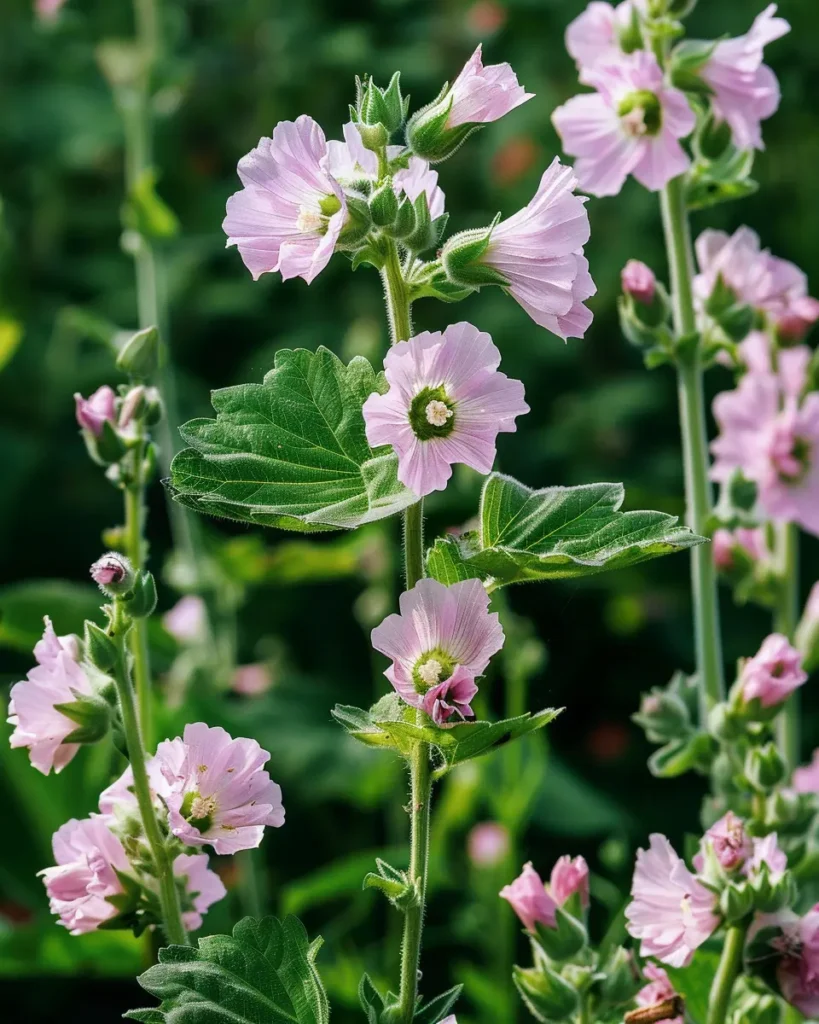
Best role: Dry cough + scratchy throat
Marshmallow root is less glamorous than many “immune” herbs but can be more logically matched to a dry, irritated throat.
Its root contains abundant mucilage polysaccharides that form a slippery preparation in water. This makes marshmallow particularly appropriate for dry coughs, throat irritation, and tissues that feel scraped or parched.
It is mainly a soothing herb, not an antiviral herb.
Best preparation: Cold infusion • Syrup • Tea blend • Lozenges
Pairs well with: Thyme • Sage • Licorice
Use with care: Because highly mucilaginous preparations can theoretically affect medication absorption, separate them from oral medicines unless a pharmacist or clinician advises otherwise.
6. Sage (Salvia officinalis)
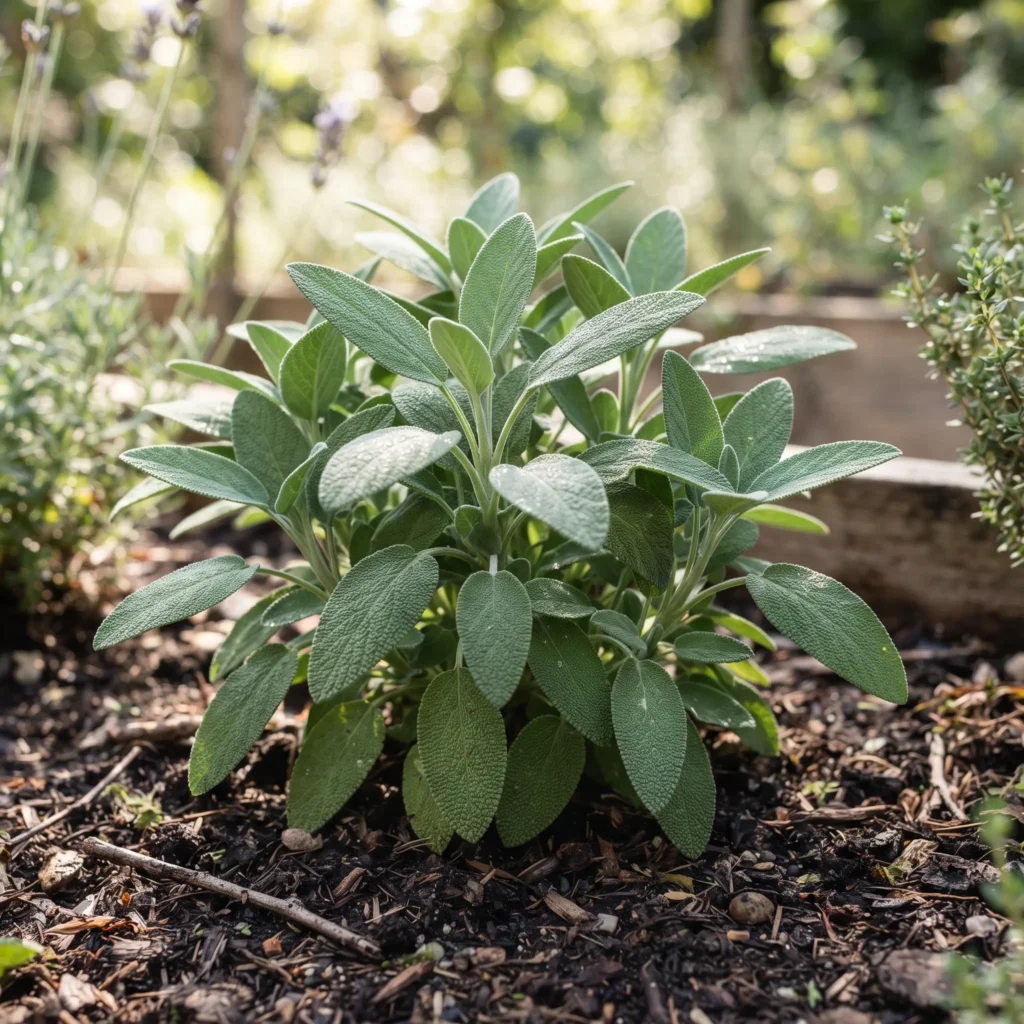
Best role: Sore-throat gargle + aromatic throat comfort
Sage’s tannins and aromatic compounds make it particularly well suited to throat preparations.
A warm sage infusion can be used as tea or as a gargle. HerbalMixes already identifies sage as a traditional astringent and aromatic herb for oral and throat comfort. (Herbal Mixes)
Its laboratory antimicrobial activity should not be interpreted as evidence that sage treats influenza or another respiratory viral infection in humans.
Best preparation: Tea • Gargle • Lozenges
Pairs well with: Thyme • Marshmallow root • Ginger
Use with care: Concentrated sage preparations and sage essential oil require greater caution because common sage may contain thujone. Avoid casual internal use of sage essential oil.
7. Peppermint (Mentha × piperita)
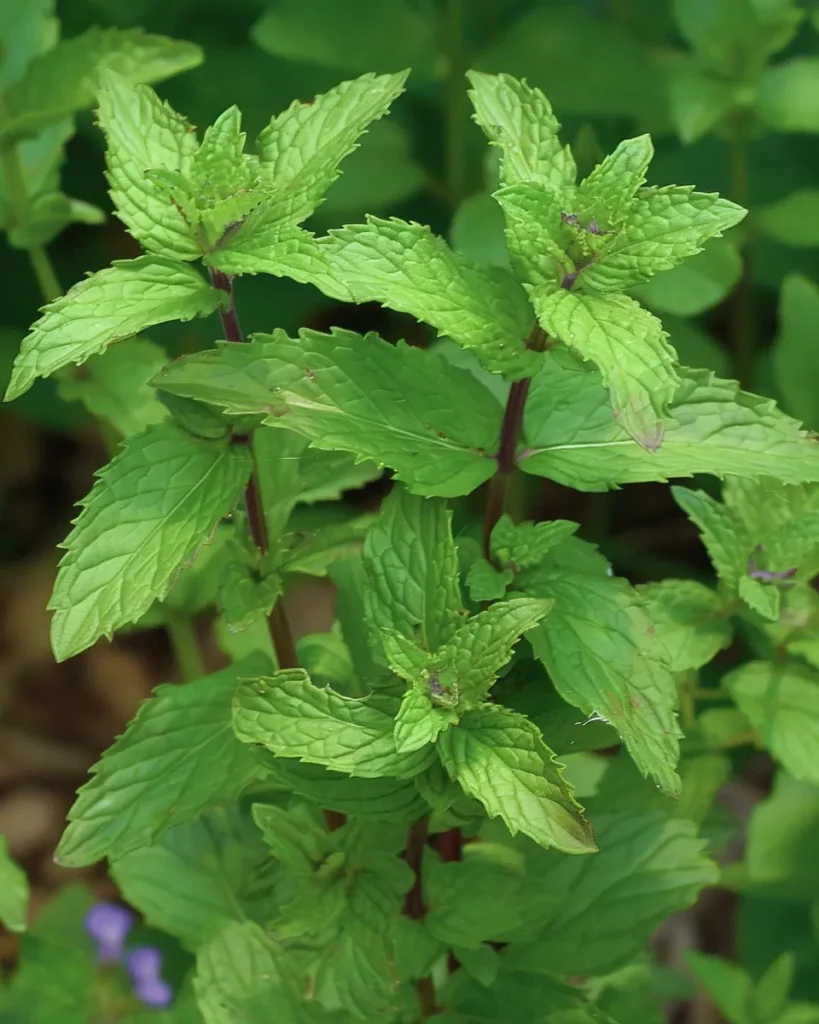
Best role: Cooling aromatic comfort + stuffy-nose sensation
Peppermint provides a strong cooling sensation from menthol and can make a stuffy head feel more comfortable.
The sensation of easier breathing should not be confused with objectively opening blocked airways. Peppermint works best here as an aromatic comfort herb.
Warm peppermint tea also contributes fluid, which matters when fever, poor appetite, or respiratory secretions make hydration more difficult.
Best preparation: Covered infusion • Tea blend
Pairs well with: Elderflower • Ginger • Thyme
Use with care: Strong peppermint preparations may aggravate reflux in sensitive people. Essential oil requires much more caution than tea.
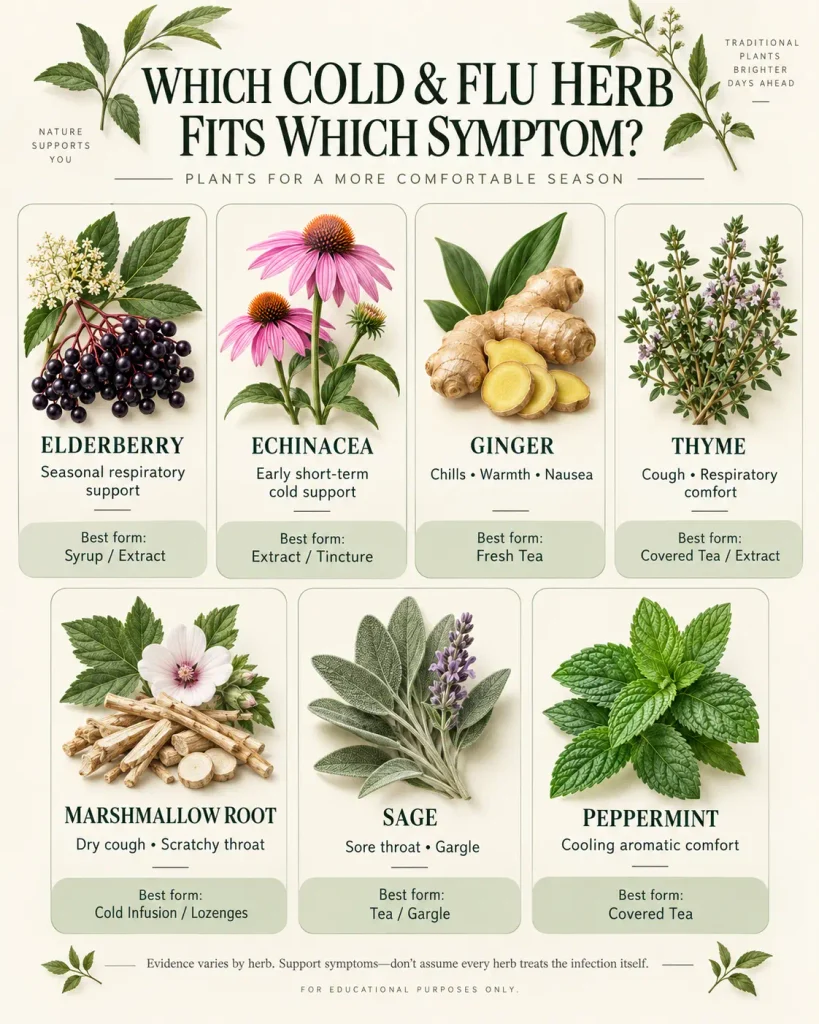
Best Herbal Combinations for Cold & Flu Comfort
The goal of combining herbs should be to solve a specific problem—not simply put every famous “immune herb” into one jar.
Elderberry + Ginger + Rose Hip
Best for: General seasonal comfort + warming tea or syrup
Elderberry provides the traditional respiratory focus, ginger adds warmth and flavor, and rose hips contribute tartness and plant polyphenols.
Best preparation: Syrup or decoction
Simmer the elderberries and rose hips with ginger, then strain carefully. If using honey, add it after the preparation has cooled somewhat rather than boiling it for long periods.
Thyme + Marshmallow Root + Sage
Best for: Cough + scratchy or irritated throat
Thyme contributes aromatic respiratory character, marshmallow provides soothing mucilage, and sage works particularly well for throat-focused formulas.
Best preparation: Two-stage tea
Prepare marshmallow root separately as a cool or room-temperature infusion when possible, then combine it with a freshly prepared covered thyme-and-sage infusion.
Ginger + Elderflower + Peppermint
Best for: Chilled feeling followed by warm, stuffy discomfort
This traditional-style combination balances ginger’s warmth with elderflower and peppermint in a hot aromatic infusion.
Best preparation: Covered hot infusion
Keep the vessel covered while steeping to preserve aromatic volatile compounds.
Echinacea + Elderberry + Ginger
Best for: Early cold-season routine
This is a practical combination for people who prefer a concentrated seasonal formula, but claims should remain conservative: echinacea evidence is inconsistent and elderberry evidence is limited.
Best preparation: Extract or syrup
Marshmallow Root + Honey + Ginger
Best for: Dry, irritated throat + cough
Marshmallow provides mucilage, honey coats the throat, and ginger adds gentle warmth.
Honey itself has some evidence for reducing nighttime cough, particularly in children older than 1 year. Honey must never be given to infants younger than 12 months because of botulism risk. (NCCIH)
Best preparation: Soothing tea or syrup
Practical Cold & Flu Support Beyond Herbs
Herbal preparations work best as part of basic supportive care rather than as an attempt to attack the virus with increasingly complicated formulas.
For an uncomplicated common cold, CDC recommends measures including:
- plenty of rest;
- adequate fluids;
- a clean humidifier or cool-mist vaporizer;
- saline nasal spray or drops;
- throat lozenges when age appropriate;
- honey for cough in adults and children at least 1 year old. (CDC)
Oral zinc lozenges also have some evidence for shortening common-cold duration when started very early, although zinc is a mineral rather than an herb. Intranasal zinc should not be used because it has been associated with long-lasting or permanent loss of smell. (NCCIH)
Cold vs. Flu: Why the Difference Matters
A cold more often develops gradually and commonly features:
- stuffy or runny nose;
- sneezing;
- sore throat;
- mild-to-moderate cough.
Flu is more likely to begin suddenly and may cause:
- fever or feverish chills;
- significant muscle or body aches;
- headache;
- pronounced fatigue;
- stronger cough;
- greater overall illness.
CDC emphasizes that the overlap can be substantial, so symptoms alone cannot always tell you which infection you have. (CDC)
If symptoms could be influenza or COVID-19—particularly if you are at higher risk for severe illness—testing and early medical contact may change treatment options. (CDC)
When Herbal Self-Care Is Not Enough
Seek urgent medical care for severe or concerning symptoms.
CDC lists important adult warning signs of flu complications including:
- difficulty breathing or shortness of breath;
- persistent chest or abdominal pain or pressure;
- persistent dizziness or confusion;
- inability to wake normally;
- seizures;
- not urinating;
- severe muscle pain;
- severe weakness or unsteadiness;
- symptoms that improve and then return or worsen;
- worsening of an existing medical condition. (CDC)
Children need additional caution. Emergency warning signs include fast or difficult breathing, bluish lips or face, ribs pulling in with breathing, dehydration, seizures, unusual lack of alertness, or fever in a baby younger than 12 weeks. (CDC)
Also contact a healthcare professional promptly if you suspect influenza and you:
- are pregnant;
- are 65 or older;
- are very young;
- have asthma or chronic lung disease;
- have diabetes;
- have heart disease;
- have significant immune suppression;
- are becoming progressively more ill.
Prescription antiviral treatment is particularly important for people at elevated risk and works best when started early. (CDC)
Important Herbal Safety Notes
“Natural” does not automatically mean safe for every person.
Use extra caution with concentrated herbal preparations if you:
- take prescription medications;
- take blood thinners;
- use immunosuppressive medicines;
- are pregnant or breastfeeding;
- are preparing for surgery;
- have significant liver or kidney disease;
- have an autoimmune condition;
- are treating a young child.
Avoid ingesting concentrated essential oils as a home cold-and-flu treatment.
Do not give honey to babies younger than 1 year.
Do not use intranasal zinc products.
Use only properly prepared elderberry fruit; raw or unripe berries and other parts of the elder plant may be toxic. (NCCIH)
And remember that an herb that makes symptoms feel better is not necessarily eliminating the infection itself.
Frequently Asked Questions
What is the best herb for a cold?
There is no single best herb for every cold.
For a dry throat, marshmallow root may make more practical sense. For cough, thyme may fit better. Ginger is useful when warmth or nausea is part of the picture. Elderberry and echinacea are popular seasonal herbs, but their clinical evidence remains limited or inconsistent.
Does elderberry actually help colds or flu?
Possibly, but the evidence is not strong enough to treat the question as settled.
A systematic review found that elderberry may reduce respiratory symptom duration or severity, but the certainty of the evidence was limited by the small number and size of available studies. (PubMed Central (PMC))
It should not replace influenza antiviral treatment when that treatment is medically indicated.
Does echinacea shorten a cold?
Research is mixed.
A major Cochrane review did not find convincing clinically important treatment benefits across echinacea preparations, and NCCIH currently describes its effect as uncertain. Part of the problem is that echinacea products vary greatly in species, plant part, dose, and extraction method. (PubMed)
What is the best herbal tea when you have a cold?
Match the tea to the symptom.
For chills: ginger + elderflower.
For cough: thyme + marshmallow root.
For a sore throat: sage + marshmallow root.
For an aromatic stuffy-head tea: peppermint + thyme + ginger.
Warm fluid itself also helps with hydration and throat comfort.
Can herbs cure influenza?
No herbal remedy should be presented as a proven cure for influenza.
NCCIH states that no complementary health approach has been shown to be helpful for flu. Prescription antiviral medications have established roles in flu treatment, particularly when started early and in people at increased risk of complications. (NCCIH)
Should I take antibiotics for a cold or flu?
Not for an uncomplicated viral cold or influenza.
Antibiotics act against bacteria, not viruses. They may be appropriate if a healthcare professional determines that a secondary bacterial infection has developed. (CDC)
What is most important during an ordinary cold?
Rest, fluids, symptom relief, and watching for signs that the illness is more than an uncomplicated cold.
Most common colds improve on their own. (CDC)
References
National Center for Complementary and Integrative Health — Colds, Flu, and Complementary Health Approaches
NCCIH: Colds, Flu, and Complementary Health Approaches
National Center for Complementary and Integrative Health — The Common Cold and Complementary Health Approaches
NCCIH Common Cold Clinical Digest
National Center for Complementary and Integrative Health — Echinacea: Usefulness and Safety
NCCIH: Echinacea
Centers for Disease Control and Prevention — Manage Common Cold
CDC: Manage Common Cold
Centers for Disease Control and Prevention — Cold Versus Flu
CDC: Cold Versus Flu
Centers for Disease Control and Prevention — Signs and Symptoms of Flu
CDC: Signs and Symptoms of Flu
Centers for Disease Control and Prevention — Treating Flu With Antiviral Drugs
CDC: Treating Flu With Antiviral Drugs
PubMed — Elderberry for Prevention and Treatment of Viral Respiratory Illnesses: A Systematic Review
PubMed: Elderberry Systematic Review
PubMed — Echinacea for Preventing and Treating the Common Cold
PubMed: Cochrane Echinacea Review
Disclaimer
This article is for educational purposes only and is not medical advice. Herbs and dietary supplements are not substitutes for diagnosis, influenza vaccination, antiviral treatment, or other appropriate medical care. Herbal products may cause side effects or interact with medications. Consult an appropriate healthcare professional if you are pregnant or breastfeeding, take prescription medication, have a chronic medical condition, are caring for a child, or have severe, persistent, unusual, or worsening symptoms.