

Herbs such as elderflower, peppermint, ginger and yarrow have long histories in traditional fever-time preparations—but that doesn’t mean they have been proven to lower a fever or treat its underlying cause.
A better approach is to use herbal tea for fluids and comfort, match herbs to accompanying symptoms, and know when a fever needs medical evaluation.
Available Ready-to-Use Products
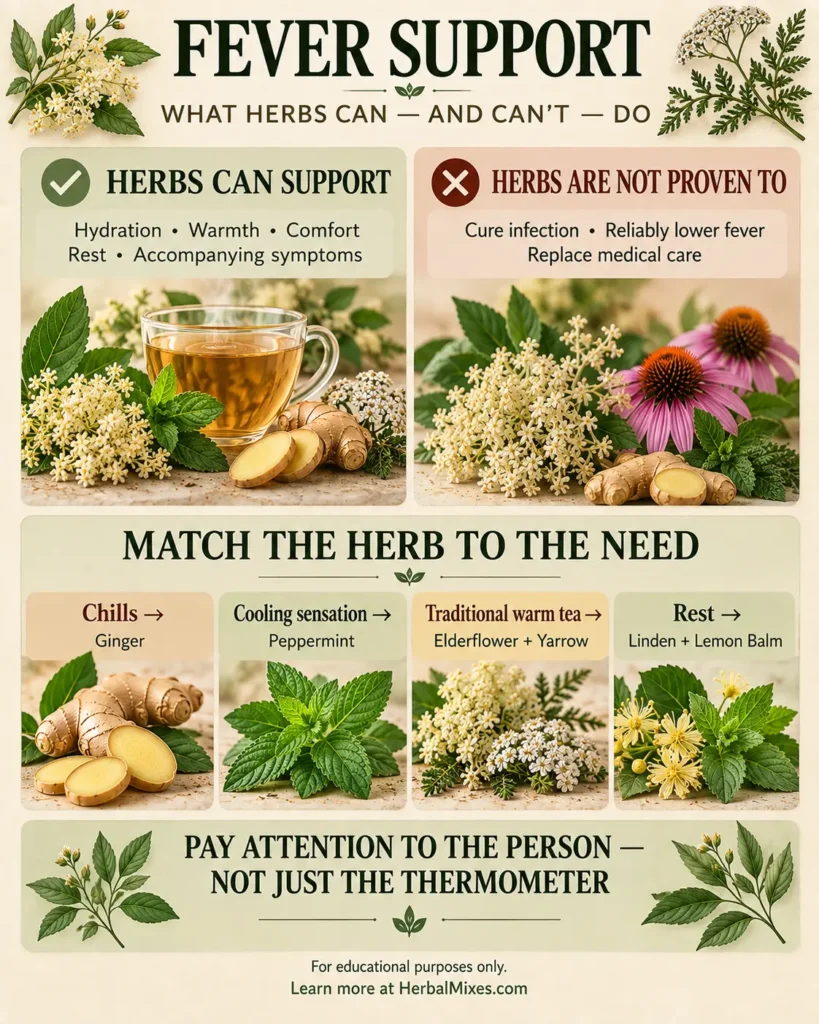
Elderflower Herbal Tea
Best for: Warm fluids + traditional seasonal support
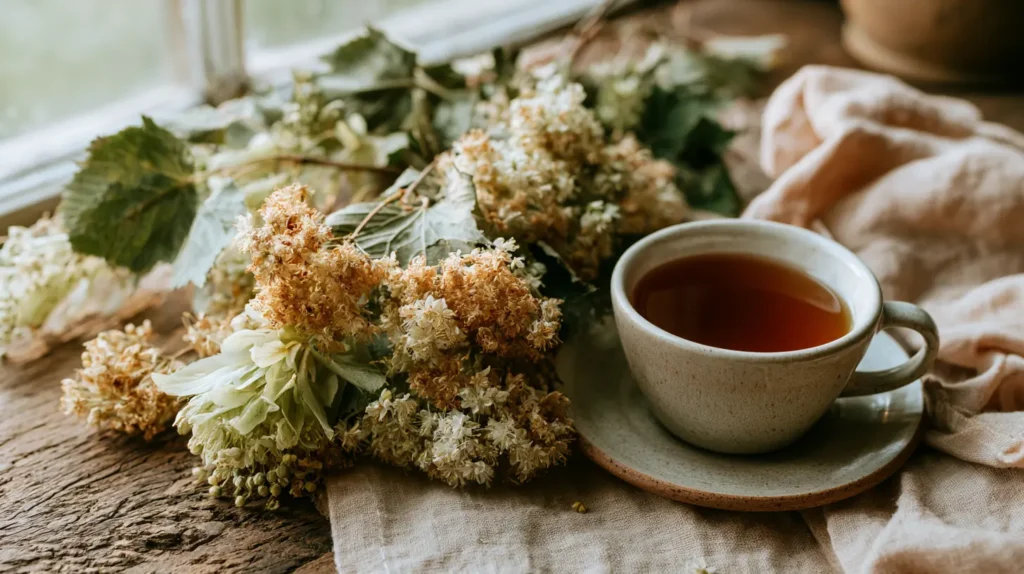
Elderflower has a long tradition in warm preparations during colds and feverish illnesses. Its most defensible modern role is as a pleasant warm herbal tea that contributes to fluid intake and comfort.
It should not be presented as a proven fever-reducing medicine.
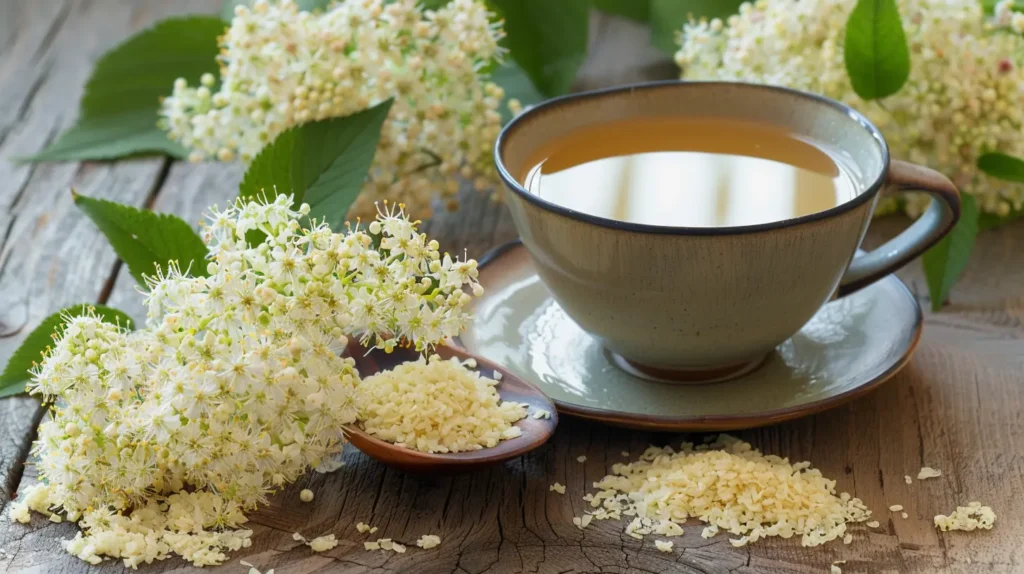
Peppermint Herbal Tea
Best for: Cooling sensation + digestive comfort
Peppermint’s menthol-rich aroma creates a familiar cooling sensation, while warm peppermint tea contributes fluid.
It can be especially appealing when feverish discomfort occurs together with nausea or digestive upset.
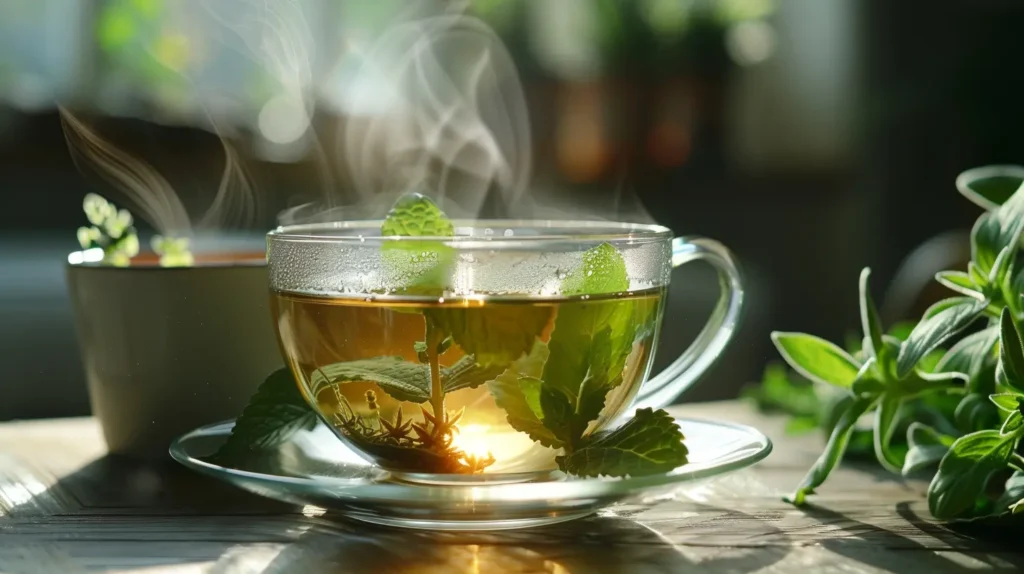
Ginger Herbal Tea
Best for: Chills + warming comfort + nausea
Fresh ginger makes sense when fever is accompanied by chills, poor appetite or nausea.
Its best-supported roles are not as a fever reducer; ginger has considerably more human research for conditions such as nausea than for fever itself.
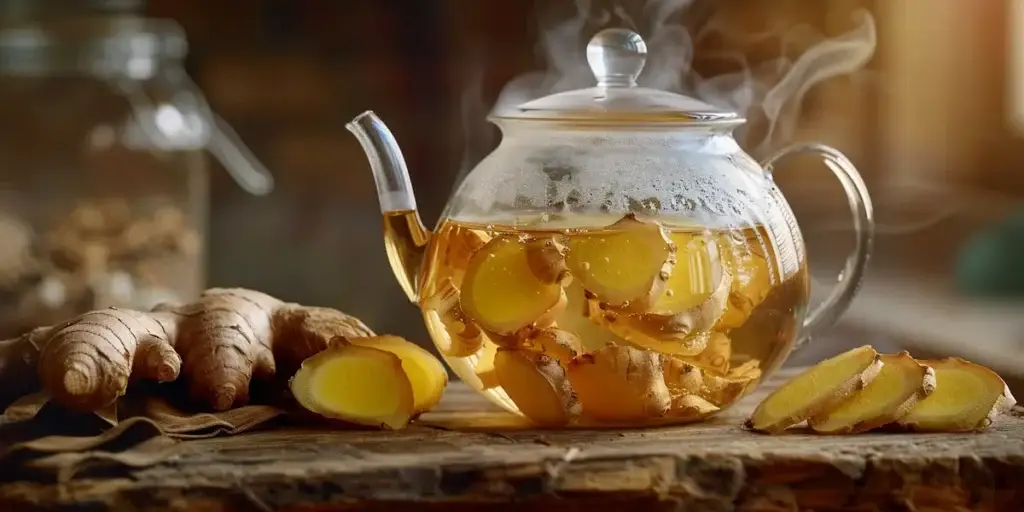
Yarrow Herbal Tea
Best for: Traditional fever-time herbal preparation
Yarrow has a long history in Western herbalism and frequently appears in traditional “fever teas.”
Modern clinical evidence demonstrating that yarrow lowers fever in people is lacking, so its role should be presented explicitly as traditional.

Linden Flower Tea
Best for: Warm fluids + relaxing seasonal comfort
Linden flowers are traditionally prepared as a warm tea during colds and feverish illnesses.
The preparation is better understood as a traditional comfort beverage than as a clinically established fever treatment.
What Is a Fever?
A fever is a temporary rise in body temperature.
Normal body temperature varies from person to person and changes throughout the day. A temperature above approximately 100.4°F (38°C) commonly indicates fever associated with illness or infection.
But fever itself is not a disease.
It is part of the body’s response to an underlying problem. Infections are common causes, although medications, inflammatory conditions, heat-related illness and other conditions can also affect body temperature.
This distinction matters because the goal shouldn’t automatically be:
“Which herb will make the number on the thermometer go down?”
The more useful questions are:
Why is the fever occurring?
Is the person staying hydrated and reasonably comfortable?
Are there symptoms that require medical evaluation?
Can an herbal preparation safely improve comfort while the underlying illness is addressed?
For a mild fever in an otherwise stable person, rest and adequate fluid intake are often central parts of home care.
Fever Is Not the Same as Hyperthermia
Fever and dangerous overheating are not interchangeable.
During a fever, the body’s temperature-regulating system intentionally changes its temperature set point as part of the response to illness.
Heat illness or hyperthermia involves excessive body heat for other reasons and can become a medical emergency.
Do not try to manage suspected heatstroke with herbal fever remedies.
What Should Herbal Support Focus On?
Hydration
This is the most practical role for herbal tea during a fever.
Fever can increase fluid needs, and maintaining adequate hydration is important. Water, broth and other appropriate fluids work too—herbal tea isn’t required.
The advantage of tea is that it combines fluid with warmth, flavor and potentially useful support for accompanying symptoms.
Comfort
Someone with a fever may alternate between feeling hot and experiencing chills.
A comfortably warm tea can be pleasant during chills, while room-temperature or cooler fluids may feel better when someone feels overheated.
There is no need to force very hot “sweating teas.”
Accompanying Symptom Support
Instead of choosing an herb simply because it has historically been called a “fever herb,” match it to what else is happening.
Nausea: Ginger or peppermint may be more logical.
Sore throat: Marshmallow root, sage or a soothing throat tea may make more sense.
Cough: Thyme, marshmallow root or another cough-specific approach may be appropriate.
Chills: Warm ginger or elderflower tea may provide comfort.
This symptom-matching approach is more useful than expecting one herb to treat the entire illness.
Traditional Diaphoretic Support
A diaphoretic is traditionally described as an herb used to encourage peripheral circulation or sweating.
Elderflower, yarrow and linden are classic examples in Western herbal traditions.
However, traditional diaphoretic terminology should not be interpreted as proof that these herbs safely lower fever or improve the course of an infection.
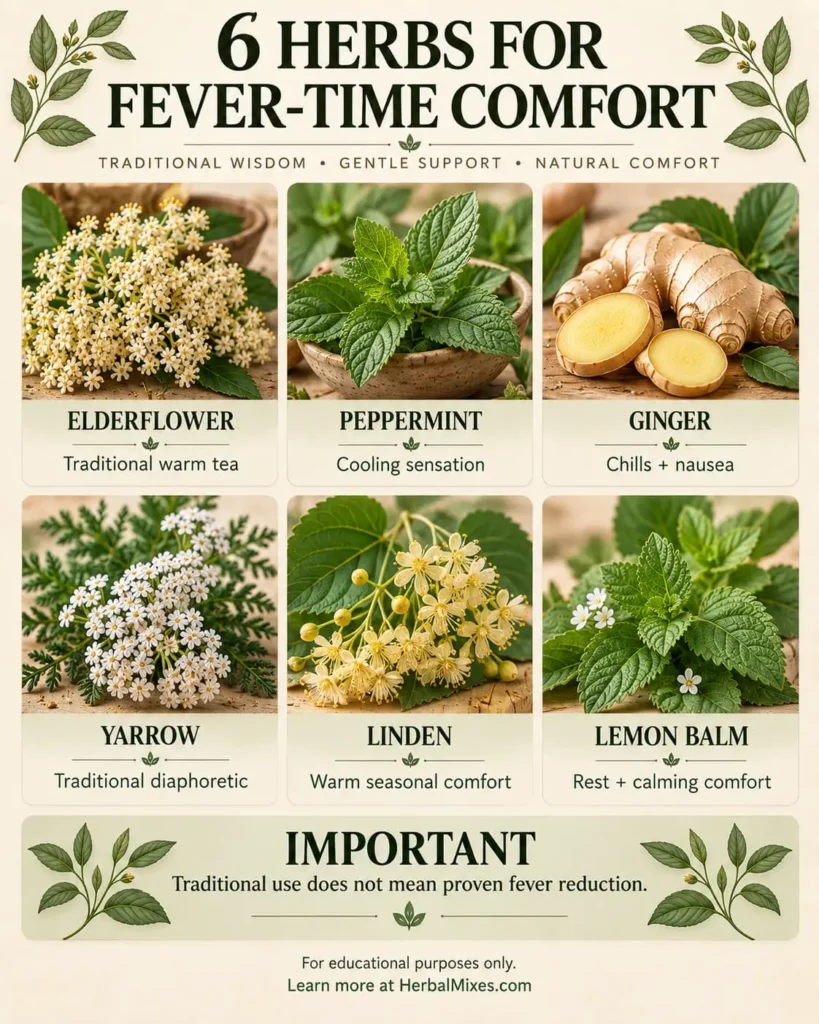
6 Herbs for Fever-Time Comfort
1. Elderflower (Sambucus nigra)
Best role: Traditional warm fever-time tea
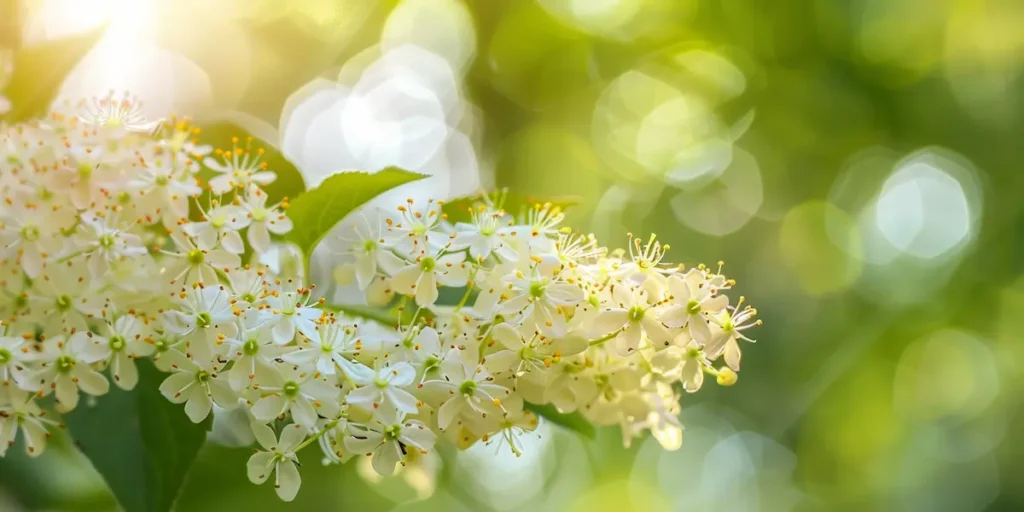
Elderflower is one of the classic herbs used in European and Western herbal traditions during colds and feverish illnesses.
Warm elderflower tea is traditionally described as diaphoretic and is often combined with peppermint or yarrow.
Modern clinical evidence does not establish elderflower tea as a reliable fever-reducing treatment.
Best preparation: Warm infusion
Pairs well with: Peppermint • Yarrow • Linden
Use with care: Use properly identified, commercially prepared elderflower. Do not assume all parts of an elder plant are interchangeable.
2. Peppermint (Mentha × piperita)
Best role: Cooling sensation + digestive comfort
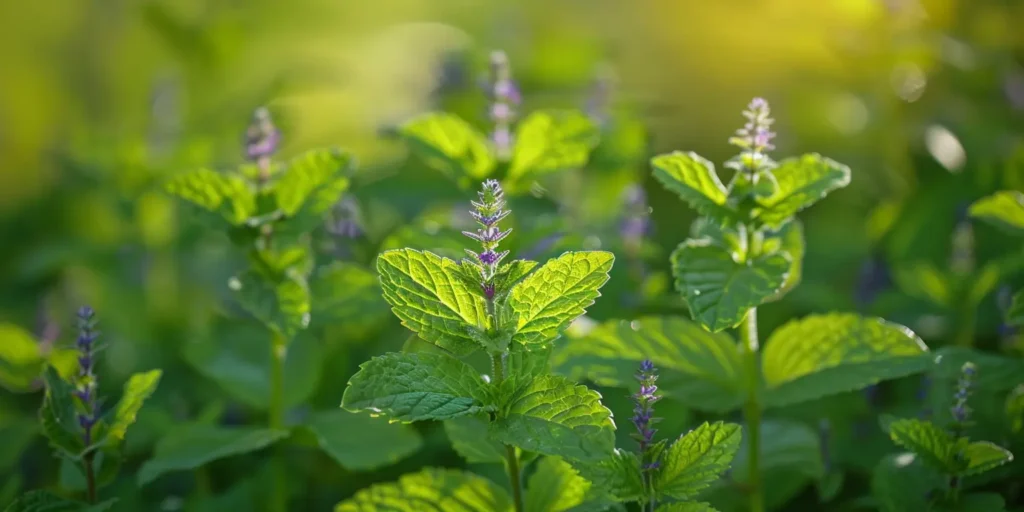
Peppermint contains menthol, which creates a cooling sensory effect.
That can feel pleasant when someone feels hot or uncomfortable, but a cooling sensation is not the same thing as reducing core body temperature.
Peppermint also has a long history of digestive use, making it potentially useful when illness is accompanied by queasiness or digestive discomfort.
Best preparation: Tea
Pairs well with: Elderflower • Yarrow • Ginger
Use with care: Strong peppermint may aggravate reflux in some people. Concentrated peppermint essential oil should not be treated as equivalent to peppermint tea.
3. Ginger (Zingiber officinale)
Best role: Chills + nausea + warming comfort
Ginger is especially useful when someone feels chilled and wants a warming beverage.
It also has considerably more research behind its use for certain forms of nausea than for fever.
NCCIH notes that ginger has been studied extensively for nausea and vomiting, while there isn’t established evidence that it treats fever.
So ginger’s place here is best understood as symptom-matched supportive care, not fever reduction.
Best preparation: Fresh tea • Decoction • Food
Pairs well with: Lemon • Honey • Peppermint • Elderflower
Use with care: Oral ginger can cause heartburn, abdominal discomfort, diarrhea or mouth/throat irritation. Discuss concentrated herbal products with a healthcare professional if you take medications.
4. Yarrow (Achillea millefolium)
Best role: Traditional diaphoretic-style tea
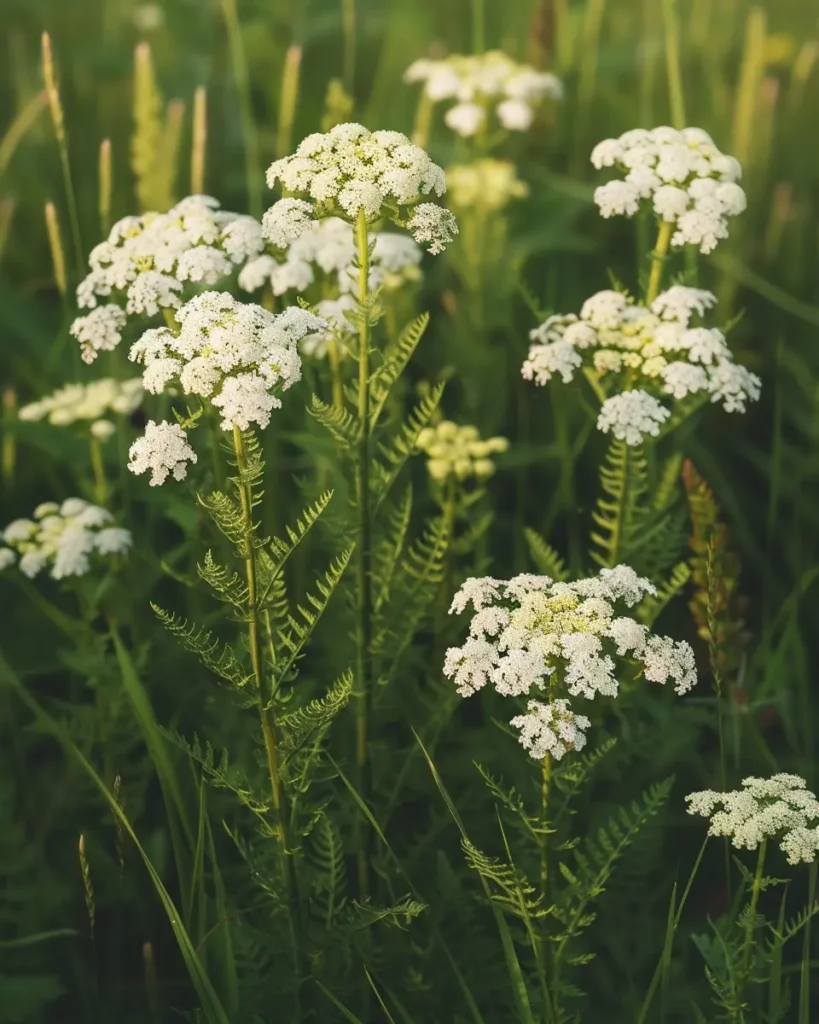
Yarrow is another classic component of traditional fever and cold formulas.
Historically, the aerial parts have been prepared as warm infusions and combined with elderflower and peppermint.
Its inclusion here is based primarily on traditional herbal practice.
There isn’t strong modern clinical evidence showing that drinking yarrow tea reliably lowers fever or treats the infection responsible for it.
Best preparation: Warm infusion
Pairs well with: Elderflower • Peppermint
Use with care: People allergic to plants in the Asteraceae/daisy family may be more likely to react. Pregnancy warrants additional caution.
5. Linden (Tilia spp.)
Best role: Gentle warm seasonal tea
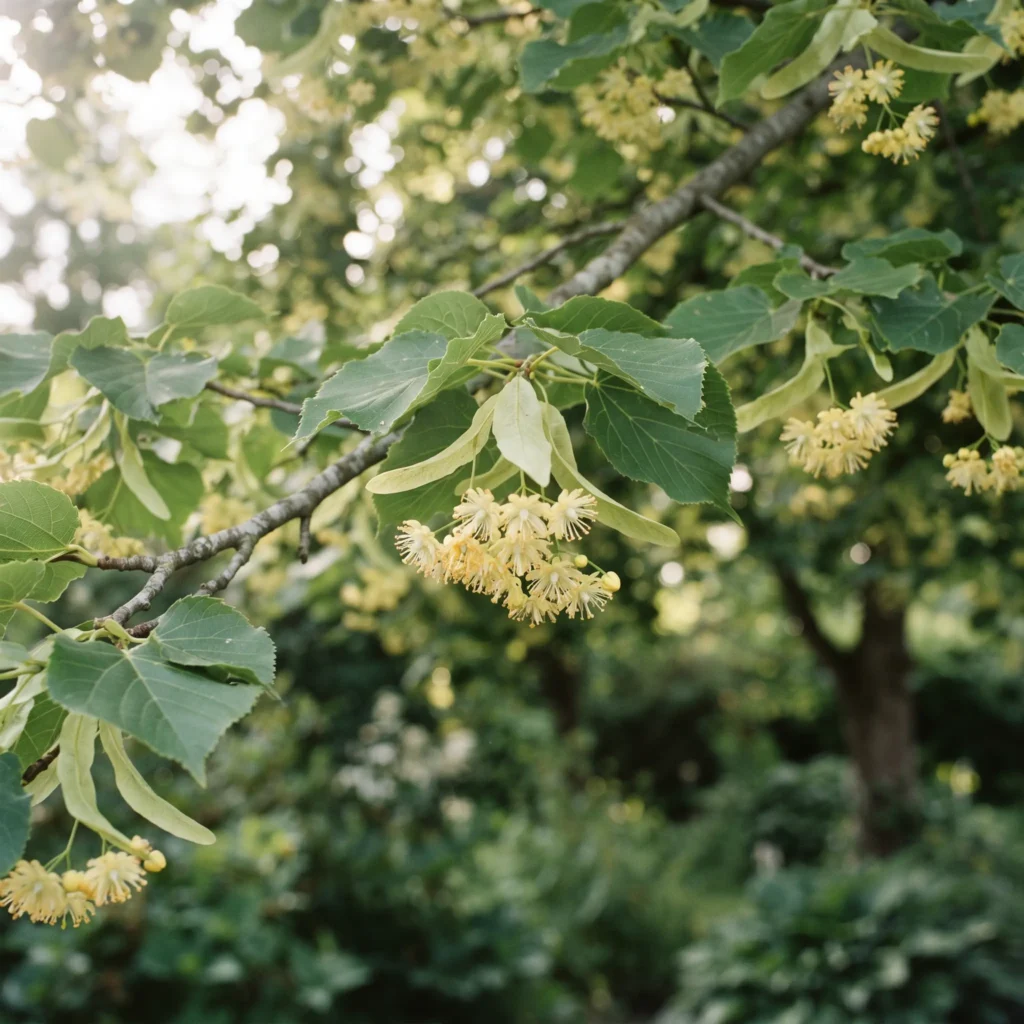
Linden flower has traditionally been consumed as a warm tea during colds and feverish illnesses.
Like elderflower and yarrow, its historical reputation as a “sweating herb” is much stronger than the modern clinical evidence for actual fever reduction.
Its practical role is therefore primarily:
warm fluid + relaxation + traditional comfort
Best preparation: Warm infusion
Pairs well with: Elderflower • Peppermint • Lemon Balm
Use with care: Use properly identified herbal material from a reliable source.
6. Lemon Balm (Melissa officinalis)
Best role: Rest + calming comfort
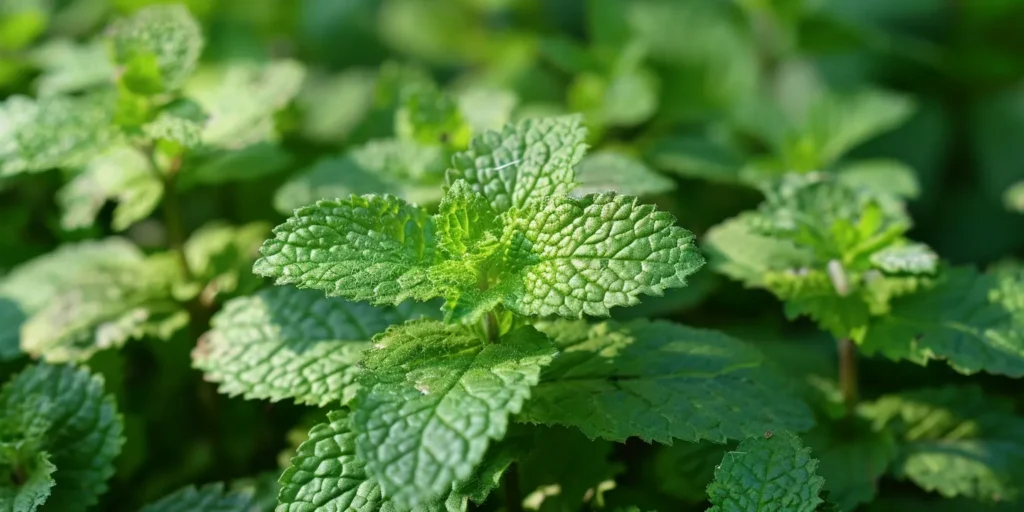
Lemon balm isn’t a primary fever herb.
Its value is different: when mild illness makes it difficult to settle down and rest, a gentle aromatic tea can provide fluid while fitting into a calming bedtime routine.
This illustrates an important principle of fever support: the most useful herb may target an accompanying need rather than the temperature itself.
Best preparation: Tea
Pairs well with: Linden • Peppermint • Elderflower
Use with care: Follow product guidance and discuss concentrated products with a healthcare professional when taking medications.
Best Herbal Combinations for Fever-Time Comfort
Elderflower + Peppermint + Yarrow
Best for: Traditional warm seasonal tea
This is one of the classic combinations associated with Western herbal fever-time traditions.
Elderflower and yarrow supply the traditional diaphoretic rationale, while peppermint contributes aroma and a cooling sensation.
Best preparation: Warm covered infusion.
Evidence note: This is a traditional herbal combination—not a clinically proven fever treatment.
Elderflower + Linden
Best for: Warm fluids + gentle rest
This combination emphasizes a mild, pleasant tea rather than an aggressive attempt to induce sweating.
Best preparation: Warm infusion.
[NEW SYNERGY OPPORTUNITY → Elderflower + Linden]
Ginger + Peppermint
Best for: Feverish illness accompanied by nausea or digestive discomfort
Ginger provides warming pungency while peppermint adds a fresh aromatic character.
This combination is particularly logical when digestive discomfort is more troublesome than the fever itself.
Best preparation: Light ginger tea with peppermint added toward the end of steeping.
Linden + Lemon Balm
Best for: Rest + evening comfort
This is a gentle combination for someone who primarily needs fluids, warmth and a calming bedtime beverage.
Best preparation: Covered warm infusion.
Elderflower + Ginger
Best for: Chills + warm hydration
Elderflower supplies the traditional seasonal role while ginger adds warming flavor.
Best preparation: Elderflower infusion combined with a mild fresh ginger tea.
How to Prepare Herbal Tea During a Fever
Standard Herbal Infusion
For delicate leaves and flowers such as:
Elderflower • Peppermint • Yarrow • Linden • Lemon Balm
Use a covered infusion.
Covering the cup or teapot helps retain aromatic volatile compounds.
Drink at a comfortable temperature.
There is no need to drink scalding-hot tea or deliberately overheat yourself in an attempt to “sweat out” an infection.
Ginger Tea
Fresh ginger can be sliced and gently simmered or steeped in hot water.
Make the preparation as mild as necessary when appetite is poor or the stomach is sensitive.
Don’t Force Herbal Tea
If plain water, broth or another appropriate fluid is easier to tolerate, use it.
Hydration is more important than consuming a particular herb.
Should You Try to “Sweat Out” a Fever?
This traditional idea needs context.
Elderflower, yarrow and linden have historically been called diaphoretic herbs, and warm herbal teas were often used to encourage sweating.
But deliberately overheating yourself with heavy blankets, very hot baths or excessive hot drinks isn’t necessary.
MedlinePlus specifically advises against bundling someone with fever in excessive clothing or blankets. Cold baths, ice and alcohol rubs are also inappropriate because they can trigger shivering and worsen discomfort.
Comfortable clothing, fluids and rest are a more sensible approach.
Should Every Fever Be Lowered?
Not necessarily.
Fever is part of the body’s response to illness, and a mild fever does not automatically require treatment simply because the thermometer is above normal.
The practical goal is often comfort and hydration, while paying attention to the underlying illness.
When fever causes significant discomfort, conventional fever-reducing medicines such as acetaminophen or ibuprofen may be appropriate when they are safe for the individual.
Children and teenagers with fever should not be given aspirin because of the risk of Reye syndrome.
Herbs should not be used as substitutes for appropriate fever-reducing medication when such medication is medically indicated.
Fever, Cold & Flu: An Important Distinction
A fever may accompany influenza, but fever itself does not tell you which infection is responsible.
This matters because claims such as:
“Elderberry treats flu.”
or
“Yarrow fights influenza.”
go beyond the evidence.
NCCIH states that no complementary approach has been shown to prevent influenza or relieve influenza symptoms, and evidence for natural products studied for flu—including elderberry—is insufficient.
Herbal tea can still provide fluids and comfort. That’s different from treating influenza itself.
Cold & Flu Comfort: Herbs for Cough, Congestion, Chills & Sore Throat
What About Feverfew?
Despite its name, feverfew (Tanacetum parthenium) should not automatically be considered a fever herb.
Modern research has focused mainly on migraine prevention, where results are mixed.
NCCIH reports that there is little or no evidence for feverfew for other health conditions.
The name “feverfew” is therefore not evidence that it is an effective fever treatment.
Feverfew also deserves caution in pregnancy and in people with allergies to ragweed-related plants, and it may affect blood clotting.
[INTERNAL LINK → Herb Profile: Feverfew]
What the Evidence Actually Says
The evidence for herbal fever treatment is much weaker than traditional herbal literature sometimes implies.
Elderflower: Long history of traditional use during feverish respiratory illnesses, but insufficient modern evidence to claim reliable fever reduction.
Peppermint: Can create a cooling sensation and provides a pleasant tea, but this is not equivalent to lowering core temperature.
Ginger: Has human research for several types of nausea and other conditions, but it is not established as a fever treatment.
Yarrow: Traditional diaphoretic herb with limited clinical evidence for fever.
Linden: Traditional warm seasonal tea without convincing evidence that it lowers fever.
Lemon Balm: Better positioned for calming comfort than fever reduction.
Feverfew: Its name is misleading in this context; modern evidence focuses primarily on migraine, not fever.
The most evidence-informed approach is therefore:
Use herbs for hydration and symptom-specific comfort—not as substitutes for diagnosing or treating the cause of a fever.
When to Get Medical Help
Fever sometimes needs prompt medical attention.
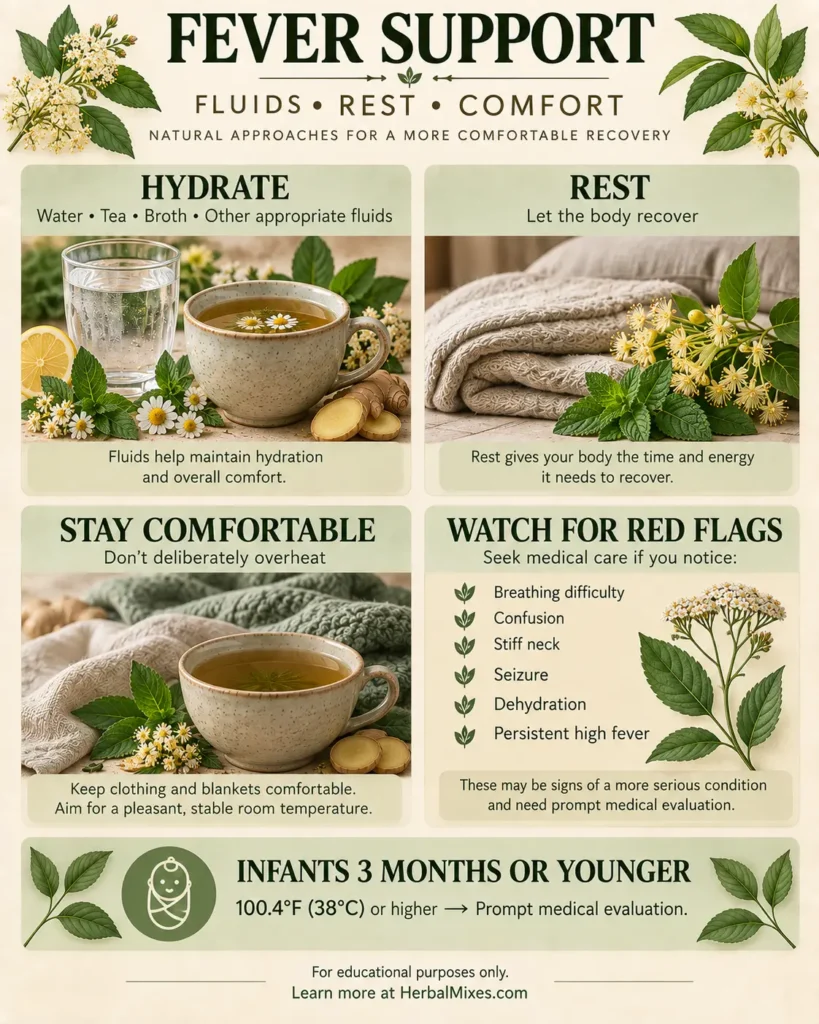
Get emergency help for fever accompanied by:
- difficulty breathing;
- blue lips, tongue or nails;
- severe confusion or inability to wake normally;
- seizure;
- very severe headache;
- stiff neck;
- inability to walk or severe weakness.
Infants require special caution.
A baby 3 months old or younger with a rectal temperature of 100.4°F (38°C) or higher should be evaluated promptly by a healthcare professional.
Adults should contact a healthcare professional when:
- fever reaches 105°F (40.6°C);
- it stays at or continues rising above 103°F (39.4°C);
- fever continues longer than approximately 48–72 hours;
- fever repeatedly returns;
- a new rash or unexplained bruising develops;
- urination becomes painful;
- the person has a weakened immune system or significant chronic disease.
These are general guidelines, not substitutes for individualized medical advice.
Frequently Asked Questions
What herbs are traditionally used during a fever?
Elderflower, yarrow and linden are classic Western herbal examples. Peppermint and ginger are also commonly incorporated into seasonal teas. Their traditional use should not be confused with proof that they lower fever.
What is the best herbal tea for fever?
There isn’t a clinically established “best” fever tea. Choose according to the person’s needs. Elderflower or linden can provide a mild warm drink, ginger may suit chills or nausea, and peppermint may provide a cooling sensation and digestive comfort.
Can elderflower lower a fever?
Elderflower has a strong history of traditional fever-time use, but modern evidence does not establish elderflower tea as a reliable fever-reducing treatment.
Does peppermint reduce body temperature?
Menthol can create a cooling sensation, but feeling cooler isn’t the same as reducing core body temperature.
Is ginger good when you have a fever?
Ginger can make a warming beverage and may be useful when illness is accompanied by nausea. It has not been established as a fever-reducing treatment.
Is yarrow good for fever?
Yarrow is traditionally used as a diaphoretic herb in fever-time teas. Strong clinical evidence showing that yarrow reduces fever is lacking.
Is feverfew good for fever?
Despite the name, modern feverfew research focuses mainly on migraine prevention. NCCIH says there is little or no evidence regarding its usefulness for other health conditions.
Should I bundle up to sweat out a fever?
No. Excessive blankets and clothing can make someone with fever more uncomfortable. Use comfortable lightweight clothing and prioritize fluids and rest.
Should I use ice or a cold bath for fever?
MedlinePlus advises against cold baths, ice and alcohol rubs because they can trigger shivering and worsen the situation.
What is most important when someone has a fever?
Pay attention to the person, not only the thermometer: hydration, alertness, breathing, duration of the fever, accompanying symptoms, age and underlying medical conditions all matter.
References
MedlinePlus Medical Encyclopedia — Fever
MedlinePlus — Body Temperature Norms
NCCIH — Colds, Flu, and Complementary Health Approaches
NCCIH — Ginger: Usefulness and Safety
NCCIH — Feverfew: Usefulness and Safety
Disclaimer
This article is for educational purposes only and is not medical advice. Fever can have many causes, and herbal preparations should not replace appropriate diagnosis, medical treatment or fever-reducing medication when needed.
Infants, pregnant or breastfeeding people, people with weakened immune systems or serious chronic illnesses, and anyone with severe or persistent fever should receive appropriate medical guidance.