

Immunostimulant
Feel something coming on? Immunostimulant herbs gently boost immune activity, helping your body's natural defenses respond more actively.


Immunostimulant simply means something that gives the immune system a gentle nudge to work a little more actively. In herbal medicine, immunostimulant refers to a plant’s ability to stimulate immune cell activity, encouraging the body’s natural defenses to respond more energetically than they might on their own. This is a bit different from an immunomodulator, a related term for herbs that help balance immune activity up or down depending on what the body needs — immunostimulants lean specifically toward turning activity up.
In the body, immunostimulant herbs primarily engage the immune system, working through naturally occurring plant compounds like polysaccharides (complex sugar molecules) and certain alkaloids. These compounds appear to interact with immune cells, encouraging them to become more active and responsive, almost like a gentle wake-up call rather than a forceful push. It’s the tiny plant chemistry doing all the heavy lifting, helping your body’s own defenses do what they’re already designed to do, just with a bit more energy behind it.
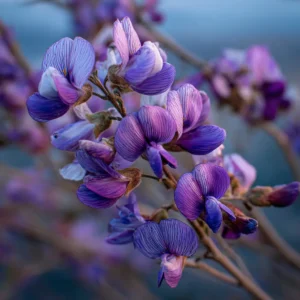
People typically reach for immunostimulant herbs in familiar, everyday situations — right at the very first sign of a scratchy throat or that “something’s coming on” feeling, during flu season when everyone around them seems to be catching something, or after a stretch of poor sleep or high stress that has them feeling more run-down than usual. These are proactive, everyday moments rather than emergencies.
One honest safety note: because immunostimulant herbs actively rev up immune activity, they’re generally not recommended for long, continuous stretches of daily use, and people with autoimmune conditions should check with a healthcare provider before trying them, since stimulating an already overactive immune system isn’t usually the goal. As always, start with a smaller amount and pay attention to how your body responds.
Suggested herbs: Echinacea, Astragalus, Elderberry, Reishi, Andrographis, Garlic, Ginseng, Cat’s Claw, Turkey Tail, Goldenseal
Herbs With This Effect
Explore herbs commonly valued for this property.
Featured Recipes
Recipes that put this property to use.
Available Herbal Products
Explore and shop ready-made products offering this benefit.
Explore herbs commonly valued for their gentle immunostimulant support.
References
- NIH National Center for Complementary and Integrative Health
- Mount Sinai Health Library
- Cleveland Clinic
- Mayo Clinic
Frequently Asked Questions
Q: How long should I take immunostimulant herbs before taking a break?
A: Many herbalists suggest cycling immunostimulant herbs, like using them for a couple of weeks with breaks in between, rather than taking them continuously every day, since ongoing stimulation isn't typically the goal.
Q: Can immunostimulant herbs help prevent me from getting sick?
A: They're often used proactively during high-exposure times, like flu season, to give the immune system a bit of extra support, though they're not a guarantee against catching something going around.
Q: Are immunostimulant herbs safe for people with autoimmune conditions?
A: Not always — since these herbs actively stimulate immune activity, it's best for anyone with an autoimmune condition to check with a healthcare provider before trying them, as stimulation isn't usually the goal there.
Q: What's the difference between an immunostimulant and an adaptogen?
A: Immunostimulants specifically encourage more active immune cell response, while adaptogens support the body's broader ability to handle stress. Some herbs, like astragalus, are considered both.
This information is for educational purposes only and is not intended as medical advice. Consult a qualified healthcare professional before using any herb, especially if pregnant, breastfeeding, taking medications, or managing a health condition.