

Diaphoretic
Feeling chilled and achy? Diaphoretic herbs gently warm the body and support natural sweating for seasonal comfort.


Diaphoretic simply means something that encourages the body to sweat a little more than usual. In herbal medicine, diaphoretic refers to a plant’s ability to promote perspiration, typically by encouraging blood flow to the surface of the skin — a process called vasodilation, where blood vessels near the skin widen, bringing warmth and moisture to the surface. This is the tiny plant chemistry doing all the heavy lifting, often through warming compounds that gently nudge circulation outward rather than working from the inside out.
In the body, diaphoretic herbs primarily engage the integumentary system — that’s just the technical name for the skin and everything connected to it, like sweat glands and surface blood vessels. Many diaphoretic herbs are warming by nature, meaning they create a gentle internal heat that encourages the body to release that heat through sweat, which is the body’s natural cooling mechanism. This warming, opening action is also why diaphoretic herbs are traditionally taken as a hot tea rather than cold — the warmth of the drink itself supports the process the herb is encouraging.
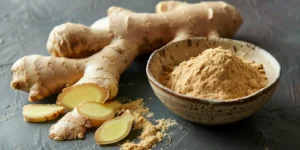
People typically look for diaphoretic herbs in a few familiar situations: that early, achy, chilled feeling that often shows up at the very start of a cold, a body that feels tense or “stuck” and could use a little gentle warming, or simply wanting to support the body’s natural detox pathways through the skin. Historically, diaphoretic herbs have also been used as part of seasonal wellness routines, especially heading into colder months.
One honest safety note: because diaphoretic herbs encourage sweating, they’re generally not recommended for anyone already dealing with dehydration, excessive sweating, or certain fever conditions, and it’s worth checking with a healthcare provider before using them if you’re pregnant, nursing, or managing a chronic health condition. As always, start with a smaller amount and pay attention to how your body responds, staying well hydrated throughout.
Suggested herbs: Yarrow, Elderflower, Ginger, Boneset, Catnip, Peppermint, Cayenne, Lemon Balm, Chamomile, Linden
Herbs With This Effect
Explore herbs commonly valued for this property.
Featured Recipes
Recipes that put this property to use.
Available Herbal Products
Explore and shop ready-made products offering this benefit.
Explore herbs commonly valued for their gentle diaphoretic warmth.
References
- NIH National Center for Complementary and Integrative Health
- Mount Sinai Health Library — Herbal Medicine
- Cleveland Clinic
- Mayo Clinic
Frequently Asked Questions
Q: Should diaphoretic herbs be taken hot or cold?
A: Hot is best — the warmth of the tea itself supports the warming, opening action the herb is encouraging. A cold preparation of the same herb won't have quite the same effect.
Q: Is it normal to sweat more after drinking a diaphoretic tea?
A: Yes, a gentle increase in perspiration is exactly what these herbs are meant to encourage, especially when taken warm. Just make sure to drink plenty of water alongside it to stay hydrated.
Q: Can diaphoretic herbs help at the very start of a cold?
A: Many people reach for warming diaphoretic herbs right when that early, chilled, achy feeling sets in, as a way to support the body's natural warming response during that first day or two.
Q: Are diaphoretic herbs safe to use every day?
A: They're generally best used situationally, like at the start of a cold or during a seasonal routine, rather than daily, since regular sweating can affect hydration and mineral balance over time.
This information is for educational purposes only and is not intended as medical advice. Consult a qualified healthcare professional before using any herb, especially if pregnant, breastfeeding, taking medications, or managing a health condition.