

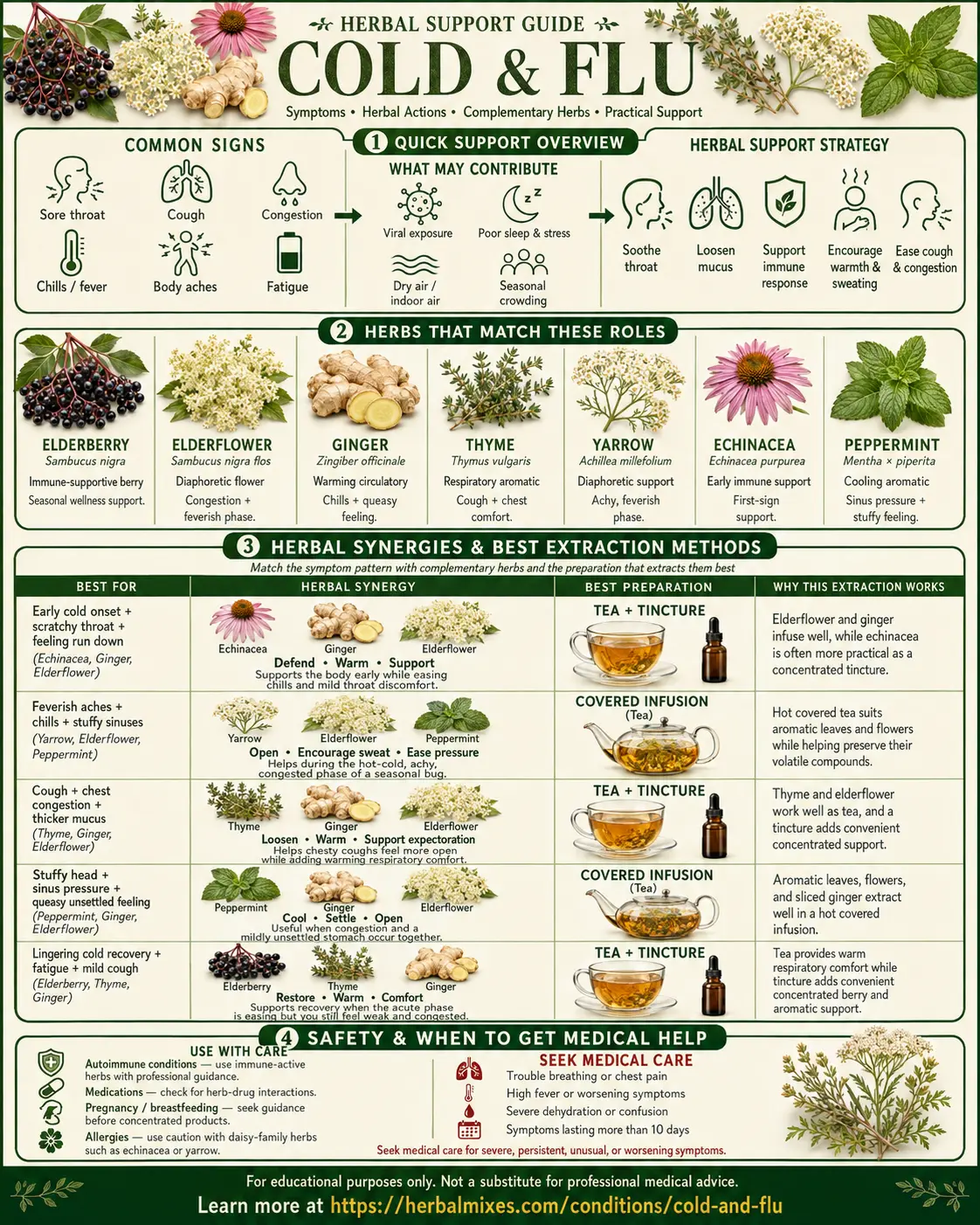
Colds and influenza can overlap in symptoms such as sore throat, cough, congestion, fatigue, chills, and body aches, although flu often begins more abruptly and can cause more intense fever and exhaustion. Herbal support is best used for symptom comfort and supportive care, not as a substitute for vaccination, antiviral treatment when indicated, or medical evaluation for severe illness; NCCIH notes that no complementary approach has been proven effective for treating influenza itself. (NCCIH)
Herbal Support Strategy
The best herbal combination depends on the dominant symptoms: elderflower and peppermint fit hot, stuffy patterns; thyme supports cough and mucus; ginger provides warmth when chills or nausea are prominent; elderberry and echinacea emphasize seasonal immune support; and marshmallow root becomes especially useful for a dry, irritated throat.
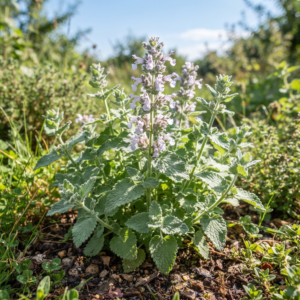

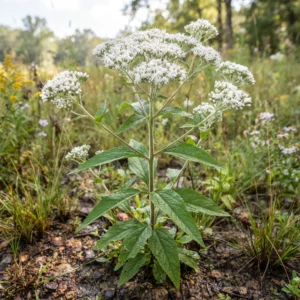
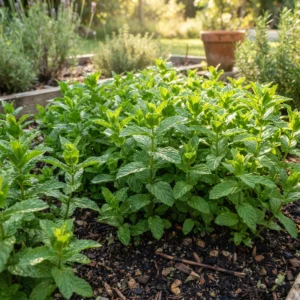
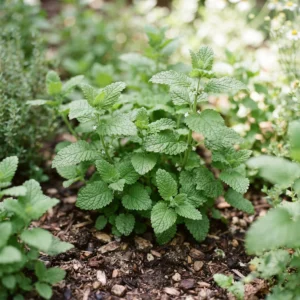
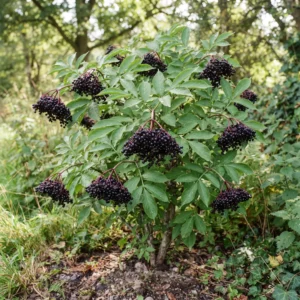


Elderberry (Sambucus nigra) — Seasonal immune + antioxidant support. The dark fruit contains anthocyanins and other polyphenols. Preliminary research suggests elderberry may help reduce some upper-respiratory symptom severity or duration, but the evidence remains limited and uncertain. (NCCIH)
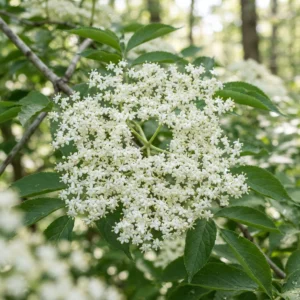
Elderflower (Sambucus nigra flos) — Warm, stuffy + feverish comfort. Elderflower is traditionally used in hot herbal infusions during seasonal respiratory illnesses, particularly when congestion, warmth, or a desire to encourage gentle perspiration accompanies the illness.
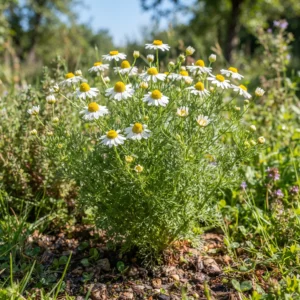
Echinacea (Echinacea purpurea / E. angustifolia) — Short-term seasonal immune support. Echinacea is commonly used around the onset of respiratory illness. Research is mixed: some preparations show possible modest benefit, while overall evidence for clinically meaningful cold treatment remains inconsistent. (NCCIH)
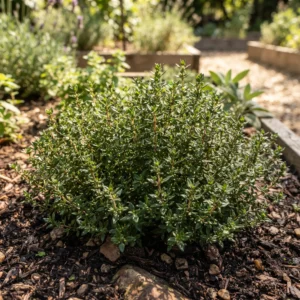
Thyme (Thymus vulgaris) — Cough + mucus support. Thyme is an aromatic respiratory herb rich in volatile constituents such as thymol. European herbal monographs recognize traditional thyme preparations for cough-and-cold applications. (European Medicines Agency (EMA))
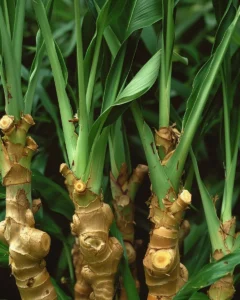
Ginger (Zingiber officinale) — Chills + warming digestive comfort. Ginger brings warmth and aromatic stimulation to cold-weather blends and is particularly useful when respiratory discomfort overlaps with chills, poor appetite, nausea, or a generally cold, sluggish feeling.
Peppermint (Mentha × piperita) — Stuffy head + cooling aromatic support. Menthol-rich peppermint gives teas a cooling, opening sensation and works particularly well when nasal stuffiness, sinus pressure, headache, or a hot, uncomfortable feeling accompanies a cold.
Marshmallow Root (Althaea officinalis) — Dry throat + irritating cough. Rich in mucilage, marshmallow root is primarily a demulcent. It is best matched to dryness, scratchiness, and a cough aggravated by irritated throat tissues rather than thick, difficult mucus.
Herbal Synergies & Best Extraction Methods
Echinacea + Elderberry + Elderflower
Best for: Early cold symptoms, feeling run down, scratchy throat, and increased seasonal exposure.
Echinacea emphasizes short-term immune support, elderberry contributes antioxidant-rich fruit compounds, and elderflower adds traditional respiratory comfort.
Best Preparation: Tea + Tincture. Elderflower and elderberry work well in water-based preparations, while echinacea is especially convenient as a concentrated tincture.
Elderflower + Peppermint + Ginger
Best for: Stuffy head, chills alternating with warmth, mild aches, and an uncomfortable feverish feeling.
Elderflower provides traditional diaphoretic support, peppermint adds cooling aromatic comfort, and ginger supplies warming balance.
Best Preparation: Covered Infusion (Tea). A covered infusion extracts the herbs while helping preserve peppermint’s volatile aromatic constituents.
Thyme + Ginger + Elderflower
Best for: Cough, chest congestion, mucus, and a cold or sluggish respiratory feeling.
Thyme supplies aromatic expectorant support, ginger adds warming activity, and elderflower complements the respiratory focus without making the blend overly stimulating.
Best Preparation: Covered Infusion (Tea). Thyme and elderflower extract readily in hot water, while covering the tea helps retain aromatic oils.
Marshmallow Root + Elderflower + Ginger
Best for: Dry, scratchy throat, irritating cough, and throat discomfort accompanied by chills.
Marshmallow provides soothing mucilage while elderflower and ginger contribute seasonal and warming support.
Best Preparation: Dual Preparation. Marshmallow’s mucilage is especially suited to cooler extraction, while elderflower and ginger work better as a warm infusion.
Elderberry + Thyme + Ginger
Best for: Lingering cold symptoms with mild cough, respiratory discomfort, and feeling depleted.
Elderberry provides fruit-based seasonal support, thyme focuses on the respiratory tract, and ginger adds warming digestive and circulatory comfort.
Best Preparation: Tea + Extract. Thyme and ginger make a practical warm tea while elderberry syrup or extract provides a convenient concentrated fruit preparation.
Available Ready-to-Use Products
If you prefer a ready-made option, these commercially available products contain herbs relevant to the approaches discussed above.
Seasonal immune support — A simple elderberry-centered option for periods of increased respiratory exposure. Gaia Herbs — Black Elderberry Syrup Extra Strength contains concentrated black elderberry fruit with acerola and is positioned for seasonal immune support. Gaia Herbs — Black Elderberry Syrup Extra Strength (Gaia Herbs)
Early seasonal support — Best matched to a short-term echinacea strategy. Gaia Herbs — Echinacea Supreme combines E. purpurea root, seed, and aerial parts with E. angustifolia root in a concentrated extract formula. Gaia Herbs — Echinacea Supreme (Gaia Herbs)
Cough + bronchial comfort — Useful when cough and respiratory irritation dominate. Gaia Herbs — Bronchial Wellness Syrup contains plantain, elecampane, mullein, thyme, honey, and aromatic essential oils, closely matching the respiratory-soothing strategy above. Gaia Herbs — Bronchial Wellness Syrup (Gaia Herbs)
Occasional cough + expectoration — A concentrated liquid option centered on traditional respiratory herbs. Herb Pharm — Mullein Blend is formulated for bronchial support and occasional cough comfort and was listed as available when checked. Herb Pharm — Mullein Blend (Herb Pharm)
Herbal Properties Required
For cold and flu comfort, useful herbal properties may include demulcent, expectorant, aromatic respiratory, diaphoretic, warming, and immune-supportive actions. Demulcents help soothe irritated throat tissues, expectorant and aromatic herbs support mucus clearance, warming or diaphoretic herbs fit chilled and achy patterns, while herbs such as echinacea and elderberry are commonly used for short-term seasonal immune support.






Use With Care
- Echinacea can cause allergic reactions, particularly in people sensitive to ragweed, daisies, or related plants. Evidence for cold treatment varies considerably between preparations. (NCCIH)
- Raw or unripe elderberries, leaves, and stems should not be consumed. They contain cyanogenic compounds that can cause significant gastrointestinal illness; properly prepared commercial elderberry products avoid this issue. (NCCIH)
- Peppermint may aggravate reflux or heartburn in sensitive people.
- Concentrated herbal formulas can interact with medications, and extra caution is appropriate with autoimmune disorders, immunosuppressive therapy, pregnancy, breastfeeding, and chronic medical conditions.
- Flu is different from a common cold. People at higher risk of influenza complications may benefit from prompt medical evaluation and prescription antiviral treatment rather than relying on herbal remedies.
If you take prescription medication, are pregnant or breastfeeding, or have a medical condition, check with a qualified healthcare professional before using concentrated herbal products.
When to Get Medical Help
Seek medical evaluation if you experience:
- Trouble breathing, shortness of breath, wheezing, or chest pain.
- Persistent high fever, severe weakness, confusion, or dehydration.
- Symptoms that improve and then return significantly worse.
- Severe headache, neck stiffness, bluish lips or face, or difficulty staying awake.
- Flu-like illness if you are pregnant, elderly, immunocompromised, or have significant heart, lung, kidney, metabolic, or other chronic disease.
Persistent, severe, unusual, or worsening symptoms should be evaluated by a healthcare professional.
Frequently Asked Questions
What is the best herb for a cold?
There isn’t one universally best herb. Elderberry and echinacea are often chosen for seasonal immune support, thyme makes more sense when cough and mucus dominate, peppermint suits stuffiness, and marshmallow root is better for a dry, irritated throat.
What is the best combination at the first sign of a cold?
Echinacea + elderberry + elderflower is a logical short-term combination. Echinacea emphasizes immune response, elderberry provides antioxidant-rich fruit compounds, and elderflower adds traditional respiratory support. Evidence for echinacea and elderberry is promising in some studies but remains inconsistent overall. (NCCIH)
Can herbs treat influenza?
Herbs should not be presented as treatments for influenza. NCCIH states that no complementary health approach has been shown to be helpful for flu. People with suspected flu—especially those at higher risk for complications—should consider medical evaluation because antiviral medications work best when started early. (NCCIH)
What herbs are useful for cold-related cough?
Thyme is one of the more appropriate aromatic respiratory herbs, particularly for cough with mucus. Marshmallow is more suited to a dry, scratchy cough, while ginger can provide warming comfort when coughing accompanies chills or a cold feeling. (European Medicines Agency (EMA))
Is tea or tincture better for a cold?
For elderflower, peppermint, thyme, and ginger, warm covered infusions are practical and comforting. Echinacea is particularly convenient as a tincture or concentrated extract. Combining tea + tincture often makes sense when a blend contains both aromatic herbs and echinacea root.
References
National Center for Complementary and Integrative Health — Colds, Flu, and Complementary Health Approaches: Usefulness and Safety
Read the NCCIH overview (NCCIH)
National Center for Complementary and Integrative Health — The Common Cold and Complementary Health Approaches: What the Science Says
Read the NCCIH evidence summary (NCCIH)
National Center for Complementary and Integrative Health — Echinacea: Usefulness and Safety
Read the NCCIH echinacea overview (NCCIH)
National Center for Complementary and Integrative Health — Elderberry: Usefulness and Safety
Read the NCCIH elderberry overview (NCCIH)
Wieland et al. — Elderberry for Prevention and Treatment of Viral Respiratory Illnesses: A Systematic Review
View the PubMed record (PubMed)
Shah et al. — Evaluation of Echinacea for the Prevention and Treatment of the Common Cold: A Meta-analysis
View the PubMed record (PubMed)
European Medicines Agency — Thyme Herb: European Union Herbal Monograph
Read the EMA thyme assessment (European Medicines Agency (EMA))
Disclaimer
For educational purposes only. This information is not intended to diagnose, treat, cure, or prevent disease. Herbal products may cause side effects or interact with medications. Consult an appropriate healthcare professional if you have a medical condition, take medication, are pregnant or breastfeeding, or have persistent or concerning symptoms.