

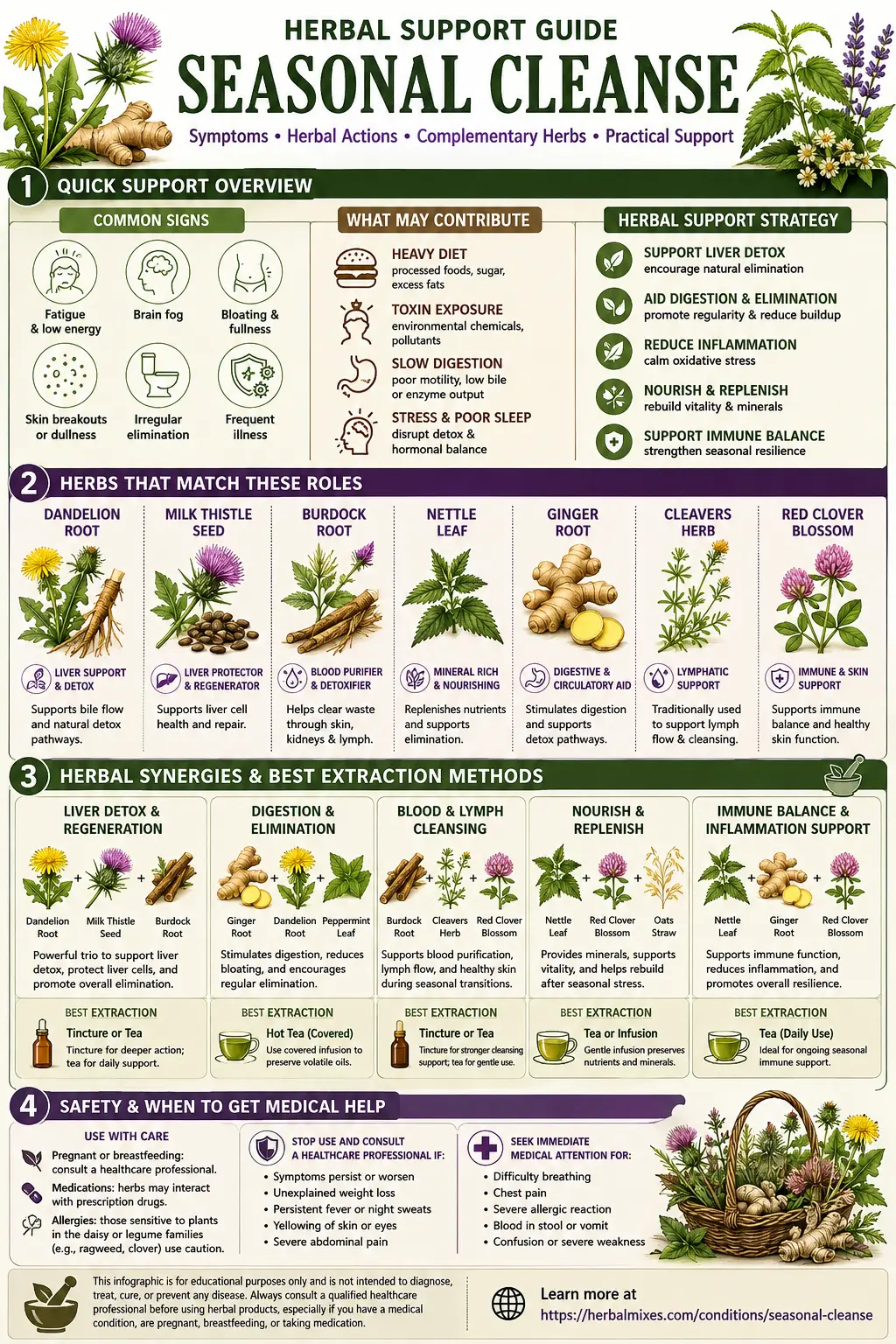
A practical seasonal approach combines digestive bitters for sluggish digestion, aromatic herbs for bloating, antioxidant-rich herbs for general liver support, and gentle nutritive or diuretic herbs when fluid balance is part of the picture. The goal is supportive self-care—not fasting, purging, or forcing rapid elimination.
Learn more about these herb:
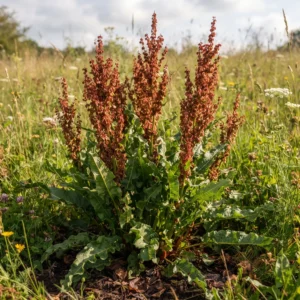
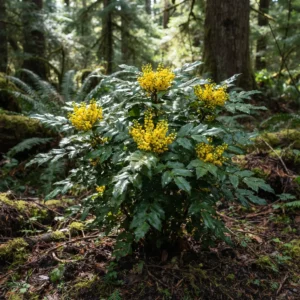

Available Ready-to-Use Products
If you prefer a ready-made option, these commercially available products contain herbs relevant to the approaches discussed above.
Multi-herb seasonal support — Appropriate when the main goal is a short-term herbal formula combining bitters and traditional liver-supportive plants. Gaia Herbs — Liver Cleanse — Contains milk thistle, turmeric, artichoke, dandelion, burdock, gentian, ginger, and several additional herbs. The manufacturer currently lists it for short-term liver support.
Liquid bitter and liver-support formula — Useful when a tincture-style preparation is preferred. Herb Pharm — Liver Health — Combines dandelion, Oregon grape, milk thistle, artichoke, schisandra, and fennel, closely overlapping with the bitter and digestive strategy discussed above.
Simple milk-thistle-centered support — Suitable when you prefer a more focused formula rather than a complex cleanse blend. Gaia Herbs — Milk Thistle — Provides concentrated milk thistle extract for traditional liver and antioxidant support.
Ayurvedic liver + kidney formula — An alternative botanical approach emphasizing traditional bitter herbs. Organic India — Liver & Kidney Cleanse Supplement — Uses bhumyamalaki, katuki, and punarnava rather than the Western herbs above, but follows a similar traditional liver-and-kidney-support strategy.
Herbal Synergies & Best Extraction Methods
Dandelion Root + Artichoke Leaf + Ginger
Best for: Sluggish digestion, heaviness after meals, mild bloating, and reduced appetite.
Dandelion and artichoke provide complementary bitter actions, while ginger adds warming aromatic support that can make the combination more comfortable for sluggish digestion.
Best Preparation: Tincture. A tincture conveniently captures the bitter and aromatic qualities of the combination without requiring a large volume of tea.
Milk Thistle + Schisandra
Best for: A seasonal routine focused primarily on antioxidant and traditional liver support rather than digestive symptoms.
Milk thistle supplies silymarin-rich seed extracts, while schisandra contributes lignans and traditional tonic actions.
Best Preparation: Standardized Extract + Tincture. Milk thistle’s silymarin is commonly concentrated in extracts, while schisandra works well as a tincture or concentrated extract.
Burdock Root + Dandelion Root + Ginger
Best for: A food-focused reset accompanied by mild digestive sluggishness or a feeling of heaviness.
Burdock and dandelion offer complementary bitter root actions, while ginger improves the aromatic, warming side of the blend.
Best Preparation: Decoction. These are primarily dense roots that tolerate longer hot-water extraction well.
Nettle + Dandelion Leaf + Burdock
Best for: A gentle spring-style reset centered on hydration, nutrition, and mild fluid balance.
Nettle contributes nutritive minerals, dandelion leaf adds traditional mild diuretic support, and burdock provides a complementary root-based bitter component.
Best Preparation: Dual Preparation. Use an infusion approach for nettle and dandelion leaf with a decoction-style extraction for burdock root.
Artichoke Leaf + Ginger + Schisandra
Best for: Digestive sluggishness combined with fatigue or difficulty returning to a normal routine after travel, holidays, or dietary changes.
Artichoke and ginger emphasize digestion, while schisandra adds adaptogenic and antioxidant support without turning the combination into an aggressive cleanse.
Best Preparation: Tea + Tincture. Ginger can be enjoyed as tea while artichoke and schisandra are often more convenient in concentrated liquid extracts.
Herbal Properties Required
For a gentle seasonal reset, useful herbal properties may include digestive bitter, carminative, antioxidant, traditional liver-supportive, nutritive, and mild diuretic actions. Bitters can support digestive secretions and appetite, carminatives may ease heaviness and bloating, while herbs traditionally associated with liver and kidney function can complement hydration, balanced meals, and regular movement rather than attempting to “detox” the body directly.




Herbs With These Properties
Dandelion (Taraxacum officinale) — Digestive bitter + gentle fluid support. Dandelion root is traditionally used as a bitter digestive herb, while the leaf has mild diuretic activity. Research into dandelion for gastrointestinal health is promising but still limited.
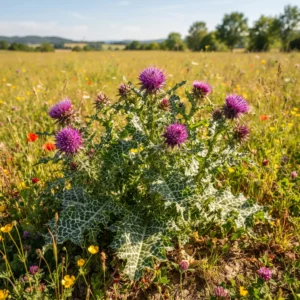
Milk Thistle (Silybum marianum) — Antioxidant + traditional liver support. Its seed contains the flavonolignan mixture silymarin. Milk thistle has a long history of liver-related use, although clinical evidence for treating liver disease remains inconsistent.
Artichoke Leaf (Cynara cardunculus / Cynara scolymus) — Bitter digestion + post-meal heaviness. Artichoke leaf is particularly useful when the “reset” goal centers on fullness, sluggish digestion, or dyspeptic discomfort; a randomized trial found improvement in functional dyspepsia symptoms with a specific extract.
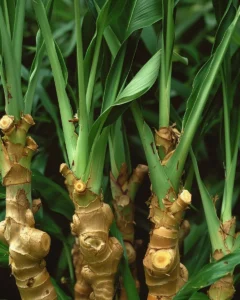
Ginger (Zingiber officinale) — Warming digestion + carminative support. Ginger’s gingerols and shogaols make it a useful companion to stronger bitters when heaviness, nausea, gas, or sluggish digestion are prominent. Clinical research is strongest for nausea and some gastrointestinal applications.
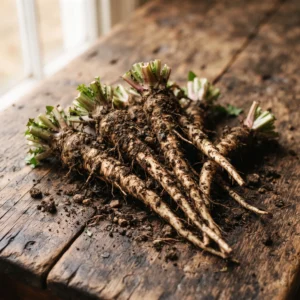
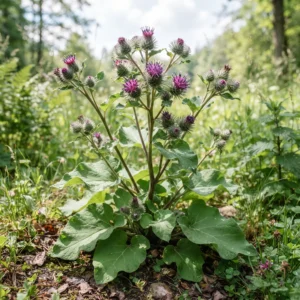
Burdock (Arctium lappa) — Traditional nutritive + bitter support. Burdock root is commonly used in Western herbal traditions as a gentle bitter and food-like “alterative” herb, making it better suited to a gradual seasonal routine than aggressive cleansing.
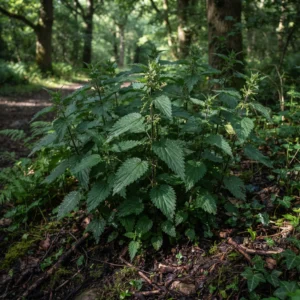
Nettle (Urtica dioica) — Nutritive + mild diuretic support. Mineral-rich nettle leaf is traditionally used as a nutritive tonic and mild urinary herb, fitting seasonal routines focused on hydration, vegetables, and gentle fluid balance rather than laxative cleansing.
Schisandra (Schisandra chinensis) — Antioxidant + adaptogenic liver support. Schisandra berries contain lignans and have a long history of tonic and liver-related use. Much of the mechanistic evidence remains preclinical, so it is best viewed as supportive rather than as a treatment for liver disease.
Use With Care
- Dandelion and artichoke may not be appropriate for some people with gallstones, bile-duct obstruction, or certain gallbladder conditions because bitter herbs may influence bile flow.
- Milk thistle can cause digestive upset and may trigger reactions in people sensitive to ragweed-family plants. Evidence for clinically meaningful liver benefits remains limited.
- Nettle and dandelion leaf have mild diuretic actions; use extra caution with diuretic medications, kidney disease, or conditions requiring careful fluid or electrolyte management.
- Ginger and concentrated herbal extracts may interact with medications in some people. Dietary supplements in general can also have interaction and quality-control concerns.
- Avoid aggressive fasting, laxative “cleanses,” excessive fluid intake, or multi-day juice-only regimens; these can cause dehydration, nutrient deficiencies, diarrhea, and electrolyte disturbances.
If you take prescription medication, are pregnant or breastfeeding, or have a medical condition, check with a qualified healthcare professional before using concentrated herbal products.
When to Get Medical Help
Seek medical evaluation if you experience:
- Yellowing of the skin or whites of the eyes.
- Unusually dark urine, pale stool, or persistent itching.
- Persistent or severe upper abdominal pain.
- Repeated vomiting, significant dehydration, or unexplained weight loss.
- Persistent fatigue, swelling of the abdomen or legs, or digestive symptoms that continue despite dietary changes.
Jaundice, dark urine, abdominal swelling, and other persistent symptoms can occur with significant liver disease and should not be managed as a DIY “cleanse.”
Persistent, severe, unusual, or worsening symptoms should be evaluated by a healthcare professional.
Frequently Asked Questions
What is the best herb for a seasonal cleanse?
There is no single “detox herb.” Dandelion root is one of the most practical choices when the goal is digestive bitterness and meal-related sluggishness, while milk thistle is more commonly chosen for traditional liver support. Your primary goal should determine the herb.
Do seasonal cleanses actually remove toxins?
Commercial detox programs have not been shown convincingly to remove toxins from the body. Your liver, kidneys, digestive tract, lungs, and other systems already perform normal elimination functions. A sensible seasonal reset should support healthy routines rather than promise forced detoxification.
What is the best combination after a period of heavy eating?
Dandelion + artichoke + ginger makes more sense than a strong laxative cleanse. The combination focuses on bitter digestive stimulation, fullness, gas, and sluggish digestion rather than attempting to purge the digestive tract.
Is tea or tincture better for a seasonal cleanse?
It depends on the herbs. Nettle and ginger work especially well in teas, while intensely bitter herbs such as artichoke or dandelion can be convenient as tinctures. Milk thistle is commonly used as a concentrated extract because its silymarin constituents are poorly represented in ordinary tea.
How long should a seasonal cleanse last?
There is no medically established cleanse duration. A short period of returning to balanced meals, adequate hydration, regular movement, sleep, and moderate herbal support is more reasonable than fasting or prolonged restrictive programs. Strong or complex herbal formulas should follow their label instructions and professional guidance.
References
National Center for Complementary and Integrative Health — “Detoxes” and “Cleanses”: What You Need To Know
Read the NCCIH fact sheet
National Center for Complementary and Integrative Health — Milk Thistle: Usefulness and Safety
Read the NCCIH milk thistle overview
National Center for Complementary and Integrative Health — Safe Use of Complementary Health Products and Practices
Read NCCIH supplement safety guidance
Holtmann et al. — Efficacy of Artichoke Leaf Extract in Functional Dyspepsia
View the PubMed record
Nikkhah Bodagh et al. — Ginger in Gastrointestinal Disorders: A Systematic Review of Clinical Trials
View the PubMed record
Martinez et al. — The Potential of Dandelion in the Fight Against Gastrointestinal Diseases: A Review
View the PubMed record
Jacobs et al. — Milk Thistle for the Treatment of Liver Disease: Systematic Review and Meta-analysis
View the PubMed record
National Institute of Diabetes and Digestive and Kidney Diseases — Symptoms & Causes of Cirrhosis
Read the NIDDK guidance
Disclaimer
For educational purposes only. This information is not intended to diagnose, treat, cure, or prevent disease. Herbal products may cause side effects or interact with medications. Consult an appropriate healthcare professional if you have a medical condition, take medication, are pregnant or breastfeeding, or have persistent or concerning symptoms.