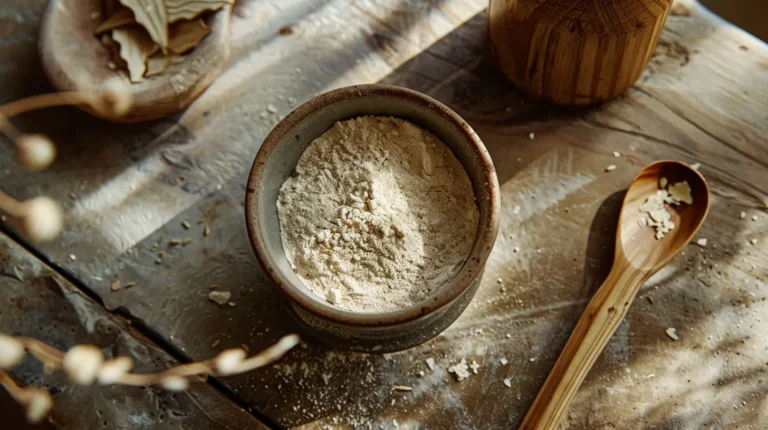
Slippery Elm: The Soothing Inner Bark for Throat, and Digestion

Slippery elm is a North American tree whose inner bark becomes silky, thick, and gel-like when mixed with water. That “slippery” texture is exactly why herbalists have traditionally used it for throat comfort, digestive soothing, and irritated mucous membranes. This…

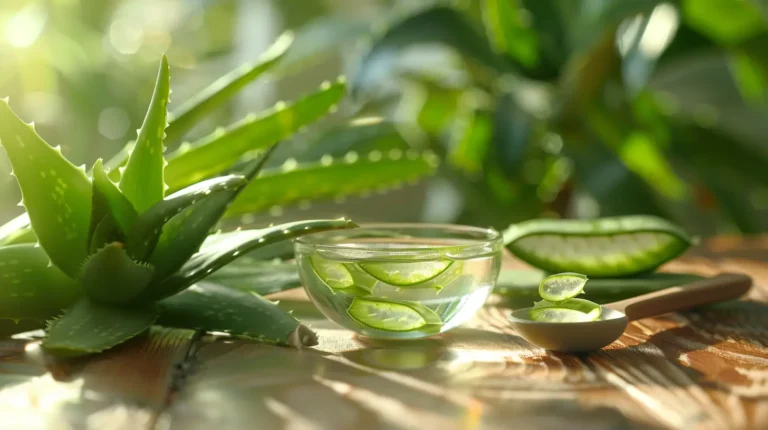
Aloe Vera: The Cooling Succulent for Skin and Hydration

Aloe vera is a thick-leaved succulent best known for the clear gel inside its leaves. That gel has been traditionally used to cool, soothe, and moisturize the skin, especially after sun, heat, dryness, or minor everyday irritation. Aloe is simple-looking,…

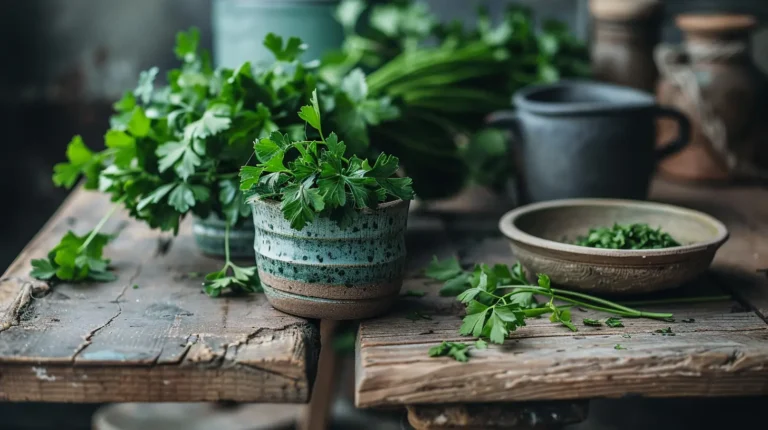
Parsley: The Everyday Green Herb with Quiet Herbal Depth

This bright green culinary herb has been traditionally used to support digestion, urinary flow, fresh breath, and everyday mineral-rich nourishment. Herbalists use parsley leaf most often, though parsley root and seed also appear in traditional herbal practice. The leaf is…

Yarrow: Feather-Leaf Herb for Digestion, Skin, and Seasonal Support

Yarrow is a hardy, aromatic wildflower with delicate, fern-like leaves and flat clusters of tiny white or pale pink flowers. Herbalists have traditionally used yarrow for digestion, skin support, menstrual comfort, and seasonal wellness. It has a slightly bitter, aromatic…

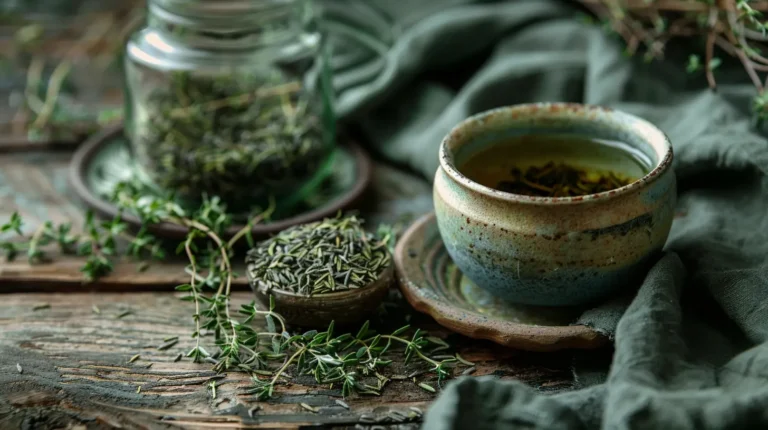
Thyme: Tiny Leaves, Big Aromatic Wisdom

Thyme is a small, woody Mediterranean herb with a big personality. Herbalists have traditionally used thyme for respiratory comfort, digestion, oral wellness, and seasonal immune support. It is warming, aromatic, and pleasantly sharp — the kind of herb that walks…

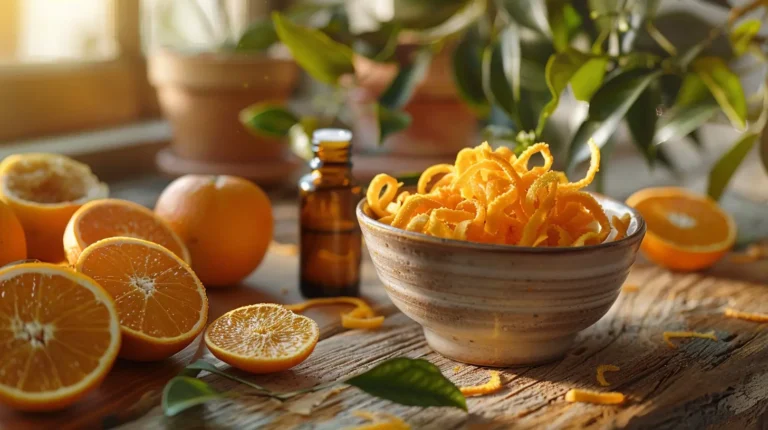
Orange Peel: Traditional Support for Digestive Health

Orange peel is the fragrant outer rind of the sweet orange. In herbalism and traditional food cultures, the peel is used as an aromatic digestive herb, flavoring agent, tea ingredient, and bright companion to heavier or more bitter herbs. Orange…