

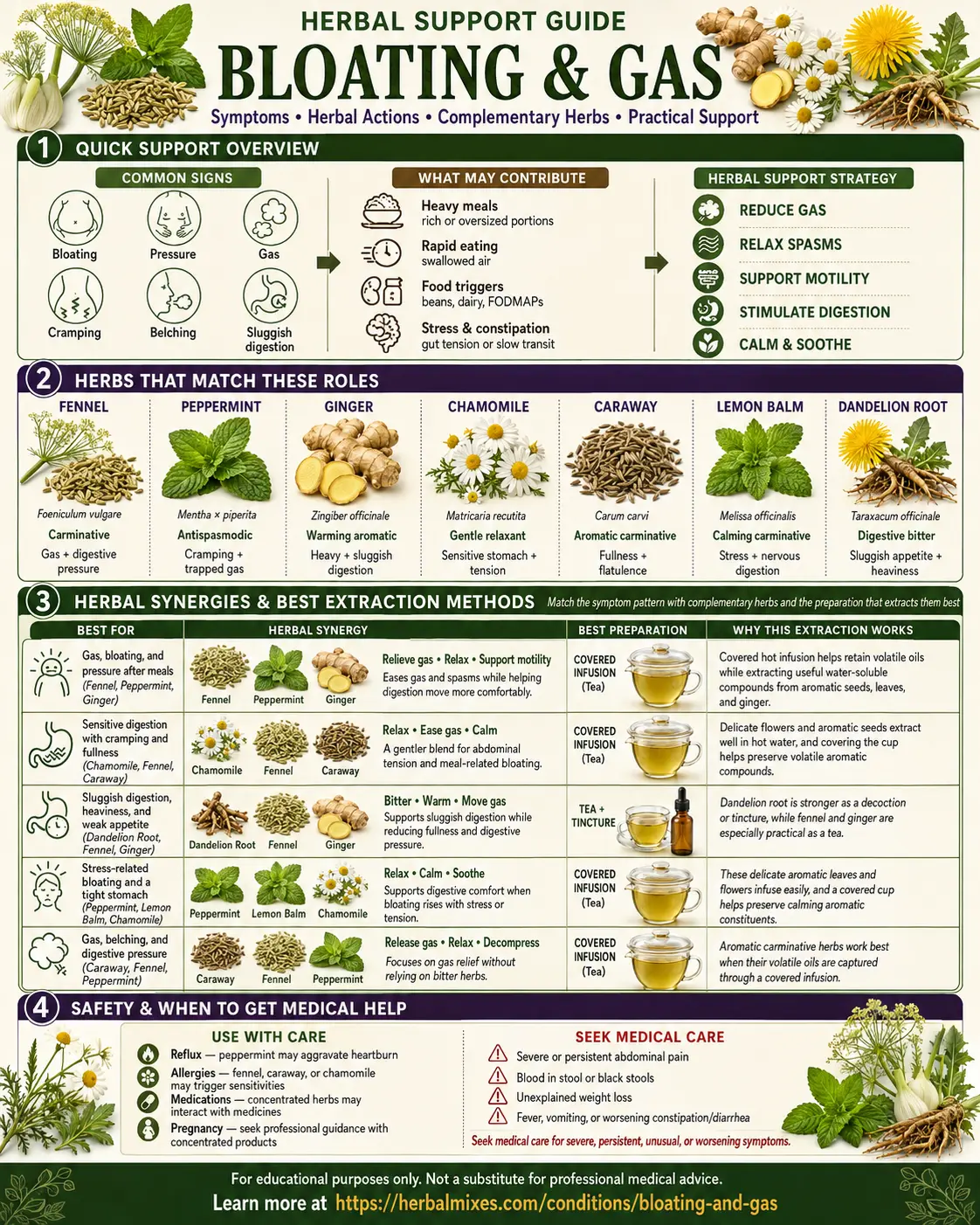
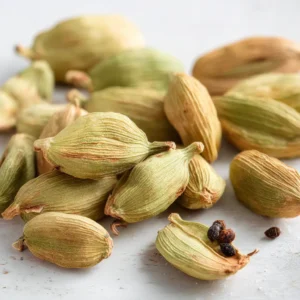
Herbal support works best when matched to the pattern: fennel, caraway, peppermint, and cardamom emphasize gas relief; chamomile and lemon balm add antispasmodic and calming support; ginger suits cold or sluggish digestion; and dandelion root becomes more relevant when post-meal heaviness and weak digestive appetite dominate.
Learn more about these herb:

Available Ready-to-Use Products
If you prefer a ready-made option, these commercially available products contain herbs relevant to the approaches discussed above.
General gas + bloating — Useful when fennel-centered carminative support is preferred in capsule form. Gaia Herbs — Gas & Bloating™ — Contains fennel, chamomile, lemon balm, cardamom, star anise, and ginger plus activated charcoal, closely matching several of the herbal strategies above. Activated charcoal can interfere with medication absorption, so timing and safety matter.
Occasional gas + indigestion — A liquid herbal option centered on aromatic carminatives. Herb Pharm — Neutralizing Cordial — The manufacturer describes it as a carminative formula designed to support occasional indigestion and gas, making it a practical match for meal-related bloating.
Gas + digestive tension — Useful when peppermint is the main desired action. Herb Pharm — Peppermint Spirits — Combines peppermint tincture with peppermint essential oil and is positioned for occasional indigestion, gas, nausea, and digestive tension.
IBS-type bloating + abdominal discomfort — More appropriate when recurring bloating overlaps with an established IBS pattern. Heather’s Tummy Care — Tummy Tamers Peppermint Oil Capsules — Uses enteric-coated peppermint oil, the form with considerably more clinical research than ordinary peppermint leaf for IBS-related symptoms.
Herbal Synergies & Best Extraction Methods
Fennel + Peppermint + Ginger
Best for: Post-meal bloating, trapped gas, fullness, and digestive discomfort after heavier foods.
Fennel emphasizes gas relief, peppermint helps relax digestive spasms, and ginger adds warming support for digestion and movement. Together they cover gas + cramping + sluggish digestion.
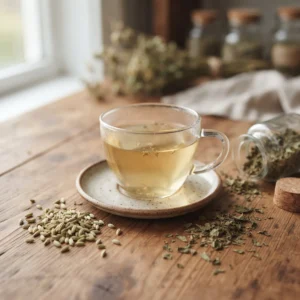
Best Preparation: Covered Infusion (Tea). Covering the infusion helps retain the aromatic volatile oils that contribute much of the carminative action.
Chamomile + Fennel + Caraway
Best for: Sensitive digestion, mild cramping, abdominal tension, and gas without strong digestive sluggishness.
Chamomile softens intestinal tension while fennel and caraway provide complementary aromatic carminative actions. This is a gentler option than strongly warming or intensely bitter combinations.
Best Preparation: Covered Infusion (Tea). All three lend themselves well to hot-water extraction while a covered vessel helps preserve aromatic constituents.
Ginger + Cardamom + Fennel
Best for: Cold, sluggish digestion with heaviness, belching, fullness, and bloating after rich meals.
Ginger and cardamom provide warming aromatic support, while fennel adds a more directly carminative action for gas. This combination is particularly suited to digestive heaviness rather than sharp intestinal cramping.
Best Preparation: Covered Infusion (Tea). Lightly crushed aromatic seeds and ginger extract well in hot water when the infusion is kept covered.
Dandelion Root + Fennel + Ginger
Best for: Bloating associated with weak appetite, slow digestion, or prolonged fullness after eating.
Dandelion adds digestive bitterness, while fennel addresses gas and ginger adds warmth. This makes the combination more appropriate for sluggish digestion than for stress-triggered bloating.
Best Preparation: Tea + Tincture. Dandelion root works well as a decoction or tincture, while fennel and ginger are convenient as an aromatic tea.
Peppermint + Lemon Balm + Chamomile
Best for: Stress-related digestive tension, cramping, bloating, and a “tight stomach.”
Peppermint focuses on digestive spasms, while lemon balm and chamomile add calming nervine activity. This combination makes the most sense when symptoms worsen during periods of stress or nervous tension.
Best Preparation: Covered Infusion (Tea). Tea is particularly appropriate for these delicate aromatic leaves and flowers.
Herbal Properties Required
For bloating and gas, the most useful herbal properties are typically carminative, antispasmodic, aromatic, digestive bitter, and mild nervine actions. Carminatives help with trapped gas, antispasmodics support intestinal relaxation when cramping is present, aromatic herbs may encourage comfortable digestion, while bitters are better suited to fullness and sluggish digestion; calming nervines become especially useful when digestive tension increases with stress.






Herbs With These Properties
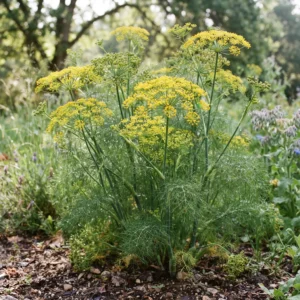
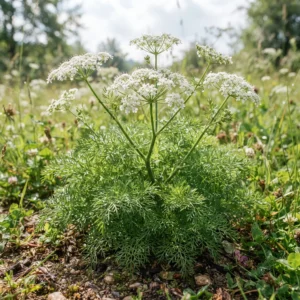
Fennel (Foeniculum vulgare) — Gas + digestive spasms. Aromatic fennel fruit contains volatile constituents including anethole and is traditionally used for mild spasmodic gastrointestinal complaints, particularly bloating and flatulence.
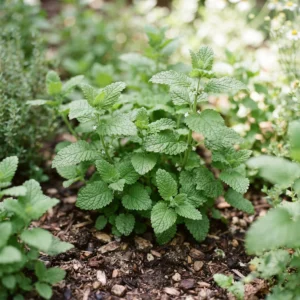
Peppermint (Mentha × piperita) — Cramping + trapped gas. Menthol-rich peppermint provides carminative and antispasmodic actions. Evidence is strongest for enteric-coated peppermint oil in IBS, where studies suggest short-term benefits for abdominal pain and overall digestive symptoms.
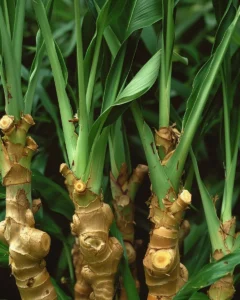
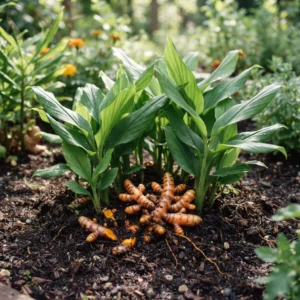
Ginger (Zingiber officinale) — Sluggish + heavy digestion. A warming aromatic rhizome containing gingerols and shogaols, ginger works particularly well when bloating comes with heaviness, sluggish digestion, mild nausea, or discomfort after richer meals.
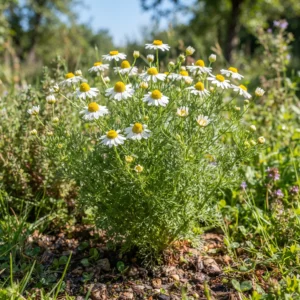
Chamomile (Matricaria recutita) — Cramping + sensitive digestion. Chamomile combines gentle carminative and antispasmodic qualities with a calming nervine action, making it especially useful when bloating is accompanied by tension, intestinal spasms, or a sensitive stomach. Traditional European use includes bloating and minor gastrointestinal spasms.
Caraway (Carum carvi) — Gas + fullness. Caraway fruit is strongly aromatic and traditionally used for digestive discomfort involving bloating and flatulence. It pairs especially well with fennel when gas is the dominant problem without significant nausea or reflux.
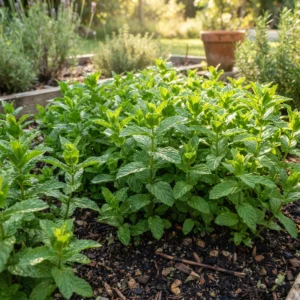
Lemon Balm (Melissa officinalis) — Stress-related bloating + tension. Lemon balm combines carminative, antispasmodic, and calming nervine actions, making it particularly useful when digestive symptoms appear during stress or emotional tension. Traditional use includes mild bloating and flatulence.
Dandelion Root (Taraxacum officinale) — Sluggish digestion + post-meal heaviness. Dandelion root provides digestive bitter activity rather than primarily antispasmodic support, making it more appropriate when bloating follows heavy meals, reduced appetite, or generally sluggish digestion.
Use With Care
- Peppermint oil may worsen reflux or heartburn, particularly in non-enteric-coated preparations. People with significant GERD or hiatal hernia should use concentrated peppermint cautiously.
- Fennel, caraway, and other Apiaceae-family herbs may cause allergic reactions in sensitive individuals.
- Chamomile should be used cautiously by people with strong allergies to ragweed-family plants.
- Ginger may occasionally cause heartburn, abdominal discomfort, or diarrhea; people taking medications should discuss concentrated supplements with their healthcare provider.
- Products containing activated charcoal can reduce absorption of medications and should not be taken casually alongside prescription drugs.
If you take prescription medication, are pregnant or breastfeeding, or have a medical condition, check with a qualified healthcare professional before using concentrated herbal products.
When to Get Medical Help
Seek medical evaluation if you experience:
- Severe, persistent, or suddenly worsening abdominal pain.
- Frequent vomiting or inability to keep fluids down.
- Blood in the stool, black tarry stools, or bloody vomit.
- Unintentional weight loss or persistent loss of appetite.
- Bloating accompanied by persistent constipation, diarrhea, difficulty swallowing, or progressive abdominal enlargement.
Gas and bloating are common, but persistent symptoms can sometimes occur with food intolerances, celiac disease, IBS, constipation, gastroparesis, SIBO, or other gastrointestinal disorders.
Persistent, severe, unusual, or worsening symptoms should be evaluated by a healthcare professional.
Frequently Asked Questions
What is the best herb for bloating and gas?
Fennel is one of the strongest all-around choices when gas and fullness dominate because its traditional use specifically includes bloating and flatulence. Peppermint becomes more attractive when cramping is significant, while ginger is usually a better match for heavy or sluggish digestion.
What is the best herbal combination for gas after eating?
Fennel + peppermint + ginger is a practical starting combination. Fennel targets gas, peppermint adds antispasmodic activity, and ginger supports digestive comfort when a meal leaves you feeling unusually full or heavy.
What herbs are better when stress causes my bloating?
Consider lemon balm + chamomile + peppermint. Lemon balm and chamomile combine digestive and calming nervine properties, while peppermint adds stronger antispasmodic support. Lemon balm’s traditional uses specifically include both stress-related symptoms and mild digestive complaints such as bloating.
Is tea or a tincture better for bloating?
For fennel, peppermint, chamomile, lemon balm, caraway, ginger, and cardamom, a covered tea infusion is an excellent choice because many of their useful constituents are aromatic. Tinctures become especially convenient when you want stronger bitters such as dandelion or a portable concentrated formula.
Why do I keep getting bloated even when I use herbs?
Herbs may ease symptoms, but recurring bloating can reflect the underlying diet or digestive condition. Common triggers include carbonated drinks, eating rapidly, poorly digested carbohydrates, lactose or fructose intolerance, constipation, IBS, and other GI conditions. Tracking food and symptoms can help reveal patterns.
References
National Institute of Diabetes and Digestive and Kidney Diseases — Symptoms & Causes of Gas in the Digestive Tract
Read the NIDDK guide
National Institute of Diabetes and Digestive and Kidney Diseases — Eating, Diet & Nutrition for Gas in the Digestive Tract
Read the NIDDK nutrition guide
National Center for Complementary and Integrative Health — Peppermint Oil: Usefulness and Safety
Read the NCCIH peppermint overview
Ingrosso et al. — Systematic Review and Meta-analysis: Efficacy of Peppermint Oil in Irritable Bowel Syndrome
View the PubMed study
European Medicines Agency — Sweet Fennel Fruit Herbal Medicinal Product
Read the EMA fennel monograph summary
European Medicines Agency — Caraway Fruit Herbal Medicinal Product
Read the EMA caraway monograph summary
European Medicines Agency — Melissa Leaf Herbal Medicinal Product
Read the EMA lemon balm monograph summary
European Medicines Agency — Matricaria Flower Herbal Medicinal Product
Read the EMA chamomile monograph summary
Disclaimer
For educational purposes only. This information is not intended to diagnose, treat, cure, or prevent disease. Herbal products may cause side effects or interact with medications. Consult an appropriate healthcare professional if you have a medical condition, take medication, are pregnant or breastfeeding, or have persistent or concerning symptoms.